How Did Hell’s Kitchen Get Its Name? The Complete Answer
Feeling curious about the stories behind iconic places? Many people wonder how neighborhoods like Hell’s Kitchen got their names and what they really mean. If you’re interested in history and the stories that shape cities, you’re not alone.
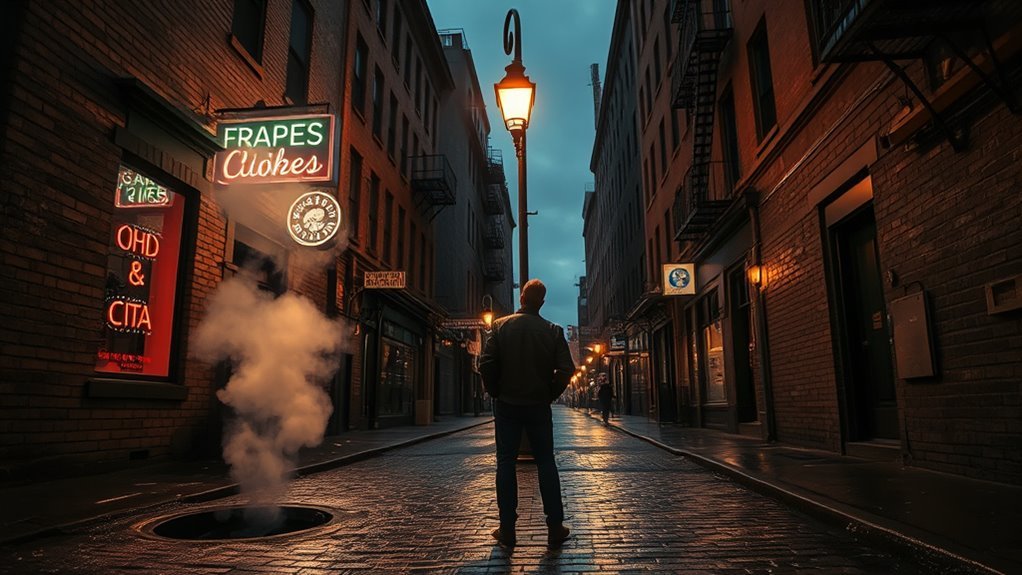
You’re stepping into Hell’s Kitchen, a name born from the neighborhood’s tough, gritty past full of immigrant struggles, gang fights, and poverty. It first appeared in 19th-century New York to describe a rough area where Irish and other immigrant groups faced hardships and fierce rivalries.
The name stuck, symbolizing resilience despite crime and violence.
Though the neighborhood has transformed, its raw spirit remains alive. Investigate how this fierce legacy shaped the place you see today.
Key Takeaways
- Hell’s Kitchen got its name from its tough, violent, and impoverished reputation in 19th-century New York City.
- The name reflects the area’s harsh living conditions and gang-related crime, especially involving Irish and immigrant communities.
- Different immigrant groups like Irish, German, Italian, and Eastern Europeans helped shape the neighborhood’s rough culture.
- Media stories and urban legends have helped keep the image of Hell’s Kitchen as a gritty, dangerous place alive.
- Even though the neighborhood has gentrified and modernized, the name “Hell’s Kitchen” still stands as a symbol of resilience and local pride.
Where Did the Name “Hell’s Kitchen” Come From?

Although the exact origin of the name “Hell’s Kitchen” remains uncertain, many believe it reflects the neighborhood’s rough and gritty past. When you look into the cultural significance of the name, you’ll see it’s more than just a label—it’s a symbol of resilience and toughness.
The historical stories tied to Hell’s Kitchen reveal a place once marked by violence, poverty, and tenacity. As you explore these stories, you’ll notice how the name captures the spirit of a community that faced hardships head-on.
The phrase “Hell’s Kitchen” paints a vivid picture of a challenging environment, one that shaped the identity of its residents. Understanding where the name came from helps you appreciate the mix of myth and reality that defines the neighborhood’s legacy.
Early Uses of “Hell’s Kitchen” in 19th Century New York
You know, the term “Hell’s Kitchen” actually first showed up in 19th century New York. It was used to describe a pretty tough, gritty neighborhood. Back then, this part of the city was known for its rough streets and the working-class folks who lived there.
It’s pretty interesting to see how the name really captured the early vibe of the area—full of challenges and rough-and-tumble life. So, basically, “Hell’s Kitchen” wasn’t just a catchy nickname; it was a reflection of what the neighborhood was like in those days.
Origins of The Term
When you look into where the term “Hell’s Kitchen” comes from, you’ll see it first popped up in 19th-century New York. It was used to describe a neighborhood known for being pretty rough. This phrase quickly became part of local stories, capturing the tough reality of the area.
Early newspapers used “Hell’s Kitchen” to talk about violent fights and crime-filled streets. The term came to represent hardship, reflecting the difficult lives of immigrant workers trying to get by.
Local police reportedly used the phrase to describe the chaos they faced while patrolling. Over time, “Hell’s Kitchen” became a metaphor for any harsh urban environment.
Knowing these points helps you understand why the name stuck around and how it shaped the story of New York City.
Historical Neighborhood Context
Since the 19th century, Hell’s Kitchen has been known as a gritty neighborhood marked by poverty and violence. You can trace the early uses of “Hell’s Kitchen” back to newspaper reports and police records that described the area as a tough, working-class district filled with tenements and crime.
As you investigate this history, you’ll see how the neighborhood’s cultural identity formed around its Irish and immigrant communities, creating a unique, resilient spirit. Today, gentrification effects are reshaping Hell’s Kitchen, but understanding its past helps you appreciate the deep roots beneath the changing facades.
Popular Legends Behind “Hell’s Kitchen
You’ve probably heard that Hell’s Kitchen got its name from all the wild stories of gang wars and tough working conditions back in the day. It’s like the neighborhood has this reputation for being a rough and tumble place, shaped by struggle and crime. But let’s dig a little deeper and explore some of the popular legends that helped make the area so infamous.
Gang Wars Origins
Countless stories have circulated about the fierce gang wars that shaped Hell’s Kitchen’s notorious reputation. You’ll find that the neighborhood’s gang culture thrived amid violent rivalries, creating a dangerous atmosphere. These clashes weren’t just random brawls—they defined the area’s identity.
Here’s what you should know about Hell’s Kitchen’s gang wars origins:
- Rival gangs like the Westies and others fought for control over territory and illegal trades.
- Violence erupted frequently, making the neighborhood a battleground.
- These gangs often had deep roots in local communities, blending loyalty with brutality.
- The gang wars fueled Hell’s Kitchen’s image as a lawless, “hellish” place in New York City.
Understanding this violent past helps you see how Hell’s Kitchen earned its fearsome name.
Fiery Working Conditions
Three legendary tales explain how Hell’s Kitchen got its fiery name, each rooted in the harsh working conditions of the neighborhood’s past. When you step into Hell’s Kitchen, you’re stepping into a place once known for its intense culinary battles.
Chefs and kitchen staff didn’t just cook; they fought, driven by fiery tempers fueled by stress and overcrowded kitchens. You can imagine the constant heat, not only from stoves but from tempers flaring over every dish.
These battles weren’t just about food; they symbolized the neighborhood’s struggle to survive in tough conditions. When you hear “Hell’s Kitchen,” think of the relentless heat and the fiery tempers clashing behind kitchen doors.
It was a place where working conditions were as fierce as the name suggests.
Notorious Crime Stories
Although Hell’s Kitchen earned its name from fiery kitchens, its reputation also comes from notorious crime stories that define its history. You’ll find that the crime culture here has given rise to several urban legends, making the area both infamous and fascinating.
Explore these popular stories: The Murder Inc. gang, known for ruthless hits, operated in Hell’s Kitchen during the 1930s. Urban legends also tell of secret tunnels used by bootleggers during Prohibition.
The Hudson Dusters gang, notorious for violent turf wars, left a lasting mark on the neighborhood. Tales of corrupt cops and political ties have fueled the reputation of lawlessness here.
These stories have shaped Hell’s Kitchen’s identity far beyond its kitchens, embedding a deep crime culture into its lore.
Theories Linking the Name to Crime and Violence
When you look into the origins of Hell’s Kitchen’s name, you’ll find many theories linking it directly to the area’s history of crime and violence. You’ll hear crime legends and urban myths that paint a picture of a neighborhood shaped by a violent past.
Stories of notorious figures and gang culture dominate neighborhood tales, reinforcing the area’s dark history. Some say the name came from the criminal legacy left behind by ruthless gangs who controlled the streets, turning Hell’s Kitchen into a hub of unrest.
Others point to violent clashes and brutal confrontations that gave the district its fearsome reputation. As you explore these theories, it becomes clear that the name reflects more than just a nickname—it captures the essence of a place long marked by danger and lawlessness.
This connection between Hell’s Kitchen and its violent past continues to be a compelling explanation for how the neighborhood earned its infamous title.
Immigrant Communities’ Influence on Hell’s Kitchen’s Name and Reputation
You can really see how Irish immigrants played a big role in shaping Hell’s Kitchen’s identity. They built a close-knit community and worked incredibly hard, which helped define the neighborhood.
The mix of different ethnic groups in the area created a unique vibe—kind of gritty and resilient—that contributed to its tough reputation.
Getting this background helps you understand how the name Hell’s Kitchen itself came about and how the neighborhood’s character developed over time.
Irish Immigrant Impact
The Irish immigrants who settled in Hell’s Kitchen played an essential role in shaping the neighborhood’s tough reputation and the origin of its name. Their Irish resilience helped them endure harsh conditions and immigrant struggles, which defined much of the area’s character. You can see how their influence stands out in:
- Facing poverty and discrimination head-on, they forged a tight-knit community.
- Their involvement in labor and dock work contributed to frequent conflicts and a rough atmosphere.
- The Irish gangs that emerged added to Hell’s Kitchen’s feared reputation.
- Stories of their struggles and spirit spread, reinforcing the “Hell’s Kitchen” nickname.
Understanding this impact helps you appreciate how Irish immigrants left an indelible mark on the neighborhood’s identity.
Ethnic Neighborhood Dynamics
Although Hell’s Kitchen is often linked to Irish immigrants, many other ethnic groups helped shape its tough reputation and gave it its name.
You can see how Irish, German, Italian, and Eastern European communities interacted, creating a complex cultural mix. These interactions sometimes led to tension and competition, which added to the neighborhood’s rough image.
This diverse group of people influenced daily life in the area and affected how outsiders saw it, reinforcing the “Hell’s Kitchen” nickname.
| Ethnic Group | Contribution to Hell’s Kitchen |
|---|---|
| Irish | Early settlers and tough labor force |
| Germans | Skilled trades and community organizing |
| Italians | Local businesses and cultural traditions |
| Eastern Europeans | Rich customs and neighborhood diversity |
Community Reputation Evolution
Understanding how various immigrant communities shaped Hell’s Kitchen helps explain why its reputation evolved the way it did. You’ll see that community perception shifted as waves of immigrants brought cultural diversity and resilience, pushing social change within the neighborhood. This transformation affected how people viewed Hell’s Kitchen, turning it from a rough district into a vibrant, hardworking community.
Here’s how immigrant influence shaped Hell’s Kitchen’s reputation:
- Early Irish immigrants created a tough, working-class identity.
- Eastern European newcomers added cultural richness and strong community bonds.
- Latino and other groups brought new energy, changing social dynamics.
- Gentrification continues to mix old and new, further shaping community perception.
Hell’s Kitchen’s Labor and Gang History and Its Impact on the Name
When you look into Hell’s Kitchen’s history, you’ll see that tough labor conditions and notorious gang activity played a big role in shaping its fierce reputation and its name.
The neighborhood’s labor struggles were intense, with immigrant workers dealing with harsh conditions and fighting for fair treatment.
This created a strong sense of community resilience, as residents came together against exploitation.
Gang influence added another layer, with organized crime exploiting social issues and political corruption to control the area.
These gangs often clashed violently, which only reinforced the neighborhood’s dangerous image.
Hell’s Kitchen’s history is important because these elements shaped its identity—one marked by toughness and the will to survive through adversity.
Understanding the struggles of immigrants and the complex social fabric helps explain why “Hell’s Kitchen” became more than just a nickname.
It reflected the real, gritty life of a community navigating hardship and power struggles.
How Media Made “Hell’s Kitchen” Famous
Since the gritty stories of Hell’s Kitchen caught the public’s attention, media has played a huge role in shaping how you see the neighborhood. It transformed Hell’s Kitchen from a rough area into a cultural icon through branding strategies and celebrity associations.
TV shows brought its tough image into millions of homes, especially in crime dramas and reality shows. Films also dramatized its raw energy and history, fueling your fascination with its past.
Artistic interpretations in literature and visual arts added more perspectives, enriching its cultural impact. These portrayals drastically shaped the public perception, making Hell’s Kitchen synonymous with resilience and grit.
Here’s how media made Hell’s Kitchen famous:
- TV shows highlighted its intense, authentic vibe.
- Movies dramatized its rough-and-tumble history.
- Celebrities brought glamor and notoriety.
- Branding strategies used its edgy reputation.
Now, you mostly see Hell’s Kitchen through this media-crafted lens.
The Neighborhood’s Transformation and Its Effect on the Name
Although Hell’s Kitchen once lived up to its fierce reputation, the neighborhood has undergone a dramatic transformation that challenges its old image. As you walk through its streets today, you’ll notice sleek high-rises, trendy restaurants, and boutique shops replacing the gritty backdrop of the past. These gentrification effects have attracted new residents and businesses, shifting the area’s economic and social landscape.
You’ll also see cultural shifts that have softened Hell’s Kitchen’s tough persona. Artists, young professionals, and families now call it home, bringing diverse influences and revitalizing the community. Yet, while the neighborhood’s physical and demographic makeup has evolved, the name “Hell’s Kitchen” still lingers as a nod to its history.
This transformation shows you how dynamic urban areas can be—where a name rooted in hardship remains even as the environment and culture continue to change around it.
Why the Name “Hell’s Kitchen” Still Resonates Today
Even as Hell’s Kitchen sheds much of its rough past, the name still hits home for many. Its cultural significance keeps the neighborhood’s story alive, linking past struggles with today’s lively community. The name has become a symbol of resilience and change, shaping Hell’s Kitchen’s modern identity in ways you can’t ignore.
Hell’s Kitchen’s name endures as a powerful symbol of resilience, connecting its storied past with a vibrant present.
Here’s why the name still resonates:
- It captures the gritty spirit and survival instincts of its early residents.
- The name connects you to a shared history that fuels local pride.
- It appeals to visitors looking for authenticity beyond shiny cityscapes.
- Hell’s Kitchen stands for a mix of old toughness and fresh creative energy.
What “Hell’s Kitchen” Reveals About New York City’s Past
The name “Hell’s Kitchen” gives you a vivid glimpse into New York City’s gritty past. When you hear it, you’re tapping into a neighborhood shaped by tough realities and colorful stories. Urban legends about fierce gangs, brutal tenements, and relentless labor struggles paint a picture of a place where survival was a daily battle.
These tales, whether fully true or exaggerated, reflect the neighborhood’s harsh conditions and the people who lived through them. You’ll also see the cultural significance Hell’s Kitchen holds as a symbol of resilience and transformation.
It wasn’t just a rough patch of the city; it was a melting pot of immigrants and working-class families who laid the foundation for modern New York. By examining Hell’s Kitchen’s past, you understand more about the city’s complex history, its challenges, and its enduring spirit.
This name isn’t just a label. It’s a story of New York itself.
Frequently Asked Questions
What Are the Best Restaurants to Visit in Hell’s Kitchen Today?
You’ll find great spots like Tavola, serving up authentic Italian flavors, and 5 Napkin Burger for a casual yet tasty meal.
If you’re craving Asian fusion, don’t miss Totto Ramen or Momoya.
For a lively vibe, check out Hell’s Kitchen’s Mercado Little Spain, where tapas and drinks are highlights.
These places guarantee memorable dining, letting you enjoy the neighborhood’s diverse food scene every time you visit.
How Has the Real Estate Market Changed in Hell’s Kitchen Recently?
You’ll notice real estate trends in Hell’s Kitchen have shifted recently, with rising property values and increased demand. Market analysis shows more luxury developments and a competitive rental market, reflecting the neighborhood’s growing popularity.
If you’re considering investing or moving here, you’ll find prices higher but opportunities are still available. New projects are boosting the area’s appeal, making it an exciting time for potential buyers and renters.
Staying updated on these trends will help you make smarter real estate decisions.
What Famous Movies or TV Shows Were Filmed in Hell’s Kitchen?
You might not expect Hell’s Kitchen’s gritty streets to be a backdrop for famous filming, yet iconic locations like the waterfront and bustling avenues have starred in many productions. Shows like “Daredevil” use its rugged vibe to enhance storytelling, while movies such as “Taxi Driver” capture its raw energy.
When you walk through Hell’s Kitchen, you’re stepping into scenes that brought these stories to life. It’s a place where real life and Hollywood’s imagination intersect in a pretty fascinating way.
Are There Any Notable Parks or Green Spaces in Hell’s Kitchen?
Yes, you’ll find several parks in Hell’s Kitchen offering great green space activities. DeWitt Clinton Park is a popular spot where you can enjoy sports, playgrounds, and picnic areas.
If you’re looking for a quieter spot or some relaxation, the small but charming Hell’s Kitchen Park provides benches and lots of greenery. These parks are perfect for escaping the city’s hustle and enjoying some fresh air.
Whether it’s exercise, a peaceful break, or just soaking in nature, these green spaces have you covered in Hell’s Kitchen.
What Public Transportation Options Serve Hell’s Kitchen?
Imagine stepping out of a horse-drawn carriage into Hell’s Kitchen today—you’d find plenty of subway access to get you around. The neighborhood is well-connected with multiple subway lines nearby, making travel quick and easy.
You’ve got several bus routes crisscrossing the area, so getting around locally is a breeze. Whether you’re heading to the theater or grabbing a bite, public transit makes it simple.
If you’re commuting farther, there are nearby train stations that serve commuters regularly. Whether it’s subway or bus, getting in and out of Hell’s Kitchen is incredibly convenient and efficient.
Conclusion
So, next time you hear “Hell’s Kitchen,” don’t just think of Gordon Ramsay yelling—think of a fiery past filled with crime, chaos, and immigrant grit.
It’s basically New York’s way of saying, “Welcome to the urban jungle, hope you survive the kitchen heat!”
The name stuck because, well, who doesn’t love a little drama mixed with history?
Hell’s Kitchen isn’t just a place; it’s the city’s spicy, unfiltered story served hot.
Enjoy!