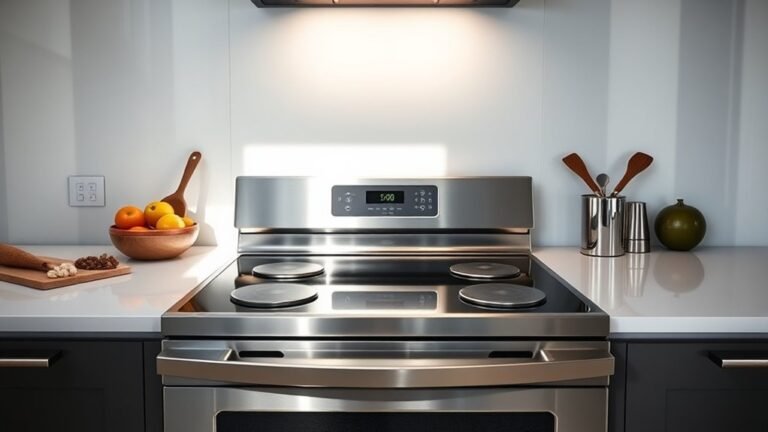
How Does an Electric Stove Work? A Clear Guide to Electric Stove Functionality
An electric stove works by converting electric energy into heat using heating elements beneath its cooking surface. When you turn on the stove, electricity flows through the coils or smooth top elements, generating heat through electrical resistance. This heat is then transferred to your pots and pans, allowing you to cook food efficiently and evenly.
Understanding how an electric stove operates aids in effectively using and maintaining it. Unlike gas stoves that burn fuel directly, electric stoves rely on controlled electric currents, which makes temperature regulation precise and consistent. This functionality also contributes to the stove's safety, as there are no open flames involved.
This article will cover the key components of electric stoves, including various types of heating elements, thermostat controls, safety mechanisms, and common maintenance practices. You will also find comparisons of electric stove categories and answers to common questions to help you better understand this essential kitchen appliance.
Electric Stove Heating Elements

Coil Heating Elements
Coil heating elements are the classic electric stove parts visible under removable drip pans. They consist of metal coils that heat up when electric current passes through them. The coils glow red as they reach high temperatures, delivering direct heat to the cookware placed on top.
These elements are relatively inexpensive and easy to replace. They provide reliable heat but can be slower to cool down after being turned off, which requires careful handling to avoid burns or heat damage.
- Made of exposed metal coils
- Often removable for cleaning or replacement
- Takes time to cool down after use
- Provides direct radiant heat
Glass-Ceramic Smooth Top Elements
Smooth top electric stoves use hidden heating elements beneath a flat glass-ceramic surface. These electric stove heating elements heat up and transfer warmth through the smooth surface to the cookware. The surface remains sleek and easy to clean compared to coil models.
These elements offer more uniform heating and faster temperature adjustments but can be more expensive to repair or replace. They also require cookware with flat, smooth bottoms for optimal heat transfer.
- Hidden electric elements under glass-ceramic
- Easy-to-clean smooth surface
- Faster heat adjustments
- Requires compatible cookware
Temperature Control and Thermostats

Manual Knob Controls
Traditional electric stoves use manual knobs to adjust the electrical current supplied to the heating elements. Turning the knob changes resistance, allowing the user to set the element’s temperature roughly based on predefined power levels.
These controls are simple, durable, and straightforward to use, but less precise compared to advanced digital systems. They often have indicator lights to show when an element is active.
- Adjusts power flow to heating element
- Simple turn-to-set design
- Indicator lights for element status
- Less precise temperature control
Digital Controls and Proportional Heating
Modern electric stoves may use digital control panels with touch buttons or electronic knobs. These systems use sensors and proportional heating circuits that cycle power on and off rapidly to maintain precise temperatures.
The thermostat feedback allows consistent cooking temperatures and programmable heat settings. The technology reduces energy consumption and offers better safety by preventing overheating.
- Precise temperature regulation
- Programmable cooking modes
- Energy efficient cycling of heat
- Enhanced safety features
Safety Features in Electric Stoves

Hot Surface Indicators
Electric stoves often include hot surface indicator lights that remain lit while the heating elements or glass-ceramic cooktop are still hot after being turned off. These indicators warn users to avoid touching the surface to prevent burns.
This feature enhances kitchen safety, especially in households with children, by providing a clear visual cue that cooking zones remain hazardous even if switched off.
- Light signals on/off element heat status
- Warns users of residual heat
- Reduces burn accidents
- Common in smooth top designs
Automatic Shut-off and Safety Thermostats
Some electric stove models include automatic shut-off functions that power down the heating elements after extended use or if the stove overheats, which helps prevent fires and damage.
Safety thermostats monitor temperature levels and interrupt circuits if elements exceed safe limits. These protective components ensure longevity and secure operation under heavy or accidental use.
- Timers for auto shut-off
- Overheat protection sensors
- Prevents fire risks
- Extends appliance lifespan
Maintenance and Troubleshooting
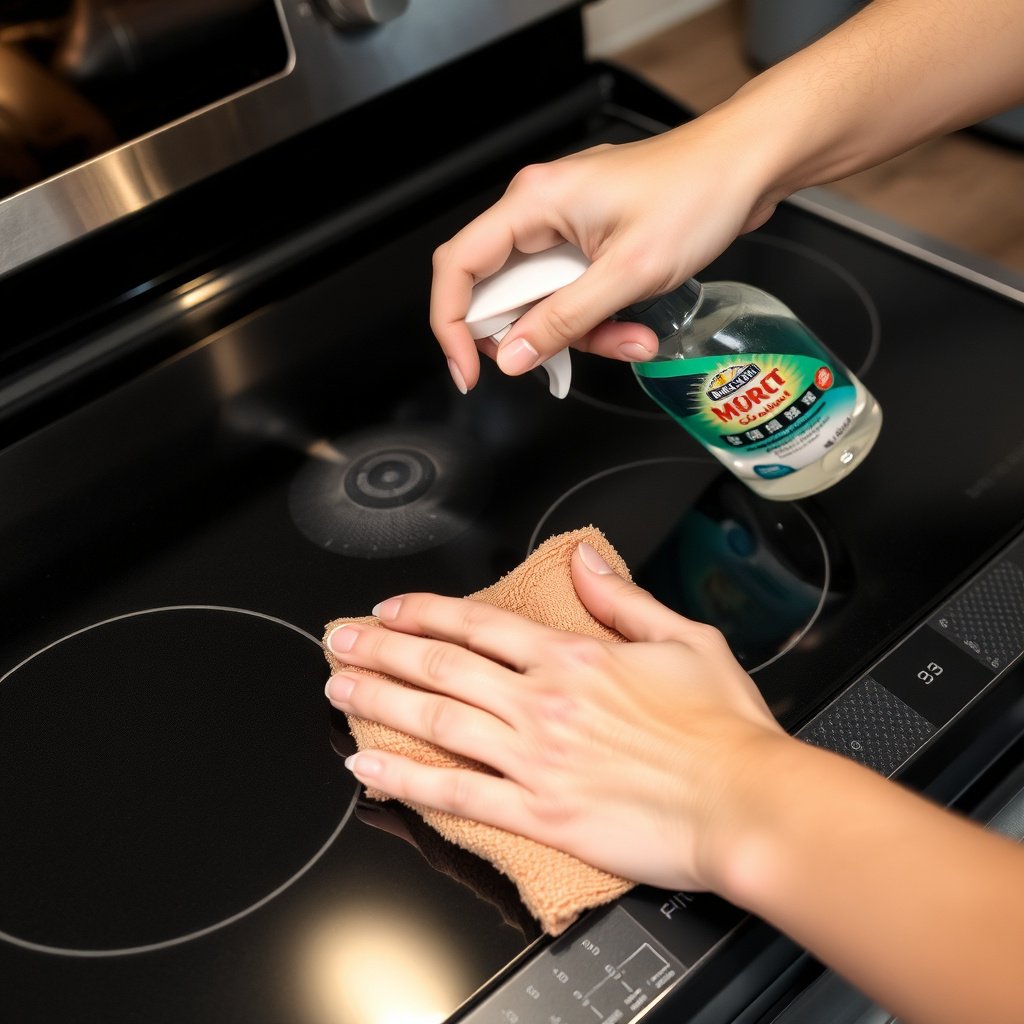
Cleaning Electric Stove Surfaces
Regular cleaning of electric stoves is essential for performance and safety. Coil elements can be wiped down carefully after cooling, while drip pans should be removed and cleaned separately to avoid buildup.
For glass-ceramic smooth tops, special non-abrasive cleaners prevent scratching and maintain surface clarity. Avoid harsh chemicals or sharp tools to prolong the cooktop’s appearance and function.
- Use mild cleaners for glass tops
- Remove and clean drip pans regularly
- Avoid abrasive scrubbers
- Wipe coils gently when cool
Common Issues and Repairs
Burned-out heating elements are the most common repair needed on electric stoves. Replacement coils or smooth-top elements are available and can often be installed by users.
Thermostat or control panel malfunctions may require professional service. Regular inspection and timely repairs ensure safety and consistent cooking performance.
- Heating element replacement
- Control knob or sensor fixes
- Check wiring connections
- Professional service for complex issues
Electric Stove Energy Efficiency
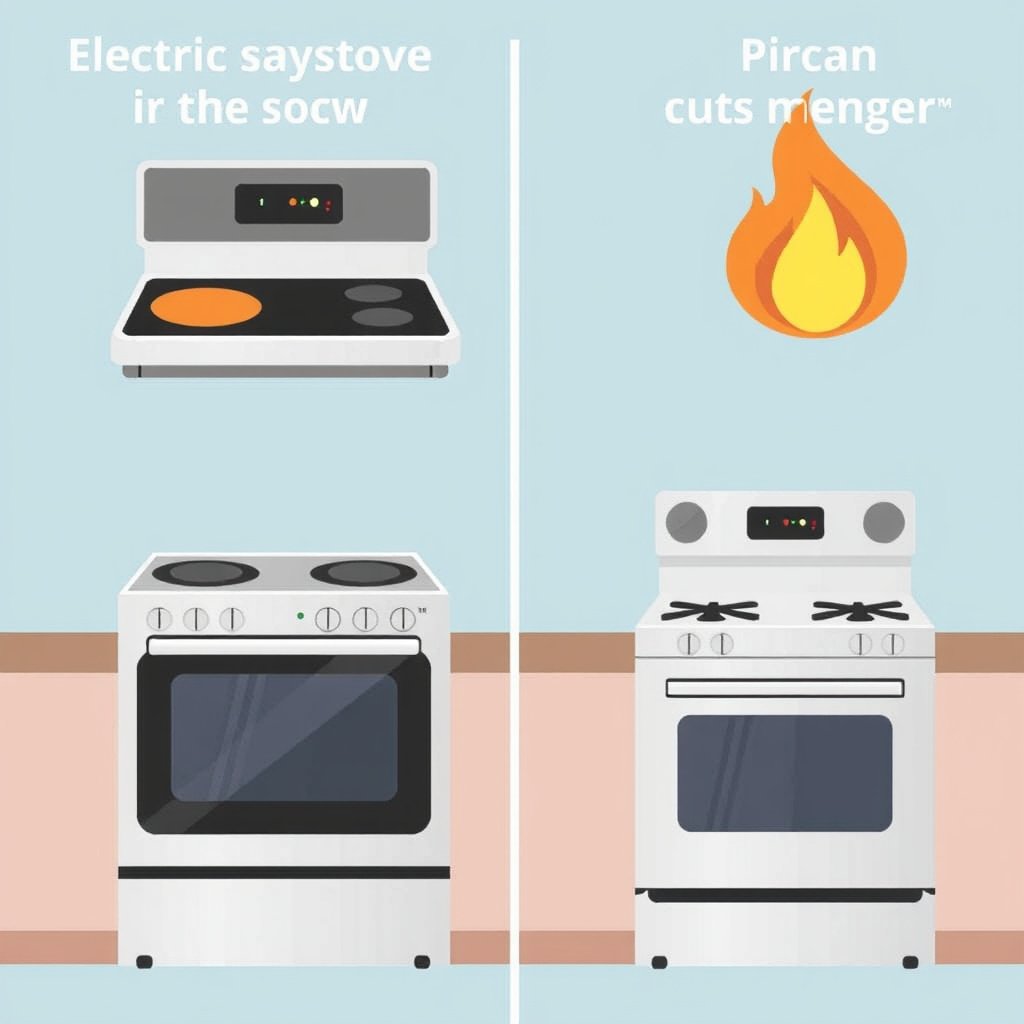
Energy Consumption Patterns
Electric stoves convert electric power directly into heat, usually with about 70-75% efficiency, which is higher than some gas stoves. However, heat loss can occur during element heating and cooling phases.
Smooth top stoves with induction elements (a subtype of electric stoves) have better efficiency, directly heating cookware via magnetic fields. Standard electric stoves consume more electricity but provide uniform heat.
- Approximately 70-75% heating efficiency
- Electricity usage depends on element size
- Induction is more energy efficient
- Heat loss during element cooldown
Saving Energy With Electric Stoves
Users can save energy by matching cookware size to heating element size, cooking with lids on pots, and turning off elements just before finishing cooking, using residual heat.
Regular stove maintenance prevents inefficient energy leaks and faulty controls that cause energy waste. Energy-saving settings on digital controls further reduce power consumption.
- Use properly sized cookware
- Cover pots to trap heat
- Turn off elements early
- Keep stove clean and maintained
Types of Electric Stoves in the Market

Classic Coil Electric Stoves
Coil electric stoves remain common due to affordability and ease of repair. They have exposed coils that heat visibly, allowing quick visual feedback during cooking.
While practical, they have slower heat changes and can be harder to clean. Coil stoves work well in budget-conscious settings and for users who prefer traditional layouts.
- Affordable initial cost
- Easy part replacement
- Slower heat responsiveness
- Visible heating status
For additional detailed technical information about electric stoves, see the Electric stove overview on Wikipedia. Electric stove overview on Wikipedia.
Glass-Ceramic Smooth Top Stoves
Smooth top stoves offer a sleek appearance and ease of cleaning. They feature concealed electric stove heating elements beneath a smooth surface which provides consistent heat.
These models typically have faster heating and cooling times and allow precise control. They are favored for modern kitchens though repairs can be costlier.
- Modern aesthetic design
- Quick heat adjustments
- Easy surface cleaning
- Requires flat-bottom cookware
Electric Stove Types Comparison
This table compares common electric stove categories based on key features, efficiency, and maintenance requirements to help you pick the best style for your kitchen.
| Category | Heating Element Type | Efficiency | Maintenance | Cost |
|---|---|---|---|---|
| Coil Stove | Exposed Metal Coils | 70% | Easy to clean coils, replaceable parts | Low |
| Smooth Top Stove | Concealed Glass-Ceramic Elements | 75% | Smooth surface easy to wipe but requires care | Medium |
| Induction Stove | Electromagnetic Elements | 85-90% | Requires special cookware, easy cleaning | High |
| Dual Fuel Stove | Electric Oven with Gas Cooktop | Varies | Mixed maintenance for gas and electric | High |
Frequently Asked Questions
Can I use any cookware on an electric stove?
Most cookware works on traditional electric stoves, but smooth top stoves require flat-bottomed pots and pans for even heat transfer to prevent hotspots and protect the glass surface.
How quickly do electric stove elements heat up?
Coil elements usually take a few minutes to reach cooking temperatures, while smooth tops heat faster, especially induction stoves, which can heat cookware within seconds.
Are electric stoves safer than gas stoves?
Electric stoves eliminate open flames, reducing fire risk and gas leaks, but the heating elements can remain hot after use, so caution is still necessary.
What should I do if my electric stove isn’t heating?
Check if the circuit breaker is tripped first; then inspect heating elements and control knobs for damage. Replace faulty coil elements or consult a technician for advanced repairs.
Is it more expensive to operate an electric stove than a gas stove?
Electric stoves typically cost more to operate due to electricity prices; however, their better temperature control and safer operation can offset some expenses in the long term.
Key Takeaways
- Electric stoves use electric heating elements to generate cooking heat.
- Coil and glass-ceramic smooth top stoves differ in design and cleanup.
- Safety features include hot surface indicators and automatic shut-offs.
- Proper cookware and maintenance improve energy efficiency and cooking results.
Conclusion
Understanding how an electric stove works means recognizing the conversion of electrical energy into controlled heat through various heating elements. This knowledge helps when selecting a stove or managing cooking tasks effectively. The core function centers around the heating elements, which vary in design but serve the same purpose—transferring heat safely and evenly to your pots and pans.
When choosing an electric stove, consider the type of heating elements you prefer. Coil stoves offer budget-friendly and easily serviceable options, while glass-ceramic smooth top stoves provide a sleek look and easier cleaning at a higher cost. For precision and efficiency, induction stoves are the leading choice but require compatible cookware. Safety features like residual heat indicators and automatic shut-offs enhance confidence during cooking.
Ultimately, the best next step is to match your cooking style, budget, and kitchen setup with the stove type that fits best. Experimenting with different electric stove heating elements and controls can also improve your satisfaction and cooking outcomes. Investing in routine maintenance and appropriate cookware ensures your electric stove remains a reliable centerpiece for meals to come.