
What Is the Best Day to Go to a Bar? A Complete Guide to Picking the Perfect Night
The best day to go to a bar depends on your goals: weekday early evenings offer happy hour deals and smaller crowds, while weekends boast lively atmospheres and special events. Midweek, especially Wednesdays, can deliver great drink specials and a fun vibe without the weekend rush. This suits anyone wanting to optimize their bar experience, whether for a quiet drink, socializing, or catching special promotions.
You’ll find insights on how crowds change daily, the impact of happy hours, and how special event nights affect the scene. Knowing which day and time fits your mood and the type of bar helps you get the most from your night out safely and enjoyably.
Key Takeaways
- Visit bars during weekday happy hours, usually 3-7 p.m., to enjoy the best drink and food specials with fewer crowds.
- Wednesdays can feel like an early weekend with frequent $4 drink specials and a lively midweek buzz.
- Avoid weekend peak hours if you want a quieter atmosphere or space to converse comfortably.
- Check for special event nights and holidays, like St. Patrick’s Day, when crowds and promotions spike significantly.
- Choose bars with daily happy hours if you prefer consistent deals without waiting for a specific day.
- Consider your personal preference for bar type, wine bars typically offer calmer evenings, while pubs may get packed with live music or sports events.
Which Day Is Best to Go to a Bar and Why?
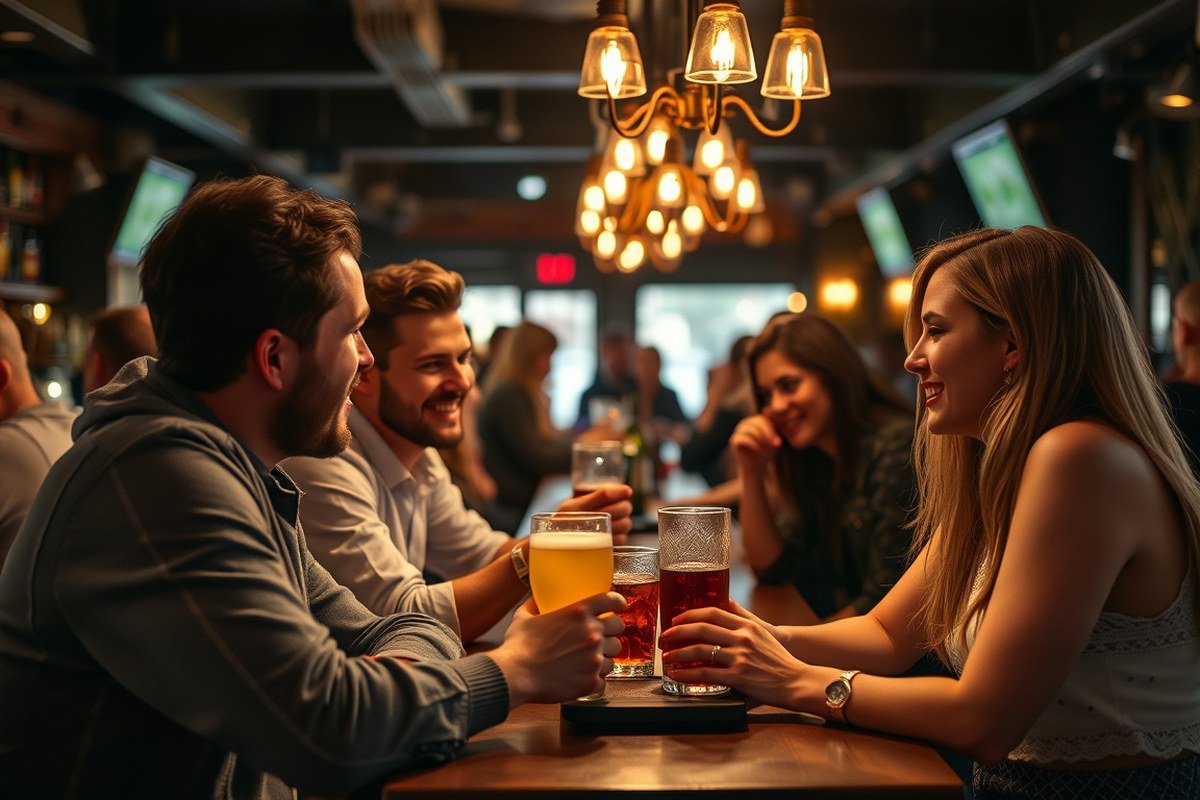
The best day to go to a bar depends on what you want from your night out. Friday and Saturday are typically the busiest days, with the highest crowd levels and the most vibrant atmosphere. This is when bars fill up quickly, the energy is at its peak, and you’ll find live music or DJ sets often scheduled. However, these nights make it harder to find a seat at the bar because of the crowd size, and lines may form to get in. If your goal is to enjoy a lively scene but still grab a stool, arriving early, around opening or early evening, can improve your chances.
Weekdays, especially Tuesday and Wednesday, often offer a quieter experience with more availability at the bar. The atmosphere tends to be more relaxed, making these days ideal if you want to chat with bartenders or have a calm environment. Many bars run happy hour deals on weekdays, increasing the value without the overwhelming noise or rush. For example, bars like Boqueria offer specific weekday happy hour hours with reduced prices on drinks and small plates, which adds to the appeal. Keep in mind that weekdays generally attract a different crowd, locals and regulars rather than weekend partygoers.
Thursday can be seen as a middle ground. It’s busier than early weekdays but not as packed as the weekend. This day often strikes a balance with a lively yet manageable crowd and some specials still in effect before the weekend surge begins. This day can work well if you want some energy and better seating options. Specials, like those at the Mediterranean bar in Adams Morgan that offer happy hour deals every day from 4:30 to 6:30 p.m., still apply here, making Thursday a smart pick.
Sunday nights are usually slow and peaceful, giving you a quiet ending to the weekend. Bars may close earlier, and some may not have full menus or drink specials, but the opportunity to get a seat and enjoy an uncrowded setting is high. This day works if you want a low-key night or have early plans the next day.
When considering the balance of vibe and availability, Thursday emerges as the best day. It offers a lively atmosphere without the weekend chaos and better chances to get a seat at the bar compared with Friday or Saturday. You’ll enjoy some discounts, a social crowd, and less waiting time. Arriving around 6 p.m. Can further improve your experience, catching the energy buildup without the late-night crush.
Choosing the day to visit a bar should reflect whether you prioritize atmosphere, value, or comfort. Weekends deliver the party vibe but limit seating and increase noise, while weekdays provide a quieter, more affordable experience but less energy. Knowing the bar’s happy hour times and peak crowd days, then planning accordingly, leads to the best night out without frustration.
How Happy Hours and Drink Specials Affect the Best Day

Happy hours and drink specials heavily influence the best day to visit a bar because they offer significant savings compared to regular weekend prices. Most bars run happy hour deals on weekdays, with peak discounts often found between 4 p.m. And 7 p.m. These specials commonly include discounted beers, cocktails, and appetizers, allowing you to enjoy more for less during typically quieter times.
Weekday specials can provide a better value than weekends due to lower prices and less crowded atmospheres. For example, in vibrant nightlife spots like D.C., bars offer daily happy hours with deals such as $3 off beers, $9 specialty cocktails, and $8 house liquors as early as 4 p.m. Through 7 p.m. On Mondays, some bars even run happy hours all night, which is especially attractive for budget-conscious visitors. Tuesday through Thursday usually feature 4 p.m. To 7 p.m. Deals, while Fridays and Saturdays often have shorter happy hours from 4 p.m. To 6 p.m.
- Monday: All-night happy hours available at select bars.
- Tuesday to Thursday: Happy hours generally run from 4 p.m. To 7 p.m.
- Friday and Saturday: Shorter happy hours mostly from 4 p.m. To 6 p.m.
- Wednesday: Bars may offer $4 drink specials and discounted snacks.
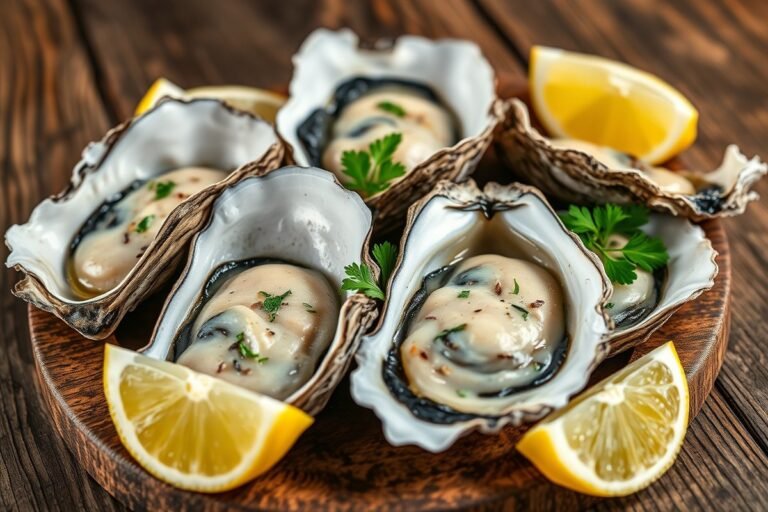
- Early weekday evening (3 p.m. To 5 p.m.): Some places discount oysters and other bar food.
Many bars also offer specific drink deals like $10 glasses of wine, $4 cocktails, or half-off draft beers and sparkling wine. Snacks and appetizers are frequently part of these specials, providing budget-friendly ways to pair food with drinks. Popular snacks like lobster deviled eggs, calamari, and sliders might be priced around $9 to complement happy hour drinks effectively.
Track the exact happy hour times and specials for your favorite bars, prices and hours vary even within the same city, so planning ahead ensures you get the best deal.
Though weekday specials offer reduced prices, the social vibe might differ from the busier weekend nights, which can affect your overall experience. Planning your visit around known happy hour schedules helps you maximize value by taking advantage of cheaper drinks and bites without the weekend crowds. Bars in areas like Dupont Circle and Logan Circle often maintain steady weekday happy hours that last two to three hours, giving you ample time to enjoy the deals.
How Bar Crowds and Atmosphere Change Throughout the Week
Bar crowds and atmosphere vary significantly throughout the week, and understanding these patterns helps you pick the best night to visit. Quieter evenings typically fall earlier in the week, making them ideal for casual visits or relaxed conversations. Busier nights host louder, more energetic crowds, often driven by events or specific themes that attract students, young professionals, and partygoers. The presence of college or themed nights can transform a normally calm weekday into a vibrant social scene. Here’s a breakdown of typical crowd density and atmosphere from Sunday to Saturday, based on common bar trends and observations from nightlife scenes:
| Day | Crowd Density | Atmosphere | Typical Notes |
|---|---|---|---|
| Sunday | Low to Moderate | Casual, Relaxed | Good for unwinding; often quieter after weekend parties. |
| Monday | Low | Quiet, Low-key | Ideal for casual visits; often slow, good for catching up with friends. |
| Tuesday | Low to Moderate | Calm, Occasionally Busy | Sometimes hosts specials on food/drinks; quality ingredients available. |
| Wednesday | Moderate | Social, Lively | College nights or trivia events can increase activity. |
| Thursday | Moderate to High | Energetic, Anticipatory | Pre-weekend vibes; girls’ nights and themed events often start here. |
| Friday | High | Party atmosphere, Loud | Neon lights and DJs create a downtown party crowd; peak energy. |
| Saturday | High | Festive, Packed | Strong party vibe continues; often busiest night, may have special events. |
Quieter nights like Monday and Tuesday offer a chance for casual visits without the distraction of loud music or packed crowds. You’ll often find fewer patrons, making it easier to enjoy quality conversations or quieter service. Bars might offer specials during these days, such as discounted wines or tapas, encouraging steady but not overwhelming attendance.
On the other hand, the party atmosphere peaks on Fridays and Saturdays, especially downtown or at bars with DJs and neon lighting. If you want a lively night packed with dancing and energy, these nights deliver. Thursdays can sometimes feel like a warm-up, with themed nights or college crowds starting to arrive. Wednesday might feature trivia or college-themed nights that boost attendance and add a social spark without reaching weekend wildness.
Special Event Nights and Holidays: When to Expect a Crowd
Holidays and special event nights typically draw larger crowds to bars, leading to a livelier but also more congested atmosphere. Expect busy bars on widely celebrated holidays like New Year’s Eve, St. Patrick’s Day, and the Fourth of July, as well as during themed event nights and bar crawls. Planning your visit around these dates requires knowing when crowds peak and how to handle busier environments.
Common Holiday Bar Events
Bars often fill up quickly during major holidays, especially those linked with social drinking traditions. New Year’s Eve sees a surge in attendance as people celebrate the start of a new year. St. Patrick’s Day brings out large groups drawn to Irish-themed drinks and festivities. The Fourth of July combines outdoor festivities with bar visits, often increasing daytime crowds.
Special event nights like trivia, karaoke, or live music can also attract many patrons on otherwise slower days. Large-scale events such as bar crawls significantly boost foot traffic, bringing together social groups from across town. Recognizing these patterns can help you anticipate when bars will be especially crowded.
How to Find Local Bar Events
Finding out about special bar nights and holiday events in your area helps you plan better. Many bars use event software like Evergreen to promote their holiday parties and special theme nights. Online event platforms and social media pages dedicated to nightlife often list upcoming bar events, including details on pricing and themes.
Checking sites run by large event organizers, such as Crawl With US, will also expose you to organized bar crawls and social gatherings. Local news or community calendars may highlight major holiday celebrations involving nearby bars. Staying informed gives you the chance to join in popular events or avoid the busiest times if you prefer a quieter experience.
Managing Crowds During Special Nights
Handling large crowds on event nights means planning and adapting. Arriving early usually helps you avoid long lines and secures a better spot inside. Staying hydrated is essential, especially during outdoor or daytime events when the sun can lead to quicker dehydration combined with alcohol use.
Bringing cash can speed up transactions, reducing wait times at crowded bars. Knowing the layout of your chosen venue and having a meetup plan for friends will make moving through busy spaces easier. Planning transportation ahead helps avoid the headache of long waits or unreliable rides on packed nights. Follow these steps to handle crowded bar visits during holiday and special event nights:
- Research. Look up local bar event calendars and announcements about holiday celebrations.
- Choose your timing. Aim to arrive early, ideally when the bar first opens or right before a special promotion starts.
- Prepare. Bring enough cash and dress comfortably for crowded, possibly warm environments.
- Hydrate. Drink water throughout the night, especially if outdoors or if the event lasts several hours.
- Plan transport. Arrange rides or parking in advance to avoid last-minute stress in crowded areas.
- Coordinate with friends. Set clear meetup points and times to stay together amid the crowd.
- Have patience. Crowds mean slower service; adjusting your expectations can reduce frustration.
Understanding the 50% Rule in Bartending and Its Impact
The 50% rule in bartending refers to the idea that a bartender can efficiently serve only about half the customers present at the bar at any given time. This rule helps explain why service can slow down significantly when a bar becomes too crowded. When the number of guests approaches or exceeds twice the number of bartenders working, wait times increase and the quality of service often declines.
This rule directly influences how quickly you can get your drinks, especially during peak days or times. For example, if a bar has 2 bartenders, efficient service typically works best when there are around 4 or fewer customers actively ordering. Once there are more than 4, bartenders must split their attention, often resulting in longer waits and rushed or inconsistent service.
To see why this matters, consider a worked example. You visit a bar on a busy Saturday night. There are 3 bartenders, so according to the 50% rule, about 6 customers can be served speedily at once. When the number of customers ordering reaches 12, wait times could roughly double since each bartender handles twice the ideal number of guests. This often leads to slower drink preparation and less interaction or attentiveness from bartenders.
The 50% rule shifts depending on the day of the week due to changes in crowd size. Weekdays like Tuesday or Wednesday often have fewer patrons, allowing the existing bartenders to deliver faster, more personalized service. On busier nights like Fridays or Saturdays, the bar exceeds the optimal serving capacity much sooner, causing longer waits. Holidays or special event nights exacerbate this further, frequently breaking the 50% rule and pushing service quality down.
Choosing when to visit a bar based on this rule can improve your night out. You can expect smoother, quicker service by visiting during off-peak times when the customer-to-bartender ratio stays near or below 2:1. For instance, arriving right after happy hour on a Tuesday gives you a better chance of fast service compared to a Saturday at 10 p.m.
Consider this script when deciding what time and day to go: Check how many bartenders are scheduled, estimate the expected crowd size based on day and event, and aim to keep the customer-to-bartender ratio at or below 2:1. A higher ratio means longer delays; plan by ordering food early or preparing for extended waits. Some bars use QR ordering or buzzer food pickup systems to reduce wait times, which can help even when crowd size breaks the 50% rule.
Visit bars during less busy days or times when the customer-to-bartender ratio is closer to 2:1 to avoid slow service and long waits.
Best Times of Day to Visit Bars for Different Goals
Timing your visit to a bar shapes your experience significantly, from quiet conversations to lively crowds. Early evening offers relaxed vibes perfect for dates or small groups, while prime social hours bring a bustling atmosphere. Late night favors party-goers ready for energy and unpredictability.
Early Evening Happy Hour Advantages
Happy hour usually starts between 4 pm and 7 pm, depending on the bar and local laws. Visiting a bar around 5 to 7 pm takes advantage of discounted drinks and appetizers, saving money and avoiding crowds. This time suits dates or catching up with friends in a quieter setting where you can talk without shouting.
Some bars open as early as 3 pm, making early evening the best time to enjoy a calm atmosphere. You’re less likely to feel rushed, and seating is more available. For a drinks date at 7 pm, it’s not too early but still allows for a relaxed pace before the crowd builds.
Prime Social Hours Explained
Peak bar hours generally fall between 8 pm and 11 pm, when most people finish work and head out. The mood is livelier, with music volume up and more patrons socializing. This is ideal for those who want to meet new people, enjoy a group night out, or experience the bar’s signature events.
During prime hours, expect a higher chance of wait times for seating or bartenders. Drink prices may return to normal after happy hour, trading discounts for energy and fun. Socializing tends to revolve around bars with music, games, or TVs, attracting a diverse crowd. Keep in mind:
- Peak hours align with after-work and dinner time, making it easy to transition from food to drinks.
- Bar staff can get busier, so service may slow down slightly.
- Large groups usually choose this time, so planning ahead helps.
- Noise levels rise, which can hinder conversation but boost the party feel.
- Drink selections may be limited as popular items sell out.
Late Night Crowd Characteristics
Bars often stay open until midnight or later, with some license laws permitting 2 am or 4 am closing times. Late night crowds differ by venue but typically include night owls and people transitioning from dinners or other social spots. Energy levels fluctuate, some bars become high-energy dance floors, while others quiet down to a chill bar scene.
Visiting after 11 pm means preparing for unpredictable crowd sizes and styles. You might find casual regulars, party groups, or folks grabbing a last drink. Late drinks may cost more due to reduced happy hour specials, and some bars raise prices closer to closing time. Tradeoffs with late-night visits include:
- Potentially louder and less intimate atmosphere.
- More sporadic service as staff focus on crowd control.
- Risk of fatigue or overdrinking, so pace yourself carefully.
- The chance to join after-parties or bar-hopping circuits.
- Limited food options if the kitchen closes earlier.
Safety and Practical Tips for Picking a Bar Night
Busy bar nights can bring more safety risks, such as crowded spaces, louder environments, and increased chances of spills or disputes. Before heading out, make sure you have a plan to stay safe and enjoy yourself responsibly. Start by setting a limit on how many drinks you’ll have and pacing your alcohol consumption to avoid overindulgence, which can lead to impaired judgment and accidents. Drinking water between alcoholic beverages helps maintain hydration and slows intoxication, reducing risks.
To pace your drinks effectively, alternate each alcoholic drink with a glass of water or a nonalcoholic beverage. Aim to drink one standard alcoholic beverage per hour. This pace allows your body to metabolize alcohol steadily and keeps your stamina up for the whole night. Keep eating snacks or a meal while drinking; food in your stomach slows alcohol absorption and helps prevent getting too drunk too fast.
- Plan your arrival and departure times to avoid the rush and fatigue.
- Always go with friends you trust and stay close to your group.
- Keep track of your drinks; do not accept drinks from strangers.
- Have transportation options ready, such as a rideshare or designated driver.
- Wear comfortable clothing and shoes for standing or dancing.
- Keep your phone charged and carry emergency contact numbers.
- Eat a balanced meal before drinking and hydrate well throughout.
Avoid choosing a night out based solely on heavy drink specials without considering how crowded or rowdy the bar might get. Overcrowded places can be overwhelming and increase the chances of accidents or theft. Scheduling your night on evenings with moderate crowds can balance a fun atmosphere with safety. Monitor how you feel throughout the night; fatigue or rapid intoxication signals a good time to stop or slow down. Following these steps lets you enjoy your bar visit while minimizing health and safety risks.
How to Choose the Best Day Based on Bar Type and Personal Preference
Your choice of the best day to visit a bar depends on the type of bar you prefer and the kind of experience you want. Neighborhood pubs, cocktail lounges, and sports bars each have typical busy and quiet days that match different moods. Knowing these patterns helps you pick a night where the crowd and atmosphere suit your goal, whether it’s a lively night out or a quiet drink.
Best Days for Neighborhood Pubs
Neighborhood pubs tend to have a steady flow of regulars during weekdays, especially from Tuesday through Thursday when the atmosphere is laid-back. Weekends, particularly Fridays and Saturdays, bring larger groups and a louder crowd, which can be great for socializing but less ideal if you’re after quiet conversation. Tuesday and Wednesday nights often feature trivia or local music events, adding some entertainment without the full weekend rush.
To choose your night, decide if you want a calm vibe or some light activity. For a relaxed evening, hitting a pub midweek around 7 to 9 p.m. Is usually best. To blend into a more vibrant crowd, head out on Friday nights after 9 p.m. Attract more locals and a festive atmosphere. Neighborhood pubs often avoid heavy weekend crowds because many people venture to clubs or larger bars then.
Peak Nights at Cocktail Lounges
Cocktail lounges typically reach their peak on Thursday through Saturday nights. These venues emphasize crafted drinks and a polished atmosphere, so they attract a crowd looking for a social but somewhat upscale experience. Thursday nights have become popular as a pre-weekend option, especially in cities with active nightlife districts. Saturdays are often the busiest, with guests from out of town or groups celebrating special occasions.
For a quieter experience, early weekday evenings, Monday or Tuesday around 6 to 8 p.m., can work well. These times allow you to enjoy high-quality service without waiting. For a festive vibe, go on Thursdays between 9 p.m. And midnight. The tradeoff is that prices might be higher on weekends, and seating may require reservations. The key decision rule: weekdays for calm, weekends for energy, with Thursday night as the crossover night.
Busy Times at Sports Bars
Sports bars often have their busiest crowds when major games or events are on. Weekends are generally busy, but prime times depend on sports schedules. Monday and Thursday night football games, or Sundays during NFL season, draw large groups eager to watch the game on big screens. Big local or national events can make even typically quiet nights into packed celebrations.
To enjoy a quieter visit, steer clear of nights with major local team games. For example, Tuesday through Thursday without key matchups can be much calmer, especially before 7 p.m. Some sports bars like Pups Pub combine a dog-friendly atmosphere, so weekday afternoons or early evenings might attract families or smaller groups rather than rowdy fans. Checking the game schedule before choosing your night helps align your visit with your desired crowd size and noise level.
Always check local game schedules and bar event calendars before planning your visit to avoid unexpected crowds or to catch a major event.
Your Quick-Start Plan for Picking the Best Day and Time to Hit the Bar
Use this step-by-step plan to find the best bar night that fits what you want, from quiet early visits to lively party scenes.
- Before your visit: Check the bar’s social media or website for happy hour times and special event nights. Confirming these details helps you avoid surprises and find good deals.
- Early week (Monday, Wednesday): Visit bars early evening to enjoy quieter crowds and better service. If it feels too empty, note this for your preference on chill nights.
- Midweek (Thursday): Explore bars with live music or trivia nights, often attracting moderate crowds and a lively atmosphere. Gauge how busy or relaxed you like your nights out.
- Weekend check (Friday, Saturday night): Experience peak crowd times if you want a party vibe. Arrive early or late to avoid the heaviest rush, and watch how crowded spots affect your enjoyment.
- Sunday afternoon or early evening: Try bars with brunch specials or quieter social scenes if you want to avoid crowds but still enjoy a bar atmosphere.
- After your visit: Reflect on the crowd size, drink prices, and atmosphere to shape your next night out. Adjust your timing or day to better match your taste.
- Within the next week: Repeat visits on different days and times to compare experiences and fine-tune your ideal bar nights.
Frequently Asked Questions
What Is the Best Day to Go to a Bar?
The best day to go to a bar depends on your goal; weekdays offer quieter atmospheres, while weekends have livelier crowds. Choose based on whether you want to socialize more or enjoy a relaxed drink.
What Is the Busiest Day at a Bar?
Friday and Saturday are typically the busiest days at most bars because people celebrate the start of the weekend. Expect larger crowds and longer wait times on these nights.
What Is the 50% Rule in Bartending?
The 50% rule means bartenders aim to keep the bar half full with patrons to maintain good service and atmosphere. Overcrowding can slow service and reduce customer satisfaction.
What Day Is the Biggest Bar Night?
Saturday is generally the biggest bar night of the week since most people are off work and out socializing late. Expect the most energy and events on Saturdays.
Is 7 Too Early for a Drinks Date?
Seven is not too early for a drinks date, especially on weekdays or for happy hour specials. Early evening drinks can be relaxed and less crowded.
What Days Are Best for Live Music at Bars?
Thursdays and Fridays often feature live music, offering a balanced crowd without weekend overcrowding. Check the bar’s event calendar for specifics.
Key Points to Remember
The best day to go to a bar depends on what atmosphere and experience you want, from relaxed early-week evenings to lively weekend parties. Once you identify your ideal crowd size and deal opportunities, testing different times will help lock in your perfect bar night. Your first step should be checking local bar events and happy hour schedules before planning your next outing.



One Comment