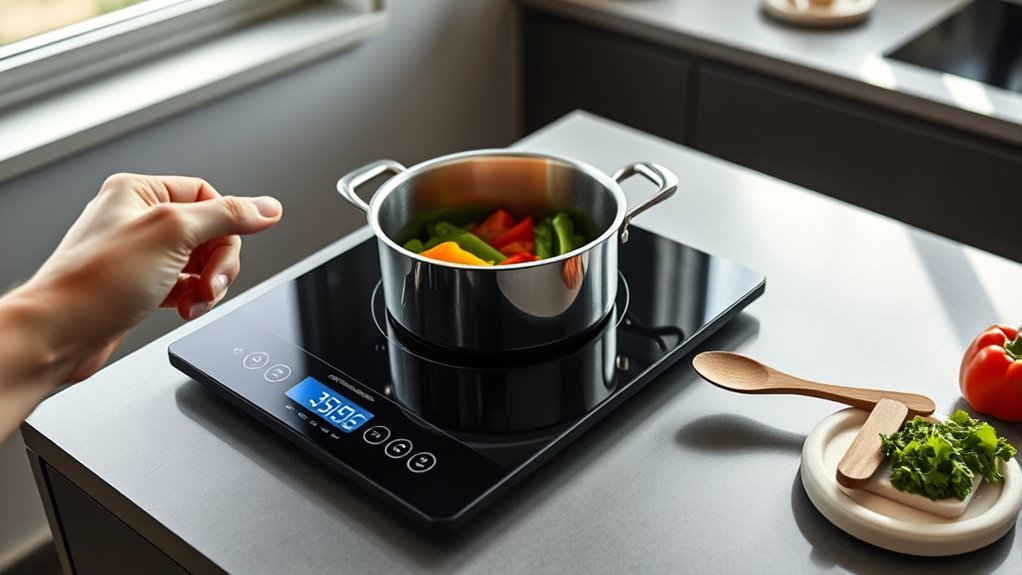
How to Cook Using Induction Cooker: A Step-by-Step Guide
Cooking with an induction cooker can seem tricky at first, especially if you’re used to traditional stoves. Many people struggle with figuring out the right cookware or how to control the heat effectively. But don’t worry—you’re not alone, and once you get the hang of it, you’ll find it’s a fast and efficient way to prepare meals.
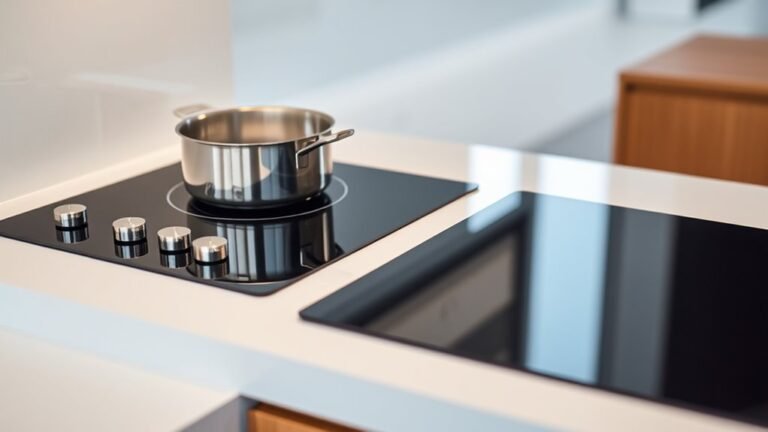
To cook with an induction cooker, start by choosing magnetic, flat-bottomed cookware like cast iron or stainless steel. Set up your cooker on a stable, heat-resistant surface with proper ventilation.
Use the digital controls to adjust temperature gradually, matching power settings to your dish. Preheat pans for searing or use precise timing for delicate foods like rice.
Always follow safety tips and clean your cooktop regularly. Keep going, and you’ll master efficient cooking techniques and care for your cooker.
Key Takeaways
- Use induction-compatible cookware with a flat magnetic base for efficient heating on the induction cooker.
- Place the cooker on a stable, heat-resistant surface away from water and flammable materials.
- Preheat your cookware and adjust the power settings gradually to get precise temperature control for your dish.
- Apply the right cooking techniques like searing meat at high heat or steaming rice for the best results.
- Keep safety in mind by cleaning spills immediately, using heat-resistant mats, and keeping the cooker out of children’s reach.
How an Induction Cooker Speeds Up Cooking
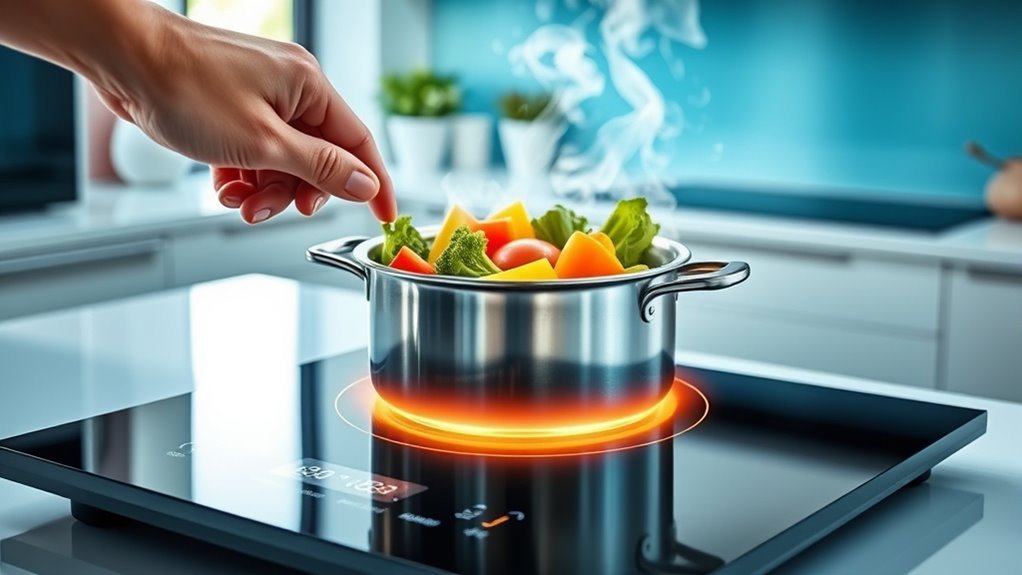
Although traditional stoves rely on heating elements to transfer heat indirectly, an induction cooker speeds up cooking by generating heat directly in the cookware.
When you turn on an induction cooker, an electromagnetic field creates heat right inside the pot or pan, so your food starts cooking almost instantly. This direct heating means you don’t have to wait for the burner to get hot, making quick cooking a real advantage.
You’ll also notice that induction cookers are incredibly energy efficient. Since the heat is generated only where it’s needed—in the cookware—less energy escapes into the surrounding air. This saves you money on your energy bill and keeps your kitchen cooler.
Choosing the Right Cookware for Induction Cooking
To get the most from your induction cooker’s fast and efficient heating, you need cookware that works well with its electromagnetic technology. Not all cookware materials are induction compatible, so choosing the right pots and pans is essential for peak performance. Here’s what you should consider:
Magnetic base: Cookware must have a magnetic bottom to work with induction.
Material: Cast iron, stainless steel, and some enamel-coated cookware usually offer good induction compatibility.
Flat bottom: A smooth, flat base guarantees full contact with the induction surface.
Size: Match the cookware size to the cooktop’s burner for efficient heating.
Weight: Heavier cookware often indicates better quality and sturdiness for induction cooking.
Before buying, test your cookware with a magnet—if it sticks firmly, it’s induction compatible. Selecting the right cookware materials helps you harness your induction cooker’s speed and precision fully.
Setting Up Your Induction Cooker Safely
Setting up your induction cooker safely starts with choosing a stable, heat-resistant surface that can support its weight and withstand high temperatures. Proper placement is essential to prevent accidents and ensure efficient cooking. Keep it away from water sources or flammable materials. Make sure there’s enough space around the cooker for ventilation and easy access.
Next, check your electrical requirements. Induction cookers usually need a dedicated outlet with the correct voltage and amperage. Using an extension cord or incompatible power source can cause overheating or damage. Always plug the cooker directly into a grounded socket to reduce electrical hazards.
Before you start cooking, inspect the power cord and plug for any damage. Position the induction cooker so the cord isn’t stretched or in a spot where it could get wet or caught. Following these steps helps your induction cooker operate safely and efficiently every time.
Adjusting Temperature Settings on Your Induction Cooker
Now that your induction cooker is all set up, it’s pretty handy because you can actually control the heat quite precisely. This makes cooking different dishes a lot easier and more accurate.
Understanding Temperature Levels
Although induction cookers heat up quickly, knowing how to adjust their temperature levels is essential for good cooking. You’ll want to pay attention to the temperature indicators to help you find the right heat settings and cook more efficiently.
Low settings are perfect for simmering and melting ingredients. Medium levels are great for most everyday cooking tasks. High temperatures work well when boiling or searing food.
Keep an eye on the temperature indicators so you don’t overheat your food. Make adjustments gradually to stay in control and prevent burning or overcooking.
Setting Precise Heat Controls
When you adjust the temperature settings on your induction cooker, you gain better control over your cooking. Start by understanding your model’s specific temperature calibration to ensure the heat you select matches the actual cooking temperature.
Use the digital controls or dial to set the desired level precisely. Since induction cookers rely on magnetic fields, they provide consistent heat distribution, so even small adjustments can make a big difference in your cooking results.
If you’re simmering or searing, fine-tune the temperature to keep the heat steady without fluctuations. Remember, precise heat control helps prevent overcooking and keeps your food’s texture just right.
Check your cooker’s manual regularly for calibration tips. This helps maintain accuracy over time. With careful temperature calibration, your induction cooker becomes a reliable tool for perfect meals.
Best Cooking Techniques for Your Induction Cooker
To really make the most of your induction cooker, it’s all about mastering good heat control and picking the right cookware. Using pots and pans with magnetic bases is key because they heat up quickly and distribute heat evenly. This means your cooking will be more efficient and your food will turn out better.
Let’s take a closer look at how these techniques can actually boost your cooking results. When you get comfortable adjusting the heat smoothly, it’s easier to prevent overcooking or burning your dishes. And choosing the right cookware ensures that heat transfers properly, making your cooking process smoother and more consistent.
Efficient Heat Control
Mastering efficient heat control on your induction cooker helps you cook faster and with greater precision. The benefits of induction really shine when you can adjust heat levels accurately, which boosts energy efficiency and speeds up your cooking.
You’ll notice even heat distribution, which makes your meals turn out better and more consistent. To get the most out of your induction cooker, keep these tips in mind:
- Use precise temperature settings to avoid overheating.
- Take advantage of built-in safety features so you can cook worry-free.
- Adjust power levels gradually for better control.
- Use versatility options to switch between different cooking modes easily.
- Keep an eye on cooking times to prevent burning or undercooking.
Following these tips will improve your cooking experience, making every dish perfectly cooked while saving time and energy.
Ideal Cookware Selection
Efficient heat control only works as well as the cookware you use on your induction cooker. When choosing cookware materials, go for magnetic metals like cast iron or stainless steel to ensure they work with induction.
Avoid aluminum or copper unless they have a magnetic base. It’s important to pick pans that heat evenly to prevent hot spots. Multi-ply stainless steel pans are a great choice for this.
Size matters, too. Use pots and pans that match your cooker’s burner size for the best performance. Trusted brands like Duxtop, All-Clad, and Lodge are known for durability and efficiency.
For maintenance, hand wash your cookware to keep the magnetic base in good shape. Avoid abrasive cleaners that could damage it.
Choosing the right cookware and taking care of it helps you get the most out of your induction cooker’s precision and speed.
Tips for Cooking Common Foods Like Rice and Meat
Cooking common foods like rice and meat on an induction cooker is pretty straightforward once you get the hang of controlling the heat settings. For perfect rice, use precise timing and steaming techniques to get fluffy grains without burning.
When searing meat, start with high heat to lock in juices and create a tasty crust. To boost flavor, marinate your meat for at least 30 minutes and season just before or during cooking to keep the taste balanced.
Sear meat on high heat to lock in juices, marinate for 30 minutes, and season during cooking for balanced flavor.
Portion control is key for even cooking and avoiding overcrowding the pan, which can mess with the texture and doneness. Use medium heat for rice to prevent sticking and uneven cooking, and preheat your pan well before searing meat.
For tender rice, try steaming instead of boiling with excess water. Following these tips will make your induction cooking more efficient and delicious.
How to Use Your Induction Cooker Efficiently
To make the most out of your induction cooker, start by picking pots and pans that are compatible and fit nicely on the cooking zone. It’s a good idea to check if your cookware is induction-friendly—usually, it should have a magnetic base.
Also, be mindful of your power settings. Adjust them based on what you’re cooking to avoid wasting energy and to cook more efficiently. These small tips can help you cook faster and save some energy along the way.
Optimal Pot Selection
Choosing the right pot can really make a difference in how well your induction cooker performs. Focus on magnetic materials like cast iron or stainless steel for the best surface compatibility.
Pick pot sizes that match your induction zone to maximize energy efficiency and ensure even heating.
Here are some tips to help you choose:
- Go for flat-bottomed pots so they stay in good contact with the cooker.
- Opt for brands known for durability and induction-friendly designs.
- Match your pot size to your cooking techniques for the best results.
- Choose materials that are easy to clean for simple maintenance.
- Avoid pots with warped or uneven bases, as they block heat transfer.
With the right pot, you’ll cook efficiently and get perfect results every time.
Power Settings Management
Although induction cookers offer precise temperature control, managing their power settings effectively is key to maximizing efficiency and cooking results. You should start by understanding the power levels and what each setting is best suited for, like simmering, boiling, or frying.
Make power level adjustments gradually to avoid overheating or undercooking your food. Using medium to low settings can save energy while still delivering great outcomes, which is an important induction efficiency tip.
Also, avoid changing the power levels too often, as stable heat guarantees consistent cooking. Remember to match the power setting to the dish you’re preparing and the size of your cookware.
Cleaning and Maintaining Your Induction Cooker
Even though induction cookers are designed for efficiency and safety, you still need to clean and maintain them regularly to keep them working at their best. Following a consistent maintenance schedule will boost appliance longevity and prevent potential issues.
Here are some essential cleaning tips to help you care for your cooker:
Essential cleaning tips to keep your induction cooker in optimal condition and extend its lifespan.
Use a soft cloth and mild detergent for daily surface protection, avoiding abrasive materials. Routine checks for any signs of damage or wear on the cooktop and control panel are also important.
Conduct deep cleaning weekly, focusing on stubborn stains with specialized cleaners safe for induction surfaces. Practice proper cookware care by using only compatible pots and pans to prevent scratches and ensure efficient heating.
Refer to your induction cooker’s troubleshooting guides for preventive measures and avoid common pitfalls.
Troubleshooting Common Induction Cooker Problems
When your induction cooker doesn’t heat properly or shows error messages, it can disrupt your cooking routine. First, check if your cookware is compatible—induction cookers need magnetic-bottom pots and pans.
If the cooker still displays errors, unplug it and wait a few minutes before restarting. This often resets the system. Make sure the surface is clean and dry, as dirt or moisture can interfere with operation.
If the cooker won’t turn on, verify that it’s plugged in correctly and the outlet is working. For overheating issues, let the cooker cool down and then reduce the cooking temperature.
Always refer to your user manual for specific error codes. It offers useful troubleshooting tips tailored to your model. If problems continue despite these steps, contact customer support.
Maximizing Safety While Using an Induction Cooker
After addressing common issues with your induction cooker, it’s important to focus on using it safely to prevent accidents and extend its lifespan. Following essential safety precautions will protect you and your family while optimizing performance.
Prioritize safety with your induction cooker to prevent accidents and enhance its durability and efficiency.
Keep these tips in mind:
- Make sure your appliance is placed in a well-ventilated area to avoid overheating. Proper placement helps keep the cooker cool and safe to use.
- Use cookware that can withstand high heat to prevent burns and damage. This ensures safe and efficient cooking.
- Clean up spills right away and use heat-resistant mats to protect the surface. This keeps your cooker in good condition and prevents accidents.
- Keep the cooker out of children’s reach and use the child lock feature if available. This adds an extra layer of safety for your family.
- Be familiar with emergency procedures and electrical safety tips. Knowing what to do in unexpected situations can help you stay safe.
Frequently Asked Questions
Can I Use an Induction Cooker Outdoors?
Yes, you can use a portable induction cooker outdoors, but make sure it’s plugged into a safe power source.
Portable induction cookers are great for outdoor cooking since they heat quickly and are easy to clean.
Just remember to keep it dry and protected from wind or rain because they aren’t waterproof.
Using a sturdy table and a weatherproof cover will help you enjoy hassle-free outdoor meals with your induction cooker.
Do Induction Cookers Consume a Lot of Electricity?
You might think induction cookers gulp electricity, but that’s not true. They actually save energy because of their impressive energy efficiency. By heating cookware directly, they waste less power compared to traditional stoves.
Plus, their cooking speed is faster, so you spend less time and electricity cooking. So, while they do use electricity, they don’t consume a lot overall. They’re a smart, efficient choice for your kitchen.
Are Induction Cookers Safe for People With Pacemakers?
Yes, induction cooker safety is generally good for people with pacemakers, but you should still exercise caution. Most modern pacemakers are well-shielded, and compatibility with induction cookers is usually not an issue.
However, since induction cookers generate electromagnetic fields, it’s best to keep a safe distance while cooking to avoid any interference. Always talk to your doctor or device manufacturer for personalized advice to ensure your safety around induction cookers.
How Long Does an Induction Cooker Typically Last?
Your induction cooker’s lifespan is like a sturdy lighthouse, guiding you safely for about 10 to 15 years with proper care.
To keep that light shining bright, follow maintenance tips like cleaning the surface regularly, avoiding heavy impacts, and using compatible cookware.
Can Induction Cookers Be Used at High Altitudes?
Yes, you can use induction cookers at high altitudes, but you might notice some changes in performance. Altitude affects boiling points and how heat is distributed.
You’ll need to tweak your cooking times and temperatures a bit. Induction cookers keep the heat consistent, which helps, but expect slightly longer cooking times or different settings.
Conclusion
Cooking with an induction cooker is like having a lightning-fast kitchen partner—efficient, precise, and safe. By choosing the right cookware, adjusting settings carefully, and keeping your cooker clean, you’ll enjoy speedy meals with less hassle.
Remember, a little care goes a long way in maximizing safety and performance. Follow these steps, and you’ll master your induction cooker in no time.
With practice, you’ll turn everyday cooking into a smooth, enjoyable experience using your induction cooker.