How to Build a Home Bar: A Step-by-Step Guide for Stylish Entertaining
Building a home bar starts with deciding the right space, materials, and layout to fit your lifestyle. You need a functional setup that balances storage, workspace, and seating for your guests. From picking the bar type—whether a built-in or freestanding model—to stocking essential tools and glassware, the process requires thoughtful planning and execution.
A well-designed home bar enhances social gatherings and boosts your home's entertainment value. It’s not just about aesthetics; a practical layout and durable materials contribute to ease of use and longevity. Whether you’re an occasional drink mixer or a cocktail enthusiast, tailoring your bar to your preferences makes the space inviting and enjoyable.
This guide will cover selecting the ideal location, crafting a layout, choosing materials and finishes, installing lighting, outfitting with tools and accessories, and adding thoughtful decor touches. By breaking down the project into manageable steps, you can create a stylish and efficient home bar that fits your budget and taste.
Choosing the Perfect Location for Your Home Bar
Identifying Usable Space in Your Home
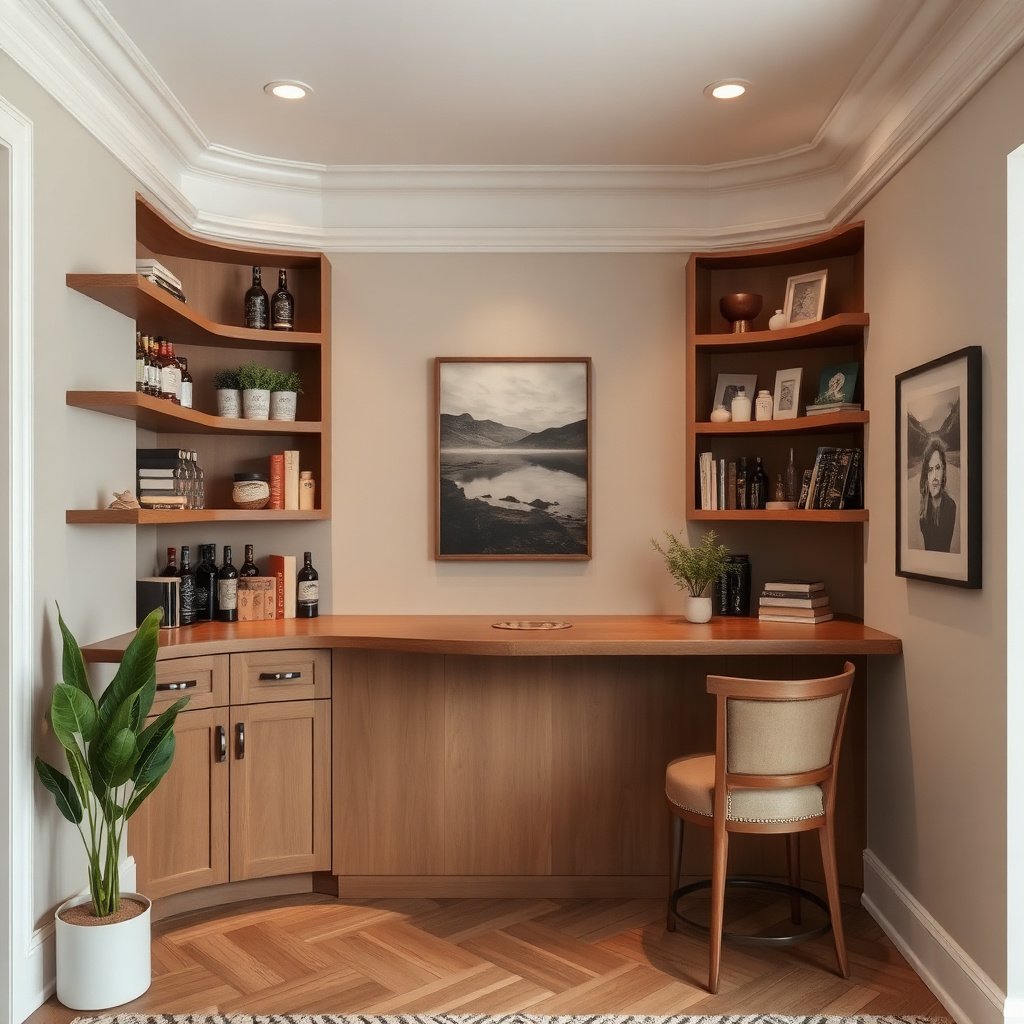
Start by evaluating areas within your home that can comfortably accommodate a bar setup. Consider unused corners, a section of the basement, or even a recessed wall in the dining or living area. Look for spots with enough room for seating, storage, and movement.
Accessibility to plumbing and electrical outlets can influence your choice, especially if you want a sink or refrigeration. Also, think about how the area integrates with your main living or entertaining zones to encourage social flow.
- Unused corners or alcoves
- Basements or rec rooms
- Converted closets or adjacent dining spaces
- Near to plumbing or power sources
Measuring and Assessing Layout Constraints
Accurate measurements help avoid surprises during construction and ensure the bar fits well. Consider ceiling height, room width, and clearance around the bar for comfortable seating and traffic flow.
Take note of nearby doors and windows that may impact furniture placement or lighting. Understanding these constraints early saves time and money during building.
- Width and depth of available space
- Ceiling height for tall cabinets or shelving
- Clearance for bar stools and foot traffic
- Location of existing doors and windows
Designing Your Home Bar Layout
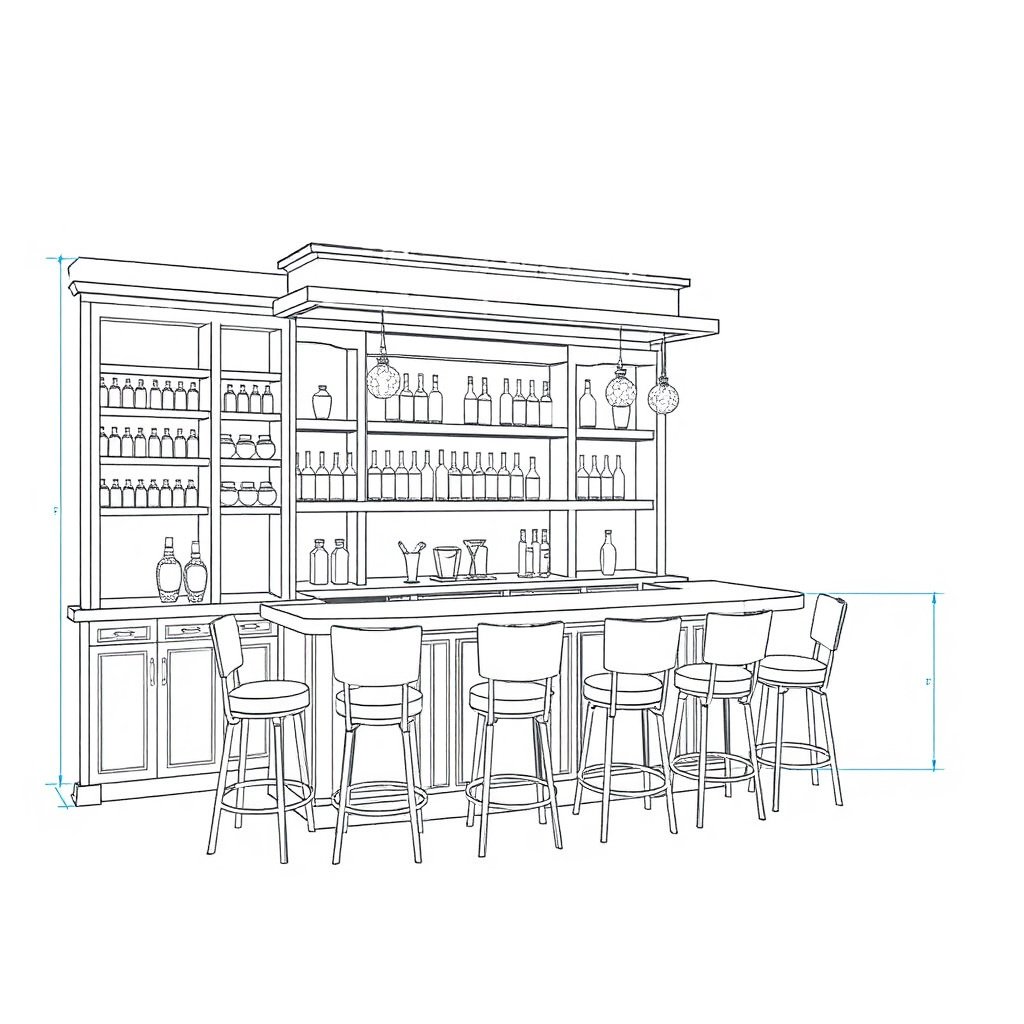
Selecting Bar Types: Built-in, Freestanding, or Portable
Built-in bars offer a seamless look integrating with existing cabinetry or walls. They generally provide more storage and countertop space but require skilled carpentry and longer installation time.
Freestanding bars are versatile, easier to install, and movable for future rearrangement. Portable bar carts add flexibility for small spaces but have limited storage and surface area.
- Built-in: Permanent, customized layout
- Freestanding: Movable and flexible
- Portable bar carts: Compact and mobile
Planning Seating and Countertop Space
Decide on the number of guests you want to accommodate—this will dictate the length of your bar countertop and number of stools. A typical bar stool width is 18-20 inches with 6-12 inches between seats for comfort.
Countertop depth should allow ample workspace behind and for guests in front. A depth of 15-20 inches for the customer side and 24-30 inches behind is common. Consider durable materials resistant to spills and scratches.
- Allow 24-30 inches depth behind bar
- 18-20 inches width per stool with spacing
- Use durable, easy-to-clean countertop materials
Choosing Materials and Finishes for Durability and Style
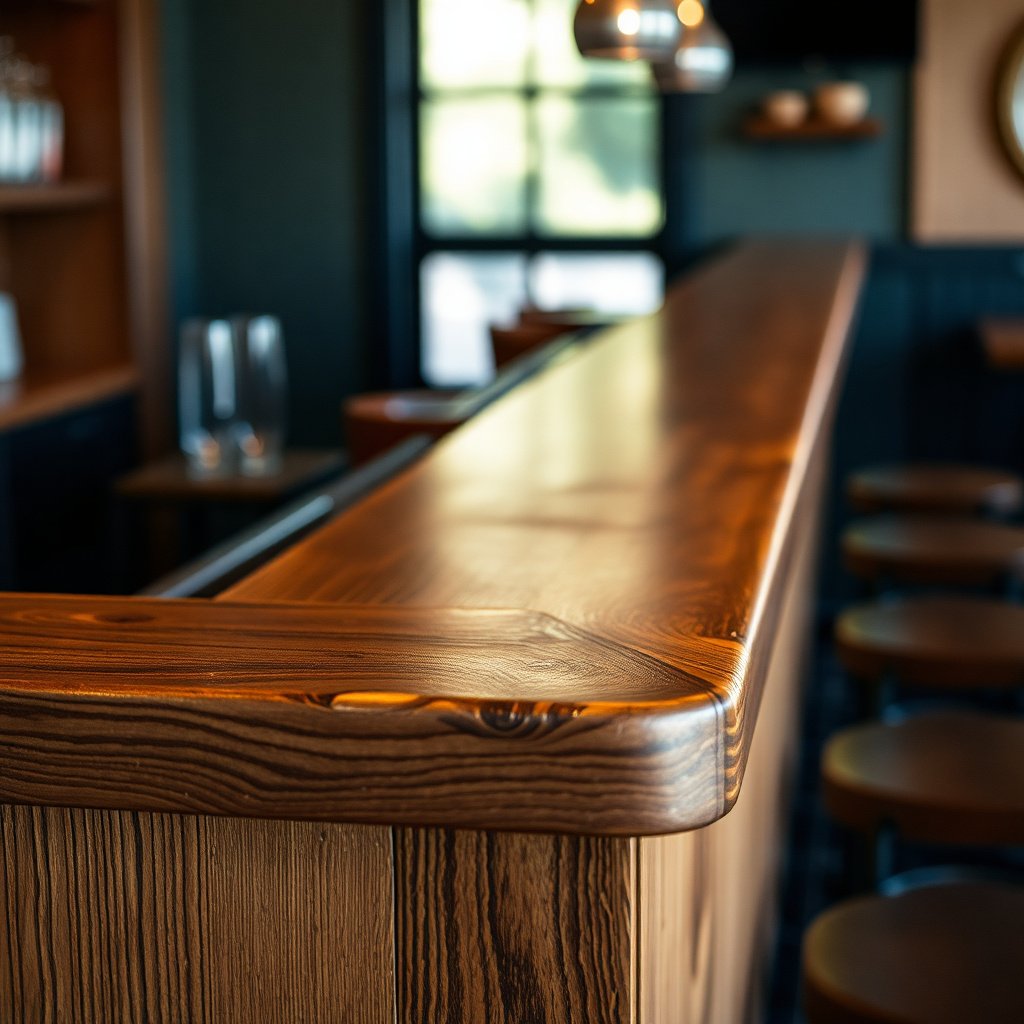
Selecting Countertop and Cabinet Materials
Common countertop options include hardwoods like oak or maple, stone surfaces such as granite or quartz, and laminate for budget-friendly builds. Each offers different aesthetics and maintenance requirements.
Cabinets and shelving can be constructed from solid wood, plywood with veneer, or metal. Consider moisture resistance and strength to support glassware and bottles.
- Hardwood for warmth and character
- Stone for elegance and durability
- Laminate for easy cleaning and cost savings
For more on this, see our related guide: How to Make Pizza at Home Fast and Easy with Perfect Dough and Baking Tips.
Choosing Finishes and Protective Coatings
For wooden surfaces, a protective polyurethane or water-resistant varnish shields against spills and stains. Matte or glossy finishes bring different moods—gloss adds shine, while matte creates a subtle look.
Metal elements can be powder-coated or brushed for durability and style. Selecting stain-resistant paint or sealants enhances overall lifespan.
- Polyurethane for wood protection
- Powder-coated metal for rust resistance
- Stain-resistant sealants for longevity
Lighting and Electrical Setup for Functionality and Ambience
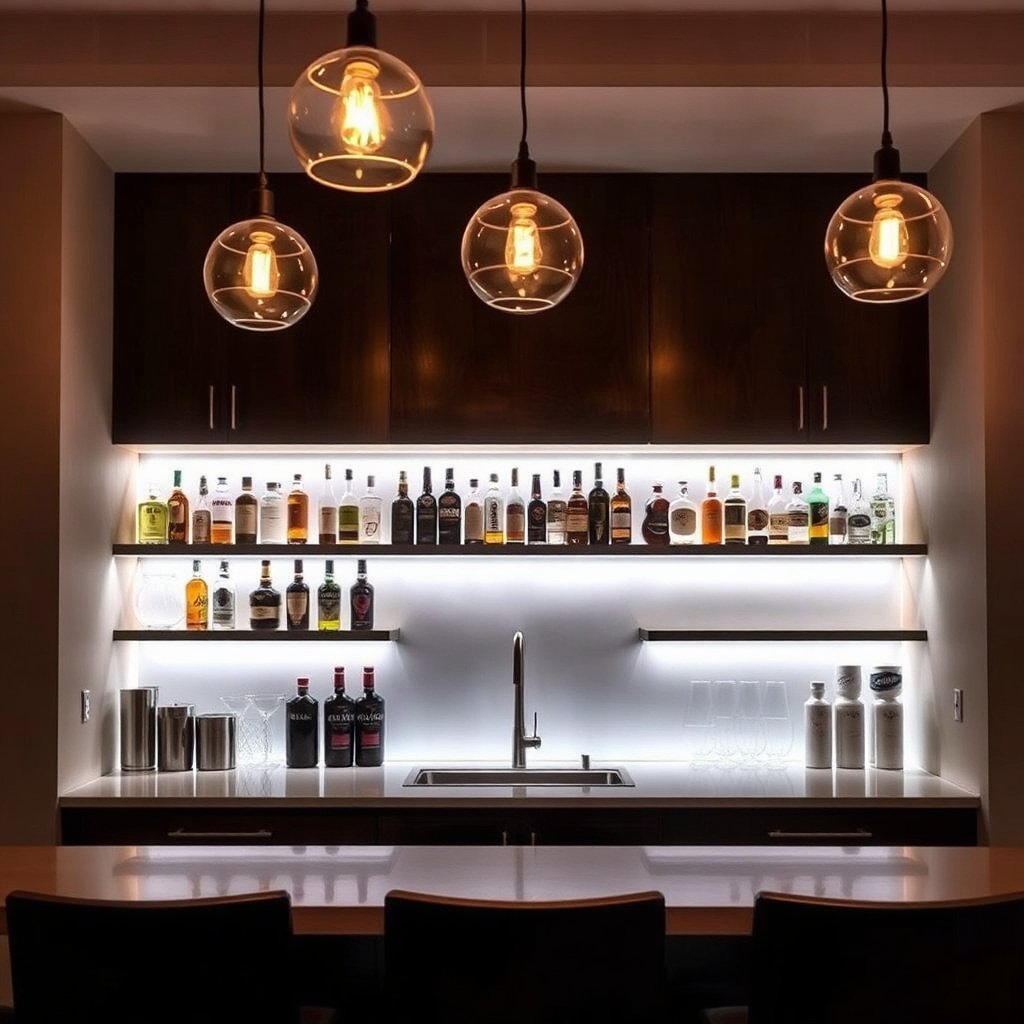
Incorporating Task and Accent Lighting
Task lighting directly illuminates work areas such as counters and sink for safe, efficient drink preparation. Under-cabinet LED strips or recessed spotlights are popular choices.
Accent lighting adds personality and highlights décor elements. Consider pendant lights above the bar or warm LED backlighting behind shelves to create inviting atmosphere.
- Under-cabinet LED strips for workspaces
- Pendant lights over bar counters
- Backlit shelving or glass cabinets
Planning Electrical Outlets and Appliance Power Needs
Adequate electrical outlets near the bar are essential for blenders, refrigerators, and other appliances. GFCI outlets enhance safety around wet areas like sinks.
Plan wiring ahead to avoid extension cords, which can create hazards and clutter. Consider dimmer switches for lighting to adjust mood easily.
- Multiple GFCI outlets near countertop
- Dedicated circuits for heavy appliances
- Dimmer switches for mood control
Stocking Your Home Bar: Essentials and Accessories
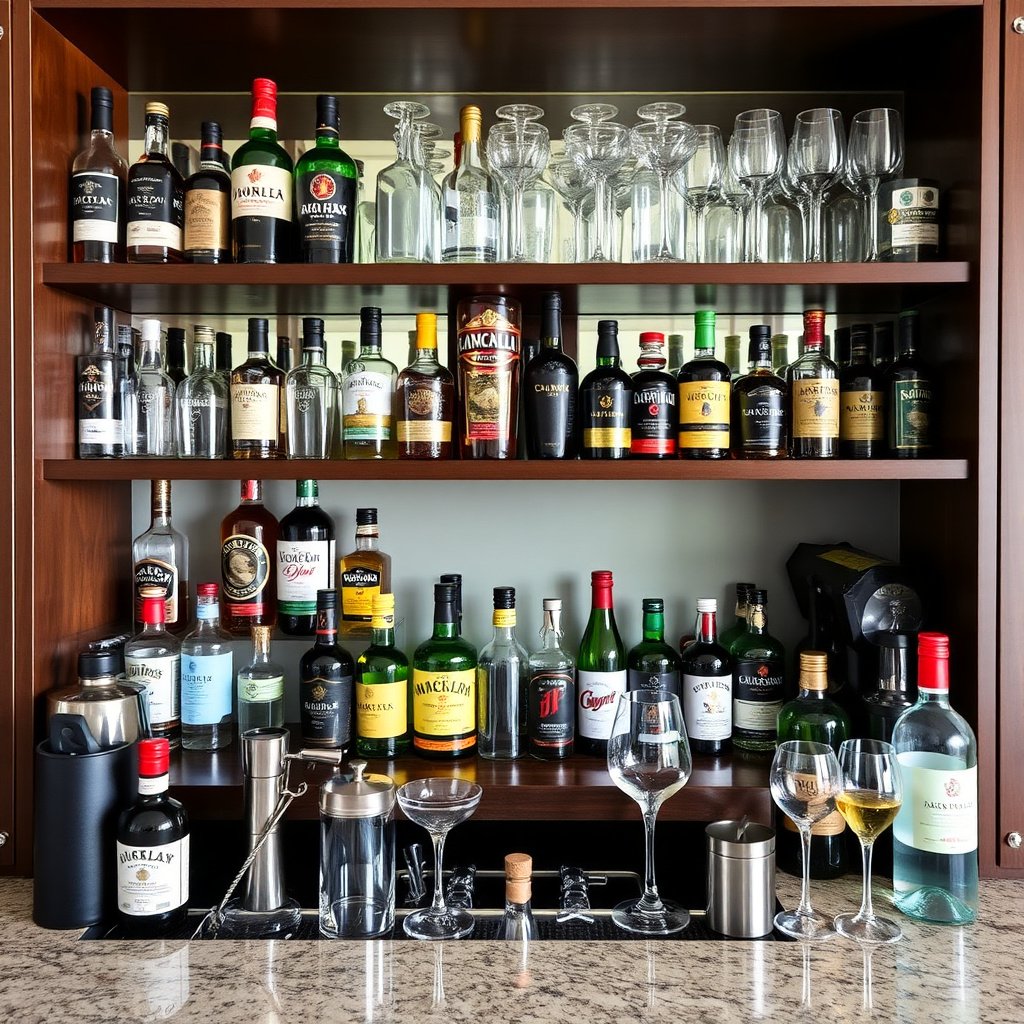
Selecting Glassware and Bar Tools
Start with a basic set of glasses such as highball, rocks, martini, and wine glasses to match your preferred drinks. Essential tools include a shaker, strainer, muddler, and bottle opener.
Organizing tools within arm’s reach streamlines mixing. Consider a countertop caddy or drawer inserts to keep items tidy and accessible.
- Highball and rocks glasses
- Cocktail shaker and strainer
- Muddler and bar spoon
For more on this, see our related guide: How to Watch the World Series at a Bar: 12 Tips for the Best Game Day Experience.
Choosing Spirits and Mixer Staples
A versatile home bar carries base spirits like vodka, gin, whiskey, tequila, and rum. Mixers such as tonic water, soda, and fresh citrus expand cocktail options.
Stock garnishes like olives, lemons, and cherries for presentation. Rotate inventory based on your typical guests’ preferences to reduce waste.
- Vodka, gin, whiskey, rum, tequila
- Tonic, soda, juices
- Fresh garnishes for cocktails
Personalizing Your Home Bar with Decor and Practical Additions
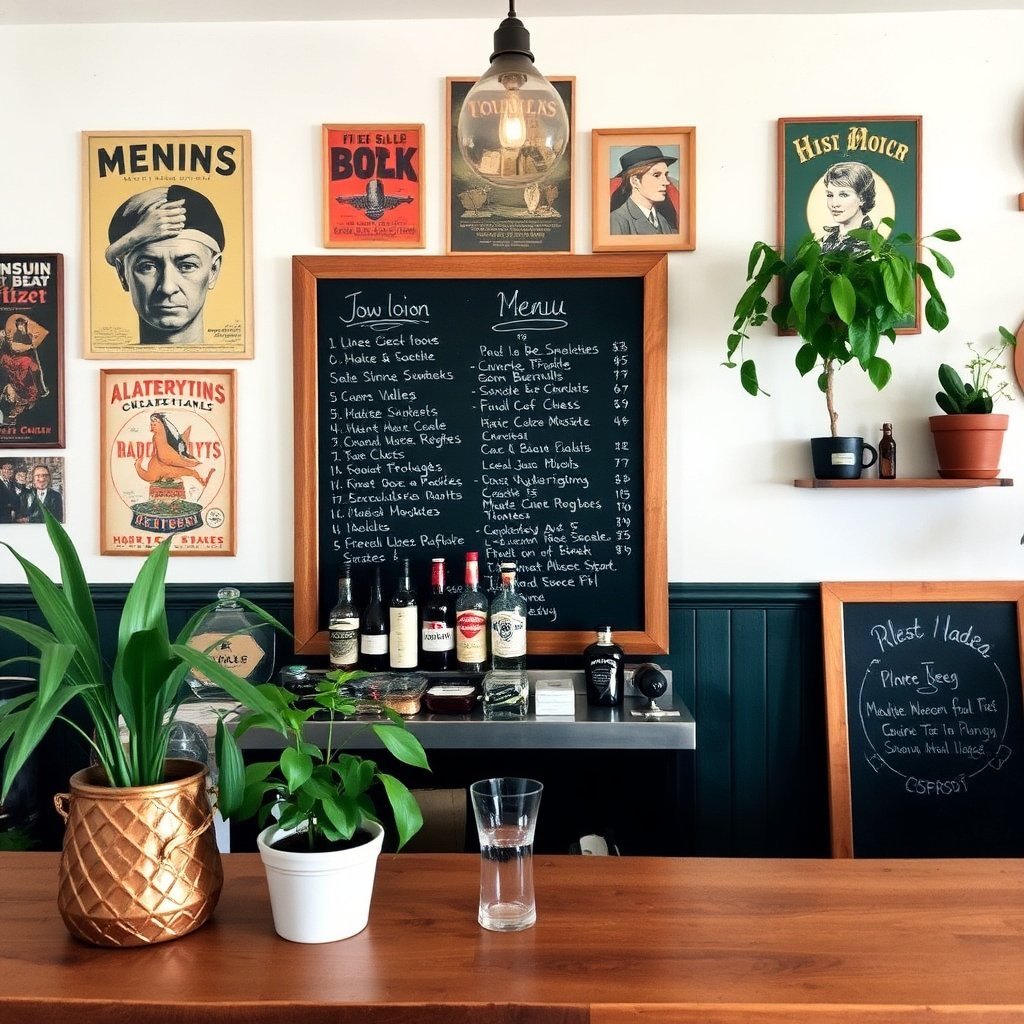
Adding Thematic Decorations and Artwork
Incorporate artwork, signs, or posters that reflect your style or favorite drinks. Themes like vintage speakeasy, tropical tiki, or minimalist modern can create personality and mood.
Plants or natural elements can soften the space and add freshness, breaking up wood and metal textures.
- Vintage or theme-specific artwork
- Chalkboards for drink menus
- Indoor plants for warmth
For additional insights on home bar design concepts, the Wikipedia article on bars offers comprehensive background information. home bar design concepts.
Installing Practical Features for Comfort
Include comfortable seating like cushioned stools with backs for prolonged gatherings. Add foot rails and coasters to protect floors and surfaces.
Consider a small refrigerator or wine cooler integrated into your bar for convenience. Trash bins and storage baskets help keep the area clean and organized.
- Cushioned bar stools with backs
- Foot rails and coasters
- Mini refrigerator or wine cooler
Home Bar Types Category Comparison
Reviewing popular home bar types helps clarify choices based on space, permanence, and mobility for your setup.
| Bar Type | Installation Complexity | Storage Capacity | Mobility | Typical Cost Range |
|---|---|---|---|---|
| Built-in Bar | High – requires carpentry | High | Fixed | $1500 – $5000+ |
| Freestanding Bar | Moderate – plug and play | Medium | Movable | $300 – $1500 |
| Portable Bar Cart | Minimal – ready to use | Low | Highly mobile | $100 – $500 |
| Wall-mounted Bar | Moderate – mounted fixtures | Low to medium | Fixed | $400 – $1200 |
Frequently Asked Questions
What is the best wood for a home bar countertop?
Hardwoods like oak, maple, and cherry are excellent for bar countertops due to their durability and resistance to dents and stains when properly sealed.
Do I need plumbing for a home bar?
Plumbing is optional but useful if you want a sink for cleaning or ice. Many home bars function well without plumbing by relying on removable ice buckets and glassware.
How much space should I allocate per bar stool?
It's best to allow about 18-20 inches width per stool with 6-12 inches space between stools for comfortable seating and movement.
What lighting works best for a home bar?
Combining task lighting, like under-cabinet LEDs, with softer accent lights such as pendant fixtures creates both functional and inviting atmospheres.
Which bar tools are essential for beginners?
A cocktail shaker, strainer, muddler, bar spoon, and bottle opener cover most basic drink preparations for novice bartenders.
Key Takeaways
- Identify the best space considering size, plumbing, and electrical needs.
- Choose a bar type fitting your budget and lifestyle: built-in, freestanding, or portable.
- Use durable materials and protective finishes to extend your bar’s life.
- Stock essential glassware, tools, and spirits tailored to your preferences.
Conclusion
Building a home bar involves combining practical planning with personal style. Focus first on choosing a location and layout that works with your living space and entertaining habits. Consider what bar type suits your need for permanence and space flexibility—whether a built-in unit for a polished look or a freestanding bar for easier reconfiguration. Prioritize durable materials and finishes that resist wear over time while fitting your desired aesthetic.
Incorporate lighting thoughtfully: task lighting improves functionality while accent lighting shapes the mood. Equally important is selecting the right seating and countertop dimensions to host guests comfortably. Stock your bar with versatile spirits, quality glassware, and essential tools to cater to a wide range of cocktails. Decorating with art or greenery personalizes the space without overwhelming it.
Once planned, the next step is gathering materials and tools, then layering in details gradually. If you’re new to DIY, start with freestanding or portable bars and upgrade as you gain confidence. Remember, your home bar should enhance your living experience, so tailor it carefully to your taste and needs for many enjoyable gatherings ahead.