Top 15 Best Decaf Tea No Chemicals You Can’t Miss!
Many people who rely on decaf tea know the frustration of brewing a cup only to find lingering bitterness or an artificial aftertaste. Finding the best decaf tea no chemicals is crucial for a clean, smooth flavor that actually soothes rather than irritates. Cheap or poorly processed decaf teas often use harsh chemical solvents, which can leave unwanted residues and alter taste, making the experience anything but relaxing.
A good decaf tea without chemicals typically relies on natural water processing methods, like the Swiss Water Process or carbon dioxide extraction, to remove caffeine gently. The tea leaves should be whole or large broken pieces rather than fannings or dust, as this helps maintain flavor and aroma.
Also, freshness matters, a well-stored loose leaf or bagged tea guarantees a richer brew, while packaging that protects against moisture and light is essential to preserve quality.
Need a Quick Check?
| Image | Product | Price |
|---|---|---|
Our Top Picks 1  | Clipper Organic Decaf Black | Check Price |
Our Top Picks 2  | Taylors Decaf Tea | Check Price |
Our Top Picks 3  | FGO Organic Decaf Green | Check Price |
Our Selected Top 15 Decaf Tea No Chemicals for Every Budget
This list features carefully chosen decaffeinated teas free from chemicals, suitable for various preferences and budgets. Each review explains how the tea tastes, who it might be best for, and highlights its strengths and weaknesses to help you make an informed decision.
1. Clipper Organic Decaf Black Tea
Rich flavor and chemical-free decaffeination stand out in this tea, perfect for anyone avoiding caffeine but still craving a strong black tea taste. It suits those who want an organic, fair-trade option without sacrificing the depth of a traditional Assam and Ceylon blend.
Preparing a cup is simple: steep in freshly boiled water for 2 to 4 minutes. It works equally well hot or cooled down over ice, making it versatile for different preferences or seasons. The unbleached tea bags support an organic and natural experience, adding comfort to your daily routine without chemicals involved.
The tea delivers a full-bodied and refreshing brew, noted for staying flavorful despite the decaffeination process. It uses a natural CO2 extraction method to remove caffeine gently without chemicals. Packaging in a bag of 80 teabags makes it practical, though some might find it less convenient than loose leaf.
The organic and Fairtrade approval adds confidence in sourcing and quality.
The strongest positive is the rich and enjoyable flavor maintained through a gentle, chemical-free decaffeination. The most common downside is that the tea bags limit brewing options and might not be intense enough for those used to stronger black teas.
Anyone wanting a natural, organic decaf black tea with ethical sourcing will appreciate this blend. Those seeking varied brewing styles or a more intense caffeine-free black tea might want to look elsewhere.
Pros
- Full-bodied flavor without caffeine
- Chemical-free CO2 decaffeination
- Organic and Fairtrade approved
- Works well hot or iced
Cons
- Only available in teabag form
- Some find the flavor slightly less bold
| Specification | Details |
|---|---|
| Flavor | Decaf Black |
| Tea Variety | Black |
| Unit Count | 80 Count |
| Caffeine Content Description | Decaffeinated |
| Container Type | Bag |
| Specialty | Decaffeinated, Natural, Organic |
2. Taylors of Harrogate Decaffeinated Tea
Perfect for anyone avoiding chemicals, this decaffeinated tea uses a natural CO2 process rather than harsh solvents. It suits those wanting a light, sweet breakfast tea without caffeine, making it a thoughtful choice for sensitive stomachs or late-day sipping.
Brew a cup with one tea bag and freshly boiled water, steeping for around 5-6 minutes to get the best flavor. It works well plain, but adds nicely to both milk and lemon. The pillow bags hold the tea firmly, so they don’t fall apart during infusion, making preparation straightforward every time.
The flavor stays bright and balanced, showing off the quality of the African tea blend. Antioxidant content is high, which is a bonus for health-conscious drinkers. People often praise its pleasant taste without bitterness.
Some mention wanting a stronger brew but that’s an easy fix with longer steeping.
Many appreciate the pleasantly mild, sweet flavor achieved without adding chemicals, while some wish the tea brewed a bit stronger. The natural decaffeination process is a key highlight. Few find the strength lacking but usually adjust steeping time to compensate.
People who want a safe, chemical-free decaf tea with antioxidant benefits will enjoy this. Those who like a bold, full-bodied cup might consider trying stronger options or steeping their tea for a longer time instead. It’s a solid choice for light, everyday drinking.
Pros
- Light, sweet flavor suitable any time of day
- Uses natural CO2 method, no chemicals
- High in antioxidants for health benefits
- Allergen-free and vegan-friendly
Cons
- Taste may be mild for those seeking strong tea
- Only available in 50-count bags, not loose leaf
| Specification | Details |
|---|---|
| Brand Name | Taylors of Harrogate |
| Item Form | Teabags |
| Flavor | Decaffeinated Breakfast |
| Unit Count | 50 Count |
| Tea Variety | Black |
| Caffeine Content Description | Decaffeinated |
3. FGO Organic Decaf Green Tea
Mornings or late evenings call for a gentle cup free from caffeine jitters. Great for anyone wanting a chemical-free decaf experience, this tea delivers a pure, delicate, earthy flavor from organic green tea leaves.
Its biggest strength lies in staying true to an organic, natural profile without sacrificing taste.
Using it daily is simple since the tea comes in convenient teabags, making brewing and clean-up quick. Just steep a bag in hot water and enjoy.
Storing it in a cool, dark, or dry place keeps the tea fresh, ensuring the subtle, earthy taste and organic purity remain intact. Its 100 teabag count supports regular use without frequent repurchasing.
As a decaffeinated green tea, it performs well in providing a smooth and light tea drinking experience without the caffeine buzz. The tea bags are practical and consistent in quality. Many enjoy the natural flavor and appreciate the lack of chemicals.
Some people might feel the delicate flavor is too subtle when compared to stronger teas.
Many find the organic and chemical-free nature appealing, appreciating the tea’s smooth, subtle flavor that promotes relaxation. On the downside, some mention the taste can feel too light, and freshness depends heavily on proper storage.
People looking for a gentle decaf green tea with health benefits will enjoy this tea. Those who prefer stronger or more intense tea flavors might want to explore other options.
Pros
- Delicate and earthy organic green tea flavor
- 100 teabags for extended use
- Free from chemicals and allergens
- Supports heart and skin health
Cons
- Flavor may be too mild for strong tea lovers
- Requires careful storage to maintain freshness
| Specification | Details |
|---|---|
| Brand Name | FGO |
| Item Form | Teabags |
| Flavor | Green Tea (Decaf) |
| Unit Count | 100 Count |
| Caffeine Content Description | Decaffeinated |
| Ingredients | Organic Green Tea (Camellia sinensis) |
4. Yogi Organic Decaf Green Tea

Containing just 10 mg of caffeine, Yogi Organic Decaf Green Tea suits anyone wanting a gentle green tea without harsh chemicals. Its biggest strength lies in being USDA Organic and Non-GMO, offering a clean and natural decaffeinated tea experience.
Preparing a cup requires bringing water to a boil and steeping a tea bag for 3 minutes. Using two bags results in a stronger flavor.
The tea comes in teabags, making daily use convenient and mess-free. Its vegan and gluten-free qualities cater to a range of dietary preferences.
The tea retains the antioxidant benefits of green tea through a natural decaffeination process, supporting overall health. The packaging includes a large count of 64 bags, ensuring a long supply. While most praise the pure taste and organic sourcing, some find the flavor milder compared to caffeinated versions.
The tea is praised for maintaining antioxidant benefits through natural decaffeination and its clean, organic ingredients. The most common complaint is that the flavor can be weaker than caffeinated green teas, requiring extra bags for a stronger taste.
Anyone wanting a healthy, low-caffeine, organic green tea will appreciate this choice. Those wanting a stronger green tea taste should explore options with higher caffeine or more intense blends.
Pros
- Only 10 mg caffeine, suitable all day
- USDA Organic and Non-GMO verified
- Vegan, gluten free, and kosher certified
- Comes in bulk with 64 teabags
Cons
- Milder flavor compared to regular green tea
- Some may prefer stronger brew with two bags
| Specification | Details |
|---|---|
| Caffeine Content Description | Decaffeinated |
| Flavor | Green Tea Pure Green Decaf |
| Item Form | Teabags |
| Unit Count | 64 Count |
| Specialty | Antioxidant, Decaffeinated, Gluten Free, Kosher, Natural, Organic, Vegan |
| Product Shelf Life | 18 months |
5. Lipton Decaf Black Tea

People who want a naturally smooth black tea without caffeine and chemicals will appreciate this option. It suits anyone looking for a vibrant flavor that can be enjoyed hot or iced, with the biggest strength being its rich taste despite the decaffeination process.
Every day, the foil-wrapped tea bags make brewing straightforward and fresh. Opening a tray keeps the remaining bags protected until next use. No need to worry about added sugars or calories, so it fits well into health-conscious routines.
Tea bags steep quickly, making it easy to prepare whether you want a quick cup or a cold brew later in the day.
The tea delivers a full-bodied flavor that stays bright without bitterness, a quality uncommon in decaf blends. The Rainforest Alliance certification adds reassurance about sustainable sourcing. Packaging is sturdy, and freshness lasts thanks to the foil wrap.
A few have mentioned that the flavor can sometimes feel milder compared to caffeinated options.
The tea is praised for maintaining a vibrant, enjoyable flavor despite being decaffeinated and free from chemicals. Freshness seals keep the bags protected well. The most common complaint is that the taste may not feel as strong as typical black teas, which can leave some wanting a bolder profile.
People who want a chemical-free decaf tea with reliable freshness and a smooth flavor will appreciate it. Those craving a very strong black tea taste might prefer an option with caffeine or a more intense blend.
Pros
- Smooth, rich taste without caffeine
- Foil-wrapped for lasting freshness
- 100% Rainforest Alliance certified tea
- Works well hot or iced
Cons
- Flavor can be milder than regular black tea
- Some may find the taste less bold
| Specification | Details |
|---|---|
| Brand Name | Lipton |
| Item Form | Teabags |
| Flavor | Decaf Black Tea |
| Unit Count | 50 Count |
| Caffeine Content Description | Decaffeinated |
| Specialty | Natural |
6. TeeLux Decaf Green Tea

Decaf green tea without chemical residues that tastes fresh and natural stands out for those avoiding caffeine yet wanting subtle vegetal notes. The highlight is its smoothness without any bitterness, which suits anyone seeking gentle daily antioxidant support with real flavor intact.
Preparation is straightforward since these come as teabags in a resealable pouch, keeping freshness for a long time. Brewing hot or iced is easy as the tea releases a delicate aroma without harshness.
The CO2 decaffeination method preserves most antioxidants, so each cup supports well-being throughout the day without needing complicated setups.
Expected from a premium decaf, the tea delivers a smooth and refreshing taste that rarely leaves a bitter aftertaste. The foil-lined packaging protects the delicate aroma and flavor over a long shelf life. Some note the slightly grassy or vegetal taste may not suit those new to green tea, but most appreciate how natural the experience feels with every steep.
Most find its smooth and delicate flavor enjoyable without the bitterness commonly found in decaffeinated teas. A repeated note is the distinct grassy taste inherent to green tea, which doesn’t suit every preference.
People who appreciate natural, chemical-free decaf and want an easy daily antioxidant boost will be happy with this tea. Those looking for milder or flavored decafs might want to look elsewhere.
Pros
- CO2 process retains maximum flavor and antioxidants
- Smooth taste without bitterness
- Foil-lined resealable pouch preserves freshness
- Suitable for hot or iced tea
Cons
- Vegetal taste may not appeal to all
- Only available as teabags, no loose leaf option
| Specification | Details |
|---|---|
| Item Form | Teabags |
| Caffeine Content Description | Decaffeinated |
| Container Type | Bag |
| Specialty | Antioxidant, Decaffeinated, Natural |
| Unit Count | 100 Count |
| Product Shelf Life | 730 days |
7. Harney and Sons Decaf Hot Cinnamon Black Tea

Harney and Sons Decaf Hot Cinnamon Black Tea is a flavorful decaffeinated option for those wanting a warm, spiced tea without chemicals. It suits anyone looking for a comforting black tea with a blend of cinnamon, orange peel, and cloves, perfect for any time of day.
Its biggest strength lies in delivering a well-balanced, sweet and spicy taste sans caffeine.
Every teabag brews nicely into a 12 oz. cup, making it straightforward to prepare. The pyramid sachets allow room for the leaves to expand, releasing rich aromas.
With 20 sachets stored in a decorative tin, it’s easy to keep fresh and convenient for daily morning, afternoon, or evening routines. The natural ingredients bring a pleasant sweetness and spice without needing any additives.
It performs well at delivering a bold and aromatic cup of decaffeinated black tea. The blend of three cinnamon varieties with citrus and clove notes consistently offers a cozy and comforting flavor profile. The decorative tin packaging is sturdy and attractive.
Most praise centers on its authentic spicy flavor. Some complaints mention the strength might be too mild for those used to caffeinated black teas.
Harney and Sons Decaf Hot Cinnamon Black Tea is praised for its warm and authentic spicy flavor that works well without caffeine. A common observation is that the strength and boldness may feel lighter than expected by black tea drinkers used to caffeine.
This tea will suit those seeking a relaxing, flavorful decaf option at any time without chemical additives. Those wanting a stronger black tea punch or larger quantities might explore other options.
Pros
- Balanced blend of cinnamon, orange peel, and cloves
- Decaffeinated for anytime consumption
- Pyramid sachets allow full leaf infusion
- Attractive and reusable decorative tin
Cons
- Flavor may be mild compared to caffeinated black teas
- Small pack size at only 1.4 ounces
| Specification | Details |
|---|---|
| Flavor | DECAF Hot Cinnamon |
| Tea Variety | Black |
| Item Form | Teabags |
| Unit Count | 1.4 Ounce |
| Number of Items | 20 |
| Diet Type | Kosher |
8. Caff off Decaf Matcha Green Tea Powder

Starting your day with a smooth, naturally decaffeinated matcha feels refreshing and gentle on the nerves. Perfect for those sensitive to caffeine or wanting to enjoy matcha late in the day, this powder keeps the rich, traditional flavor without the usual jitters or crashes.
Its single biggest strength lies in offering nearly caffeine-free matcha without any chemicals.
Making a latte or adding some matcha to a smoothie is straightforward with a powder form that holds up well against milk and other ingredients. It comes in a resealable bag, so keeping it fresh is easy. Since it’s gluten-free and dairy-free, it fits well with various diets.
The natural decaffeination means you can enjoy it any time, including right before bed, without worrying about sleep disruptions.
Expect a fuller-bodied taste from the later-harvest leaves that handle hot or iced drinks and even baking. It keeps beneficial compounds like EGCG and L-theanine intact, so you get mood and focus support along with relaxation. Most appreciate the authentic traditional flavor that doesn’t get lost in milk, but a few might notice the lower energy boost compared to regular matcha.
The taste stays true to traditional matcha and mixes well with milk, which users find satisfying. However, many note the milder effect due to decaffeination, which isn’t ideal for those seeking a strong caffeine kick.
Those wanting a relaxing, chemical-free decaf matcha for evenings or caffeine sensitivity will appreciate this powder. People looking for an energizing matcha experience should look elsewhere for higher caffeine content.
Pros
- Over 90% caffeine removed without chemicals
- Preserves EGCG, catechins, and L-theanine
- Works well in lattes, smoothies, and baking
- Gluten-free, vegan, and dairy-free
Cons
- Lower caffeine means less energy boost
- Late-harvest flavor might be too bold for some
| Specification | Details |
|---|---|
| Brand Name | Caff Off |
| Item Form | Powder |
| Flavor | Traditional Culinary |
| Tea Variety | Matcha |
| Unit Count | 3.52 Ounce |
| Caffeine Content Description | Decaffeinated |
9. Lipton Decaf Green Tea

Lipton Decaf Green Tea offers a smooth, chemical-free option for green tea lovers looking to avoid caffeine. It suits anyone wanting a gentle, natural flavor any time of day, especially those who appreciate a simple, unsweetened brew.
Its biggest strength lies in its pure taste combined with antioxidant benefits.
Preparing it is straightforward, just steep a tea bag in hot water for about four minutes, whether drinking it hot or iced. The tea’s unsweetened nature means it pairs well with any added flavors you prefer.
The box contains 40 teabags, making it easy to enjoy daily without fuss. The recommended dosage of two cups delivers a solid amount of natural flavonoids, contributing to a healthful routine.
The tea’s delicate and smooth flavor is well-appreciated, presenting a pleasant green tea experience without caffeine jitters. Its construction in teabag form allows for convenient brewing and consistent flavor extraction. Some mention wanting a stronger taste, but the design prioritizes a mild profile suitable for all-day drinking.
The absence of chemicals reassures those seeking a clean option.
Lipton Decaf Green Tea is praised for its natural, mild flavor and easy brewing process, making it suitable for regular tea drinkers who want to avoid caffeine and chemicals. Some find the taste too light, preferring a stronger tea experience.
This tea fits well for those who want a straightforward, healthy and caffeine-free green tea option. People seeking a stronger flavor or pre-sweetened tea might want to explore other options.
Pros
- Smooth, delicate green tea flavor
- Contains about 50mg of flavonoids per serving
- Easy to brew hot or iced
- Free of caffeine and chemicals
Cons
- Flavor may be too mild for some tastes
- Unsweetened, requires personal flavor adjustments
| Specification | Details |
|---|---|
| Brand Name | Lipton |
| Item Form | Teabags |
| Flavor | Green |
| Caffeine Content Description | Decaffeinated |
| Unit Count | 40 Count |
| Specialty | Decaffeinated, Unsweetened |
10. Harney & Sons Vanilla Comoro Decaf Black Tea

Crafted with decaffeinated black tea leaves and infused with creamy vanilla, this tea suits anyone looking to skip caffeine without losing flavor. Its biggest strength is the smooth balance between the black tea base and a gentle vanilla finish, making it relaxing any time of day or night.
Each tea bag comes in a pyramid sachet designed to brew a 12 oz. cup, making it easy to prepare. The tea is contained in a decorative tin, which keeps the bags fresh and ready for daily use.
You can enjoy it hot for morning calm or evening wind-down without worrying about caffeine impact. The vanilla aroma comes through softly, blending well with the mellow tea taste.
The tea delivers a smooth, creamy vanilla flavor without bitterness, meeting expectations for a decaf black tea. The packaging is sturdy and attractive, adding to the experience.
Some find the vanilla notes a bit too mild, wishing for stronger flavor, but most appreciate the gentle finish. The sachets brew consistently and the tea stays true to its promise of no caffeine.
Reviews highlight the tea’s smooth and mellow vanilla taste as its best quality, well-suited to those avoiding caffeine without sacrificing flavor. Some mention the vanilla can feel quite mild, which could leave those expecting a stronger scent wanting more.
Anyone wanting a calm, flavorful decaf option for any time of day will appreciate this tea. Those seeking a more pronounced vanilla flavor or larger quantity might want to look elsewhere for stronger notes or bigger packs.
Pros
- Smooth and creamy vanilla flavor
- Comes in pyramid sachets for better infusion
- Decorative tin keeps tea fresh
- Kosher and gluten-free
Cons
- Vanilla intensity may be too subtle for some
- Only 20 sachets per tin
| Specification | Details |
|---|---|
| Item Form | Teabags |
| Flavor | Vanilla Comoro |
| Unit Count | 20 Count |
| Caffeine Content Description | Decaffeinated |
| Container Type | Can |
| Diet Type | Kosher |
11. Yamamotoyama Organic Decaf Sencha Green Tea

Bright and fresh flavor stands out in Yamamotoyama Organic Decaf Sencha Green Tea, ideal for anyone avoiding caffeine but still wanting that classic green tea experience. Its biggest strength lies in being USDA certified organic and completely free of chemicals and GMOs.
Preparation is straightforward with biodegradable tea bags that fit neatly in your cup or mug. Each bag contains a proprietary blend of green tea leaves, deep-steamed to preserve a floral aroma and taste. It suits daily use well, offering gluten-free and allergen-free qualities that fit easily into various diets.
The green tea delivers a smooth, fresh brew without caffeine jitters. The biodegradable bag design is convenient and environmentally friendly. Positive feedback highlights its authentic flavor and organic certification, while some find the floral notes subtle for a stronger green tea preference.
Yamamotoyama’s decaf green tea offers a clean and authentic taste praised for being organic and non-GMO. The most common critique is that the floral notes can feel too light for those who prefer a stronger green tea flavor.
People seeking a gentle, chemical-free decaf green tea will appreciate this product. Those who want a bolder, more intense tea experience might want to explore different varieties.
Pros
- Certified organic and non-GMO
- Biodegradable tea bags
- Clean, subtle floral flavor
- Gluten and allergen-free
Cons
- Floral notes might be too mild for some
- Only 18 tea bags per package
| Specification | Details |
|---|---|
| Flavor | Decaf Sencha |
| Item Form | Bag |
| Unit Count | 18 Count |
| USDA Certified Organic | Yes |
| Non-GMO Verified | Yes |
| Gluten Free | Yes |
12. Clipper Organic Decaf Black Tea

Are you in search of an organic decaf black tea that maintains full flavor without using any chemicals? Clipper Organic Decaf Black Tea suits anyone after a rich, smooth brew without caffeine jitters, thanks to its natural carbon dioxide decaffeination.
Opening the box reveals a fresh supply of 80 tea bags, wrapped in fully recyclable cardboard packaging that’s simple to recycle. You just steep the bags like any regular black tea, benefiting from the natural mild sweetness and the aromatic Assam blend daily.
No need to worry about bitter aftertaste or artificial flavors here, making it ideal for relaxing at any time.
The tea offers a crave-worthy black tea taste even though it contains no caffeine. The carbon dioxide decaffeination method avoids chemicals, keeping the flavor profile clean and strong. The packaging is practical and eco-friendly without extra inner wrapping.
Few mention any bitterness, but some might miss a fruity note, as raspberries are only a special ingredient rather than a dominant flavor.
Many enjoy how the tea preserves its full black tea flavor without chemical decaffeination, giving a smooth cup free of bitterness or caffeine jitters. Some note the raspberry component isn’t very noticeable, which might disappoint those expecting a strong fruit flavor.
Ideal for those who want a clean, organic decaf black tea with sustainable packaging and a dependable full pack of tea bags. People seeking a pronounced fruity or sweet profile may prefer to look elsewhere for stronger flavor notes.
Pros
- Naturally decaffeinated without chemicals
- Rich, smooth flavor with no bitter aftertaste
- 80 tea bags per pack for value
- 100% recyclable packaging
Cons
- Raspberry flavor is subtle, not pronounced
- No inner bag or wrapping may affect freshness over time
| Specification | Details |
|---|---|
| Brand Name | Clipper Tea |
| Item Form | Bag |
| Tea Variety | Black |
| Unit Count | 80 Count |
| Caffeine Content Description | Decaffeinated |
| Special Ingredients | Raspberries |
13. WT WEETEE Organic Decaf Black Tea

Decaffeinated tea drinkers looking for a natural, chemical-free option find a reliable choice in WT WEETEE Organic Decaf Black Tea. It fits well with those who want a genuine black tea experience without caffeine, focusing on preserving antioxidants and flavor through a gentle decaffeination process.
Each tea bag brews easily and offers a classic black tea taste without the jitters. The pure organic ingredients make it a safe option for daily use, whether during meals or winding down before sleep. The convenient 100-count bag ensures a steady supply without constant repurchasing.
The CO2 method used preserves much of the original tea’s flavor and health benefits, which sets it apart from other decaf teas. The tea tastes rich and full-bodied, staying true to what you’d expect from black tea.
Some find the flavor milder than regular black tea, which might not suit those expecting a strong kick.
The tea keeps a good balance of flavor and health benefits thanks to the CO2 decaffeination, which many appreciate. Some find it lighter in taste than their usual black tea, making it less bold overall. The organic quality and absence of chemicals make it stand out among decaf options.
Anyone looking for a chemical-free decaf with genuine black tea notes will be happy with this choice. Those wanting a stronger or more intense black tea experience might want to explore other options, especially if they prefer loose leaf tea varieties.
Pros
- Preserves flavor and antioxidants well
- Uses CO2 decaffeination method
- Pure organic black tea ingredients
- Suitable anytime, including before bed
Cons
- Slightly milder flavor compared to caffeinated black teas
- Comes only in teabag form, no loose leaf option
| Specification | Details |
|---|---|
| Item Form | Teabags |
| Flavor | Decaf Black |
| Unit Count | 100 Count |
| Diet Type | Gluten Free, Plant Based, Vegan |
| Caffeine Content Description | Decaffeinated |
14. Allegro Organic Decaf Ginger Peach Black Tea

Decaffeinated through a gentle CO2 process, Allegro Organic Decaf Ginger Peach Black Tea suits anyone looking for a chemical-free brew with mild caffeine content. Its organic and fair trade qualities make it appealing to those who care about responsible sourcing alongside a refreshing flavor.
Tea bags come in a convenient 20 count bag, so preparing a cup is quick and simple. The combination of mellow peach and warm ginger offers a smooth finish, ideal for an afternoon refreshment or served over ice. You don’t need any special equipment, just hot water and a few minutes to experience the moderately sweet taste.
The tea consistently delivers a balanced flavor with noticeable ginger and peach highlights, making it enjoyable daily. Its organic and kosher certification reassures quality and safety.
One common complaint notes the peach allergen may limit some drinkers, but most find it refreshing and thirst-quenching without the bitterness often found in decaf teas.
The tea is praised for its refreshing and smooth flavor that avoids the chemical aftertaste common in some decaf teas. The peach allergen allergy is an important restriction for sensitive individuals. Daily use is straightforward with the tea bags requiring just hot water and a few minutes to brew.
Anyone wanting an organic, chemical-free decaf black tea with a fruity spice twist will appreciate this blend. Those needing a larger quantity or with peach allergies should consider alternative options that fit those needs better.
Pros
- Organic and fair trade certified
- Mellow peach and warm ginger flavor
- Decaffeinated using gentle CO2 process
- Kosher and allergen-friendly
Cons
- Contains peach allergen
- Only 20 tea bags per package
| Specification | Details |
|---|---|
| Brand Name | Allegro |
| Item Form | Teabags |
| Flavor | Ginger |
| Tea Variety | Black |
| Unit Count | 20 Count |
| Caffeine Content Description | Decaffeinated |
15. Starwest Botanicals Organic Decaf Green Tea
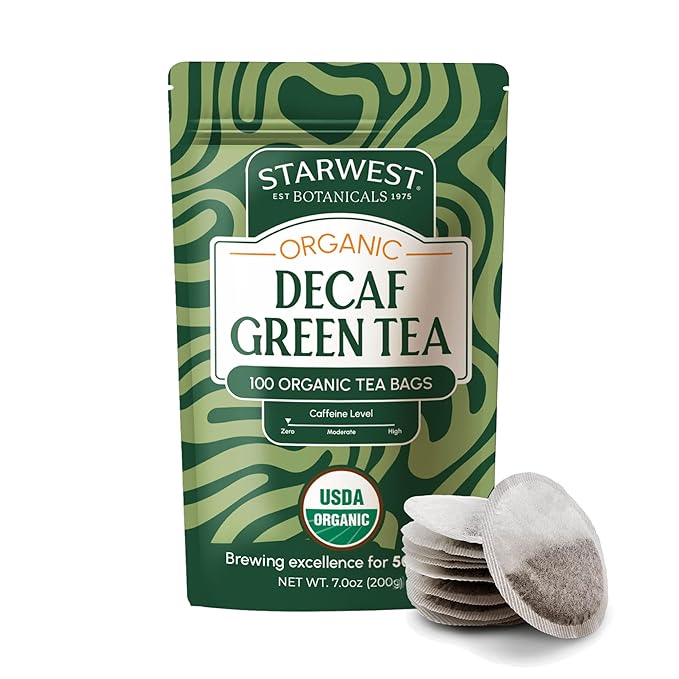
People who want a gentle green tea experience without any caffeine will appreciate this organic decaf green tea. It’s especially fitting for those avoiding chemicals and looking for something pure. The biggest strength is its simplicity, offering just one organic ingredient with a smooth, delicate taste.
Using the tea is straightforward, thanks to the convenient tea bags. Just steep one bag for a mild flavor that doesn’t overwhelm.
The organic certification ensures the leaves come without added chemicals or pesticides, which is comforting for daily drinkers focused on natural products. Its decaffeinated nature makes it suitable for any time of day, especially evenings.
The tea performs well as a calming, caffeine-free beverage with antioxidant benefits. It maintains a clean taste profile, avoiding bitterness often found in decaf options. Quality control during manufacturing keeps consistency high.
Most praise focuses on the natural flavor and organic quality. A common complaint mentions the mildness: some may find it too light compared to regular green tea.
The tea is commonly praised for its clean, organic taste and the assurance of no chemicals. The most frequent downside is its light flavor, which might feel too subtle compared to other green teas with caffeine.
Those who want a natural, chemical-free green tea without caffeine will find this a good fit. Individuals seeking a stronger tea flavor or loose leaf options might prefer alternatives.
Pros
- Single organic ingredient for purity
- USDA certified organic
- Comes in easy-to-use tea bags
- Non-GMO and caffeine free
Cons
- Mild flavor may feel weak to some
- Only available in tea bag format
| Specification | Details |
|---|---|
| Flavor | Decaf Green Tea |
| Unit Count | 100 Count |
| Number of Items | 1 |
| Tea Variety | Green |
| Caffeine Content Description | Decaffeinated |
| Container Type | Bag |
Comparison of Best Chemical Free Decaf Teas
| Product | Tea Variety | Organic | Unit Count | Specialty |
|---|---|---|---|---|
| Clipper Organic Decaf Black | Black | Organic | 80 Count | Decaffeinated, Natural |
| Taylors Decaf Tea | Black | – | 50 Count | Decaffeinated, Natural |
| FGO Organic Decaf Green | Green | Organic | 100 Count | Decaffeinated, Organic |
| Yogi Organic Decaf Green | Green | Organic | 64 Count | Antioxidant, Natural, Organic |
| Lipton Decaf Black | Black | – | 50 Count | Natural, Decaffeinated |
| TeeLux Decaf Green | Green | – | 100 Count | Antioxidant, Natural |
| Harney Hot Cinnamon Decaf | Black | – | 20 Count | Decaffeinated |
| Caff Off Decaf Matcha | Matcha | Organic | 3.52 Ounce | Caffeine Free, Organic |
| Lipton Decaf Green | Green | – | 40 Count | Decaffeinated, Unsweetened |
| Harney Vanilla Decaf Black | Black | – | 20 Count | Decaffeinated, Kosher |
| Yamamotoyama Organic Decaf Sencha | Green | Organic | 18 Count | Organic, Immune Support |
| Clipper Decaf Black Tea | Black | Organic | 80 Count | Decaffeinated, Natural |
| WT WEETEE Organic Decaf Black | Black | Organic | 100 Count | Antioxidant, Natural, Organic |
| Allegro Ginger Peach Decaf | Black | Organic | 20 Count | Kosher, Organic |
| Starwest Organic Decaf Green | Green | Organic | 100 Count | Decaffeinated, Non-GMO |
- Tea VarietyBlack
- OrganicOrganic
- Unit Count80 Count
- SpecialtyDecaffeinated, Natural
- Tea VarietyBlack
- Organic–
- Unit Count50 Count
- SpecialtyDecaffeinated, Natural
- Tea VarietyGreen
- OrganicOrganic
- Unit Count100 Count
- SpecialtyDecaffeinated, Organic
- Tea VarietyGreen
- OrganicOrganic
- Unit Count64 Count
- SpecialtyAntioxidant, Natural, Organic
- Tea VarietyBlack
- Organic–
- Unit Count50 Count
- SpecialtyNatural, Decaffeinated
- Tea VarietyGreen
- Organic–
- Unit Count100 Count
- SpecialtyAntioxidant, Natural
- Tea VarietyBlack
- Organic–
- Unit Count20 Count
- SpecialtyDecaffeinated
- Tea VarietyMatcha
- OrganicOrganic
- Unit Count3.52 Ounce
- SpecialtyCaffeine Free, Organic
- Tea VarietyGreen
- Organic–
- Unit Count40 Count
- SpecialtyDecaffeinated, Unsweetened
- Tea VarietyBlack
- Organic–
- Unit Count20 Count
- SpecialtyDecaffeinated, Kosher
- Tea VarietyGreen
- OrganicOrganic
- Unit Count18 Count
- SpecialtyOrganic, Immune Support
- Tea VarietyBlack
- OrganicOrganic
- Unit Count80 Count
- SpecialtyDecaffeinated, Natural
- Tea VarietyBlack
- OrganicOrganic
- Unit Count100 Count
- SpecialtyAntioxidant, Natural, Organic
- Tea VarietyBlack
- OrganicOrganic
- Unit Count20 Count
- SpecialtyKosher, Organic
- Tea VarietyGreen
- OrganicOrganic
- Unit Count100 Count
- SpecialtyDecaffeinated, Non-GMO
How to Choose the Best Chemical-Free Decaf Tea
Look for teas labeled as naturally decaffeinated or processed without chemicals to ensure purity and safety. Quality leaves and gentle decaffeination methods preserve flavor and health benefits, helping you avoid unpleasant tastes and potential toxins. Choosing carefully prevents wasted money and disappointing experiences.
Decaffeination Method
Many decaffeinated teas use chemical solvents during processing, leaving traces that some people prefer to avoid. Teas processed through natural methods like water or CO2 extraction maintain more of their original purity. These methods gently remove caffeine without introducing synthetic compounds, keeping the tea closer to its natural state.
Natural decaffeination typically preserves more flavor compared to chemical alternatives, resulting in a more satisfying cup. The downside might be a slightly higher price.
Look for terms like “water processed” or “CO2 extracted” on the label, and avoid teas that mention chemical solvents such as ethyl acetate or methylene chloride. Those subtle details really affect how clean and fresh the tea tastes daily.
Tea Leaf Quality
Whole leaf teas tend to steep fuller, releasing more nuanced flavors and aromas than broken leaf or fannings. Smaller fragments or dust can make the brew taste flat and stale quickly, especially in decaffeinated versions that already lose some flavor complexity. Checking the origin and harvest date helps gauge freshness – some regions are known for better quality tea.
Organic or pesticide-free certifications provide extra assurance against chemical residues beyond decaffeination method. These labels mean fewer added chemicals were used during cultivation, matching the goal of a cleaner, safer tea cup.
High-quality leaf parts, clear sourcing, and certification combine to create a more enjoyable and trustworthy experience.
Flavor Profile
Some naturally processed teas keep their distinctive floral, fruity, or earthy notes despite caffeine removal, but the intensity may mellow. Lighter teas like white or green tend to preserve delicate flavors, while stronger black teas show more noticeable changes. Understanding your taste preference helps – a malty black might become muted while a jasmine green remains fragrant.
Blends with natural infusions like herbs, spices, or dried fruit can mask lost depth and add variety. These additions complement decaffeinated tea by layering extra tastes without masking the tea’s character. Choose flavor profiles that match your daily routine and enjoy a balanced taste without caffeine effects.
Packaging and Freshness
Exposure to air and moisture quickly degrades tea, especially without caffeine acting as a preservative. Airtight, resealable packaging is essential to retain freshness after opening.
Loose leaf options in tins or resealable bags usually hold up better than disposable pouches or bulk containers without proper sealing.
Transparent packaging information is helpful to verify sourcing and processing claims. Some brands list harvest and decaffeination details right on the package, which builds confidence.
Sustainable packaging options using recyclable or compostable materials are increasingly available and worth considering for eco-conscious buyers.
Price and Value
Price varies widely depending on leaf quality and serving size; bulk teas often offer better value but may sacrifice freshness. Frequent drinkers benefit from investing in higher quality whole leaf teas with natural decaffeination, even if the initial cost is higher.
Occasional drinkers might opt for moderately priced options to balance quality and expense.
Compare price per gram or per cup, factoring in how many cups you brew daily. Sometimes budget-friendly teas use more broken leaves or chemical decaffeination, which affects taste and purity. Prioritize what matters more: clean processing or strict budget, then choose a product that fits your tea-drinking habits without overspending.
How to Brew Decaf Tea to Maximize Flavor and Benefits
Brew time and water temperature are crucial when making decaf tea. Using water that is too hot can over-extract tannins, resulting in bitterness, while too cool water might not bring out the subtle flavors fully. Aim for water around 190°F (88°C) for most decaf black or green teas.
Steep the leaves for about three to five minutes; shorter times can produce weak tea, and longer steeping usually adds unwanted astringency.
Using fresh, filtered water improves taste by eliminating off-flavors from chlorine or minerals. Also, pre-warming your teapot or cup prevents temperature drops that can affect extraction quality.
To avoid chemicals in your drink, choose decaf teas processed through natural methods and make sure your brewing equipment is clean to prevent any residue.
Steps to Brew:
- Heat water to about 190°F (88°C).
- Use fresh, filtered water.
- Pre-warm your teapot or cup.
- Steep for 3-5 minutes depending on leaf type.
- Remove leaves promptly to avoid bitterness.
Natural Methods for Decaffeinating Tea Leaves Explained
Common natural methods for removing caffeine from tea include the carbon dioxide process and water processing. The CO2 method uses pressurized carbon dioxide to extract caffeine without harsh chemicals, preserving most of the tea’s original flavor compounds.
This method is favored for higher-quality decaf teas.
The water processing technique, often called the Swiss Water Process in coffee, involves soaking leaves in water to dissolve caffeine and other soluble components, then filtering out caffeine before reabsorbing the flavor compounds. It’s a gentler approach and avoids chemical solvents entirely.
Both methods require careful handling to maintain taste while removing caffeine. Natural decaffeination tends to be more expensive due to the complex equipment and time involved, but results in tea free from chemical residues.
Tea labeled as decaf with these treatments usually specifies the process used, making it easier to avoid chemical solvents.
Comparing Decaf Tea Alternatives: Herbal Infusions vs. Decaffeinated True Tea
Herbal infusions do not come from the Camellia sinensis plant and contain no caffeine by nature. Common examples include chamomile, rooibos, and peppermint.
These are suitable for people who avoid caffeine completely, but their flavor profiles and health benefits differ significantly from true tea.
Decaffeinated true teas start with regular black, green, or white tea leaves and undergo a process to remove caffeine while leaving much of the original tea character intact. Their taste tends to be closer to traditional tea, which matters to those who prefer the familiar notes and antioxidants that do not exist in herbal options.
Choosing between the two depends on flavor preference and desired benefits. Herbal infusions offer diverse tastes and are naturally caffeine-free but lack the antioxidants specific to tea leaves.
Decaf teas keep more of those antioxidants but may contain trace caffeine unless processed carefully. Both have valid places depending on what one seeks in a hot beverage.
People Also Asked
Is Decaf Tea with No Chemicals Safe for Daily Consumption?
Decaf tea without chemicals is safe to drink every day. Choosing tea that is decaffeinated through natural methods like water processing helps avoid synthetic residues. Drinking it in moderation will not affect your health negatively.
How Should I Store Decaf Tea to Keep It Fresh Longer?
Store decaf tea in an airtight container away from light and moisture. Keeping it in a cool, dry place like a pantry helps it stay fresh longer. Avoid storing tea near strong odors to preserve its flavor.
Can Decaf Tea Be Used in Iced Tea Recipes Without Losing Flavor?
Decaf tea works well in iced tea recipes without losing much flavor. Brewing it a bit stronger before chilling balances the dilution from ice. Adding lemon or mint can refresh the taste without hiding the tea’s natural character.
What Are Common Problems When Brewing Chemical-Free Decaf Tea?
Common problems include weak flavor or bitterness caused by oversteeping or water that is too hot. Using water just off the boil and steeping for 3-5 minutes helps avoid these issues. Using clean utensils and fresh water also improves taste.
Does Decaf Tea Come in Different Packaging Sizes for Convenience?
Decaf tea is available in various sizes, from small boxes of tea bags to larger bulk packs. Smaller packages are good for trying new brands, while bigger sizes save money for regular drinkers. Check the packaging for expiration dates when buying in bulk.
Conclusion
Choosing a decaf tea without chemicals means focusing on how the tea was processed, ensuring it uses natural methods. It also helps to look at the tea’s origin and whether it comes with organic certification to avoid unwanted additives. Taste should not be overlooked, so pick a tea you enjoy drinking regularly.
Think about how often you drink decaf tea and how much space you have for storage. A smaller quantity might work better if you drink it occasionally. Check the comparison table and earlier sections to find a tea that fits both your preferences and budget.
This approach makes it easier to find a tea you will genuinely want to brew day after day.