Top 15 Best Water Filter for Fluoride Removal That Work!
Many people realize their water filter isn’t effectively removing fluoride after noticing a strange taste or experiencing unexpected build-up on fixtures. The best water filter for fluoride removal tackles this specific contaminant without compromising the taste or introducing other unwanted elements.
Cheaper filters often neglect fluoride, focusing instead on chlorine or sediment, which leads to disappointment with the water quality.
A good fluoride filter often relies on activated alumina or reverse osmosis membranes to lower fluoride levels to under the EPA’s recommended 4 ppm limit. Filter size and flow rate are important; too small a filter can slow down water flow excessively, while a larger one handles household needs better. Regular maintenance and ease of replacing filter elements also matter since trapped fluoride needs to be flushed out to maintain effectiveness and safety.
Need a Quick Check?
| Image | Product | Price |
|---|---|---|
Our Top Picks 1 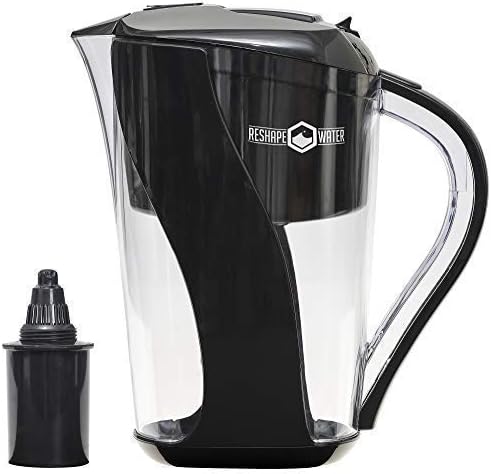 | Clearly Filtered 10-Cup Pitcher | Check Price |
Our Top Picks 2  | Clearly Filtered Pitcher | Check Price |
Our Top Picks 3  | Culligan ZeroWater 10-Cup | Check Price |
Our Selected Top 15 Water Filter for Fluoride Removal Worth Considering
This list features carefully chosen water filters designed to effectively reduce fluoride levels, highlighting their performance and suitability for different needs. Each review outlines the strengths and weaknesses, helping readers identify which option aligns best with their water purification requirements.
1. Clearly Filtered 10-Cup Water Filter Pitcher
Constructed from heavy-duty ABS plastic, this water filter pitcher suits anyone wanting effective fluoride removal without complicated installation. Its standout feature is the long-lasting filter life, offering up to 75 days of filtered water, making it convenient for regular use in a kitchen countertop setup.
Setup is straightforward: fill the pitcher with tap water and let it filter through activated carbon and other specialized materials. Daily use involves simply pouring water into the top compartment and waiting a few minutes for it to alkalize and cleanse. Replacement filters cost 25% to 33% less than comparable pitchers, helping keep ongoing costs reasonable without sacrificing performance.
It performs well in reducing fluoride, chlorine, lead, and VOCs, making water taste cleaner and safer. The BPA-free filter is independently lab tested and SGS certified, assuring quality and safety. Most praise focuses on filter effectiveness and cost savings, while some note the pitcher’s size can be bulky for smaller countertops.
The strongest point is its effective removal of fluoride and contaminants paired with affordable replacement filters. The most frequent complaint is related to the pitcher’s bulkiness, which can limit space on compact kitchen counters.
People wanting reliable fluoride removal and lower ongoing filter costs will appreciate this pitcher. Those with very limited counter space may want to consider a smaller or differently designed filter system.
Pros
- Replacement filters cost 25%-33% less
- Removes fluoride, chlorine, lead, VOCs effectively
- Filter lasts for up to 75 days or 79 gallons
- BPA-free and lab tested filters
Cons
- Pitcher size can be bulky on small countertops
- Filter replacement needed every 75 days
| Specification | Details |
|---|---|
| Filter Life Cycle | 75 days |
| Supported Water TDS Level Maximum (PPM) | 300 |
| Purification Method | Activated Carbon |
| Installation Type | Countertop |
| Material | ABS plastic heavy duty |
2. Clearly Filtered 10-Cup Water Filter Pitcher
Right away, you notice how seriously this pitcher takes water purification, especially if fluoride removal is a priority. It suits anyone wanting strong contaminant protection from a manual, countertop pitcher without complicated installation. The standout feature is its ability to reduce over 386 contaminants, including fluoride, without stripping out helpful minerals.
Setting up the pitcher is simple, just fill it with tap water and place it on your counter. The filter lasts about four months before needing replacement, which is convenient for regular use.
Daily refills are easy thanks to the 10-cup capacity, and it doesn’t require power, making it straightforward and quiet to use. It fits comfortably in most refrigerators if you prefer cold water.
The filtration does a thorough job, targeting harmful substances like lead, PFAS, and chlorine alongside fluoride. The build feels sturdy enough for everyday handling, with a simple manual operation.
Strong praise often goes to how effectively it removes so many contaminants. A common complaint involves the somewhat limited filter lifespan, which means replacements can add up over time.
Many appreciate how thoroughly this pitcher removes a wide range of contaminants without losing good minerals. Four-month filter lifespan comes up often as a drawback, needing frequent replacements that some consider inconvenient.
People focused on removing fluoride plus other pollutants will find this pitcher reliable and straightforward. Those wanting a larger capacity or less frequent filter changes should explore other options.
Pros
- Removes 386+ contaminants including fluoride
- Manually operated, no electricity needed
- Preserves beneficial minerals in water
- NSF certified for health and safety
Cons
- Filter needs replacing every four months
- Only holds 10 cups of water
| Specification | Details |
|---|---|
| Purification Method | Affinity Filtration |
| Filter Life Cycle | 4 months |
| Container Type | Pitcher |
| Installation Type | Countertop |
| Supported Water TDS Level Maximum (PPM) | 500 |
3. Culligan ZeroWater 10-Cup Pitcher
Great for anyone concerned about serious contaminants like fluoride, lead, and PFAS, this pitcher stands out for its advanced 5-stage filtration system. It’s perfect for those wanting water that’s cleaner than what simpler filters offer without investing in complicated setups.
Setting up takes just a few simple steps: fill the pitcher and let the filter do its work, cutting down impurities with activated carbon and ion exchange. The built-in TDS meter lets you see how pure your water is, and the change filter indicator keeps track of when it’s time for a new filter. It’s lightweight and fits right on your countertop with no power needed.
The filtration performance is solid, removing 99.9% of dissolved solids and certified to reduce lead and PFAS among others. The pitcher feels sturdy enough for everyday use, but some mention the slow flow rate as a minor drawback.
While it holds up well in cleaning water, users sometimes wish the filter lasted longer than two months.
The 5-stage filtration truly cuts down harmful contaminants and has easy-to-read purity indicators, praised across reviews. A common downside is the slow filtration speed and frequent filter changes, which some find inconvenient for heavy daily use.
Anyone needing reliable removal of fluoride, lead, and PFAS will appreciate this pitcher’s thorough filtering. People looking for faster output or longer filter lifespan might want to consider alternatives better suited for high daily water consumption.
Pros
- Removes 99.9% of dissolved solids
- Built-in TDS meter shows water purity level
- Certified to reduce lead and PFAS
- Lightweight and easy to handle
Cons
- Flow rate is quite slow at 0.18 L/min
- Filter life lasts around 2 months only
| Specification | Details |
|---|---|
| Filtration Technology | Activated Carbon, Ion Exchange |
| Maximum Flow Rate | 0.18 liters per minute |
| Filter Life Cycle | 2 months |
| TDS Supported Level Maximum (PPM) | 500 |
| Container Type | Pitcher |
| Certification | IAPMO Certified (reduces Total PFAS, lead, mercury) |
4. Epic Pure XP 10-Cup Water Filter Pitcher

Hard tap water with fluoride and other contaminants can be a concern for many households. The Epic Pure XP 10-Cup Water Filter Pitcher suits those looking for a reliable countertop pitcher that specifically targets fluoride, PFAS, and more. Its biggest strength lies in its comprehensive contaminant reduction, backed by NSF certifications and lab reports.
Setup requires no tools since the pitcher is gravity-fed, making it easy to replace filters every three months. The pitcher fits comfortably on most counters and refrigerators, holding 10 cups of water for daily drinking and cooking needs.
The filter uses ion exchange and nanofiltration, offering solid removal of multiple harmful substances without needing power or plumbing.
Filtration performance is strong, with proven reductions in fluoride, lead, PFAS, chlorine, microplastics, and even bacteria and viruses according to independent tests. The pitcher is sturdy with a clear design for water level visibility. Most praise highlights the effective contaminant removal and ease of use.
Some users do report the filter life feels short, requiring fairly frequent replacements.
Lab tests confirm effective removal of many harmful contaminants including fluoride and PFAS, which is the strongest point. A common complaint is that the filter must be replaced quite frequently, making ongoing costs a consideration.
Anyone needing a portable, countertop solution for cleaner water will appreciate the reliable filtration and easy setup. Those with very hard water or seeking longer filter intervals might look for alternative systems.
Pros
- Reduces fluoride, PFAS, lead, chlorine, and more
- NSF certified and independently lab tested filters
- Gravity-fed pitcher with no power needed
- Compact 10-cup size fits most counters
Cons
- Filter replacement needed every 3 months
- May not handle water with TDS above 300 PPM
| Specification | Details |
|---|---|
| Filter Life Cycle | 3 months |
| Container Type | Pitcher |
| Installation Type | Countertop |
| Purification Method | Ion Exchange, Nanofiltration |
| Power Source | Gravity-fed |
| Supported Water TDS Level Maximum (PPM) | 300 |
5. Epic Pure XP 36-Cup Water Filter Dispenser

A 36-cup capacity makes filling bottles and cooking easier for families or heavy water drinkers. The Epic Pure XP dispenser uses ion exchange and nanofiltration to reduce fluoride and other harmful substances straight from your tap.
Its large size and countertop design offer plenty of clean water ready to use without constant refilling.
Setup involves placing the dispenser on your countertop and replacing the filter every 3.5 months. The gravity-fed system means no electricity or complex plumbing is required.
Daily use is simple, spigot access lets you pour water easily for drinking or cooking. The Tritan construction feels durable and easy to clean, making maintenance straightforward.
Fluoride, PFAS, lead, and many other contaminants are effectively reduced, and lab results are available to assure safety. The build is sturdy and practical, designed to last with safe, NSF certified components. A frequent compliment praises the large capacity, but some note the need to change filters regularly adds ongoing cost and effort.
The biggest plus is the large capacity that keeps plenty of filtered water ready for various uses, making it very convenient. The common downside is the recurring effort and cost linked to filter changes, which some users find inconvenient over time.
People who want ready access to a large volume of fluoride-filtered water without installation hassles will appreciate this dispenser. Those needing a more compact or low-maintenance option should consider alternatives with longer-lasting filters or smaller designs.
Pros
- Large 36-cup capacity for less frequent refills
- Reduces fluoride and many other contaminants
- Gravity-fed with easy spigot access
- Durable Tritan construction
Cons
- Filter replacement every 3.5 months required
- May take up considerable countertop space
| Specification | Details |
|---|---|
| Container Type | Dispenser |
| Installation Type | Countertop |
| Filter Life Cycle | 3.5 months |
| Purification Method | Ion Exchange, Nanofiltration |
| Special Features | Helps Reduce PFAS, Lead & Fluoride, NSF Certified |
6. Waterdrop 35-Cup Water Filter Dispenser

Ideal for families focused on reducing fluoride and improving overall water quality, the Waterdrop 35-Cup Water Filter Dispenser offers a large capacity and effective filtration. Its biggest strength lies in reducing over 90% of fluoride alongside other impurities, making it suitable for everyday drinking water needs at home.
Setting up the dispenser on your countertop is straightforward, and its 35-cup capacity means less frequent refilling for a busy household. The carbon block filtration method tackles chlorine and rust while cutting down unpleasant tastes and odors. Filter replacement every two months keeps the water consistently fresh without much hassle.
It effectively reduces fluoride, chlorine, and rust with a solid multi-stage filtration system. The build is practical and sturdy for countertop use, fitting easily into most kitchens.
Praise often highlights the cleaner, better-tasting water, while some users note the filter life cycle of just two months means replacements can add up quickly.
The dispenser consistently delivers cleaner, fresher water with reduced fluoride and improved taste, which users appreciate for daily drinking. The most common drawback involves the filter life cycle requiring replacement every two months, adding ongoing maintenance cost and effort.
People wanting a simple, large-capacity option for family water filtration will find this practical and effective. Those seeking a longer-lasting filter or lower-maintenance setup may want to consider alternatives with extended filter life.
Pros
- Reduces over 90% of fluoride and common impurities
- Large 35-cup capacity suits family use
- Improves taste and odor with carbon block filter
- Easy countertop installation
Cons
- Filter replacement needed every 2 months
- May require frequent refills for very large families
| Specification | Details |
|---|---|
| Fluoride Reduction | 90%+ |
| Water Capacity | 35 cups |
| Filtration Method | Carbon Block |
| Filter Life Cycle | 2 months |
| Installation Type | Countertop |
| Special Features | Chlorine Reduction, Multi Stage Filtration |
7. Epic Nano XP 10-Cup Water Filter Pitcher

Epic Nano XP 10-Cup Water Filter Pitcher stands out by targeting a wide range of harmful contaminants, including fluoride, PFAS, and lead, making it ideal for health-conscious people wanting cleaner tap water with minimal fuss. Its biggest strength is thorough filtration backed by independent lab tests and certifications.
Setup is simple since it’s a countertop pitcher that doesn’t require any installation beyond filling it with tap water. The pitcher holds 10 cups and comes with a filter change indicator, so you know exactly when to replace the filter. Nanofiltration keeps your water tasting clean, and the overall design feels sturdy enough for daily use and easy handling.
Filtration performance covers a long list of contaminants such as viruses, microplastics, chromium-6, and pharmaceuticals, alongside fluoride. It has reliable NSF certifications ensuring quality water treatment. The pitcher is made in the USA and built to last, though a few users mention that the 3-month filter life requires regular replacement to maintain performance.
High praise centers on effective reduction of a broad set of contaminants, backed by lab-verified NSF certifications. The most common complaint involves the need for regular filter changes every three months to maintain optimal water quality.
People wanting a reliable way to cut down fluoride and other chemicals in their tap water will appreciate this pitcher. Those looking for a longer filter life or for filtering very hard water may want to consider other options.
Pros
- Reduces fluoride, PFAS, lead, and many contaminants
- Filter change indicator for easy maintenance
- NSF certified with independent lab testing
- Compact 10-cup pitcher for countertop use
Cons
- Filter requires replacement every 3 months
- Only suitable for water under 1000 ppm TDS
| Specification | Details |
|---|---|
| Filter Life Cycle | 3 months |
| Container Type | Pitcher |
| Purification Method | Nanofiltration |
| Supported Water TDS Level Maximum (PPM) | 1000 |
| Installation Type | Countertop |
8. Alkanatur Alkaline Water Filter Pitcher

Alkanatur Alkaline Water Filter Pitcher focuses on removing fluoride and a wide range of contaminants from tap water. It suits anyone looking for a natural filtration solution that also raises water’s pH without adding sodium.
Its biggest strength lies in filtering out over 99% of fluoride, PFAS, chlorine, and other harmful substances while adding magnesium.
Setting up the pitcher is straightforward since it’s freestanding and doesn’t require installation. The filtration uses activated carbon, bioceramics, and activated vegetable charcoal, so you don’t deal with ion exchange resins. The pitcher naturally alkalizes the water to a pH between 8.5 and 9.5 and adds magnesium.
The filter lasts about three months before needing replacement, making ongoing use simple and predictable.
Performance in filtering contaminants is solid, with certifications showing it removes PFAS, fluoride, heavy metals, and more effectively. The build uses 100% natural materials with a patented bioceramic technology rather than ion exchange resin, so sodium isn’t added.
Most praises mention the clean-tasting, mineral-boosted water it produces. Common feedback points to the filter’s lifespan as short for some users.
The strong point of this pitcher is its ability to remove a wide range of contaminants including fluoride and PFAS, while naturally raising alkalinity without introducing sodium. The most frequent downside mentioned concerns the relatively short filter lifespan, which may require frequent buying of replacements.
People who want clean, mineral-rich alkaline water with no sodium will be pleased. Those needing longer-lasting filters or handling water with high dissolved solids over 500 ppm might consider other options better suited for such conditions.
Pros
- Removes over 99% fluoride and PFAS
- No sodium added during alkalizing
- Uses 100% natural materials in filter
- Adds up to 18mg/L magnesium to water
Cons
- Filter needs replacement every 3 months
- Limited to water with TDS below 500 ppm
| Specification | Details |
|---|---|
| Filter Life Cycle | 3 months |
| Purification Method | Activated Carbon, Activated Vegetable Charcoal, Bioceramics patent, NO Ion Exchange |
| pH Level | 8.5-9.5 |
| Removes | PFAS, Fluoride, Chlorine, Heavy Metals, Microplastics, Nitrates |
| Container Type | Pitcher |
| Filter Certifications | UNE 149101:2025 |
9. Home Master TMJRF2 Jr F2 Countertop Water Filter

Using water that tastes clean and feels safe right from the tap makes daily hydration simple. Best suited for anyone needing effective fluoride and chemical reduction, this filter’s standout feature is its solid removal rate of up to 93 percent of fluoride. It’s a great fit for countertop spaces where efficiency and pure water matter most.
Setup takes just minutes, thanks to a straightforward installation process that doesn’t need tools or professional help. Its compact size fits comfortably on most sinktops without crowding the area. The filter runs on an adapter plug and can even be moved easily when needed, making it handy for both home use and travel situations.
Water tastes noticeably clearer and cleaner, indicating the filter does a dependable job removing fluoride and chlorine. Built with activated alumina and granular activated carbon, it feels sturdy and well put together.
The most frequent praise is for the quality of filtered water, while some find the flow rate slower than expected at 1 gpm.
Filtered water quality is consistently mentioned as excellent, providing a noticeable difference in taste and chemical removal. On the downside, the water flow can feel slow, especially when a quicker refill is preferred. The compact, portable design receives consistent approval for fitting easily on countertops or moving between locations.
Anyone prioritizing effective fluoride removal without sacrificing counter space will appreciate this filter. Those who need faster water flow or want a non-electric option might consider alternatives better suited to those needs. It’s a practical choice for everyday use where water purity is crucial.
Pros
- Removes up to 93% fluoride and chlorine
- Compact design fits small sink spaces
- Installation is quick and simple
- Portable for ease of travel
Cons
- Flow rate limited to 1 gallon per minute
- Relies on an electrical adapter for power
| Specification | Details |
|---|---|
| Purification Method | Activated Alumina, Granular Activated Carbon |
| Installation Type | Countertop |
| Maximum Flow Rate | 1 gpm |
| Operating Pressure Range | 20-100 psi |
| Upper Temperature Rating | 100 °F |
| Supported Water TDS Level Maximum (PPM) | 2000 |
10. Culligan ZeroWater 12-Cup Pitcher

Great for households wanting fluoride removal alongside other contaminants, this pitcher stands out for its thorough 5-stage filtration system. Perfect for anyone focused on safer, cleaner drinking water without complicated installation, it’s especially beneficial where water quality is a major concern.
Using it is straightforward: fill the top reservoir and let gravity do the work. The built-in TDS meter helps track when the filter needs replacement, making maintenance simple.
The pitcher fits comfortably on most countertops and in fridge doors. Daily pouring is smooth due to its lightweight design, and the filter lasts about two months before needing a swap.
The 5-stage filtration process effectively removes 99.9% of dissolved solids, including lead, PFAS, chlorine, and mercury. The filter reduces contaminants significantly more than standard pitchers. The pitcher’s build is solid but some users note the filtration can be slow, with a flow rate of 0.18 liters per minute.
It reliably improves water taste and safety.
Strongest praise highlights the impressive removal of various contaminants including fluoride, lead, and forever chemicals, giving real confidence in water quality. Most common complaint centers on the slow filtration rate that can test patience during refills.
Ideal for people wanting a trusted, certified solution for comprehensive water purification without plumbing changes. Those needing faster water flow or less frequent filter swaps might want to explore alternatives.
Pros
- Removes 99.9% of dissolved solids
- Certified to reduce lead and PFAS
- Built-in TDS meter to monitor water quality
- Lightweight and fits easily on counters
Cons
- Slow filtration speed at 0.18 liters per minute
- Filter needs replacement every 2 months
| Specification | Details |
|---|---|
| Purification Method | Activated Carbon, Ion Exchange |
| Filter Life Cycle | 2 months |
| Maximum Flow Rate | 0.18 liters per minute |
| Supported Water TDS Level Maximum (PPM) | 500 |
| Special Features | Built In TDS Meter, Change Filter Indicator, IAPMO Certified |
11. Culligan ZeroWater 23-Cup Water Filter Dispenser

Constructed with durable plastic and featuring a convenient countertop design, the Culligan ZeroWater 23-Cup dispenser suits anyone looking for a reliable fluorde removal system combined with large capacity. Its biggest strength lies in the 5-stage filtration system, which removes 99.9% of dissolved solids, including harmful contaminants like lead and PFAS.
Setting it up requires no tools, simply fill the top container and wait for gravity to push water through the 5-stage filter. The built-in TDS meter helps you monitor water quality in real time, while the change filter indicator alerts you when the filter needs replacement.
With a 23-cup capacity, it fits well in kitchens where the family drinks plenty of filtered water throughout the day.
The filtration performs impressively by cutting down dissolved solids and chemicals better than many standard pitchers, providing a noticeable difference in taste and safety. Reviewers praise the thorough removal of contaminants, although some mention that the flow rate can be slow at 0.18 liters per minute.
The build feels solid and lightweight, making it easy to handle and clean.
The strongest praise for this dispenser is its thorough removal of heavy metals and contaminants, which users notice in improved water taste and safety. The most common complaint is the noticeably slow water flow, which can be inconvenient when filling several glasses quickly.
People who want precise tracking of water purity and have space for a larger dispenser will appreciate this product. Those needing faster water flow or less frequent filter changes might consider other models better suited to their lifestyle.
Pros
- Effective 5-stage filtration removes 99.9% dissolved solids
- Built-in TDS meter for easy quality monitoring
- Large 23-cup capacity perfect for families
- IAPMO certified to reduce PFAS, lead, and more
Cons
- Slow flow rate at 0.18 liters per minute
- Filter replacements needed every 2 months
| Specification | Details |
|---|---|
| Purification Method | Activated Carbon, Ion Exchange |
| Filter Life Cycle | 2 months |
| Maximum Flow Rate | 0.18 liters per minute |
| Container Type | Dispenser |
| Supported Water TDS Level Maximum (PPM) | 500 |
12. Culligan ZeroWater 40-Cup Glass Water Filter Dispenser

Clear water with nearly no dissolved solids is what jumps out most when you see this 40-cup dispenser. Perfect for those who want high-capacity filtered water at home without fuss and have concerns about fluoride, lead, PFAS, and other contaminants. Its biggest strength lies in removing 99.9% of dissolved solids, giving confidence in water purity.
Setup involves just placing it on your countertop and filling the glass container. The built-in TDS meter helps track water quality in real time, and the change filter indicator reminds when replacement is due, roughly every 2 months.
No power needed, making it simple to use anywhere. Pouring feels smooth with a steady flow rate of 0.18 liters per minute, suitable for daily drinking and cooking.
Filtration effectively targets a broad range of contaminants including fluoride, lead, mercury, chlorine, and PFAS. The five-stage filtration process uses activated carbon and ion exchange methods, making the water taste cleaner and safer. The build is solid glass for the container, which looks nice and keeps flavors fresh.
Most praise focuses on how pure the water tastes with less chemical aftertaste. Common gripes include the relatively slow flow and the filter’s two-month lifespan needing regular replacement.
Many users find the water tastes noticeably cleaner with fewer chemicals, which is the strongest point of this dispenser. The common complaint focuses on its slow flow rate slowing down fetching water, and the need for frequent filter changes every couple of months.
People who want reliable, on-demand filtered water with accurate water quality feedback will appreciate this model. Those needing fast filtration or less frequent maintenance might want to explore other options with higher flow rates or longer-lasting filters.
Pros
- Removes 99.9% of dissolved solids
- Built-in TDS meter for quality check
- Certified to reduce lead and PFAS
- Large 40-cup glass dispenser
Cons
- Slow filtration flow rate
- Filter replacement needed every 2 months
| Specification | Details |
|---|---|
| Purification Method | Activated Carbon, Ion Exchange |
| Maximum Flow Rate | 0.18 liters per minute |
| Filter Life Cycle | 2 months |
| Supported Water TDS Level Maximum (PPM) | 500 |
| Container Type | Dispenser |
| Installation Type | Countertop |
13. Culligan ZeroWater 32-Cup Water Filter Dispenser

Ideal for anyone concerned about chemical contaminants in their tap water, the Culligan ZeroWater 32-Cup Water Filter Dispenser focuses on removing nearly all dissolved solids, including fluoride and PFAS. Its capacity suits families or small offices, with reliable filtration that guarantees cleaner, better-tasting water compared to simpler filters.
Setting it up on your countertop is straightforward since it is non-powered and lightweight. The dispenser includes a built-in TDS meter that helps track water quality, and a change filter indicator reminds when it’s time to replace the filter, which lasts around 2 months. Each refill is easy to manage, and you get a decent amount of filtered water ready to pour whenever needed.
Filtration performance stands out by removing 99.9% of dissolved solids and reducing five times more contaminants than many leading filters. The build quality reflects its purpose: a solid, practical design made for regular use without any complicated parts. The biggest praise from users is its thorough filtration capability, while some mention the filter lifespan as a frequent point of replacement.
The strongest positive is the clear improvement in water taste and purity thanks to removing nearly all dissolved solids and harmful contaminants. Many users note the convenience of the TDS meter and change indicator, while the most common drawback is having to replace the filter regularly, which might feel frequent depending on water usage.
This dispenser suits people wanting regular access to thoroughly filtered water without a complex setup, especially those worried about chemical contaminants. Those needing longer-lasting filters or handling very high TDS water levels may want to explore other options to reduce filter replacements and support higher contaminant loads.
Pros
- Removes 99.9% of dissolved solids
- Built-in TDS meter for water quality tracking
- Certified to reduce lead and Total PFAS
- Lightweight and easy to refill
Cons
- Filter needs replacing every 2 months
- Maximum TDS support limited to 500 PPM
| Specification | Details |
|---|---|
| Purification Method | Activated Carbon, Ion Exchange |
| Filter Life Cycle | 2 months |
| Supported Water TDS Level Maximum (PPM) | 500 |
| Container Type | Dispenser |
| Installation Type | Countertop |
| Power Source | Non-powered |
14. Purewell 8-Stage Ultra-Filtration Countertop Water Filter

Hard water with fluoride is a tough problem for anyone wanting clean, safe drinking water right from their kitchen countertop. Perfect for those who want effective fluoride removal combined with easy setup.
Its standout feature is a well-designed 8-stage filtration system that takes on tough contaminants effectively.
Setting up on a countertop is straightforward since it doesn’t require electricity or complex plumbing. Water flows through layers of activated carbon, hollow fiber membranes, and special fluoride reduction membranes, so daily refilling and waiting for gravity filtration is all it takes. Filters have a lifespan of about six months, so replacement timing is clear and easy to manage.
Performance is solid with claimed 90% fluoride reduction, using a high-grade material that avoids health concerns associated with alumina-based filters. The build feels sturdy with a large bucket design made for countertop use.
Most people appreciate its fluoride and chlorine cutting abilities, though a common downside is that the filtration speed depends on gravity, which can feel slow.
Many find the fluoride removal impressive and appreciate the health-safe materials used. The slower flow rate from gravity filtration stands out as the main inconvenience during use, especially when higher volumes are needed quickly.
People who want strong fluoride reduction and simple countertop setup will be satisfied. Those requiring faster filtered water flow or less frequent maintenance might want to consider other options.
Pros
- Effective fluoride reduction without alumina material
- No electricity or plumbing needed
- Combines multiple filtration technologies
- NSF certified for safety
Cons
- Filtration speed depends on gravity; slower process
- Filter replacements needed every 6 months
| Specification | Details |
|---|---|
| Filtration Stages | 8-Stage Filtration |
| Fluoride Reduction | 90% |
| Filter Life Cycle | 6 months |
| Installation Type | Countertop |
| Power Source | Non Electric |
| Purification Methods | Activated Carbon, Silver Ion, Hollow Fiber UF Membrane, PP Cotton, Fluoride Reduction Membrane |
15. Culligan ZeroWater 10-Cup Pitcher

99.9% removal of dissolved solids stands out, making the Culligan ZeroWater 10-Cup Pitcher ideal for anyone focused on cleaner, safer drinking water. It suits those wanting effective fluoride removal combined with a trustworthy certification for reducing contaminants like lead and PFAS.
Daily use involves filling the pitcher and waiting as the 5-stage filtration does the work. Its built-in TDS meter lets you check water quality anytime, so you know exactly when to change the filter. The lightweight design makes it easy to handle and the change filter indicator removes the guesswork to keep the system working at its best.
Strong filtration removes a wide array of contaminants, cutting down on fluoride and other chemicals noticeably. The pitcher’s build holds up well on a countertop and is easy to clean.
Strong praise focuses on how well it reduces total dissolved solids; the main drawback comes from the slow flow rate of 0.18 liters per minute, which can feel a bit sluggish during busy times.
Strong praise centers on the pitcher’s ability to remove a high percentage of dissolved solids, offering clear water without unpleasant taste or odor. Common complaints mention the slow filtration speed, which sometimes delays getting water quickly during busy times.
People prioritizing thorough contaminant removal and easy water quality checks will appreciate this pitcher. Those needing faster filtering or less frequent filter changes might want to look at other options with higher flow rates or longer filter life.
Pros
- Removes 99.9% dissolved solids effectively
- Built-in TDS meter for water quality monitoring
- Certified to reduce PFAS, lead, and mercury
- Lightweight and easy to handle
Cons
- Slow filtration flow rate of 0.18 liters/minute
- Filter replacement needed every 2 months
| Specification | Details |
|---|---|
| Filtration Technology | 5-Stage Advanced Water Filtration |
| Contaminant Reduction | Certified to reduce lead, Total PFAS, chlorine, mercury |
| Maximum Flow Rate | 0.18 liters per minute |
| Filter Life Cycle | 2 months |
| Special Features | Built In TDS Meter, Change Filter Indicator |
| Installation Type | Countertop |
Best Water Filters for Fluoride Removal Comparison Table
| Product | Purification Method | Container Type | Filter Life Cycle | Supported Water TDS (PPM) |
|---|---|---|---|---|
| Clearly Filtered 10-Cup Pitcher | Activated Carbon | Pitcher | 75 days | 300 |
| Clearly Filtered Pitcher | Affinity Filtration | Pitcher | – | 500 |
| Culligan ZeroWater 10-Cup | Activated Carbon, Ion Exchange | Pitcher | – | – |
| Epic Pure XP 10-Cup | Ion Exchange, Nanofiltration | Pitcher | 3 months | 300 |
| Epic Pure XP 36-Cup Dispenser | Ion Exchange, Nanofiltration | Dispenser | 3.5 months | – |
| Waterdrop 35-Cup Dispenser | Carbon Block | Dispenser | 2 months | – |
| Epic Nano XP 10-Cup | Nanofiltration | Pitcher | 3 months | 1000 |
| Alkanatur Alkaline Pitcher | – | Pitcher | – | – |
| Home Master TMJRF2 Jr | Activated Alumina, GAC | Bottle | – | – |
| Culligan ZeroWater 12-Cup | Activated Carbon, Ion Exchange | Pitcher | – | – |
| Culligan ZeroWater 23-Cup | Activated Carbon, Ion Exchange | Dispenser | – | – |
| Culligan ZeroWater 40-Cup Glass | Activated Carbon, Ion Exchange | Dispenser | – | – |
| Culligan ZeroWater 32-Cup | Activated Carbon, Ion Exchange | Dispenser | – | – |
| Purewell 8-Stage Countertop | Activated Carbon, Silver Ion, UF Membrane, Fluoride Membrane | Bucket | 6 months | – |
| Culligan ZeroWater 10-Cup Basic | Activated Carbon, Ion Exchange | Pitcher | – | – |
- Purification MethodActivated Carbon
- Container TypePitcher
- Filter Life Cycle75 days
- Supported Water TDS (PPM)300
- Purification MethodAffinity Filtration
- Container TypePitcher
- Filter Life Cycle–
- Supported Water TDS (PPM)500
- Purification MethodActivated Carbon, Ion Exchange
- Container TypePitcher
- Filter Life Cycle–
- Supported Water TDS (PPM)–
- Purification MethodIon Exchange, Nanofiltration
- Container TypePitcher
- Filter Life Cycle3 months
- Supported Water TDS (PPM)300
- Purification MethodIon Exchange, Nanofiltration
- Container TypeDispenser
- Filter Life Cycle3.5 months
- Supported Water TDS (PPM)–
- Purification MethodCarbon Block
- Container TypeDispenser
- Filter Life Cycle2 months
- Supported Water TDS (PPM)–
- Purification MethodNanofiltration
- Container TypePitcher
- Filter Life Cycle3 months
- Supported Water TDS (PPM)1000
- Purification Method–
- Container TypePitcher
- Filter Life Cycle–
- Supported Water TDS (PPM)–
- Purification MethodActivated Alumina, GAC
- Container TypeBottle
- Filter Life Cycle–
- Supported Water TDS (PPM)–
- Purification MethodActivated Carbon, Ion Exchange
- Container TypePitcher
- Filter Life Cycle–
- Supported Water TDS (PPM)–
- Purification MethodActivated Carbon, Ion Exchange
- Container TypeDispenser
- Filter Life Cycle–
- Supported Water TDS (PPM)–
- Purification MethodActivated Carbon, Ion Exchange
- Container TypeDispenser
- Filter Life Cycle–
- Supported Water TDS (PPM)–
- Purification MethodActivated Carbon, Ion Exchange
- Container TypeDispenser
- Filter Life Cycle–
- Supported Water TDS (PPM)–
- Purification MethodActivated Carbon, Silver Ion, UF Membrane, Fluoride Membrane
- Container TypeBucket
- Filter Life Cycle6 months
- Supported Water TDS (PPM)–
- Purification MethodActivated Carbon, Ion Exchange
- Container TypePitcher
- Filter Life Cycle–
- Supported Water TDS (PPM)–
How to Choose the Best Fluoride Water Filter
Effective fluoride water filters depend on factors like filtration technology, certification for fluoride removal, and filter lifespan. Choosing the right filter ensures cleaner water while avoiding frequent replacements, which saves money and prevents inconvenience over time.
Fluoride Removal Technology
Many water filters claim to reduce fluoride, but not every method delivers the same results. Reverse osmosis units typically remove over 90% of fluoride, while activated alumina filters can vary between 70% and 90%.
Knowing the specific filtration technology helps set expectations for effectiveness. Some systems strip out beneficial minerals like calcium and magnesium along with fluoride, which changes the water’s taste and potentially its nutritional value.
Living with a filter that removes fluoride effectively but leaves your water tasting flat or slightly acidic is common. Filters using activated alumina tend to maintain more minerals compared to reverse osmosis, which often produces very pure but less flavorful water.
When choosing, look for filters with verified fluoride reduction rates and check if the manufacturer mentions effects on other minerals or taste adjustments.
Filter Capacity and Lifespan
Filters differ widely in how much water they can process before needing replacement. It’s common to see capacities ranging from 500 gallons for small countertop units to over 2,000 gallons for larger, whole-home systems. Overusing a filter beyond its rated capacity reduces its effectiveness and can lead to fluoride passing through untreated.
Replacing filters regularly keeps the system working well but adds to ongoing costs. Some systems include a lifespan indicator or alert that signals when it’s time for a change, which can prevent guesswork.
Checking these features can save money and avoid the unpleasant surprise of degraded water quality from an expired filter.
Water Flow Rate and Efficiency
Water flow rate matters especially if the filtered water is used for drinking, cooking, or multiple people in a household. Reverse osmosis units generally produce water slower, often around 0.5 to 1 gallon per hour, which can be inconvenient without storage tanks. Other systems might offer faster flow rates but with less fluoride removal.
Efficiency also includes water waste. Reverse osmosis systems can waste two to four times as much water as they produce, making them less practical in areas with water restrictions. Balancing daily water needs against output and waste is crucial to avoid constant refills or increased utility bills.
Installation and Compatibility
Installation can range from simple countertop setups requiring no tools to under-sink units that may involve cutting pipes and attaching fittings. Compatibility with existing plumbing is vital; some filters need specific connectors or water pressure levels to work correctly. Checking these details beforehand prevents costly modifications.
Portability is a factor for renters or those who travel frequently. Some filters are designed as portable pitchers or faucet attachments, which can be moved easily. In contrast, whole-house or under-sink models are more permanent installations and less adaptable to location changes.
Maintenance and Upkeep
Regular maintenance keeps fluoride removal consistent. Some filters allow quick disassembly for cleaning, which can extend their lifespan and prevent clogging.
Other designs require professional servicing or full filter replacements without cleaning options.
Replacing parts like seals or cartridges can be straightforward if replacements are readily available through common retailers or the manufacturer. Good customer support also helps resolve any issues that arise during upkeep, avoiding prolonged downtime without filtered water.
Tips for Maximizing Fluoride Removal Efficiency in Your Water Filter
Fluoride removal depends greatly on the filter’s condition and proper usage. Regularly flushing the filter before installation helps clear any residual manufacturing particles.
Avoid letting filtered water sit too long to reduce the chance of recontamination. Replace filter cartridges based on the manufacturer’s recommendations rather than waiting for a noticeable change in water taste or appearance.
Consider these points for better fluoride removal efficiency:
- Maintain consistent water pressure as low pressure can reduce filtration speed and effectiveness.
- Use pre-filters to remove larger sediments, which can clog the fluoride filter prematurely.
- Keep the system clean by sanitizing components periodically to prevent bacterial buildup that impairs function.
Ensuring these steps helps the water filter provide safer drinking water and sustains its fluoride reduction capability longer.
Common Maintenance Practices to Prolong the Life of Fluoride Water Filters
Filters designed to remove fluoride need upkeep to continue working well. One common practice is timely cartridge replacement; ignoring this risks reduced performance and possible filter damage.
Keeping the water supply clean by using sediment pre-filters also prevents contaminants from wearing out the fluoride filter.
Maintenance tips to extend filter life include:
- Rinsing and cleaning filter housings during cartridge changes to avoid residue buildup.
- Checking all seals and fittings regularly to prevent leaks that can cause filter malfunction.
- Storing spare cartridges properly, preferably in a cool, dry place to maintain their effectiveness until use.
Following these practices helps avoid frequent replacements and maintains steady fluoride removal performance.
Comparing Fluoride Removal Methods: Reverse Osmosis vs. Activated Alumina Filters
Reverse osmosis (RO) systems and activated alumina filters are common choices for removing fluoride, but their approaches vary significantly. RO forces water through a semipermeable membrane, blocking fluoride ions along with many other contaminants.
These systems typically require higher water pressure and produce some wastewater during operation.
Activated alumina filters use a porous material that adsorbs fluoride ions as water passes through. They do not require electricity and generally waste less water but need regeneration or replacement after saturation.
Key differences to consider:
- RO systems remove a broader range of impurities beyond fluoride, offering more comprehensive purification.
- Activated alumina is simpler and can be more cost-effective but may not handle highly contaminated water as efficiently.
- Maintenance for RO involves membrane and cartridge changes, while activated alumina filters need periodic recharging.
Your choice depends on water quality, budget, and maintenance capability.
People Also Asked
How Do I Know If My Water Filter Removes Fluoride?
Check the product specifications or packaging for fluoride removal capability, often indicated as removing fluoride or defluoridation. Look for filters using activated alumina or reverse osmosis, since not all filters remove fluoride effectively.
Can a Water Filter Removing Fluoride Fit Under My Sink?
Many fluoride removal water filters are designed as under-sink systems and can fit there. Measure your available space and check the product dimensions before buying to ensure it will fit without blocking other plumbing.
How Often Should I Replace a Fluoride Water Filter Cartridge?
Replace the fluoride filter cartridge every 6 to 12 months, depending on water usage and filter type. Following the manufacturer’s recommended schedule helps maintain fluoride removal efficiency and prevents buildup that could reduce flow.
Is It Safe to Drink Water After Fluoride Removal Filtration?
Water filtered for fluoride removal is generally safe to drink, as these systems are meant to remove specific contaminants without adding harmful substances. Regular maintenance and cartridge changes ensure water safety and taste remain good.
What Common Problems Occur with Fluoride Water Filter Systems?
Common problems include reduced water flow due to clogging, improper installation causing leaks, and filter cartridges not being replaced on time. Regular checks and timely cartridge replacement help avoid these issues.
Conclusion
The most important factors to consider when choosing a water filter for fluoride removal are the type of filtration method, the filter’s lifespan, and how thoroughly it removes fluoride. Some filters use activated alumina or reverse osmosis to reduce fluoride effectively.
Checking the replacement frequency and ease of maintenance helps avoid extra costs or inconvenience. Also, verify that the filter meets standards for fluoride reduction.
Consider your available space and budget before making a choice. Filters that require under-sink installation might not fit all kitchens, and some models need more frequent filter changes. Think about how much filtered water you need daily.
For an overview, revisit the comparison table and detailed reviews above to find a filter that matches your needs and setup.