
How Long Does a Restaurant Dinner Take? A Complete Guide with Key Times & Tips
A typical restaurant dinner takes about 50 to 70 minutes from seating to leaving the table, depending on the type of venue and the number of courses. Casual dinners usually last around an hour, while fine dining or celebratory meals can stretch from 90 to 180 minutes. This overview explains what influences dinner duration, including wait times, meal complexity, and party size.
This information suits diners planning their outing, casual food lovers, and anyone curious about how long a restaurant dinner takes. Understanding these timeframes helps set realistic expectations and make better choices when booking, ordering, and pacing your meal.
Key Takeaways
- A casual dinner with four guests typically takes 60, 90 minutes from seating to paying.
- Peak hours add 15, 30 minutes to your total dining time, including wait and service delays.
- Multi-course or complex dishes can increase meal time by 30 to 60 minutes or more.
- Restaurants using table management software often reduce wait times by 20, 30%.
- Eating itself usually lasts about 15, 20 minutes, so most dinner time involves ordering and socializing.
- Booking larger parties generally extends your dinner duration compared to small groups.
How Long Does a Typical Restaurant Dinner Take?
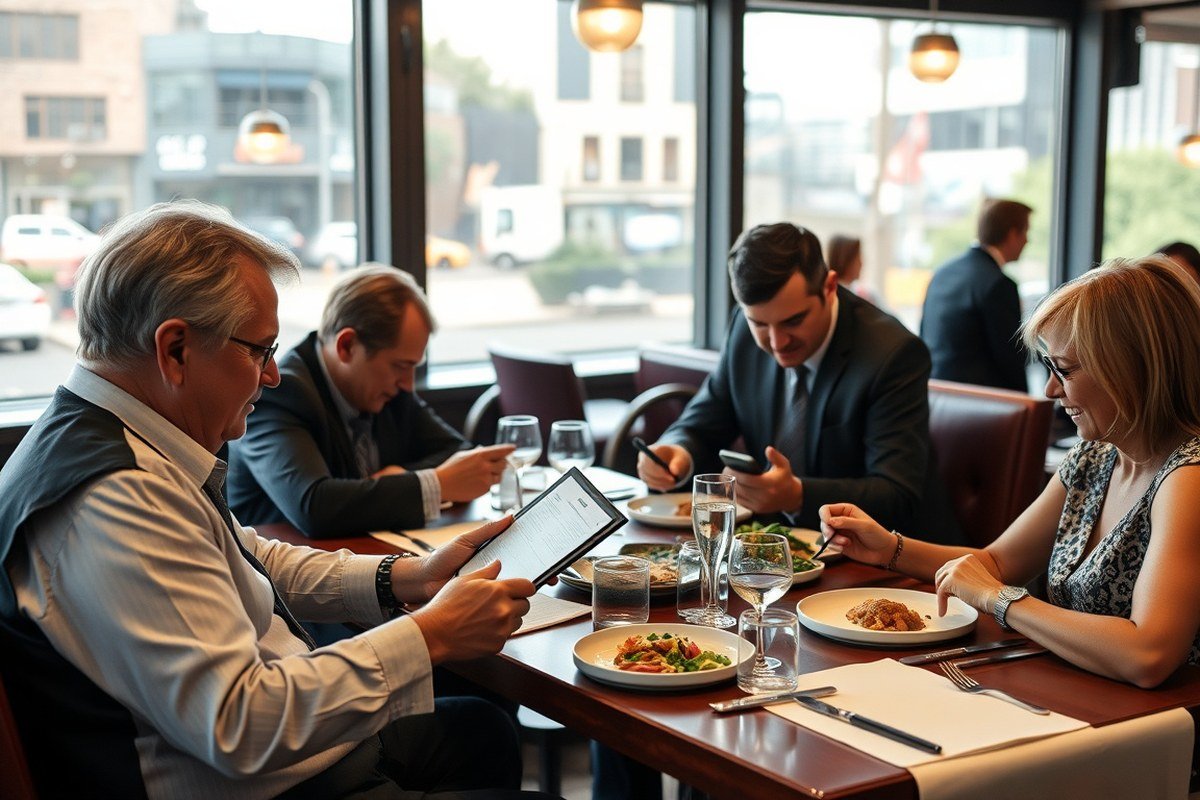
Average dinner durations vary significantly depending on the type of restaurant and the size of your party. At fast-casual restaurants, meals typically take between 20 and 25 minutes. Casual dining spots usually aim for about 45 to 55 minutes per guest. Upscale casual restaurants commonly schedule between 70 and 80 minutes. Fine dining experiences tend to last the longest, with an optimal target of 90 to 100 minutes or more, especially when savoring multiple courses.
Meal complexity also affects dining time. A three- or four-course meal in an upscale or fine dining setting typically extends the total time to around 90 to 120 minutes. Casual dinners with fewer courses tend to be shorter, close to the average times mentioned above.
| Restaurant Type | Typical Dining Time Range | Optimal Target Time | Party Size | Average Dinner Duration |
|---|---|---|---|---|
| Fine Dining | 90-120 min | 90-100 min | 2 people | 90-100 min |
| Fine Dining | 90-120 min | 90-100 min | 4 people | 120 min (approx.) |
| Upscale Casual | 70-90 min | 70-80 min | 2 people | 75 min |
| Casual Dining | 45-65 min | 45-55 min | 2 people | 50 min |
| Casual Dining | 45-65 min | 45-55 min | 4 people | 90 min (approx.) |
| Fast Casual | 20-35 min | 20-25 min | Any size | 20-25 min |
Larger parties usually increase the meal length due to more complex ordering and service logistics. For example, a party of four at a casual dining restaurant can take roughly 90 minutes, nearly doubling the average time for two people. Fine dining experiences also lengthen with group size because of the multi-course menus, conversations, and pacing involved.
These typical durations matter because they help you plan your schedule and set reasonable expectations. They also affect how many seatings a restaurant can offer during busy hours. To keep your dinner on track, consider the restaurant type and your party size when making reservations or planning your night out.
What Factors Influence How Long Dinner Takes?
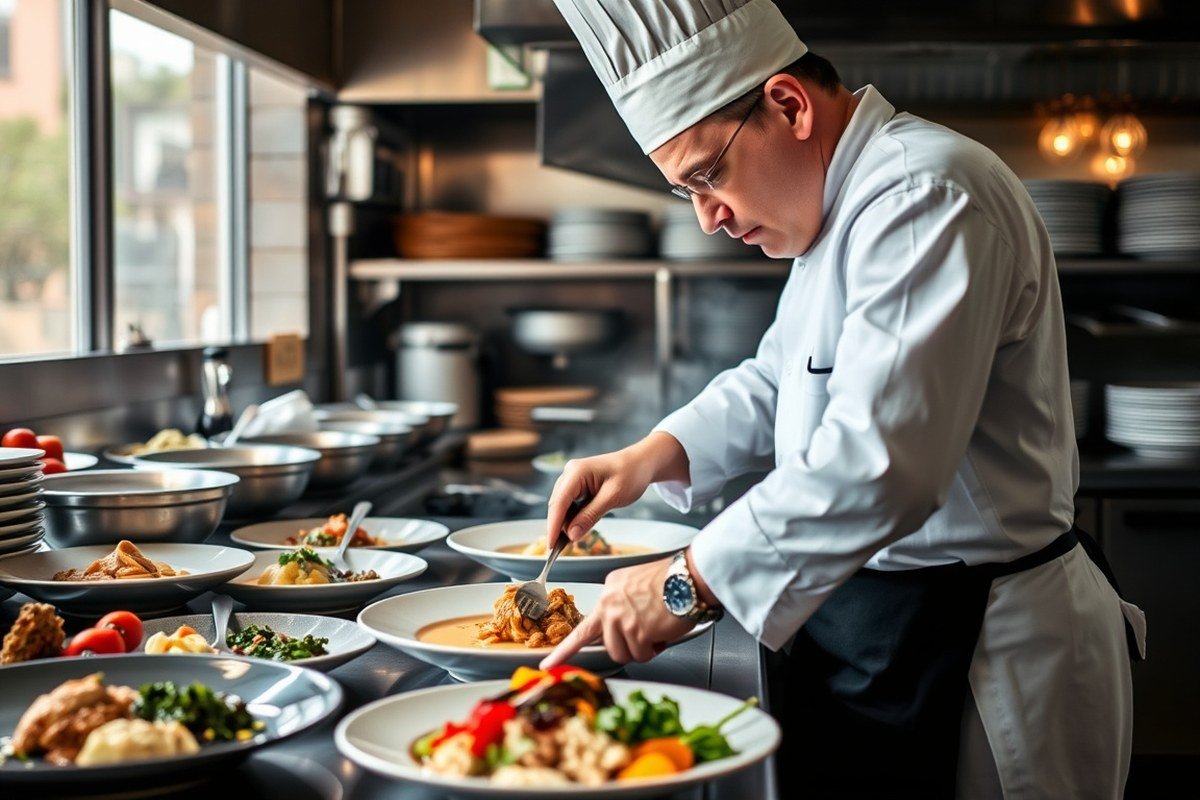
Menu complexity has a direct impact on how long your dinner takes. Dishes that require intricate preparation, multiple ingredients, or precise cooking techniques naturally increase food preparation times. Restaurants offering a large variety of complex dishes often experience slower service because the kitchen staff must juggle many different orders simultaneously. Conversely, streamlined menus focusing on core dishes help kitchens operate more efficiently, reducing wait times by 5 to 10 percent and speeding up overall dining duration.
Peak hours, typically between 6 PM and 9 PM for dinner, affect both wait and dining times. During these busy periods, higher demand can lead to longer waits before you are seated and delays in food preparation. For example, a mid-range restaurant may have an average wait time of 15 to 20 minutes just to get a table. Once seated, the kitchen often manages a larger volume of orders, which can increase the time it takes for your meal to arrive.
Ordering methods and food preparation also influence how quickly you are served. Traditional paper or verbal ordering may slow communication between waitstaff and kitchen compared to digital ordering systems, which can reduce wait times by up to 30 percent through better table management and faster order transmission. The prep time varies by dish type; simple meals at casual or fast-food eateries usually arrive within 10 to 20 minutes, while gourmet or multi-step dishes can take significantly longer.
- Menu complexity: More complex dishes increase kitchen workload and wait times.
- Peak hours: Higher customer volume leads to longer seating and food preparation waits.
- Ordering methods: Digital ordering speeds up communication and reduces delays.
- Kitchen efficiency: Well-trained staff can prepare meals faster, improving turnover.
- Restaurant size: Larger venues may handle more customers but might have slower personalized service.
- Staff training: Regular coaching cuts down errors and improves service speed.
- Table management systems: Software tracking table availability lowers wait times by 20-30%.
Ask about peak dining times or menu specials before ordering to better estimate how long your meal might take.
Multiple factors combine to shape how long your restaurant dinner takes. Efficient kitchens prioritize dishes based on prep time, use streamlined menus, and rely on trained staff to reduce delays. Through better table management and modern ordering technologies, restaurants can shave minutes off your wait, but busy periods and complex menus still add to overall duration. Understanding these dynamics helps set realistic expectations for your dining experience.
How Long Does the Dining Process Usually Take from Seating to Paying?
The dining process at a restaurant usually takes between 50 and 85 minutes from the moment you’re seated until you leave, depending on the day and dining style. This includes time spent waiting to order, the arrival and enjoyment of each course, and paying the bill. Understanding these phases helps you plan your evening and set your expectations realistically.
Waiting to Be Seated and Greeted
The initial wait involves being seated, greeted by a server, and placing your order. Generally, you can expect to wait about 8 to 12 minutes for your server to approach after being seated. Restaurants aim to greet guests within 60 seconds to make a good first impression and start the dining flow on time. This phase matters because delays here can push back the entire meal, especially during peak hours.
Once the server arrives, placing your order usually takes a few minutes, but the total time from seating to order completion often averages around 10 to 15 minutes. The speed can vary if it’s a busy night or if you have questions about the menu.
Ordering and Serving of Courses
After ordering, the kitchen begins preparing your meal, and most restaurants take about 15 to 20 minutes to serve the first course. For multi-course dinners, appetizers, main dishes, and desserts are usually spaced to allow decent breaks between servings without rushing or unnecessary waits. On dinner weekends, expect this phase to be longer since the pace is more leisurely compared to weekday dinners. Typical timeframes for courses look like this:
- Appetizers: 12 to 20 minutes from order placement
- Main course: 20 to 30 minutes after appetizers arrive
- Dessert: 10 to 15 minutes after the main course is finished
Restaurants prioritize kitchen timing to avoid crowding the plates or making diners wait excessively. Poor coordination can lead to wasted time either sitting with empty plates or feeling rushed to finish.
Time Spent Eating and Conversation
Actual eating time is often similar to what you would spend eating at home. The rest of the dining time usually consists of conversation, socializing, or enjoying drinks. On weekends and in casual settings, diners tend to take longer breaks between courses, which adds to the total meal duration. A table of four sharing three courses often spends around 60 to 85 minutes at dinner, while a smaller party or single-course meal can be closer to 45 to 60 minutes.
Dining is about experience as much as the food itself, so allow yourself pauses for chatting or savoring the ambience. You can help keep the pace comfortable by signaling when you’re ready for the next course or your check, especially if you’re on a tighter schedule.
Payment Methods and Time Required
Paying the bill takes an average of 5 to 10 minutes after your last course is finished. Many restaurants offer tableside payment terminals that let you settle the check quickly without waiting for the server to return. This can reduce the departure time significantly, helping guests leave within a reasonable timeframe.
If you pay with a card, expect a few additional minutes for processing, but cash payments can sometimes be faster if the correct amount is ready. To avoid long waits, ask for your check proactively or indicate you’re ready to pay when your server next visits.
How Do Multi-Course Meals Affect the Total Dinner Duration?
Adding courses naturally extends the length of your restaurant dinner because each dish brings its own serving and eating time. Multi-course meals often take anywhere from 90 minutes to 3 hours, depending on the number of courses, their complexity, and how you manage the pacing between them. Careful timing helps balance enjoying the food and socializing without feeling rushed or waiting too long.
Typical Duration for Three-Course Meals
A dinner with three courses, usually an appetizer, main dish, and dessert, generally lasts between 60 and 90 minutes. This timeframe allows about 15 to 20 minutes per course for eating, plus some additional time for serving and clearing plates. Restaurants often expect diners to spend around an hour for a three-course meal, especially in casual settings where efficiency is valued.
Complex or sophisticated dishes on any course may add a few extra minutes, so some three-course dinners can stretch closer to 90 minutes. The key is that each course gets enough attention without long pauses or rushing through the plates.
Timing Adjustments for Extended Courses
When you add a fourth course or more, such as a salad or palate cleanser before the main and a cheese or coffee course after dessert, the dinner duration usually extends to 90 minutes to 2 hours, frequently reaching up to 3 hours for celebratory or fine dining experiences. Formal tasting menus or special occasions often encourage a leisurely pace that stretches the time further.
This longer timeframe gives the kitchen more opportunity to prepare complex dishes and lets diners enjoy conversations between courses. In upscale restaurants, spending at least 2.5 hours for multi-course meals aligns with guest expectations and service style.
Managing Pace Between Courses
Balancing the pace in a multi-course meal helps maximize enjoyment without dragging on or feeling rushed. To manage timing effectively, try these steps:
- Communicate your timing preferences: Let the server know if you prefer a quicker or more relaxed meal when you order.
- Allow about 20, 30 minutes to eat each course: This timeframe fits well for most dishes and aligns with digestion cues.
- Take short breaks between courses: Use pauses to chat or enjoy drinks without finishing the meal too fast.
- Signal readiness for the next course: When ready, catch the server’s attention to avoid delays.
- Be mindful of others at the table: Try to keep pace with your dining companions to maintain a smooth flow.
- Watch for restaurant cues: Some places will clear plates quickly if diners lag too long, so stay engaged.
- Adjust your order if needed: For example, skip a course or share dishes to reduce overall time when in a hurry.
Following these steps typically results in a dinner that feels neither rushed nor excessively long, helping you enjoy every course and conversation comfortably.
How Long Are Wait Times Before Being Seated and During Peak Hours?
Wait times before being seated vary widely, especially during peak hours at popular restaurants. Casual dining spots often have an average wait of about 23 minutes, with about a third of parties waiting over 30 minutes, according to a study on restaurant seating. Fine dining restaurants typically require reservations, which can cut wait times significantly or eliminate them altogether, since walk-ins usually face longer delays.
Peak hours increase wait times because restaurants get crowded, slowing the process from seating to serving. Large parties or popular times such as early evening or weekends often create bottlenecks, while dining during off-peak hours usually means faster service. Early drink or appetizer orders can help reduce your total dining time by starting service sooner and shortening table turnover time. Drinks often arrive within 1 to 3 minutes, and appetizers within 3 to 5 minutes, providing something to enjoy while you wait for the main course. Use the following checklist to reduce your wait time and set clear expectations during busy periods:
- Make a reservation in advance, especially for fine dining or busy casual spots.
- Arrive slightly before peak hours, such as mid-afternoon or late evening.
- Order drinks or appetizers immediately after being seated to start the dining clock early.
- Consider smaller party sizes to ease seating and speed service.
- Ask staff about current wait times and expected service pace upon arrival.
- Be patient and flexible, as restaurants vary in how they handle peak crowds.
Ordering drinks or appetizers early can shorten your total wait and dining time by engaging the kitchen and bar teams sooner.
At casual dining restaurants, food usually arrives 15 to 30 minutes after ordering, but this varies with kitchen pace, staff efficiency, and how busy the restaurant is. Fine dining experiences may involve longer waits per course but often better predictability with reservations. Knowing these factors helps you plan your evening more comfortably and avoid frustration at the door.
How Can Digital Tools and Staff Training Speed Up Restaurant Dinners?
Restaurants often rely on digital table management software to reduce wait and service times. This software tracks which tables are occupied or ready for seating, automatically assigns servers to new guests, and helps optimize the flow of diners throughout the evening. By keeping staff informed in real time, digital tools help prevent bottlenecks and speed up turnaround. Implementing such systems usually involves a monthly software subscription or a one-time purchase price ranging from several hundred to a few thousand dollars, depending on the restaurant’s size and complexity.
Alongside technology, regular staff training plays a significant role in speeding up dinners and lifting customer satisfaction. Training sessions focus on menu knowledge, efficient table management, and conflict resolution so servers can confidently handle any situation without delays. Trained staff reduce errors and miscommunication, which helps meals progress smoother from seating to payment. Restaurants that invest in ongoing coaching often see lower wait times and improved guest feedback.
Data analytics improve these improvements by identifying service slowdowns at specific tables or times. Tracking key performance indicators (KPIs) like wait times, table turn rates, and customer satisfaction enables management to adjust staffing or menu options. For example, a restaurant might cut a large menu to 5-7 core dishes, decreasing kitchen complexity and order delays. Analytics-driven adjustments help restaurants balance speed with quality, adapting to varying daily demands and special events.
| Improvement Method | How It Works | Investment Required | Typical Results |
|---|---|---|---|
| Digital Table Management | Tracks table status, assigns servers, optimizes flow | $200-$2,000 initial + $50-$200/mo subscription | Reduced wait times, faster seating, increased turnover |
| Staff Training | Regular sessions on menus, service, conflict handling | Varies; from in-house workshops to external trainers | Smoother service, fewer errors, better guest experience |
| Data Analytics | Tracks KPIs, identifies slow tables, adjusts staffing | Often integrated in management software | Improved operational decisions, optimized table turnover |
| Menu Simplification | Reducing menu items to core dishes | Minimal direct cost; requires planning | 10-15% sales boost, 5-10% shorter wait times |
Combining these approaches creates compounding benefits. Digital tools automate routine tasks so staff focus on guest care, while training sharpens their skills and confidence. Making decisions based on data helps leaders identify and fix bottlenecks quickly rather than guessing. Restaurants may adjust these strategies depending on their type, size, and peak periods. For example, fast-casual venues prioritize quicker service and may emphasize technology, while fine dining invests heavily in staff expertise to maintain quality while improving speed.
What Are Realistic Customer Expectations for Dinner Length?
Setting reasonable expectations for how long your dinner should take depends largely on the type of restaurant and dining style you choose. Casual eateries often expect diners to finish within about 45 minutes to an hour, providing a relaxed but steady rhythm where you enjoy your food and conversation without rush. In contrast, more formal or multi-course restaurants typically invite a longer experience, ranging from 90 minutes to two hours. This allows time to savor each course and engage in conversation comfortably.
Eating at a steady pace supports both enjoyment and digestion. Spending around 20 to 30 minutes on your main course allows you to savor the flavors and chat without rushing. For instance, restaurants such as Hawksmoor train their staff to take orders within the first 20 minutes after guests sit down. This approach reduces pressure and keeps the meal flowing smoothly without extending it unnecessarily. Being mindful of this timing helps you avoid eating too fast or taking too long.
You should expect shorter dinners when ordering à la carte in casual settings, where meals typically last around an hour or less. For instance, grabbing a quick dinner after work at a neighborhood bistro often means the kitchen moves quickly and courses come out promptly. On nights when you enjoy tasting menus or multi-course meals, expect a slower pace that might stretch beyond two hours. These experiences intentionally encourage slowing down to appreciate each dish.
To pace your meal comfortably, start by scanning the menu and asking the server how long courses usually take. You can also space your order by ordering appetizers first, then waiting for those to arrive and be partially eaten before ordering the main. Engaging in relaxed conversation between bites naturally slows your pace without pressure. To extend your time at the table, opting for water instead of alcoholic drinks can help, since different beverages can affect how quickly or slowly a meal moves along.
Keeping an eye on the time and how crowded the restaurant is helps gauge if you should speed up or slow down. A busy place during peak hours might encourage a slightly brisker meal, while empty or fine-dining spots welcome unhurried visits. Avoid rushing food just to finish quickly, which can reduce your satisfaction and digestion. Conversely, staying too long in a busy casual spot may disrupt both your experience and the restaurant’s flow.
How Do Party Size and Booking Time Affect Your Dining Duration?
Party size directly influences how long your dinner will last, mainly because larger groups typically move at a slower pace. Each additional guest adds to the time required for ordering, serving, and conversation. For instance, a table of two guests averages about 50 minutes to dine, while a party of six can expect to spend around 80 minutes, 30 minutes longer than two guests. Groups of eight or more often extend to 95 minutes or more. This increased duration happens because coordinating orders and serving multiple courses takes longer, plus social dynamics in bigger groups naturally slow down the flow of the meal.
Reservation timing also plays a role. Early dinner bookings usually afford a more relaxed experience, often with more generous time allowances. Later reservations tend to be more rushed, as restaurants aim to maximize table turnover before closing. Many establishments implement time limits especially for larger parties, often two hours, which balance customer satisfaction with operational efficiency. For example, a fine dining setting might allow more time due to complex dishes and a focus on experience, while casual restaurants may enforce stricter limits to clear tables quickly.
Understanding how these factors impact dinner length lets you plan better. Consider a worked example: a restaurant has 50 tables seating four guests on average. The average dining time for a four-person party is about 65 minutes. If the restaurant runs two and a half turns per table per night, that’s roughly 125 parties served. Reducing average dining times by even 10 minutes could raise table turns to 3 per table, boosting total parties served to 150 and increasing revenue substantially. This is why restaurants monitor dining time closely to optimize turnover and meet reservation schedules.
Large parties are often given specific maximum times when booking. This helps restaurants manage flow and avoid backups. Knowing these expectations upfront can prevent frustrations during your visit. When you make a reservation for a group of six or more, expect a window of about 90 to 120 minutes. Arriving late or ordering complex dishes may pressure the timeline further. Booking early in the evening generally reduces the chance of being hurried, whereas late-night diners might find timing stricter due to pending closing.
Be sure to ask about time limits when booking large groups to avoid surprises, especially at popular or busy restaurants.
When and How Should You Inquire About Delays or Slow Service?
You should wait about 20 to 30 minutes after your order before asking about any delay. It’s reasonable to expect your food within this window during a typical dinner service. Asking the staff politely helps keep the situation friendly and clear. When the delay extends without explanation, try talking to a manager or rethink your plans.
Recognizing When Wait Is Too Long
Most dinners in casual to mid-range restaurants arrive within 20 to 30 minutes of ordering, depending on the complexity of your meal and how busy the kitchen is. Waiting over 30 minutes with no main course or updates means it’s time to check in. Delays can happen during busy periods, but you should at least be informed if food will take extra time. Watch for these signs of excessive wait:
- No update on your order from your server or kitchen staff after standard wait times
- Other tables who ordered after you have been served
- Staff seems rushed or unavailable to provide status
Knowing when to inquire avoids frustration or misunderstanding. It also shows polite patience while still prioritizing your dining experience.
Polite Phrases to Inquire About Your Order
Start with a friendly tone and understanding, as kitchen delays are often not the server’s fault. Here are some example phrases to use when asking about your food:
- “Hi, I’m just checking in on our order. Could you please let me know how much longer it might be?”
- “I understand the kitchen might be busy tonight. Do you have an updated estimate on when our meals will be out?”
- “I want to make sure we didn’t miss anything. Could you please confirm that our order is still being prepared?”
Using these phrases keeps the interaction polite and opens a productive dialogue. Avoid sounding accusatory or impatient, which can make the staff defensive and slow communication.
Actions to Take If Delays Continue
After a polite request, if the wait continues or the response is unclear, raising the issue is justified. Speaking with a manager often helps clarify the cause of the delay and possible solutions. You might also consider adjusting your plans if the wait will significantly impact your schedule. Follow these steps to address ongoing delays effectively:
- Wait at least 20 to 30 minutes after ordering main dishes before making an inquiry.
- Ask your server politely using one of the suggested phrases to check on your order status.
- Listen carefully to the explanation and estimated wait time given by your server.
- Should no clear answer or delay follow, calmly ask to speak with the manager.
- Explain your concerns without blame, mentioning wait times and lack of updates.
- Hear out the manager’s response and options, such as priority cooking, discounts, or order changes.
- Decide whether to continue waiting, order something else, or leave, depending on your time constraints.
Taking these actions carefully keeps the dining experience respectful. It improves your chances of a fair resolution and maintains a positive rapport with the restaurant staff.
Planning Your Next Restaurant Dinner: A Quick-Start Action Plan
Use this plan to estimate and manage your dining time effectively at your next restaurant visit.
- Before your visit: Check the restaurant’s peak hours online or call to ask about wait times; choose a less busy time to save waiting. You’ll know it worked if you’re seated promptly upon arrival.
- Upon arrival: Ask the host or server how long the expected wait and meal service will take; this sets realistic expectations early. Confirmation from staff gives you a clear timing frame.
- Ordering phase: If you want a quicker meal, pick from simpler dishes or fewer courses; ask for recommendations on fast-prep items. Faster service confirms your choice is effective.
- During the meal: Communicate politely with your server if timing is critical; inquire about any delays promptly to adjust plans. Timely updates from the server indicate good communication.
- Paying and leaving: Request the check early if needed to avoid added wait time at the end. Quick payment and exit show you managed the final step well.
Frequently Asked Questions
How Long Does a Fine Dining Dinner Usually Last?
A fine dining dinner typically takes 2 to 3 hours. This pace allows for savoring multiple courses and attentive wine service without feeling rushed.
How Long Does Dinner Take at a Steakhouse?
Dinner at a steakhouse usually lasts about 60 to 90 minutes. Steakhouses often focus on hearty dishes served efficiently, balancing quality and a timely experience.
How Long Does Wine Service Add to a Dinner?
Wine service can add 10 to 20 minutes to your dinner. This time covers selecting, pouring, and often discussing wine, improving the dining experience without causing major delays.
How Many Dining Turns Can a Restaurant Fit in One Evening?
A casual restaurant with 50-minute stays can fit about five turns in 4.5 hours. Longer dining times reduce total turns, impacting restaurant revenue and guest flow.
Is Dinner Duration Longer on Weekends Than Weekdays?
Dinner tends to be 15 to 30 minutes longer on weekends due to busier crowds and relaxed dining. Plan accordingly if you want to avoid rush or decide when to visit.
How Long Does It Take to Finish Dessert at a Multi-Course Meal?
Dessert in a multi-course meal usually takes 15 to 30 minutes. This final stage lets guests unwind and enjoy a sweet ending, often extending the overall dining time.
Key Points to Remember
Dinner at a restaurant typically takes between 45 minutes to 2 hours depending on meal type, party size, and timing. By choosing your dining time wisely and communicating clearly, you can control how long your meal lasts. Next time you plan to dine out, set aside a time window based on these factors to make your experience smooth and enjoyable.
4 Comments