
How Many Pizzas for a Party: A Complete Guide to Ordering Right Every Time
To calculate how many pizzas for a party, plan for about 2 to 3 slices per guest, adjusting for appetite and sides. Medium pizzas typically have 6 slices while large pizzas have 8 to 10, so order enough pies to cover total slices needed. Adding a few extra slices helps avoid running out or catering to bigger appetites.
This guide is for anyone hosting a pizza party, from casual get-togethers to kids’ birthday celebrations. You’ll find tips on pizza sizes, timing orders, dietary adjustments, avoiding common errors, and managing leftovers for smooth, successful events.
Key Takeaways
- Order 2 slices per child guest and 3 per adult for accurate portioning at mixed-age parties.
- Select mostly popular toppings (about 60%) and reserve 40% for specialty and dietary-friendly options.
- Choose large pizzas for best value, as they offer roughly 36% more food volume than medium sizes.
- Call your pizzeria 24 to 48 hours in advance for orders of 10 or more pizzas to ensure availability.
- Schedule pizza delivery 15 to 30 minutes before your serving time to keep pies fresh and hot.
- Include 10% vegetarian or specialty pizzas to accommodate dietary restrictions without over-ordering.
How to Calculate the Number of Pizzas for Your Party
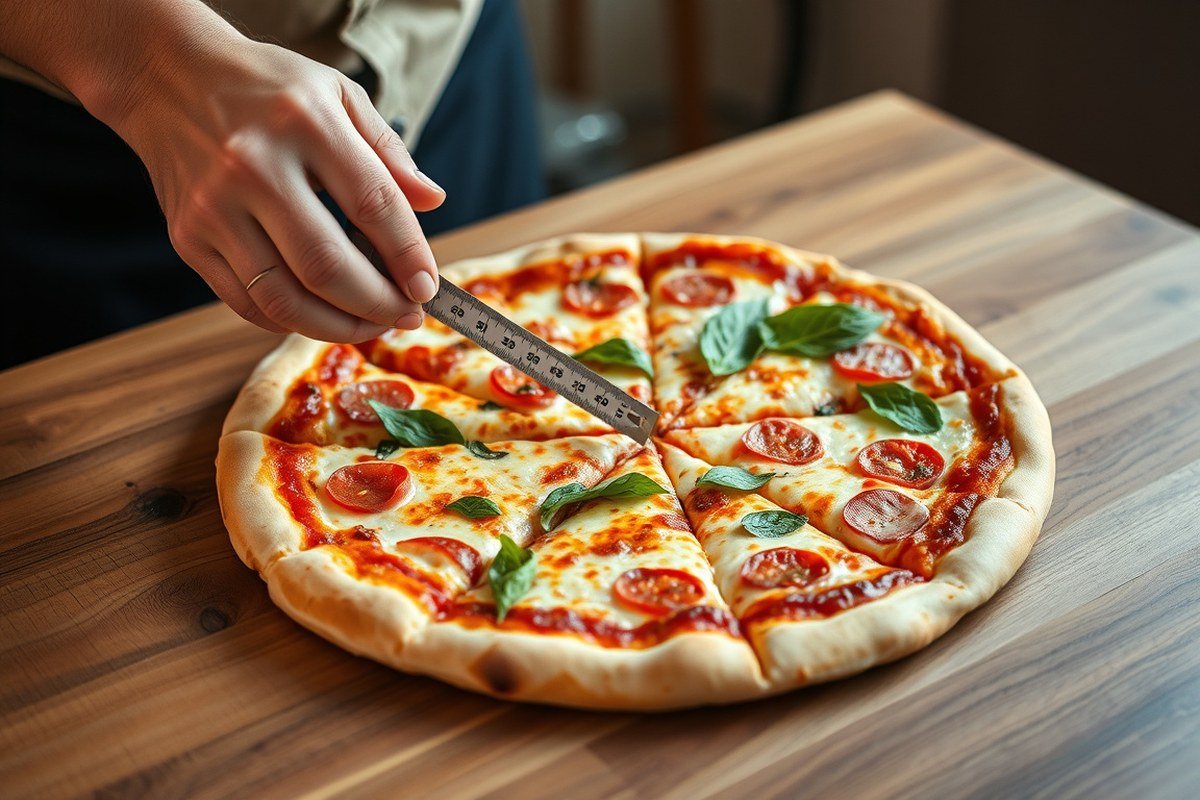
To figure out how many pizzas you need for your party, start by estimating how many slices each guest will eat. The average adult typically eats about three slices. This is a good baseline to work from, but adjust it based on your guests’ appetite and whether other food will be served. For kids or light eaters, plan for fewer slices, around two per person.
Once you know the average slices per person, multiply that number by the guest count. For example, if you expect 20 guests and each will have three slices, multiply 20 by 3 to get 60 total slices needed.
Next, consider the size of the pizzas you are ordering. A standard large pizza usually has eight slices. Divide the total slices needed by the number of slices per pizza to find out how many pizzas to order. Using the example above, divide 60 by 8, which equals 7.5. Since you can’t order half a pizza, always round up to the next whole number. In this case, order 8 large pizzas.
This rounding up is key to avoid running short. Pizza slices are shared unevenly, and some guests may be hungrier than expected. Ordering just enough slices to match the math often leaves you with less food than needed because not all slices can be perfectly divided among people.
Adjust your calculation if you know your crowd. For light eaters or if you’re serving side dishes, you might lower slices per person to two. For teenage or big appetites, plan for four slices each. For example, 15 guests at four slices each is 60 slices total, which still divides to 8 pizzas by eight slices per large pizza.
When ordering different pizza sizes, remember that slice count varies. A medium pizza typically has eight slices, like a large, but smaller pizzas have fewer slices: a personal size usually has four slices and serves one person. Match pizza sizes to your group’s needs but always calculate total slices needed, not just pizzas.
As you finalize your order, think about extras like toppings or crust type, which could influence appetite. More filling pizzas like meat-heavy toppings might reduce how many slices guests eat. In contrast, thin crust or veggie options might encourage a couple more slices per person.
By calculating total slices needed and dividing that by slices per pizza, then rounding up, you’ll have enough pizza to satisfy your guests without a shortfall. Use this approach every time so you can confidently place orders that fit your party size and appetite expectations.
Understanding Pizza Sizes and Slice Counts

Pizza sizes usually range from small to extra-large, and understanding the differences helps you order the right amount for your party. The typical diameters for these sizes fall between about 8 and 18 inches, with the number of slices increasing as the size grows. Knowing the usual slice count per size lets you estimate how many people each pizza can feed.
| Pizza Size | Diameter | Slices | Best For |
|---|---|---|---|
| Small | 8 to 10 inches | 6 | Individual or 1 to 2 people |
| Medium | 12 inches | 8 | Small groups of 2 to 3 |
| Large | 14 inches | 10 | Groups of 3 to 5; best value |
| Extra Large | 16 to 18 inches | 12 | Large groups; most cost-effective |
Most chains cut large pizzas into 10 slices and extra-large into 12, while mediums usually have 8 slices and small pizzas 6. Large pizzas generally give the best value per slice, making them ideal for parties of six or more. Extra-large pizzas reduce the number of boxes you need and lower the cost per slice, excellent for bigger groups.
Medium pizzas are a good choice if your guests want several topping options since ordering multiple mediums lets you mix and match easily. Small pizzas work well when you want precise headcounts or individual custom orders but can be harder to share casually. Large pizzas cover most party sizes with a good balance between slice count and price.
Ordering larger pizzas like large or extra-large usually saves money and reduces waste compared to multiple smaller pies.
Adjusting Orders for Guests’ Appetite and Dietary Needs
Adjusting your pizza order by appetite levels and dietary needs helps prevent running short or wasting food. Kids eat fewer slices than adults, and some guests might need vegetarian, vegan, or allergy-safe options. Taking time to estimate slices per person and consider preferences ensures everyone gets enough without ordering too much.
Estimating Appetite by Age and Event Type
Young kids usually eat between 1 and 2 slices, depending on whether pizza is a snack or their main meal. Adults typically consume about 2.8 slices if pizza is the main food, with some variation based on activity level and timing. Teens and athletes need more, around 3.5 to 4 slices, especially after sports or long days. Late-night guests tend to eat more, about 3 to 3.8 slices. Consider these appetite estimates as a starting point:
- Kids (light appetite): 1, 2 slices
- Adults (moderate appetite): 2.8 slices
- Teens/athletes (heavy appetite): 3.5, 4 slices
- Late-night guests: 3, 3.8 slices
Estimate total slices for your guest list by multiplying these per-person slice counts by their number and appetite level. Adjust for your party’s length and presence of side dishes, a longer event or no sides usually increases appetite.
Balancing Veggie vs Popular Topping Pizzas
About 10% of guests usually need vegetarian or specialty pizzas. For smaller orders under 5 pizzas, include 1 veggie pie and 1 to 2 meat or pepperoni pies. For larger orders, 6 to 9 pizzas, a good distribution might be 2 to 3 cheese, 3 to 4 meat, and 1 to 2 veggie pies. For very large parties, increase veggie and specialty options proportionally and label boxes to avoid mix-ups. Planning your topping mix looks like this:
- Small order (3, 5 pizzas): 1, 2 meat, 1 cheese, 1 veggie
- Medium order (6, 9 pizzas): 3, 4 meat, 2, 3 cheese, 1, 2 veggie
- Large order (10+ pizzas): 5, 7 meat, 3, 4 cheese, 2, 4 veggie
- Label boxes clearly for easy serving
- Keep one plain cheese pizza untouched for kids
This balance covers popular tastes without over-ordering less popular pies, which can lead to waste.
Adding Special Diet or Allergy-Friendly Options
Ask guests ahead about any gluten, dairy, or other allergies. Many pizzerias offer gluten-free crusts or dairy-free cheese alternatives. Calculate about one or two allergy-friendly pies per 10 to 15 guests with restrictions. Make sure these pizzas are clearly marked and kept separate to avoid cross-contact. Helpful tips include:
- Confirm dietary needs in advance
- Order allergy-friendly pizzas early, they may require longer prep time
- Label allergy-safe pizzas clearly
- Provide separate utensils and cutting surfaces if possible
- Communicate with your pizza provider about cross-contact risks
Planning special diet options prevents excluding guests and ensures everyone can enjoy the party safely.
Planning Your Pizza Order Timing and Delivery Tips
Place your pizza order at least 24 to 48 hours before your party when dealing with large groups to ensure the restaurant has enough time to prepare. Schedule delivery to arrive 15 to 30 minutes before guests start eating so pizzas stay hot and fresh. Plan to tip delivery drivers around 20% for orders of 10 or more pizzas, reflecting common courtesy for their service.
Ordering Large Orders: Minimum Notice and Lead Time
For groups requiring 10 or more pizzas, most pizza places need at least 24 to 48 hours’ notice. This lead time helps the restaurant manage ingredient availability and kitchen scheduling to ensure your order is ready on time. Calling in advance avoids the risk of limited selections or delayed cooking, especially on busy days or weekends.
Placing your order earlier also gives you a chance to confirm details or make adjustments if the guest count changes. When your event lasts several hours, consider breaking your pizza order into multiple deliveries or scheduling delayed deliveries to keep the pizzas fresh during the party. Ordering from multiple pizza places can also balance the kitchen workload and improve pizza quality.
Tipping Guidelines for Pickup and Delivery
It’s customary to tip delivery drivers at least 20% for large catering orders involving 10 or more pizzas. This percentage compensates them fairly given the heavier load and urgency involved in such deliveries. For smaller orders or pickup, tipping 10% to 15% is generally appropriate.
Besides the tip amount, keeping some cash handy helps with quick tipping. You also want to make sure your parking arrangements make the delivery process smooth and that your driver has clear directions. A clear, polite exchange can improve service quality and speed for any future orders.
Best Delivery Timing Strategies for Parties
Timing delivery correctly is essential for serving hot, fresh pizza without keeping guests waiting. Schedule delivery to arrive 15 to 30 minutes before the party’s meal time. This timing ensures pizzas are ready to serve just as guests start eating, avoiding cold or soggy slices.
When the party continues for a few hours, arrange for staggered deliveries or plan to reorder pizzas during the event. This keeps food fresh over time and reduces waste. When guests arrive at different times, keep some pizzas warm in an oven set to about 200°F if the restaurant doesn’t provide insulated bags or boxes. Here’s a checklist to use when planning your pizza delivery:
- Confirm guest count and finalize pizza quantity at least 48 hours ahead
- Call the pizza place early to place large orders
- Schedule delivery 15-30 minutes before party serving time
- Arrange parking or clear delivery instructions for the driver
- Set aside 20% tip in cash for delivery drivers
- Consider splitting orders for long events to maintain freshness
- Keep extra pizza warm in an oven if needed during the party
Common Ordering Mistakes and How to Avoid Running Out
Underestimating how much pizza you need often comes from misjudging appetite or inaccurately counting guests. People’s hunger varies, especially at events like game nights or family gatherings where guests might eat more than usual. Another common pitfall is ordering based only on the number of people without adjusting for slice sizes or pizza dimensions. Relying on rules of thumb that don’t factor in bigger slices or hungrier groups often leads to shortages and hungry guests.
Ordering extra pizza is usually better than coming up short. A small surplus covers unexpected appetites and prevents awkward moments when you run out. For parties with 20 or more guests, adding 1 to 2 extra pizzas is a simple and effective strategy. This not only keeps everyone satisfied but also gives you leftovers to avoid waste later in the day.
The 3/8 rule provides a straightforward way to estimate pizza needs: multiply your total guest count by 3/8. For example, if you have 20 guests, 20 × 3/8 equals 7.5 pizzas. Round that up to 8 to ensure enough slices. This rule works well with pizzas that have 8 slices each. Adjust slightly for larger pizzas with 10 slices by calculating based on total slices rather than count.
- Always round your pizza order up to the nearest whole pizza, especially for groups of 10 or more.
- Base your order on large pizzas since they offer more pizza per dollar and usually 8 to 10 slices each.
- Order about 60% popular toppings and 40% specialty to satisfy different tastes.
- Add 1 to 2 extra pizzas when hosting large groups or if you expect guests with bigger appetites.
- Keep in mind specific events like sports parties may require more food to keep up with hunger levels.
Ignoring these strategies can lead to running out or ordering far too much, raising both stress and cost. Proper planning prevents the uncomfortable situation of telling hungry guests there’s no pizza left or scrambling to order more during the party. Use simple math from the 3/8 rule, factor in pizza size and slice count, then add a safety margin based on your knowledge of guests’ appetites. This makes sure you have enough pizza without overspending.
For parties with unpredictable appetites, always add one or two whole pizzas beyond your calculated estimate to avoid shortages. It’s better to have a little extra than to run out.
Managing Leftovers: Storage and Reheating Best Practices
Leftover pizza stays fresh in the refrigerator for about 3 to 4 days. To keep it safe and tasty, store the slices in an airtight container or wrap them tightly with plastic wrap or aluminum foil. This prevents the pizza from drying out and keeps bacteria from growing. Avoid leaving pizza out at room temperature for more than two hours, as that raises the risk of foodborne illness.
Reheating pizza to maintain its flavor and texture works best when you avoid the microwave alone. The microwave can make crusts soggy unless you add a paper towel underneath to absorb moisture. A better method is to heat pizza slices in a skillet over medium heat for about 4 to 6 minutes, covered with a lid to melt the cheese evenly. This method crisps the crust while warming the toppings well. Alternatively, bake slices at 375°F in the oven on a baking sheet for 8 to 10 minutes. Make sure the oven is fully preheated to get a crispy crust without overcooking.
Freezing leftover pizza is an option if you don’t plan to eat it within a few days. Wrap each slice tightly in plastic wrap or aluminum foil, then place the slices in a freezer-safe bag to protect against freezer burn. Pizza stored in the freezer maintains good quality for up to 1 to 2 months. Thaw frozen pizza in the refrigerator overnight before reheating with the skillet or oven methods described above. Avoid thawing at room temperature to reduce food safety risks.
Keeping leftover pizza well-stored and reheated properly helps you avoid waste and enjoy your party food again without losing quality. If you have a large group and anticipate plenty of leftovers, portioning the pizza into single slices before storing makes reheating easier later. Make sure your guests know about safe storage tips, too, so pizza stays fresh and enjoyable.
Cost Considerations: Balancing Size, Price, and Tipping
Choosing the right pizza size affects your total party cost more than you might expect. Larger pizzas often offer better value per slice because of their size-to-price ratio. For example, 16-inch pizzas yield more slices overall, reducing how many pies you need. Compare this with smaller pizzas: you might pay more per slice and need more pizzas to feed the same number of guests.
Delivery tipping impacts the total cost significantly. Most delivery drivers expect a tip of around 10 to 15 percent of the pizza total. For budgeting, a 12 percent tip is common. Tipping is calculated on the pizza subtotal before tax, so keeping track of the pizza prices helps you estimate your final spending more accurately.
Estimating pizza costs beforehand requires calculating the number of slices needed, determining how many pizzas match that slice count, and then applying price and tip calculations. Consider a group of 25 guests with moderate appetite, eating about 3 slices each. That totals 75 slices. Ordering eight 14-inch pizzas at $18.99 each covers this need. Adding a 12 percent tip on delivery raises the total expense.
| Pizza Size | Slices per Pizza | Price per Pizza | Total Slices Needed | Number of Pizzas | Food Total | Total with 12% Tip | Cost per Person |
|---|---|---|---|---|---|---|---|
| 14-inch large | 9 slices | $18.99 | 75 slices | 8 pizzas | $151.92 | $170.15 | $6.81 |
To calculate your cost per person, divide the total cost with tip by the number of guests: $170.15 ÷ 25 equals approximately $6.81 each. If you pick up the order yourself, skip the tip and save roughly $18.
Planning for large groups or special circumstances can shift the balance. Smaller groups with light eaters might opt for smaller pizzas without delivery. For events with high appetite or extra drinks, pairing the pizza cost with a drink budget helps control the overall expense. Also, check pizza prices locally before ordering, as they vary by store and location.
Special Situations: Parties with Mixed Food, Kids, or Unusual Pizzas
When your pizza party includes other foods, involves mostly kids, or features unusual pizzas, adjusting your order can prevent waste and ensure everyone eats enough. The key is to consider the type and quantity of other foods, how children’s appetites differ from adults’, and the slice count or size of specialty pizzas.
Adjusting Slices When Pizza Supplements a Meal
Adding sides or other dishes affects how much pizza guests will eat. Light sides like chips or fruit may only slightly reduce pizza consumption, so your slice calculation remains nearly the same. Heavier sides such as wings or pasta salad significantly lower the number of pizza slices needed per guest. For a buffet with pizza included, you can reduce pizza accordingly, as pizza becomes just one option among many. Use this checklist to adjust for other foods:
- No sides: increase pizza by 15, 25% to allow for seconds.
- Light sides: reduce increase to 10, 15%, keeping pizza orders nearly steady.
- Hearty sides: reduce pizza quantity by 8, 15% due to lower demand.
- Buffet with pizza station: reduce pizza by 18, 25% for fewer slices needed.
- Always keep a small buffer of 5, 10% to cover unexpected appetite changes.
This approach saves money and limits leftovers by matching pizza volume to the meal’s filling power. The USDA’s standard serving is one slice per person, so adjust the number of slices per person accordingly before rounding up to whole pizzas.
Estimating Pizzas for Primarily Children’s Parties
Children usually eat fewer slices than adults, generally around 1 to 2 slices compared to 3 per adult. Calculating pizza for mostly kids means lowering the slice per person estimate. You might want to add a few extra slices for parents who drop off or pick up children and might want a quick snack. Try this decision rule for kid-focused parties:
- Estimate 1.5 slices per child on average.
- For mixed groups, count children as half an adult when calculating slices.
- Include a small buffer of 10% extra slices to cover bigger appetites or parents.
- Consider smaller pizzas (10, 12 inches) cut into 6 slices for variety and less waste.
Ordering too many slices results in excess food that may go uneaten, while ordering too few can leave kids hungry and unhappy.
Count on fewer slices per child than per adult, but always round up pizzas to keep enough on hand.
Ordering Non-Standard or Specialty Pizzas
Specialty pizzas, such as heart-shaped or uniquely sized pies, often serve fewer people or come with different slice counts than standard large pizzas. Since standard large pizzas (12, 14 inches) are usually cut into 8 slices, specialty pizzas may require a custom estimation.
To calculate how many specialty pizzas to order, first determine how many slices each specialty pie yields and how many slices each guest needs. For example, a heart-shaped pizza serving 2, 3 people usually has 6 slices. Apply the common catering rule of 3 slices per adult and adjust based on your guest mix, then divide by the slices per specialty pizza, rounding up to whole pizzas.
- Confirm the slice count per specialty pizza with your vendor before ordering.
- Apply the 3 slices per adult rule scaled to your party’s appetite level.
- Adjust slice counts for children and sides as usual before dividing by specialty pizza slices.
- Order an extra specialty pizza as a buffer if delivery timing or appetite is uncertain.
Specialty pizzas can affect your budget slightly due to unique shapes or sizes, so compare prices per slice to find the best fit for your event.
Step-by-Step Action Plan to Order the Right Amount of Pizza
Follow these steps to make sure you order just the right amount of pizza and keep your party running smoothly.
- One week before the party: Estimate the total number of guests and note any dietary restrictions. Confirm this list a few days before the event to avoid surprises.
- Five days before: Decide which pizza sizes and types you’ll order based on your guests’ preferences and appetites. Use 2-3 slices per adult and 1-2 per child as a starting point.
- Three days before: Contact the pizzeria to check menu options, prices, and delivery or pickup availability. Verify if they offer any deals on bulk orders.
- One day before: Place your order with buffer slices for unexpected guests or bigger appetites, adding about 10-15% extra pizza.
- Party day, one hour before start: Confirm the order and delivery time with the pizzeria to ensure timely arrival and freshness.
- During the party: Keep an eye on how quickly slices are being eaten. If people are still hungry near the end, check for local pizza places that can quickly deliver more.
- After the party: Store leftovers properly by wrapping leftover slices tightly and refrigerating within two hours to keep them safe and tasty for another day.
Frequently Asked Questions
How Many Pizzas Should I Order for a Party of 20 People?
For 20 guests, order about 6 to 7 large pizzas, assuming each person eats 2 to 3 slices. Adjust based on appetites and if you have side dishes to avoid waste.
Can Ordering Too Many Specialty Pizzas Cause Problems?
Ordering too many specialty pizzas can increase costs and leave unwanted leftovers. Aim for about 40% specialty and 60% classic toppings to balance variety and popularity.
What If Some Guests Only Eat Light Snacks at the Party?
If guests prefer light eating, plan for around 1.5 slices per person. This helps avoid ordering too much pizza and cutting down on leftovers.
Do Kids Eat Less Pizza Than Adults at Birthday Parties?
Kids usually eat fewer slices, around 2 per child on average. For a party of 25 kids, ordering 7 medium pizzas fits typical appetite and budget well.
What Is the Best Way to Handle Pizza Delivery Timing?
Schedule pizza delivery 15 to 30 minutes before eating time to ensure freshness while you set up. This timing helps avoid cold slices or long waits.
How Many Extra Pizzas Should I Order for Unexpected Guests?
Order one or two extra pizzas beyond your estimate to cover surprises or bigger appetites. This buffer prevents running out without too much leftover food.
The Bottom Line
Knowing how many pizzas to order can prevent stress and keep your guests satisfied. Using straightforward estimates and allowing a small buffer lets you enjoy your party without worrying about running out or wasting food. Take a moment now to list your guest count and preferences to start your plan with confidence.





One Comment