How to Cook a Steak in a Cast Iron Skillet: Step-by-Step Guide That Works
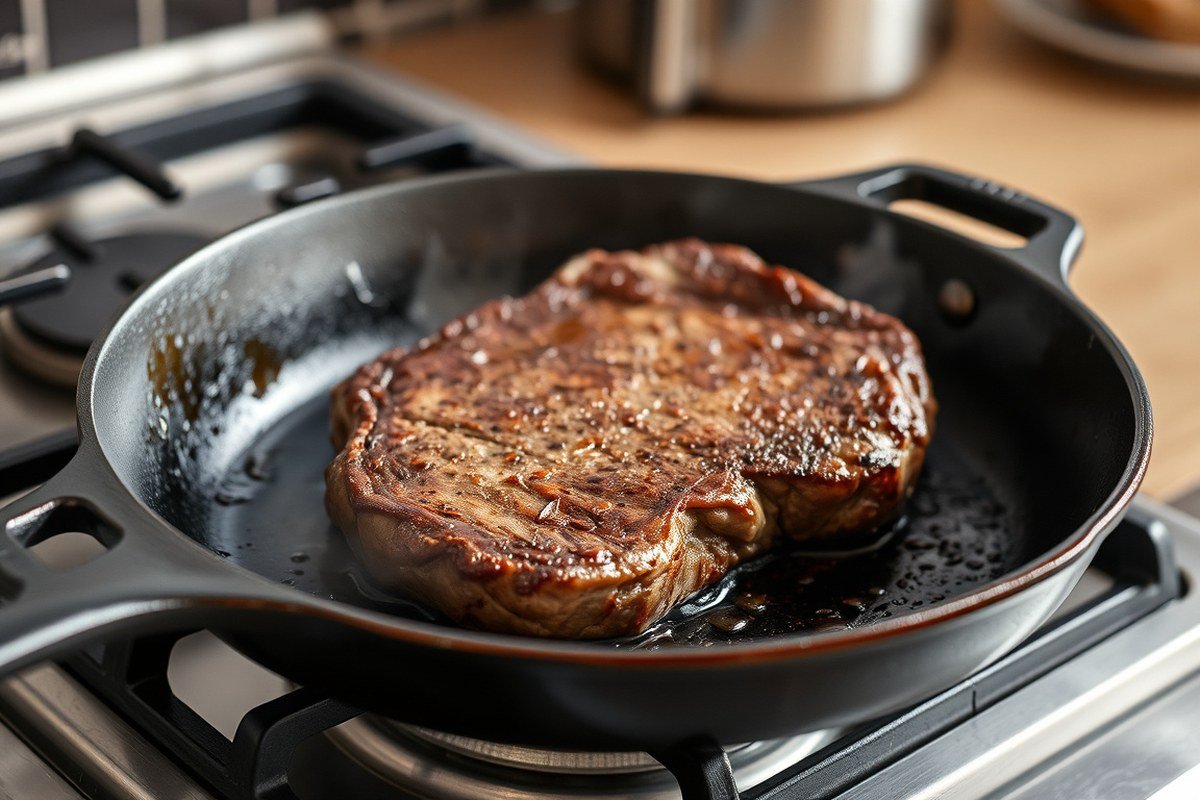
To cook a steak in a cast iron skillet, preheat the pan until very hot, sear the steak on each side for 1 to 2 minutes, then finish cooking it to your desired doneness by adjusting heat or oven time. Let the steak rest 7 to 10 minutes after cooking to lock in juices and improve flavor. This method delivers a rich crust and tender inside using a simple, classic cooking technique.
This advice suits home cooks of any skill level aiming to master steak cooking indoors. You will get clear steps for preparation, seasoning, heat control, and resting, helping you make restaurant-quality steak with your cast iron skillet.
Key Takeaways
- Heat your cast iron skillet on medium-high for about 4 to 5 minutes until it becomes very hot and just starts to smoke before placing the steak in the pan.
- Season steaks simply with salt and freshly ground black pepper just before cooking for best flavor and crust.
- Use tongs to sear each side of the steak for 1 to 2 minutes without moving it to form a proper crust.
- Hold the steak upright with tongs and press the fat against the skillet for 2 minutes to render and crisp the fat cap.
- Use the reverse sear method by cooking thick steaks in a 225°F oven first, then searing in the hot skillet for 1 to 2 minutes per side.
- Rest your steak under loosely tented foil for 7 to 10 minutes after cooking to let juices redistribute evenly.
How to Cook a Steak in a Cast Iron Skillet Step-by-Step
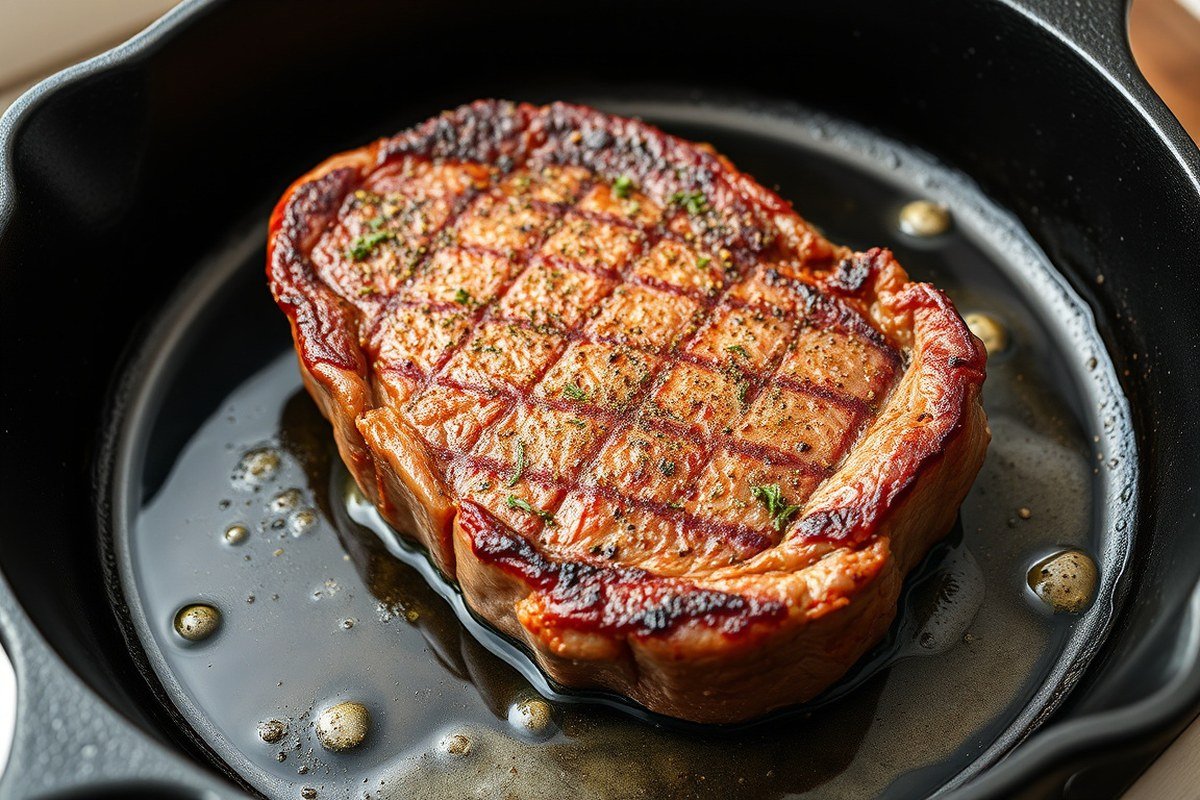
Cooking a steak in a cast iron skillet involves precise steps to achieve a juicy center and a deep, flavorful crust. Start by seasoning your thick cut steak well and preheating the skillet for an even sear. Then, sear the steak on the stovetop to develop a crust and finish in a hot oven to reach your desired doneness. Resting the steak afterward locks in the juices for maximum flavor.
Preparing and Seasoning the Steak
Start with a thick cut of steak, like ribeye, about 1 to 1.5 inches thick. Use a paper towel to pat the steak dry, removing surface moisture to ensure a good sear. Season both sides well with kosher salt and freshly ground black pepper. This straightforward seasoning brings out the steak’s natural taste without overwhelming it.
Applying salt at least 40 minutes before cooking allows it to penetrate the meat. Season the steak just before cooking if time is limited, keeping in mind that salting too early can pull moisture from the meat.
- Remove the steak from the fridge and let it sit at room temperature for 30 minutes to ensure even cooking.
- Pat the steak dry thoroughly with paper towels.
- Sprinkle kosher salt evenly over both sides, covering the surface without clumps.
- Grind fresh black pepper over both sides for added flavor.
- Optionally, you can lightly oil the steak to help with searing if your skillet is not well-seasoned.
Preheating the Cast Iron Skillet
Preheat your cast iron skillet by placing it empty in a cold oven, then turning the oven to 500°F. This method heats the pan evenly, ensuring a consistent sear across the steak. After about 30 minutes or once the oven reaches temperature, carefully transfer the skillet to the stovetop set to medium-high heat.
The skillet should be screaming hot before placing the steak in it. A hot surface is necessary to create the Maillard reaction, producing the rich crust that defines a great steak.
- Place your clean, dry cast iron skillet in the oven.
- Set the oven temperature to 500°F and allow the pan to heat for 30 minutes.
- Carefully remove the skillet using oven mitts and place it on the stovetop over medium-high heat.
- Allow the pan to heat on the stove for 1 to 2 minutes until it starts to smoke slightly.
Searing and Finishing the Steak
Start by placing the steak in the hot skillet without moving it, to develop a deep brown crust. Sear each side for 2 to 3 minutes, depending on thickness, until a rich crust forms. Flip the steak once using tongs to avoid piercing the meat.
Add a couple of tablespoons of butter along with smashed garlic cloves and fresh herbs like rosemary or thyme to the skillet. Tilt the pan slightly and spoon the melted butter continuously over the steak for about 1 to 2 minutes. This basting enriches the flavor and helps cook the steak evenly.
Transfer the skillet back to the oven (still at 500°F) to finish cooking. Bake the steak for 3 to 6 minutes, or until the internal temperature is 10°F below your target doneness, since the steak will continue to cook after removal.
- Place the steak in the skillet and sear for 2 to 3 minutes without moving it.
- Flip the steak and sear the other side for another 2 to 3 minutes.
- Add 2 tablespoons of butter, 2 smashed garlic cloves, and fresh herbs to the skillet.
- Tilt the skillet slightly and spoon the melted butter over the steak, basting it constantly for about 1 to 2 minutes.
- Transfer the skillet to the preheated oven and cook for 3 to 6 minutes to reach near desired doneness.
Resting and Serving the Steak
Remove the steak from the skillet and place it on a cutting board or warm plate. Tent it loosely with foil and let it rest for at least 3 to 5 minutes. Resting allows the juices to redistribute, preventing them from spilling out when you cut the steak, which keeps it juicy and tender.
After resting, slice against the grain at your preferred thickness. Serve immediately to enjoy the rich garlic-herb butter flavours and tender texture.
- Transfer the steak from the skillet to a warm plate or cutting board.
- Tent loosely with foil to retain heat without trapping steam.
- Rest for 3 to 5 minutes to allow juices to settle inside the meat.
- Slice against the grain and serve promptly.
Best Steaks and Preparation Tips for Cast Iron Cooking
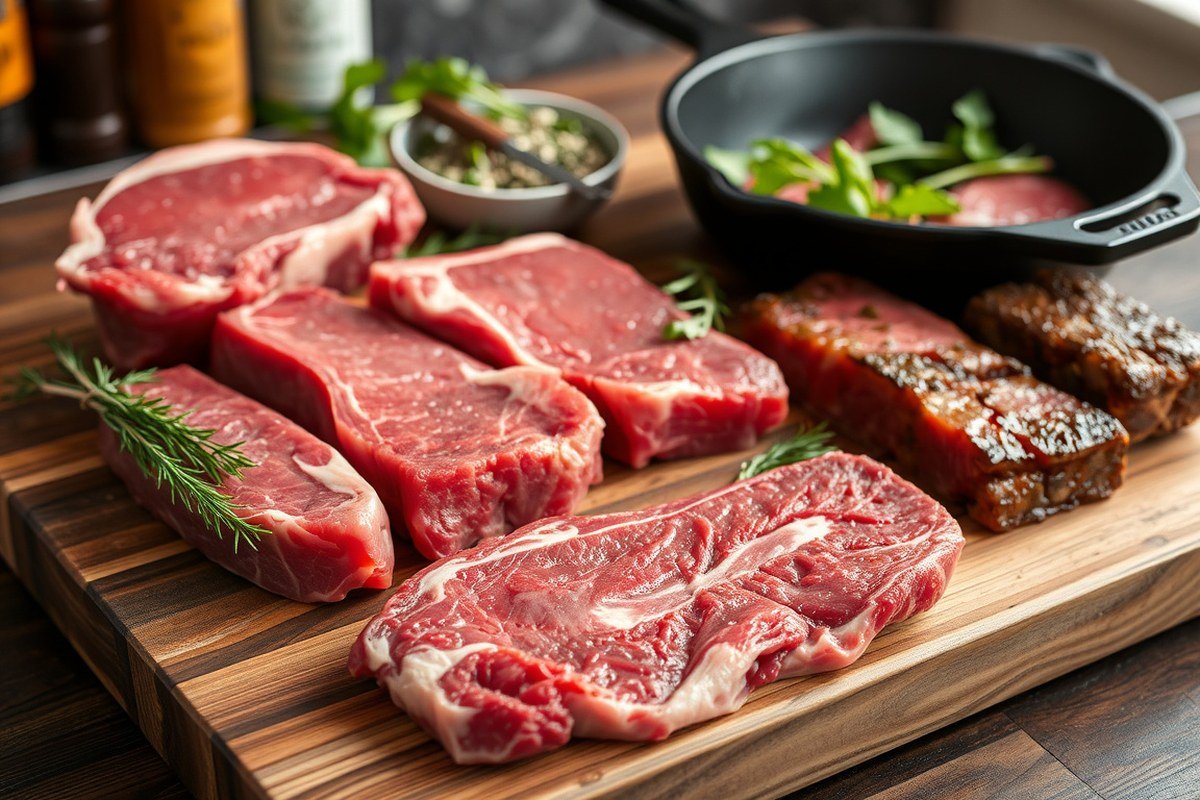
Choosing the right cut of steak and preparing it properly are key steps for a great cast iron skillet steak. Cuts with good marbling and thickness work best because cast iron delivers high, even heat that sears the outside while keeping the inside juicy. Ribeye, New York strip, and filet mignon are top choices as they hold up well to the intense searing heat and develop a rich caramelized crust.
Before cooking, let your steak come to room temperature. This typically means taking it out of the refrigerator and letting it sit on your countertop unwrapped for about 30 minutes, thicker cuts may need more time. Warming the meat allows it to cook evenly and reduces the chance of a cold center.
| Steak Cut | Ideal Thickness | Why It Works Well in Cast Iron |
|---|---|---|
| Ribeye | 1 to 1.5 inches | Excellent marbling for juicy, flavorful sear |
| New York Strip | 1 to 1.5 inches | Lean but tender, good crust development |
| Filet Mignon | 1 to 1.5 inches | Tender, cooks quickly, great for precise searing |
| Sirloin | 1 to 1.5 inches | Affordable, firm texture, benefits from high heat sear |
Use these preparation steps before cooking: pat the steak dry with paper towels to ensure a dry surface for browning. Lightly season with salt and pepper, or your preferred seasoning, just before it goes into the skillet. This helps develop a strong crust. Avoid seasoning too early, which can draw moisture out and interfere with searing.
Room temperature steaks cook more evenly, and the hot cast iron skillet will quickly create a caramelized crust without overcooking the inside. Cast iron’s ability to maintain high heat is why it is preferred for these cuts. The even heat transfer helps prevent burning and inconsistent cooking.
Let your steak rest on the counter for at least 30 minutes to ensure it cooks evenly and achieves the perfect sear.
Following these tips will help make your next cast iron skillet steak tender and flavorful, with a crust and doneness similar to what you’d expect from a fine steakhhouse. Investing a bit more time upfront with selection and prep pays off with superior results.
Choosing the Right Fats and Seasonings for Searing
Choosing the right fat and seasoning is essential for a perfect sear in a cast iron skillet. Use a high smoke point fat to get the pan hot without burning, and keep the seasoning simple to highlight the steak’s flavor. Butter works best toward the end of cooking for flavor, while oils or animal fats handle the initial high heat better.
Oils and Their Smoke Points
Oils with high smoke points are key for searing your steak because they can tolerate the intense heat of a cast iron skillet without breaking down and producing off flavors. Vegetable oils and avocado oil are popular choices, with smoke points ranging from 400 to 520 degrees Fahrenheit. Their neutral taste lets the steak’s natural flavor shine.
| Fat Type | Smoke Point (°F) | Flavor Profile | Use Tip |
|---|---|---|---|
| Vegetable Oil | 400, 450 | Neutral | Add to hot pan to start searing |
| Avocado Oil | 500, 520 | Neutral with mild buttery notes | Excellent for very hot sear |
| Beef Tallow | 400 | Rich, savory, beefy | Add for extra flavor instead of oil |
| Coconut Oil | 350 | Slightly sweet, mild | Better for lower heat; burns easily |
| Bacon Grease | 370 | Smoky, savory | Add for flavor but watch temp |
To get a good sear, let your skillet heat fully until it’s almost smoking. Then add 1 to 2 tablespoons of your chosen fat. Vegetable or avocado oil works great to bring the pan temperature right to the edge before placing the steak in. Beef tallow adds depth, but keep the temp monitored to avoid burning.
Using Butter and Aromatics
Butter has a lower smoke point around 350 degrees Fahrenheit, so it’s best to introduce it after the initial sear when the pan temperature is slightly cooler. Adding butter along with garlic, thyme, or rosemary improve flavor and helps you baste the steak during the final minutes of cooking.
Begin by coating your steak lightly with oil or tallow and searing it in a hot pan. Near the end of cooking, move the steak to the edge of the skillet, pour in 2 tablespoons of butter and your chosen herbs and garlic. Tilt the pan so the melted butter pools, then use a spoon to drizzle it continuously over the steak, adding deep flavor and moisture while preventing the butter from burning.
Simple Seasoning Guidelines
Keep the seasoning straightforward to let the steak’s quality shine. A generous coating of kosher salt and freshly ground black pepper is a classic choice. Salt brings out juiciness by drawing moisture to the surface, creating a better crust when searing.
Season the steak just before cooking so salts draw moisture just enough without making the surface wet. You can also try a steak seasoning blend with garlic powder, onion powder, and smoked paprika for extra depth. Avoid adding seasonings with sugar at this stage since the high heat can burn the sugar and cause bitterness.
Optimal Heat and Timing for Perfect Sear and Doneness
Heat your cast iron skillet on medium to medium-high for about 5 to 10 minutes before adding the steak. The skillet needs to be very hot to get a good sear, which usually means surface temperatures between 400°F and 500°F. This intense heat triggers the Maillard reaction, the crust that locks in flavor and juices. Avoid turning the burner to its highest setting right away. Fast, uneven heating causes hot spots and can burn the pan or your steak’s exterior without cooking the inside evenly.
Once the skillet is properly heated, place your steak in and let it sear undisturbed for 1 to 2 minutes per side. A 1-inch thick steak typically needs about 1.5 minutes on the first side. After flipping, sear the second side for about a minute, then reduce the heat to medium-low to finish cooking if the steak needs more time for your desired doneness. Lowering the heat prevents overcooking the exterior while allowing the interior to reach the right temperature.
Using an instant-read thermometer is the most accurate way to check doneness. Insert it into the thickest part of the steak without touching bone or fat. Aim for 120°F to 125°F for rare, 130°F to 135°F for medium-rare, 140°F to 145°F for medium, and 150°F to 155°F for medium-well. Keep in mind, the steak will continue to cook about 5°F more after removing it from the pan during resting.
For example, after searing a 1-inch ribeye for 1.5 minutes on the first side and 1 minute on the second, turn down the heat and cook for an additional 2 to 3 minutes while periodically checking the temperature. Pull the steak once the thermometer reads 130°F for medium-rare. Finishing on lower heat allows the steak to cook evenly without burning.
Patience during preheating and timing your sear carefully helps you avoid undercooked or tough meat. Turning the steak too often or moving it prematurely can prevent forming a proper crust. Giving the pan enough time to heat through ensures more even cooking, reducing the risk of hot spots that char parts of the steak while leaving others underdone.
The Reverse Sear Method for Thick Steaks Explained
The reverse sear method cooks thicker steaks evenly by slowly heating them first, then finishing with a hot sear for a rich crust. This technique helps avoid overcooking the interior while achieving a well-browned exterior. It’s especially useful for steaks over 1.5 inches thick.
Slow Oven Cooking First
Begin by slowly cooking the steak in the oven at a low temperature. This allows heat to penetrate the meat gradually, ensuring even doneness from edge to center without burning the outside. The steak gently approaches your target temperature before searing, reducing the risk of a grey band of overcooked meat.
Use a wire rack on a baking sheet to promote air circulation around the steak for uniform cooking. Insert a meat thermometer to monitor doneness closely. Typically, aim for an internal temperature about 10 to 15 degrees below your final goal, 125°F for medium-rare, for example. Depending on thickness, this slow phase takes roughly 12 to 15 minutes at about 275°F.
- Preheat your oven to 275°F.
- Place the steak on a wire rack over a baking tray to allow air flow.
- Insert a meat thermometer into the thickest part of the steak.
- Bake until the thermometer reads 10, 15°F below your desired doneness (e.g., 110, 115°F for medium-rare).
- Remove the steak from the oven and let it rest briefly while you prepare for searing.
Use a reliable instant-read thermometer to avoid overcooking during the oven stage.
Preheating Cast Iron for Searing
Achieving the perfect crust requires your cast iron skillet to be extremely hot. Preheating the pan evenly ensures consistent searing across the steak’s surface. Cast iron holds and distributes heat uniformly, making it ideal for this step.
Start by warming the skillet on low heat for 5 minutes, then increase to medium or medium-high until it just begins to smoke. This indicates the pan is hot enough. Avoid adding the steak too early or the crust won’t develop properly, and the steak might stick.
- Place the cast iron skillet on your stovetop and set the heat to low.
- Warm the skillet for 5 minutes to begin an even heat spread.
- Increase heat to medium or medium-high and wait until light smoke appears from the pan.
- Add a small amount of your chosen fat (butter or oil) to coat the pan surface just before searing.
Don’t rush the pan heating; patience here creates the best crust and reduces sticking.
Final Sear and Rest
Transfer the steak to the hot skillet and sear it undisturbed for about 3 to 4 minutes per side. This caramelizes the exterior quickly, forming a flavorful crust without overcooking the interior. Flip once for even browning.
After searing, remove the steak and tent it loosely with foil. Resting the steak for 7 to 10 minutes allows juices to redistribute, keeping the steak juicy and tender.
- Place the steak carefully in the hot cast iron skillet.
- Cook without moving for 3 to 4 minutes until a deep crust forms.
- Flip the steak and sear the other side for 3 to 4 minutes.
- Remove the steak from the pan and cover loosely with foil.
- After cooking, place the steak on a plate and allow it to rest for 7 to 10 minutes before cutting or serving.
Resting is important; cutting too soon causes flavorful juices to run out, resulting in a dry steak.
How to Avoid Common Cast Iron Steak Mistakes
One common mistake when cooking steak in a cast iron skillet is starting with a cold pan. A cold skillet prevents proper searing, so always heat your cast iron over medium-high heat for at least 5 minutes before adding the steak. You want the pan hot enough that a drop of water sizzles and evaporates immediately. This quick sear locks in juices and creates a flavorful crust without overcooking the interior.
Excess moisture on the steak’s surface also causes issues. Pat your steak completely dry with paper towels before seasoning. Moisture steams the meat instead of searing it, leading to a gray, uneven crust. A dry surface ensures faster Maillard reaction, the chemical process that forms a rich brown crust.
Using the right fat is essential. Choose oils with a high smoke point, like avocado or grapeseed oil, rather than butter or olive oil, which burn at lower temperatures. Adding butter can come later for flavor, but initially use a stable oil to maintain heat and avoid smoke buildup.
Skipping the resting step after cooking allows juices to escape when you cut into the steak. Rest your steak for 5 to 10 minutes on a warm plate tented loosely with foil. This redistributes juices and keeps the meat moist and tender. Resting costs no extra time but significantly improves texture and flavour.
Managing smoke while maintaining heat needs balance. Ventilate your kitchen and keep your exhaust fan running. To reduce smoke, avoid overcrowding the skillet; cook one or two steaks at a time to allow enough airflow and prevent the temperature from dropping. If smoke becomes overwhelming, briefly reduce heat but make sure the skillet stays hot enough to sear.
- Preheat cast iron skillet over medium-high heat for about 5 minutes until very hot
- Pat steak fully dry to avoid steaming and uneven browning
- Use a high smoke point oil initially; add butter near the end for flavor
- Rest the steak 5 to 10 minutes on a warm plate covered loosely with foil
- Cook in small batches to prevent cooling and reduce heavy smoke
- Ventilate kitchen well and use an exhaust fan or open windows
Avoiding these errors helps maintain a juicy interior with a crisp, flavorful crust. The right preparation and attention to heat keep your skillet ready for a great sear without choking your kitchen with smoke. Simple steps like drying the steak and resting it afterward make the difference between a good steak and a dry or tough one. These practices cost only a few minutes and minimal effort but greatly impact your cast iron steak experience.
How to Rest and Serve Steak for Maximum Juiciness
Resting a steak after cooking allows the juices, which get pushed toward the center during searing, to redistribute throughout the meat. Skipping this step causes most of the flavorful juices to spill out when you cut into the steak, resulting in a drier bite. Letting the steak rest for about 5 minutes strikes a good balance between retaining heat and achieving juiciness. Tent the steak loosely with foil during this time to keep it warm without trapping steam, which could soften the crust you worked hard to achieve in the skillet.
Slicing steak properly makes a significant difference in tenderness. You should always cut against the grain, meaning perpendicular to the lines of muscle fibers you see running through the meat. This practice shortens the muscle fibers in each bite, making the steak easier to chew. Take note of the direction of the grain before cooking and slice with a sharp knife at a slight angle to maximize tenderness and showcase the steak’s juices.
Serving the steak right after resting and slicing preserves its optimal texture and flavor. Place the steak on a warm plate to avoid rapid cooling. Accompany it with sides that complement its bold, caramelized crust, such as sautéed vegetables or a simple salad. Pour any juices that collected under the foil back over the sliced pieces for extra moisture and flavor. Avoid stacking slices on top of each other to prevent steaming and sogginess.
Storing Leftover Steak and Side Dishes That Pair Well
Storing leftover steak properly helps maintain its flavor and safety. To store your steak, cool it at room temperature for no longer than two hours before placing it in an airtight container or tightly wrapping it in aluminum foil or plastic wrap. Refrigerate it promptly at a temperature below 40°F (4°C). Properly stored steak will stay fresh for up to 3 to 4 days. Avoid leaving leftovers at room temperature for extended periods, as bacteria can grow quickly, increasing the risk of foodborne illness.
When reheating, do so gently to avoid drying out the meat. Using a cast iron skillet again on medium-low heat with a splash of beef broth or water can help retain moisture. Alternatively, warming in a 250°F oven until heated through works well. Avoid microwaving as it often cooks unevenly and toughens the steak.
Pairing side dishes with your cast iron steak can complement its rich, seared flavor. Classic sides include roasted or mashed potatoes, which offer a mild, creamy contrast. Grilled or sautéed vegetables like asparagus, green beans, or mushrooms add texture and earthiness. A simple green salad with a tangy vinaigrette cuts through the richness, providing balance. Other good options include creamed spinach or a fresh tomato and onion salad.
For a straightforward approach, prepare roasted potatoes seasoned with salt, pepper, and rosemary in the oven at 425°F for 25 to 30 minutes until crispy. Sauté green beans with garlic and a squeeze of lemon juice in your cast iron skillet for 5 to 7 minutes. These sides cook quickly and pair without overshadowing the steak’s flavor.
Avoid stacking leftover steak pieces in a container; lay them flat in a single layer to cool evenly and store safely.
Step-by-Step Action Plan to Cook Steak Perfectly in a Cast Iron Skillet
Follow these steps to get a great sear and juicy inside on your steak every time. Pay attention to heat and timing for the best results.
- Before cooking: Choose a steak at least 1 inch thick, then pat it dry and season with salt and pepper. Dryness and seasoning ensure a good crust.
- Preheat the skillet: Heat your cast iron on medium-high for 5 minutes until very hot but not smoking. This prevents sticking and helps searing.
- Start searing: Add a tablespoon of high smoke point oil (like canola or avocado) and place the steak in the pan. Cook without moving for 3-4 minutes to form a crust.
- Flip the steak: Turn it over using tongs and sear the other side for 3-4 minutes. Check for a golden-brown crust.
- Add butter and aromatics: Throw in a tablespoon of butter with garlic and thyme, spoon melted butter over the steak for 1-2 minutes to boost flavor.
- Check doneness: Use an instant-read thermometer, 130°F for medium-rare, 140°F for medium. Adjust cooking time as needed.
- Rest the steak: Remove from heat and let it rest on a plate loosely covered with foil for 5-10 minutes. This locks in juices.
- Serve: Slice across the grain and enjoy immediately with your favorite sides.
Frequently Asked Questions
Do You Put Butter or Oil in a Cast Iron Skillet for Steak?
Use oil with a high smoke point, like canola or avocado oil, for searing. Add butter near the end for flavor and basting. This prevents the butter from burning and helps you get a rich, browned crust.
What Is the 3-3-3 Rule for Steak?
The 3-3-3 rule means cooking steak for three minutes on each side, then letting it rest for three minutes. It’s a simple guideline to get medium doneness and a balanced sear. Adjust timing based on steak thickness and desired doneness.
How Does Gordon Ramsay Cook Steak in a Cast Iron Skillet?
Ramsay sears steak in a hot cast iron skillet with oil, then adds butter, garlic, and herbs to baste it. He flips the steak often to cook evenly and finishes with a rest. This technique locks in flavor and keeps the steak juicy.
How Do You Cook a Medium Steak in a Cast Iron Skillet?
Cook the steak 3 to 4 minutes per side on high heat until it reaches about 140°F internal temperature. Rest it for 5 minutes; carryover heat brings it to medium, around 145°F. This method yields a juicy steak with a well-developed crust.
Can You Use a Cast Iron Skillet for Frozen Steak?
Yes, but thaw steak first for even cooking and better sear. Cooking frozen steak directly gives uneven heat, affecting texture. Pat dry after thawing to avoid steaming in the skillet.
Should You Preheat the Cast Iron Skillet Before Cooking Steak?
Yes, preheat the skillet until very hot to get a proper sear. A hot pan creates the Maillard reaction that gives steak a crispy, flavorful crust. Test by sprinkling water; it should sizzle off immediately.
Wrapping Up
Cooking steak well in a cast iron skillet comes down to managing heat and timing carefully while seasoning properly. Try following this plan for your next steak night and adjust based on your preferences for doneness. The more you practice, the easier it will be to achieve a perfect crust and juicy inside every time.






2 Comments