How to Cook Filet Mignon Perfectly: 8 Steps for Juicy, Tender Steak
How to cook filet mignon perfectly starts with preparing steaks at room temperature and searing each side for 2 to 3 minutes before finishing in a 400°F oven. Aim for an internal temperature between 130-135°F for medium-rare and 135-140°F for medium, removing the meat 5°F before your target doneness to rest. You’ll get juicy, tender results by timing the cooking accurately and seasoning well with kosher salt and pepper.
This guide is for home cooks and steak enthusiasts who want clear, practical steps for cooking filet mignon. You’ll learn about the best temperatures, cooking methods, seasoning choices, and how to avoid common mistakes for flavorful steaks.
Key Takeaways
- Let filet mignon sit at room temperature for 20-30 minutes before cooking to ensure even cooking.
- Sear each side of the steak for 2-3 minutes on the stovetop using garlic herb butter for rich flavor.
- Finish cooking filet mignon in a 400°F oven, checking internal temperature with a probe for doneness.
- Remove steaks from heat 5°F below desired doneness since temperature rises while resting.
- Rest cooked filet mignon covered loosely with foil for 5-7 minutes before serving to lock in juices.
- Use kosher salt and freshly ground black pepper to season filet mignon just before searing.
1. How to Cook Filet Mignon Step-by-Step
Cooking filet mignon properly means combining a few simple but critical steps: bringing the steak to room temperature, seasoning, searing, finishing with gentle heat, and resting. Filet mignon is a tender, lean cut, so controlling heat and timing prevents overcooking and ensures juiciness and flavor.
Start by removing the filet mignon from the refrigerator 30 to 40 minutes before cooking. This helps it cook evenly by softening the meat slightly and bringing it closer to room temperature. Next, pat the steak dry and season it lightly with salt and pepper or your preferred spices.
- Preheat your pan and oven. Use a heavy skillet, like cast iron, and heat it over medium-high until very hot. Preheat the oven to 400°F for finishing thicker cuts.
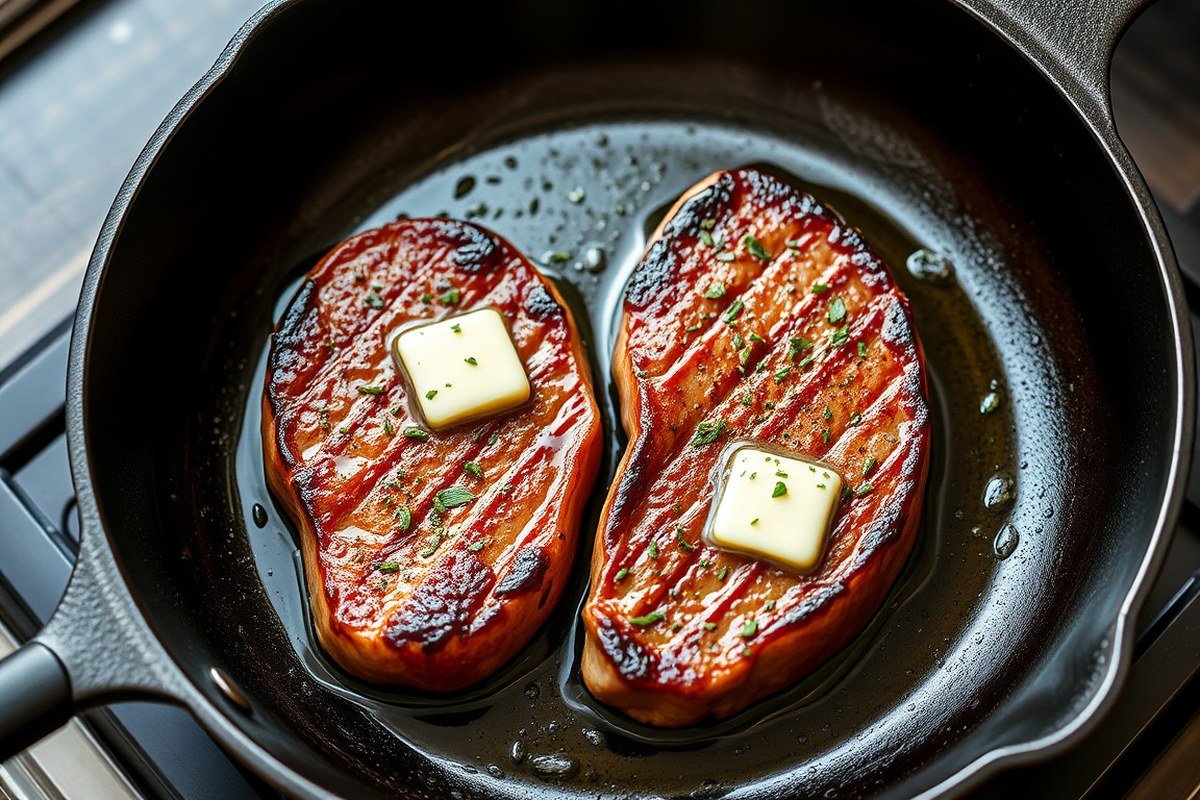
- Sear the filet mignon. Add a teaspoon of high smoke point oil (such as avocado or canola oil) to the pan. Place the 1- to 2-inch thick filet in the pan. Sear for 2 to 3 minutes on each side without moving it to develop a deep brown crust.
- Complete cooking in the oven. Place the skillet holding the steak into the preheated oven to ensure it cooks evenly throughout. For a filet measuring 1 inch thick, bake for roughly 5 minutes. Take it out once the internal temperature reaches about 5°F less than your desired doneness (for example, 120°F for medium-rare).
- Rest the steak. Take the filet mignon off the heat and place it on a plate. Cover loosely with foil and let it rest at room temperature for 5 to 7 minutes. This allows juices to redistribute and carryover cooking to finish.
- Serve and enjoy. After resting, slice if desired and serve immediately to enjoy its full tenderness and flavor.
Searing is essential for flavor and texture, forming a crust that seals in juices. Finishing in the oven gives even heat to cook the inside without burning the outside. Resting prevents juice loss that would make the steak dry. Avoid skipping these steps, especially with filet mignon’s delicate texture. For thicker cuts over 2 inches, extend oven time or cook the steak fully in the oven first, then sear briefly for crust.
2. Understanding Filet Mignon: What Makes It Special
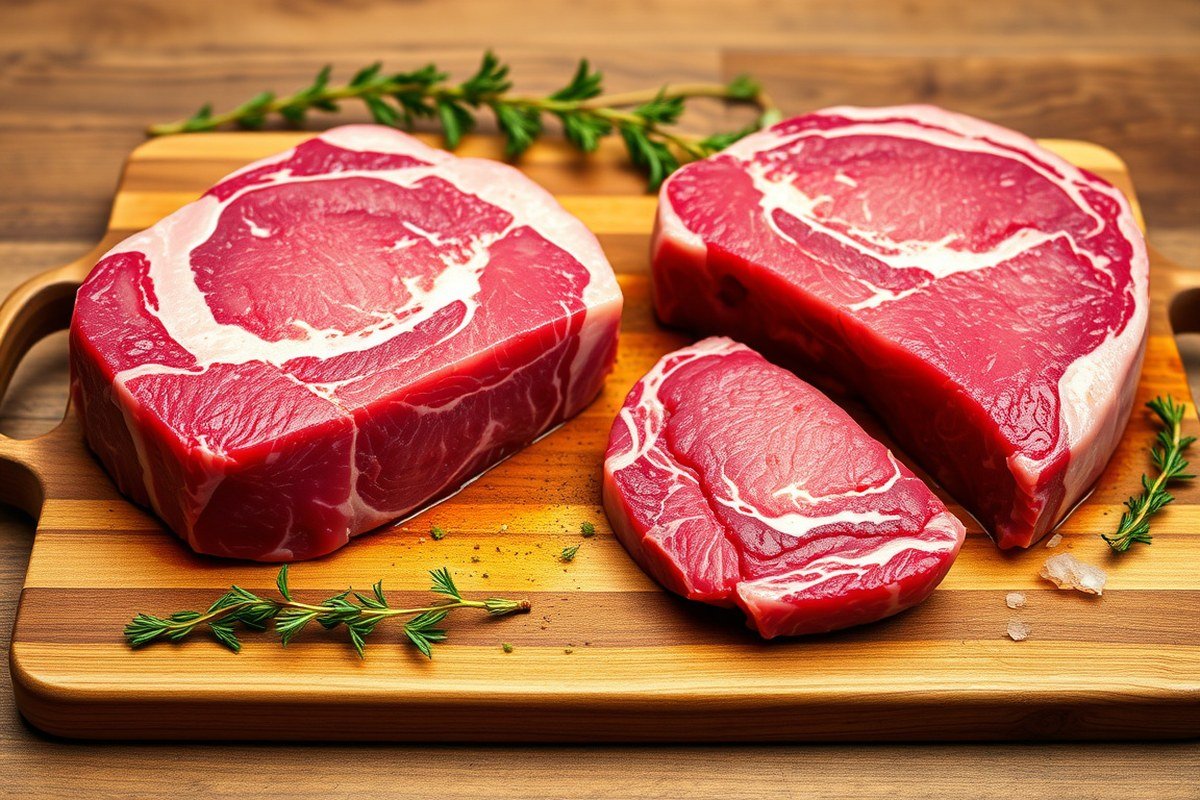
Filet mignon is a steak cut from the smaller end of the beef tenderloin, usually measuring about 1 to 2 inches thick and roughly 1 to 2 inches in diameter. This cut is prized for its exceptional tenderness, making it softer and more delicate than many other steaks. Unlike ribeye, which contains more marbling and fat that adds flavor and juiciness, filet mignon is much leaner. It has very little connective tissue or intramuscular fat, which influences both its texture and the way it cooks.
The tenderloin, where filet mignon comes from, runs along the spine of the cow and is a muscle that does very little work. This lack of exercise produces a steak that is not only tender but also has a mild beef flavor. In comparison, ribeye steaks come from the rib section and are known for their rich, beefy taste due to higher fat content and marbling. This difference affects cooking choices since filet mignon requires careful attention to avoid drying out, whereas ribeye can often handle higher heat and longer cooking times without losing juiciness.
Thickness plays a critical role in how you cook filet mignon. Steaks that are about 1 to 2 inches thick give you more control over doneness by allowing a good sear on the outside while maintaining a tender, juicy interior. Thinner cuts will cook much faster and risk overcooking quickly, so monitoring with a probe thermometer is essential. For best results, insert the thermometer into the side of the steak horizontally to check internal temperature accurately, aiming for 130-135°F for medium-rare.
Choosing a filet mignon with even edges and consistent thickness helps it cook more uniformly, reducing the chance of overdone or underdone spots. Since filet mignon is leaner, it benefits from quick cooking over direct heat, such as searing on a stove or grilling. This method ensures a flavorful crust without drying out the interior. The thinner the steak, the faster you will need to cook it, so adjusting your time based on thickness is key. For example, a 1-inch steak might take about 4-5 minutes per side on high heat, while a 2-inch steak could take closer to 6-7 minutes per side before finishing in the oven.
Always bring filet mignon to room temperature before cooking to ensure it cooks evenly and remains juicy throughout.
Filet mignon can be a little more expensive than other cuts due to its tenderness and smaller size, but it does not require complex seasoning or expensive cooking tools to shine. Because of its leanness, overcooking can lead to dryness and loss of the soft texture that makes this steak special. Keeping your attention on thickness, heat, and timing allows you to make the most of this elegant cut.
3. Ideal Internal Temperatures and Doneness Levels
Filet mignon should be cooked to specific internal temperatures to achieve your preferred doneness safely and deliciously. The ideal range for filet mignon is medium-rare to medium, typically between 130°F and 145°F. Using a meat thermometer ensures you do not overcook or undercook the steak, while accounting for carryover cooking helps you avoid overshooting your target temperature.
Temperature Guide by Doneness
Each doneness level corresponds to a target internal temperature range that reflects the steak’s color and texture. Cooking filet mignon beyond medium doneness may cause it to lose its tender quality. Below is a table summarizing temperature targets and common cooking durations per side and in the oven at 400°F to reach each doneness level.
| Doneness | Internal Temperature (°F) | Cook Time Per Side (min) | Oven Time (min at 400°F) |
|---|---|---|---|
| Rare | 120, 125 | 4 | 4 |
| Medium Rare | 125, 135 | 5, 6 | 5, 6 |
| Medium | 135, 140 | 6 | 6, 7 |
| Medium Well | 145, 150 | 7, 8 | 8, 9 |
| Well Done | 155 and above | 8, 10 | 10+ |
Avoid cooking filet mignon past 145°F to retain its tender texture and moist interior. The USDA recommends a minimum safe internal temperature of 145°F for beef steaks, but many prefer to serve filet mignon at 130, 135°F for medium-rare. Let carryover cooking finish raising the temperature without overcooking.
How to Take Accurate Temperature Readings
Insert a meat thermometer probe into the thickest part of the filet mignon to avoid false readings near the surface. Digital instant-read thermometers provide quick and precise measurements.
Check the temperature after searing each side and then again during oven cooking. Aim to remove the steak from the heat when it reads about 5°F below your desired final temperature, since it will continue to warm after resting. Always allow the thermometer to fully insert into the meat center, avoiding bones or fat, for the most accurate reading.
Understanding Carryover Cooking
Carryover cooking occurs as residual heat in the meat continues to raise its internal temperature after being removed from heat. Expect a rise of about 5°F during a 5 to 10 minute resting period. This means a filet mignon removed at 130°F can reach 135°F by the time you serve it.
To use carryover cooking effectively, pull your steak from the oven or grill when it reaches a temperature 5°F below your target doneness. Rest the meat on a plate tented loosely with foil before slicing. This resting period helps the juices redistribute and ensures even temperature throughout. Not accounting for carryover cooking often leads to an overcooked, dry steak, especially with filet mignon’s delicate texture.
4. Comparing Cooking Methods for Filet Mignon
Several cooking methods work well for filet mignon, each bringing out different qualities in the steak. Pan-searing and grilling are popular for quick, high-heat cooking that preserves tenderness and adds a flavorful crust. Broiling and using the oven work best for thicker cuts or finishing after searing because the indirect heat allows even cooking without overcooking the exterior. The air fryer is a convenient, hands-off method that produces juicy results with less fuss. Pressure cooking isn’t common for this premium cut since it can sacrifice texture, but it offers a very fast option if needed.
How long and at what temperature you cook your filet mignon depends on the method. For instance, pan-searing takes about 2 to 3 minutes per side on medium-high heat, then finishing the steak in a 400°F oven for 5 to 10 minutes depending on thickness. Grilling uses direct heat and about the same sear time but requires monitoring to avoid overcooking. Broiling exposes the steak to high heat above, so keep it 3 to 4 inches from the heat source and cook about 4 to 6 minutes per side for a 2-inch filet. Air frying cooks the filet in about 8 to 10 minutes at 400°F without needing to flip often. Pressure cooking is fastest but less recommended for filet mignon’s delicate texture.
| Method | Cooking Time | Temperature | Pros | Cons |
|---|---|---|---|---|
| Pan-Searing + Oven | 2-3 min/side sear + 5-10 min bake | Stove: medium-high; Oven: 400°F | Great crust; controlled doneness; classic technique | Requires stove and oven; monitoring needed |
| Grilling | 2-3 min/side | High direct heat (about 450-500°F) | Smoky flavor; fast; ideal for outdoors | Risk of uneven cooking; prone to flare-ups |
| Broiling | 4-6 min/side | High heat, 3-4 inches from element | Crisp exterior; good for thick cuts | Can burn easily; needs attention |
| Air Fryer | 8-10 min | 400°F | Hands-off; consistent results; quick | Limited capacity; less crust than pan-sear |
| Pressure Cooker | 3-5 min under pressure | High pressure, steam heat | Fastest method | Can lose texture and crust; not traditional |
Use the oven or broiler mainly to finish filet mignon after a sear, especially if the steak is thicker than 1.5 to 2 inches. This combination allows the inside to cook evenly without drying out the outside. Broiling works well when you want high heat from above and a quick finish but watch the steak closely. The oven offers more controlled, gentle heat that helps reach the perfect internal temperature.
Adjust your cooking based on steak thickness, equipment, and desired doneness. For example, after searing, a 2-inch filet mignon takes about 5 to 10 more minutes in a 400°F oven. Thinner cuts need less time and benefit from quick pan or grill cooking. Air frying fits best when you want ease, cooking in one appliance without flipping much. Avoid pressure cooking unless speed is your only concern, as it can overwrite the tender texture that makes filet mignon special.
5. How to Select and Prepare Filet Mignon Cuts
Choose a filet mignon cut that looks fresh, tender, and well-marbled for the best flavor and texture. Aim for steaks about 1.5 to 2 inches thick to help cook evenly without drying out the edges. Take your filet out of the fridge about 30 to 60 minutes before cooking to let it reach room temperature, which promotes even cooking.
Choosing Quality Cuts at the Store
Look for filet mignon steaks that have a bright red color and a fine, smooth texture. Avoid cuts with discoloration, excessive moisture, or a strong odor. High-quality filet mignon will have some intramuscular fat (marbling) but remain lean overall. The USDA Prime grade typically offers better tenderness and flavor than Choice or Select grades, but it costs more.
Check the packaging date and choose the freshest cuts possible. Thicker, uniform steaks from the center of the tenderloin provide better results. If possible, buy from a butcher who can cut the steak to your preferred thickness and answer questions about the source and aging process.
Ideal Thickness for Even Cooking
Steaks that are 1.5 to 2 inches thick commonly strike the best balance between a seared crust and a juicy interior. Thinner steaks cook too fast, risking overcooking and dryness, while thicker cuts require longer cooking times and must be monitored carefully to avoid undercooked centers.
This thickness range also fits well in standard pans and ovens and offers more control when checking internal temperature. For thicker or thinner cuts, adjust cooking time accordingly, thicker steaks need a gentler heat and longer rest periods.
- Pick steaks 1.5 to 2 inches thick for ideal cooking.
- Thicker than 2 inches needs careful timing to avoid raw centers.
- Thinner than 1.5 inches cooks quickly but can dry out.
- Uniform thickness ensures even cooking.
- Center cuts are usually more tender and consistent.
- USDA Prime steaks offer the most marbling and flavor.
- Buy from a trusted butcher when possible for quality control.
Preparing Steak Before Cooking
Remove the filet mignon from the refrigerator 30 to 60 minutes before cooking to bring it close to room temperature. This step helps the steak cook evenly by preventing the outside from overcooking while the inside heats through.
Pat the steak dry with paper towels to remove excess moisture, which allows for better browning when searing. Season the steak shortly before cooking to improve the natural flavour without drawing out too much moisture.
Leaving the steak too long at room temperature (over 2 hours) increases food safety risks and can promote bacterial growth.
6. Best Oils and Seasonings for Flavorful Filet Mignon
Select oils with high smoke points to sear filet mignon effectively without burning. Oils like avocado oil, grapeseed oil, and refined canola oil work well because they withstand the high heat needed for a good crust, typically around 400°F or higher. Avoid extra virgin olive oil for searing since its smoke point is lower, around 375°F, which risks a burnt flavor.
Seasoning filet mignon requires simplicity to highlight the natural tenderness and subtle flavor. Use kosher salt and freshly ground black pepper liberally on the steak just before searing. Salt improve moisture retention and crust formation, while pepper adds a balanced spice. Applying seasoning just before cooking avoids drawing moisture out prematurely.
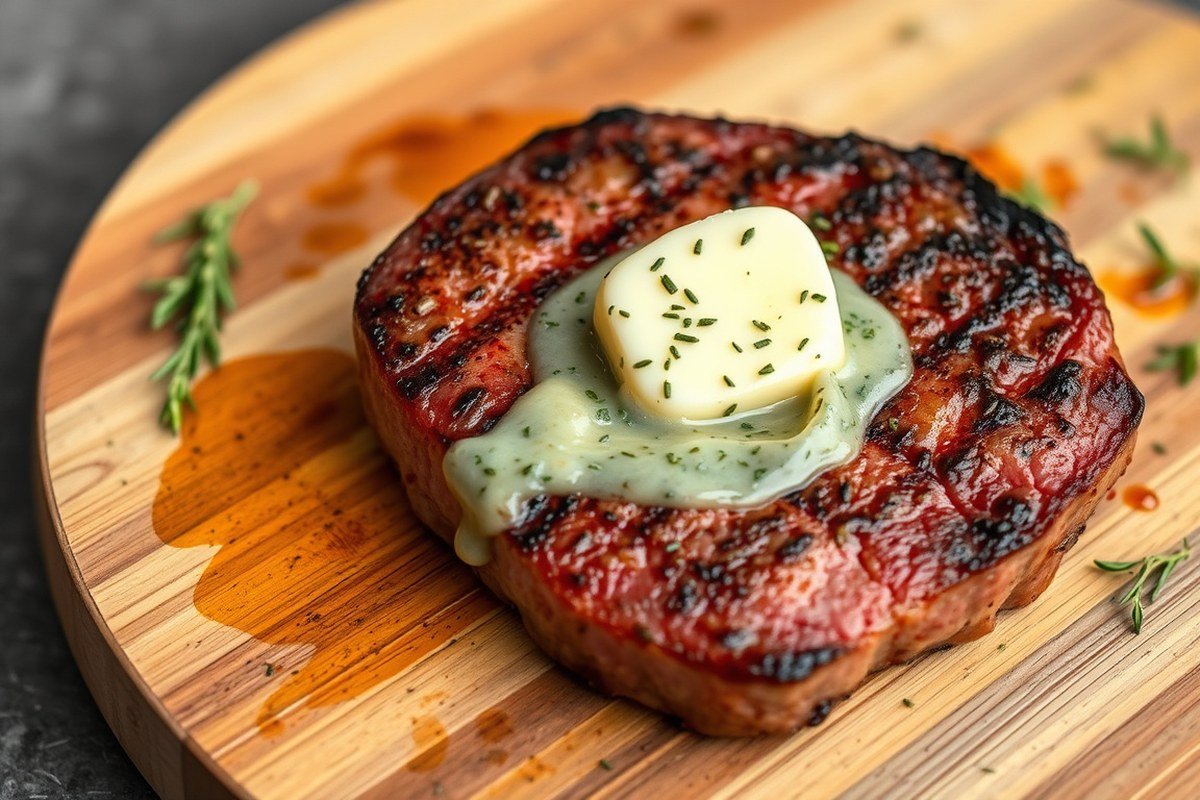
Flavored butters and fresh herbs are excellent finishing touches. A pat of herb butter, such as butter mixed with minced garlic, thyme, or rosemary, adds moisture and complements the mild beef flavor. Add the butter right after cooking, letting it melt over the hot steak during resting. This approach enriches flavor without overpowering the filet’s delicate profile.
| Oil Type | Smoke Point (°F) | Recommended Use |
|---|---|---|
| Avocado Oil | 520 | Best for high-heat searing in cast iron |
| Grapeseed Oil | 420 | Good for pan searing and grilling |
| Refined Canola Oil | 400 | Cost-effective option for searing |
| Extra Virgin Olive Oil | 375 | Not recommended for searing due to lower smoke point |
For best results, heat your skillet until the oil shimmers but does not smoke before adding the filet mignon. Sear each side for about 2 to 3 minutes to create a golden crust. Season the second side just before placing it down to maximize flavor. After searing, transfer the steak to a warm place and add a flavored butter on top while the meat rests. This resting phase allows juices to redistribute and the butter to infuse flavor.
In situations where you prefer grilling, use oils with a stable smoke point and lightly oil the grates to prevent sticking. Finish with fresh herbs like thyme or rosemary placed on the steak or directly on coals for aroma. When cooking multiple steaks, avoid over-seasoning since the filet’s subtle taste is easily masked. Keep seasoning adjusted to 1/2 teaspoon kosher salt and 1/4 teaspoon freshly ground black pepper per 2-inch thick steak as a guideline.
7. Common Mistakes and How to Fix Them When Cooking Filet Mignon
Many common mistakes with filet mignon involve overcooking, poor seasoning, and skipping the resting process. These errors can result in a dry, tough steak lacking flavor and evenness. Correcting these issues means controlling heat, seasoning properly, and allowing time for resting.
Overcooking Fixes and Prevention
Filet mignon is best cooked to medium-rare or medium because its lean texture dries out quickly beyond these levels. Using a meat thermometer helps avoid overcooking by checking for the ideal internal temperature, 130°F for medium-rare or 140°F for medium. Remember the steak continues to cook after being removed from heat, rising about 5°F due to carryover cooking, so take it off the heat just before these targets.
Tough or dry filet mignon usually happens when it’s cooked too long or at too high a temperature, which squeezes juice out of the meat. Using lower heat for longer or finishing in the oven after searing can create a more even, gentle cook. An instant-read thermometer is the most reliable way to avoid guesswork and shrinkage.
Managing Seasoning Mistakes
Under-seasoning can leave filet mignon bland, while over-seasoning might overwhelm its delicate flavor. Filet mignon benefits from simple, balanced seasoning such as salt and freshly ground black pepper. Season the steak generously on all sides at least 30 minutes before cooking or right before searing to allow salt to penetrate the surface. Here are tips to improve seasoning results:
- Pat steaks dry before seasoning to ensure a good sear
- Use kosher salt or sea salt for better coverage and flavor retention
- Avoid pre-mixed blends with garlic or herbs that can burn during searing
- Apply fresh ground pepper after cooking if it tends to burn
- For extra flavor, baste with butter and herbs like thyme or rosemary during the last minute of cooking
Adjust seasoning based on steak thickness and your taste. Always remember your seasoning stage affects the final crust and taste quality.
Avoiding Poor Resting and Carryover Errors
Resting filet mignon allows juices to redistribute, preventing them from spilling out when sliced. Skipping resting causes dry textures and uneven moisture. A good rule is to let the steak rest for 5 to 10 minutes covered loosely with foil after cooking.
During resting, the internal temperature rises by roughly 5°F (carryover cooking), so remove your steak from the heat slightly before it reaches your desired doneness. This final warmth evens out the cooking and melts the fat gently. To fix unevenly cooked filet mignon, slice it against the grain and serve with a sauce or compound butter to add moisture and flavor.
8. Storing, Reheating, and Serving Leftover Filet Mignon
Cooked filet mignon can be stored safely in the refrigerator for up to 3 to 4 days. Proper storage is essential to prevent spoilage and maintain flavor. Because filet mignon is a lean cut, it can dry out quickly when reheated improperly. The best way to reheat it is gently and slowly to keep the meat tender and juicy.
Reheat leftover filet mignon in a low oven set at 275°F. This temperature allows the meat to warm evenly without cooking further or drying out. Adding a sauce or a small pat of butter right before serving helps restore moisture and improve the flavor, which can diminish after refrigeration. Follow these steps to store and reheat leftover filet mignon while keeping its quality intact:
- Cool the steak completely: Let the cooked filet mignon reach room temperature, no longer than two hours after cooking, before storing.
- Choose an airtight container: Use a tight-sealing container or wrap the steak tightly in plastic wrap and foil to limit air exposure.
- Refrigerate promptly: Place the wrapped or containerized filet mignon in the refrigerator within two hours of cooking.
- Preheat the oven: Set your oven to 275°F before reheating.
- Place the filet in an oven-safe dish: Use a shallow pan or baking dish and cover it loosely with foil to keep moisture in.
- Reheat gently: Warm the filet in the oven for 20 to 30 minutes, checking at 20 minutes to avoid overcooking. The goal is to heat the meat through without raising it past your desired doneness.
- Prepare a finishing touch: Right before serving, add a small pat of butter or drizzle a preferred sauce such as béarnaise or a red wine reduction to restore juiciness.
- Serve immediately: Transfer the filet to a warm serving platter and enjoy while hot.
Reheating filet mignon at high heat or in a microwave can cause it to dry out quickly; using a low oven temperature preserves its tenderness and flavor.
Step-by-Step Action Plan to Cook Filet Mignon Perfectly
Follow these steps to cook a juicy and flavorful filet mignon with your preferred doneness.
- Before cooking: Select a filet mignon cut at least 1.5 inches thick with good marbling. Pat it dry and let it come to room temperature for 30 minutes so it cooks evenly.
- 15 minutes before cooking: Season the steak generously with salt and freshly ground black pepper. Use a high smoke point oil, such as avocado or grapeseed oil, to coat the pan or grill.
- Start cooking: Heat a cast iron skillet or grill to medium-high heat until very hot. Sear the filet mignon for about 2 to 3 minutes per side to develop a golden-brown crust.
- After searing: Reduce the heat to medium or move the steak to indirect heat if grilling. Continue cooking and monitor internal temperature with a meat thermometer.
- Check doneness: Remove the steak from heat at 125°F for rare, 135°F for medium-rare, or 145°F for medium. The temperature will rise a few degrees while resting.
- Rest the steak: Tent the filet loosely with foil and rest it for 5 to 10 minutes to redistribute juices and improve tenderness.
- Serve: Slice against the grain if cut before serving, or present whole. Add finishing touches like a pat of butter or fresh herbs if desired.
Frequently Asked Questions
How Do I Know When My Filet Mignon Is Perfectly Seared?
The filet mignon is perfectly seared when it has a deep golden-brown crust. Use a hot cast iron skillet and cook undisturbed for about 3-4 minutes per side. This crust locks in juices and adds flavor without overcooking the inside.
Can I Marinate Filet Mignon Before Cooking?
Marinating filet mignon is not necessary due to its tenderness. When marinating, keep it brief, about 30 minutes with mild ingredients to avoid overpowering the natural taste. Over-marinating can change the texture of this delicate cut.
Should I Cook Filet Mignon from Room Temperature or Straight from the Fridge?
Allow filet mignon to rest 20 to 30 minutes at room temperature before cooking. This ensures even cooking and helps develop a better crust. Cooking cold meat straight from the fridge can lead to uneven doneness.
Is It Better to Use Butter or Oil When Cooking Filet Mignon?
Start with a high smoke point oil, like canola or grapeseed, to sear the steak, then add butter and herbs during the last minute for flavor. This method prevents burning while improving the taste and texture.
How Long Should Filet Mignon Rest After Cooking?
Let filet mignon rest for 5 to 10 minutes after cooking to allow juices to redistribute. This resting period makes the steak juicier and more tender when you slice it. Cutting too soon can cause dry meat.
Can I Cook Filet Mignon Sous Vide Before Searing It?
Yes, sous vide cooking lets you precisely control doneness before searing for color and texture. After sous vide, pat the steak dry and quickly sear in a hot pan or grill to finish. This method reduces risk of overcooking.
Final Thoughts
Perfectly cooking filet mignon involves careful attention to thickness, seasoning, searing, and temperature control. You can achieve tender, flavorful results by following straightforward steps and using a reliable thermometer. Start your next steak dinner by selecting quality cuts and giving yourself time to rest the meat properly after cooking.