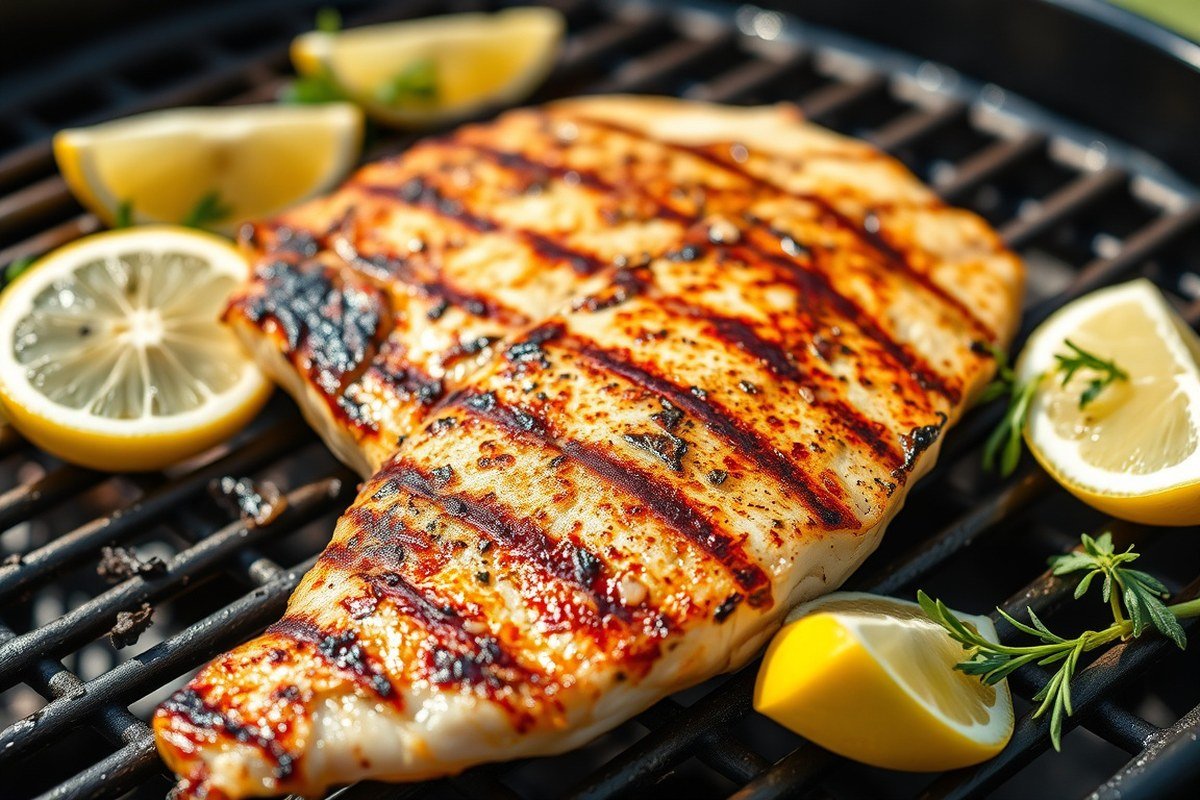
How to Cook Swordfish: 8 Methods with Safety, Flavor & Timing Tips
The best way to cook swordfish is by grilling, pan-searing, baking, or broiling it until it reaches an internal temperature of about 135°F for medium-rare or 145°F for food safety. Cooking swordfish steaks quickly on medium-high heat preserves their firm texture and rich flavor. You’ll learn simple steps to prepare swordfish that is safe, flavorful, and perfectly timed regardless of your cooking method.
This information is useful for home cooks and seafood lovers who want to enjoy swordfish without guesswork. You’ll find clear instructions on selecting, seasoning, cooking, and serving swordfish steaks with tips that improve taste and safety.
Key Takeaways
- Grill swordfish steaks 4 to 5 minutes per side over medium heat for juicy, well-cooked fish.
- Use an instant-read thermometer and remove swordfish at 135°F for medium-rare doneness.
- Marinate swordfish for 10 to 15 minutes to improve flavor without overpowering its natural taste.
- Pan-sear swordfish in hot oil for 4 to 6 minutes per side to get a golden crust.
- Bake swordfish under the broiler about 5 minutes per side for quick, even cooking.
- Choose firm, moist swordfish steaks with a fresh ocean smell when selecting your fish.
1. Best Methods to Cook Swordfish Steaks
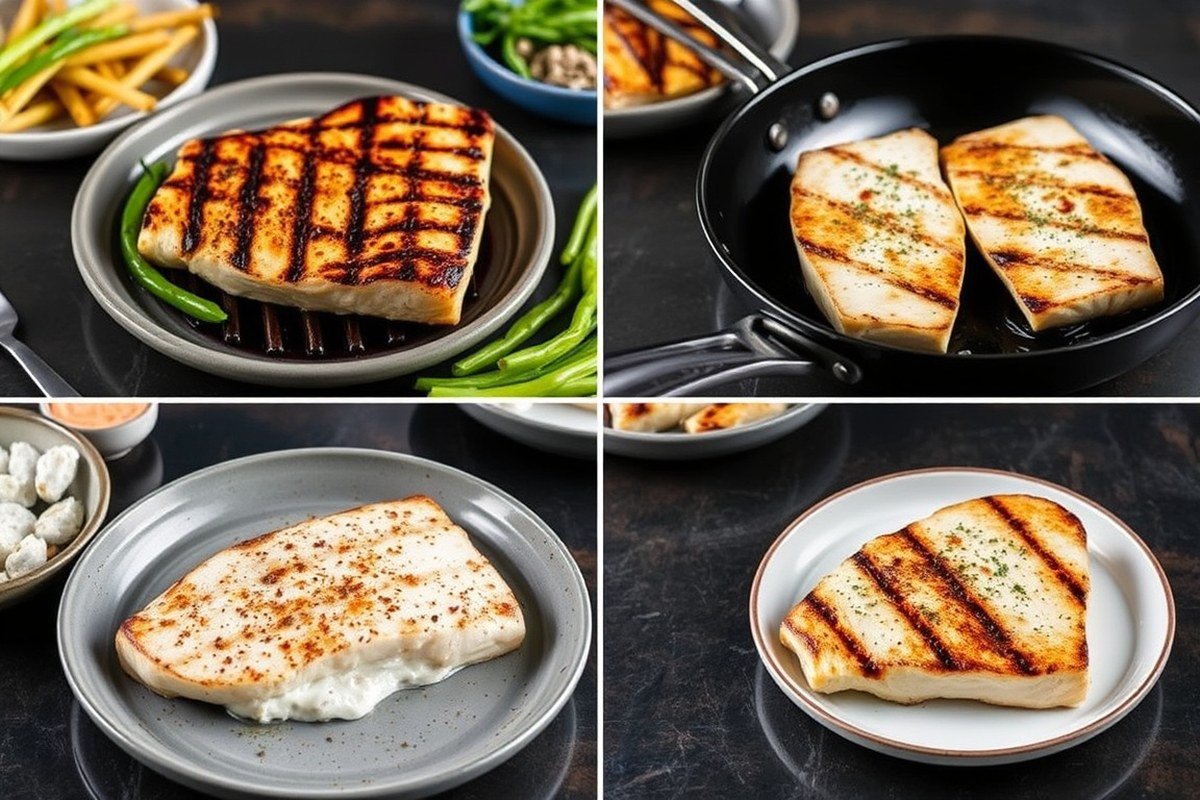
Swordfish steaks offer flexibility in cooking, thriving on grilling, pan-searing, or baking, each method requiring different heat levels and cooking durations. This fish’s firm texture and mildly sweet flavor suit high-heat cooking techniques well. Maintaining an internal temperature of 145°F (63°C) guarantees safety, as recommended by the CDC, making precise temperature monitoring essential during cooking.
Grilling is a popular choice for swordfish. It uses direct heat that quickly sears the outside, creating a flavorful crust while locking in juices. For a 1-inch thick steak, cook about 4 to 5 minutes per side over medium-high heat with the grill closed. The fish should release easily from the grate when ready. This method excels in flavor and speed but depends on weather, grill availability, and the risk of uneven cooking if the heat is too high or low.
Pan-searing works well indoors on a stovetop. Heat a lightly oiled skillet over medium-high heat until hot, then add the steak and cook undisturbed for 4 to 6 minutes per side. Pan-searing forms a caramelized crust quickly and finishes faster than baking. You can also transfer the pan to a preheated oven to finish cooking thicker cuts, usually about 8 to 12 minutes total. This method allows close control over browning and doneness, ideal if you can watch the fish carefully.
Baking or broiling is gentler and better for thicker steaks or when multitasking. Place seasoned swordfish in a lightly oiled baking dish and bake or broil for around 5 minutes per side until the thickest part reaches the target temperature. While slower than grilling and pan-searing, baking offers steady, even heat, minimizing the risk of overcooking. Broiling, which exposes the fish to high heat from above, mimics grilling but in the oven.
| Cooking Method | Heat Setting | Time for 1-Inch Steak | Internal Temperature Goal | Pros | Cons |
|---|---|---|---|---|---|
| Grilling | Medium-high, direct heat, grill closed | 4, 5 minutes per side | 145°F | Quick, flavorful crust, smoky taste | Weather-dependent, risk of uneven cooking |
| Pan-Searing | Medium-high stovetop, lightly oiled | 4, 6 minutes per side; 8, 12 minutes total if oven finishing | 145°F | Fast cooking, great crust, indoor-friendly | Requires attentive cooking, risk of sticking without oil |
| Baking/Broiling | Oven broiler or 375, 400°F baking | About 5 minutes per side under broiler | 145°F | Even cooking, easy to multitask, no flipping if baking | Slower, less crust formation |
The best cooking method depends on your situation. Grilling delivers the most traditional swordfish flavor and texture but requires outdoor space and good weather. Pan-searing is faster and controllable, perfect for quick dinners or limited kitchen setups. Baking or broiling suits thicker cuts or busy cooks who want even heat with a hands-off approach. Prioritize reaching 145°F internally for food safety, and expect about 4 to 6 minutes per side for a standard 1-inch thick swordfish steak in most methods.
2. How to Grill Swordfish for Perfect Flavor
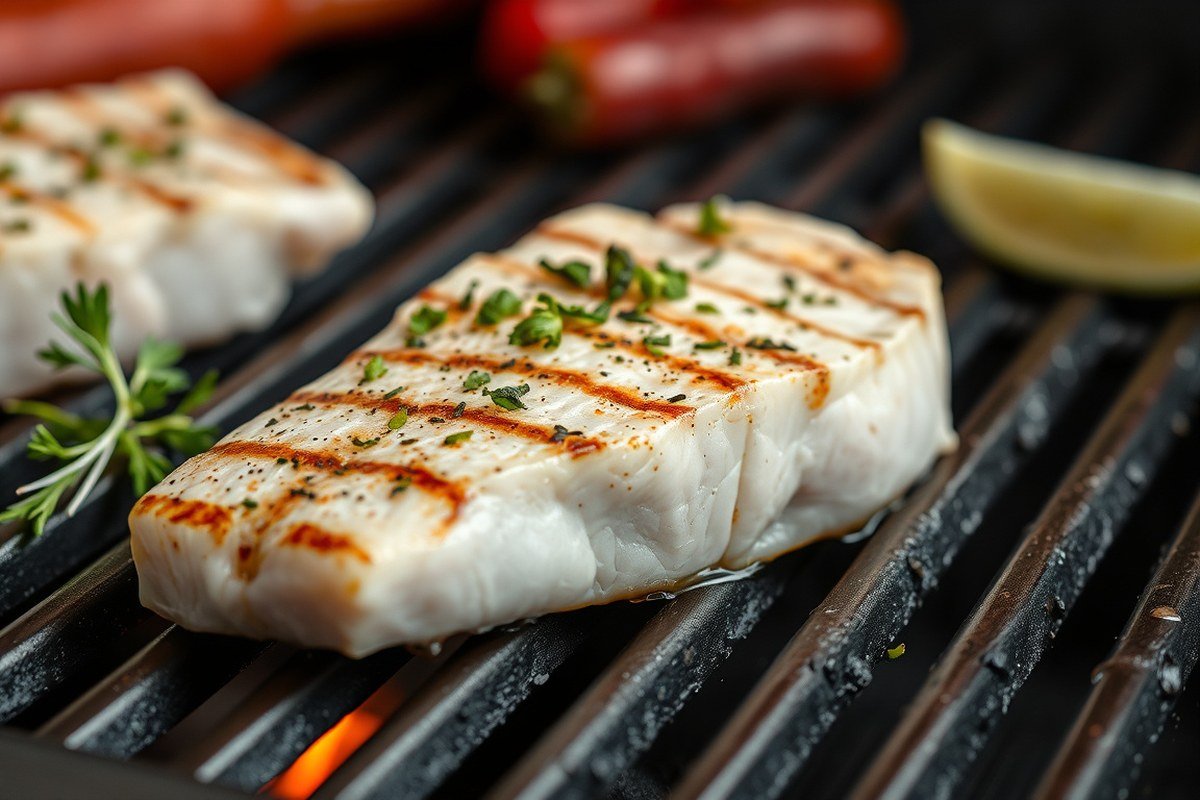
Grilling swordfish requires medium-high heat and about 4 to 5 minutes per side to reach the ideal internal temperature of 135°F. Use direct heat initially to sear the fish and then move it to indirect heat if it needs more time to cook through. The right seasoning and careful flipping will help you get the perfect flavor and grill marks without overcooking.
Preparing the Grill and Swordfish
Start by preheating your grill to medium-high heat, around 375 to 400°F. Clean and oil the grates to prevent sticking, as swordfish steaks can be delicate but firm enough to hold together well on the grill. Pat your swordfish steaks dry to help form a good sear. Season the fish simply with salt, pepper, and olive oil, or use a light marinade made just before grilling to avoid breaking down the texture. Here’s a step-by-step process to prepare your grill and swordfish for grilling:
- Preheat the grill to medium-high heat (375-400°F).
- Clean the grill grates thoroughly and oil them lightly to prevent sticking.
- Use paper towels to blot the swordfish steaks until the surface is dry and moisture-free.
- Brush the steaks lightly with olive oil to help seasoning stick.
- Season the fish with salt and pepper or a simple mix of your choice.
- Place the swordfish on the grill directly over the heat for searing.
Make sure your grill is well-oiled and hot to prevent swordfish steaks from sticking and tearing.
Grilling Times and Temperature Targets
Grill swordfish steaks for about 4 to 5 minutes on each side over direct heat to get a nice sear and caramelization. The exact time depends on the thickness; one-inch-thick steaks typically take 7 to 10 minutes total. After flipping, use an instant-read thermometer to check the internal temperature. Once it reaches 135°F, the fish is ready. Should searing not bring the steaks up to the proper temperature, shift them to a cooler part of the grill to complete cooking gently without charring.
Correct grilling ensures the swordfish is opaque and lightly flaky without drying out. Searing on direct heat locks in juices, while finishing on indirect heat allows for gentle cooking to the proper temperature.
Finishing and Serving Suggestions
Once the swordfish reaches 135°F internally, remove it from the grill and let it rest for a few minutes. Resting helps redistribute juices and improves texture. You can keep the steak on the indirect heat side with the grill lid on if adding sauce or finishing a glaze, which will reduce and coat the fish nicely. Serve immediately with your preferred sides or sauces.
Avoid overcooking to prevent dryness. Swordfish is best slightly pink in the center but fully cooked through. For thinner cuts or swordfish skewers, reduce grilling time to about 2 minutes per side over medium heat to prevent it from drying out.
3. Pan-Searing and Baking Swordfish: Step-by-Step Guide
For cooking swordfish using pan-searing followed by oven baking, start by searing the steaks on the stovetop to develop a browned crust. Then finish cooking them in a preheated oven at 425°F for about 10 to 15 minutes, depending on their thickness. Removing the skin before baking is optional but generally not necessary unless it’s particularly tough or you prefer it off.
Pan-Searing Swordfish Steaks
Pan-searing swordfish quickly cooks the surface to lock in juices and flavor. Use a heavy skillet, preferably cast iron, and heat it over medium-high until very hot. Lightly oil the fish or the pan to prevent sticking, but avoid too much oil which can cause splatter.
Keep the swordfish steaks thick for best results; 3/4 to 1 inch thick is ideal. Sear each side for about 2 to 3 minutes until a golden crust forms. Overcooking at this stage risks drying out the fish. After searing, check that the internal temperature is around 130°F before transferring the pan to the oven for further cooking.
Oven Baking Temperatures and Times
Preheat your oven to 425°F for baking swordfish steaks. This temperature balances quick cooking and even heat distribution so the fish stays moist. Place the seared steaks in a lightly oiled baking dish or on a rimmed baking sheet.
Bake uncovered for 10 to 15 minutes. The exact time depends on steak thickness: thinner pieces may only need 10 minutes, while thicker ones closer to 1 inch may require up to 15. Use a meat thermometer to check for an internal temperature of 140-145°F, which ensures doneness without drying the fish.
Leaving the oven door closed during baking helps maintain consistent heat. Avoid overcooking, which results in a dry texture and diminished flavor.
Skin Removal and Preparation Tips
Swordfish skin is edible and can help hold the steak together during cooking, so removing it before baking is not necessary in most cases. The skin may crisp nicely when pan-seared.
Remove the skin if it feels tough or if you want to avoid extra texture. Use a sharp knife to slide between the skin and flesh carefully. Skinless steaks absorb marinades more readily, improving flavor.
Before cooking, pat the swordfish dry and season as desired. Keep the surface moisture low to promote good browning when searing.
- Heat a heavy skillet on medium-high and add a small amount of oil.
- Pat swordfish steaks dry and lightly oil or season them.
- Sear the swordfish for 2 to 3 minutes on each side until golden brown.
- Check the internal temperature reaches about 130°F to ensure it’s partially cooked.
- Preheat the oven to 425°F and lightly oil a baking dish.
- Transfer the seared steaks to the baking dish and bake uncovered for 10 to 15 minutes.
- Use a thermometer to confirm the internal temperature reaches 140-145°F before removing.
- Let the swordfish rest briefly to redistribute juices before serving.
4. Seasoning and Marinating Swordfish for Maximum Flavor
Swordfish benefits from simple seasoning and brief marinating to improve its naturally mild flavor without overpowering it. A quick marinade of 10 to 15 minutes, or just a good seasoning with salt, pepper, and herbs, will do the trick. Using the right balance of acids, oils, and herbs helps the flavors penetrate without sogginess or fishiness.
Basic Seasoning Checklist for Swordfish
Start with minimal ingredients to let the fish shine. Drizzle about 1 tablespoon of olive oil per steak to keep it moist and help the seasoning stick. Use Kosher salt and freshly ground black pepper as your base, for example, 1 teaspoon salt and ¼ teaspoon pepper per pound of swordfish. Fresh herbs such as thyme, rosemary, or parsley add brightness. A pinch of all-purpose seasoning or garlic powder can add subtle depth without overwhelming the steak.
Timing and Technique for Marinating Swordfish
Marinate swordfish for just 10 to 15 minutes before cooking. This short time is enough for flavor absorption without breaking down the meat’s texture. Flip the fish halfway through to evenly coat both sides. Avoid marinating longer than 30 minutes; otherwise, the acid can start to “cook” the fish and turn it mushy.
Flavor Profiles and Marinade Recipes
Swordfish works well with a variety of flavors since it has a firm, mildly sweet taste. Acidic ingredients like lemon juice or vinegar balance the richness. Garlic, fresh herbs, and a hint of spice improve the taste. Use this marinade template for swordfish:
- 2 tablespoons olive oil
- 1 tablespoon lemon juice or white wine vinegar
- 1 teaspoon minced garlic or ¼ teaspoon garlic powder
- 1 teaspoon Kosher salt
- ¼ teaspoon freshly ground black pepper
- 1 to 2 tablespoons chopped fresh herbs (such as basil, parsley, or thyme)
Mix ingredients well, coat the swordfish steak completely, and marinate 10 to 15 minutes, turning once. For a bolder option, add ½ teaspoon smoked paprika or chili flakes.
Step-by-Step: How to Season and Marinate Swordfish
- Pat the swordfish dry with paper towels to remove excess moisture.
- Brush both sides with olive oil to help seasonings adhere.
- Sprinkle Kosher salt and freshly ground pepper evenly on both sides.
- Mix your chosen marinade ingredients in a shallow dish.
- Place the swordfish in the marinade and turn once to coat fully.
- Let it marinate at room temperature for 10 to 15 minutes, no longer.
- Remove the swordfish and cook promptly using your preferred method.
Variations for Different Preferences and Occasions
For those avoiding acidity, a simple dry rub with herbs, salt, and pepper works great. For extra richness, marinate in a mixture of mayonnaise and lemon juice overnight after cutting the swordfish into smaller strips; this yields a tender texture suitable for grilling or searing.
Seafood lovers who enjoy bold flavors can try a blackened seasoning with paprika, cayenne, onion powder, and thyme. Coat the swordfish with this blend prior to cooking for a spicy, smoky crust.
5. Knowing When Swordfish Is Cooked Safely and Right
To cook swordfish safely, the USDA recommends reaching an internal temperature of 145°F. This temperature ensures that harmful bacteria are killed, making the fish safe to eat. You should use an instant-read thermometer to check the temperature at the thickest part of the steak. Insert the thermometer without touching the pan or bone to get an accurate reading. Cooking swordfish to 145°F results in fully cooked fish with opaque flesh that flakes easily with a fork.
Some cooks prefer swordfish at medium or medium-well doneness for a moister texture. Medium swordfish reaches 130°F, medium-well is around 135°F, and well-done is near 140°F. Cooking it to medium (130, 135°F) keeps the flesh moist and slightly translucent in the center, but it carries a higher risk since the USDA recommends 145°F for food safety. Cooking swordfish to medium rare requires careful sourcing and handling to lower health risks.
Without a thermometer, rely on visual and texture cues to know when swordfish is done. Freshly cooked swordfish changes from translucent pink or raw-looking flesh to opaque white. The surface should be lightly golden and firm but not dry or chalky. Press the fish gently with a fork or fingertip; it should spring back slightly but flake apart easily along the muscle lines. When the fish looks glossy and doesn’t flake easily, it needs more cooking.
Several doneness signs help you avoid overcooking. Swordfish is very lean and firm, so overcooked fish becomes dry and mealy. The key is to cook just until the flesh is firm, opaque, and flakes. Cooking time varies with thickness, typically about 3 to 4 minutes per side on a hot grill or skillet, or 12 to 15 minutes in the oven at 400°F. After initial cooking, flip the fish and continue until it hits your target temperature or cue.
Always use an instant-read thermometer to verify swordfish doneness; relying on visual cues alone can lead to undercooking or drying out the fish.
6. Handling and Selecting Fresh Swordfish Steaks
Choosing fresh swordfish steaks starts by looking for firm, moist flesh that has a translucent sheen. The color should be a light pinkish-beige or ivory, without any brown or dry spots. Steaks about 1 inch thick work best because they cook evenly and retain moisture. If buying from a fish counter, ask your fishmonger for steaks cut to this thickness and check that the fish smells clean and briny, not fishy or sour.
Frozen swordfish steaks are also a good option if fresh is unavailable. Make sure they are vacuum-sealed with no ice crystals or freezer burn. Thaw them slowly in the refrigerator for 12 to 24 hours before cooking to maintain texture and flavor. Avoid quick thawing in water or at room temperature to prevent bacterial growth. A simple checklist helps ensure you pick high-quality swordfish steaks:
- Firm texture without breaks or mushy spots
- Color is light pinkish-beige or ivory, no browning
- Fresh, ocean-like smell
- Steaks about 1 inch thick for even cooking
- Vacuum-sealed packaging if frozen
- No excess liquid or slime in the packaging
- Purchase from reputable sellers with good cold storage
Rinsing swordfish before cooking is generally not recommended. Rinsing can spread bacteria in your sink area and doesn’t improve taste or safety. Instead, pat the steaks dry with paper towels to remove any surface moisture. This also helps to get a better sear if you’re pan-searing or grilling.
Handle swordfish carefully to keep it safe and fresh. Use clean hands, utensils, and cutting boards to avoid cross-contamination. Store fresh swordfish in an airtight container or tightly wrapped in plastic wrap and place it in the coldest part of your refrigerator. It should be eaten within 1 to 2 days after purchase. For longer storage, freeze swordfish steaks at 0°F (-18°C) or lower and use them within 2 to 3 months for best quality.
7. Common Swordfish Cooking Mistakes and How to Fix Them
One of the most common mistakes when cooking swordfish is overcooking, which quickly leads to dry, tough meat because swordfish has low fat content. To fix dry swordfish, you can brush it with olive oil or a marinade before cooking to help retain moisture. Also, avoid cooking it at too high a temperature for too long. Ideally, cook swordfish steaks about 1 inch thick for 8 to 10 minutes over medium-high heat, flipping once. This time allows the flesh to stay moist and tender.
Undercooking leaves swordfish with an unpleasant raw texture, so it’s essential to reach an internal temperature of 130°F to 140°F for proper doneness. Use an instant-read thermometer inserted into the thickest part of the steak to check. If you don’t have a thermometer, look for opaque flesh that flakes easily with a fork but is still firm to the touch.
Under-seasoning is another frequent issue. Because swordfish has a mild flavor, salt and complementary seasonings like lemon, garlic, or capers bring out its best taste. To avoid bland swordfish, season both sides generously with salt and pepper before cooking. Applying a marinade for at least 15 minutes prior also improve flavor but avoid acidic marinades for more than 30 minutes, as they can start to “cook” the fish.
- Avoid overcooking: Cook 1-inch steaks 8-10 minutes over medium-high heat, flipping once.
- Use a meat thermometer: Target an internal temperature of 130°F to 140°F.
- Pat swordfish dry before seasoning to improve browning and flavor.
- Season generously on both sides with salt and pepper or marinade up to 30 minutes.
- Let swordfish rest briefly after cooking so juices redistribute.
- Use moderate heat settings to prevent toughening the meat quickly.
For temperature control, if the steak looks like it is browning too fast but isn’t cooked through, lower the heat slightly and cover the pan or grill to finish cooking evenly. Conversely, if no browning occurs after a couple of minutes, raise the heat to develop a crisp exterior. Remember that letting the cooked swordfish rest for 3 to 5 minutes allows residual heat to complete cooking gently and keeps the meat juicy.
8. Serving Swordfish: Sauce, Sides, and Presentation Ideas
Swordfish’s mild flavor makes it versatile enough to pair with a range of sauces that add brightness or richness without overpowering the fish. A simple marinade or finishing sauce made from soy sauce, lemon juice, garlic, and herbs works well. For example, mix 2 tablespoons soy sauce, 1 tablespoon rice vinegar, 1 minced garlic clove, juice of half a lemon, and chopped parsley. Brush this sauce on both sides of the swordfish before grilling, then reserve some to drizzle on top upon serving. Alternatively, a lemon-butter sauce made by reducing lemon juice with butter and fresh thyme creates a silky finish that complements the meat’s texture.
The right sides balance the dish by adding texture and complementing the fish’s rich, slightly sweet taste. Roasted vegetables such as broccolini, grilled asparagus, or roasted red potatoes are excellent choices. These bring a crisp or tender bite with subtle earthiness. Creamy mashed potatoes, buttery couscous, or rice pilaf offer a softer, neutral base that absorbs sauces beautifully. You can prepare these sides simultaneously with the swordfish and use the oven to roast or grill the vegetables while cooking the fish.
- Roasted Broccolini tossed with olive oil, salt, and lemon zest
- Grilled Asparagus drizzled with balsamic glaze
- Roasted Red Potatoes seasoned with rosemary and garlic
- Fluffy Mashed Potatoes with butter and a splash of cream
- Buttery Couscous with chopped herbs and toasted pine nuts
- Rice Pilaf cooked with onions and chicken broth for depth
- Roasted Tomatoes or charred bell peppers for acidity and color
For a striking presentation, let the swordfish rest for about 10 minutes after cooking to allow juices to redistribute. Arrange the steaks on a warm platter, spoon any remaining pan sauce over them, and add a few grilled lemon wedges on the side. Place vegetables or starches next to the fish with some height variation for visual interest. Garnish with fresh herbs like parsley or basil to improve color contrast. Choose white serving dishes to emphasize the fish’s golden sear and vibrant accompaniments.
Reserve some sauce before cooking to brush on the swordfish and drizzle at serving; this boosts flavor without making the fish soggy.
Pair the meal with a crisp, dry white wine such as a pinot grigio or a citrusy sauvignon blanc. These wines cut through the richness and brighten the palate, especially with herbaceous sauces or buttery sides. Proper plating and thoughtful sides create a balanced swordfish meal that looks as good as it tastes and improve your seafood cooking experience.
Step-by-Step Action Plan for Cooking Swordfish
Follow this simple plan to prepare swordfish that’s flavorful, safe, and tender. These steps cover selection, seasoning, cooking, and serving.
- Before You Start: Choose fresh or properly thawed swordfish steaks. Look for firm flesh with a mild ocean scent to ensure quality.
- 30 Minutes Before Cooking: Marinate your swordfish steak with your preferred flavors. Check for even coating and let it sit to improve the taste.
- Cooking Time: Preheat your grill, pan, or oven. Cook swordfish steaks, about 1 inch thick, for 4 to 5 minutes per side, until the flesh is opaque and flakes easily.
- During Cooking: Avoid overcooking by checking doneness with a fork or thermometer; aim for 145°F internal temperature for safety.
- Right After Cooking: Let the steak rest for 3 to 5 minutes. This allows juices to redistribute and locks in moisture.
- Serving: Pair your swordfish with complementary sauces like lemon butter or salsa and choose sides such as grilled vegetables or a fresh salad.
- Cleanup: Properly store any leftovers quickly in the fridge, and clean your cooking tools. This prevents spoilage and keeps flavors fresh.
Frequently Asked Questions
What Is the Best Method of Cooking Swordfish?
Grilling is considered the best method for swordfish, as it gives a nice sear and smoky flavor. Marinating for about 10 minutes before cooking helps keep the fish tender and juicy.
Why Did Anthony Bourdain Say Not to Eat Swordfish?
He avoided swordfish due to its high mercury levels and overfishing concerns. Eating swordfish in moderation and choosing sustainable sources can reduce health and environmental risks.
Is It Better to Grill or Bake Swordfish?
Grilling adds more flavor and a desirable texture, but baking is gentler and easier to control. Use grilling for a fast, smoky taste and baking when you want to keep swordfish moist with less hands-on attention.
How Long Do You Pan Fry Swordfish?
Pan fry swordfish for 4 to 6 minutes per side over medium-high heat. Sear until the outside is browned, then finish cooking until it reaches 135°F to 145°F internally for safety and best taste.
Can Swordfish Be Cooked from Frozen?
It’s best to thaw swordfish before cooking to ensure even heat and better texture. Cooking from frozen risks uneven cooking or dryness, so thaw it in the fridge overnight when possible.
What Is the Ideal Internal Temperature for Cooked Swordfish?
The ideal temperature is 145°F in the thickest part for food safety. Cooking to this temperature kills bacteria while keeping the steak moist and flavorful.
Key Points to Remember
Properly cooked swordfish delivers a satisfying texture and rich flavor while keeping safety in mind. Starting with fresh fish and careful cooking ensures the best results. Try grilling your next swordfish steak with a simple marinade to experience the full potential of this delicious seafood option.






2 Comments