
How to Cook Tuna Steak Perfectly: 8 Easy Ways with Tips and Timing
Cook tuna steak rapidly using high heat to maintain a tender, slightly pink center. The best taste and texture comes from reaching a medium-rare range of 130°F to 135°F. Methods like grilling, pan-searing, or baking at 450°F for 6 to 8 minutes work well for a steak that’s 1 inch thick.
This advice suits home cooks and seafood lovers who want every tuna steak cooked with confidence and care. Following these techniques will ensure flavorful results while maintaining tuna’s delicate nature.
Key Takeaways
- Let tuna steaks reach room temperature for 15 to 20 minutes before cooking.
- Preheat your grill or pan to very high heat to achieve a proper sear.
- Cook tuna steaks about 1 to 2 minutes per side for a medium-rare finish.
- Use cooking oil like canola to prevent sticking and promote even browning.
- Bake tuna at 450°F for 6 to 8 minutes if you prefer oven cooking.
- Check internal temperature aiming for 130°F to 135°F for optimal doneness.
1. How to Cook a Tuna Steak Perfectly Every Time
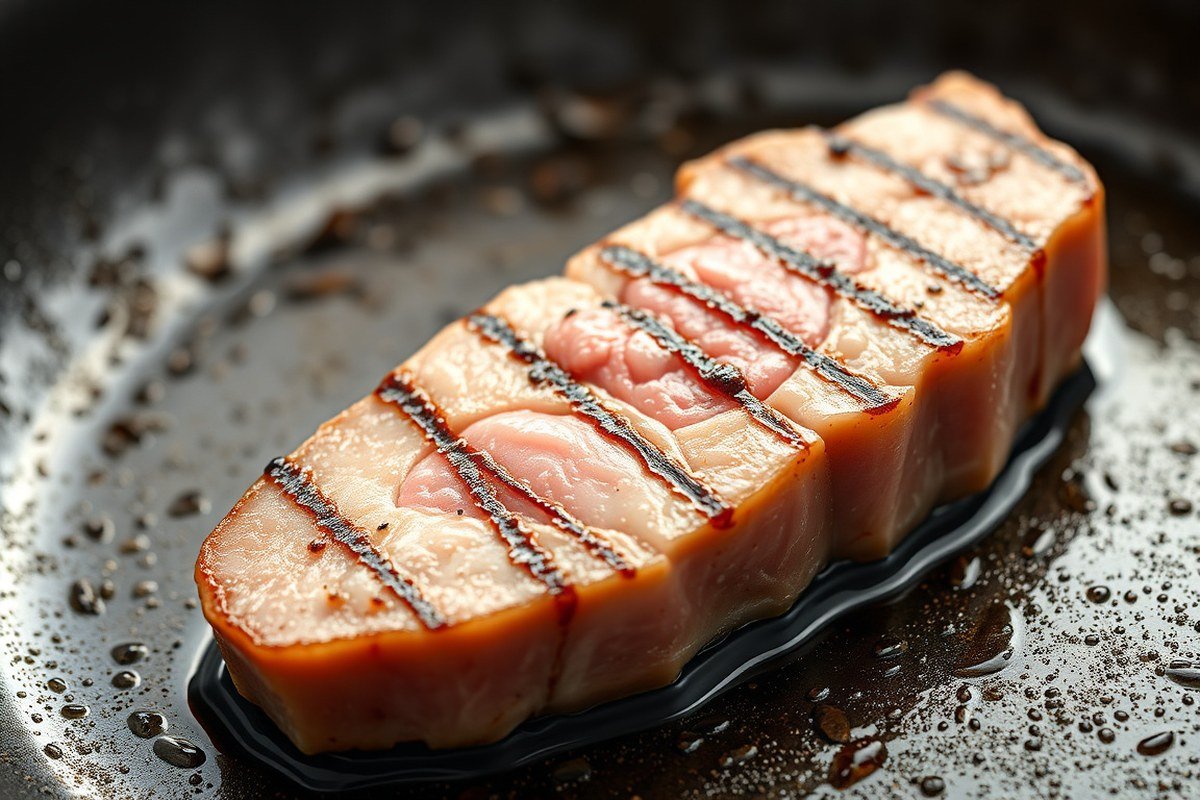
Cooking a tuna steak perfectly means balancing safety with texture and flavor. Tuna steaks are often best enjoyed medium rare, where the center remains pink and tender. Aim for an internal temperature between 130°F and 135°F for this ideal doneness. This temperature ensures the fish stays moist, flavorful, and slightly rare inside, rather than becoming dry and tough.
The conservative food safety guideline recommends cooking tuna steak to 145°F, which fully cooks the fish but can sacrifice tenderness. Deciding on your target temperature depends on your taste preference and tolerance for doneness. For example, a 1-inch thick tuna steak baked at 450°F typically needs 6 to 8 minutes. This timeframe usually brings the steak to medium rare or medium, with a moist center. Thinner steaks (around ¾ inch thick) require less time, around 4 to 6 minutes at the same temperature, while thicker pieces (closer to 1½ inches) need up to 10 minutes.
Knowing when the steak is done relies on checking the internal temperature with a reliable food thermometer. Insert the thermometer into the thickest part of the steak and confirm it hits your preferred range: 130°F to 135°F for medium rare or 145°F for fully cooked. While cooking, the surface should turn opaque and slightly browned, but the inside should still show a slight pink color for medium rare. Pay close attention to the tuna steak’s texture if you don’t have a thermometer to check doneness. When the steak flakes slightly with gentle pressure but still resists and looks moist in the center, it’s likely at medium rare.
Let the tuna steak warm up outside the fridge for 15 to 30 minutes so it cooks evenly inside. Apply a light coating of oil and sprinkle salt and pepper before cooking to boost flavor and keep it from sticking. This approach works for baking, grilling, and pan-searing. Use high heat, such as a 450°F oven or a grill over 500°F, to create a tasty seared crust while leaving the inside tender.
In some situations, such as if you prefer your tuna steak fully cooked or are cooking a thick piece in a covered foil packet, the cooking time will extend up to 14 to 18 minutes at 450°F, and the texture will be softer. Beware that cooking beyond medium doneness often means sacrificing some juiciness and tenderness. For quick cooking, keep the thickness to about 1 inch or less.
2. Preparing Tuna Steaks Before Cooking

Start by choosing fresh, high-quality tuna steaks for the best flavor and texture. Look for steaks that are firm, moist, and deep red in color, with no brown spots or discoloration. Thaw frozen tuna slowly in the refrigerator for 12 to 24 hours before cooking to maintain quality and ensure even cooking. Avoid thawing at room temperature, which can promote bacterial growth.
Before cooking, dry your tuna steaks thoroughly with paper towels. This step helps achieve a better sear and prevents steaming. Season simply with salt and pepper just before cooking to improve the natural flavor without overpowering it.
Marinating tuna steaks is optional but can add extra flavor and moisture. When marinating, keep the time short, between 15 and 30 minutes, to avoid breaking down the meat’s texture. Acidic ingredients like lemon juice or vinegar should be used sparingly in marinades, as they can start to “cook” the fish if left too long. For a quick marinade, combine olive oil, soy sauce, garlic, and a pinch of black pepper. Place the tuna in the marinade, cover, and refrigerate for up to 30 minutes. For stronger flavors, marinate the tuna for up to 1 hour only.
- Choose fresh or properly thawed tuna steaks
- Pat dry with paper towels before seasoning
- Season with salt and pepper just before cooking
- Marinate for 15 to 30 minutes max using mild acidic mixtures
- Keep marinating time short to avoid breakdown of texture
- Thaw frozen tuna in the fridge 12, 24 hours before cooking
Do not marinate tuna steaks longer than 1 hour to prevent the acidic ingredients from making the fish mushy.
For frozen tuna steaks, cooking times and methods may need adjustment due to moisture from improper thawing. Fully thawing ensures even cooking and better searing. Fresh tuna is preferred for its texture and flavor, but frozen can be a convenient and cost-effective option if handled properly.
Prepping tuna steaks carefully ensures they cook evenly and taste their best. Clean, dry, and season your steaks just right, and you’ll get a tender, flavorful result every time. Avoid over-marinating and always handle frozen steaks with care to maintain a consistently delicious meal.
3. Grilling Tuna Steaks: Heat, Timing, and Techniques
Grilling tuna steak requires high heat and quick cooking, especially for steaks around 1 inch thick. Preparing the grill and the fish properly prevents sticking and ensures a clean sear. Cooking each side for about 1 minute over preheated, hot grill grates achieves a rare to medium-rare doneness, which is ideal for tuna.
Preheating and Preparing the Grill
Start by cleaning your grill grate thoroughly to remove any residue. Preheat the grill on high heat for at least 10 to 15 minutes until the grates are very hot. This creates a surface that sears the fish quickly and helps prevent it from sticking.
Coat the grill grates lightly with high-smoke point oil such as vegetable or canola oil using a folded paper towel held with tongs. Dry the tuna steaks thoroughly with paper towels to remove surface moisture before brushing them with a thin layer of oil. This combination of dry fish and oiled grill grates reduces the chance of sticking and helps the tuna develop a good sear.
Searing and Cooking Time Guidelines
Tuna steaks cook fast on a hot grill and should be treated like a rare steak. For a 1-inch thick tuna steak, sear over direct high heat for about 1 minute per side. This timing creates a nicely browned outside while keeping the inside pink and tender. Thicker steaks, around 1.25 to 2 inches, may take up to 2 minutes per side.
Use tongs to flip the steaks carefully once, ideally after a minute, to avoid tearing the surface. Avoid multiple flips; one flip helps maintain the steak’s texture and appearance. For thinner steaks less than 1 inch, use a grill pan or a well-oiled grill to reduce the risk of breaking apart.
Checking Doneness and Resting
Tuna steak is best served rare to medium-rare, which means the inside remains pink and slightly translucent. Check doneness by gently pressing the center. It should feel firm but still springy, not mushy or overly soft. A cooked-through tuna steak will lose its deep pink color and become opaque throughout.
After removing the steaks from the grill, let them rest for about 3 to 5 minutes on a warm plate. Resting allows juices to redistribute and prevents the steak from drying out when sliced. Serve immediately after resting for best flavor and texture.
- Preheat your grill on high for 10, 15 minutes, then clean the grates.
- Oil the hot grill grates lightly with a paper towel and tongs.
- Pat the tuna steaks dry with paper towels to remove moisture.
- Brush both sides of the tuna with a thin layer of oil to prevent sticking.
- Place the steaks on the grill and sear for 1 minute per side for 1-inch thick steaks.
- Flip once using tongs to avoid breaking the fish.
- Remove the steaks and let rest for 3, 5 minutes before serving.
4. Pan-Seared Tuna Steak: Butter, Oil, and Timing Tips
To pan-sear a tuna steak without overcooking, use high heat with a suitable oil or fat that tolerates heat, and sear each side briefly, typically between 20 seconds to 2 minutes depending on thickness and doneness preference. Avoid adding oil to the pan; instead, coat the tuna steak itself to prevent burning. Flip the steak only once to develop a flavorful crust while keeping the interior tender and pink.
Choosing Fats for Pan Seared Tuna
Since you need very high heat for a proper sear, butter and olive oil, which have low smoke points, can burn and produce off-flavors if heated too long on their own. A better choice is canola oil or other neutral oils with high smoke points. Adding a little butter at the end can boost flavor without burning it.
Lightly brushing the tuna steak with olive oil before seasoning helps distribute flavor and prevents sticking. Applying oil to the fish instead of the pan reduces the risk of the oil smoking and burning once the pan gets hot enough for searing. For extra richness, add about one tablespoon of butter right after searing while the heat is lower to finish the steak gently.
Optimal Heat and Sear Timing
Preheat your pan over high heat until very hot, this step is important for creating a flavorful crust without overcooking the tuna. A cast iron skillet works well because it maintains steady, intense heat. Cooking times vary mainly with the thickness of the steak and desired doneness:
- Searing a tuna steak that is 1 inch thick usually takes 20 to 30 seconds on each side for rare doneness, extending up to 1 minute per side to reach medium-rare.
- Thicker steaks, around 1.25 to 2 inches, need around 1.5 to 2 minutes per side.
Overcooking tuna can dry it out quickly since it contains little fat. Keep an eye on timing and use a timer if necessary.
Flipping and Finishing Techniques
Place the tuna gently in the hot pan and resist moving it to let a crust form. Flip the steak just once using tongs, ideally when the edges start to turn opaque but the center remains translucent.
After flipping, sear the other side for the same duration. To finish, remove the pan from direct heat, add about a tablespoon of butter, and spoon the melted butter over the steak. This step adds flavor and helps slightly lower the temperature, preventing overcooking while the tuna rests. Follow these steps to pan-sear a tuna steak perfectly every time:
- Preheat a heavy skillet, such as cast iron, over high heat until very hot.
- Lightly brush both sides of the tuna steak with olive oil and season with salt and pepper.
- Add about 1 tablespoon of canola oil to the pan just before searing.
- Place the tuna steak in the pan carefully and let it sear without moving for the recommended time based on thickness (20, 30 seconds per side for 1-inch steaks).
- Flip the steak once using tongs and sear the other side for the same amount of time.
- Remove the pan from direct heat and add 1 tablespoon of butter; spoon the melted butter over the tuna to finish.
- Transfer the steak to a plate and let it rest briefly before serving.
5. Baking and Oven Cooking Tuna Steaks for Juicy Results
Baking tuna steaks in the oven offers a simple way to get tender, juicy results without constant attention or complicated techniques. The key is using a high heat, 450°F provides the best balance between cooking speed and moisture retention. This temperature lets the steak cook through quickly, sealing in juices so it won’t dry out even if fully cooked.
For a 1-inch thick tuna steak, plan on baking for 6 to 8 minutes. Thinner steaks, about ¾ inch thick, require 4 to 6 minutes. The cooking time increases with thickness but staying within this range helps keep the tuna tender and steak-like. Avoid overbaking, which causes dry, chalky texture.
| Tuna Steak Thickness | Oven Temperature | Baking Time |
|---|---|---|
| ¾ inch | 450°F | 4 to 6 minutes |
| 1 inch | 450°F | 6 to 8 minutes |
| Over 1 inch | 450°F | Adjust slightly over 8 minutes, watch closely |
Start by placing the tuna steak in a lightly greased baking dish or sheet pan to prevent sticking. Season the steak simply with salt and pepper or apply a thin glaze, such as a mix of miso, sesame oil, and mirin, which can add flavor and moisture if you want a more complex profile. This glaze requires around 15 minutes at similar temperatures but adjust time if your steaks are thinner.
To tell if the tuna is done, look for a change in color along the edges and slightly opaque flesh in the center while maintaining a moist texture. Unlike some fish, tuna is often best served medium-rare or medium for moisture and flavor, but baking allows you to cook fully through without drying if you keep timing tight.
Tip: Overcooking tuna steak in the oven leads to dry, tough fish; remove it as soon as the flesh is opaque but still moist inside.
6. Choosing the Right Seasonings and Marinades for Tuna
Tuna steak pairs well with seasonings and marinades that improve its natural flavor without overpowering it. Citrus-based marinades, such as those using lemon, lime, or orange juice, brighten the taste and add a fresh zing. Honey or brown sugar adds a touch of sweetness, balancing the acidity and slightly caramelizing during cooking. Soy sauce or tamari contributes a savory umami depth and a subtle saltiness, perfect for Asian-inspired dishes. Fresh herbs like dill, parsley, or cilantro bring herbal notes, while ginger and garlic add warmth and complexity.
Marinate tuna steaks for 15 to 30 minutes to allow the flavors to infuse without breaking down the meat’s texture. Tuna is firm and meaty, but marinating too long, especially in acidic mixtures, can cause it to become mushy. Keep the marinades balanced, too much acid or salt can overwhelm the delicate fish. For a simple yet flavorful marinade, combine the juice of one lemon, one tablespoon of honey, two tablespoons of soy sauce, one minced garlic clove, and a teaspoon of grated ginger.
- Lemon juice and honey for a sweet and tangy glaze
- Soy sauce and sesame oil for an Asian twist
- Olive oil, garlic, and fresh herbs for Mediterranean flavors
- Orange juice, chili flakes, and cilantro for a spicy citrus punch
- Mustard, brown sugar, and black pepper for mild heat and sweetness
- Fresh cracked black pepper and a pinch of sea salt for a simple, clean taste
Use a non-reactive container or a sealable plastic bag to marinate. Place the tuna and marinade inside, ensuring it’s well-coated but not swimming. Refrigerate during marinating to keep the fish safe and fresh. After marinating, pat the tuna dry before cooking to get a good sear. Excess moisture can steam the steak rather than sear it.
The sauces that usually suit tuna range from light vinaigrettes and herb oils to creamy avocado based blends. A drizzle of wasabi mayo or a soy-ginger glaze complements grilled or seared tuna nicely. For Mediterranean options, try a tapenade of olives, capers, and garlic or a simple lemon olive oil dressing. Acidic touches like a drizzle of balsamic vinegar or a squeeze of fresh lime juice can brighten the plate just before serving.
7. Resting, Slicing, and Serving Tuna Steak Like a Pro
Resting your tuna steak for a few minutes after cooking helps retain its juices, keeping it tender and flavorful. Slice the steak across the grain to improve texture and presentation. Serve with sides that balance the tuna’s richness, such as fresh vegetables or light starches.
Resting Time and Importance
Allowing tuna steak to rest for 2 to 5 minutes after cooking lets the juices redistribute. This step prevents the juices from spilling out when you slice the steak, which keeps the fish moist and tender. Resting is especially important if you cook the steak to rare or medium-rare, as these degrees of doneness keep the interior delicate and juicy.
Remove the tuna from the heat and place it on a warm plate or cutting board. Cover it loosely with foil to retain warmth without trapping steam. Avoid resting for more than 5 minutes to prevent the tuna from cooling down too much, which can affect texture and flavor.
Proper Slicing Techniques
Cutting tuna steak correctly improves both bite and visual appeal. Slice the tuna against the grain, which means cutting perpendicular to the visible muscle fibers. This shortens the fibers, making each piece easier to chew and providing a better mouthfeel.
For best results, use a sharp knife and make clean, smooth cuts. Slicing diagonally adds a more elegant look and exposes more surface area, which is ideal for serving. Typically, slices about ¼-inch thick work well to keep individual portions manageable while showing the attractive sear and color contrast.
- Place the rested tuna steak on a clean cutting board.
- Locate the grain by observing the direction of the muscle fibers.
- Hold a sharp chef’s or fillet knife at a slight angle (about 30 degrees).
- Slice diagonally across the grain, maintaining consistent thickness (about ¼ inch).
- Arrange slices on a serving platter with the cut side facing up.
- Optionally, garnish the slices with a drizzle of olive oil, herbs, or a sprinkle of coarse salt.
Serving Suggestions and Pairings
Tuna steak pairs well with light, fresh sides that complement but don’t overpower the fish’s flavor. Steamed or grilled vegetables like asparagus, green beans, or zucchini add freshness and texture. A simple salad with citrus dressing can brighten the meal.
Starches such as jasmine rice, quinoa, or roasted potatoes provide balance and help fill the plate. For an Asian-inspired dish, serve with pickled ginger, soy sauce, or wasabi on the side. A squeeze of lemon or lime just before eating adds a fresh acidic note that improve the tuna’s taste.
8. Common Tuna Steak Cooking Mistakes and How to Fix Them
One of the biggest mistakes when cooking tuna steak is overcooking it, which causes the meat to become dry and tough. Tuna steaks cook quickly and taste best when seared on the outside but still pink inside. To fix this, cook the steak for no more than 1 to 2 minutes per side over high heat, aiming for an internal temperature of about 115°F to 120°F for medium-rare. Use a meat thermometer to avoid guessing.
Under-seasoning is another common problem that results in bland tuna steak. Tuna has a mild flavor that benefits from salt, pepper, and a bit of oil or marinade to add taste and moisture. Apply seasoning just before cooking to avoid drawing out moisture too early, which can make the fish dry. For better flavor penetration, marinate tuna for 15 to 30 minutes but not longer, as acid-based marinades can start “cooking” the fish.
Cooking at the wrong temperature leads to sticking or uneven cooking. Tuna needs a hot cooking surface to sear properly and prevent sticking. Preheat your grill or pan until it’s extremely hot before adding the tuna. Make sure to oil the grill grates or the pan’s surface lightly. Let the tuna cook undisturbed for a bit longer when it sticks, so it naturally releases from the surface.
- Overcooking: Keep sear to 1-2 minutes per side, internal temp around 115°F
- Under-seasoning: Salt and pepper just before cooking, use short marinating
- Wrong temperature: Preheat grill/pan until very hot
- Tuna sticking: Oil grill or pan lightly and avoid flipping too soon
- Using too much acid in marinade: Limit marinating time to 30 minutes
- Not resting steak: Let tuna rest 5 minutes after cooking to keep juices
A hot cooking surface and brief cooking time prevent sticking and drying out, so don’t rush the preheat or flip the tuna too soon.
Preventing a dry tuna steak comes down to controlling heat and timing. Tuna is lean, so it lacks fat that keeps other fish moist. Cooking at high heat for a short time ensures the outside sears while the inside stays tender. Rest the cooked steak for at least 5 minutes to allow juices to redistribute. Using a grill? Clean and oil the grates before cooking to help create a natural non-stick surface.
Handling tuna steaks that stick to the pan or grill requires patience. Avoid moving the steak immediately after placing it down. Wait at least 1 to 2 minutes; as it sears, it will release. Using a nonstick pan or a well-seasoned cast iron skillet can reduce sticking. On a grill, brush the grates with oil and monitor grill temperature to stay hot but not flare excessively.
Step-by-Step Action Plan for Perfect Tuna Steak
Follow these steps to cook a tuna steak that is flavorful, juicy, and cooked safely every time.
- Before you start: Choose fresh, sashimi-grade tuna steaks about 1 to 1.5 inches thick to ensure proper cooking and safety.
- 15 minutes before cooking: Pat the tuna dry and season or marinate briefly; dry surface ensures a good sear.
- Preheat your cooking surface: Heat your grill or skillet to medium-high so the tuna cooks evenly and develops a crust.
- Cooking phase: Sear or grill tuna steaks for 1.5 to 2 minutes per side for medium-rare; look for a lightly browned crust and a pink center.
- After cooking: Let the tuna rest for 5 minutes; resting helps juices redistribute for moist meat.
- Before serving: Slice tuna against the grain to maintain tenderness and present an appealing appearance.
Frequently Asked Questions
How Are Tuna Steaks Supposed to Be Cooked?
Tuna steaks are best cooked quickly to a medium-rare or medium doneness, leaving the center moist and slightly pink. This preserves their tender texture and rich flavor while avoiding dryness.
How Do You Pan Fry Tuna Steak?
To pan fry tuna steak, heat oil in a skillet over medium-high heat and cook each side for about 2 to 3 minutes until a browned crust forms, keeping the center pink. Let the steak rest before slicing.
What Seasonings Are Good on Tuna?
Simple seasonings like salt, pepper, lemon, and garlic work well on tuna without overwhelming its flavor. Olive oil to brush the steak before cooking improve moisture and taste.
How Long Does It Take to Cook a 1 Inch Thick Tuna Steak?
Cooking a 1-inch thick tuna steak takes about 6 to 8 minutes at 450°F in the oven, or about 2 to 3 minutes per side in a hot pan, aiming for a moist, medium-rare center.
Can You Cook Frozen Tuna Steaks Directly?
It’s best to thaw frozen tuna steaks completely before cooking to ensure even cooking and prevent toughness.
What’s the Ideal Internal Temperature for Cooked Tuna Steak?
The ideal internal temperature for tuna steak is 125°F for medium-rare and up to 145°F for fully cooked, according to the USDA.
Key Points to Remember
Cooking tuna steak to perfection means balancing quick, high-heat methods with resting and proper slicing. Pick your preferred cooking style, season simply, and avoid overcooking to keep the tuna tender and flavorful. Try grilling or pan-searing your tuna steak tonight and focus on timing to enjoy restaurant-quality results at home.





2 Comments