How to Find a Family Friendly Restaurant: Practical Tips and Proven Strategies
Finding a family friendly restaurant means choosing a place that welcomes all ages with a relaxed atmosphere, kid-friendly menus, and convenient amenities. To find one, look for restaurants close to kid-centric activities, with seats that accommodate families and food options for picky eaters. This advice suits parents aiming to enjoy dining out without stress, balancing good food with a setting that keeps kids happy.
You will get tips on evaluating restaurant features like menus, accessibility, and entertainment value for children. Understanding these aspects helps you pick spots your whole family will appreciate, saving time and avoiding common dining frustrations.
Key Takeaways
- Choose restaurants located near parks, museums, or family attractions to combine dining with fun activities.
- Check if the restaurant offers a kid’s menu with affordable and familiar meal choices between $6 and $8.
- Look for dining rooms that provide booster seats, high chairs, and enough space for strollers or roaming kids.
- Consider places where staff are patient and welcoming toward children who may move or get restless.
- Select restaurants offering family meal deals or bundling options like pizza packs to feed everyone affordably.
- Prioritize spots with easy parking and accessibility to avoid extra stress arriving or leaving.
What Defines a Truly Family Friendly Restaurant?
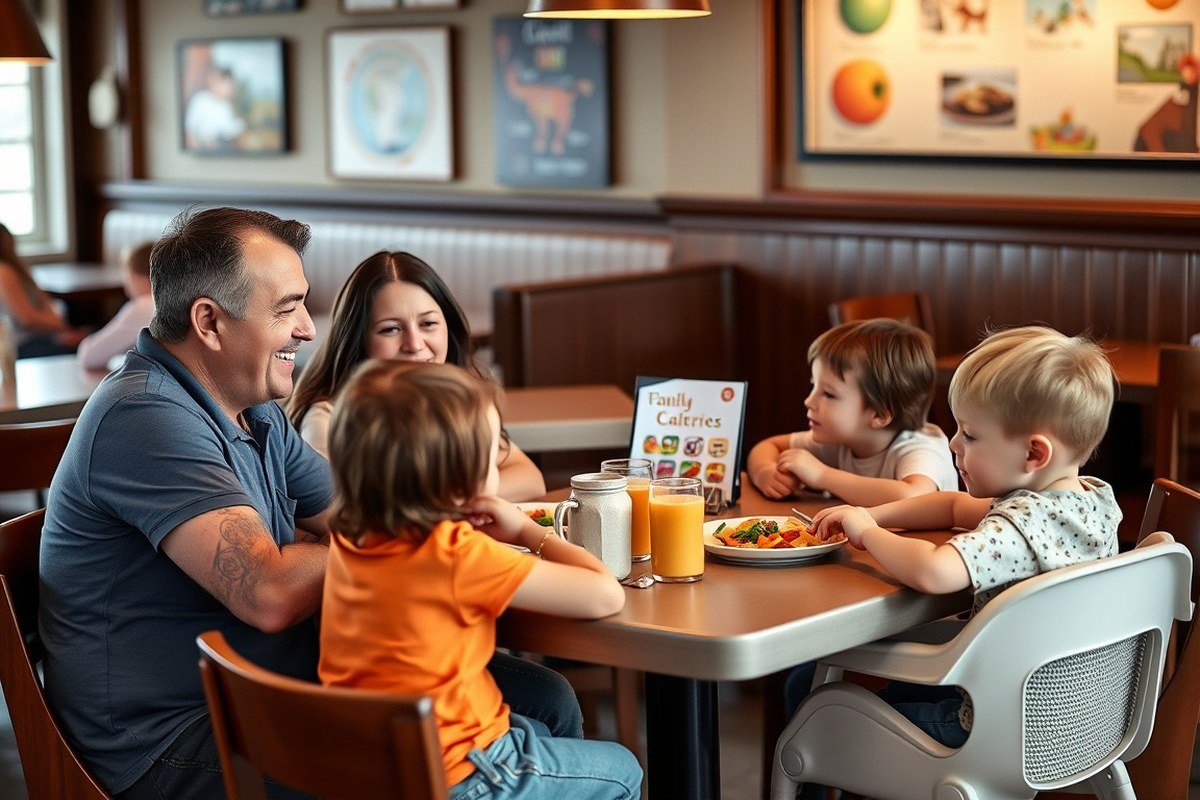
A truly family friendly restaurant blends thoughtful design, welcoming atmosphere, and practical amenities that keep both kids and parents comfortable. Key indicators include a menu offering diverse, kid-appealing options that are not overly sugary or processed, such as those found in places like Silver Diner, which features 11 Kids LiveWell-certified healthy dishes. The menu should balance tastes for picky eaters and adults alike, including choices like burgers, sandwiches, pasta, and simple dishes with occasional exotic options to suit varied family preferences.
Amenities play a important role in defining family friendliness. High chairs, booster seats, and easily accessible restrooms equipped with changing tables are essential to accommodate younger children and their needs. Quick and attentive service matters, too, as it reduces wait times and stress, ensuring kids stay engaged without becoming restless. Some family friendly spots also offer entertainment like games or live music, which helps keep children occupied while adults relax. For example, venues providing family-friendly activities such as bocce ball or corn hole add to the overall positive experience.
The ambiance shapes how comfortable families feel dining out. A laid-back, casual setting with noise levels that tolerate typical child chatter supports a relaxed experience for parents. A vibrant but not overwhelming atmosphere helps younger guests feel welcomed without disturbing other diners. Layout matters as well: easy entry with strollers and space between tables for movement eases logistics. Restaurants clearly embracing a family friendly vibe, like Italian Disco or Al Johnson’s with unique touches like a sod roof and grazing goats, make children feel special and engaged.
To decide if a restaurant is family friendly, use a simple checklist: Is there a kids’ menu that offers both healthy and fun choices? Are seating options suitable for all ages? Do staff show patience and flexibility with children? Does the venue offer entertainment or play areas? Is the environment relaxed and accommodating noise and movement? Observing these points takes only minutes and can save hours of discomfort later. Costs may vary, as family friendly menu items sometimes carry a slight price premium, but convenience and reduced stress often justify the expense.
Restaurants that lack these features can lead to frustration, such as long waits without distraction, insufficient seating for little ones, or menus that leave children hungry or overwhelmed. Situations like very small menus or noisy environments meant for adults or tourists may seem kid-friendly on the surface but fail to deliver the true experience families need. Choosing spots that clearly advertise family-friendliness or have a proven history of catering well to children will offer the best results for happy family dining outings.
How to Evaluate Restaurants for Kids Before You Go

Finding a family friendly restaurant near you requires some research to verify that it meets your needs before you show up with kids. Use a combination of specialized review sites, official restaurant information, and input from other parents to build a clear picture of what to expect. This reduces surprises like limited kids’ menus or no stroller space.
Use Family-Focused Review Sites
Start with websites that prioritize family experiences to narrow your options. Platforms like Yelp or TripAdvisor have filters or categories for family dining, focusing on restaurants offering kids’ menus, play areas, and faster service. These sites often include photos and detailed reviews from parents describing the atmosphere, menu choices, and staff friendliness toward children.
Check recent reviews to ensure consistent quality and family-friendliness. Look for mentions of noise levels, space for strollers, and whether the restaurant stocked items like crayons or had a dedicated kids’ section. Pay attention to any reports of long waits or unfriendly behavior toward families, since these factors can make dining stressful.
Check Official Restaurant Websites for Amenities
Official restaurant websites provide direct information about their services and facilities. Look specifically for sections mentioning children’s menus, high chairs, booster seats, and any play areas or outdoor spaces designed for kids. Websites also usually list hours, parking options, and reservation policies, helping you plan a visit that fits your family’s schedule and needs.
Some restaurants highlight family promotions or early dinner specials tailored for kids, which can reduce costs. If the website isn’t clear, call the restaurant directly to ask about stroller access, allergy accommodations, and whether the layout supports high noise and active children. This step confirms details that websites sometimes overlook.
Ask Other Parents and Online Communities
Parents’ recommendations are invaluable for honest, practical feedback. Social media groups, parenting forums, and local community pages often discuss family dining experiences you won’t find elsewhere. Search for posts about family friendly restaurants in your area or ask specific questions about kid accommodations and meal quality.
Try contacting neighborhood groups on Facebook or neighborhood apps like Nextdoor to get timely advice tailored to your locale. Hearing from parents with similar-aged children can help identify spots that suit children’s current interests and family dining styles. These networks quickly reveal hidden gems or warn against places that don’t prioritize families.
Keep a dedicated note or document to track your research findings about each restaurant’s kid-friendly features and parent feedback to compare options easily and make a confident choice.
Here is a straightforward checklist to help you evaluate and verify if a restaurant fits your family’s dining needs before visiting:
- Search family-focused review sites for local restaurants and filter by kid-friendly ratings.
- Read both recent positive and negative reviews for insights on service and atmosphere.
- Visit official restaurant websites to confirm amenities like kids’ menus, seating options, and parking.
- Call to ask about any concerns not covered online, such as stroller storage or allergy handling.
- Consult local parent groups and online communities for real-world experiences and tips.
- Note opening hours and reservation policies to avoid unnecessary waits or closed days.
- Compile details on menu choices and pricing to ensure meals fit your budget and children’s tastes.
- Plan your visit around the best times for families, such as early dinner slots or weekends.
Understanding Key Amenities That Make Dining Easier with Kids
Parents should look for several key amenities that make dining out with kids easier and more comfortable. High chairs and booster seats are essential for safely seating toddlers and younger children at the table. Many restaurants have high chairs available, but booster seats are less common, so calling ahead to confirm their availability saves time and hassle. Knowing this helps you avoid juggling your child on your lap or struggling with seating that is not child-friendly.
Family restrooms or changing tables can greatly ease the experience for parents with infants and toddlers. Changing tables found in both women’s and men’s restrooms are ideal, especially in single restrooms or designated family bathrooms. Their presence means you won’t have to seek out less clean or inconvenient spaces for diaper changes, keeping your child comfortable and reducing stress during the visit.
Entertainment options keep kids engaged and patient while waiting for food. Play areas, coloring materials, or simple toys can make a big difference. Restaurants like The Treehouse Cafe provide art studios with painting and coloring, while The Mill at Fountain Inn offers green space and lawn games. Such amenities prevent restlessness and help make the meal a more pleasant experience for everyone.
- Have the restaurant confirm availability of high chairs and booster seats before booking.
- Check online or call to see if restrooms have family changing tables suitable for boys and girls.
- Look for venues with designated kids’ play spaces or entertainment like coloring books or board games.
- Consider seating options that accommodate active kids, like relaxed outdoor patios or living room-style areas with fireplaces.
- Choose restaurants with spacious layouts to prevent feeling cramped if kids move around.
- Pick places with quick service to reduce wait times, ideally under 20 minutes for main dishes.
Finding these features often involves some research. Reading reviews or calling the restaurant ahead can clarify what they offer. Costs generally don’t increase because of these amenities, but higher-end family-friendly spots might have pricier menus. Good results show in your family feeling comfortable, kids staying safe and entertained, and fewer interruptions to your meal.
Menus and Food Choices That Cater to All Ages
Finding a family friendly restaurant that offers menus catering to all ages starts with spotting diverse, healthy, and appealing food choices for both kids and adults. A good kids’ menu includes familiar, simple dishes at a reasonable price, typically under $10, that satisfy picky eaters without feeling like a limited afterthought. Options like hot dogs, pasta with butter, chicken fingers, quesadillas, and tacos priced around $6.50 to $8 make it easier to keep kids happy and full without overspending. Menus that bundle a drink and dessert for roughly $7.99 to $11 add value and make ordering straightforward for families with young children.
The best kids’ menus offer smaller portions of items found on the adult menu, such as basic pasta, chicken parmesan, pizza, or even fish sticks and cheeseburgers. This allows children to enjoy flavors aligned with the family’s preferences while adults can choose from broader selections like seafood dishes, paninis, or specialty burgers. When a restaurant includes children’s versions of adult favorites, like a burrito with chicken, rice, beans, and cheese at a reasonable cost, it encourages shared dining experiences and minimizes the risk that kids won’t find something they like.
Healthy options for children matter, especially since family meals outside the home can lean toward fast food or fried offerings. Look for restaurants that provide salads, grilled protein, or dishes with fresh vegetables alongside kid-friendly staples. Many places now include side substitutions like fruit or steamed vegetables instead of fries. Meals that balance familiar comfort food with lighter choices help keep the meal enjoyable and more nutritious. For example, Mexican-inspired eateries featuring tacos and burritos often offer fresh ingredients and can include mild, child-appropriate spices, making them a better choice for balanced nutrition compared to deep-fried alternatives.
Cuisines like pizza and pasta usually serve as good choices for family dining because they tend to be widely accepted by children and adults alike. Italian restaurants often have a “nicer side” with a varied menu while still offering a strong kids’ menu under $10 with smaller portions. Pizza is especially popular because it’s customizable and typically easy for kids to eat, while pasta dishes can be prepared simply, reducing the chance of overwhelming young palates. Similarly, food halls that offer multiple cuisine types, pizza, sushi, Thai, burgers, tacos, salads, allow every family member to pick something they enjoy within one venue, providing variety and reducing mealtime conflicts.
It costs little extra effort to check a restaurant’s online menu before going out to identify these kid-friendly and healthy options. Spot whether the children’s menu has diverse choices beyond chicken fingers and if the restaurant’s vibe suggests accommodating families. A place that offers dishes catering to different taste preferences and dietary needs, like spicy Korean fried chicken alongside milder fares, or kids’ pasta paired with adult seafood, signals that all family members will find something appealing. Poorly planned menus may force kids to eat something they dislike or adults to settle for unbalanced meals, turning dining out into a stressful event.
How to Assess Convenience and Accessibility Features
Parking availability is one of the first convenience factors to check when choosing a family friendly restaurant. Families often carry extra gear like diaper bags, strollers, or booster seats, so close and safe parking reduces stress. Look for restaurants with dedicated family or handicap parking spots near the entrance. When the parking lot isn’t obvious, call ahead to learn about parking options. Valet services may be convenient but can add $10 to $20 or more to your visit. Street parking may also work but figure in the time it takes to find a spot, especially with young kids.
Stroller and wheelchair accessibility matters a great deal for families with young children or members who use mobility aids. Check if the restaurant has ramps, wide aisles, and restroom facilities that can accommodate strollers and wheelchairs. This lowers the chance of awkward situations or carrying large items through tight spaces. Most restaurant websites or review apps mention accessibility. Another way to verify is calling the restaurant directly to ask about door widths, step-free entrances, and restroom layouts.
Reservations can be critical for avoiding long waits, especially during popular dining times like weekend evenings or holidays. Families find it harder to keep kids patient for extended periods, so booking ahead helps ensure immediate seating. Restaurants that accept reservations often specify time slots, so plan to arrive promptly. For larger families or special occasions, book at least a week in advance if possible. Walk-in spots might be available during non-peak hours, but that brings the risk of 20 to 45-minute waits or more.
A simple checklist for assessing convenience and accessibility before booking includes: parking options (distance and type), entry accessibility (ramps and door width), restroom suitability, stroller/wheelchair friendliness, and reservation policies. Should any of these factors fall short, consider other restaurants nearby or adjust your timing to avoid crowds. Also, factor in your family’s specific needs, what works for a toddler with a stroller may differ from that required by a family member using a wheelchair.
Confirm the wheelchair and stroller accessibility by calling the restaurant prior to your visit since online information can be outdated or incomplete.
Popular Types of Kid-Friendly Restaurants to Consider
Finding the right spot for a family meal often comes down to choosing a restaurant that balances good food with kid-friendly features. Casual diners, themed eateries with engaging environments, and local ethnic restaurants that welcome children rank high on lists of family-friendly options. Each offers something different, so knowing what you want helps you pick a place everyone will enjoy.
Casual Family Dining Chains
Casual family dining chains are popular for their predictable menus, affordable prices, and accommodations for children. Many have designated kids’ menus with familiar dishes like pasta, chicken tenders, or pizza, simplifying ordering for younger eaters. Fast-food restaurants with indoor play structures also serve as convenient fallbacks, allowing kids to burn off energy while adults eat.
Chains like The Valley Inn and Harbor East Delicatessen & Pizzeria are known for their welcoming atmosphere and kid-friendly meals. These places often offer quick service combined with comfortable seating, which works well for families managing nap times and busy schedules.
Themed and Entertainment-Focused Restaurants
Themed restaurants create memorable experiences by incorporating interactive elements that capture children’s attention. Themes that tend to engage kids most include animal motifs, outer space, pirates, or fantasy characters. Some venues might feature murals, costumes, live performances, or game zones integrated with dining areas.
Restaurants with play areas or activity zones offer parents more flexibility and often less stress during meals. This setup helps kids stay entertained while waiting for food, improving the meal experience for everyone.
- Indoor play structures at fast-food chains
- Storybook or cartoon-themed eateries
- Pirate or adventure-themed dining rooms
- Interactive exhibits or live performances
- Restaurants with dedicated game zones or crafts
Costs can vary, with themed spaces sometimes charging a higher price point or requiring reservations. Look for venues offering all-day passes or family meal packages to manage expenses. Expect longer dining times when children are actively engaged.
Ethnic and Local Gems Welcoming to Kids
Local and ethnic restaurants can provide a unique experience that introduces kids to different flavors and cultures in a casual setting. Neighborhood trattorias like Pacci’s offer familiar options such as wood-fired Neapolitan pizzas and kid-friendly pasta, striking a balance between authenticity and approachability.
Some smaller family-run establishments pride themselves on being warm and accommodating to children. These spots often customize dishes or serve smaller portions to suit young palates. Exploring these options expands your family’s dining repertoire beyond chains and broadens cultural understanding.
Tips Parents Can Use to Make Dining Out Stress-Free
Keeping dining out with kids calm and enjoyable takes some planning. Bringing the right items, having strategies to engage children during wait times, and choosing ideal dining hours can all reduce stress. These approaches help turn a regular meal into a smooth experience for everyone involved.
Essential Items to Bring for the Kids
Pack a small bag with a few portable essentials to keep kids comfortable and entertained. Bring items that don’t require screens or much attention, so they don’t get overstimulated. Snacks suited to your children’s tastes also prevent hunger-induced fussiness if the meal takes longer to arrive.
- Favorite small toys or books that won’t make noise or mess
- Non-toxic crayons and a coloring pad for quiet activity
- A few healthy snacks like apple slices, crackers, or a granola bar
- Wet wipes for quick cleanups
- A reusable water bottle to keep kids hydrated
Having these items handy avoids last-minute stress over hunger or boredom. Avoid bringing too many toys, which can overwhelm your child or distract other diners.
Techniques to Keep Kids Engaged at the Table
Waiting for food can be the hardest part of dining out with kids. Keeping them patient and occupied lowers noise and restlessness. Use simple games and interactive talk to build anticipation without relying on electronic devices.
Try this script to start a fun and calm distraction: “Let’s see who can spot three things on the table that are blue. What do you think your food will taste like? Can you guess which sauce we’ll like best?” This invites kids into the experience and focuses their attention while waiting.
- Play easy observation or guessing games about the restaurant surroundings
- Encourage kids to help with choosing sauces or sides for their meal
- Read a short story or recite a favorite rhyme together
- Ask kids to share one thing they like about the place or meal plans
- Take turns drawing favorite foods on napkins
These tactics help make the waiting time feel shorter and more enjoyable, reducing the chance of impatience and meltdowns.
Best Times to Visit for Quieter, Faster Service
Timing your visit can prevent long waits and crowded dining rooms, which often stress both parents and children. Early meal times or mid-afternoon visits tend to be less busy and more relaxed. Weekdays usually see fewer families, providing a calmer atmosphere.
- Arrive 30 minutes before typical lunch (12 p.m.) or dinner (6 p.m.) rush hours
- Try weekday afternoons or right when the restaurant opens
- Check if the restaurant offers reservations, especially on weekends
- Consider takeout options during peak times to avoid waits altogether
Choosing quieter hours also means staff can offer better attention to your family’s needs, leading to faster service and a more pleasant meal overall.
Common Mistakes When Choosing Family Friendly Restaurants
Many parents mistakenly assume a restaurant is kid-friendly based solely on its menu’s mention of children’s items or the presence of high chairs. However, true family friendliness depends on a combination of factors, including atmosphere, staff attitude, and accommodations beyond seating. For example, a place may offer a kids’ menu but lack a calm environment or have long wait times that test young children’s patience, leading to a stressful dining experience.
One common mistake is overestimating how much a restaurant’s kid amenities actually help. A menu with a few kid-sized dishes doesn’t guarantee those meals suit picky eaters or dietary needs. Sometimes the food is simply smaller portions of adult dishes, not tailored for children’s tastes or nutritional needs. When you rely on menu descriptions alone, you might end up ordering food your child won’t eat, wasting both time and money. To avoid this, call ahead to ask about typical kid orders or check online reviews where parents share detailed experiences about portion sizes, taste, and presentation.
Atmosphere is a critical but often overlooked factor. Some restaurants with lively adult-centric vibes or loud music might seem fun but can overwhelm children or make it difficult for families to enjoy their meal together. Watch for signs that other families frequent the spot, such as play areas, crayons and activity sheets at tables, or child-friendly artwork. If these are missing, the restaurant may not be a good fit. You can also visit during off-peak hours to assess the noise level and space, ensuring it won’t be too cramped or chaotic for your family.
Another trap is assuming that favorable staff behavior toward adults translates to patience with children. Friendly service is necessary but not sufficient; staff at truly family-friendly restaurants often go the extra mile, like bringing extra napkins, quickly refilling drinks for kids, or entertaining young diners with small surprises. Restaurants where servers seem rushed or annoyed by children might cause more frustration than relief.
Cost and wait times are practical elements that affect how child-friendly a restaurant is. A place with menus aimed at children but high prices or waits longer than 20 to 30 minutes may not be worth it for younger kids. Parents often underestimate how waiting can worsen kids’ moods, especially without distractions or play zones. Using online reservation systems or visiting at times when the restaurant is less busy can cut down on waiting and improve the experience.
Always check recent family reviews and ask about wait times, kids’ menu variety, and the atmosphere before booking to avoid disappointment during your visit.
Your Step-by-Step Plan to Find the Best Family Friendly Restaurant
Follow these simple steps to quickly identify and pick a restaurant that works well for your family’s needs and makes dining out with kids more enjoyable.
- Before You Go: Research Online, Look for restaurants with kid-friendly reviews and menus, checking sites with family dining ratings. You’ll know it worked if you find at least two solid options nearby.
- One Day Ahead: Check the Menu, Review the menu online to confirm there are choices that appeal to various ages and dietary needs. Success means you see kid-friendly dishes that your children would likely enjoy.
- Before Leaving: Call the Restaurant, Ask about key amenities like high chairs, changing stations, and kid-friendly utensils. If confirmed, you can expect a smoother visit with fewer surprises.
- On Arrival: Assess the Atmosphere, Notice if the restaurant feels welcoming to children with space for strollers and a casual environment. You’ll feel comfortable staying longer if the space supports families.
- During Dining: Watch for Staff Attentiveness, See how employees interact with kids and accommodate requests, which helps predict good service next time. Positive engagement means you’ve chosen well.
- After Your Visit: Reflect on the Experience, Consider how easy and enjoyable the meal was and if the kids were satisfied. Use this to decide if this restaurant gets added to your family’s favorites list.
- Next Time You Eat Out: Bring along a Small Activity, Prepare simple distractions for waiting times to keep kids entertained. This works when your family stays calm and dinnertime feels relaxed.
Frequently Asked Questions
How Can You Identify a Truly Family Friendly Restaurant?
Look for places with features like high chairs, a kids’ menu, and quick service, even if they don’t label themselves as “kid restaurants.” These amenities show the restaurant is prepared to serve families comfortably.
What Is the 30/30/30 Rule for Restaurants?
The 30/30/30 rule suggests families should find a restaurant within 30 minutes of home, expect meals served within 30 minutes, and keep the total outing under 30 minutes for an easier experience with kids. This helps reduce wait times and frustrations.
What Are the Key Signs a Restaurant Is Kid Friendly?
Kid-friendly restaurants often have a welcoming vibe for children, offer suitable menu choices, and provide conveniences like child seating and entertainment options. These features help ensure the family’s needs are met without stress.
Which Family Friendly Restaurants Are Popular in Different Cities?
Many cities have favorite spots, like Mia’s in La Jolla that highlights its family friendly focus, or the Swamp Rabbit Cafe in Greenville, SC known for its kid-friendly menu. Local reviews and guides help find these gems.
Why Do Parents Prefer Some Family Friendly Restaurants over Others?
Parents choose restaurants based on quick service, menu options that please both kids and adults, and a relaxed atmosphere. These factors reduce stress and make dining out more enjoyable for everyone.
Are Playgrounds or Activity Areas Important in Family Friendly Restaurants?
Play areas can be a plus but aren’t required; some parents prefer calm spaces while others appreciate a spot for kids to burn energy. Consider your child’s needs when choosing a restaurant with or without these amenities.
Wrapping Up
Finding a truly family friendly restaurant improves your dining experience and reduces stress when eating out with kids. Start scanning your community for places that meet these key criteria, then try them out one at a time to build your personal list of go-to spots. This hands-on approach helps ensure every outing is pleasant for both you and your children.