How to Find a Restaurant with Private Rooms: A Complete Guide That Works
Finding a restaurant with private rooms involves searching for venues that offer dedicated spaces for your group’s comfort and privacy. Focus on restaurants that provide clear information about room sizes, pricing, and menu options to match your event’s needs. This method suits planners arranging business meetings, celebrations, or intimate gatherings who want a smooth booking experience and controlled environment.
You will learn how to identify restaurants with private dining spaces, understand typical room types and costs, and efficiently book the perfect setting. This approach helps ensure you secure the right venue with the right amenities, avoiding last-minute surprises and costly mistakes.
Key Takeaways
- Use online platforms like Resy or specialized private dining directories to filter restaurants by private room availability.
- Check room capacity upfront; options commonly range from intimate 8-seat spaces to rooms seating 50 or more guests.
- Ask about minimum food and beverage spend, which often averages around $4,000 per event or varies by time of day.
- Consider lunch bookings for private rooms to save 30-50% compared to dinner pricing in similar venues.
- Request details on menu types and whether pre-set or customizable menus are offered to fit your event style.
- Confirm if there are additional fees like room rentals, service charges, or minimum guest counts before booking.
What Is a Private Dining Room and How Does It Work?

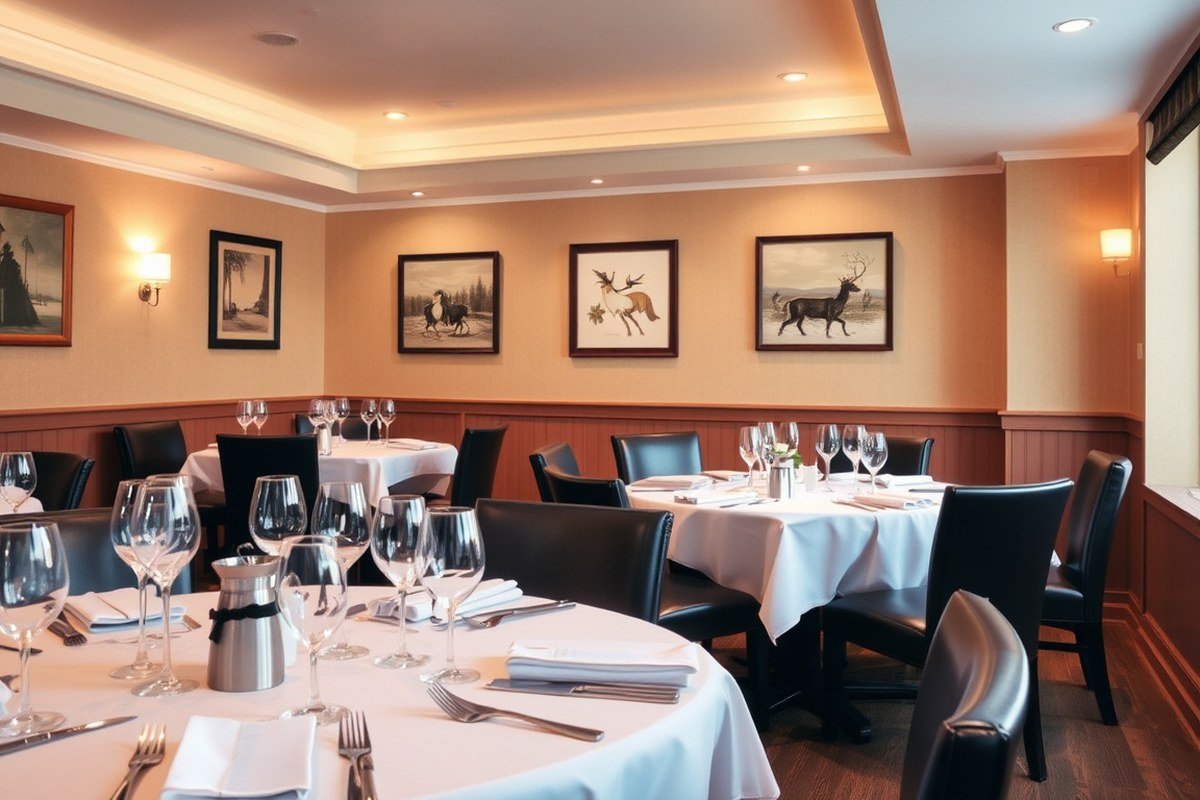
A private dining room is a designated space within a restaurant reserved exclusively for a specific group. It provides a separate area where guests can enjoy privacy and personalized service without interruptions from other diners. Typically, these rooms are completely separated by walls or partitions, allowing for control over noise and ambiance. This contrasts with semi-private dining areas, which share space with the main dining room but might be sectioned off using partitions, curtains, or booths to offer some level of separation. Main dining areas, on the other hand, have open seating where multiple parties share the space without any physical or acoustic separation.
Private dining rooms vary in size and features depending on the restaurant but often include tables configured for groups ranging from a handful of guests to large parties of 150 or more. For example, a restaurant like Keens offers four private dining rooms with lunch prices starting at around $85 per person and dinner at $149. Some rooms, like the “music room” at Falansai, provide a distinctive atmosphere suited to the group’s preferences. These rooms may come with amenities such as customized menus, audiovisual equipment for presentations, and the freedom to host toasts without disturbance or distraction from other diners.
Typical uses for private dining rooms include business meetings, corporate events, birthday celebrations, retirement parties, holiday gatherings, and social receptions. A lively venue in Santa Monica, for example, serves up to 50 guests in its main dining room but also offers smaller, private party rooms ideal for networking events or happy hours. Larger spaces, such as Harbor House LA, can accommodate up to 200 guests for company-wide banquets, making them suitable for annual wrap-ups or large-scale celebrations. Smaller groups might book intimate spaces seating around 12 to 16 people with pre-set menu minimums, as seen at some Hollywood neighborhood restaurants.
The level of separation in private dining rooms ranges from fully enclosed rooms with their own entrances to adjacent spaces connected to the main dining area but still reserved for exclusive use. Some establishments have adjoining areas like a slice shop or wine room that can be rented for private events, allowing flexibility for different group sizes and purposes. This means a private dining room might not always be completely isolated from the restaurant but still offers a focused environment tailored to your event’s needs.
Choosing a private dining room over the main dining room allows you to control your event’s flow, menu, and atmosphere more closely. It helps avoid interruptions from other patrons and enables personalized touches like decor and tailored service. Prices vary significantly depending on the restaurant, size, and day of the week, so expect to meet minimum spend requirements or set menu costs, commonly from $85 per person upward, especially for dinner events. Knowing what each private dining setup offers helps you decide which suits your event best, whether it’s a casual birthday party, a professional business presentation, or an upscale anniversary celebration.
How to Search and Identify Restaurants with Private Rooms

Start by using specialized online tools and directories that list restaurants offering private rooms. Narrow your options by location, capacity, and budget to find venues that fit your event’s requirements. Always confirm the room’s size and amenities before making plans to ensure it suits your group.
Using Online Platforms and Directories
Several websites focus on private dining options, making it easier to find restaurants with private rooms near you. Platforms like The Private Dining Directory and Private-Dining.co.uk catalog venues by region and let you filter by guest count, venue type, and price range. In the U.S., RestauRent is a popular app that helps you search for and book private event spaces including restaurants, bars, and rooftops.
These tools often allow you to refine your search results by cuisine type, location, and room size, providing photographs, menus, and pricing information. For example, if you’re planning a business event in downtown Los Angeles, you could narrow your search to Asian fine dining with rooms that hold 20 to 40 guests.
Checking Restaurant Websites and Calling
Visit the websites of restaurants you’re interested in to gather detailed information about their private rooms. Many list room size, layout options, minimum spends, and available amenities such as AV equipment or parking. Sites often have downloadable event menus and floor plans which give insight into how the space fits your needs.
When details aren’t clear, call the restaurant directly. Ask how many people the private room can accommodate, whether it can be set up for your specific event, and if there are any restrictions on timing or catering. Speaking with an event coordinator at the restaurant can clarify policies like deposits, cancellation terms, and extra charges for services.
Refining Search by Event Needs
Once you have a shortlist, use a checklist to verify the room suits your occasion. Check the capacity against your guest list, consider the style and atmosphere, confirm audiovisual support if needed, and review parking or accessibility options. Take note if the room offers privacy from the main dining area and how noise levels might affect your event.
Adjust your search criteria on booking platforms by filtering for exact guest count, budget minimum spend (often around $4,000 for private rooms), and cuisine preferences to avoid contacting unsuitable venues. City-specific searches can include keywords such as “intimate dining rooms” in smaller cities or “banqueting suites” in hotel restaurants that provide more polished event setups.
- Choose an online platform or directory that specializes in private dining rooms.
- Enter your location and preferred cuisine or venue type.
- Set filters such as guest capacity, budget, and event date.
- Review listings and read descriptions, paying attention to amenities and minimum booking requirements.
- Check the restaurant’s official website for floor plans and menus.
- Contact the restaurant to confirm room size and availability.
- Use a checklist to compare rooms against your event’s needs.
- Book the room after confirming all terms and minimum spends.
Always confirm the private room’s maximum capacity with the restaurant before booking to avoid last-minute surprises.
Common Types of Private Dining Spaces You’ll Encounter
Private dining spaces vary widely in size, privacy, and ambience, each suited to different event types and attendee numbers. Generally, options range from intimate rooms seating fewer than 10 guests to grand banquet halls accommodating hundreds, like full restaurant buyouts. Understanding these differences helps you match the space to your event’s purpose, whether a cozy birthday dinner or a corporate presentation.
Banquet halls typically feature open, airy layouts ideal for large groups from 50 up to 300 guests. They offer room for mingling, multiple tables, and often include AV setups for presentations or speeches. However, these spaces sacrifice intimacy for capacity and are usually at the higher end of pricing due to their size and amenities.
Intimate rooms seat smaller groups, often 8 to 35 guests, providing privacy and a focused atmosphere. Many restaurants have distinctive alcoves or dedicated dining rooms for these sizes, perfect for family celebrations or client meetings. These spaces often cost less than banquet halls and may come with personalized service or menu options.
Wine rooms or cellar dining areas are common in Italian and upscale restaurants, doubling as private dining spaces. Though sometimes smaller, usually under 20 guests, their charm lies in ambiance and exclusivity rather than size. These rooms provide a unique backdrop, often decorated with vintage wines and rustic accents.
Semi-private rooms balance openness with privacy: shared with other diners but separated enough to feel exclusive. They often feature partial walls or curtains and accommodate mid-sized groups of 15 to 40 guests. These can be more affordable and flexible but might not be suitable when total privacy is needed.
| Room Type | Typical Capacity | Privacy Level | Typical Cost Range | Common Features |
|---|---|---|---|---|
| Banquet Hall / Full Buyout | 50 to 300+ guests | Fully private | High, often $2,000+ | AV equipment, spacious layout, formal seating |
| Intimate Private Room | 8 to 35 guests | Fully private | Moderate, $500 to $2,000 | Dedicated server, customized menus, quiet atmosphere |
| Wine Room / Cellar Dining | Up to 20 guests | Fully private | Moderate, often with minimum spend | Decorated with wine, cozy, unique ambiance |
| Semi-Private Room | 15 to 40 guests | Partial privacy | Lower to moderate | Partitions or curtains, partial noise control |
Choosing the right private space involves weighing guest count, privacy needs, and budget. Banquet halls deliver privacy and capacity but demand higher investment. Intimate rooms suit smaller groups seeking exclusivity without the corporate stiffness of large spaces. Wine rooms add flair but fit fewer guests, while semi-private spaces are budget-friendly but less secluded.
Look for venue descriptions that specify seating capacities and privacy details. For example, a Northeast Portland wood-fired restaurant features a private event space for wedding receptions that suits up to 100 guests, while a Los Angeles rooftop restaurant offers smaller exclusive rooms under 40 guests with skyline views. Knowing these distinctions ensures your event’s setting supports your goals, whether that means privacy for confidential meetings or ample space for lively celebrations.
Questions to Ask Before Booking a Private Room
Before booking a private dining room, gather detailed information to ensure the space fits your needs and budget. This involves asking clear questions about costs, amenities, menus, and booking policies. Use a checklist and prepared inquiries to confirm all relevant details from the restaurant.
Financial Terms and Minimums
Ask about the minimum spend or deposit required to reserve the private room. Some restaurants set a minimum food and drink expenditure rather than a flat rental fee. Knowing this helps you budget and decide if the venue is within your price range. For example, a family-style meal starting at $60 per person may meet the minimum spend at certain venues.
Clarify if there are additional fees such as gratuity, service charges, or taxes. These often add 18 to 22 percent on top of the food and drink bill. Confirm when the deposit is due and whether it’s refundable if the event cancels on time.
- Minimum spend or deposit amount
- Payment deadlines and methods
- Additional fees and service charges
- Refund and cancellation of deposit
- Any room rental fees separate from food/drink costs
Request a written estimate that includes all projected costs to avoid surprises. This is especially important if you plan add-ons like celebratory cakes or specialty services such as caviar service, which may carry extra charges.
Event Logistics and Amenities
Confirm the exclusivity of the private room. Find out if the room is fully private or shared with other groups, particularly during busy times. For example, Canary Club offers a private room and bathroom for up to 18 people, ensuring exclusivity in smaller venues.
Ask about the room’s capacity, seating arrangements, and physical layout to match your guest count and event style. Smaller restaurants typically accommodate up to 50 seated guests, while larger venues can handle up to 100 or more for receptions or business gatherings.
- Exclusive or shared use of private room
- Guest capacity and seating options
- Availability of a private bathroom
- Setup and cleanup responsibilities
- Access times for decorating or arrival
- Parking and accessibility features
- Availability of outdoor or patio spaces
Check what technical or audio-visual equipment is available, such as projectors, screens, microphones, or sound systems. This equipment can be important for business presentations or celebratory video displays.
Menu and Beverage Details
Inquire whether meal options are set menus, buffets, or customizable. Many private dining rooms offer fixed-price options like a three-course dinner menu priced around $160 per person, with choices for add-ons or upgrades. Family-style meals may also be an option, providing larger portions meant for sharing.
Determine if beverage options are included or separate. Ask about wine pairings, drink packages, and corkage policies if you plan to bring your own liquor. Some venues also provide specialty services, like the famous caviar service at Tesse, which would be an additional cost.
- Menu type: fixed, buffet, or customizable
- Pricing per person and group minimums
- Beverage packages or bar policies
- Special dietary accommodations (gluten-free, dairy-free)
- Options for celebratory or specialty dishes
Ask if food tastings are available before the event. Confirm how last-minute changes to the menu or guest count will be handled and if there are deadlines for finalizing orders.
Policies and Restrictions
Clarify cancellation policies and deadlines. Understand any penalties for late cancellations or changes. Some restaurants may retain the deposit or charge a percentage of the expected spend if you cancel within a specified time frame, often 7 to 14 days before the event.
Ask about rules on decorations, outside catering, entertainment, and noise restrictions. Some venues limit what you can bring in or require prior approval for decorations or AV equipment brought by you or outside vendors.
- Cancellation deadlines and penalties
- Decoration and setup restrictions
- Outside food, drink, or vendor policies
- Noise and event hour limits
- Liability and damage responsibilities
Keep a clear communication script ready to send as an email or use for phone calls. For example, say: “I’m planning a private event for [number] guests and want to know your minimum spend, menu options, availability of the private room, and cancellation policy. Could you also confirm if AV equipment is provided and any additional fees we should expect?” Document all responses for comparison and decision making.
Understanding Costs and Pricing Structures for Private Rooms
Private dining rooms often come with different pricing models depending on the restaurant’s location, reputation, group size, and event timing. Most venues set a minimum spend, which can range widely but is essential to secure the private space. Deposits usually cover a portion of this minimum or a flat booking fee and help guarantee the reservation.
Expect weekday minimum spends and per-person costs to be lower than on weekends. Lunch events typically cost 30-50% less than dinner because demand is lower and menus are often limited to simpler options. For example, a private dining event on a Wednesday might have a $60 per person minimum, while the same event on Friday or Saturday could require $100 per person or more.
Other factors that affect total cost include the restaurant’s prestige and size of the city. Big-city venues or high-end restaurants in places like Hollywood or West Hollywood often charge higher per-person prices, commonly in the $$ to $$$$ range, compared to smaller cities or less central locations. Venue fees might also vary if you require exclusivity for the entire space rather than just a room.
| City Size / Location | Day | Typical Per-Person Minimum | Pricing Range |
|---|---|---|---|
| Los Angeles – West Hollywood | Monday, Thursday (Lunch) | $50, $60 | $$$ |
| Los Angeles – West Hollywood | Friday, Saturday (Dinner) | $100+ | $$$ – $$$$ |
| Hollywood / East Hollywood | Any Day (Lunch or Dinner) | $60, $100 | $$ – $$$$ |
| Venice Beach / Smaller Areas | Weekdays | $40, $70 | $$ – $$$ |
Budgeting for additional fees will help you avoid surprises. Extras often include service charges, gratuities (ranging from 18% to 23%), and sometimes charges for audiovisual equipment or decorations. Catering menus might offer set multi-course meals or family-style options, which impact the total per-person cost. Some restaurants bundle the food and venue costs into one price, reducing separate vendor fees and simplifying billing.
To accurately estimate your total cost, multiply the minimum spend requirement by the number of attendees, then add about 20% on top for the typical service fees and taxes. If planning a weekend dinner in a major city with around 20 guests, expect the total spend to be significantly higher than a weekday lunch for the same group size and restaurant quality.
Tip: Always ask about minimum spends, deposits, and potential extra fees upfront to avoid unexpected costs and ensure your budget matches the private room offering.
Steps to Book the Right Private Dining Room Quickly
Booking a restaurant with a private dining room takes careful planning, especially if you want to avoid last-minute problems or miscommunications. Starting the process about one to three months in advance usually works well, depending on the size and popularity of the venue. This timeline gives you enough space to find the right location, confirm details, and finalize contracts. A clear sequence of steps will help you communicate effectively with the venue, handle deposits properly, and keep track of important deadlines.
Follow this checklist to book a private dining room smoothly. The list covers searching, negotiating, confirming, and preparing for your event with reminders for every stage.
- Research and shortlist venues at least 8 weeks before your event. Focus on places that fit your guest count and event type. Check if they allow easy online booking, like venues within 0.8 miles of central Los Angeles on specialized sites. Narrow down to two or three options to contact.
- Contact venues within 6 weeks to confirm availability and discuss options. Use email or phone, stating your event date, guest count, and any catering or AV needs. Ask for menus, pricing, and what the deposit and cancellation policies are. Keep track of replies and use a simple spreadsheet or notes app to compare offers.
- Request a proposal or contract from your preferred venue 4 to 5 weeks out. This document should outline the rental fee, menu cost per person, minimum spend, and deposit amount. Don’t hesitate to ask for clarification. Aim to review and sign the contract promptly to hold your date.
- Pay the deposit according to the contract within 5 days of signing. Deposits typically range from 20% to 50% of the total estimated cost. Confirm how the venue accepts payment (credit card, bank transfer) and save your receipt or confirmation for your records.
- Schedule a confirmation call or visit about 2 weeks before the event. Review final guest count, menu choices, seating arrangements, and any special requests. This reduces the chance of last-minute surprises and confirms everyone is on the same page.
- Send reminder emails to the venue at 1 week and 3 days before your event. Keep these brief but specific. Use this template:
“Hello [Venue Contact], just confirming our private dining reservation on [date] for [guest count]. Please let me know if you need any further information or final details. Looking forward to the event.”
- Arrive early on the event day for a walk-through if possible. Check the room setup, technology, and any décor you arranged. This last check can prevent issues and help you troubleshoot with staff before guests arrive.
How to Customize a Private Dining Experience to Fit Your Event
Customizing your private dining experience lets you tailor every detail to match your event’s mood and purpose. You can work with the restaurant to adjust menus, set the right decor, arrange AV equipment, and select additional amenities. Clear communication with the venue helps avoid surprises and ensures your event runs smoothly.
Menu and Beverage Customization
Choosing or customizing the menu often depends on the restaurant’s policies. Many places offer set menus that you can tweak, while some allow fully bespoke options. For a group with dietary restrictions or a specific theme, asking about family-style menus or buffet options gives you flexibility. Consider including appetizers, main courses, and desserts that suit your event type and budget.
Drinks can also be personalized. Some restaurants let you create a custom cocktail or select a preferred wine pairing. Bringing your own cake or dessert is often possible but requires prior approval and may include an additional fee.
- Request sample menus and pricing early to compare options
- Ask about accommodating allergies or dietary needs
- Inquire if you can add a signature cocktail or special drinks
- Confirm if outside food or dessert is allowed and any corkage fees
- Discuss portion sizes and serving style (plated, buffet, family-style)
Room Decor and Ambiance
Restaurants often allow varying degrees of decoration like floral arrangements, balloons, or themed table settings to reflect your event’s purpose. Some venues provide basic decor while others enable you to bring outside decorations or hire a decorator. Confirm what’s allowed and whether setup help is offered. Also determine if there are restrictions on adhesives, candles, or open flames.
Lighting and music contribute to the atmosphere, so ask if you can control or adjust these elements. You might want dimmable lighting, candles, or a background playlist suited to a business dinner or celebration.
- Ask about bringing personalized signage, banners, or centerpieces
- Verify any restrictions on decorations (e.g., no tape, open flames)
- Request assistance with table layout and seating charts
- Check if ambient lighting can be adjusted or special effects added
- Discuss any music policies or options for live entertainment
Technology and AV Requirements
Coordinating AV needs early ensures equipment is set up and working before guests arrive. Identify what you need, such as microphones, projectors, screens, or sound systems. Some private rooms come equipped, others require rentals or outside technician support. Clarify who is responsible for operating the technology during the event.
Seat placement often depends on your event type, whether a presentation, group discussion, or celebratory gathering. Share a detailed seating plan and confirm timing for AV setup with restaurant staff to avoid delays.
- List all AV equipment needed, including backups
- Confirm room capabilities for Wi-Fi and streaming if required
- Schedule setup and sound check times before the start
- Clarify responsibility for AV operator or tech support
- Provide a seating chart reflecting stage, screen, and speaker locations
Event Timing and Service
Setting clear event timing with the restaurant ensures service runs on schedule. Share your preferred start time, buffet or plated meal timing, breaks, speeches, and end time. Some venues require minimum service hours or charges for extending time.
Discuss how you want the flow of courses and drinks managed and whether there are options for pre-event snacks or post-event desserts. Confirm policies on excess time or late arrivals to avoid staffing issues or extra fees.
- Communicate desired event start, meal serving, and end times clearly
- Ask about flexibility for early setup and late breakdown
- Request a timeline confirmation from the event coordinator
- Clarify staffing levels and pace of service for multiple courses
- Discuss options for pre-meal cocktails or post-meal celebrations like cake cutting
Sample dialogue for requesting customization could be:
Hello, I’m planning a private dinner for 20 guests and would like to customize the menu to include vegetarian options and a special dessert. Can you provide sample menus and pricing? Also, may I bring a birthday cake and have a champagne toast? Regarding the room, is it possible to decorate with some floral centerpieces and have dimmable lighting? Lastly, I need a projector and microphone for a short presentation; could you advise on AV availability and timing for setup? Thank you for your help.
Common Mistakes When Booking Private Rooms and How to Avoid Them
Booking a private room at a restaurant without clear communication often leads to last-minute cancellations or conflicts. Common mistakes include assuming the room automatically holds your full guest list, neglecting to confirm setup preferences, and overlooking cancellation policies. To avoid surprises, verify guest capacity explicitly with the venue, most private rooms accommodate between 10 and 50 guests, but this varies widely. Always ask if the layout can be adjusted for your event type, such as theater seating for presentations versus banquet tables for dinners.
Hidden fees often cause budgeting issues. Some restaurants charge a service fee, minimum food and beverage spend, or cleaning fees that may not be included upfront. Request a detailed contract that itemizes every cost and read it carefully to prevent last-minute charges. Secure deposits well in advance and confirm refund policies to prepare for any unforeseen changes.
Logistical problems can occur when you don’t plan the event timeline and technology needs ahead of time. Audio-visual equipment, microphone availability, and timing for food service require coordination between you and the restaurant staff. Share your event agenda, including guest arrival time, meal courses, and any speeches or presentations, to sync with the venue’s team.
- Clarify maximum guest count and room dimensions to fit your event comfortably
- Ask about restrictions like noise limits, decoration policies, or catering exclusivities
- Confirm room setup options and timing for early access or delivery
- Obtain a written breakdown of all fees and deposits required
- Communicate dietary needs and menu preferences clearly to avoid delays
- Request a detailed event schedule and share it with the venue to coordinate service
- Inspect the room ahead of the event to verify cleanliness and amenities
Proactive communication is essential. Contact the restaurant several days before the event to reconfirm arrangements and guest count. Have a point person on your side who can troubleshoot at the venue on event day to handle unexpected issues promptly. Preparing a checklist with all confirmed details will keep you on track.
Always request a walkthrough of the private room before the event date to catch any discrepancies early and adjust your plan accordingly.
Stress-free event flow depends on early confirmation of meal service timing and room setup. Plan buffer time for guests’ arrival and transitions between courses or activities. Being specific about your needs reduces surprises and ensures a successful, smooth experience.
Quick-Start Plan for Booking Your Private Dining Room
Follow these steps to find and reserve the private dining space that best fits your event needs.
- Before you start: Define your event type, guest count, and budget. Check that these align with typical private room sizes and pricing so you know what to look for.
- Day 1: Search online for restaurants in your area that list private dining rooms. Look for menus and photos to confirm the space suits your event style.
- Day 2: Call or email your top three choices to ask about availability, minimum spends, and any room restrictions. Book a site visit if possible to see the space firsthand.
- Day 3: Compare costs and policies from the shortlisted restaurants, including cancellation and deposit terms. Verify whether food and drinks can be customized or if you must take preset menus.
- Day 4: Confirm your preferred date and negotiate final details like AV equipment or seating layout. Ask for a written contract outlining all terms before making a deposit.
- Week before event: Contact the restaurant to reconfirm headcount, menu, and setup, providing any last-minute requests or updates.
- Day of event: Arrive early to check the room setup and coordinate with restaurant staff. Enjoy your event knowing you prepared carefully.
Frequently Asked Questions
How Early Should I Book a Private Dining Room to Secure My Date?
Book at least one to two months in advance for popular venues to ensure availability and get the best options for your event size and date. Booking early also allows for better customization of menus and seating arrangements.
Can I Bring Outside Catering or Decorations into a Restaurant’s Private Room?
Most restaurants do not allow outside catering but may permit some decorations with prior approval. Always check the venue’s policy to avoid extra fees or denied access on the event day.
Do Private Dining Rooms Include Dedicated Serving Staff or Event Coordinators?
Many restaurants provide dedicated waitstaff and sometimes an event coordinator for private rooms. Confirm this when booking to ensure smooth service and on-site support during your event.
Are Private Dining Rooms Suitable for Audiovisual Needs Like Presentations or Speeches?
Many private rooms have audiovisual equipment or can accommodate rentals, but not all do. Ask about technical capabilities ahead to ensure the space meets your event’s presentation requirements.
What Types of Payment and Cancellation Policies Apply to Private Dining Room Bookings?
Restaurants often require a deposit and have cancellation policies that may include forfeiting the deposit if canceled late. Review terms carefully to avoid unexpected charges and confirm refund conditions.
Is Gratuity Included in the Pricing of a Private Dining Room or Is It Extra?
Gratuity is usually not included and is added on top of the food and space charges, often as a percentage of the bill. Clarify this with the restaurant so you can budget accordingly for your event.
Final Thoughts
Finding the right restaurant with a private room takes clear planning and communication. Make sure to settle on your event goals first, then research and visit spaces that fit those goals. Your next step is to start contacting restaurants and asking the key questions to ensure your event runs smoothly.



3 Comments