How to Order a Cocktail at a Bar: A Complete Guide for Beginners
Knowing how to order a cocktail at a bar starts with deciding what kind of drink you want and stating it clearly and confidently. Have a specific cocktail or spirit in mind, and be ready to say it quickly to avoid holding up a busy bartender. This helps the bartender know exactly what you want without confusion or delay.
This guide is for beginners and casual drinkers who want to order cocktails with ease and avoid common mistakes. You’ll learn key terms, how to pick the right cocktail for your taste and bar setting, and tips to customize your drink without overwhelming the bartender.
Key Takeaways
- Always know your cocktail choice before you reach the bar to order with confidence.
- Use common cocktail terms like “neat,” “on the rocks,” or “straight up” to specify how you want your drink served.
- Match your cocktail choice to the type of bar; well drinks cost less at casual bars than craft cocktails at specialized bars.
- Customize your order simply, such as choosing your preferred spirit or mixer, without requesting complicated changes if the bar is busy.
- Expect to pay $1, $2 per drink at casual bars and $14, $18 for craft cocktails like an Old Fashioned at upscale bars.
- Tip $1, $2 per drink at casual bars and $2, $3 at craft cocktail bars to show appreciation for the bartender’s skill.
How to Order a Cocktail at a Bar Step-by-Step
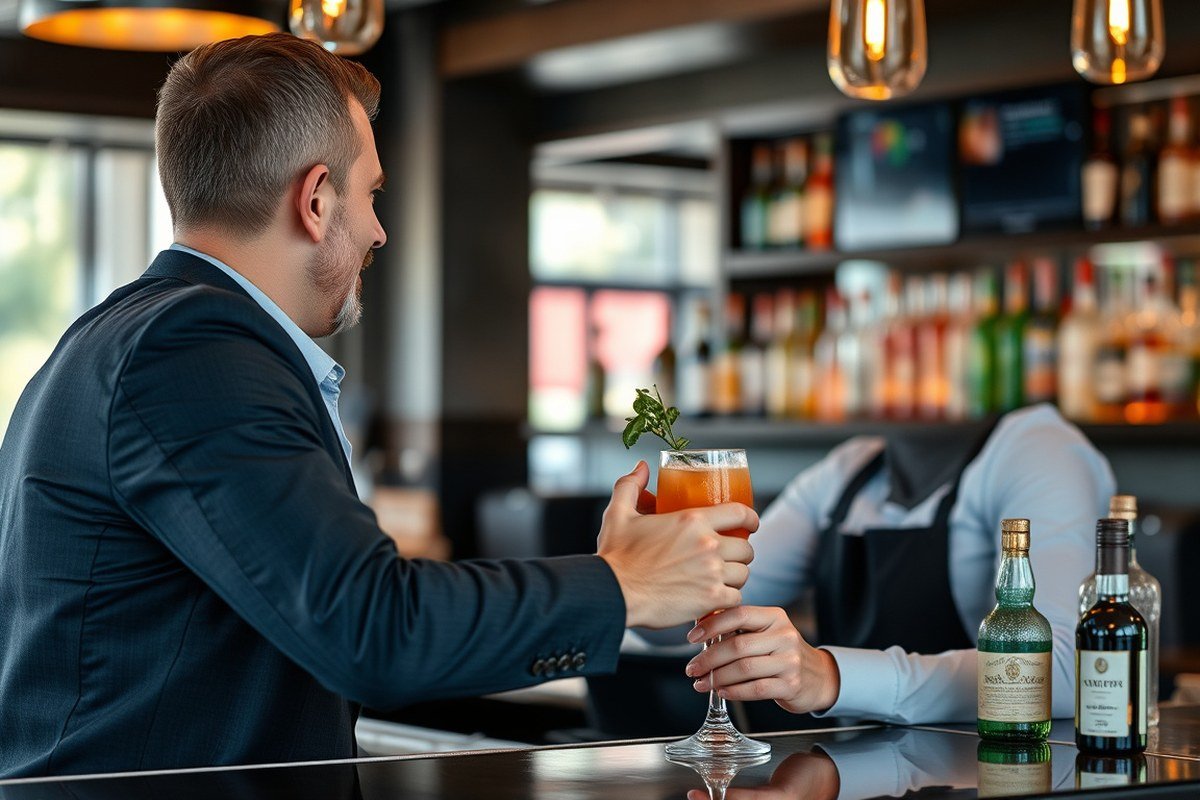
Approaching the bar with confidence and clarity makes a big difference in how smoothly you get your cocktail. Bartenders appreciate customers who know what they want and communicate it politely. A well-phrased order not only speeds up service but helps you enjoy a drink that fits your taste. Being clear on your desired cocktail and any preferences reduces the chance of misunderstandings. Timing your order right also matters, especially when the bar is busy.
- Step up to the bar during a calm moment. Avoid arriving when the bartender is swamped. Wait for eye contact or a nod before speaking. This shows respect and increases the chance of good service.
- Greet the bartender politely. A simple “Hi” or “Hello” with a smile sets a friendly tone. Something like, “Hey, how are you tonight?” can also work well.
- State your order clearly. Use a direct phrase, such as “I’d like an Old Fashioned, please.” Mention the name of the cocktail first, then any extra details like “with a twist of orange” or “on the rocks.” This straightforward approach reduces confusion.
- Specify your preferences if needed. For example, you could say, “Could you make it a little less sweet?” or “Please use lemon instead of lime.” If you want your drink stronger or lighter, say, “Make it a double” or “Light on the alcohol, please.”
- Confirm your order if the bartender asks questions. They may inquire about ice, garnishes, or whether you prefer shaken or stirred. Answer briefly and politely, like, “One large ice cube, please,” or “Shaken is great.”
- Prepare to pay and tip after ordering. Bartenders usually expect $2 to $3 tips per drink at craft cocktail bars, where cocktails can cost $14 to $18. At more casual bars, tipping $1 to $2 per drink is common. Having cash or card ready speeds up the process.
- Wait patiently for your drink. Avoid interrupting the bartender while they’re working on other orders. A well-made cocktail can take a few minutes, especially at busy places or for complex drinks.
- Thank the bartender when you receive your cocktail. A simple “Thanks” shows appreciation and can build good rapport for future visits.
Phrasing your order with confidence matters because unclear or hesitant orders can lead to mistakes or frustration on both sides. Saying things like “I’ll have” or “I’d like” sounds polite and clear. Avoid vague or overly complicated requests if you’re unsure what the bar can do; simply naming the drink and any key preferences usually works best. When you know what you want before stepping up, you’ll look more confident and get your drink faster.
Key Cocktail Terms You Should Know Before Ordering
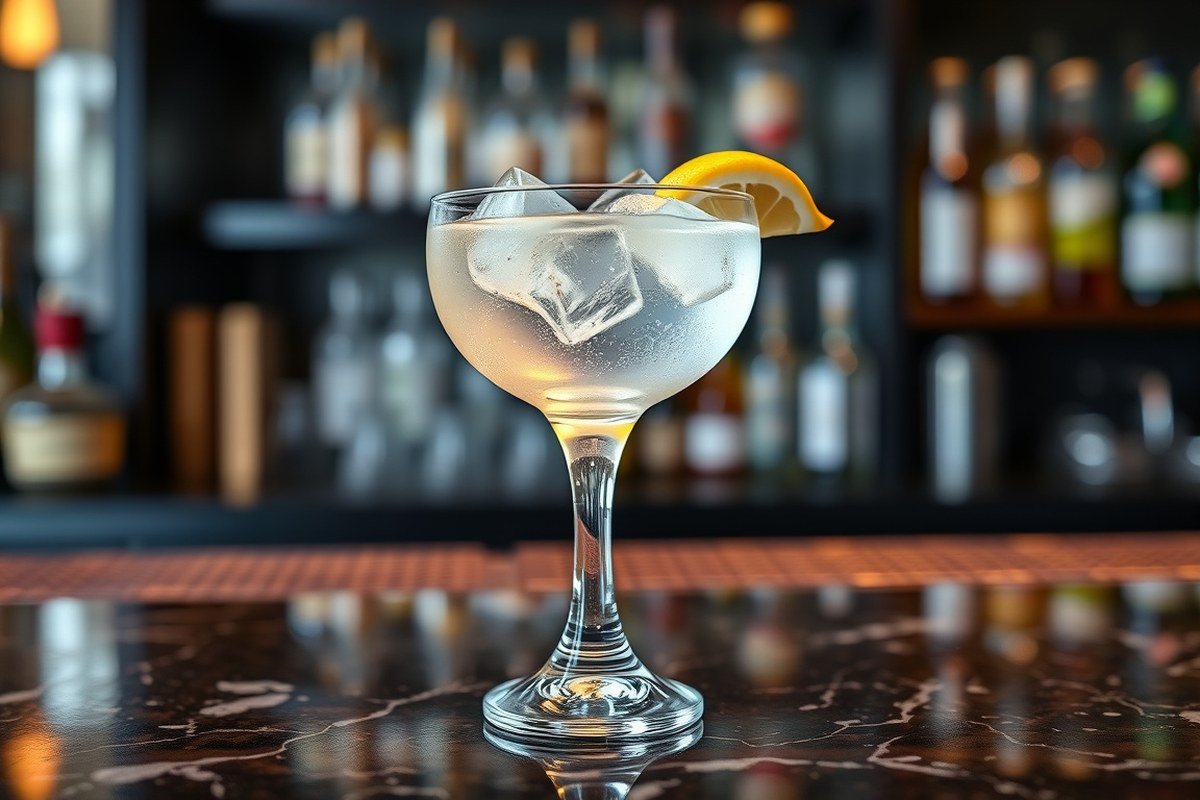
Knowing basic cocktail terms like neat, on the rocks, and straight up helps you order drinks exactly how you want them. These terms describe how your drink is served, whether with ice, chilled, or at room temperature, and can change the drinking experience. Other terms like twist or chaser clarify garnishes or accompaniments to the drink. Understanding these words prevents confusion and ensures your cocktail meets your expectations.
Neat, on the Rocks, and Straight Up
Ordering a drink “neat” means you want it served at room temperature without ice or mixers. This is common for spirits like whiskey and is usually presented in a rocks glass or a snifter. “On the rocks” means the drink is poured over ice cubes, cooling the liquor and slightly diluting it as the ice melts. This is typical for stronger spirits you want chilled but not mixed.
“Straight up” or “straight” usually means the drink is chilled by shaking or stirring with ice and then strained into a glass without ice. This term often applies to cocktails like a Martini, served cold but without ice in the glass. Ordering a spirit neat, on the rocks, or straight up affects the temperature and dilution of your drink, which can change its taste and aroma.
| Term | Meaning | How Served |
|---|---|---|
| Neat | Spirit served at room temperature without ice | In a rocks glass or snifter, no ice |
| On the Rocks | Spirit served over ice cubes | In a rocks glass with ice |
| Straight Up (Straight) | Chilled and strained, no ice in glass | In a cocktail or martini glass, without ice |
These distinctions help the bartender understand your drink preferences without confusion. Serving a Martini “neat” instead of “straight up” could lead to an unexpected room-temperature pour without chilling.
Garnishes and Twists Explained
A “twist” refers to a thin strip of citrus peel, usually lemon or lime, twisted over the drink to release oils and then added as a garnish. It adds a subtle citrus aroma and a slight bitter note. For example, ordering a vodka cranberry “with a twist” means your drink will have that citrus peel on the rim or in the glass.
Other common garnishes include olives, cherries, or herbs. A chaser is something served alongside your drink, like a small glass of water or juice, to follow or chase the main beverage. Requesting a twist or a chaser changes the drink’s presentation and can improve the drinking experience by adding flavor or providing refreshment.
Always specify if you want a specific garnish or no garnish at all to avoid surprises.
Other Common Modifiers (Dry, Dirty, Light)
Modifiers like “dry,” “dirty,” and “light” describe adjustments to the cocktail’s ingredients rather than how it’s served. “Dry” often means less vermouth in a cocktail like a Martini. Ordering “dirty” usually means adding olive brine for a saltier flavor, common in Martinis. “Light” can refer to less alcohol or sugar in the drink, or a lighter pour of a mixer.
Using these terms helps tailor your cocktail to your taste. For example, saying “Old Fashioned with rye, light on the sugar” requests less sweetness without changing the core ingredients. Saying “Old Fashioned served up” means you want no ice, which affects dilution and temperature.
Choosing the Right Cocktail Based on Your Taste and Bar Type
Choosing a cocktail that fits your tastes and the type of bar you’re in makes your night out more enjoyable. Focus on classic cocktails if you’re new, learn what flavors you prefer, and pick drinks that match the bar’s style. Asking your bartender for recommendations based on these points helps too.
Popular Classic Cocktails for Beginners
Starting with simple classic cocktails keeps things easy and enjoyable. Drinks like the Tom Collins, Martini, or Gin and Tonic are widely available, straightforward, and let you explore different spirits and mixers without overwhelming complexity. These cocktails cost about $9, $12 at casual bars and $14, $18 at craft cocktail bars.
The Tom Collins, for example, is essentially a sour topped with club soda. Its bright, refreshing taste is approachable if you’re new to cocktails. A Gin and Tonic offers a crisp and slightly bitter flavor that highlights the spirit without too much fuss. Martinis are straightforward but feel special and are a good way to experience a drier, spirit-forward drink.
Matching Your Flavor Preferences
Your personal flavor preferences guide what cocktail you’ll enjoy most. You might enjoy sweet drinks, fruity cocktails, or Tiki drinks like a Zombie. You tend to avoid sweet flavors, so try classic sour or spirit-forward cocktails like a Whiskey Sour or Manhattan. When unsure, tell the bartender your preferred tastes or mention cocktails you’ve liked before; bartenders trained in craft cocktail bars are happy to customize or recommend. A decision rule chart below matches common taste preferences with cocktail styles and is a great way to narrow choices:
| Taste Preference | Recommended Cocktails | Typical Bar Type |
|---|---|---|
| Light, Crisp, Refreshing | Tom Collins, Gin and Tonic | Casual, Dive, Cocktail Bar |
| Sweet, Fruity | Zombie (Tiki), Daiquiri | Tiki Bar, Cocktail Bar |
| Strong, Spirit-Forward | Martini, Manhattan | Cocktail Bar, Hotel Bar |
| Sour, Balanced | Whiskey Sour, Margarita | Cocktail Bar, Casual Bar |
| Simple, Easy | Gin & Soda, Basic Highball | Dive Bar, Casual Bar |
Use this chart to decide what to order by matching your taste to the kind of bar you’re visiting. It helps avoid uncomfortable choices or drinks that don’t fit the setting.
Choosing Drinks by Bar Atmosphere
The type of bar affects what cocktails will be best made and priced. Dive bars shine with simple mixed drinks like gin and soda or beers, usually at lower prices and made quickly. According to bartender Chris Tunstall, expecting complicated cocktails or rare ingredients at these bars isn’t practical.
Conversely, cocktail bars specialize in craft cocktails with a wide range of ingredients and expert mixologists. They often have their own signature drinks and bespoke cocktails, tailored to your preferences if you ask. Signature cocktails may cost $14 to $18 or more but offer a special experience that suits the bar’s vibe. Hotel bars and steakhouses often serve classic and spirit-forward cocktails on the pricier end, from $16 to $22.
Matching the cocktail to the bar means ordering drinks within their strengths. At a cocktail bar, you might try a complex concoction or a lesser-known classic. At a dive bar, choosing simple, well-executed drinks provides better value and quality without frustration. A good script to use when ordering is: “I like [sweet/sour/stong/mild] flavors and usually enjoy [name of cocktail]; what would you recommend here that’s similar?”
How to Customize and Modify Your Cocktail Order
Ordering a cocktail with customizations lets you tailor the drink to your taste, but keeping requests clear and reasonable will help the bartender serve you better and faster. You can ask for less sweetness by specifying “less sugar” or “light on the syrup” to reduce sugar content. Swapping mixers is common; for example, asking for soda water instead of tonic can cut calories and bitterness. Saying “no ice” or “extra ice” directs the bartender on the drink’s temperature and dilution, but note that no ice means the drink won’t chill or dilute, which some cocktails rely on for balance.
Focus on simple, straightforward modifications especially during busy times. Complex changes that require adjusting multiple ingredients or repeated preparation might slow service and annoy bartenders. A good guideline is to request changes to one or two components rather than redesigning the entire drink. Here’s a quick checklist of common cocktail modifiers you can use:
- Less sugar or syrup (e.g., “half the simple syrup”)
- No ice, extra ice, or specific ice type (e.g., “cubed, not crushed”)
- Alternative mixers like soda water, tonic water, or juice
- Swap garnish (e.g., “no cherry,” or “lime instead of lemon”)
- Specify spirit quantity changes (“one ounce instead of two”)
- Ask for a cocktail to be served neat (no ice, about two ounces)
Always use polite, clear language to make requests. Try saying, “Could I get an Old Fashioned with less sugar, please?” or “Would it be possible to have this without ice?” Using “please” and “thank you” goes a long way when asking for modifications.
Expect that some drinks don’t pair well with certain changes. For instance, the classic Old Fashioned needs bitters, sugar, spirit, and an orange peel to balance. Asking for it “just whiskey” isn’t the same drink and may disappoint. At packed bars, it’s better to pick a cocktail that suits your preferences from the menu or ask the bartender for a recommendation instead of customizing heavily.
Keep in mind that premium or craft cocktails may cost a bit more if the mixologist uses extra fresh ingredients to fulfill special requests. Still, simple tweaks like less syrup or no ice usually don’t affect the price. If your modifications require extra time or ingredients, the bartender might let you know if a different cocktail is more practical.
How Much to Expect to Pay and Tip for Cocktails
Expect cocktail prices to vary significantly depending on the type of bar you visit and the complexity of the drink you order. Casual bars typically charge between $7 and $12 for most cocktails. Craft cocktail bars, where bartenders use premium or top-shelf spirits and fresh ingredients, often charge $12 to $18 or more. Specialty cocktails that include rare spirits or unique ingredients usually add at least $4 to the base price. Knowing these prices helps you prepare and avoid surprises when settling your bill.
The tipping amount generally ranges from $1 to $3 per drink, with $2 being a common baseline in most bars. Increasing your tip makes sense when bartenders go beyond the standard service, like recommending a rye whiskey you end up loving, expertly making a complex cocktail without needing detailed instructions, or remembering your favorite order from a previous visit. Customers who do this help support bartenders’ skill and continued attention to craft.
| Bar Type | Typical Cocktail Price Range | Tip Amount per Drink |
|---|---|---|
| Casual Bar | $7 to $12 | $1 to $2 |
| Craft Cocktail Bar | $12 to $18+ | $2 to $3 or more |
| Specialty or Top-Shelf Cocktails | Additional $4+ per drink | $2 to $4+ |
Adjust your tip based on how much effort and expertise your bartender puts into your order. A straightforward mixed drink at a casual bar may only warrant a $1 tip. A carefully crafted cocktail with high-end spirits or unique preparations often deserves $3 or even higher. This encourages quality service and ensures your bartender feels appreciated.
Tip: If your bartender remembers your usual drink or suggests a new favorite without being prompted, consider leaving a larger tip to show your appreciation for their attentiveness and expertise.
Common Mistakes When Ordering Cocktails and How to Avoid Them
Beginners often trip up by using vague or confusing phrases when ordering cocktails. Saying “anything with whiskey” or “something strong” leaves bartenders guessing, which can lead to an unsatisfactory drink. Instead, name a specific cocktail or ingredient you enjoy, or describe the flavor profile clearly, like “a sweet and sour whiskey drink.” This helps the bartender make your drink just right.
Another common error is appearing rude or indecisive at the bar. Holding up the line while wavering over choices or asking for complex customizations without clarity can frustrate bartenders and other patrons. Prepare your order before reaching the counter. To modify a drink, state your preferences politely and briefly, such as “I’d like a gin and tonic, but with less tonic, please.””
When you order the wrong drink by mistake, politely tell the bartender as soon as you realize. A simple, “Excuse me, I meant to order a Margarita instead of this,” is usually enough. Avoid complaining about the taste; instead, ask if you might exchange it or order a different cocktail. Most bars will accommodate reasonable requests without an issue. When in doubt, keep your tone friendly and patient.
- Saying “make me something good” without details, better: suggest a flavor you like or a specific spirit.
- Ordering rare or trendy drinks without knowing their ingredients, better: research or ask for a recommendation based on your taste.
- Using terms like “on the rocks” incorrectly, better: know the difference between neat, on the rocks, and straight up.
- Changing your order multiple times, better: decide in advance and confirm politely.
- Ignoring bartenders’ questions or instructions, better: answer clearly to ensure your drink is made correctly.
Good communication at the bar costs nothing besides a bit of thought and practice. The result is a drink crafted to your liking and a smoother experience for everyone involved. When you use clear phrases and respect the bartender’s expertise, you make a positive impression and increase the chances of getting great service.
How to Decode a Cocktail Menu and Ask for Recommendations
Understanding a cocktail menu and asking the bartender for recommendations makes ordering easier and more enjoyable. Look for familiar ingredient names or descriptions, then describe what you like using simple taste words if you don’t know cocktail names. When you want a suggestion, ask the bartender politely and share your preferences clearly.
Recognizing Common Ingredients
Cocktail menus often list base spirits like vodka, gin, rum, whiskey, or tequila. Knowing these basics helps you identify drinks that might suit your taste. You might also see ingredients like citrus juices, simple syrup, bitters, or herbs. When ingredients confuse you, ask the bartender for a brief explanation or what flavors they add to the drink.
Many cocktails include modifiers such as sweet, sour, or bitter components. Recognizing terms like “fresh lime,” “honey syrup,” or “aromatic bitters” can help you imagine the overall flavor profile. Some menus also mention preparation styles like shaken, stirred, or muddled, which affect the drink’s texture and strength.
Describing Your Taste Preferences
Using adjectives is a useful way to explain what you like, especially when you don’t know specific cocktail names. Say things like “I prefer something light and fruity,” “I like it less sweet,” or “I enjoy creamy drinks.” Mention if you want a strong alcoholic taste or something softer.
Since bartenders expect questions, they usually ask follow-up questions to understand your preferences better. Be ready to say if you like citrus, spicy, bitter, or sweet flavors. Sharing a few drinks you already enjoy helps, too. For example, “I like margaritas but not overly salty,” or “I enjoy a gin and tonic.”
Making a Polite Recommendation Request
Asking for a recommendation works best when you’re clear and friendly. Start by greeting the bartender politely, then share your taste preferences. When the bar isn’t too busy, bartenders often enjoy helping guests find the right drink. Here are steps to ask for a recommendation:
- Greet the bartender with a friendly “Hi” or “Hello.”
- Describe what you like in simple terms, such as “I like fruity and not too strong,” or “I prefer a drink with whiskey and a bit of sweetness.”
- Ask, “Do you have any cocktails you’d recommend with those flavors?”
- Request explanations of any ingredients or flavors you don’t understand, for example, “What does [ingredient] taste like?”
- When interested, ask if you can taste before ordering, especially if the bar isn’t busy.
- Thank the bartender for their help and place your order once you’ve chosen.
This approach lets bartenders tailor suggestions to your taste, making your experience better. It costs nothing but a bit of time, and it often leads to discovering new drinks you’ll enjoy. Avoid rushing the request if the bar is crowded, as bartenders might not have time for detailed explanations.
What to Do When You Have Dietary or Allergy Concerns
Communicating your dietary needs or allergies clearly to the bartender is essential for enjoying your cocktail safely. Begin by stating your allergy upfront in simple terms, such as, “I’m allergic to eggs and nuts.” This direct approach helps the bartender understand your restrictions immediately and suggest safe options. Avoid vague phrases like “I can’t have certain things,” since precise information prevents mistakes.
Common cocktail ingredients that may cause allergic reactions include egg whites, used to create foams and frothy textures in drinks like the Whiskey Sour. Nuts in flavored liqueurs such as amaretto, or fruits like strawberries and citrus, can also be triggers. Dairy is rare in cocktails but sometimes appears in creamy drinks. Mention each allergy you have individually to avoid any confusion.
- State your allergy or dietary need clearly and early.
- Ask if the cocktail contains egg whites, nuts, dairy, or any common allergens.
- Request vegan or allergy-friendly alternatives, such as aquafaba instead of egg whites.
- Specify if you want a low-sugar option by asking for less syrup or sugar-free substitutes.
- Confirm the bartender understands by repeating key restrictions back to you.
- Be patient and polite, the bartender may need a moment to check ingredients.
Many bars can adapt cocktails to be vegan by using aquafaba (chickpea water) instead of egg whites or skipping cream ingredients. For lower sugar, ask for less or no added syrup, or if they have sugar-free liqueurs or fresh citrus substitutes. Keep in mind that customizations might take extra time and could slightly raise the price, typically by $1 to $3 more for specialty ingredients or extra labor.
Always double-check if you have a severe allergy; small traces of an allergen can unknowingly be in syrups or mixers.
Clear communication leads to better service and safer drinks. Ask the bartender to list cocktail ingredients or suggest an alternative when you’re unsure. A skilled bartender appreciates clear instructions and will often offer creative solutions to make your drink enjoyable without risking your health.
Step-by-Step Action Plan to Order a Cocktail with Confidence
Use this simple plan next time you’re at a bar to order your cocktail clearly and enjoy the experience.
- Before You Go: Decide on a flavor profile you like, such as sweet, sour, or bitter. This helps you narrow down your choices quickly once at the bar.
- As You Sit Down: Scan the cocktail menu and spot any familiar terms or spirits. If unsure, ask the bartender for a quick explanation or a recommendation.
- When You’re Ready to Order: Speak clearly and state your drink by name, then add any modifications like less sweet or on the rocks. Confirm the bartender repeats your order back so you know they got it right.
- While Waiting: Watch the bartender mix your drink to understand more about the process and confirm they followed your requests.
- After Receiving Your Drink: Taste it and if it’s not quite right, politely ask the bartender to adjust it. Bartenders usually appreciate clear feedback.
- Before You Leave: Tip around 15% to 20% of the drink price to show appreciation for good service. This builds a friendly relationship for future visits.
Frequently Asked Questions
How Do I Order a Cocktail at a Bar Without Seeming Clueless?
State your drink clearly, mention any preferences, and be polite. This shows respect for the bartender and helps avoid confusion, making the process smoother.
What Is the 3:2:1 Cocktail Rule?
It’s a mix ratio of 3 parts base spirit, 2 parts sour, and 1 part sweet. This helps balance flavors in classic cocktails like the Margarita or Whiskey Sour.
What Are Three Questions I Should Ask When Ordering a Martini?
Ask about the type of gin or vodka, vermouth amount, and how it’s garnished. These choices affect the drink’s strength and taste.
What’s a Good Cocktail to Order at a Bar If I’m Unsure?
Order a simple classic like an Old Fashioned or Whiskey Sour. They’re reliable and show you know what you want without being too complicated.
What Do I Say When Ordering Drinks at a Bar to Get Better Service?
Speak clearly, mention your preferences or allergies, and ask if they recommend something. Good communication helps the bartender craft a drink you’ll enjoy.
Can I Customize a Cocktail Without Confusing the Bartender?
Yes, specify simple changes like less sweet or extra strong. Complex modifications might slow service, so keep it straightforward.
Wrapping Up
Ordering a cocktail becomes much easier when you know the key terms and how to communicate your preferences confidently. The next time you visit a bar, use what you’ve learned to choose a drink that fits your taste and enjoy each sip without hesitation. Your willingness to ask questions and provide feedback will make your entire experience more enjoyable and rewarding.