How to Order a Drink at a Bar: A Complete Guide for Beginners
Knowing how to order a drink at a bar helps you feel confident and avoid confusion. Speak clearly, specify your drink choice, and understand basic terms like “well,” “call,” and “premium” drinks. This makes your experience smoother, especially when faced with a busy bar or unfamiliar menu.
This advice is perfect for beginners and casual bar-goers wanting practical tips on ordering, tipping, customizing drinks, and handling issues politely. You’ll learn straightforward steps to order your drink the right way, even if craft cocktails or special requests are involved.
Key Takeaways
- Start your order with a clear drink name or type, like “gin and tonic” or “Craft IPA.”
- Know that ‘well’ drinks use the bar’s standard liquor and cost less than premium options.
- Request a “single” for one shot or a “double” for twice the liquor in your mixed drink.
- Customizing a margarita’s serving style (frozen or on the rocks) matters, say it before other preferences.
- Tip 15-20% of your total bill as a polite gesture, especially at regular bars you visit often.
- Don’t ask the bartender to make your drink stronger; it’s better to order a double or a different spirit.
How to Order a Drink at a Bar Step-by-Step
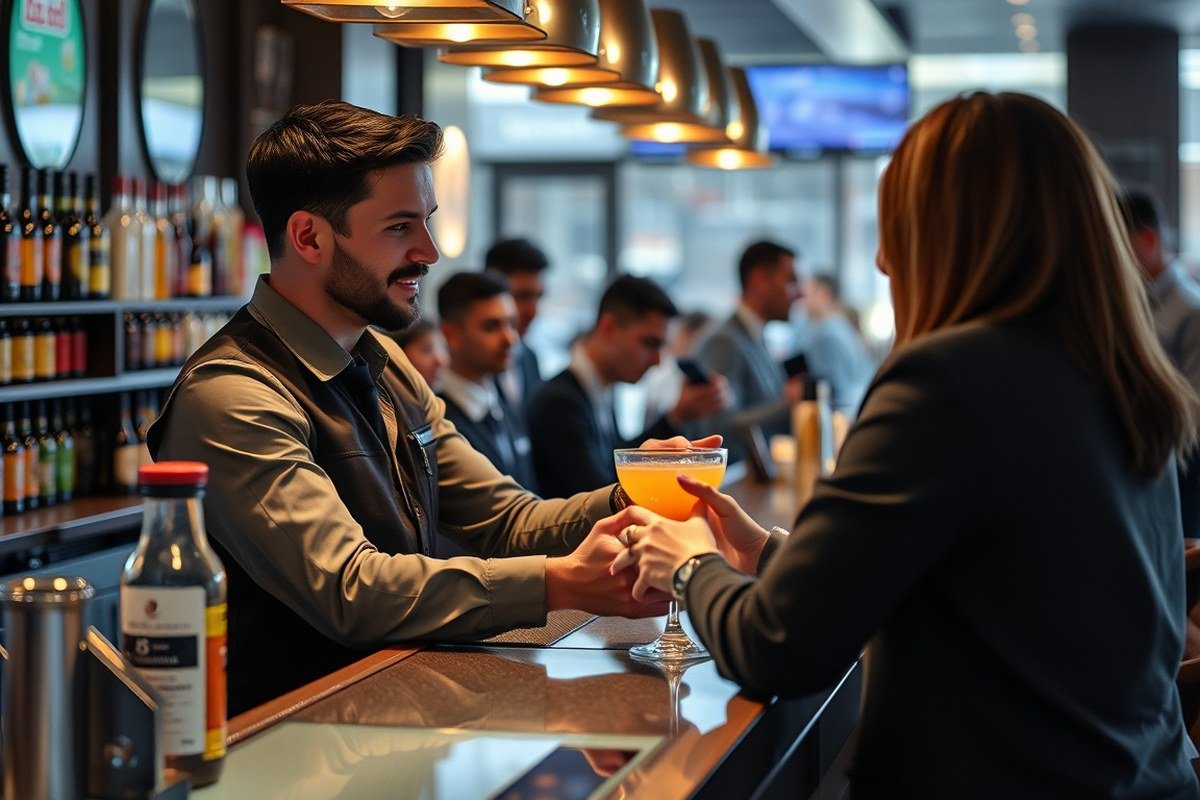
Ordering a drink at a bar starts with being prepared and respectful. Knowing what you want before you reach the bar speeds up the process and makes it easier for the bartender to serve you quickly. Polite signals like eye contact or a slight nod help catch the bartender’s attention without interrupting their work. Clear and confident communication about your order ensures you get exactly what you want and avoids confusion. Tipping after ordering lets the bartender know you appreciate their service, which can improve your experience.
- Approach the bar and find a spot to stand. Choose a place where you won’t block others but are close enough for the bartender to notice you. Stand upright, facing the bartender.
- Know what you want before ordering. Check the drink menu or specials on display. When you’re unsure, ask the bartender for recommendations after they acknowledge you.
- Get the bartender’s attention politely. Make eye contact or raise your hand slightly. Avoid shouting or waving; a calm signal lets the bartender know you’re ready without disrupting their workflow.
- Wait for the bartender to approach you. Don’t try to cut in line or call out from a distance. Bars often get busy, so it helps to be patient and respectful of others waiting.
- Place your order clearly and calmly. Start with the drink’s name and any key details, such as how you like it served. For example, say “A gin and tonic with plenty of ice, please,” or “One draft IPA.” Be specific if you want customizations, like “No lime in my margarita.”
- Listen to any questions or suggestions. The bartender might ask if you want your drink with 1, 3, or plenty of ice, especially in places that use only standard ice. Respond clearly to avoid misunderstandings.
- Show appreciation with a tip. It’s standard to tip $1 to $2 per drink or 15-20% of the drink’s price. Leaving a tip for each drink signals good manners and encourages attentive service.
- Wait patiently for your drink and don’t hold up the line. Once you order, step slightly to the side to allow the next customer to order. To hold your spot at a busy bar with a drink, place your coaster on top of your glass.
Following these steps improves your ordering experience at the bar, helps the bartender work efficiently, and shows respect to others in line. With practice, ordering becomes quicker and more comfortable, letting you enjoy your night out confidently.
Different Types of Drinks and What to Know About Them
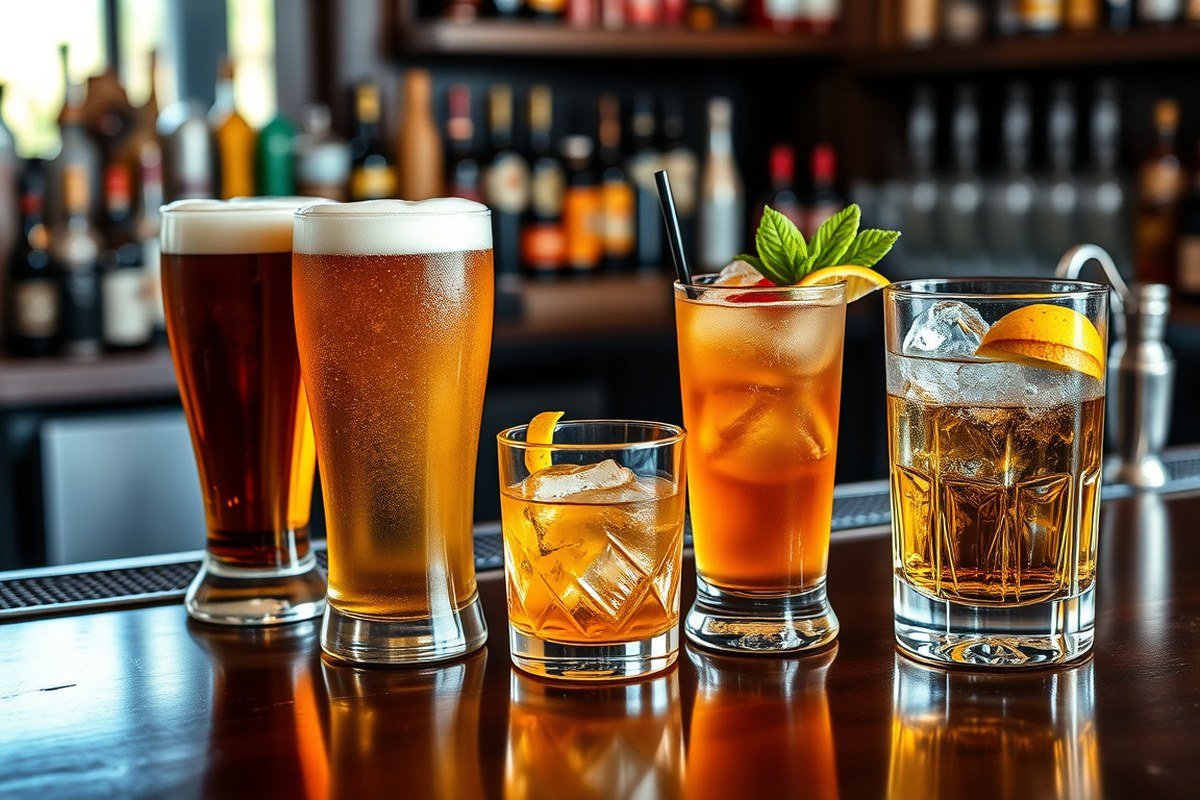
Understanding different types of drinks can help you order confidently and enjoy what you choose. Drinks break down mainly into beer, wine, cocktails or mixed drinks, shots, and neat or on-the-rocks liquor. Knowing what each type offers and how to order them makes your experience smoother, especially in busy bars or when trying something new.
Popular Beer and Wine Options
Beer is usually the easiest to order at a bar since it comes from taps or bottles and is straightforward. You can ask for a draft beer by its name or simply say “a beer” if you’re unsure, and the bartender will offer what’s on tap. Bottled beer often includes popular domestic lagers and some craft beers. Prices start around $4 to $8 depending on location and style.
Ordering wine involves specifying red, white, or sometimes rosé, by the glass or bottle. Bars typically offer a few standard wines like Cabernet Sauvignon or Chardonnay. A good way to order is: “A glass of red wine, please,” or naming a variety you like. Wine is stored and served at specific temperatures, so a red wine glass will come at room temperature, while white wine is chilled. Expect a glass to run $7 to $12 in most bars.
Cocktail Types and Common Ingredients
Cocktails and mixed drinks combine liquor with mixers like soda, juice, or bitters. A mixed drink often names the liquor followed by the mixer, such as “rum and Coke.” For precision, specify “single” for one liquor shot or “double” for two shots. Classic cocktails like a Margarita, Martini, or Old Fashioned usually have a defined recipe, but bartenders may vary the taste. You can also ask for a “tall” drink if you want extra mixer to make it less strong.
Cocktails let you enjoy different flavors shaped by fresh ingredients or garnish. Bars with a cocktail menu may offer seasonal or specialty drinks with detailed ingredients. Giving the bartender clear instructions helps get exactly what you want, especially with ice preferences or modifications like “light on the sour.” Prices generally are $8 to $15 or more per drink depending on the bar and ingredients.
Cocktail recipes can vary widely by bar and bartender, so clearly stating your preferences prevents surprises.
Ordering Shots and Straight Liquor
Shots are quick drinks often served in small glasses and consumed in one go. Commonly ordered in bars for celebrations, you can choose from types like tequila, whiskey, or vodka. Ordering a shot is simple: say “a shot of [liquor type],” and the bartender knows to serve a small measure. The cost typically ranges from $5 to $10 depending on the spirit.
Straight liquor, also called neat, means the spirit is poured without ice or mixers, served in a short glass. You can also ask for it “on the rocks,” which means poured over ice cubes. Ordering neat is a good way to taste the liquor’s character. You simply say, “a single whiskey neat” or “a vodka on the rocks.” Be explicit about single or double servings, as a double has twice the liquor. This ordering style suits those wanting to experience the spirit itself or a simple, strong drink.
Understanding Well, Call, and Premium Drinks
When ordering a drink at a bar, understanding the difference between well, call, and premium drinks helps control your spending and ensures you get the quality you want. Well drinks use the bar’s basic, cheapest brand of alcohol, usually stored in the speed rack or “well” in front of the bartender. Call drinks let you specify a particular brand you prefer, often one the bar has stocked more prominently. Premium or top shelf drinks are the most expensive, highest-quality brands, often displayed on the top shelf behind the bar.
These categories affect the price. Well drinks cost the least but can vary widely in quality. Call drinks are mid-range and let you pick a known brand, often slightly pricier. Premium drinks are generally the priciest but offer better taste or smoother finishes. This can impact your experience and budget, so know which level fits your mood or wallet.
| Drink Type | Alcohol Quality | Price Range (typical US bar) | How to Order |
|---|---|---|---|
| Well (Rail) | Basic, lowest-priced brand | $3 to $6 | Name the drink without specifying brand (e.g., “gin and tonic”) |
| Call | Specific brand requested | $5 to $8 | Use brand name + drink (e.g., “Tanqueray gin and tonic”) |
| Premium / Top Shelf | Highest-quality, expensive brand | $7 to $12 or more | Specify premium brand clearly (e.g., “Bombay Sapphire gin and tonic, please”) |
It’s best to choose your drink type based on how much you value quality versus cost. For casual evenings or group rounds, well or call drinks might keep the night affordable. Save premium drinks for special occasions or if you want a smoother flavor. When you order, state the exact alcohol brand after naming your drink to avoid confusion. For example, say “Call vodka soda with Tito’s” rather than just “vodka soda” if you want the brand.
One important tip is to avoid last-minute changes in your order when a bartender is busy. It can slow them down or cause mix-ups, affecting the quality of drinks for everyone. Make your choice before stepping up to the bar or as soon as possible for smooth service.
Also, remember that the classification of brands can vary by bar. One place might consider Bacardi rum a well brand while another lists it as call. Asking the bartender about their well and call brands when you arrive helps set expectations for price and taste.
Tipping Etiquette and Payment Methods at the Bar
Always tip the bartender when ordering drinks. The standard tipping rate in the United States is 15 to 20 percent of your total bill. This shows appreciation for the service and encourages good treatment. For a single drink, leaving $1 to $2 per drink is common. Tipping per drink works well when you order one or two drinks and pay as you go. Opening a tab makes payment easier and tipping clearer when you plan to stay longer and have several drinks.
Opening a tab means giving the bartender your credit or debit card and asking them to keep it behind the bar while you order multiple drinks. This prevents you from fumbling for cash or cards every time you want another round. To open a tab, simply place your card on the bar and say, “I’d like to open a tab, please.” The bartender will keep your card and add every drink you order until you close the tab.
Keep in mind that tabs must be closed before you leave. When you’re ready to pay, tell the bartender “I’d like to close my tab.” They will provide the bill for all your drinks. At this point, calculate your tip, usually 15 to 20 percent. For example, if your tab is $40, a tip of $6 to $8 fits within that range. You can tip in cash or add it to the credit card payment. Some bars automatically include a gratuity for large groups, check your receipt to avoid double tipping.
Tipping per drink is a good rule when only ordering one or two beverages, especially if you pay in cash each time. Starting with a few drinks, opening a tab is more convenient and usually preferred by the bartender. Paying as you go with cash can slow down service and cause a distraction behind the bar. Being prepared by having a payment method ready and deciding if you want to open a tab helps create a smooth experience for everyone.
Tipping appropriately matters because bartenders often rely on tips for a significant part of their income. A fair tip rewards attentive and friendly service. It also encourages speed and accuracy in preparing your order. Failing to tip or tipping too little can lead to slower service or less attention next time. When closing your tab, check the bill carefully. When the bartender makes a mistake or your drink costs less than expected, adjust your tip to reflect that. Tipping exactly 15 to 20 percent on the accurate charge is a good approach.
Use this simple decision rule: if ordering one or two drinks, tip $1 to $2 each and pay as you go. Ordering three or more drinks or planning to stay a while calls for opening a tab and tipping 15 to 20 percent on the final bill. When closing your tab, say “I’d like to close my tab, please,” review the bill, add your tip, and pay. Using cash or card works in both cases, but having a card ready helps speed up opening a tab. Following this approach keeps payment smooth and makes bartenders more willing to serve you promptly and politely.
Effective Ways to Customize Your Drink Order
Customizing your drink order is okay when done clearly and politely. Specify your preferences like ice level, garnish, sweetness, or alcohol type with simple, straightforward language. Avoid overcomplicating your request, especially during busy hours, to keep the bar experience smooth for everyone.
Specifying Ice, Garnishes, and Glass Type
State exactly how much ice you want, such as “light ice” or “no ice,” so the bartender knows your preference. Mention your garnish clearly, for example, “lime wedge instead of lemon” or “no garnish.” Some drinks have typical glassware, but you can ask for a specific type if you prefer, like a rocks glass instead of a highball.
Use short, precise phrases: “Margarita on the rocks with a salted rim” or “Gin and tonic, no ice, with a lemon twist.” This helps avoid confusion and speeds up the order. Remember, margaritas often come frozen or on ice, so say which you want before other details.
Ordering Sweetness and Alcohol Strength
Be clear about sweetness by saying “less sweet” or “extra sweet.” For example, “Less sugar in my mojito, please.” Avoid vague requests like “make it stronger.” Bartenders set standard alcohol amounts based on cost and recipe. To get a stronger drink, ask specifically for a double shot instead of saying “make it stronger.”” Ask if your preferred alcohol brand counts as a well drink or premium if that matters to you. Keep in mind that asking for custom alcohol percentages usually isn’t possible at most bars because standard pours control pricing and consistency.
- Ask for “neat” if you want no ice or mixers (straight from the bottle, no chill)
- Order “on the rocks” for your drink over ice cubes
- Specify “frozen” for cocktails like margaritas if you want slush consistency
- Request a garnish clearly, such as “olive” or “orange peel”
- Use “light,” “regular,” or “no” to describe ice amount
- Say “less sweet” or “extra sweet” to adjust sugar levels
- Request a double shot or a single, rather than “stronger” or “weaker”
This checklist can help you stay clear and polite without adding stress to the bartender’s workflow.
When to Avoid Complex Requests
During crowded or busy times, limit your order to standard drinks or simple customizations. Complex variations or asking the bartender to invent a drink can slow service and annoy staff. Save complicated requests for quiet hours when bartenders have time to focus on your order.
Don’t expect special substitutions if the bar is busy or the requested ingredient isn’t stocked. Also, avoid asking for multiple changes in one order. When unsure about the bar’s options, ask politely before ordering: “Is it okay if I customize this drink?””
Clear, polite, and simple is the best way to get exactly what you want without frustrating the bartender.
Bar Etiquette Dos and Don’ts When Ordering Drinks
Ordering a drink at a bar requires respectful behavior to keep the atmosphere enjoyable for everyone. Speak clearly and wait your turn without interrupting the bartender or other customers. Avoid shouting or waving your hands to get attention; a simple nod or eye contact is often enough. Keeping your volume moderate helps maintain a pleasant environment, especially in crowded spaces.
Engaging politely with the bartender opens the door to better service. Start with a friendly greeting and state your order confidently but simply. When you’re unsure what to order, look at the bar menu or ask the bartender for a recommendation rather than taking too long to decide. This respects the bartender’s time and helps keep the line moving during busy hours.
Stay aware of your surroundings by not leaning heavily on the bar or taking up more space than necessary. This allows others to approach the bar easily. When the bar is crowded, stick to standard drinks or options on the menu to help speed up your order. Avoid complex or highly customized drinks unless there is ample time to wait.
- Wait your turn and maintain eye contact without shouting.
- Greet the bartender before ordering and be specific but concise.
- Use the bar menu or ask for quick recommendations if you’re undecided.
- Avoid large groups crowding one spot at the bar.
- Tip appropriately to show appreciation for good service.
- Order simple drinks during busy times.
- Keep phone use brief and away from the ordering area.
Being patient and courteous costs nothing but makes a big difference. Feeling uneasy ordering or unsure about drink names? Choose a classic like a gin and tonic or a neat whiskey to keep it simple. Bartenders appreciate customers who are respectful and clear, which can lead to quicker service and more attentive care. Avoid behavior like bumping the bar, loudly complaining, or switching orders repeatedly, as this disrupts the flow and can annoy others. Taking these steps fosters a friendly environment where you and other patrons can enjoy the night.
What to Do If You Don’t Like Your Drink or Encounter Problems
Not liking your drink at a bar happens, and it’s okay to handle it politely and confidently. The key is to communicate clearly and respectfully with the bartender. You can send a drink back if it genuinely tastes off or isn’t what you expected. For example, if your cocktail is too sour, overly bitter, or missing a key ingredient you specified, let the bartender know rather than just sipping on it because you feel awkward. Avoid sending back drinks just because you aren’t accustomed to a strong flavor, like a smoky mezcal, unless you genuinely dislike it, as this might annoy staff.
Start by politely saying something like, “Excuse me, I’m sorry, but this isn’t quite what I expected. Could it be a bit sweeter/less strong/made with a different spirit?” Clear feedback helps the bartender know how to fix it. When the drink is made incorrectly, most bars will remake it at no extra cost or suggest another option. Simply saying, “This tastes a little different from what I ordered. Would you mind making me a new one with the original recipe?” usually works well.
Choose your words kindly and keep your tone friendly even if the drink wasn’t what you wanted. This approach increases the chances of a helpful fix without frustration. Do not demand or blame the bartender. Instead, focus on what you want changed. For instance, “I ordered a gin and tonic, but it feels like it’s mostly tonic. Could you add more gin, please?” gives them a clear task.
When you’re unsure about what to order or how a drink tastes, ask questions first to prevent disappointment. Say, “Can you recommend a drink that’s not too bitter and a bit fruity?” This saves time and makes your order clearer.
Sometimes, you may want a completely different drink rather than a fix. Politely mention this by saying, “I don’t think this one is for me. Could I get a different drink instead? I’m happy to pay for it.” Don’t expect a free replacement unless the bartender made an error. In slow times, bartenders might be more flexible, but during busy hours, be ready to pay again.
Sending a drink back should be done promptly after tasting, ideally after the first sip. Waiting too long can seem like you’re wasting the bartender’s time or ingredients. When the bar gets busy, wait for a break or until the bartender comes close, so you don’t disrupt their flow.
Good results look like a drink adjusted to your taste or a new drink made without hesitation. What doesn’t work well is being vague about why you don’t like the drink or being rude, which could lead to poor service or tension. Always remember bartenders are professionals, and courteous communication pays off.
Tips for Handling Busy Bars and Special Requests
Getting your drink order in and handling special requests smoothly at a busy bar requires patience, clear communication, and respect for the bartender’s time. Use polite signals and wait for a natural pause to catch attention, and understand that some requests might not be possible or appropriate in crowded settings.
Best Ways to Get Attention Politely
To get the bartender’s attention without being annoying, position yourself where you can be easily seen, like near the end of the bar. Avoid yelling or snapping fingers, which can come off as rude. Wait for a clear moment, such as after the bartender finishes serving other guests, before speaking.
Ordering something from the menu helps streamline the process, especially since many cocktail bars have unique offerings. Knowing what you want in advance reduces back-and-forth questions, making it easier for the bartender to serve you quickly.
- Make eye contact and smile to signal politely
- Step slightly forward to a visible spot near the bar
- Wait for a break or when the bartender nods or glances at you
- Order quickly and clearly once acknowledged
- Know the menu or specials to avoid long explanations
- Use a gentle hand raise if needed, not snapping fingers
- Be patient during busy periods and avoid impatience
Keep your signals kind and respectful; impatience can slow service for everyone.
Handling Special Non-Drink Requests
Bartenders often face spontaneous non-drink requests, like charging a phone, adjusting music, or changing TV channels. You may ask, but keep expectations realistic depending on how busy the bar is. It’s best to ask briefly after your order is placed, so it doesn’t delay service to others.
For charging your phone, some bars provide charging stations or outlets. It’s polite to limit your charging time and avoid unplugging other devices. Regarding music or TV channel changes, these are typically controlled by management or automated systems, so bartenders may not have control or time to accommodate. A simple way to ask without sounding demanding is: “Would it be okay to plug in my phone here briefly?” or “Is there a way to switch the music style tonight?” Being polite and understanding if the answer is no helps maintain goodwill.
When to Avoid Extra Requests
In extremely busy settings, avoid making special requests that can slow down service. Bars packed with guests during peak times have bartenders focusing on drink orders, so extra favors can cause delays and frustration. Save non-urgent requests for quieter times or when the bartending staff invites inquiries.
Requests like changing the music or TV channel are more appropriate if the bar encourages guest input, but doing so during rush hours is usually off limits. Also skip asking to charge your phone if there’s no designated area; this keeps the bar space clear and safe.
Good results mean faster service and a friendly atmosphere. Overloading bartenders with extra demands can lead to mistakes, longer wait times, or uncomfortable interactions. Respect the flow of the bar and prioritize your requests accordingly.
Step-by-Step Action Plan for Ordering Drinks at a Bar
Follow these simple steps to confidently order your drink and handle any bar situation smoothly.
- Before you approach the bar: Decide what kind of drink you want and if you want it customized. Knowing this helps you order quickly and clearly.
- When the bartender is ready: Make eye contact and speak up with your order. A clear, polite request usually gets you a faster response.
- As you order: Specify size, brand, or mixer if you want something specific. This reduces confusion and increases the chance you’ll get exactly what you want.
- When your drink arrives: Check that it matches your order before taking a sip. This gives you a chance to address any issues right away.
- When paying: Leave a tip of about 15-20% or $1-$2 per drink, depending on service. Tipping well helps build good rapport for your next visit.
- During busy times: Keep your order simple and avoid engaging the bartender for long chats. This speeds up service for everyone.
- If something’s wrong: Politely mention the issue to the bartender calmly. Most will fix problems quickly if you stay respectful.
- After your order: Enjoy your drink responsibly and prepare for your next order by watching your glass and the bar’s flow.
Frequently Asked Questions
What Is a Good Basic Drink to Order When You’re New at a Bar?
Beer is the easiest and most common drink to start with at a bar. It’s straightforward to order and works well in most social situations.
Can You Order Drinks If You’re Not Sure What You Want?
Yes, you can ask the bartender for recommendations if you’re unsure. Bartenders often suggest popular or house specialties based on your preferences.
Is It Okay to Skip the Line to Order a Drink If You Are Very Thirsty?
No, skipping the line is considered rude and against bar etiquette. Waiting your turn shows respect for other customers and the staff.
Should You Decide What to Drink Before Getting to the Bar?
It helps to decide before ordering to speed up the process and avoid misunderstandings. This also makes it easier for the bartender to serve you quickly.
How Should You Signal the Bartender When You’re Ready to Order?
Stand close at the bar and make eye contact or raise your hand slightly when the bartender is free. Avoid shouting or waving wildly.
What Should You Do If You Want a Stronger Drink Than Usual?
Ask for a double, which includes twice the usual amount of liquor. Be clear in your request to avoid any confusion.
Wrapping Up
Ordering a drink at a bar becomes easier with clear choices and polite communication. Next time you step up, focus on being direct and considerate to get the best service and experience. Every visit can build your confidence and comfort in any bar setting.