How to Plan a Graduation Party: Complete Steps and Budget Tips
How to plan a graduation party begins with choosing the right date, venue, and guest list, then organizing food, decorations, and entertainment within your budget. Starting 4 to 6 months ahead allows you to secure popular venues and rentals, especially during peak graduation season when spots fill quickly. You’ll balance a festive atmosphere with careful budgeting to keep costs manageable and guests comfortable.
This advice is for parents, guardians, or friends hosting a high school or college graduation party. You’ll learn practical steps for invitations, meal planning, seating arrangements, and fun activities to celebrate the graduate while staying on budget and avoiding common planning pitfalls.
Key Takeaways
- Aim to send invitations a month to a month and a half ahead of the party to ensure guests, including those traveling from out of town, have plenty of time to plan.
- Book venues and rentals 4 to 6 months in advance to avoid losing options during peak graduation and wedding season.
- Plan for 5 appetizer pieces per guest for the first two hours when hosting an open house style party.
- Estimate about 1.5 pounds of total food per person for a full meal service.
- Choose food and beverage options that accommodate a variety of tastes to please all guests.
- Add simple decorations like floral arrangements at $25 each and affordable tablecloths for a polished look.
Step-By-Step Planning for a Graduation Party

Planning a graduation party involves a clear, organized timeline and specific milestones to keep the process manageable. Starting 4 to 6 months ahead helps secure venues and rentals during busy graduation season. Confirm the graduate’s preferences early, as their input shapes the party’s tone and size. Consistent check-ins on invitations, food choices, and setup details ensure nothing gets overlooked as the day approaches.
Follow a step-by-step plan to handle each critical aspect in logical order. This approach reduces stress and prevents last-minute scrambling. Make sure to track key deadlines for finalizing guest lists, arranging vendors, and coordinating helpers. Monitoring weather forecasts close to the event will help you adjust plans for outdoor elements if needed.
- Confirm the graduate’s preferences, set the date, budget, and guest limit (8 to 10 weeks ahead): This establishes the foundation. Choosing a date aligned with the graduation ceremony allows guests to plan in advance. A clear budget helps allocate funds wisely.
- Finalize the guest list and party format, then send invitations (5 to 7 weeks ahead): Knowing who will attend lets you organize food and seating accurately. Invitations can be digital or printed, with RSVP information to track responses efficiently.
- Select food vendors, rental needs (tables, chairs, tents), entertainment, and decorations (3 to 4 weeks ahead): This is the time to book caterers or order supplies. Make rental arrangements for tents if outdoors to accommodate weather changes. Also, decide on music or games that will keep guests engaged.
- Review RSVPs, provide guest counts to vendors, plan seating, and organize helpers (1 to 2 weeks ahead): Vendors require accurate numbers to prepare. Seating charts ensure comfortable flow, especially if you have dietary restrictions to consider. Assign roles to friends or family for setup and assistance.
- Purchase fresh supplies, organize photos and signage, and check the weather forecast (2 to 3 days before): Gathering last-minute essentials ensures freshness. Personalized signs and photo displays add a celebratory touch. Weather checks help confirm if tents or indoor plans are necessary.
- Set up the party site, brief helpers, secure valuables, and store food safely on party day: Arriving early gives time to arrange decorations and seating before guests arrive. Share the day’s timeline with your team to keep everything running smoothly. Handle food safely to avoid spoilage or contamination.
You may start planning even earlier, especially if the graduation is in a high-demand area or if you want an elaborate venue like a Miami ballroom. Backyard parties typically require less lead time unless you need rentals such as tents or tables. Adjust according to your location, the party’s scale, and the graduate’s preferences to achieve the best outcome without overspending.
Choosing the Right Date, Time, and Venue
Choosing the right date, time, and venue sets the foundation for a successful graduation party. Aim to pick a date three to four months before the event if hosting at home, which gives you enough lead time to finalize other details. Scheduling around the busy party and wedding season can be challenging, so consider avoiding peak weekends to ensure better availability and guest attendance.
Decide on a start time that fits the mood you want. Afternoon parties, starting around 2 p.m., work well for outdoor backyard celebrations when daylight and mild temperatures create a relaxed feeling. Evening parties beginning around 6 p.m. Suit restaurant bookings or indoor venues and allow for a more formal atmosphere. Keep in mind the local climate and whether the location has climate control if you pick an outdoor venue.
The choice between hosting at home or renting a space hinges on your budget, guest count, and desired ambiance. Hosting at home or in your backyard is usually the most affordable and flexible option. It allows for personalized decorations and a casual vibe. Renting a party room or reception hall offers a professional space and usually includes amenities like catering and seating, but it costs more and requires earlier planning. Restaurants provide a built-in meal option and less setup but may limit the hours and noise levels. Outdoor spaces like parks or gardens offer scenic settings but often need permits and contingency plans for weather.
| Venue Type | Cost Range | Flexibility | Capacity | Typical Setup Time Before Event |
|---|---|---|---|---|
| Home/Backyard | $0 – $500 (decor, rentals) | High: customize everything | Up to 50 | Several hours day of event |
| Party Room/Reception Hall | $300 – $1,500+ | Medium: restrictions on decoration, timing | 50 – 200+ | 1-2 hours before event |
| Restaurant | Meal cost per person + possible rental fee | Low: preset menu and hours | Varies (usually up to 100) | Typically ready at seating time |
| Outdoor Public Space (e.g., park) | Permit fees $50 – $200+ | Variable: depends on rules | Varies widely | Several hours plus time for setup and teardown |
Consider the number of guests relative to the venue’s capacity and your budget. For a relaxed, personalized party with fewer than 50 guests, your home or backyard is ideal. Larger groups or less hands-on hosting favors renting a reception hall or restaurant reservation, especially if you want to mark the occasion with a formal feel. Outdoor venues suit spring and early summer dates when weather is mild, but have a backup plan for rain or heat.
Book a rented venue as early as possible, since popular locations fill up quickly during graduation season.
To decide, start by listing your guest count and budget. Choose a date that avoids major holidays and local graduation events to maximize attendance. Next, pick a time that matches the venue type and atmosphere you want. Use the table to weigh cost, flexibility, and guest capacity. This approach helps you find a venue and schedule that fit your needs and makes planning the rest of the party straightforward.
Estimating Guest Count and Managing Invitations
Estimating your guest count and managing invitations carefully helps avoid overcrowding or shortages at your graduation party. Start by listing everyone the graduate knows and who matters to them personally, then narrow it down based on your venue size and budget. Sending invitations about 4 to 6 weeks ahead gives guests plenty of time to RSVP, and tracking responses early allows you to adjust plans accordingly.
Creating and Organizing the Guest List
Start by asking the graduate to name close family, friends, teachers, mentors, teammates, and anyone significant in their life to ensure no important connections get missed. Remember that guest lists tend to expand quickly once you include extended family, neighbors, and sometimes coworkers of the graduate or parents. For example, a backyard cookout planned for 30 can shoot up to over 100 guests when considering all these groups, so setting a maximum number early helps keep things manageable.
Create a spreadsheet to track names, contact details, and any special notes like dietary restrictions or plus ones. This tool helps you keep everything organized as the list grows and makes communicating easier when time to send invites comes. Adjust the list to fit your space and budget, thinking through if guests will mostly mingle or sit, which affects your layout and food quantities too.
Invitation Timing and Formats
Send out invitations about 4 to 6 weeks ahead to allow guests ample time to schedule their attendance. Make sure the invitation clearly states the date, time, location, RSVP details, and any special dress code or theme. Printed cards offer a classic and personal experience, while digital invites provide speed and easy management.
Printed invitations can be ordered or designed using templates from websites, costing around $1 to $3 each depending on the style and quantity. Digital formats through email or apps like Evite typically cost less or are free and allow instant RSVP tracking. Use wording like “Please join us to celebrate [Graduate’s Name]’s graduation on [Date] at [Time]” followed by RSVP contact info or link. Adjust tone based on whether it’s a formal affair or casual open house for family and friends.
Tracking and Managing RSVPs
Use your guest list spreadsheet to mark RSVPs as they come in and highlight those who have not responded by your chosen cutoff. Sending a polite follow-up message or call about two weeks before the party can boost attendance and let you finalize headcount. This is important for ordering food, planning seating, and renting equipment like tents.
For example, if you invite 100 guests, expect an 80% attendance rate on average, but be prepared for fluctuations. Confirm any last-minute changes from guests who originally declined or later decide to attend. A good final headcount lets you avoid spending too much on excess food or running out of supplies, especially for larger celebrations where costs scale quickly.
Planning Food and Beverages That Please Every Guest
Planning food and drinks that satisfy all guests starts with deciding whether to serve snacks, appetizers, or a full meal. For casual gatherings or shorter parties, appetizers or snacks work well, keeping the mood light and allowing guests to mingle. For longer events or those held during mealtimes, offering a full meal tends to be more appreciated. Full meals typically require about 1.5 pounds of food per person, covering entrees, sides, and dessert. Plan for about five appetizer pieces per guest during the first two hours.
Consider your guest list and party time when calculating amounts. For example, if you expect 40 guests and want to serve a full meal, prepare around 60 pounds of total food (40 x 1.5 pounds). This includes proteins, vegetables, starches, and desserts. For appetizers only, plan on 200 pieces (40 guests x 5 pieces). Adjust quantities slightly if children, big eaters, or late arrivals are in the mix. Offering a few drink options, like water, soda, and a simple punch or lemonade, covers most preferences. Make sure you have enough cups and ice to keep beverages chilled throughout the event.
Simple, crowd-pleasing menus minimize stress and reduce waste. For a full meal, consider easy and popular items like pulled pork sliders, pasta salad, and grilled vegetables. These dishes can be made ahead or ordered from a trusted caterer or grocery service. Appetizer ideas that suit many tastes include mini sandwiches, cheese platters, and fresh fruit trays. For snacks, consider chips with salsa and guacamole, pretzels, and mixed nuts, as they are easy to serve and do well without refrigeration.
Serving food buffet-style is often the easiest choice for a graduation party. It encourages self-service and quick movement, reducing wait times. Set up stations for different food categories to keep lines short. Use disposable plates and utensils with sturdy napkins for easy cleanup. Place the food table under a tent or shaded spot at outdoor parties to help keep the food fresh. A cooler or ice-filled containers can hold drinks and some perishable snacks.
Track your food and drink needs carefully to avoid overbuying. Too much food leads to waste, while too little can leave guests hungry. Keep a written checklist handy to monitor quantities and confirm what you’ve prepared or purchased. When making dishes yourself, test recipes before the day of the event to ensure you can scale them up without affecting taste or presentation. This approach saves time and avoids surprises on party day.
Planning your menu and quantities based on guest preferences, timing, and party style makes a difference in how smoothly the event runs and how satisfied everyone feels. Adapting to your unique situation and choosing easy, well-liked foods reduces stress and lets you focus on celebrating the graduate. Take notes on what works to improve future events, especially if you plan multiple graduations for different family members.
Decorations and Party Setup Ideas That Impress
Start decorating your graduation party by focusing on your graduate’s school colors. Use linens like tablecloths, napkins, and chair covers in those colors to quickly unify the look of your space. Linens are an easy and relatively affordable way to add a polished feel, often costing around $10 to $20 per tablecloth for rental or $15 to $40 to buy, depending on the materials.
Essential decorations include photo displays showcasing milestones, a memory table with keepsakes, and a cap and gown display for added personalization. Centerpieces can reflect your theme by incorporating school-colored flowers, mini graduation caps, or personalized name cutouts. For DIY centerpieces, buy small vases ($5, $10 each) and fill them with fresh or silk flowers in the school colors, then add a custom tag with the graduate’s name and year.
Deciding whether to rent or DIY your decor depends on your budget, time, and skill level. Renting tents, tables, and linens can save time and guarantee professional quality, but it costs more upfront, expect $100 to $300 per tent depending on size, plus extra for lighting or heating if needed. DIY decor like banners, signs, and simple centerpieces saves money but requires planning and crafting time. Mixing both works well: rent larger items and DIY smaller accents.
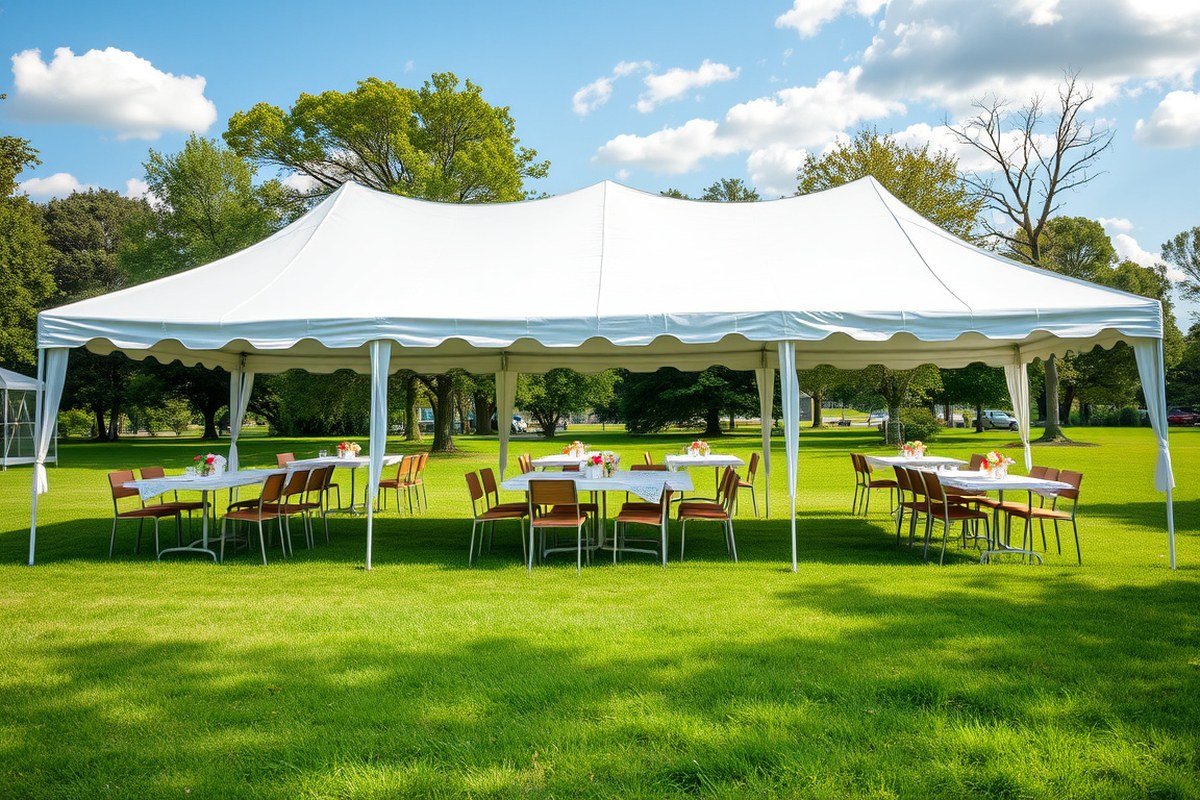
For small backyard parties, a 20×20 or 20×30 tent provides enough shade and space for guests and decor. Planning tent size early helps estimate how many tables and displays you can fit comfortably. Sketch a layout including entrances, food tables, seating, and photo areas so you can distribute decorations evenly without overcrowding.
- Pick 2 to 3 main colors from the graduate’s school palette for linens and balloons
- Create a photo timeline featuring key moments from kindergarten to graduation
- Use a mix of fresh flowers and DIY paper decorations for budget-friendly centerpieces
- Set up a memory table with awards, programs, and special mementos
- Incorporate personalized signs or banners with the graduate’s name and graduation year
- Use string lights or lanterns if the party extends into the evening for warm ambiance
Avoid covering every surface with decorations; too much clutter can make the space feel chaotic instead of festive.
Adding personal touches like a welcome sign with the graduate’s photo or customized napkins creates excitement and highlights their achievements. Place cap and gown displays near the entrance for immediate impact. For longer parties, consider weather-proof decorations and plan for quick rearranging if needed due to wind or rain.
Arranging Seating, Tents, and Weather Considerations
Start planning your seating and tent setup early, reserving rentals two to four months before the party while you finalize guest numbers. Choose tent sizes based on how many guests you expect to ensure comfort and allow smooth movement. Prepare backup weather options like extra tents, fans, or heaters to keep everyone comfortable no matter the forecast.
Tent Sizes and Rental Timing
The size of your tent depends mostly on the number of guests and how you want to use the space. Experts recommend about 10 square feet per seated guest for a buffet or seated meal and 8 square feet per guest for a standing event. For example, if you plan for 50 guests sitting down, a 20-by-25-foot tent (about 500 square feet) will fit comfortably. Renting your tent two to four months ahead is ideal because graduation parties are popular, and vendors fill up fast during peak season.
Consider the shape and style too: frame tents don’t need center poles and create an open space for activities, while pole tents need staking but can be more elegant. Work with your rental company, sharing your guest estimates and venue measurements, so they recommend a tent that fits your budget and layout. Confirm your order early but choose a rental service that allows date or size adjustments as your plans firm up.
Seating Arrangements and Flow
Arrange tables to provide enough space for comfort and easy movement. Leave at least 5 feet between tables and 3 feet around chairs so guests can walk without crowding. Group seating by social circles or family units to encourage conversation. Place eating areas away from activity spaces like games or dancing to prevent cross-traffic jams.
Think of traffic flow like this: guests should move easily between food, drinks, seating, and entertainment without bottlenecks. For a medium-sized pool of 50 to 75 people, consider a mix of round and rectangular tables to fit your tent shape and maximize space. Keep walkways at least 6 feet wide for better flow and safety, especially with kids or older adults attending.
Weather Backup Options
Graduation season often brings unpredictable weather, so having a backup plan is essential. Consider renting a tent even if your celebration is outdoors under clear skies, tents provide shade and a dry place if rain starts. Include sidewalls with your tent to block wind and light rain, particularly if the forecast shows a chance of showers below 50%.
For chilly evenings, portable heaters can keep your space warm, but confirm they are safe for the tent size and type you rent. In hot weather, add fans or misting systems to improve comfort inside the tent. If strong wind or storms threaten, have a secondary indoor location ready, or postpone the event. Communicate backup plans clearly to guests ahead of time to avoid last-minute confusion.
Entertainment and Activities to Keep Guests Engaged
Choosing entertainment for a graduation party depends on the size, location, and the graduate’s personality. Simple activities like a photo display showcasing the graduate’s journey and achievements create a meaningful focal point and spark conversations. Guests enjoy moving around, chatting, and seeing these memories, which adds a lively atmosphere without requiring constant formal entertainment.
Music is another key element that shapes the party vibe. Setting up a playlist is cost-effective and offers full control over song selection. Use a reliable speaker system with at least 30 to 50 watts of power for a backyard or living room setting. Arrange speakers to evenly cover the area without overwhelming conversation spaces. For larger gatherings or if you prefer a party feel, hiring a DJ or a local band can add energy and interact with guests. DJs typically charge between $400 and $800 for a 3- to 4-hour event, while bands vary widely based on group size and experience.
Organizing games and speeches requires timing and space planning. Keep games light and inclusive, like trivia about the graduate, lawn games (cornhole, giant Jenga), or a photo scavenger hunt tied to school memories. Schedule speeches shortly after guests arrive or during a meal when attention is focused. Keep speeches under 10 minutes each to hold everyone’s interest. Here are practical entertainment and activity tips by situation:
- Casual backyard party: Set up a photo display, a Bluetooth speaker playlist, and lawn games for relaxed mingling.
- Indoor venue with limited space: Use a curated playlist with wireless speakers, and plan short, timed speeches near food or seating areas.
- Large party with many guests: Consider hiring a DJ to manage music and announcements, and organize games in different zones for small group interaction.
- Budget-friendly option: Use a smartphone for music and simple printable games like graduation bingo or quiz cards.
- Include a thank-you speech toward the end to acknowledge guests and close the event on a warm note.
Sound equipment setup impacts how guests experience the party. Test speakers before the event and have spare batteries or power sources ready. Avoid playing music too loud where guests have to shout to hear conversations. Good results look like guests comfortably moving between chatting, eating, and joining activities without noise blocking interaction. Troubles arise from technical glitches, inappropriate sound levels, or poorly timed activities that cause lulls or distractions.
Budgeting Wisely and Avoiding Common Party Mistakes
Setting a budget that matches your party size and expectations helps avoid overspending and oversupplying. A reasonable range is $15 to $30 per guest for a casual backyard party and $40 to $70 per guest for a booked venue with catered food. Sticking to your budget means prioritizing essentials and planning purchases carefully to prevent waste and last-minute cost spikes.
Typical Costs Breakdown
Food typically takes the biggest portion of the budget, ranging from $7 to $20 per person depending on the menu. Homemade meals in a backyard setting cost less but require more prep time, while catered options offer convenience at a higher price. Venues vary widely: booking a local park lodge or community center might run $100 to $500, but private event spaces can exceed $1,000.
Rentals like tents, tables, and chairs can add several hundred dollars. Decorations and entertainment combined often take 10 to 15 percent of the total budget. Invitations, thank-you cards, and gifts also add smaller but necessary costs. Understanding this breakdown helps you adjust where to spend and where to save.
Cost-Saving Tips
DIY decorations tailored to your graduate’s interests cut expenses substantially while adding a personal touch. Simple garlands, photo displays, and themed table settings can be made with inexpensive materials purchased in bulk. Buying non-perishables two weeks ahead and perishables one to two days before the event reduces last-minute pricier trips.
Consider borrowing items like extra chairs, serving trays, or cooking equipment from friends or family. Bulk buying staples like chips, soda, and condiments avoids costly individual purchases. Hosting the event in your home or yard rather than renting a venue can save hundreds or thousands, as long as you have enough space for guests.
Avoiding Last-Minute Problems
Booking your venue and major rentals several months in advance, ideally by September for a spring or summer party, secures your date and helps you budget better. Graduation season overlaps with busy wedding months, so don’t wait too long. Confirm your guest list two to three weeks before the event; overestimating leads to wasted food and extra expenses.
Prepare for weather by renting tents or having a backup indoor space if you’re outside. Avoid extending the party beyond four hours, since longer events tend to drain energy and food quality. Make a detailed schedule and checklist weeks before the day to order supplies on time and assign tasks for setup and cleanup.
Book your venue at least six months in advance to avoid paying premium prices or missing your preferred date.
Step-by-Step Action Plan for Your Graduation Party
Follow this timeline to keep your graduation party planning on track and stress-free. Checking each step’s success will help ensure a smooth celebration.
- 6 Weeks Before: Set your budget and choose the party date and venue. Confirm both to secure availability and stay within your spending limits.
- 5 Weeks Before: Create a guest list and send invitations. Track RSVPs to know your final headcount early.
- 4 Weeks Before: Plan the menu and order food and drinks if needed. Confirm all caterers or suppliers to avoid last-minute issues.
- 3 Weeks Before: Organize decorations, seating arrangements, and rental equipment like tents or tables. Ensure all orders are confirmed and delivery dates are set.
- 2 Weeks Before: Arrange entertainment and activities. Confirm performers or game supplies to keep guests engaged.
- 1 Week Before: Double-check your budget and make adjustments as needed. Have a clear list of expenses spent versus planned to avoid overspending.
- Day Before: Set up the venue partially if possible. Check weather forecasts and prepare for contingencies like extra tents or indoor space.
- Party Day: Finish setup early, manage food service, and oversee entertainment. Stay alert for any issues and handle them quickly to keep the party running smoothly.
Frequently Asked Questions
What’s the Average Cost of a Graduation Party?
The average cost can be as low as $1,000 for 200 guests if you keep food simple and avoid extra purchases. Budget planning helps you control expenses while still celebrating your graduate appropriately.
What Activities Do You Do at a Graduation Party?
Activities often include music, games, speeches, and photo opportunities to keep guests engaged and celebrate the graduate’s achievements. Tailor entertainment to your guest list size and setting for the best experience.
What Is the Easiest Food to Serve at a Graduation Party?
The easiest food option is pre-made or catered finger foods and snacks that require minimal preparation and can accommodate diverse tastes. This reduces stress and allows you to focus on hosting.
How Soon Should I Plan a Graduation Party?
Start planning about 8 to 10 weeks before the party to secure your venue, send invitations, and finalize key details smoothly. Early planning reduces last-minute stress and helps manage guest expectations.
How to Plan a Graduation Party?
Begin by setting a budget and confirming the graduate’s preferences, then choose a date near the ceremony and organize food, entertainment, and decorations. Staying organized with a checklist simplifies the process.
Can I Combine a Graduation Party with Other Celebrations?
Yes, combining can work if guests overlap and you plan carefully for food, parking, and timing to avoid conflicts and keep everyone comfortable.
Before You Go
Planning a graduation party requires focused steps, clear communication, and flexibility to adapt. Start by securing your key details like date, venue, and guest list, then build around those essentials. Taking action now helps you avoid last-minute stress and create a memorable celebration for the graduate and your guests.