How to Send Food Back at a Restaurant: Polite Steps and What Actually Works
Knowing how to send food back at a restaurant politely helps you address mistakes without awkwardness or conflict. You should send food back if it’s undercooked, contains allergens, or is clearly wrong. Learning when and how to do this makes your dining experience better while respecting restaurant staff.
This advice is for anyone unsure about speaking up when their meal doesn’t meet expectations. You’ll get clear guidelines on acceptable reasons to send food back, how to communicate politely, and when it’s better to avoid returning a dish.
Key Takeaways
- Send back food if it’s undercooked, has the wrong ingredients, or contains allergens.
- Politely alert your server soon after you notice a problem to avoid confusion.
- Avoid sending back food for minor preferences, like slight overcooking or taste.
- Restaurants follow strict protocols for food returned due to safety concerns.
- Clearly describing your order and any allergies reduces the chance of mistakes.
- Expect some wait time for replacement food, especially in busy restaurants.
When Is It Acceptable to Send Food Back at a Restaurant?
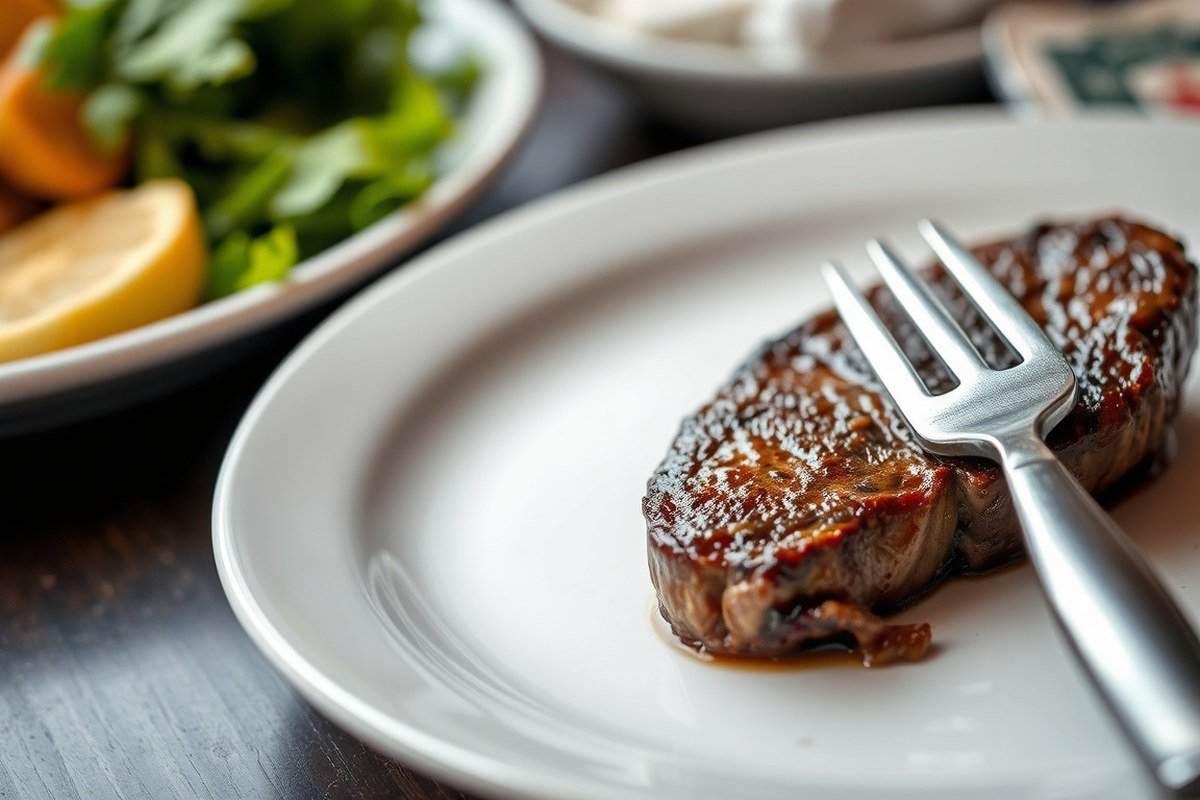
Sending food back at a restaurant is acceptable when the dish fails to meet basic expectations or poses a health risk. Common sense and respect for the dining experience guide when you should raise the issue with your server. Legitimate reasons usually involve errors that impact the meal’s safety, quality, or your personal dietary needs.
The most justifiable reasons to send food back include receiving the wrong dish, undercooked or overcooked food, or food served at the wrong temperature. A 2018 YouGov survey found that 85 percent of U.S. Adults would send their food back if given the incorrect order. Also, 82 percent reported they’d request a remake if the food was undercooked, though fewer were willing to do so for overcooked dishes. Food safety is another key factor: anything undercooked, especially meats or eggs, should be addressed immediately since it can cause illness.
Food allergies are among the most important reasons to send food back. Allergy-related issues rank highly in list of justified causes because consuming even trace amounts of an allergen can provoke serious or life-threatening reactions. Mentioning allergies to your server before ordering helps prevent mistakes, but if the dish arrives with allergenic ingredients, do not hesitate to send it back.
Cold food can also warrant returning, but context matters. According to dining experts, it is acceptable to send back a meal if it is cold when it should be served hot or if it arrives lukewarm and the dish’s quality suffers as a result. However, some dishes are served at room temperature or chilled by design, like salads or sushi, so understanding what the meal entails before complaining is important.
- Wrong dish delivered or missing key components
- Undercooked food presenting a health risk
- Food served cold when it should be hot
- Allergic ingredients present despite prior notice
- Foreign objects in the food, such as hair or glass
- Severe seasoning errors, such as overly salty or burnt taste
At restaurants, food is typically remade and sent out promptly when returned, to ensure freshness and safety. The cost to you might include a short wait while the kitchen prepares a corrected dish, usually 5 to 15 minutes. Sending food back under these valid conditions does not generally offend restaurant staff, as they aim to provide a satisfactory experience. Good communication helps, so calmly and clearly explain the issue to avoid misunderstandings and to speed up your meal’s replacement.
How to Politely Tell Your Server You Want to Send Food Back
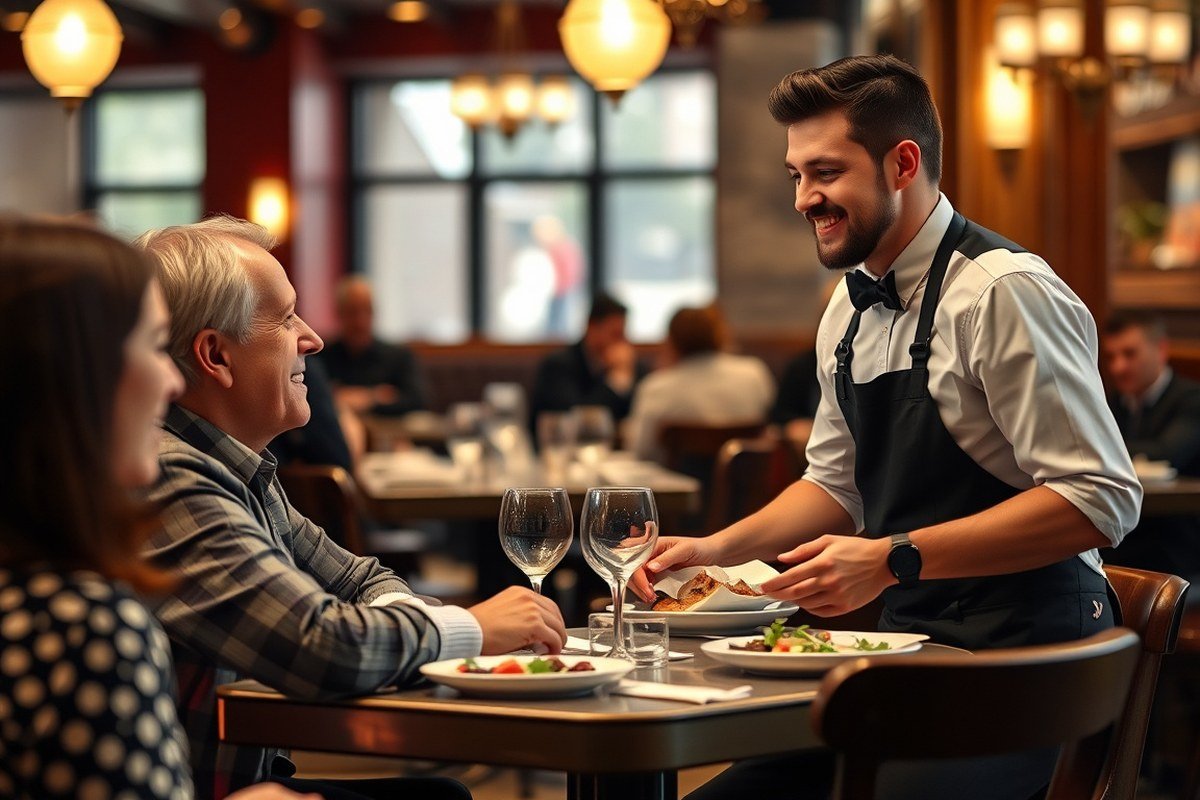
You should calmly tell your server about the problem with your food as soon as you notice it. Use polite language, describe the issue clearly without blaming anyone, and ask for what you’d like done in a respectful way. This approach helps staff handle your request without stress and improves your chances of a satisfactory fix.
Step 1: Get the Server’s Attention Politely
Wait for a natural moment when your server is nearby or make eye contact without calling out loudly. Raising your hand slightly or saying “Excuse me” quietly works well. Prompt communication is important because the kitchen can usually remake or replace dishes quickly when informed early, ideally before you eat more than a few bites.
Delaying telling the server can cause confusion or suspicion that you’re trying to get a free meal, especially if you’ve eaten half or more of the dish. Prompt notification shows you respect the restaurant’s effort and honest intent.
Step 2: Clearly Describe the Problem Without Blame
Explain the issue politely by focusing on the food, not the staff. For example, say, “I didn’t realize this dish would be served cold,” or “The steak is more well done than I ordered.” Avoid accusatory language like “You got my order wrong” or “This is terrible.” Clear and specific descriptions help the server communicate the problem to the kitchen accurately. Vague complaints like “I don’t like this” give little to work with, which can slow down how your issue is resolved.
Step 3: Request the Desired Solution Calmly
Request politely what you’d like, such as a remake, a different dish, or a refund. Try saying something like, “Could you please replace this with the dish I ordered?” or “May I have a different option instead?” Being calm and respectful signals that you’re cooperative, allowing staff to do their job well without feeling pressured or defensive. Remember, kindness goes a long way toward a smooth resolution.
Don’t send food back after eating more than half the plate; doing so usually damages your case for a replacement and can make staff uncomfortable.
Here are practical steps to follow when sending food back politely:
- Make eye contact or raise your hand softly to get your server’s attention.
- Say politely, “Excuse me,” to avoid sounding demanding.
- Describe the problem clearly, focusing on the food: “This is colder than I expected” or “I ordered medium rare, and this is well done.”
- Avoid blaming language or confrontational tone.
- Ask for what you’d like without sounding entitled: “Could this be remade?” or “May I order something else instead?”
- Thank the server for their help to keep the interaction positive.
When Is It Better Not to Send Food Back?
Not every situation calls for sending food back at a restaurant. You should avoid returning dishes if the problem is minor and doesn’t affect safety or quality, or if you’ve already eaten most of the dish. Sending food back without a clear issue can cause awkwardness, lead to extra charges, and slow down your dining experience.
Minor Preferences Don’t Always Warrant Returns
Disliking a flavor or seasoning isn’t a strong reason to send food back. Restaurants often prepare dishes according to a set recipe, so changes to seasoning might not be possible or may take significant time. When the food is safe and cooked properly, it’s best to enjoy it as served or order a different dish next time rather than request a remake just due to personal preference.
For example, if you ordered a salad and find the dressing too tangy or mild, it’s generally better to ask your server politely if they can bring extra dressing on the side rather than sending the entire dish back. This approach respects the kitchen’s effort while addressing your preference.
Don’t Send Back Food After Eating Most of It
Returning a dish after you’ve eaten a large portion is usually discouraged. This can make your server and kitchen staff uncomfortable, and you might be charged for both the original meal and a replacement. Most restaurants track these cases carefully as it can impact their costs.
Experts recommend deciding quickly, within the first few bites, if the food is unacceptable and doing so discreetly. For instance, if your steak is undercooked or the soup is cold right away, raise the issue immediately. Waiting too long reduces your chances of getting a replacement without paying again.
Food Safety Issues Should Always Be Addressed
Unsafe food is the clearest reason to send a meal back without hesitation. Undercooked chicken or seafood, food containing an allergen you didn’t know about, or signs of spoilage like a strange smell or texture are legitimate concerns. Restaurants usually replace these dishes free of charge to avoid health risks and customer complaints.
For example, with undercooked chicken, send it back 100% of the time according to food safety experts. Discovering an allergen or suspecting contamination requires promptly informing your server and requesting a replacement or removal from your bill.
Understand Pricing and Avoid Double Charges
Sending food back risks having to pay twice for the same item. The likelihood depends on how quickly and clearly you communicate the issue. Fast action, within minutes of your meal arriving, usually means the restaurant will waive the charge for the first dish and provide a replacement at no extra cost.
Waiting too long to complain or having an unclear reason may result in paying the full bill for both dishes. To handle this, quickly and politely explain the problem to your server as soon as you notice it. For example, saying, “Excuse me, this pasta contains pancetta and I didn’t realize because I’m vegetarian. Could you please replace it with the vegetarian option?” can help avoid misunderstandings and extra charges.
What Happens to Food After You Send It Back?
When you send food back at a restaurant, the dish goes directly to the kitchen where staff follow strict food safety protocols. The kitchen team usually doesn’t serve the same plate again to ensure no risk of contamination. Instead, the kitchen either remakes the dish from scratch or prepares a new request based on your feedback. This protects you from potential foodborne illness and maintains the restaurant’s quality standards.
Food safety matters because improper handling increases the risk of illness. According to the CDC, about 40% of food poisoning outbreaks are linked to sick workers, so restaurants take care to avoid any cross-contamination. They usually discard any partially eaten or returned food instead of trying to reuse it. Sanitizing the serving ware and utensils connected with the dish is another critical step to prevent germs from spreading.
The kitchen notes returning dishes carefully, especially in fine dining places like Boulder’s Frasca Food and Wine. They keep records of customer returns to improve future orders and recommendations. This practice helps the restaurant identify problems in cooking consistency or quality and train their staff to avoid repeats. It also signals to servers to check back with you promptly to ensure the replacement dish meets your expectations.
Remaking a dish depends on the issue you raised. Common reasons include incorrect preparation, temperature problems, or missing ingredients. Culinary director Sean Olnowich explains some restaurants may offer a free replacement or even comp a dish if the error caused a significant delay or dissatisfaction, like when a steak is overcooked. However, compensation typically depends on the situation and restaurant policy, not all returns get a free dish.
Kitchen staff generally try to accommodate customer requests, although some chefs admit they aren’t thrilled when dealing with returned dishes, especially if they dislike preparing that particular item. Polite communication helps ease this process. Servers act as the bridge, relaying your concerns to the kitchen without assigning blame, and they manage the timing to avoid long waits on your replacement.
Returned food is never treated casually. It is either discarded or used according to strict guidelines in the kitchen. Sanitization and spoilage prevention practices ensure your safety. This process may add a few minutes to your meal time, but it maximizes your chance of enjoying food served right and safe.
How to Avoid Sending Food Back by Ordering and Communicating Clearly
Reducing the chance of sending food back starts with clear communication before you order. Mention any allergies, dietary restrictions, or specific preferences upfront to help your server and kitchen staff prepare your meal correctly. This step can avoid misunderstandings that lead to dissatisfaction.
Many restaurants welcome modifications to suit your tastes, such as requesting dressings on the side, substituting ingredients, or asking for less salt or spice. These adjustments usually don’t add significant cost but can make a big difference in your meal’s enjoyment. Asking about the kitchen’s willingness to accommodate specific changes shows consideration for their process and can set the right expectations. Here’s a quick list of tips to clarify your preferences when ordering:
- State any food allergies or sensitivities clearly and early.
- Describe your taste preferences, such as “mild” or “extra crispy.”
- Ask if certain substitutions are possible before ordering.
- Request dressings, sauces, or toppings on the side.
- Confirm how a dish is prepared if unsure, such as cooking temperature or spicing.
- Notify the server if you want a smaller portion or a shareable plate.
- Repeat your special requests to ensure the server understands.
When you ask questions and make specific requests, you reduce the risk of surprises. For example, if you don’t like red onions but the dish features them prominently, asking for them to be left off can prevent disappointment. Making these requests politely and clearly also helps maintain a positive interaction with staff.
Be patient when requesting modifications, busy kitchens may need extra time, and rushing can lead to mistakes or frustration.
Good results look like receiving a meal that matches your expectations and tastes without needing to send it back. Keep in mind that some requests might take a few extra minutes to prepare, so plan your dining time accordingly. If a server seems unsure about a modification, kindly ask if the kitchen can accommodate it or suggest an alternative dish.
Common Mistakes When Sending Food Back and How to Fix Them
One common mistake diners make when sending food back is waiting too long to speak up. The sooner you alert your server, the easier it is to fix the problem without affecting your overall meal experience. Delaying can lead to frustration for both you and the staff, especially if the kitchen is busy. Speaking up promptly also means your food is fresher and less likely to cause health concerns.
Another error is being vague or unclear about the issue. Saying something like “This isn’t right” without detail can cause confusion or an incorrect fix. Instead, specify what the problem is, such as “My steak is undercooked, and I’d like it medium-well”, to help the kitchen and server understand exactly what you want.
- Don’t raise your voice or appear confrontational; keep your tone calm and polite.
- Avoid demanding free food or discounts immediately; let the server address that professionally.
- Never send food back after you’ve already started eating a large portion unless it’s unsafe to eat.
- If you’re unsure about how to explain the issue, prepare a clear but respectful sentence beforehand.
- Don’t neglect nonverbal cues; maintain eye contact and use friendly body language.
- Avoid exaggerating the problem, as this can reduce your credibility.
- Be ready to accept a replacement or a different solution without insisting on your first choice.
Nervousness or hesitation is normal, especially if you feel like you might offend someone. To stay confident, remember the server’s job includes handling food issues, and they expect questions or concerns. Practice a simple script in advance like: “Excuse me, I’m sorry but this dish isn’t quite what I expected. Could it be cooked a little more, please?” This phrase keeps you polite and specific, making it easier to communicate and reducing awkwardness.
Trying to fix problems immediately instead of resorting to complaining loudly ensures your request stays reasonable and professional. When you handle the situation with respect and clarity, servers are more willing to help, making the whole process smoother. Remaining polite saves you time and effort and usually leads to better outcomes, such as a freshly cooked meal or an appropriate substitution without tension.
How Long Does It Take to Get Replacement Food and What to Expect?
Expect a replacement dish to take anywhere from 10 to 20 minutes after sending the original food back. The kitchen needs time to prepare a new plate, especially if it requires cooking from scratch or assembling fresh ingredients. When the restaurant is busy, wait times may stretch longer, sometimes up to 30 minutes, which could affect the pace of your meal.
Restaurants aim to minimize your wait without compromising the quality of your replacement. Most kitchens prioritize redoing a dish once it’s sent back, but this can slightly delay the flow of orders for other tables. Servers usually communicate with the kitchen to manage timing and avoid unnecessary hold-ups. Noticing others waiting more than usual may be a good reason to politely check with your server about the expected timeline.
You should expect a genuine apology from the server, acknowledging the inconvenience. Many restaurants offer some form of compensation such as removing the item from your bill, offering a discount, or providing a complimentary dessert or drink. These gestures depend on the restaurant’s policy and the nature of the issue, like a wrong order or undercooked food. You can politely ask about this if it hasn’t been mentioned.
Replacing food can take less time if the issue is minor, such as adding a missing ingredient or reheating a dish. For example, if your steak was sent back for being undercooked, ask the server to note the exact doneness you want, so the kitchen can make it right quickly. Servers may also offer to bring a small appetizer or bread while you wait, which helps keep you comfortable without rushing the kitchen.
In casual or fast-casual restaurants, replacement times tend to be shorter since meals are often prepared in advance or cooked quickly. In fine dining settings, the wait might be longer, reflecting the complexity of dishes and the care taken to correct the order. You can politely ask your server upfront how long the replacement might take, especially if you’re on a tight schedule.
Dining with others and sending your food back usually won’t hold up the entire table’s meal. Servers often coordinate so the rest of your party can continue eating while your dish is being remade. This approach helps prevent frustration and allows your group to enjoy the experience with minimal disruption.
To make the process smoother, clearly explain what’s wrong with the dish when sending it back. This helps the kitchen avoid repeating mistakes and speeds up the correction. For instance, saying, “My pasta is too salty,” or “The chicken isn’t fully cooked,” gives the kitchen precise guidance. Being specific can lead to better results and a faster replacement.
How Allergies and Food Safety Affect Returning Dishes
Awareness of food allergies and strict adherence to food safety rules strongly influence how you should send food back at a restaurant. When you spot an allergen or face a food safety concern, the restaurant follows clear protocols to handle your request and protect you and other diners.
Allergy-Related Returns
Discovering an allergen in your meal means you should inform your server or manager right away. Restaurants take allergy complaints very seriously to avoid health risks like allergic reactions or anaphylaxis. Usually, they will remake your dish carefully or offer a full refund without hesitation.
Communicate your allergy clearly when ordering to reduce the chance of mistakes. Spotting an allergen in your dish calls for you to stop eating and alert the staff immediately. The restaurant should discard the incorrect dish and prepare a new one free of that allergen.
Food Safety Protocols for Returned Food
Food that you send back can never be reused or served to other customers. It is illegal for restaurants to replate, repackage, resell, or donate returned food. This rule prevents contamination risks and protects sanitation standards.
Returned dishes are usually thrown away or disposed of following local health codes. This avoids cross-contamination or foodborne illness outbreaks. The restaurant’s kitchen staff will create a fresh replacement dish, keeping proper temperature and hygiene measures.
| Action | Details |
|---|---|
| Notify server | Tell staff immediately about allergen or safety issue |
| Discard returned food | Returned dishes must not be reused, resold, or donated |
| Prepare new dish | Replace with fresh food made with allergy considerations |
| Follow hygiene rules | Kitchen staff use clean equipment and maintain proper temps |
| Respect local laws | Restaurants comply with food safety and health guidelines |
Understanding these steps helps you know what to expect and when to raise concerns about your meal.
Customer Rights and Restaurant Obligations
You have the right to a safe meal free of allergens. Restaurants are legally required to accommodate allergy-related requests by remaking or refunding meals. This protects your health and provides accountability.
Keep in mind that while the restaurant must handle allergy issues responsibly, not every complaint about taste or minor errors will result in a free replacement. Allergy concerns, however, demand immediate and full attention.
Tip: Clearly state your allergies before ordering and remind your server when the food arrives to prevent mistakes that require sending food back.
Step-by-Step Action Plan for Sending Food Back at a Restaurant
Use this plan to handle sending food back smoothly and politely. Each step helps ensure you get the best outcome without awkwardness.
- When your food arrives: Inspect your dish quietly, check if it matches your order and is cooked properly. This helps catch issues early.
- Within the first few bites: Decide if the problem is serious enough to raise with the server, like wrong ingredients or undercooked food. Minor preferences can usually wait.
- When ready to speak up: Get your server’s attention politely and explain the issue clearly but calmly. Watch their response to gauge the best way to proceed.
- After explaining the problem: Listen to the server’s solution. Agree on a replacement or adjustment if it works for you, and thank them for their help.
- While waiting for new food: Stay patient and avoid making negative remarks to other staff or diners. This keeps the experience positive.
- When replacement arrives: Check the dish to confirm it meets your expectations this time. If it does, express appreciation to the server.
- Before you leave: If the issue was allergen-related or food safety concern, mention how the restaurant handled it. Your feedback can improve their practices.
- After the meal: Reflect on the situation for next time. Note any changes to how you order or communicate to prevent needing to send food back again.
Frequently Asked Questions
Is It Okay to Send Food Back at a Restaurant?
Yes, you can send food back if it is wrong, undercooked, or has a foreign object. Being polite and clear with the server helps make this easier for everyone.
What Is the 30/30/30 Rule for Restaurants?
The 30/30/30 rule means checking your food within 30 minutes, sending it back within 30 minutes, and expecting a replacement within 30 minutes. This helps keep your dining experience timely and courteous.
What Is the Etiquette for Returning a Dish?
Always notify your server discreetly and politely explain the issue without blaming the kitchen. Complaining calmly shows respect and encourages a better response from staff.
What Is the 2 2 2 Rule for Food?
The 2 2 2 rule reminds diners to wait 2 minutes to inspect their dish, signal the server for any issues twice, and expect a resolution within 2 trips by staff. This ensures clear communication.
Can I Send Food Back If I Change My Mind After Tasting?
It’s better not to send food back just because you change your mind. Most restaurants only replace dishes with clear mistakes or safety concerns.
Do I Have to Pay for Food I Send Back?
Sometimes you might pay for both meals, especially if the issue isn’t the kitchen’s fault. Restaurants often waive charges if the dish is truly incorrect or unsafe.
The Bottom Line
Sending food back at a restaurant should be done clearly and politely to avoid awkwardness and delays. Keeping calm and communicating your needs respectfully often leads to a positive solution. Next time you dine out, trust your judgment on when to speak up and follow these steps for a smoother experience.




One Comment