How to Use an Induction Cooktop Safely and Efficiently
Using an induction cooktop involves placing compatible cookware on the glass surface, which heats pots and pans through magnetic induction rather than direct flame or electric heating elements. Simply turn on the cooktop, select your desired temperature or power level, and the cooktop generates heat only where the cookware contacts the surface. This makes cooking faster and more energy-efficient compared to traditional methods.
Induction cooktops have gained popularity because of their rapid heating and precise temperature control, plus they reduce the risk of burns since the surface itself remains relatively cool except under the pan. Understanding how to use an induction cooktop properly helps you maximize these benefits while ensuring safety and prolonging the life of your appliance.
This article will explain how induction cooktops work, outline which cookware is compatible, providestep-by-step instructions for safe and efficient use, offer useful induction cooking tips, and discuss cleaning and maintenance techniques to keep your cooktop performing at its best.
How Induction Cooktops Work
The Science Behind Induction Cooking
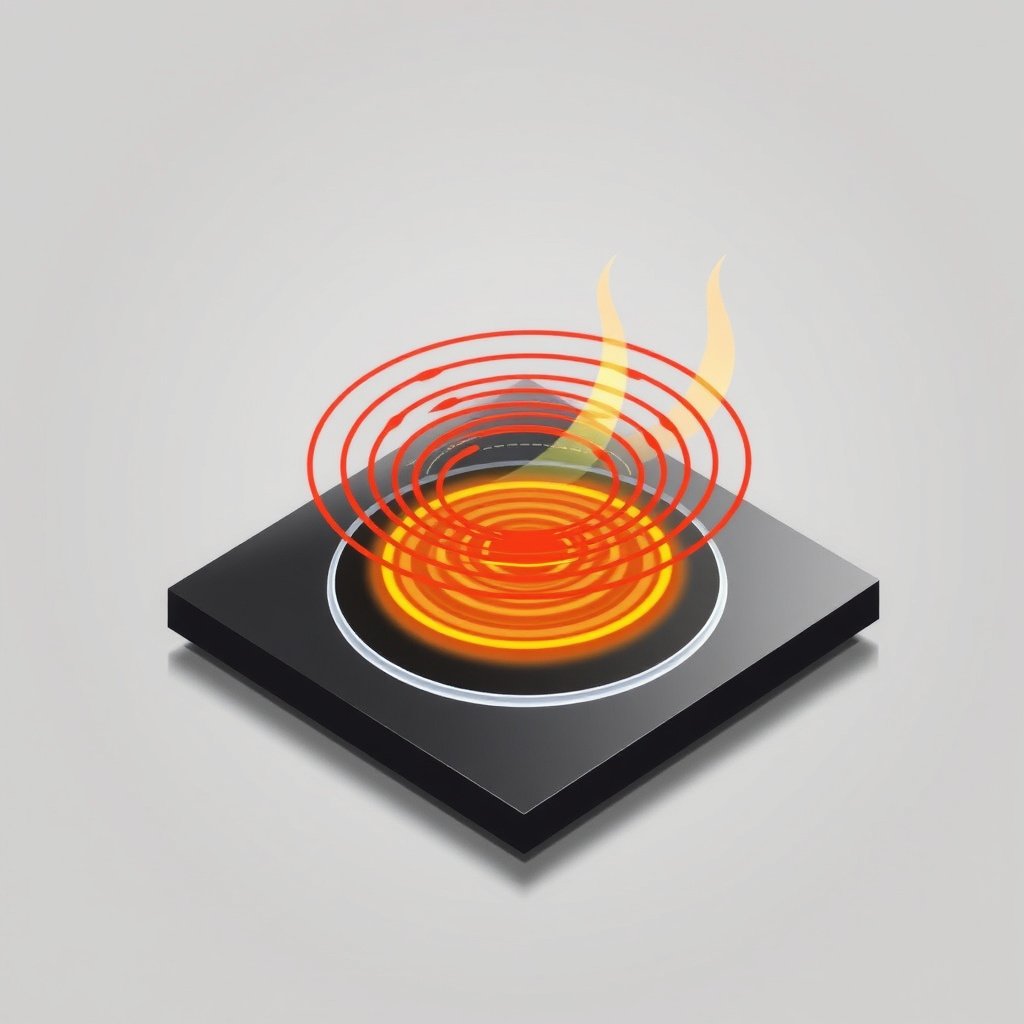
Induction cooktops use electromagnetic fields to directly heat the cookware. When the cooktop is on, an alternating current passes through a coil beneath the glass surface, creating a magnetic field. This field induces small electric currents called eddy currents inside ferromagnetic cookware, which generate heat due to electrical resistance.
Because heat is produced inside the cookware itself and not on the cooktop surface, the cooktop stays cooler and more energy is conserved. This mechanism leads to very fast and precise temperature adjustments, perfect for many cooking techniques.
Benefits Compared to Gas and Electric Stoves
Induction cooktops provide quicker heating times and more accurate temperature control than gas or traditional electric stoves. The absence of open flames reduces fire risk and keeps kitchens cooler. Additionally, magnetic induction heats only the pot or pan, decreasing wasted energy and making surface cleaning easier.
Users also benefit from safety features like automatic shutoff when compatible cookware isn’t detected and residual heat indicators, making induction cooking attractive for households with children or elderly members.
Compatible Cookware for Induction Cooking
Materials That Work on Induction Cooktops
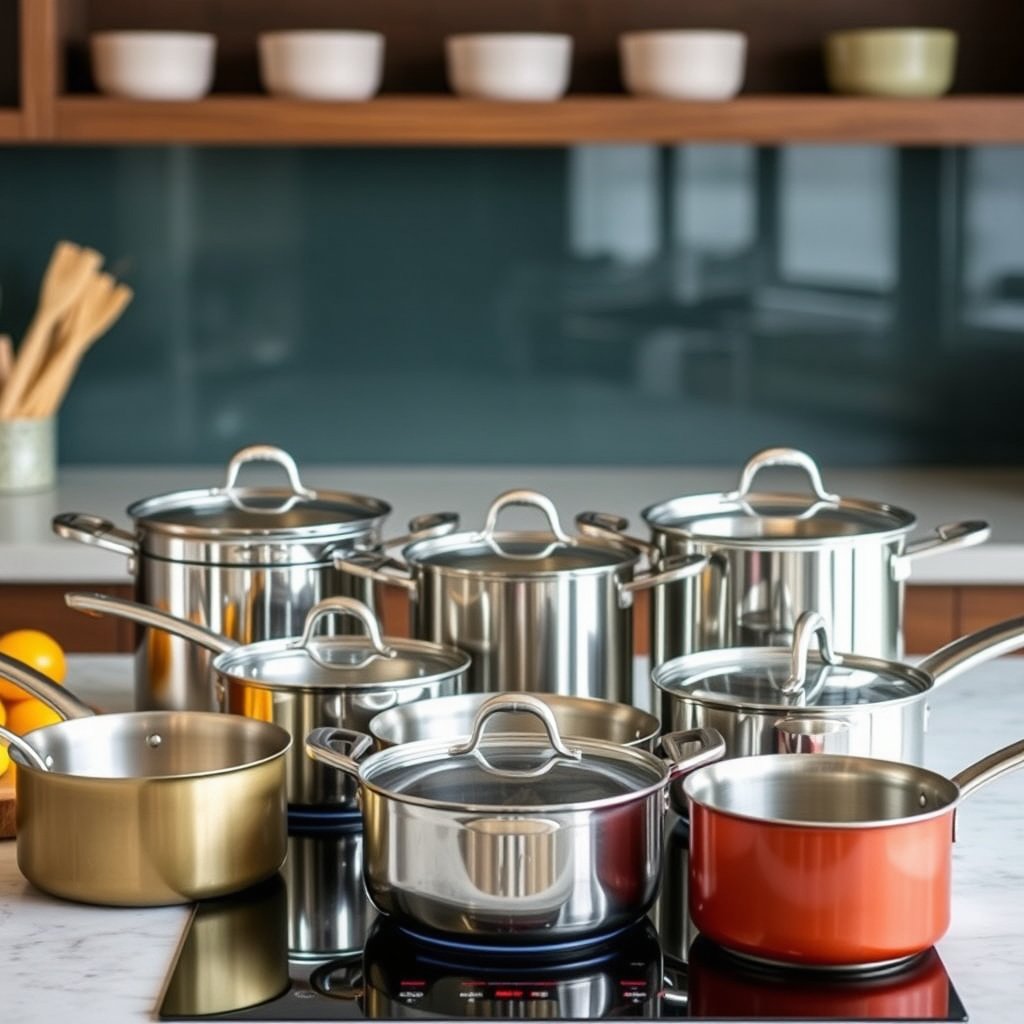
Induction cooktops require cookware made of ferromagnetic materials so the magnetic field can induce heat effectively. Suitable materials include cast iron, stainless steel with magnetic properties, and some types of enameled steel pots. Non-ferrous materials like aluminum, copper, glass, and most ceramics won’t work unless they have a magnetic layer embedded in the base.
You can test if cookware is compatible by checking if a magnet strongly sticks to its bottom. Many manufacturers indicate induction compatibility on product packaging or with a symbol on the base.
- Cast iron
- Magnetic stainless steel
- Enameled steel
- Cookware with induction-ready bases
Size and Shape Considerations
For best performance, the cookware base should closely match the size of the cooking zone on the induction cooktop. Small pots used on large burners might not trigger the cooktop’s heating effectively, while excessively large cookware might cause uneven heating.
Flat-bottom pans ensure optimal contact with the glass surface so the magnetic field can transfer energy efficiently. Warped or rounded pans reduce contact area, leading to inconsistent heat and less efficiency.
- Base diameter matching cooking zone
- Flat-bottomed cookware
- Avoid warped pans
Operating an Induction Cooktop
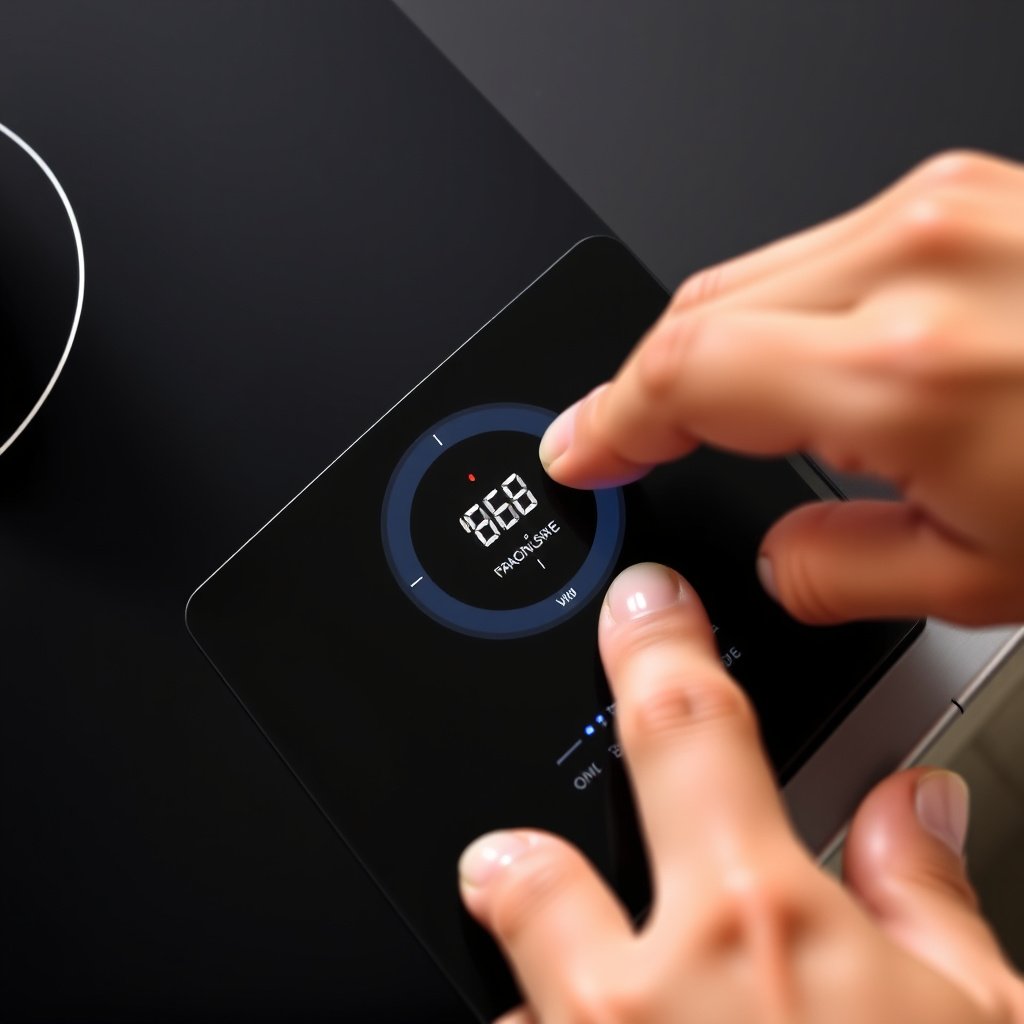
Basic Controls and Settings
Most induction cooktops have simple controls including power on/off, temperature or power level adjustment, and timer settings. After placing compatible cookware on the burner, turn the cooktop on. The cooktop detects the pan automatically and activates the heating element below it.
Adjusting temperature is typically done via buttons or a touch slider. Power levels range from low simmer to high boil, allowing precise control. Some models include special modes such as warming or boiling presets.
Safety Features While Using Induction Cooktops
Induction cooktops often come with safety features like auto shut-off if no pan is detected for a set time, overheating protection, and child locks to prevent accidental operation. These enhance user safety significantly compared to traditional cookers.
Residual heat indicators warn users if the cooktop surface remains hot after cooking. Because heat transfer happens only through cookware, cooking surfaces stay cooler, reducing burn risks.
- Automatic pan detection
- Overheat protection
- Child safety locks
- Residual heat indicators
Induction Cooking Tips for Best Results

Techniques to Maximize Efficiency
Since induction cooktops heat rapidly, preheating pans generally requires less time than on gas or electric stovetops. Use medium or lower heat settings for delicate cooking, and increase power for boiling or searing purposes. Stirring food regularly helps distribute heat evenly in pans.
Avoid dragging cookware across the surface to prevent scratches. Also, using cookware with a smooth, flat base aids in transferring heat efficiently and prevents hotspots.
Cleaning and Maintenance Advice
Cleaning induction cooktops is straightforward because spills don’t burn onto a hot burner. Wipe the surface with a damp cloth and mild cleaner once it cools. Avoid abrasive scrubbers or harsh chemicals that can damage the glass.
Regularly check the cooktop and cookware bottoms for grime or residues to maintain consistent contact and performance. Promptly wipe spills to avoid staining.
- Use soft cloths for cleaning
- Avoid abrasive scrubbers
- Clean spills immediately
- Inspect cookware base regularly
Common Issues and Troubleshooting
When Cookware Isn’t Detected
If the induction cooktop fails to recognize your pot or pan, it could be because the cookware lacks magnetic properties or the base is too small for the cooktop’s sensor. Ensure you use induction-compatible pots with a flat base and appropriate size.
Clean both the cooktop surface and cookware bottom to remove any debris blocking contact. Restart the cooktop after repositioning the pan.
To understand the technical details and history of induction cooking, refer to the comprehensive entry on induction cooking on Wikipedia. Induction cooking on Wikipedia.
Dealing with Uneven Heating
Uneven heating typically results from warped or improper cookware. Choose high-quality pans designed for induction that have flat, thick bases to distribute heat evenly. Avoid using damaged or thin cookware that leads to hot spots or inconsistent cooking.
If you notice power fluctuations or interruptions, consult the manufacturer’s troubleshooting guide or consider professional service.
Induction Cooktop Types Comparison
Here's a breakdown of common induction cooktop types so you can decide which fits your kitchen and cooking style.
| Type | Portability | Number of Burners | Typical Cost | Best Use Case |
|---|---|---|---|---|
| Built-in Induction Cooktop | No | 4-6 | $500-$1500 | Permanent kitchen installation, full cooking range |
| Portable Induction Cooktop | Yes | 1-2 | $50-$300 | Small spaces, travel, supplementary cooking |
| Induction Range (Cooktop + Oven) | No | 4 | $1200-$3000 | Complete cooking appliance, oven included |
| Induction Hot Plate | Yes | 1 | $40-$150 | Single cooking tasks, dorms, camping |
| Countertop Double Induction Burner | Yes | 2 | $150-$400 | Home cooking flexibility, parties, additional burners |
Frequently Asked Questions
Can I use any pot on an induction cooktop?
No, only pots and pans made of magnetic materials like cast iron or induction-compatible stainless steel will work properly with induction cooktops.
Is induction cooking more energy-efficient than gas?
Yes, induction cooktops transfer energy directly to cookware with minimal heat loss, making them more energy-efficient than gas or traditional electric stoves.
How do I clean an induction cooktop without damaging it?
Clean the cooktop with a soft cloth and mild cleaner after it cools down. Avoid abrasive pads and harsh chemicals to prevent scratches or damage.
Do induction cooktops pose any safety risks?
Induction cooktops are generally safe because they don’t have open flames and their surfaces remain cool, reducing burn risks. Safety features further protect against misuse.
Will induction cooktops work during a power outage?
No, induction cooktops require electricity to generate the magnetic field, so they won’t operate during a power outage.
Key Takeaways
- Induction cooktops heat cookware through magnetic fields for fast, efficient cooking.
- Only ferromagnetic cookware with flat bases is compatible with induction cooking.
- Safety features and precise temperature control make induction cooking convenient and secure.
- Regular cleaning and proper cookware care ensure optimal induction cooktop performance.
Conclusion
Successfully using an induction cooktop relies on understanding the unique way it heats cookware and selecting the right type of pots or pans. The magnetic induction process offers faster heat-up times and greater energy efficiency but demands specific ferrous cookware and cautious handling to avoid damage to the cooktop surface. Applying basic operating steps, such as placing compatible cookware properly and selecting suitable power levels, leads to satisfying cooking outcomes while maintaining safety.
Depending on your kitchen setup and needs, you might choose between built-in models for full cooking functionality or portable induction cooktops for flexibility. Combining this knowledge with induction cooking tips — like appropriate temperature use and cleaning routines — enhances efficiency and longevity of the appliance. Users who regularly cook delicate meals may appreciate the precise temperature controls, while those focused on speed will benefit from the rapid heating.
If you are ready to integrate induction cooking into your routine, start by ensuring your cookware is reliable and suitable. Test your existing pots with a magnet or consider purchasing certified induction cookware. Experiment with heat settings on lower power levels to familiarize yourself with controls and avoid overheating. This practical preparation makes adopting induction technology smooth and rewarding.