Ideal Fridge and Freezer Temperatures: How to Set Them for Food Safety and Freshness
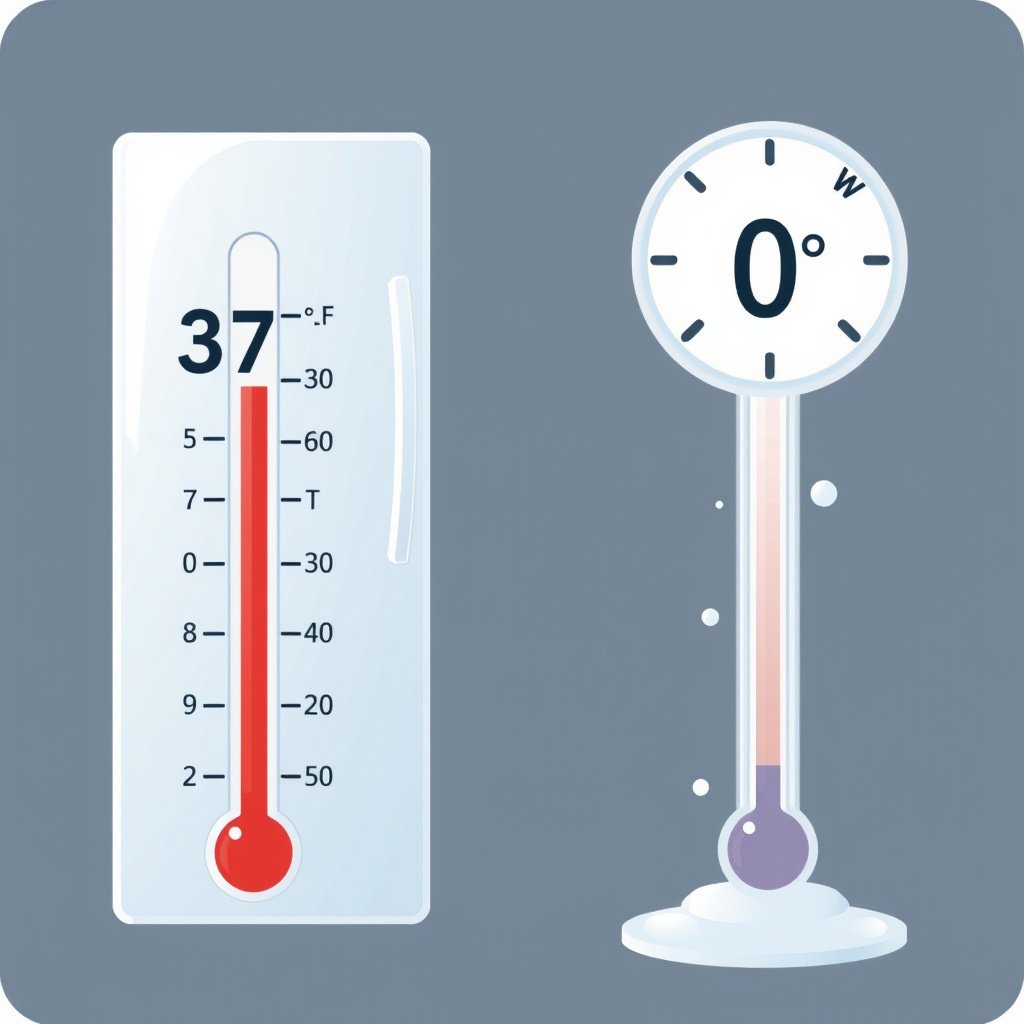
The ideal fridge temperature is around 37°F (3°C), while your freezer should be set at 0°F (-18°C) to maintain food safety and freshness. These temperatures slow bacterial growth, prevent spoilage, and preserve the quality of stored food.
Maintaining the correct temperatures reduces the risk of foodborne illnesses and extends the shelf life of perishables. Incorrect settings can lead to wasted food, unpleasant odors, and costly replacements.
This article will explain why these temperature ranges are recommended and explore how to measure and adjust your fridge and freezer settings. You'll also learn tips for consistent temperature control and a comparison of different refrigerator and freezer categories.
Understanding Ideal Fridge and Freezer Temperatures
Why 37°F for Your Fridge?
Setting your refrigerator to around 37°F (3°C) balances food preservation with energy efficiency. This temperature inhibits most bacterial growth but avoids freezing your produce, which can damage texture and taste.
Temperatures above 40°F (4°C) can encourage bacteria to multiply quickly, increasing spoilage risks. Below 35°F (2°C), some fruits and vegetables suffer cold damage, changing their flavor and consistency.
Freezer Temperature at 0°F for Longevity
A freezer temperature of 0°F (-18°C) halts microbial activity, keeping food safe indefinitely if properly packaged. This setting maintains texture and flavor without freezing too hard, which can tire your appliance and waste energy.
Warmer freezers shorten food storage life and increase spoilage risk, especially for meats and prepared meals. Colder settings below 0°F rarely improve food quality and typically raise electricity bills.
Measuring and Maintaining Temperatures Effectively
Using Thermometers to Check Your Refrigerator
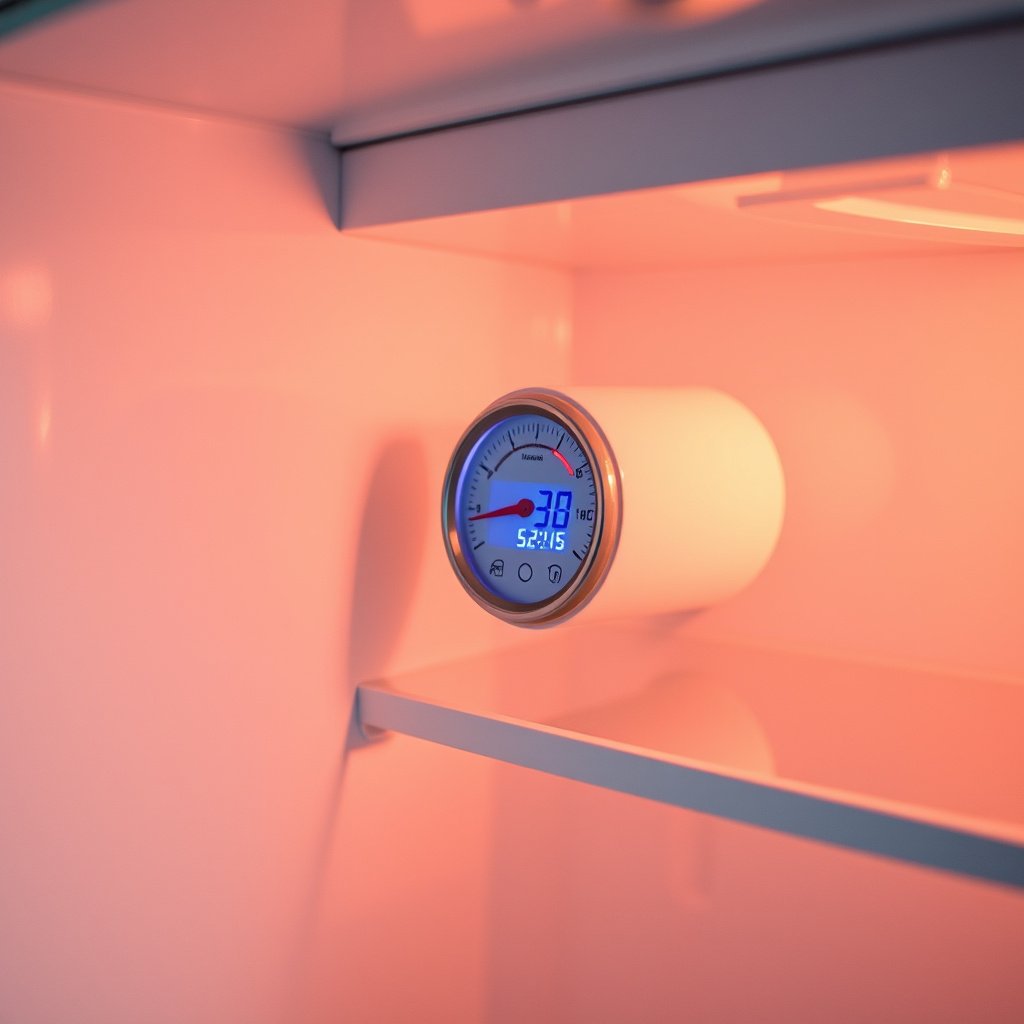
Built-in dials or digital displays may not reflect the actual temperature inside your fridge. A dedicated appliance thermometer placed near the middle shelf gives an accurate reading of your fridge’s environment.
Check temperatures regularly, especially after adjusting settings, moving food, or cleaning the fridge to ensure the 37°F target stays consistent.
- Place thermometer away from doors and vents
- Avoid stacking food near the sensor
- Calibrate or replace thermometer as needed
Maintaining Consistent Freezer Temperatures
Freezers can have temperature fluctuations based on door openings, defrost cycles, and ambient room temperature. Keep the door closed as much as possible and avoid overfilling to allow proper air circulation.
Place a freezer thermometer on the center shelf and verify the temperature periodically to catch warm spots or faulty seals early.
- Seal any gaps or cracks in door gasket
- Defrost manual defrost units to prevent ice buildup
- Keep freezer away from heat sources
How Refrigerator Types Affect Temperature Control
Top Freezer and Bottom Freezer Models
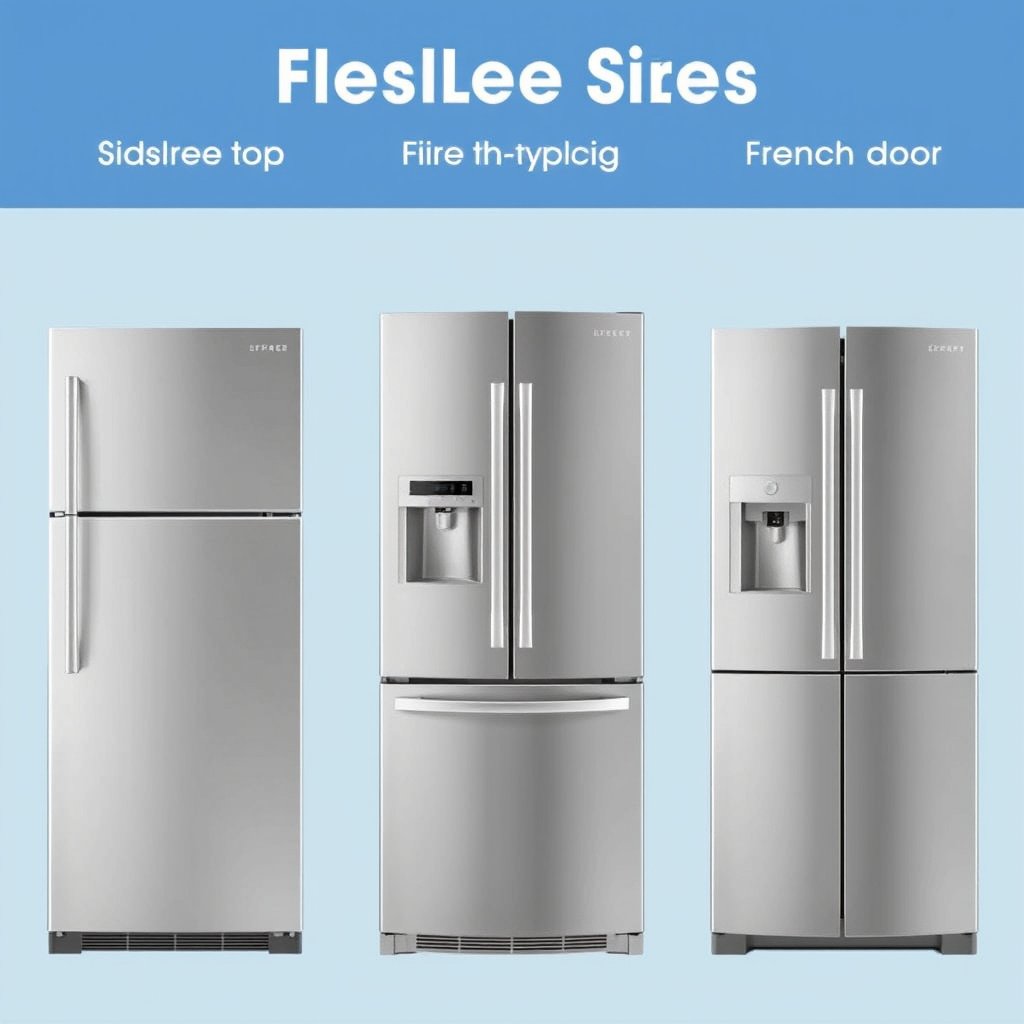
Top and bottom freezer refrigerators often have a single compressor and thermostat controlling both compartments. Setting the fridge temperature controls the freezer indirectly, which might need fine-tuning.
Users should monitor each compartment separately with thermometers to ensure the freezer stays near 0°F while the fridge hovers at 37°F, adjusting settings accordingly.
Side-by-Side and French Door Units
Side-by-side and French door refrigerators usually have separate temperature controls and compressors for refrigerator and freezer compartments. This design allows more precise temperature management tailored to each area’s needs.
Maintaining the ideal fridge and freezer temperatures is more straightforward with these models, but proper calibration is still necessary to meet food safety standards.
Impact of Temperature Settings on Food Types
Best Temperatures for Fresh Produce and Dairy
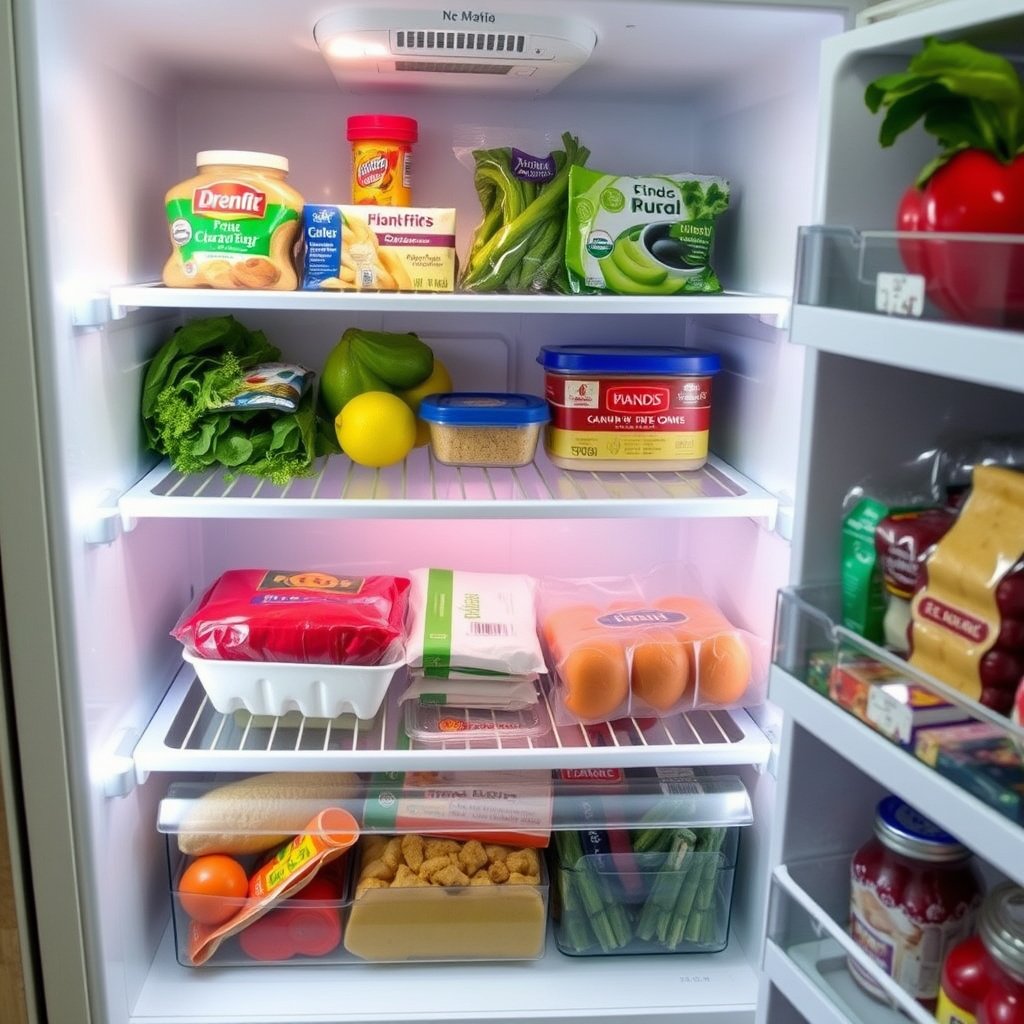
Fresh vegetables and fruits thrive around 37°F without chilling injury. Dairy products such as milk and cheese also remain safe and fresh near this temperature, which slows spoilage while avoiding freezing.
Avoid placing produce near the coldest fridge zones or vents that can cause freezing damage. Use crisper drawers designed with adjustable humidity to prolong freshness.
Storing Meat and Frozen Goods Safely
Raw meat and fish require strict freezing at 0°F or below to halt bacterial growth effectively when stored long term. Use airtight packaging to prevent freezer burn.
Cooked leftovers should be refrigerated promptly at 37°F or below and consumed within 3–4 days to minimize food safety risks caused by temperature fluctuations.
Energy Efficiency and Temperature Balance
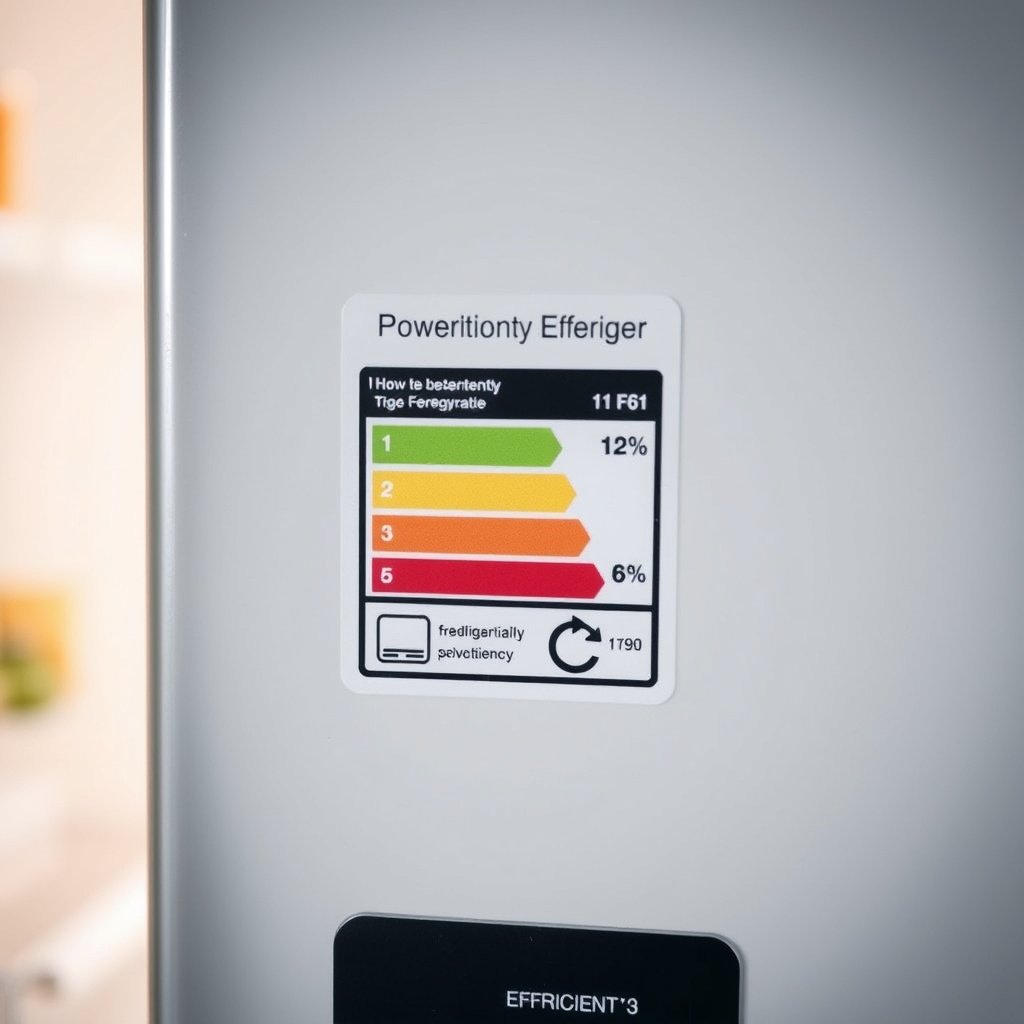
Setting Temperatures for Reduced Energy Use
Setting your fridge to 37°F and freezer to 0°F balances energy consumption while maintaining safety. Lowering freezer temperatures below this wastes electricity without food quality benefits.
Modern refrigerators with better insulation and smart controls help maintain ideal temperatures with greater efficiency than older models.
- Avoid frequent door openings
- Keep coils clean
- Ensure door seals are tight
Signs Your Appliance Is Using Excess Energy
Frost buildup, inconsistent temperatures, or excessive noise can indicate your fridge or freezer is overworking, increasing power use. This may suggest poor sealing, dirty components, or a malfunctioning thermostat.
Address these issues promptly to protect food and reduce utility bills.
- Check and replace door gaskets
- Schedule professional maintenance
- Avoid overfilling to allow airflow
Tips for Troubleshooting Temperature Issues
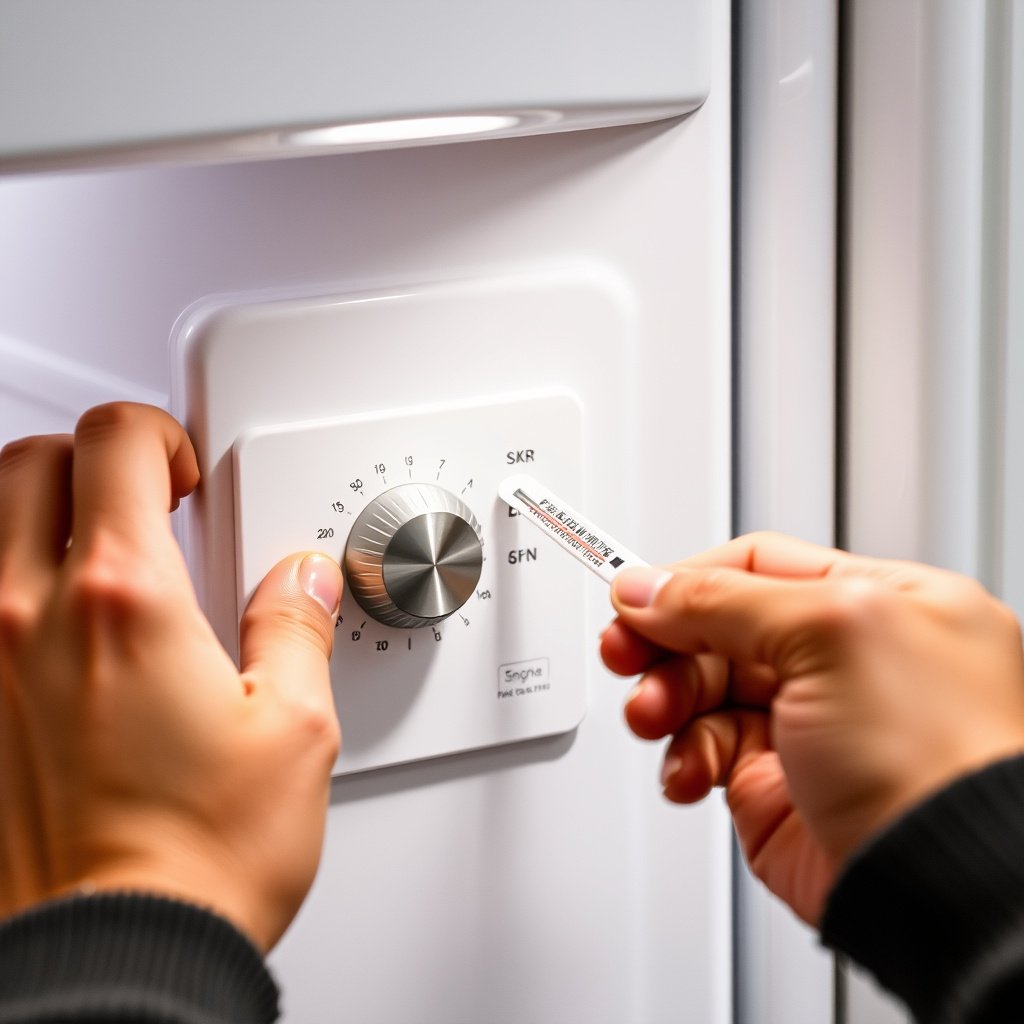
Common Causes of Incorrect Temperatures
Improper thermostat settings, frequent door openings, overloaded shelves, or dirty condenser coils can cause inaccurate temperature readings inside fridges and freezers.
Sometimes, placement of the thermometer or location of the fridge in a warm environment can mislead readings, requiring trial and error to identify the true temperature variation.
For official recommendations on refrigerator and freezer temperature settings, the USDA provides trusted food safety guidelines. Refrigerator and freezer temperature guidelines.
How to Fix and Stabilize Temperatures
Start by removing excess food to improve airflow, clean coils and check the door seals for leaks. Adjust thermostat in small increments and monitor temperature with an independent thermometer over 24 hours.
If problems persist, professional repair or replacement of temperature sensors or compressors may be necessary to maintain safe, stable settings.
Fridge and Freezer Type Temperature Control Comparison
This table compares common refrigerator types based on temperature accuracy, control options, and energy usage.
| Category | Temperature Control Type | Temperature Accuracy | Energy Efficiency | Maintenance Needs |
|---|---|---|---|---|
| Top Freezer | Single thermostat | Moderate | Good | Low |
| Bottom Freezer | Single thermostat | Moderate | Good | Moderate |
| Side-by-Side | Dual thermostats | High | Average | Moderate |
| French Door | Dual thermostats | High | Average to Good | Moderate to High |
| Built-in/Counter-Depth | Dual or smart controls | Very High | Mixed | High |
Frequently Asked Questions
Why should my freezer be set to 0°F?
Freezing at 0°F stops bacterial growth and keeps food safe indefinitely when properly stored, preserving texture and taste without using extra energy.
Can I set my fridge temperature lower for fresher food?
Setting a fridge lower than 35°F risks freezing and damaging many fresh foods, so 37°F balances safety with quality.
How often should I check my fridge and freezer temperatures?
Check temperatures weekly or after adjusting settings to ensure your fridge stays near 37°F and freezer stays at 0°F.
Does frequent door opening affect temperature stability?
Yes, opening doors frequently lets warm air in, causing temperature fluctuations that may compromise food freshness and safety.
What is a sign my freezer temperature is too warm?
Ice crystals melting, frost buildup or soft frozen food indicate the freezer isn’t cold enough to keep food safely frozen.
Key Takeaways
- Set your fridge to 37°F to keep food fresh and safe without freezing damage.
- Keep your freezer at 0°F to preserve food quality and stop bacteria growth.
- Use appliance thermometers to monitor actual temperatures accurately.
- Different fridge types offer varying temperature control precision and maintenance needs.
Conclusion
Deciding on the ideal fridge and freezer temperatures combines prioritizing food safety and optimizing appliance performance. Setting your refrigerator to approximately 37°F and freezer to 0°F reliably minimizes bacterial growth, reduces spoilage, and protects food nutrients. Accurate temperature monitoring with a dedicated thermometer is essential since built-in controls can sometimes be misleading or inconsistent due to frequent door openings or environmental factors.
If you own a top freezer or bottom freezer fridge, expect a bit more manual adjustment and careful calibration between the fridge and freezer compartments to maintain proper temperatures simultaneously. With side-by-side or French door models offering independent temperature controls, precise food safety management becomes simpler, although these units might require a bit more maintenance to keep sensors operating optimally. Regardless of model, routine checks and maintenance like sealing door gaskets and keeping coils clean prolong appliance life and improve energy efficiency.
Ultimately, start by placing a refrigerator thermometer in the main compartment and adjust the thermostat slowly towards the recommended range. Monitor settings for a few days, adjusting as needed to maintain close to 37°F in the fridge and 0°F in the freezer. For users unsure of their fridge model’s controls, consulting the manual or manufacturer website can provide target ranges. Consistent temperature management goes a long way toward ensuring your food stays fresher, safer, and your appliance costs stay reasonable.



3 Comments