Induction Cooktop Electrical Requirements: What You Need to Know
Induction cooktops require specific electrical wiring and power supply to function safely and efficiently. Most high-quality induction cooktops need a dedicated 240-volt circuit with a minimum amperage of 30 to 50 amps, depending on the model and size. This ensures they can provide the rapid heating and consistent power induction cooking demands without tripping breakers or overheating wires.
Understanding electrical requirements is critical because improper wiring or insufficient power can lead to poor cooktop performance, safety hazards, and even electrical damage. Homeowners should consult product manuals and possibly licensed electricians to confirm the exact power ratings and ensure compliance with local electrical codes.
This article will cover all the main points about induction cooktop electrical requirements, including voltage, amperage, circuit breakers, wiring types, and safety precautions. We’ll also compare various cooktop categories and clarify installation tips for a smooth setup.
Voltage and Amperage Needs for Induction Cooktops
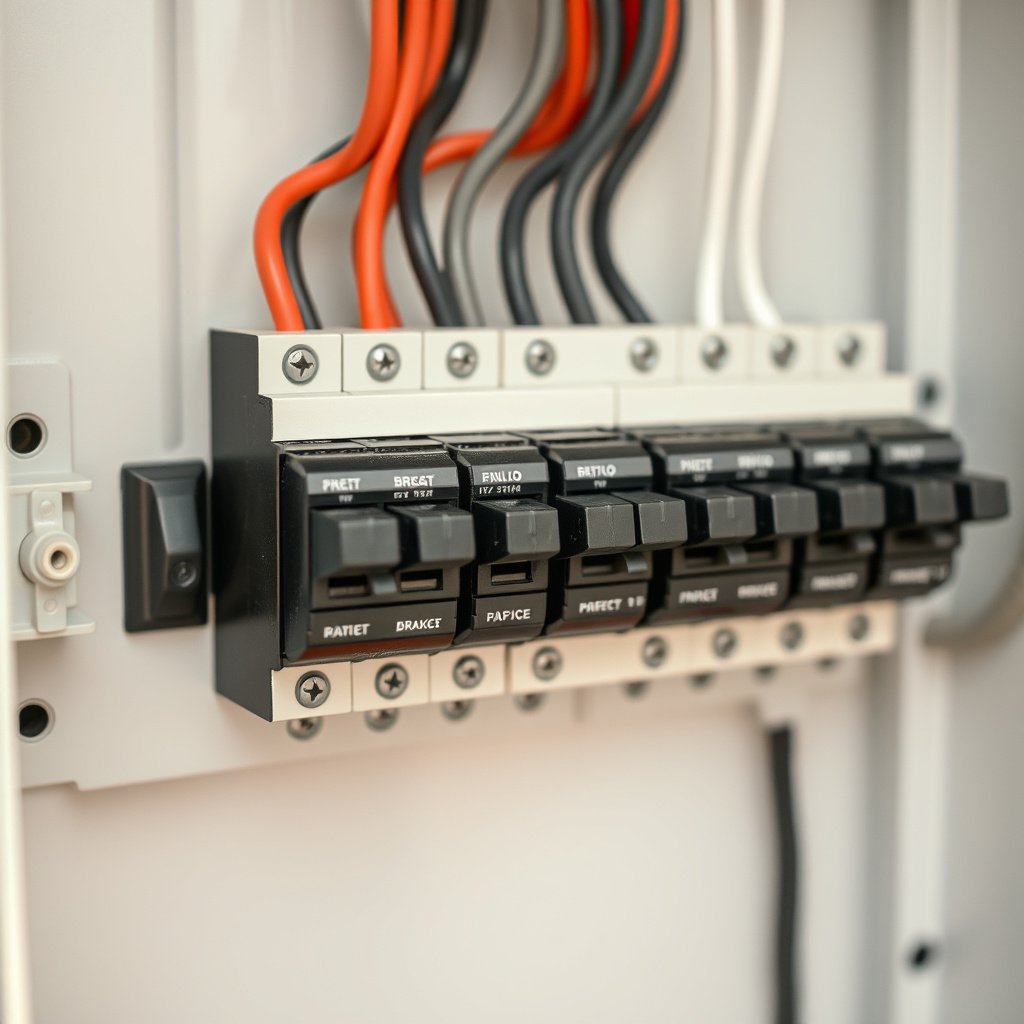
Typical Voltage Specifications
Most residential induction cooktops operate on a 240-volt supply line. This higher voltage compared to standard 120-volt outlets enables faster and more consistent heating by supplying sufficient power to the induction coils.
Certain portable or smaller induction units may use standard 120-volt outlets, but these are limited in power output and cooking capabilities. Always verify your model's requirements for voltage before installation.
Required Amperage and Circuit Size
Induction cooktops can draw between 20 to 50 amps, depending on their size and number of burners. Larger units with four or more burners typically need a dedicated 40- to 50-amp circuit to handle the load safely.
A correctly sized circuit breaker is essential. Undersized breakers may trip frequently, while oversized breakers could pose a fire risk if wiring and appliances are overloaded.
- 20–50 amps depending on cooktop size
- Dedicated circuit strongly recommended
- Breaker size matches amperage rating
Wiring and Installation Guidelines
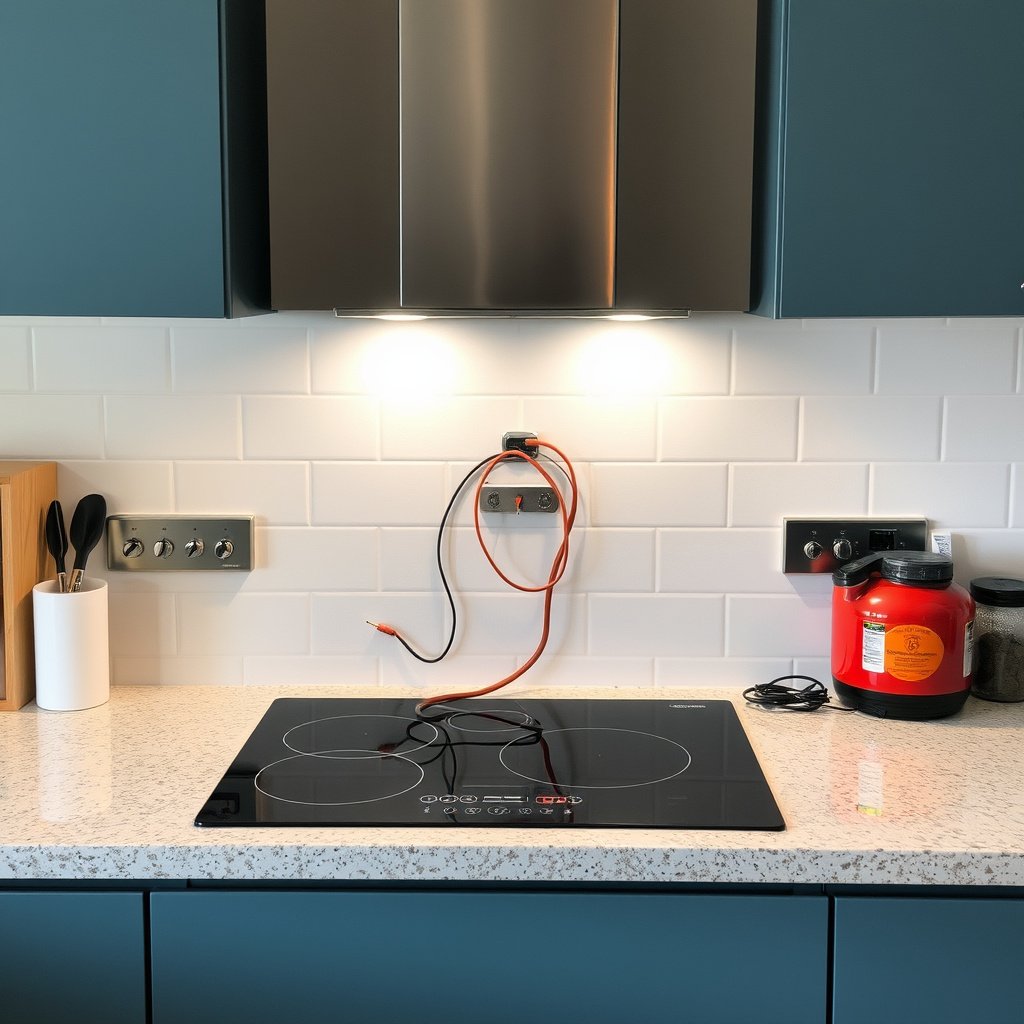
Wire Gauge and Type
Standard wiring for induction cooktops often uses 8-gauge or 6-gauge copper wire to handle the high current safely. The exact wire size depends on the amperage rating of the circuit breaker and local electrical codes.
Using the correct wire gauge reduces voltage drop and heat buildup inside the wires, protecting both the cooktop and the home’s electrical system.
- Use copper wire rated for 240V
- Wire gauge depends on amperage (typically #8 or #6 AWG)
- Follow local electrical code regulations
Proper Grounding and Safety Measures
Adequate grounding of the induction cooktop circuit prevents electrical shock hazards. Ground wires are connected to the electrical panel grounding bus and should be continuous throughout the circuit.
Installing a ground-fault circuit interrupter (GFCI) may also be required in some jurisdictions to add an extra layer of protection.
- Ground wire must be continuous and properly connected
- Consider GFCI or AFCI protection as required
- Follow installation manual instructions carefully
Understanding Circuit Breakers for Your Cooktop
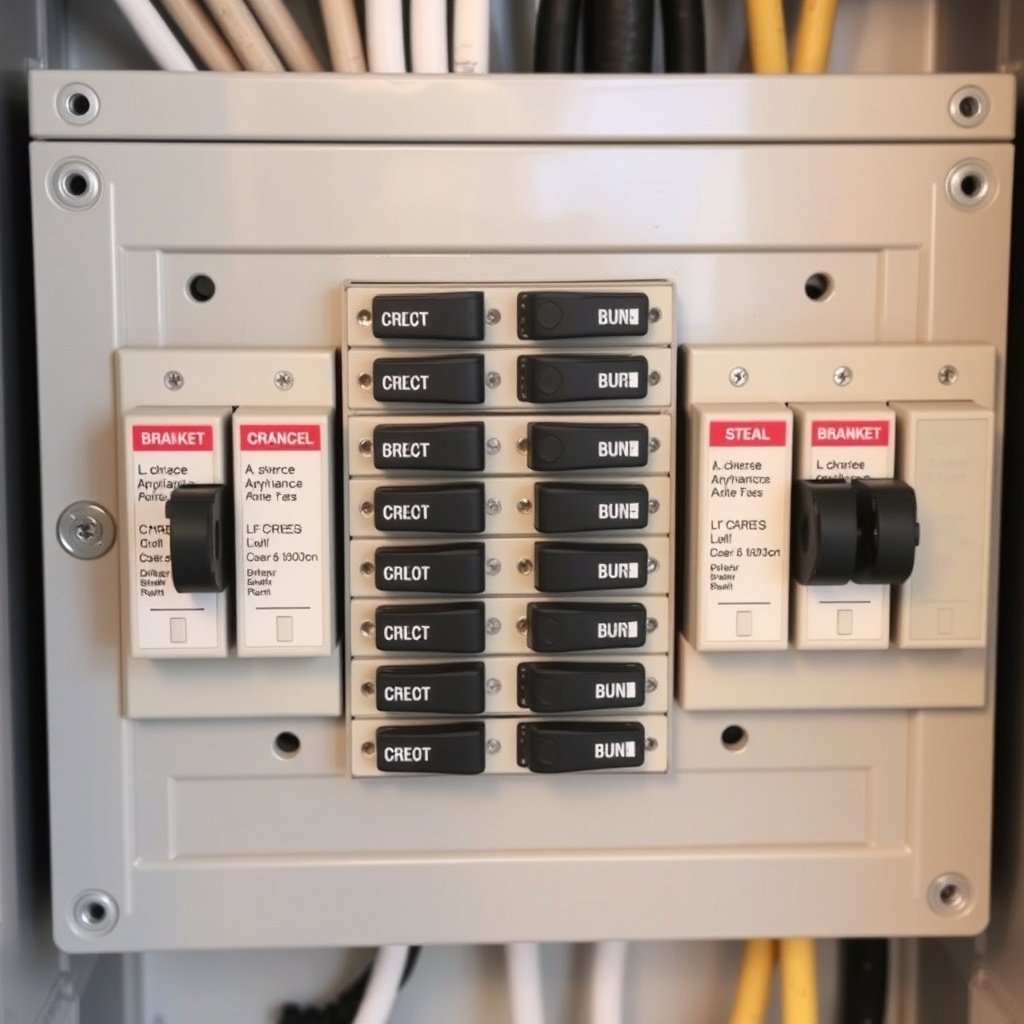
Selecting the Right Circuit Breaker Size
Circuit breakers must be matched to the cooktop's maximum amperage. Manufacturers usually specify minimum breaker requirements in the installation guide.
Common breaker sizes for induction cooktops range from 30 amps for smaller units to 50 amps for larger ones with multiple burners.
- Breaker size should not exceed wire ampacity
- Check manufacturer specifications
- Avoid breaker oversizing for safety
Breaker Types: Standard, GFCI, and AFCI
Standard breakers protect against overloads but not against ground faults or arc faults. GFCI breakers prevent shocks from grounding issues, while AFCI breakers detect arc faults to prevent electrical fires.
Some local electrical codes require GFCI or AFCI protection in kitchens, so it is essential to be aware of local regulations before installation.
Power Supply Options and Compatibility
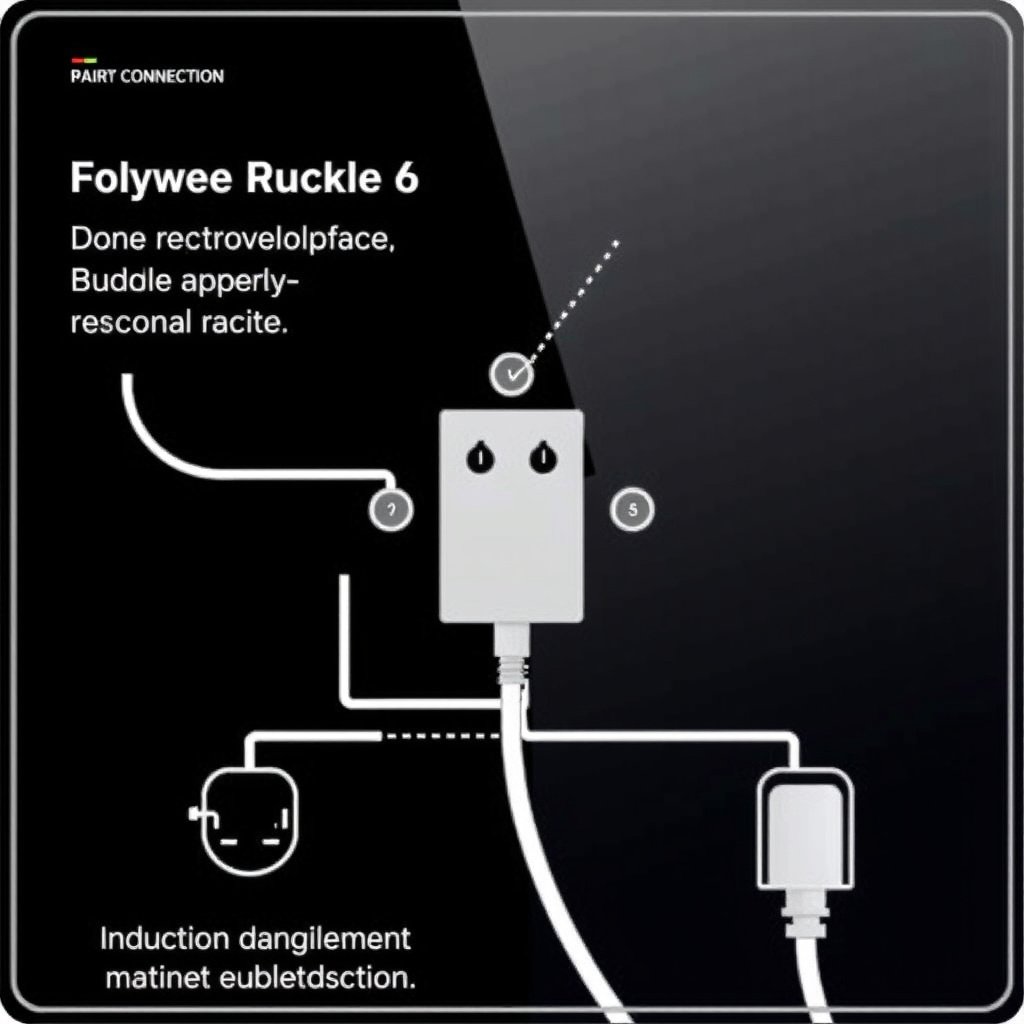
Hardwired vs Plug-in Cooktops
Many induction cooktops are designed to be hardwired directly into the home’s electrical system for a stable and secure power connection, especially for higher amperage models.
Smaller units or portable induction cooktops may come with standard plugs and require a compatible outlet, typically a 120-volt or sometimes a specialized 240-volt receptacle.
- Hardwired suitable for larger, permanent installations
- Plug-in options for portable or smaller units
- Ensure outlet voltage and amperage match cooktop requirements
Compatibility with Home Electrical Infrastructure
Homes with older wiring or panels may require electrical upgrades to support new induction cooktops. Upgrades might include adding circuits, rewiring, or even replacing the electrical panel to deliver sufficient power safely.
Consulting an electrician is advisable to assess compatibility and plan necessary modifications.
Safety Precautions and Maintenance Tips

Avoiding Electrical Hazards
Following the manufacturer’s electrical requirements during installation prevents hazards like electrical shock or fire. Never use extension cords or adapters that are not rated for the cooktop’s amperage.
Regular inspection of the wiring and connections is recommended to detect wear or damage early.
- No use of unapproved extension cords
- Keep wiring secure and insulated
- Schedule professional inspections regularly
Routine Maintenance for Electrical Components
Cleaning around the cooktop’s electrical connections helps maintain good contact and prevents corrosion. Use manufacturer-recommended cleaning products.
If the cooktop trips breakers frequently, it might indicate electrical issues needing professional troubleshooting.
Energy Efficiency and Electrical Demand
Energy Use Compared to Other Cooktops
Induction cooktops use electricity more efficiently than traditional electric coil or gas cooktops, requiring a steadier, high current to power electromagnetic coils beneath the surface.
Their ability to heat pots directly limits wasted energy, leading to faster cooking with less electricity over time.
For broader information on kitchen electrical safety and guidelines, refer to materials from the Electrical Safety Foundation International. Electrical Safety Foundation International.
Managing Electrical Load in Your Home
Since induction cooktops demand substantial power, simultaneous use of other high-draw appliances like ovens or dryers on the same circuit or panel can overload the system.
Balancing load by spreading appliances across different circuits helps maintain electrical safety and prevents nuisance breaker trips.
- Avoid placing heavy-load appliances on same circuit
- Use dedicated circuits for major kitchen appliances
- Upgrade home panel if frequent overloads occur
Comparison of Induction Cooktop Electrical Categories
This table outlines common induction cooktop categories with their general electrical requirements, helping identify what suits different kitchen setups.
| Cooktop Type | Voltage | Amperage | Circuit Breaker Size | Wiring Gauge |
|---|---|---|---|---|
| Portable Single Burner | 120V | 15-20A | 20A | #12 AWG |
| Compact Two-Burner | 240V | 20-30A | 30A | #10 AWG |
| Standard Four-Burner | 240V | 30-40A | 40A | #8 AWG |
| Professional Six-Burner | 240V | 40-50A | 50A | #6 AWG |
| Built-in Modular Units | 240V | 30-50A | 40-50A | #6 or #8 AWG |
Frequently Asked Questions
Can I plug an induction cooktop into a standard wall outlet?
Most induction cooktops, especially larger models, require a 240-volt dedicated circuit and cannot be plugged into standard 120-volt outlets. However, some small portable units are designed for 120 volts.
What size circuit breaker do I need for a four-burner induction cooktop?
Typically, a four-burner induction cooktop requires a 40-amp circuit breaker to supply sufficient power safely, but always check manufacturer specifications.
Is it necessary to hire an electrician for installation?
Yes. Since induction cooktops have specific electrical requirements and must comply with electrical codes, professional installation by a licensed electrician is strongly recommended.
Are GFCI breakers required for induction cooktop circuits?
Whether GFCI breakers are required depends on local building codes, but they may be recommended or necessary in kitchens to provide additional shock protection.
Can I use existing wiring for my new induction cooktop?
Existing wiring may not support the higher amperage needs of an induction cooktop. An electrician can evaluate your wiring to determine if upgrades are necessary.
Key Takeaways
- Induction cooktops generally require 240V and 30-50A circuits for proper operation.
- Wiring gauge and circuit breaker size must match amperage to maintain safety.
- Professional installation helps comply with electrical codes and avoids hazards.
- Proper grounding and possible GFCI protection enhance electrical safety.
Conclusion
When selecting and installing an induction cooktop, understanding the electrical requirements is essential for safe, efficient operation. Paying attention to voltage, amperage, circuit breaker size, and wiring gauge ensures the cooktop functions without electrical issues. Aligning these parameters with your home’s electrical system prevents power interruptions and hazards. Careful planning and adherence to manufacturer guidelines and local codes make a significant difference in long-term reliability and performance.
For typical home kitchens, a standard four-burner induction cooktop will require a dedicated 240-volt, 40-amp circuit wired with #8 gauge copper wire. Smaller portable units may operate on 120 volts with standard outlets, but they offer less power. Larger professional-grade models demand even higher amperage and correspondingly larger circuit breakers and thicker wiring. Considering your cooking needs, space, and existing electrical infrastructure is key to choosing the right category.
Before installation, hiring a licensed electrician to evaluate your home’s electrical panel and wiring is wise. If your panel cannot support the induction cooktop's power needs, upgrading will be necessary. Following safety practices, grounding properly, and possibly integrating GFCI or AFCI breakers adds protection. Taking these measured steps ensures your induction cooktop delivers powerful, responsive cooking performance without electrical compromises.