Creative Microwave Over Stove Ideas to Maximize Kitchen Space
Mounting a microwave over the stove is a smart method to save counter space while adding an efficient cooking zone in your kitchen. This arrangement combines ventilation and microwave convenience without crowded countertops, making it ideal for both small and large kitchens.
This setup is popular because it streamlines kitchen tasks, offering easy access to your microwave while cooking on stove burners. It also frees up valuable work areas and can include built-in exhaust fans to remove cooking odors and smoke, improving your overall kitchen environment.
In this article, we will explore various creative microwave over stove ideas, discussing different installation styles, design tips, ventilation options, and safety considerations to help you choose the best setup that fits your cooking habits and kitchen layout.
Mounting Styles for Microwave Over Stove Installation
Built-In vs. Bracket Mounted Microwaves
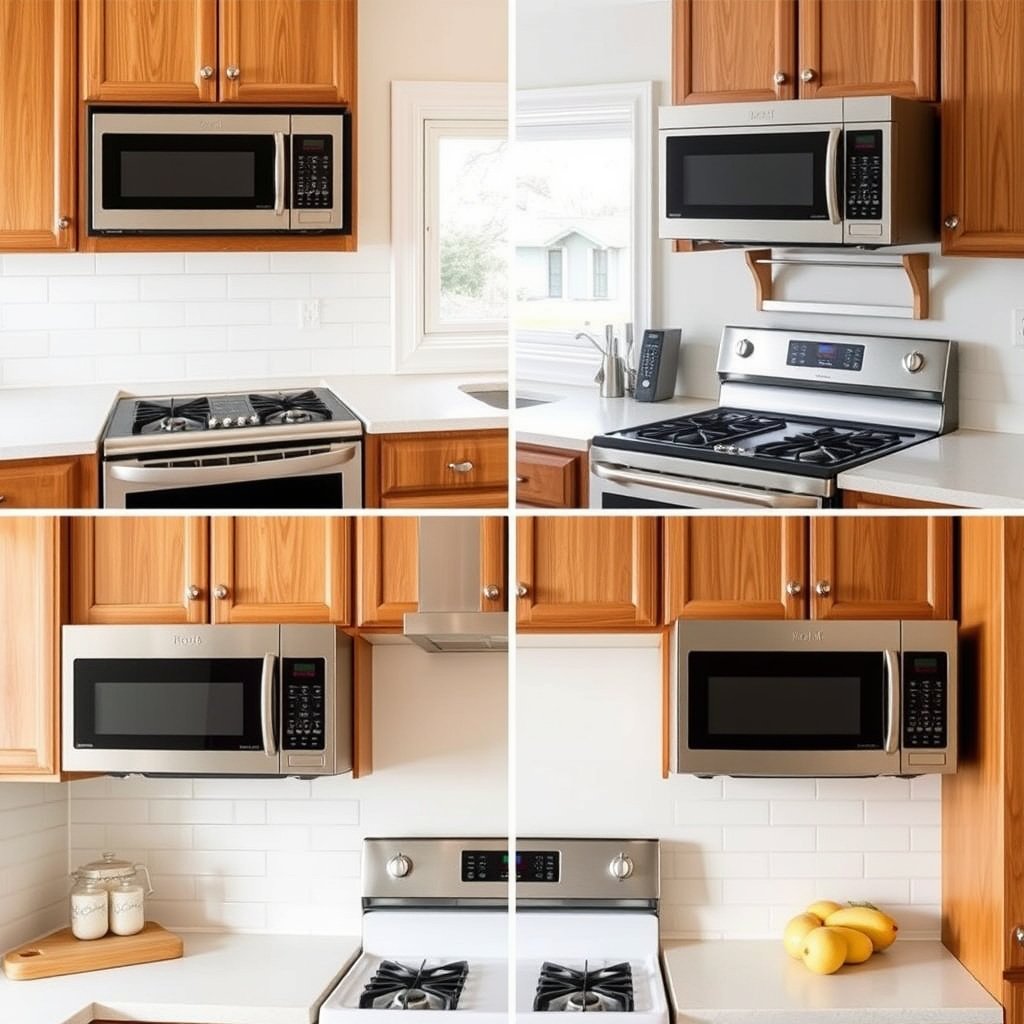
Built-in microwaves are integrated seamlessly into cabinetry or a microwave hood combination that sits directly above the stove, providing a sleek, flush appearance. This style often requires more precise measurements and professional installation but offers a stable and aesthetic finish.
Bracket-mounted microwaves hang below upper cabinets using mounting brackets. This is a more flexible, cost-effective option that can be installed without major cabinet modifications. The bracket approach is popular for renters or those wanting an easier installation process.
- Built-in offers cleaner look
- Bracket-mounted is easier to install
- Built-in may have custom ventilation
- Bracket-mounted often is more affordable
Under-Cabinet Microwave Hood Combos
A combined microwave and exhaust hood is a common over stove solution featuring a microwave oven paired with a ventilation fan and light below it. This dual-purpose design saves space and reduces appliance clutter by combining two functions in a single unit.
Installation must properly align the ventilation with your cooking stove, and most microwave hood combos come with multiple fan speed settings and lighting options to aid in different cooking scenarios.
- Saves space with dual function
- Includes fan and lighting
- Requires proper ventilation ducting
- Available in various sizes
Design and Aesthetic Microwave Over Stove Ideas
Matching Materials and Finishes
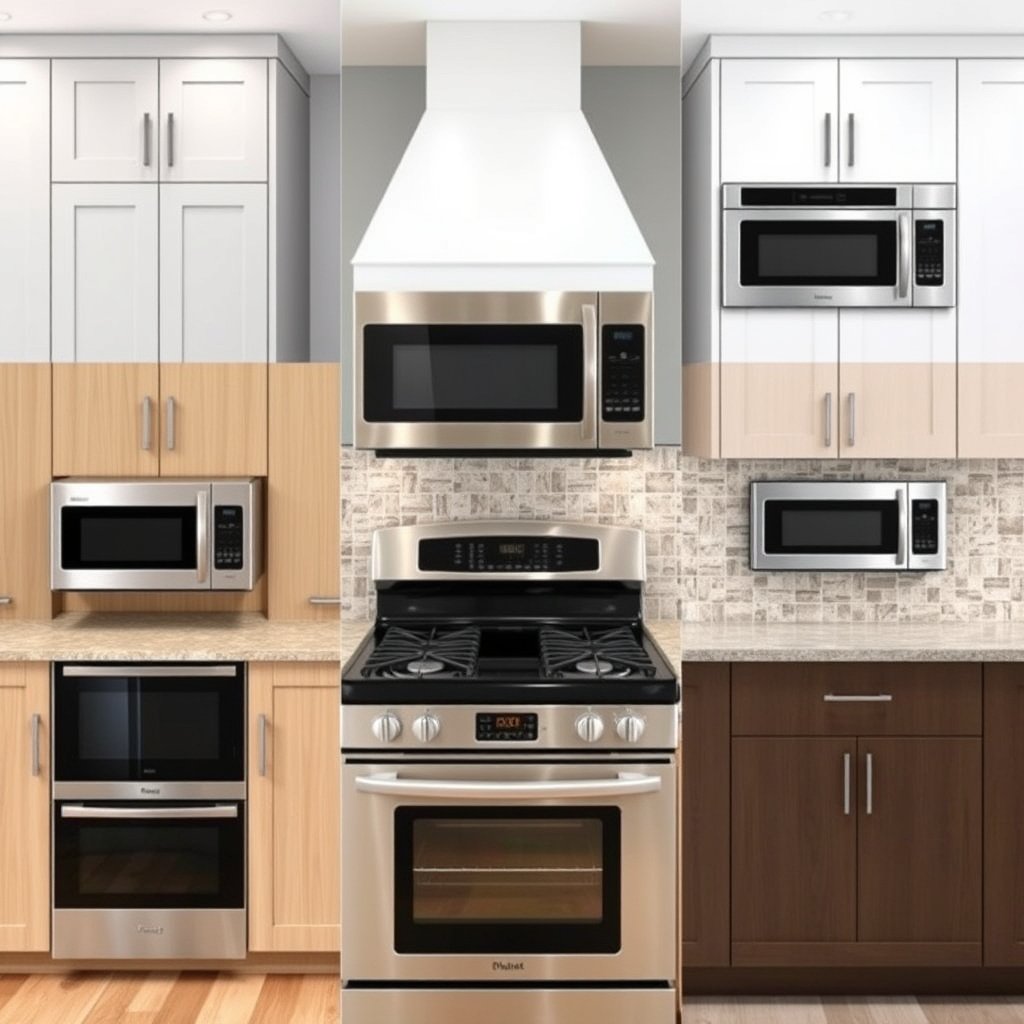
Choosing microwave materials and finishes to complement your stove and cabinetry creates an integrated kitchen look. Stainless steel models are popular for durability and matching modern appliances, while black or white finishes can blend with surrounding cabinetry for subtlety.
Custom cabinetry can be designed to frame a built-in microwave over stove, adding extra storage around it or concealing the appliance partially for a polished, cohesive effect.
- Stainless steel for modern kitchens
- Custom cabinetry frames microwaves
- Matte black or white for blending
- Consider kitchen color palette
Incorporating Lighting and Backsplash Coordination
Since microwaves over stove often include built-in lighting, coordinating this with backsplash materials can enhance kitchen ambiance and functionality. LED lights under the microwave provide direct illumination for stovetop tasks.
Using reflective or light-colored backsplashes can amplify the lighting effect, while textured backsplashes add a decorative element that complements the microwave’s finish.
- LED lighting enhances usability
- Light backsplashes amplify brightness
- Coordinated colors unify design
- Textured backsplash adds interest
Ventilation Options and Airflow Considerations
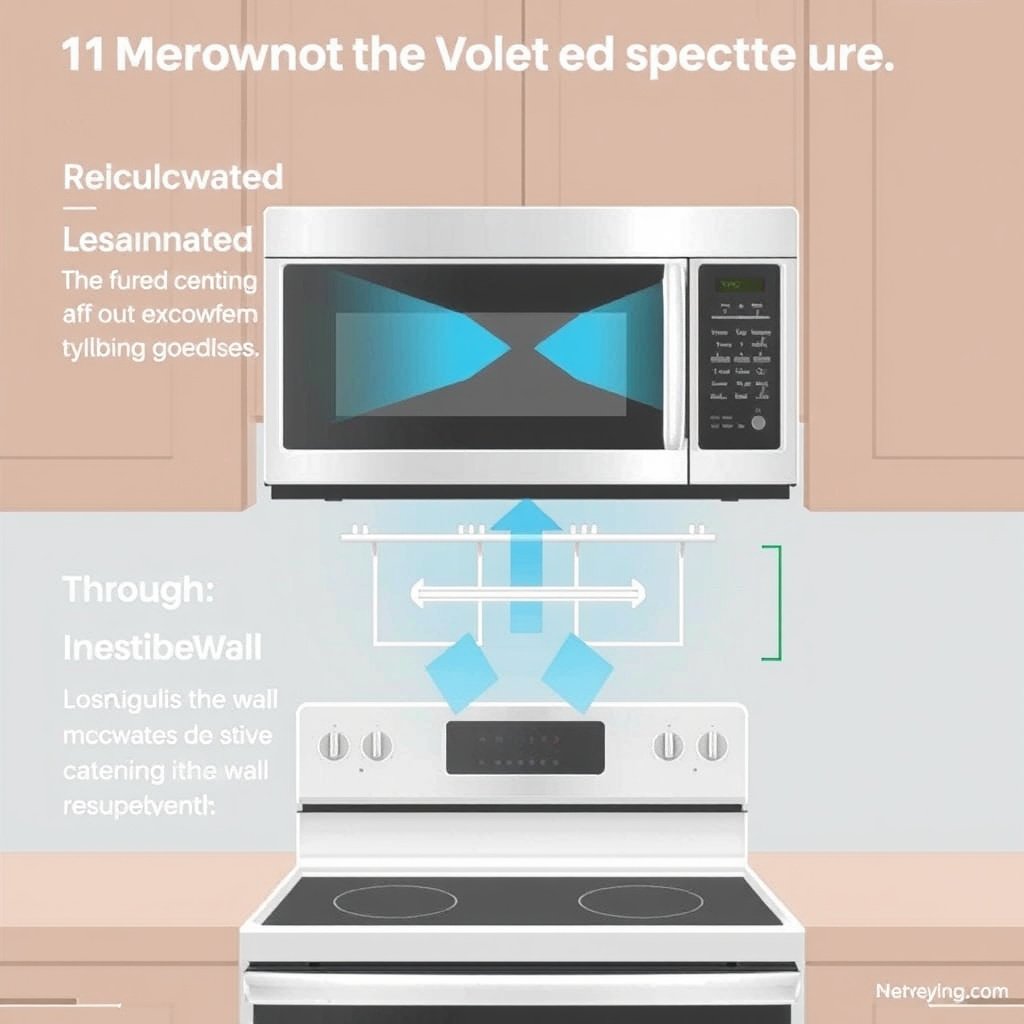
Ducted vs. Ductless Venting Systems
Microwaves over stoves can use ducted ventilation, which exhausts cooking fumes and smoke outside through a vent pipe, or ductless systems that filter the air through charcoal filters and recirculate it back into the kitchen.
Ducted vents are generally more efficient at removing moisture and odors, but they require accessible exterior walls or ceilings for proper installation. Ductless setups are easier to install but may need regular filter replacements to maintain air quality.
- Ducted vents expel air outside
- Ductless filter and recirculate air
- Ductless easier to install
- Ducted better for heavy cooking fumes
Fan Speeds and Noise Levels
Microwave over stove units vary in fan power and noise output. Higher fan speeds remove odors quickly but may produce noticeable noise. Selecting a model with variable fan speeds allows you to adapt ventilation to your cooking needs quietly when preferred.
Look for microwave hoods with noise ratings specified in sones or decibels to choose a balance between performance and quiet operation, particularly in open-concept living spaces.
- Variable fan speeds for flexibility
- Quieter models improve comfort
- Match fan power to cooking habits
- Check noise ratings before purchase
Safety and Installation Tips for Over Stove Microwaves
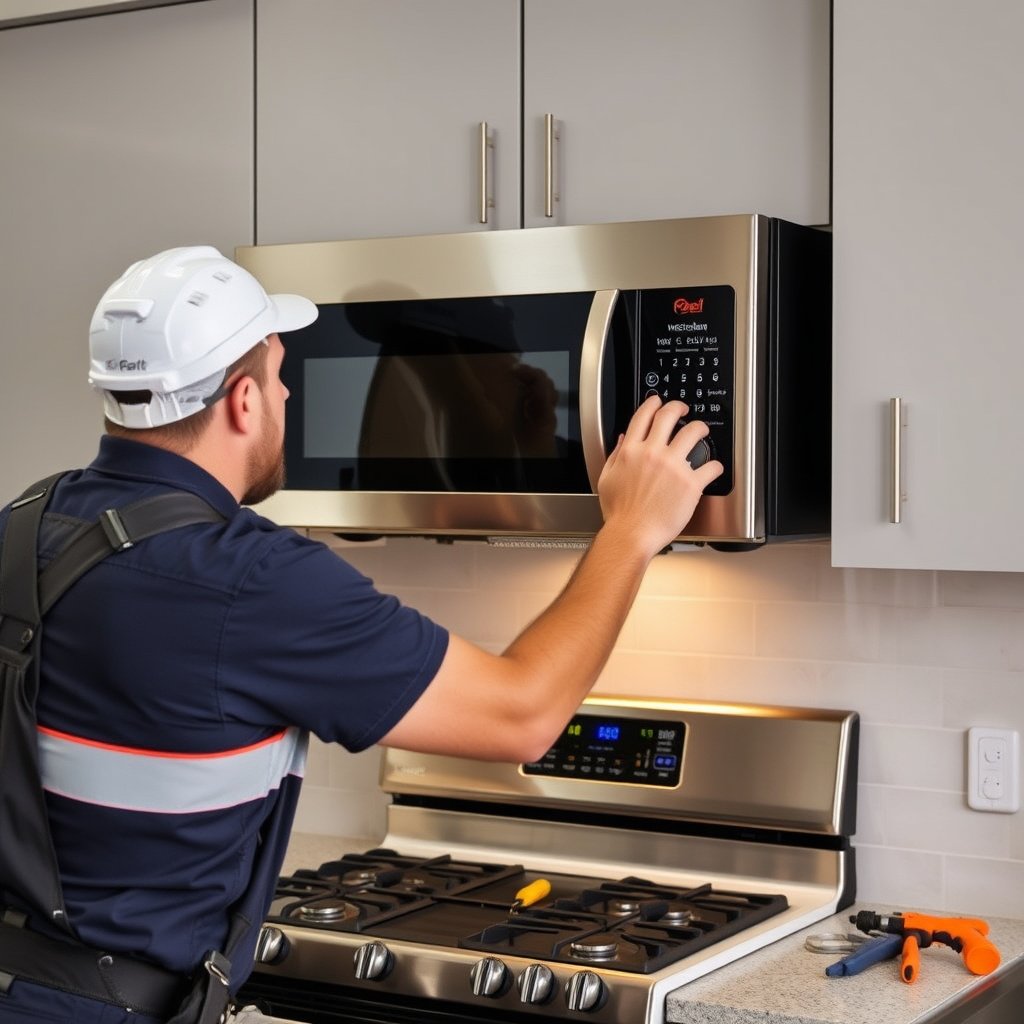
Clearance Requirements and Heat Protection
To safeguard your microwave and meet building codes, maintain proper clearance between the stove and microwave, typically 13 to 18 inches above the cooking surface. This spacing prevents heat damage and allows enough room to operate and clean the microwave door safely.
Heat shields or insulation materials can be installed if your stove produces high heat. These protect the microwave’s electronic components and prolong its lifespan while keeping your kitchen safer.
- Maintain 13-18 inch clearance
- Use heat shields if necessary
- Check local electrical code compliance
- Allow door clearance for usability
Professional vs. DIY Installation Considerations
Installing a microwave over the stove often involves electrical wiring and ventilation ducting that should meet safety standards. Hiring a professional is recommended to avoid hazards and ensure a secure mount, especially for built-in models.
DIY installation can work for bracket-mounted microwaves with lower ventilation needs and simpler wiring, but precise measurements and following manufacturer instructions are critical to avoid accidents.
- Professional installation recommended for built-ins
- DIY possible with brackets and simple hooks
- Confirm electrical connections meet codes
- Follow manufacturer instructions strictly
Smart Features and Technology in Over Stove Microwaves
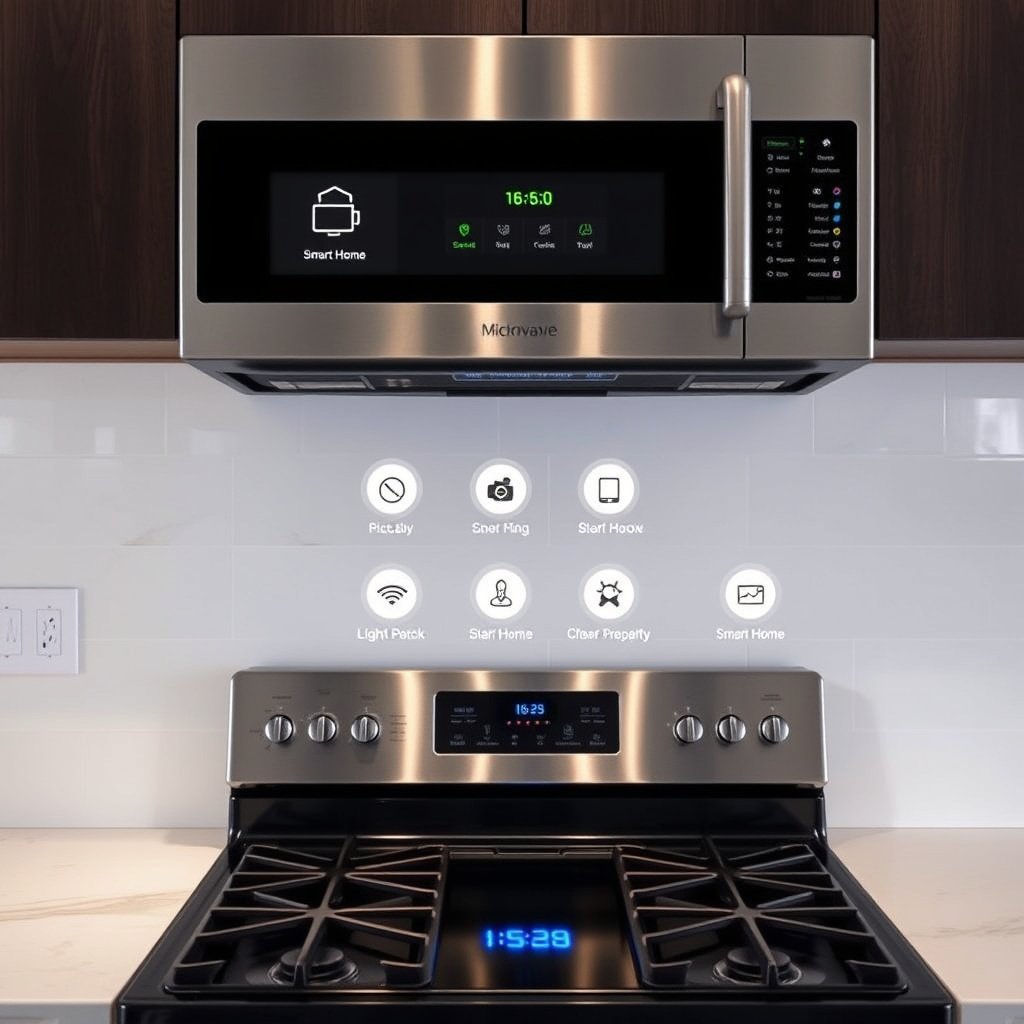
Sensor Cooking and Auto Programs
Many over stove microwaves include sensor cooking technology that measures moisture and adjusts cook time automatically, improving results and preventing overcooking. Auto programs simplify reheating, defrosting, and popcorn making with tailored presets.
Sensor cooking reduces guesswork and adds convenience during busy meal preparation by adapting to various foods and portion sizes in real-time.
- Automatic cook-time adjustments
- Preset cooking modes for common foods
- Improves cooking accuracy
- Ideal for multitasking cooks
For more detailed information about microwave ovens and their technology, see the microwave oven Wikipedia article. microwave oven Wikipedia article.
Wi-Fi Connectivity and Voice Control
Some advanced microwaves offer Wi-Fi connectivity allowing remote control via smartphone apps and integration with voice assistants like Alexa or Google Assistant. This technology helps start, stop, or monitor cooking remotely, offering modern convenience.
While still emerging in popularity, these smart microwaves can sync cooking times, receive firmware updates, and even suggest recipes, making kitchen tasks more interactive and efficient.
- Remote control via smartphone
- Compatible with voice assistants
- Receives software updates
- Offers connected cooking features
Microwave Over Stove Category Comparison
Here’s a comparison of different microwave over stove categories highlighting key features, price range, and installation complexity to help you decide the best fit for your kitchen.
| Category | Ventilation Type | Installation Complexity | Price Range | Best For | |||||
|---|---|---|---|---|---|---|---|---|---|
| Built-In Microwave Hood Combo | Ducted or Ductless | High – Professional | $300-$700 | Permanent kitchen setups with custom cabinetry | |||||
| Bracket-Mounted Microwave | Typically Ductless | Medium – DIY possible | $150-$400 | Renters and those needing easy installation | |||||
| Smart Wi-Fi Microwaves | Usually Ductless | Medium – Professional | $400-$900 | Tech enthusiasts wanting remote control | |||||
| Compact Microwaves Over Stove | Ductless only | Low – Simple | $100-$250 | Small kitchens with light cooking | High-End Ventilated Models | Ducted ventilation | High – Professional | $700-$1200 | Heavy cooking users requiring strong exhaust |
Frequently Asked Questions
Can any microwave be installed over a stove?
Not all microwaves are designed for over stove installation. Only models rated for overhead mounting with proper ventilation features should be used to ensure safety and performance.
How much clearance is needed between the stove and microwave?
A safe clearance is typically between 13 to 18 inches from the stove surface to the bottom of the microwave. This prevents heat damage and ensures adequate space to operate the microwave door.
What are the advantages of ducted ventilation over ductless?
Ducted vents expel cooking fumes and smoke outdoors, providing more effective removal of odors and moisture compared to ductless systems that recirculate filtered air inside the kitchen.
Is professional installation necessary for microwaves over stove?
Professional installation is recommended, especially for built-in models or those with ducted ventilation, to guarantee safe mounting, correct wiring, and proper venting according to local regulations.
Are there microwaves over stove with smart technology?
Yes, some newer microwave models offer smart features such as Wi-Fi connectivity, voice control, and sensor cooking programs for more convenient and connected kitchen use.
Key Takeaways
- Microwave over stove setups save counter space and enhance kitchen workflow.
- Choose between built-in and bracket-mounted styles based on installation preferences.
- Proper ventilation choice, ducted or ductless, impacts air quality and cooking comfort.
- Safety clearances and professional installation are essential for performance and code compliance.
Conclusion
Deciding how to best incorporate a microwave over the stove requires balancing kitchen space efficiency, ventilation needs, and aesthetic preferences. Understanding the different mounting styles, ventilation options, and design ideas will guide your choice for a setup that fits your cooking habits and kitchen layout. Evaluating factors like clearance, appliance finish, and fan noise helps ensure a safe and comfortable cooking environment for years to come.
For those prioritizing a sleek kitchen, built-in microwave hood combos paired with ducted ventilation offer professional results and an integrated look but involve more complex installation. Renters or DIY enthusiasts might favor bracket-mounted microwaves that are easier to mount and often ductless. Tech-savvy cooks can explore smart microwave models with sensor cooking and Wi-Fi controls to modernize their kitchen experience.
Before installation, measure stove clearance carefully and consult local code requirements to confirm safety and compatibility. If unsure about wiring or venting, hiring a professional installer is advisable. With thoughtful selection and setup, a microwave over the stove not only maximizes space but also elevates your kitchen’s functionality and style.