How to Choose a Microwave Toaster Oven Combination for Your Kitchen
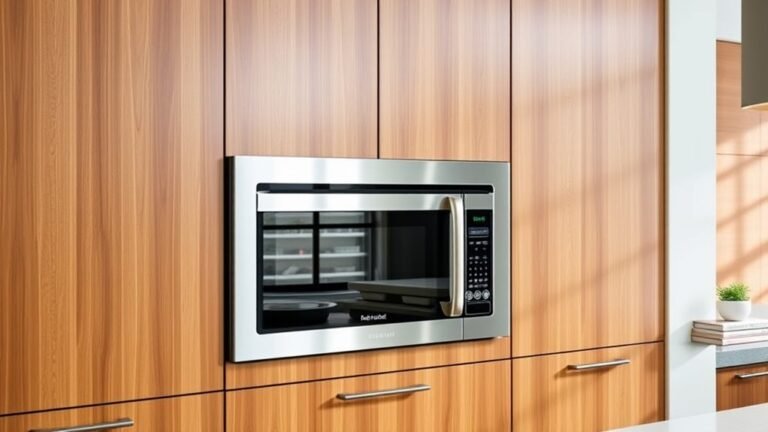
A microwave toaster oven combination offers the convenience of multiple cooking functions in a single appliance, making it perfect for kitchens with limited space. It combines the rapid heating and defrosting capabilities of a microwave with the browning and baking functions of a toaster oven, so you get versatile cooking options without needing extra gadgets.
Many home cooks prefer this hybrid because it streamlines meal preparation and reduces clutter while still handling everything from reheating leftovers to baking small dishes or toasting bread effectively. The combination saves money and counter space compared to buying two separate appliances.
This article covers key features to consider, different types available, capacity and size factors, power and cooking modes, cleaning and maintenance tips, plus a side-by-side comparison of popular options. Whether you're outfitting a small apartment or upgrading your existing kitchen setup, this guide will help you find the best microwave toaster oven combination for your needs.
Understanding Microwave Toaster Oven Combination Features
What Makes Microwave Toaster Oven Combos Unique
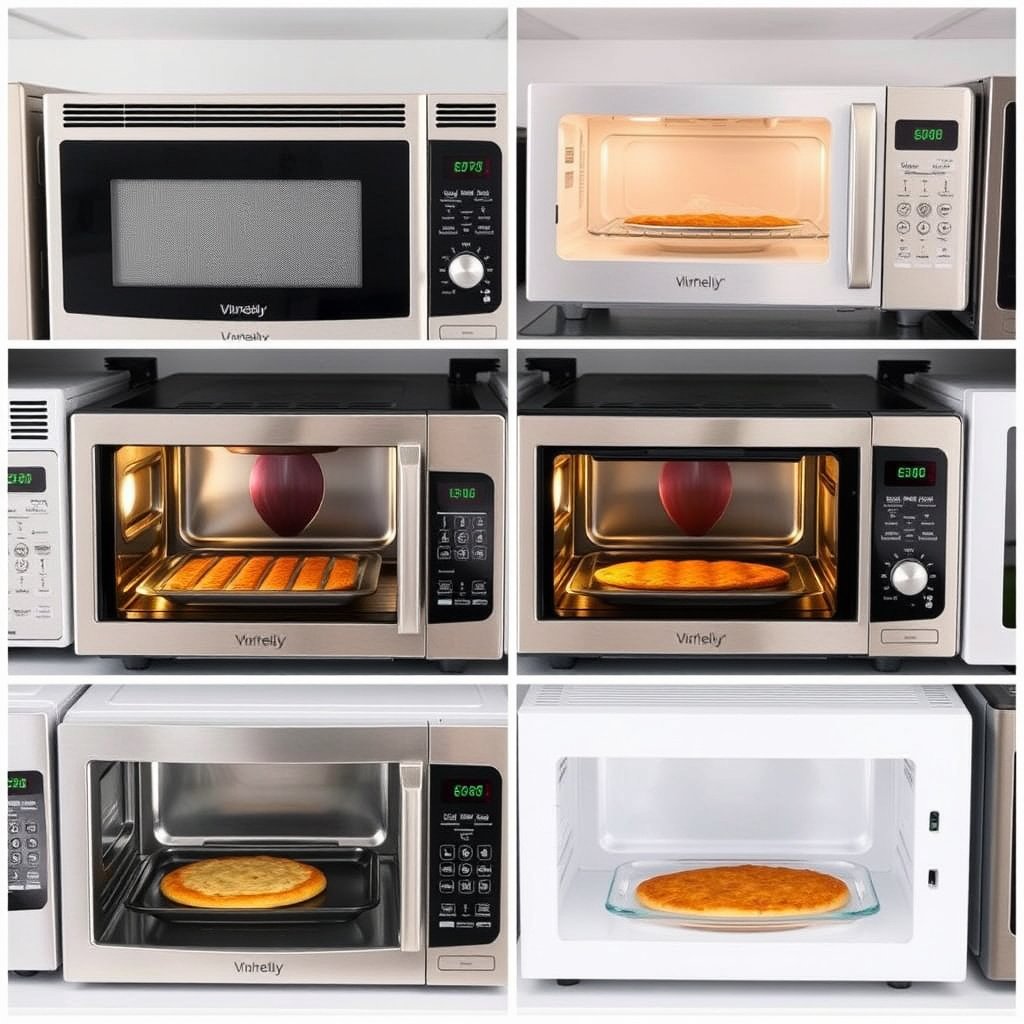
Microwave toaster oven combinations integrate two cooking technologies into one unit. The microwave component uses electromagnetic waves to heat food quickly, while the toaster oven uses electric heating elements to toast, bake, and broil. This synergy enables users to perform various cooking tasks like defrosting frozen meals or baking cookies without switching appliances.
Many models include multiple preset functions or programmable settings that optimize cooking times for different food types. Some also allow simultaneous use of microwave and convection or baking elements for faster and more even cooking outcomes, which is a feature absent in traditional microwave ovens alone.
Essential Controls and Settings to Look For
Modern microwave toaster oven combos feature digital touch controls or rotary dials for easy operation. Key settings include power levels for microwaves, temperature controls and timer settings for the toaster oven, and combination cooking modes that blend these functions.
Look for models with clear displays, user-friendly interfaces, and presets for popular foods like pizza, popcorn, or baked goods. Features such as child locks, memory functions, and delayed start options add convenience and safety.
- Power levels
- Temperature settings
- Combination cooking modes
- Preset programs
- Child lock feature
Capacity and Size Considerations for Compact Kitchens

Choosing the Right Capacity for Your Needs
Microwave toaster oven combos come in various capacities, typically ranging from 0.9 to 2 cubic feet. Smaller capacities (under 1.2 cu ft) suit individuals or couples, while larger sizes accommodate families or those who cook bigger dishes like casseroles.
Consider what you usually prepare and how much space your kitchen provides. Larger capacities generally mean a bigger footprint, so balance volume with available counter space.
- 0.9 – 1.2 cubic feet for small households
- 1.3 – 2 cubic feet for larger families
- Check countertop dimensions before purchase
Physical Footprint and Countertop Space
The combo units’ design varies from compact cube shapes to wider, rectangular models that fit more baking trays. Some manufacturers emphasize slim profiles to fit tight spaces, while others focus on expanded interior volume with a bulkier exterior.
Measure your kitchen counter area carefully before selecting an appliance. Also, mind the appliance's door swing and ventilation clearance requirements to avoid installation issues.
- Measure countertop depth and width
- Account for door opening clearance
- Ventilation space usually around 3 inches
Power, Cooking Modes, and Efficiency

Microwave Wattage and Its Impact
Microwave wattage typically ranges between 700 and 1200 watts in these combination units. Higher wattage correlates with faster and more even heating but may consume more electricity.
For daily basic reheating or small baking tasks, 900 to 1000 watts is sufficient. For frequent or larger cooking needs, opt for models with wattages above 1000.
Types of Cooking Modes Offered
Apart from microwave and toaster oven functions, some models include convection cooking, grilling, and combination modes that simultaneously use microwave energy and heated air.
Convection is useful for roasting or baking, while grill mode adds browning for meats or toast. Combination modes speed cooking time while preserving texture, especially for items like frozen meals that need both internal heating and a crispy exterior.
- Microwave heating
- Toaster oven baking/toasting
- Convection cooking
- Grill mode
- Combination cooking
Ease of Cleaning and Maintenance Tips

Materials and Surfaces for Easy Cleaning
Look for interiors made of stainless steel or non-stick enamel coatings that resist stains and odors. Removable crumb trays and baking racks simplify cleanup considerably.
Some units offer self-cleaning features or steam cleaning assistance, but these are less common. Avoid complex interiors that trap food particles in corners or seams.
- Stainless steel interior
- Non-stick coating
- Removable crumb trays
- Dishwasher-safe racks
Regular Maintenance to Extend Appliance Life
Wipe down the exterior and interior surfaces after each use to avoid buildup. Check door seals and hinges periodically to maintain airtight closure essential for efficient microwaving.
Avoid abrasive cleaners or metal scouring pads that can damage surfaces. Also, follow manufacturer guidelines for replacing components like light bulbs or filters when applicable.
Popular Brands and Model Variations
Notable Brands Known for Quality Combos
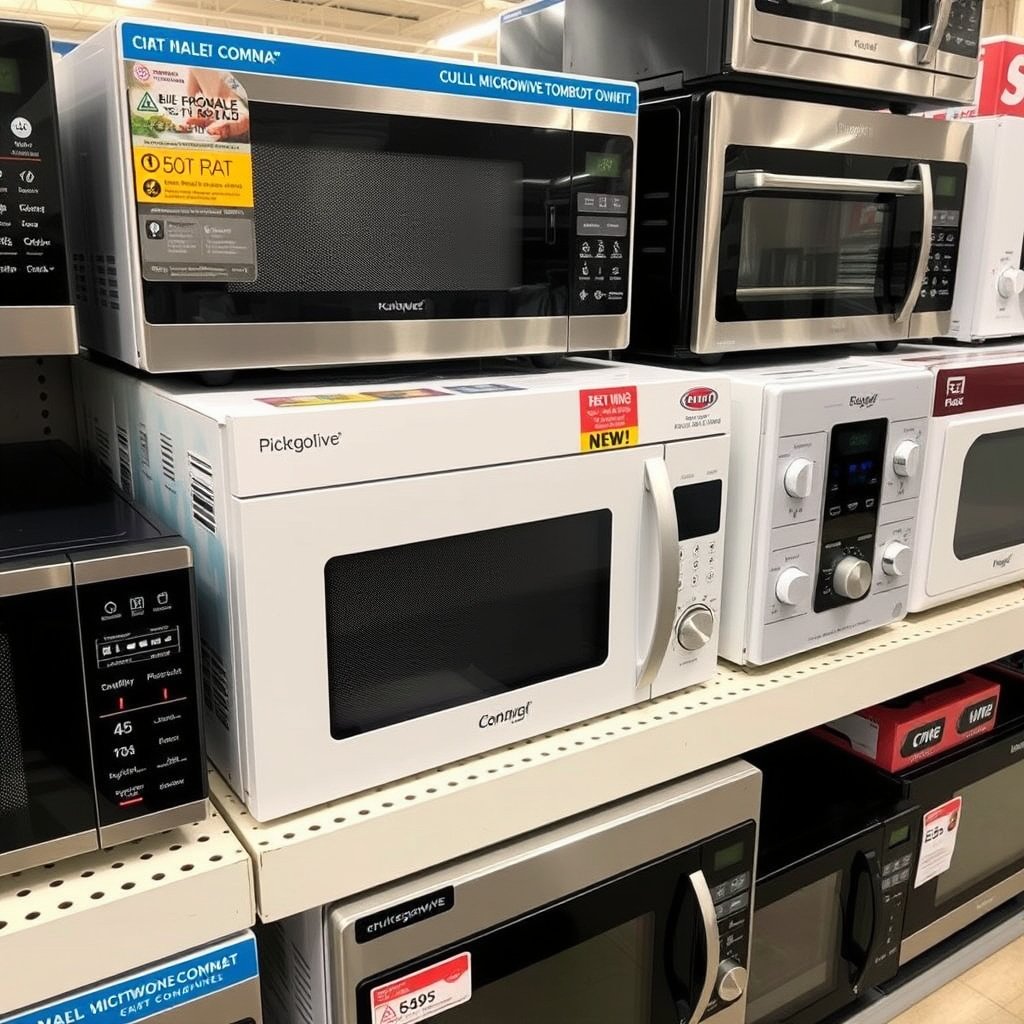
Brands such as Panasonic, Breville, Cuisinart, and Toshiba often receive praise for their reliable microwave toaster oven combinations, balancing performance, design, and durability well.
Each brand offers unique features and price points, with Panasonic focusing on inverter technology for gentle cooking and Breville emphasizing user-friendly controls and aesthetics.
Model Variations for Different Budgets and Needs
Entry-level models prioritize basic functions and affordability, suitable for students or minimalists. Mid-range options add convection or grilling modes and digital controls.
Premium units include smart features like app connectivity, steam clean cycles, or larger capacities for more versatility and convenience.
- Entry-level basic cooking functions
- Mid-range with convection and presets
- High-end smart and multi-function models
Safety Features in Microwave Toaster Oven Combinations

Built-in Safety Mechanisms
Most combination units come with safety features such as child lock functions that prevent accidental starts, automatic shutoff timers to avoid overheating, and cool-touch doors to reduce burn risk.
Some models have sensors that detect food temperature and adjust cooking accordingly to prevent fires or overcooking.
- Child lock
- Auto shutoff
- Cool-touch exterior
- Temperature sensors
For a deeper understanding of microwave technology, you can visit the Microwave oven Wikipedia page. Microwave oven Wikipedia.
User Guidelines to Maximize Safety
Always read the user manual carefully to understand safe operation, including what cookware is microwave-safe. Avoid placing metal objects inside microwave modes to prevent sparks.
Never override safety locks, and keep the appliance clean to reduce fire hazards. When finishing cooking, handle trays with oven mitts as surfaces can remain hot.
Microwave Toaster Oven Combination Category Comparison
Here is a comparison of different categories of microwave toaster oven combinations based on capacity, power, and common features to help you decide.
| Category | Capacity (cu ft) | Microwave Wattage | Key Features | Price Range |
|---|---|---|---|---|
| Compact Models | 0.9 – 1.2 | 700 – 900 W | Basic microwave and toaster oven functions | $80 – $150 |
| Mid-Range Combos | 1.2 – 1.6 | 900 – 1100 W | Convection cooking, preset menus, digital controls | $150 – $300 |
| Premium Units | 1.6 – 2.0 | 1000 – 1200 W | Grill, combination cooking, smart features, large capacity | $300 – $600 |
| Budget Options | < 1.0 | 700 – 800 W | Essential functions, manual dials | $60 – $100 |
Frequently Asked Questions
Can I use metal cookware in a microwave toaster oven combination?
Metal cookware should not be used during the microwave mode, as it can cause sparks and damage the appliance. However, metal trays can be used safely in the toaster or convection modes.
How does the combination cooking mode work?
Combination mode uses microwave energy alongside heated air or convection elements simultaneously. This helps cook food faster while ensuring crispiness or browning usually not achieved by microwaving alone.
Is it easy to clean the interior of these appliances?
Most models feature removable crumb trays and non-stick or stainless steel interiors, which makes cleanup straightforward. Regular wiping after use prevents buildup and odors.
Are microwave toaster oven combinations energy-efficient?
They generally use less power than running separate appliances for multiple cooking tasks. Using combination modes can also cut down cooking times, reducing energy consumption.
What should I consider when choosing the size of the appliance?
Choose a size that fits your countertop space and cooking needs. Smaller units are ideal for single users or tight spaces, while larger capacities fit families or larger food items.
Key Takeaways
- Microwave toaster oven combinations merge fast microwaving with versatile baking and toasting.
- Sizing and capacity should match your kitchen space and cooking volume.
- Look for multiple cooking modes and convenient preset programs.
- Consider ease of cleaning and built-in safety features when selecting a model.
Conclusion
Deciding on the right microwave toaster oven combination involves balancing how much and what types of food you cook with available counter space. Understanding the functions and features specifically tailored for your lifestyle simplifies this process. The main keyword appliance allows for reheating, baking, toasting, and grilling within a single unit, effectively making it a versatile kitchen companion capable of replacing multiple devices. Paying attention to capacity, power outputs, and safety ensures you choose a model that suits your daily habits and household size without overcrowding your kitchen.
For instance, those who prepare simple meals and have minimal space should consider smaller, compact combos that hit the sweet spot between size and function. Families or serious home cooks might opt for mid-range or premium models offering convection and grilling modes for enhanced cooking flexibility. Models from brands like Panasonic provide advanced inverter microwaves while Breville emphasizes preset cooking modes and stylish designs. The best microwave toaster oven combo varies by user priorities but usually combines convenience with powerful multi-functionality.
After narrowing your choice by size and features, check for usability elements like easy-to-clean interiors and straightforward controls. Safety features such as child locks and auto shutoff add peace of mind, especially in busy households. Finally, read reviews and test models in stores when possible. Having a solid understanding of how these combinations operate will help you select a dependable and practical appliance that saves time, space, and energy in your kitchen.