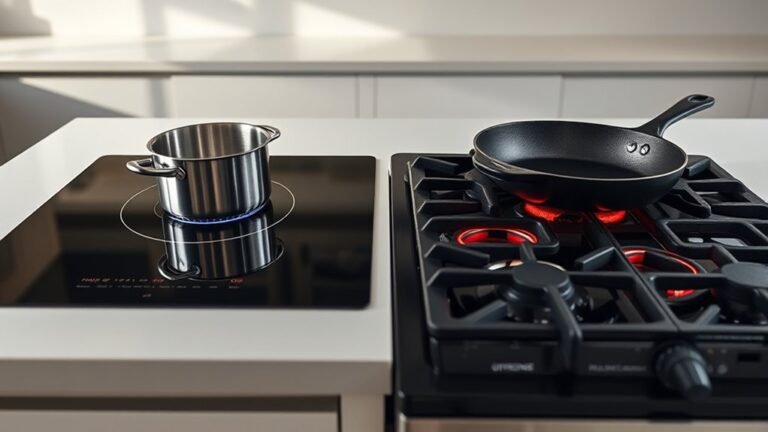
How to Choose a Microwave with Fan Over the Range for Your Kitchen
A microwave with fan over the range combines cooking convenience with ventilation to clear smoke, odors, and steam from your kitchen. Selecting the right model depends on ventilation power, microwave capacity, noise level, and space requirements. These units free up counter space while providing effective airflow above your cooktop.
This kind of appliance matters because kitchens often need both a microwave and a ventilation hood, but combining the two saves space without sacrificing performance. Having a fan integrated with your microwave ensures that steam and cooking smells do not linger, maintaining air quality while making meal prep faster and easier.
This article explores key features to evaluate when choosing a microwave with fan over the range. You’ll learn about different ventilation types, fan power, noise considerations, sizing, installation tips, and how to match designs with your kitchen aesthetics. We’ll also compare categories and answer frequent questions to help you select the perfect model.
Understanding Ventilation Options in Microwaves with Fans
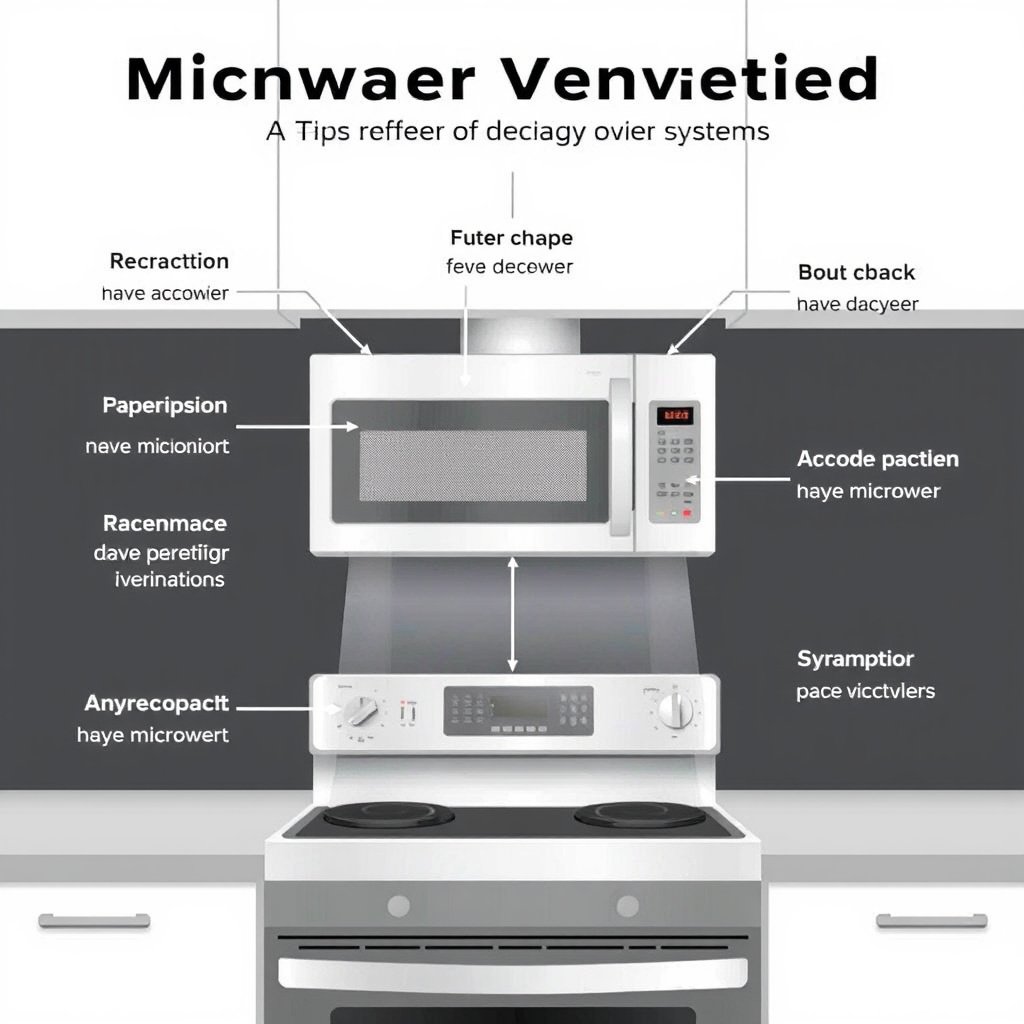
Recirculating vs. Ducted Ventilation
Over-the-range microwaves come with either recirculating or ducted ventilation. Ducted models vent air outside, effectively removing smoke and odors. Recirculating units filter the air through charcoal filters and return it to the kitchen, ideal where ductwork installation isn't feasible.
Choosing between them depends on your kitchen setup. Ducted vents offer superior air quality control but require exterior venting access. Recirculating models are easier to install but require regular filter replacements and are less efficient at eliminating cooking byproducts.
- Ducted: vents air outside, clearer air
- Recirculating: filters air internally, easier installation
- Filter maintenance required for recirculating
- Duct installation needed for ducted models
Fan Speeds and CFM Ratings
Fan speed is crucial for effective ventilation. Most over-the-range microwaves offer multiple speed settings, measured in cubic feet per minute (CFM). Higher CFM ratings mean stronger airflow, handling heavier cooking fumes better.
A typical microwave with fan will have CFMs ranging from 200 to 400. Homes with frequent frying or grilling benefit from fans rated above 300 CFM, while lighter cooking demands can get by with lower settings, conserving energy and reducing noise.
- Multiple fan speeds for control
- CFM indicates air moved per minute
- Higher CFM for heavy cooking fumes
- Lower CFM for light cooking and quieter operation
Microwave Features Relevant to Fan Over the Range Models
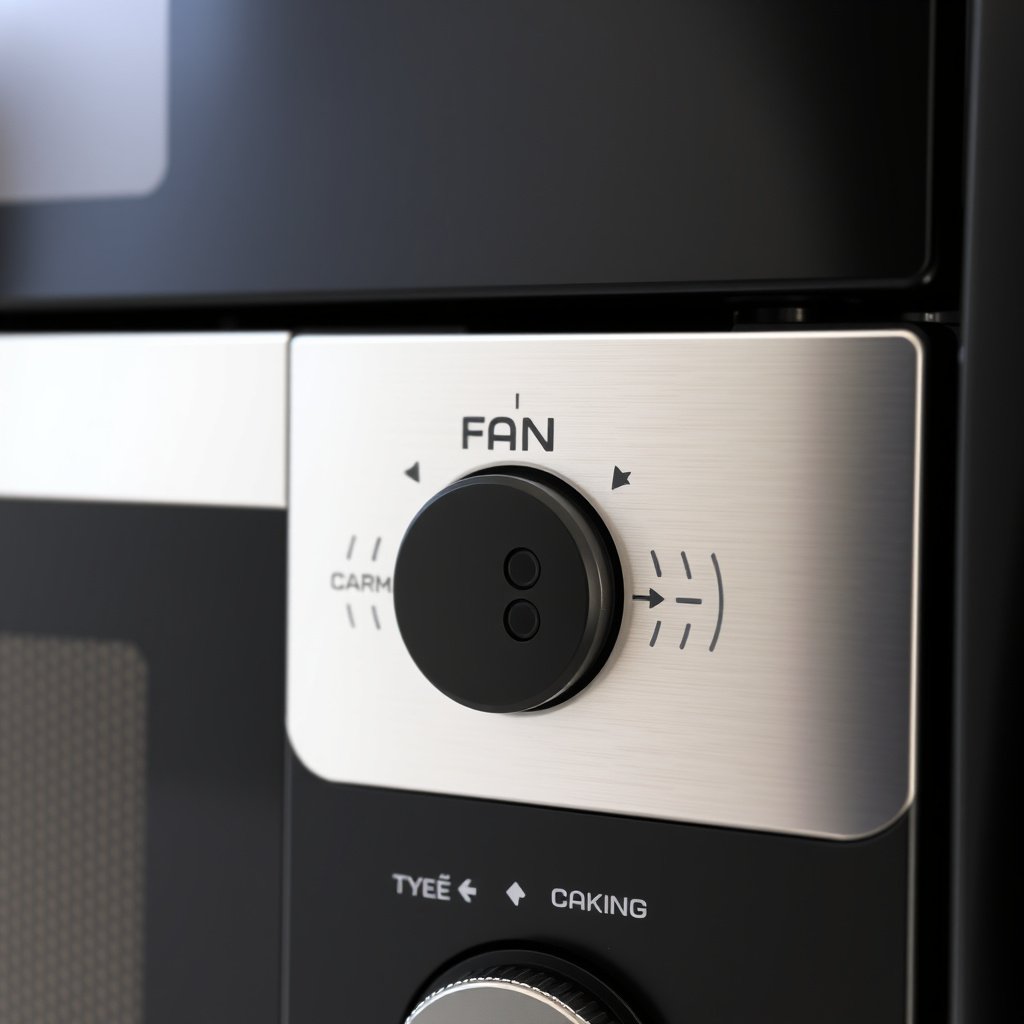
Microwave Power and Capacity
Microwave wattage typically ranges from 700 to 1200 watts, affecting cooking speed and power. Larger capacities, usually 1.5 to 2.0 cubic feet, allow cooking bigger dishes while fitting efficiently over the range.
Balancing size with available kitchen space matters because a bulky microwave can overwhelm a small kitchen, while too small a capacity limits cooking options. Consider what meals you often prepare to find the best fit.
- Wattage affects cooking time
- 1.5 to 2.0 cu. ft. common capacity range
- Match size with kitchen space
- Consider regular meal sizes
Noise Levels During Operation
Fan noise is a key consideration for comfort. Noise levels are usually measured in sones, with quieter models below 4 sones and louder ones above 6. Frequent cooking calls for lower noise to maintain a pleasant kitchen environment.
Reading specs or user reviews on fan noise can help avoid models that disrupt conversations or relaxation. Some microwaves include quiet mode options or sound-dampening features to minimize distraction.
- Noise measured in sones
- Quieter below 4 sones preferred
- Check reviews for real-world noise
- Quiet mode features available
Installation Considerations for Over-the-Range Microwaves
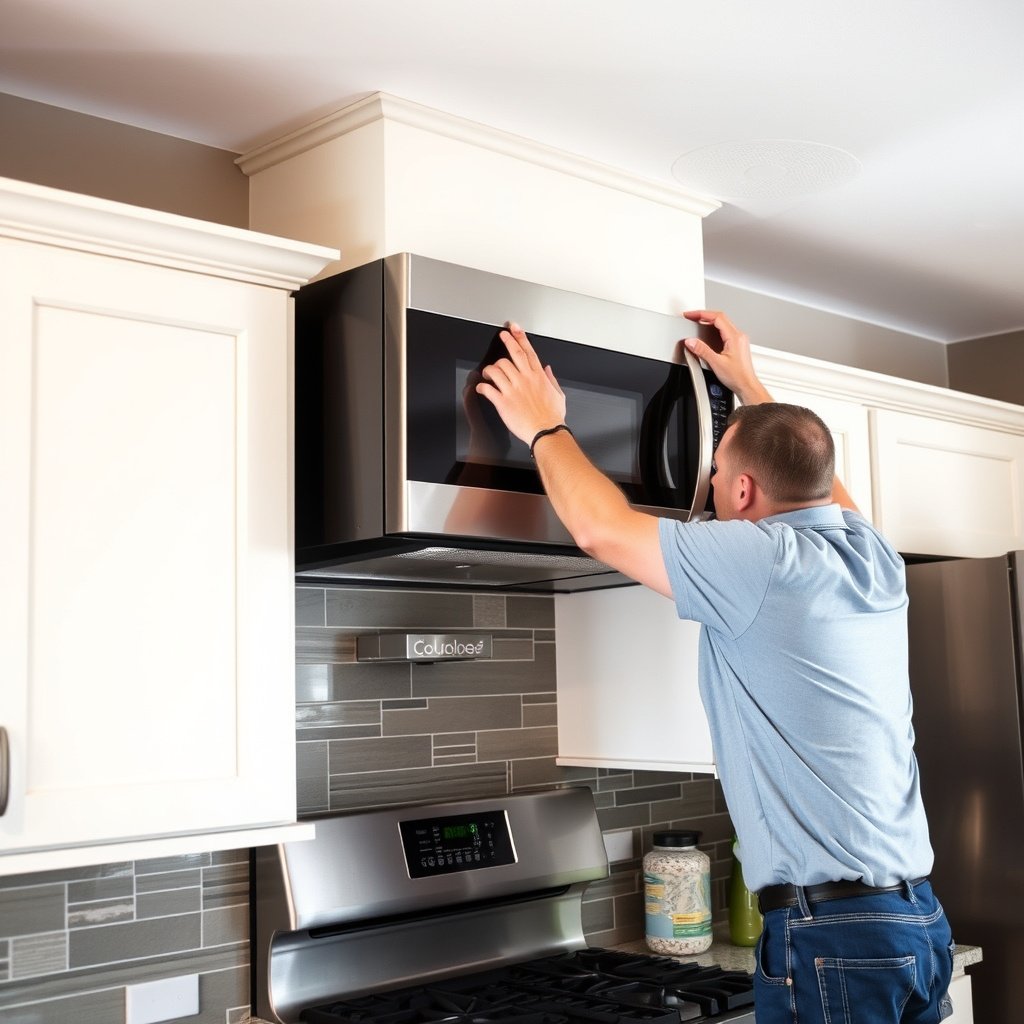
Measuring Space and Clearance Requirements
Installing a microwave with a fan over the range requires precise measurements to ensure proper fit and clearance above the cooktop. Most units need 13-16 inches of clearance from the cooking surface to meet safety standards.
Correct clearance prevents heat damage and allows the fan to capture exhaust effectively. Measuring cabinet width and depth is also critical to avoid installation issues or aesthetic mismatches.
- Maintain 13-16 inches clearance above cooktop
- Measure cabinet dimensions carefully
- Account for microwave depth and vent placement
- Follow manufacturer installation guidelines
Electrical and Venting Setup
Over-the-range microwaves require grounded electrical outlets nearby, typically rated for 15 or 20 amps. Vent installation depends on the chosen ventilation type—ducted needs external venting through walls or ceilings.
Planning vent routes early avoids costly modifications. Recirculating models need filter installation but no ductwork, simplifying setup. Consulting an electrician or installer is advisable for safety and compliance.
- Need grounded outlet near installation
- Ducted vent needs external routing
- Recirculating uses charcoal filters
- Professional installation recommended
Design and Aesthetics of Microwaves with Fan Over the Range
Material and Finish Options
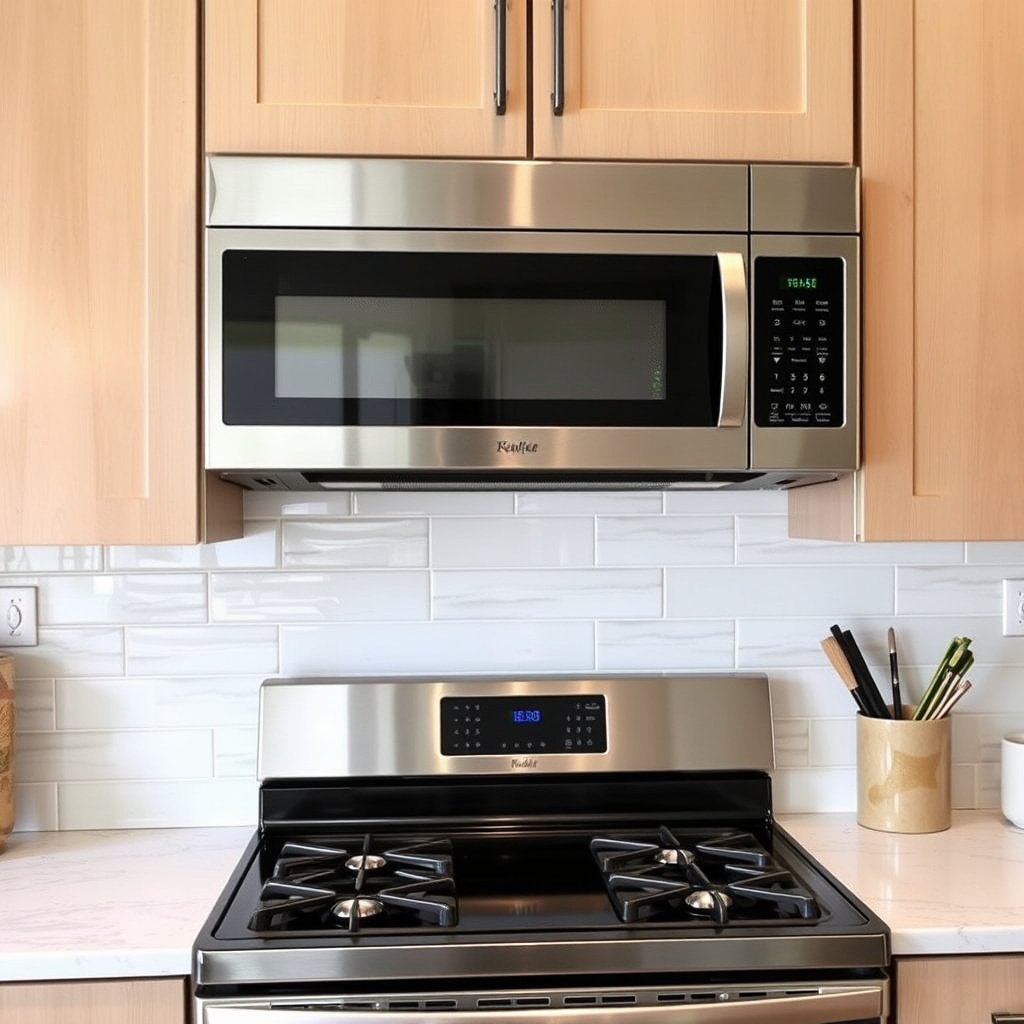
Microwaves with fan over the range are available in stainless steel, black, white, and custom panel finishes. Stainless steel is popular for durability and a modern look, while black or white models coordinate with common kitchen appliances.
Choosing a finish that matches or complements your kitchen cabinetry and appliances enhances the visual harmony. Some appliances offer fingerprint-resistant coatings, reducing cleaning effort.
- Common finishes: stainless steel, black, white
- Fingerprint-resistant coatings available
- Match finish to kitchen design
- Consider durability in material choice
Control Panel and Lighting Features
Control panels can be front-facing with push buttons, touchpads, or dial controls. Intuitive controls simplify fan speed selection and microwave use. An integrated cooktop light brightens the stovetop for safety and convenience.
Lighting options vary from incandescent bulbs to energy-saving LEDs. Adjustable lighting brightness and easy-to-reach controls improve user experience during cooking.
- Control methods: push button, touchpad, dial
- Integrated cooktop lighting included
- LED lighting preferred for energy efficiency
- Accessibility and ease of use matter
Maintenance and Longevity of Microwaves with Fan Over the Range
Cleaning the Vent Filters
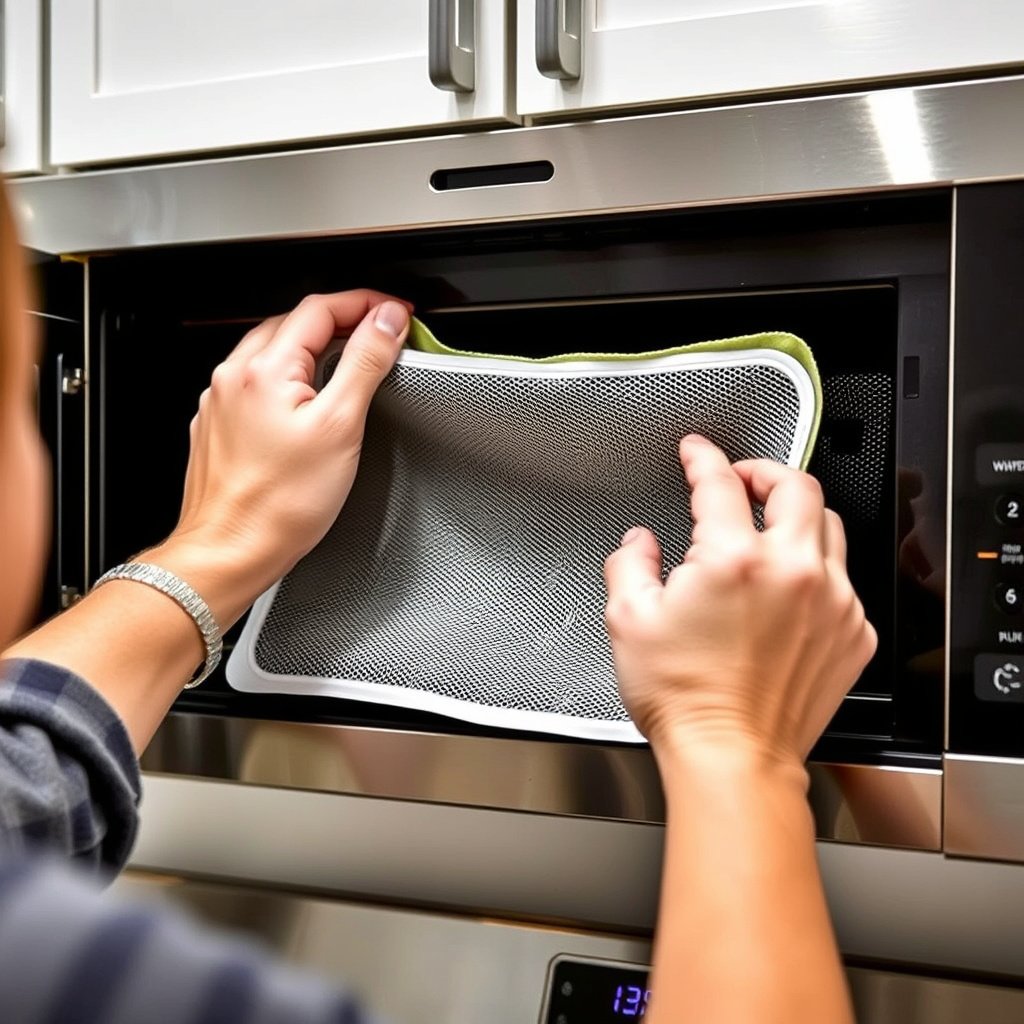
Over-the-range microwaves have grease filters that collect cooking residue. These filters require regular cleaning—usually monthly—to maintain airflow and fan performance. Many are dishwasher safe for convenience.
In recirculating models, charcoal filters also need replacement every 6-12 months. Neglecting filter maintenance reduces fan efficiency and may cause odors or smoke buildup.
- Grease filters clean monthly
- Many filters dishwasher safe
- Charcoal filters replaced periodically
- Regular maintenance ensures performance
For more technical background, you can visit the microwave oven information page on Wikipedia. microwave oven information.
General Microwave Care Tips
Wiping spills inside promptly prevents residue buildup inside the microwave. Using microwave-safe cookware and avoiding metal keeps the appliance safe and prolongs its lifespan.
Inspect the door seals regularly for damage, as faulty seals affect cooking efficiency. Proper electrical setup and avoiding overloading the microwave reduce wear on components.
- Clean spills promptly
- Use microwave-safe containers
- Check door seals for integrity
- Avoid overloading the appliance
Comparison of Over-the-Range Microwave with Fan Categories
The table below compares popular categories of microwaves with fan over the range, highlighting key features and suitability for various kitchen needs.
| Category | Ventilation Type | CFM Range | Microwave Capacity | Noise Level (Sones) | Typical Price Range |
|---|---|---|---|---|---|
| Basic Recirculating | Recirculating | 200-250 | 1.5 cu. ft. | 4-6 | $150-$250 |
| Mid-Range Ducted | Ducted | 300-350 | 1.6-1.7 cu. ft. | 3-5 | $250-$400 |
| Premium Ducted with Advanced Features | Ducted | 350-400 | 1.7-2.0 cu. ft. | 2-4 | $400-$600 |
| Compact Recirculating | Recirculating | 200-220 | 1.4 cu. ft. | 5-7 | $120-$180 |
Frequently Asked Questions
Can I install an over-the-range microwave with fan without venting outside?
Yes, models with recirculating ventilation filter air internally and do not require external venting. They use charcoal filters but need regular filter replacement to maintain efficiency.
How often should I clean the grease filter in my microwave with fan?
Grease filters should be cleaned monthly to keep airflow smooth and prevent buildup. Many filters are dishwasher safe for easy maintenance.
What is a good fan CFM rating for frequent frying?
A fan with at least 300 CFM is recommended for heavy cooking like frying to effectively remove smoke and odors from the kitchen.
Are over-the-range microwaves with fans noisy?
Noise varies by model but quieter microwaves have fan noise below 4 sones. It’s best to check user reviews to find models that balance airflow and quiet operation.
Can I replace only the fan in an over-the-range microwave?
Typically, fans are integrated with the microwave and cannot be replaced independently. If the fan malfunctions, a professional repair or appliance replacement is usually needed.
Key Takeaways
- Microwaves with fan over the range combine cooking and ventilation in one unit.
- Ducted models offer better air quality but require vent installation outside.
- Fan power (CFM) and noise levels vary; choose based on cooking habits.
- Regular filter cleaning and maintenance are essential for performance.
Conclusion
Choosing a microwave with fan over the range involves evaluating both cooking and ventilation needs. Understanding the differences between recirculating and ducted models helps in selecting a unit that fits your kitchen’s layout and air quality preferences. Fan power measured in CFM indicates how effectively the unit clears smoke and odors, while noise level impacts kitchen comfort. Proper sizing and installation ensure safe, efficient usage. Balancing these factors will lead to a microwave that not only cooks well but keeps your kitchen fresh and inviting.
For everyday cooks with limited venting options, a basic or compact recirculating microwave with fan offers a space-saving solution that is easy to install and maintain. Home chefs who cook frequently, especially with frying or grilling, will benefit from mid-range or premium ducted models with higher CFM ratings and quieter operation. Stainless steel finishes complement most kitchen designs, and convenience features like LED lighting and intuitive controls enhance the overall cooking experience. Choosing according to your cooking style and kitchen constraints helps make a smart investment.
Once you have identified your kitchen requirements and ventilation preferences, measuring your space for proper clearance and electrical setup is the next practical step. Consult with professionals for duct installation if opting for external venting and select models known for reliable performance and straightforward maintenance. Regular upkeep, especially cleaning filters and monitoring noise, will extend your microwave’s lifespan. This thoughtful approach will ensure your microwave with fan over the range becomes a valuable asset in your kitchen routine.