How to Choose an Over the Range Microwave Convection Oven for Your Kitchen
An over the range microwave convection oven combines the versatility of convection cooking with the space-saving convenience of a microwave installed above your stove. It allows you to bake, roast, and microwave food all in one unit, providing efficiency in a compact design that also frees up counter space.
This type of appliance is ideal for kitchens with limited room, offering both ventilation and multifunction cooking options. Over the range convection microwaves are especially useful when you want quick cooking times alongside traditional baking capabilities without adding extra appliances to your kitchen.
This article will cover key features to look for, installation considerations, cooking power, ventilation options, plus a comparison of different models so you can make an informed choice about which over the range microwave convection oven is right for your home.
Understanding Over the Range Microwave Convection Ovens

How They Differ from Standard Microwaves
Over the range microwave convection ovens differ from regular microwaves by combining two cooking technologies. They feature microwave functions for fast heating and convection heating elements for baking and roasting, which allows users to prepare a wider variety of dishes.
Standard microwaves only use microwave radiation to heat and cook food quickly without browning or crisping. In contrast, convection ovens circulate hot air with a fan, promoting even cooking and browning, which is perfect for baked goods and roasted meats.
Benefits of Over the Range Placement
Installing a convection microwave over the range saves valuable counter space and often replaces a separate range hood with built-in ventilation features. This dual-purpose function can reduce clutter and streamline kitchen design.
The elevated position also helps with venting smoke and odors from cooking, improving kitchen air quality directly where steam and smoke originate.
Key Features to Look for in an Over the Range Microwave Convection Oven

Cooking Power and Wattage
Microwave power generally ranges from 800 to 1100 watts in over the range convection models. Higher wattage means faster reheating and cooking times, but also higher energy consumption.
Convection power is measured by the heating element’s wattage, often between 1000 and 1600 watts. More powerful convection allows for better baking and roasting performance with more even heat distribution.
- Look for at least 1000 watts microwave power
- Convection element wattage around 1400–1600 watts for best results
Ventilation and Fan Options
Ventilation is a primary function of over the range microwaves, and quality models include multiple fan speeds and effective filter systems, including charcoal filters for odor removal.
Some models vent air outside, while others recirculate filtered air back into the kitchen. Outside venting is generally more effective but requires existing ductwork.
- Multiple fan speeds
- Charcoal and grease filters
- Outside vent vs. recirculating venting
Installation Considerations

Measuring Space and Clearance
Accurate measurements of width, height, and depth are critical before selecting an over the range microwave convection oven. Most standard sizes range between 30 to 36 inches wide and require at least 13 to 16 inches of clearance above the cooktop.
Local building codes or manufacturer guidelines usually specify the minimum distance required between the cooktop surface and the microwave to ensure safety and effective venting.
- Measure stove width before purchase
- Check clearance between stove and microwave
Electrical and Venting Requirements
Over the range microwaves typically require a dedicated 120-volt electrical outlet and a grounded circuit. Venting ductwork size and direction impact installation complexity and may require professional help.
If the microwave vents externally, verify that existing ductwork meets size specifications. For recirculating models, plan regular filter maintenance to keep airflow optimal.
- Dedicated electrical outlet
- Check vent duct size compatibility
- Plan for regular filter changes
Cooking Modes and Features

Preset Cooking Programs
Many over the range convection microwaves offer preset cooking modes such as popcorn, pizza, baked potato, and defrost. These presets automate time and power levels based on common recipes, making the appliance more user-friendly.
While presets simplify operation, experienced cooks often prefer manual mode control to customize cooking based on food type and portion size.
- Popcorn, pizza, baked potato presets
- Auto defrost with weight sensing
Additional Convenience Features
Features like sensor cooking, delay start, child lock, and multi-stage cooking add versatility. Sensor cooking uses humidity and temperature sensors to adjust cooking time dynamically for consistent results.
Quiet operation and interior lighting help improve the cooking experience, while easy-to-clean surfaces and removable filters simplify maintenance.
- Sensor cooking
- Child safety lock
- Multi-stage cooking
- Removable, easy-clean filters
Comparing Popular Over the Range Microwave Convection Models

Budget Models
Budget-friendly models offer basic convection and microwave functions combined with modest wattage. They may have fewer fan speed options and simpler controls, but still provide solid performance for everyday cooking.
These units often have smaller interior capacity and fewer preset modes, making them ideal for smaller households or secondary kitchens.
High-End Models
Premium models feature stronger convection elements, higher microwave wattage, and advanced controls like touchscreens and sensor cooking technology. They usually have multiple fan speeds and external venting options.
High-end units are designed for serious cooks who want consistent baking and multi-functional performance alongside high-quality ventilation.
Maintenance and Longevity Tips for Over the Range Microwave Convection Ovens

Cleaning the Filters and Interior
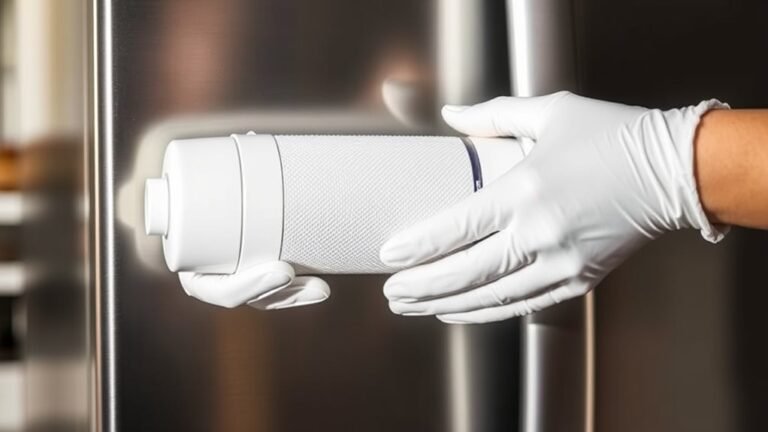
Regularly cleaning the grease and charcoal filters prevents smoke buildup and helps maintain effective ventilation. Many filters are dishwasher safe or easily accessible for hand cleaning.
Wiping the microwave interior after each use, especially convection areas, helps avoid food residue buildup, which can affect cooking performance.
- Clean or replace filters monthly
- Wipe interior after use
For more technical background on microwave ovens including convection types, see this detailed Wikipedia article on microwave ovens. Over-the-range microwave convection ovens.
Troubleshooting Common Issues
If the microwave fails to heat, it could indicate a faulty magnetron or thermal fuse. Ventilation problems often stem from clogged filters or blocked ducts. Unusual noises usually signal fan motor wear or debris caught inside.
Consulting the user manual for specific error codes and maintenance guidance can extend your appliance’s lifespan and performance.
- Check filters and ducts regularly
- Listen for unusual fan noises
- Refer to user manual for error codes
Over the Range Microwave Convection Oven Category Comparison
Here’s a comparison of common categories of over the range microwave convection ovens outlining their size, power, and features to help guide your choice.
| Category | Microwave Wattage | Convection Wattage | Ventilation Type | Price Range |
|---|---|---|---|---|
| Budget Models | 800-900 W | 1000-1200 W | Recirculating | $150 – $300 |
| Mid-Range Models | 900-1100 W | 1200-1400 W | Recirculating or External | $300 – $500 |
| High-End Models | 1000-1100 W | 1400-1600 W | External Vent Only | $500 – $900 |
| Compact Models | 800-900 W | 1000 W | Recirculating | $150 – $350 |
Frequently Asked Questions
Can I use an over the range microwave convection oven to bake cookies?
Yes, the convection feature circulates hot air making it suitable for baking cookies with crispy edges and an even bake, similar to a traditional oven but usually faster.
Is venting required for over the range convection microwaves?
While not always required, venting improves removal of smoke and odors. Many models offer the option to vent externally or recirculate filtered air back into your kitchen.
How often should I replace the charcoal filter in my microwave’s vent?
Charcoal filters generally need to be replaced every 6 to 12 months depending on usage to maintain effective odor absorption and ventilation performance.
Are over the range convection microwaves more expensive than countertop models?
They usually cost more due to added ventilation features and installation complexity, but they save counter space and add multifunction cooking capabilities.
Can I install an over the range microwave convection oven myself?
Installation involves electrical and possibly venting work. If you have experience and proper tools, you may install it safely, but professional installation is often recommended for best results.
Key Takeaways
- Over the range microwave convection ovens offer combined microwave and convection cooking in one space-saving unit.
- Look for strong microwave and convection power plus effective ventilation systems when choosing a model.
- Installation requires careful measuring and electrical considerations, especially if venting externally.
- Regular filter cleaning and maintenance prolong appliance life and ensure proper operation.
Conclusion
Finding the right over the range microwave convection oven depends on balancing your kitchen’s size, your cooking needs, and your budget. The main decision drivers are power levels, venting type, and convenience features. Understanding these aspects helps choose an appliance that blends functionality and fit without compromise.
For those who want a versatile cooking solution with space-saving design, mid-range models often provide the best balance of power and ventilation options, making them suitable for typical family use. Budget options work well for small kitchens or occasional cooks, while high-end models cater to culinary enthusiasts desiring precise control and superior baking performance.
Once you decide on a category, measure carefully and verify installation requirements for either external or recirculating venting. Regular upkeep, such as cleaning filters and checking for proper fan operation, will keep your over the range microwave convection oven running efficiently for years. Starting with these steps ensures a functional and convenient upgrade to your kitchen’s cooking appliances.