How to Choose Over the Range Microwave Measurements for Your Kitchen
Over the range microwave measurements are critical to consider when shopping for a model that fits comfortably above your stove space. The key dimensions include width, height, and depth, with most standard models ranging between 30 to 36 inches wide, around 16-17 inches tall, and 15 to 16 inches deep. Getting these measurements right ensures proper installation and functionality without obstructing cabinetry or burners.
Knowing the correct over the range microwave measurements matters because these appliances combine ventilation and cooking, fitting in a tight space. Poorly measured units can lead to installation challenges, ineffective venting, or an awkward appearance that disrupts kitchen flow.
This article will guide you through the standard over the range microwave measurements, how to measure your kitchen space accurately, and expand on additional size considerations. It also covers measurement implications for airflow and user comfort to help you choose the best microwave for your needs.
Understanding Standard Over the Range Microwave Measurements

Common Width, Height, and Depth Ranges
Most over the range microwaves fall into a width range of 30 to 36 inches to fit standard kitchen cabinetry and stovetop widths. Heights usually come between 16 and 17 inches, balancing capacity with overhead clearance. Depths typically measure 15 to 16 inches to avoid protruding into the cooking or preparation space.
These standard measurements help maintain kitchen aesthetics and allow ease of operation, like opening the microwave door without obstruction. Understanding these numbers ensures compatibility with your space and guides against costly returns or reinstallation efforts.
Why Measurement Variations Occur
Different manufacturers may vary measurements slightly based on design features like touch control panels, handle shapes, or ventilation systems. Some models include more built-in ventilation requiring additional depth or height.
Custom or compact over the range microwaves also exist to fit smaller kitchens or specific design demands. Such variations necessitate checking exact measurements rather than relying solely on typical ranges.
How to Measure Your Space for an Over the Range Microwave

Measuring Width and Cabinet Clearance
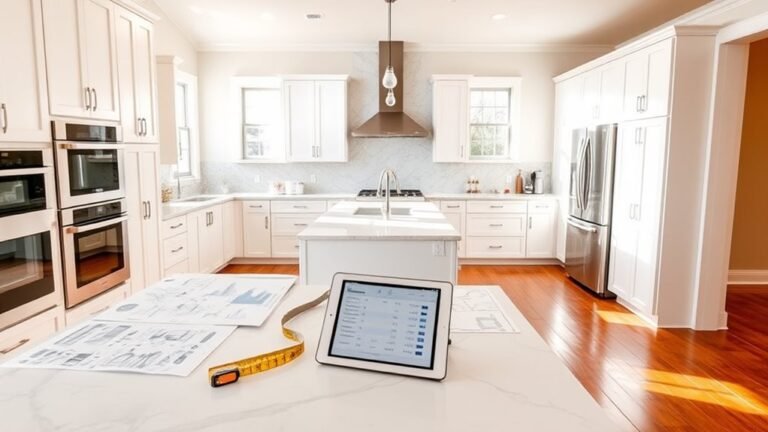
Start by measuring the width of the stove or cooktop area to select a microwave width that fits properly without overlap. Next, measure the inside width of the cabinets above to ensure the microwave will mount correctly.
Maintain a recommended minimum clearance of two inches between the microwave sides and adjacent cabinets for ventilation and ease of installation. Accurate width measurement is key to aligning the microwave aesthetically and functionally.
Measuring Height and Depth Restrictions
Measure the vertical distance from the cooktop surface to the bottom of the upper cabinets or exhaust hood to determine maximum microwave height. Most instructions suggest at least 13-16 inches clearance from cook surface to microwave underside for safety.
Depth should be checked to avoid the microwave protruding too far forward, interfering with cooking or countertops. Confirm the cabinet depth behind the mounting area and any backsplash thickness.
Impact of Microwave Measurements on Kitchen Ventilation

Ventilation Size and Measurement Considerations
Over the range microwaves often double as ventilation hoods, so measurement impacts airflow capacity. A microwave that’s too shallow or narrow may restrict proper air intake, reducing vent effectiveness.
Look for models with adequate vent openings and appropriate measurements to fit existing duct systems or allow recirculating filters if external vents aren't available.
Ensuring Proper Installation for Effective Venting
Correct over the range microwave measurements help locate vents at a suitable height and distance from the cooktop for efficient smoke and odor capture. Installation guidelines usually specify minimum clearances to avoid fire hazards and maintain system performance.
Inaccurate measurements or improper alignment can cause vent blockage, increased noise, or poor cooking ventilation.
How Over the Range Microwave Measurements Affect User Comfort

Height Impact on Accessibility and Safety
The height of an over the range microwave influences safe and comfortable usage. A microwave mounted too high can be difficult for shorter individuals or children to reach, increasing accident risks with hot food.
Ensuring the microwave height falls within ergonomic reach, about 54 to 66 inches from the floor, balances operational convenience with cooktop safety guidelines.
Door Swing and Depth Affecting Kitchen Workflow
Microwave depth plus door swing space affects how easily you can access contents without interfering with surrounding counters or burners. Some models have reversible doors or integrated handles to optimize clearance.
Consider depth and door dimensions in relation to your kitchen layout to avoid awkward positioning or obstruction.
Comparing Built-in vs. Over the Range Microwave Measurements

Size and Space Differences
Built-in microwaves typically install flush within cabinetry, offering custom sizing options. In contrast, over the range microwaves combine ventilation and cooking functions with standardized sizes designed to mount above stoves.
Over the range models are generally larger in height and depth compared to many built-ins, reflecting their dual purpose and venting hardware.
Installation and Measurement Flexibility
Built-in microwaves often require precise cutouts and can vary widely in size, necessitating custom cabinetry or trim kits. Over the range microwaves must conform to standard width and mounting bracket spacing for safety and functionality.
Measurement flexibility favors built-ins for aesthetic integration but demands more planning, while over the range microwaves provide straightforward installation within typical size constraints.
Additional Measurement Tips for Replacing or Upgrading

Measuring Existing Microwave and Surrounding Area
Before replacing an over the range microwave, always measure the existing unit’s width, height, and depth carefully. Also, check for mounting bracket placement and vent compatibility to avoid surprises.
Measurement accuracy during replacement can prevent installation delays and ensure the new microwave fits the existing cutout and ventilation system.
For detailed general information about over the range microwaves, their design, and installation, refer to the Wikipedia article on the topic. Over-the-Range Microwave article on Wikipedia.
Considering Extra Features and Their Size Implications
Microwaves with sensor cooking, convection modes, or oversized control panels may have slightly larger dimensions. Account for these when measuring to avoid tight fits or limited clearance.
Some advanced features can influence the microwave’s footprint, so factor in these variations beyond standard measurement guidelines.
Over the Range Microwave Measurement Category Comparison
This table compares common over the range microwave categories by size and features to help determine the best fit for your kitchen.
| Category | Width (inches) | Height (inches) | Depth (inches) | Ventilation Type | Typical Price Range |
|---|---|---|---|---|---|
| Standard Size | 30-33 | 16-17 | 15-16 | Recirculating or External Duct | $150-$400 |
| Compact Size | 24-29 | 14-15 | 13-15 | Recirculating | $120-$300 |
| Large Capacity | 33-36 | 17-18 | 15-17 | External Duct | $250-$500 |
| Convection Models | 30-33 | 17-18 | 16-17 | External Duct | $300-$600 |
Frequently Asked Questions
What are the standard over the range microwave measurements?
Standard dimensions typically range from 30 to 36 inches wide, 16 to 17 inches tall, and 15 to 16 inches deep, balancing size for ventilation and stove coverage.
How do I measure my space for installing an over the range microwave?
Measure the stove width, cabinet inside width, vertical clearance above the cooktop, and cabinet depth to ensure the microwave fits safely and functions well.
Why do over the range microwave sizes vary between models?
Variations result from design features, venting requirements, and additional functions like convection cooking, affecting height, depth, and width.
Can I replace my over the range microwave with a different size?
Yes, but you must ensure the new microwave fits existing mounting brackets, venting systems, and clearances to avoid installation issues.
Does microwave depth affect kitchen workflow?
Yes. Greater depth can interfere with stovetop access or countertop space, so it's important to consider depth before purchasing.
Key Takeaways
- Accurate over the range microwave measurements prevent installation and ventilation problems.
- Standard sizes generally range from 30-36 inches in width and 16-17 inches in height.
- Proper height and depth affect both safety and kitchen workflow.
- Measuring existing space carefully aids in smooth replacements or upgrades.
Conclusion
Choosing an over the range microwave primarily depends on matching the appliance’s measurements to the available kitchen space while considering its dual role as a cooking and ventilation unit. Accurately identifying width, height, and depth needs and incorporating necessary clearances upfront minimizes installation challenges. These measurements ensure effective venting, user comfort, and aesthetic integration within the typical cabinetry setup, making the selection process more straightforward.
For kitchens with standard 30-inch stove widths, a microwave in the 30-33 inch width range, such as standard or convection models, offers a balanced solution for capacity and ventilation. Smaller kitchens may benefit from compact models between 24 and 29 inches that maintain necessary features yet save space. Those seeking enhanced venting or larger capacity should consider models on the higher end of the measurement spectrum. Confirming measurements against manufacturer specifications and mounting options is essential for a proper fit.
Before purchasing, measure your kitchen space meticulously — including stove width, cabinet dimensions, and clearance to work surfaces. This approach reduces guesswork and supplies a practical framework for comparing options. Once you've determined the correct measurements, focus on feature sets and price ranges aligned with your cooking habits. Starting your selection with precise over the range microwave measurements simplifies finding a unit that serves both functional and spatial needs effectively.