How to Choose the Best Under Counter Oven Without Cooktop for Your Kitchen
An under counter oven without a cooktop provides focused baking and roasting capabilities while saving space by fitting neatly beneath your countertop. This option is perfect if you already have a separate cooktop or prefer flexible kitchen layouts without combined units. Under counter ovens without cooktops allow homeowners to utilize existing stovetops or create custom kitchen setups that optimize workflow and aesthetics.
Avoiding a cooktop in the under counter oven unit matters when your kitchen design integrates separate stovetops or induction hobs, or if you want to install the oven at a convenient height without a cooking surface above. This setup also helps maintain counterspace and can accommodate different cooking tools to suit your culinary style, making your kitchen layout more versatile and tailored to your personal needs.
This article covers key factors for choosing an under counter oven without cooktop, from size and capacity to energy efficiency and technology. You’ll learn about installation considerations, control types, energy ratings, and useful features to look for. We’ll also compare popular model categories, answer common questions, and provide practical advice to help you make an informed purchase.
Understanding Under Counter Ovens Without Cooktop
What Is an Under Counter Oven Without Cooktop?
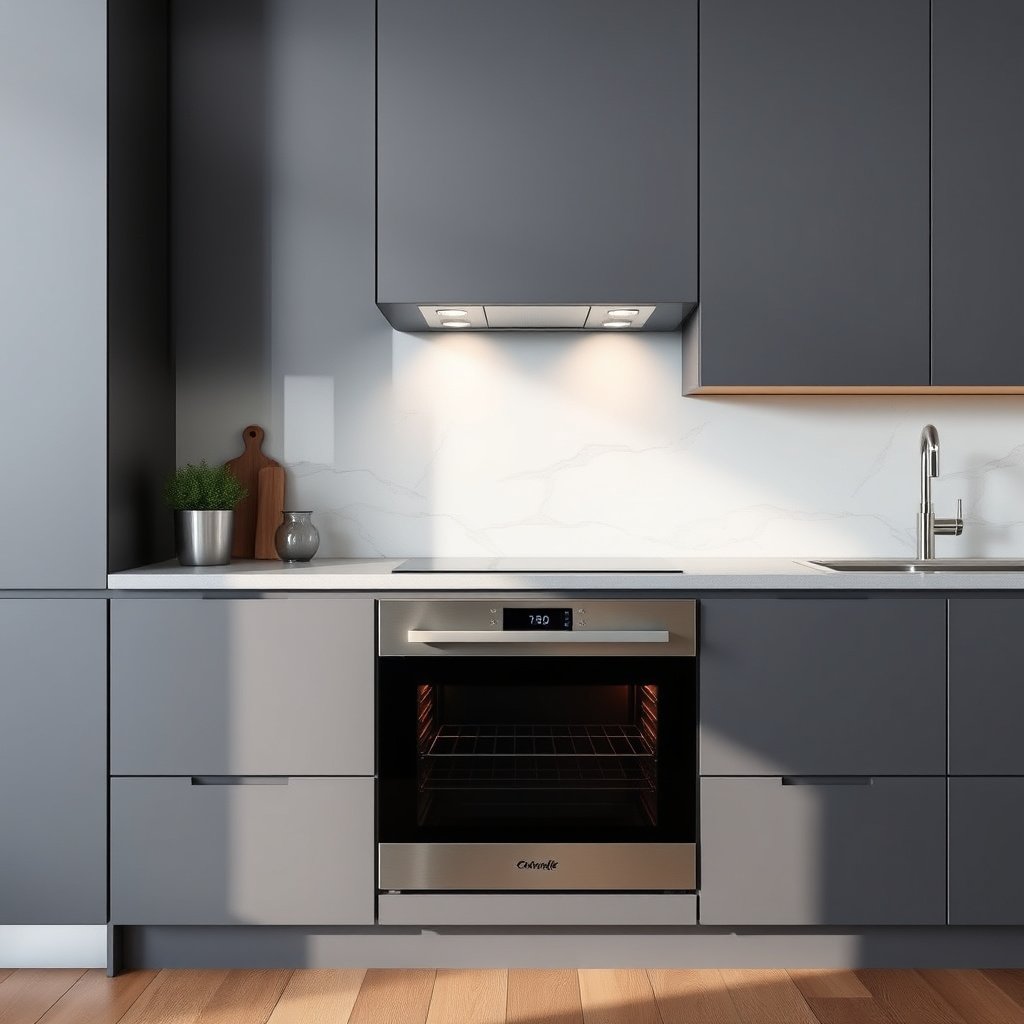
An under counter oven without cooktop is a built-in oven designed to fit under kitchen counters without including a built-in cooking surface above it. Essentially, it focuses solely on baking, roasting, grilling, or warming, and requires a separate cooktop elsewhere in the kitchen.
These ovens are an ideal choice for kitchens that already have cooktops installed independently, or for homeowners who prefer to allocate space more flexibly. Since these ovens do not combine the cooktop, they often have more compact dimensions and may offer specialized oven features.
Benefits Compared to Combined Units
Separating the oven from the cooktop allows for more flexible kitchen design, enabling you to place the oven at a comfortable height or location and use any cooktop technology you prefer, such as induction, gas, or electric, elsewhere.
Additionally, without the cooktop component, these ovens often have more interior space and an easier installation process. They can also reduce kitchen clutter by freeing up counter area for other tasks or appliances.
- Flexible kitchen layout options
- Possibility to choose preferred cooktop style
- Typically more oven interior space
- Simpler installation under counters
Key Features to Examine in Under Counter Ovens Without Cooktop
Size and Capacity
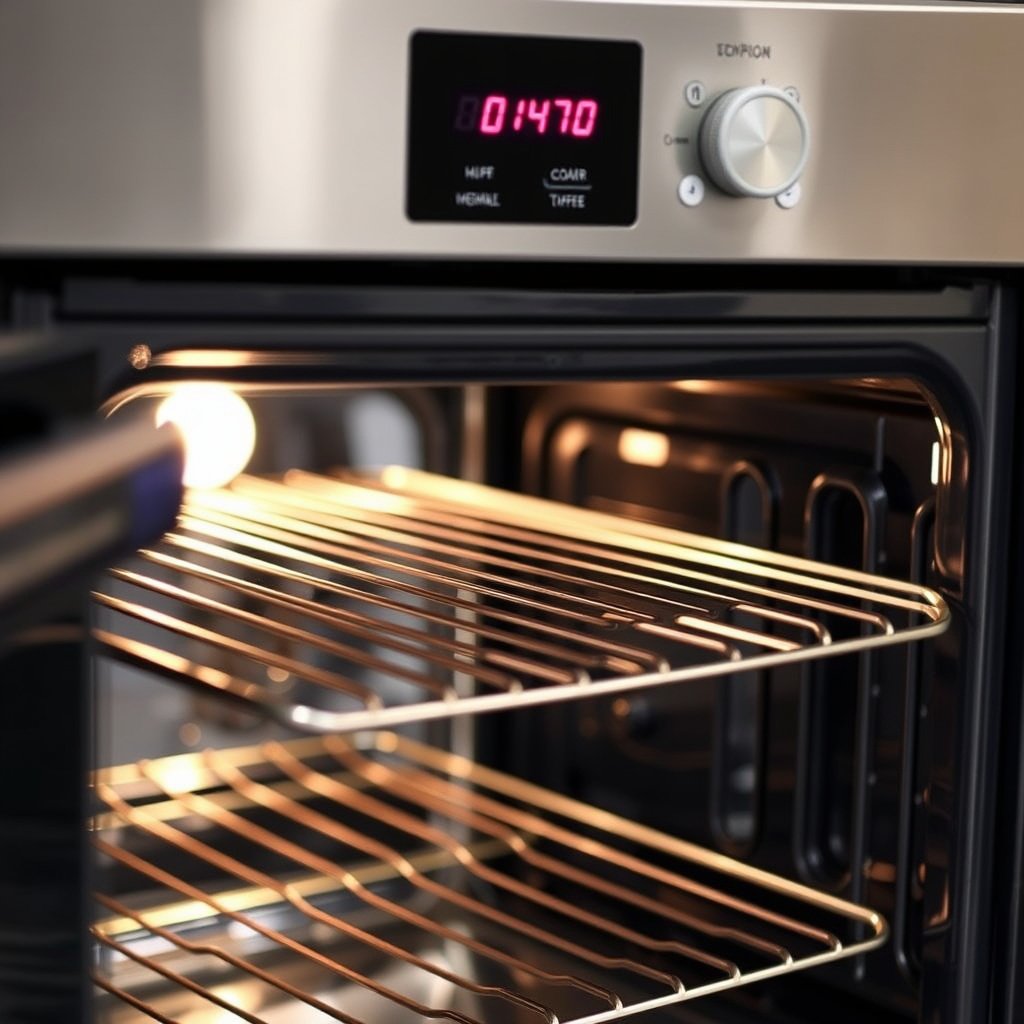
Under counter ovens come in various widths and depths, commonly 24, 27, or 30 inches wide. Choosing the right size depends on your kitchen’s cabinet space and your typical cooking needs. The interior capacity, measured in cubic feet or liters, affects how much food you can cook at once.
If you prepare large meals frequently, look for ovens with a larger cavity that also support multiple rack positions. Smaller ovens suit compact kitchens or occasional use but may restrict larger dishes.
- Typical widths: 24, 27, 30 inches
- Capacity ranges from 2 to 5 cubic feet
- Multiple rack positions for cooking flexibility
Cooking Functions and Technology
Consider what cooking functions you need, such as convection baking, broiling, roasting, and self-cleaning. Many modern ovens also include smart settings, temperature probes, and multiple cooking modes that automate the process.
Advanced convection systems use fans to circulate heat evenly, reducing cooking time and improving results. Some ovens also feature steam injection or moisture control for baking bread or delicate dishes.
- Convection baking for even cooking
- Broil and roast modes
- Self-cleaning options (steam, pyrolytic)
- Smart controls and preset programs
Installation and Compatibility Considerations
Measuring and Preparing Your Space
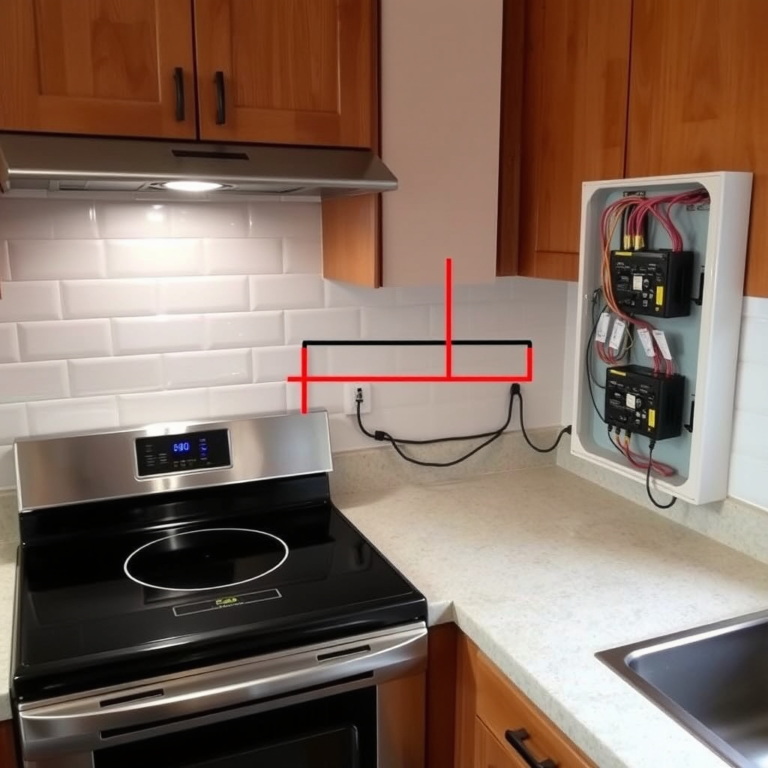
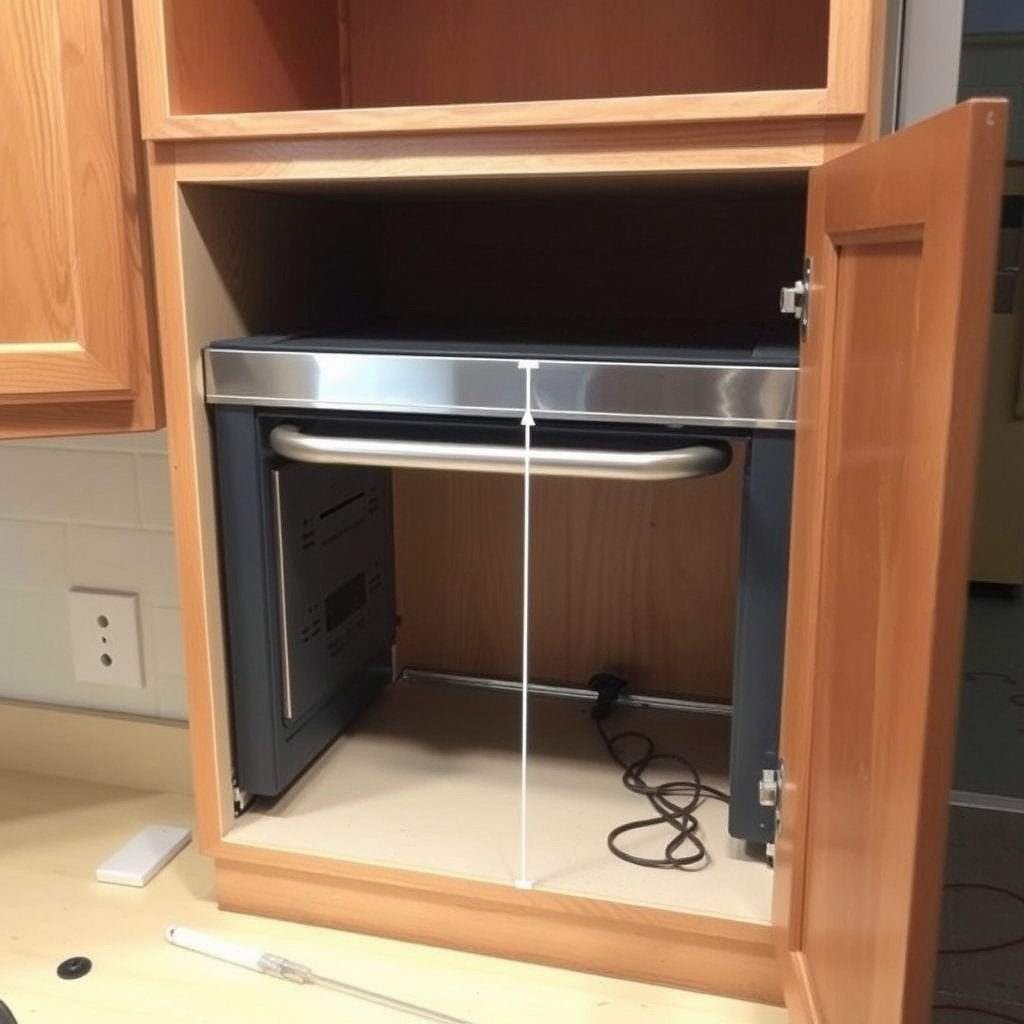
Proper measurement is essential to ensure the oven fits under the counter seamlessly. Measure the width, height, and depth of your cabinet opening and compare it to the oven's specifications. Also, check for adequate ventilation space as recommended by the manufacturer.
If you replace an existing wall oven, confirm if electrical and mounting setups are compatible, or you may need an electrician to adjust wiring. Planning ahead prevents installation delays and damage.
- Measure cabinet opening (W x H x D)
- Check ventilation clearance requirements
- Confirm electrical connection compatibility
- Consult a professional for modifications
Power Requirements and Safety
Under counter ovens usually require a dedicated 240-volt circuit. Assess your kitchen’s electrical panel to verify it can accommodate the oven alongside other appliances safely. Safety certifications and grounding details are important too.
Always install ovens according to the manufacturer’s instructions, especially regarding heat clearance and panel safety. Incorrect installation can risk fire hazards or appliance damage.
- Verify dedicated 240V circuit availability
- Follow manufacturer’s installation guidelines
- Use proper grounding and safety connections
Control Types and User Interface
Mechanical vs Digital Controls
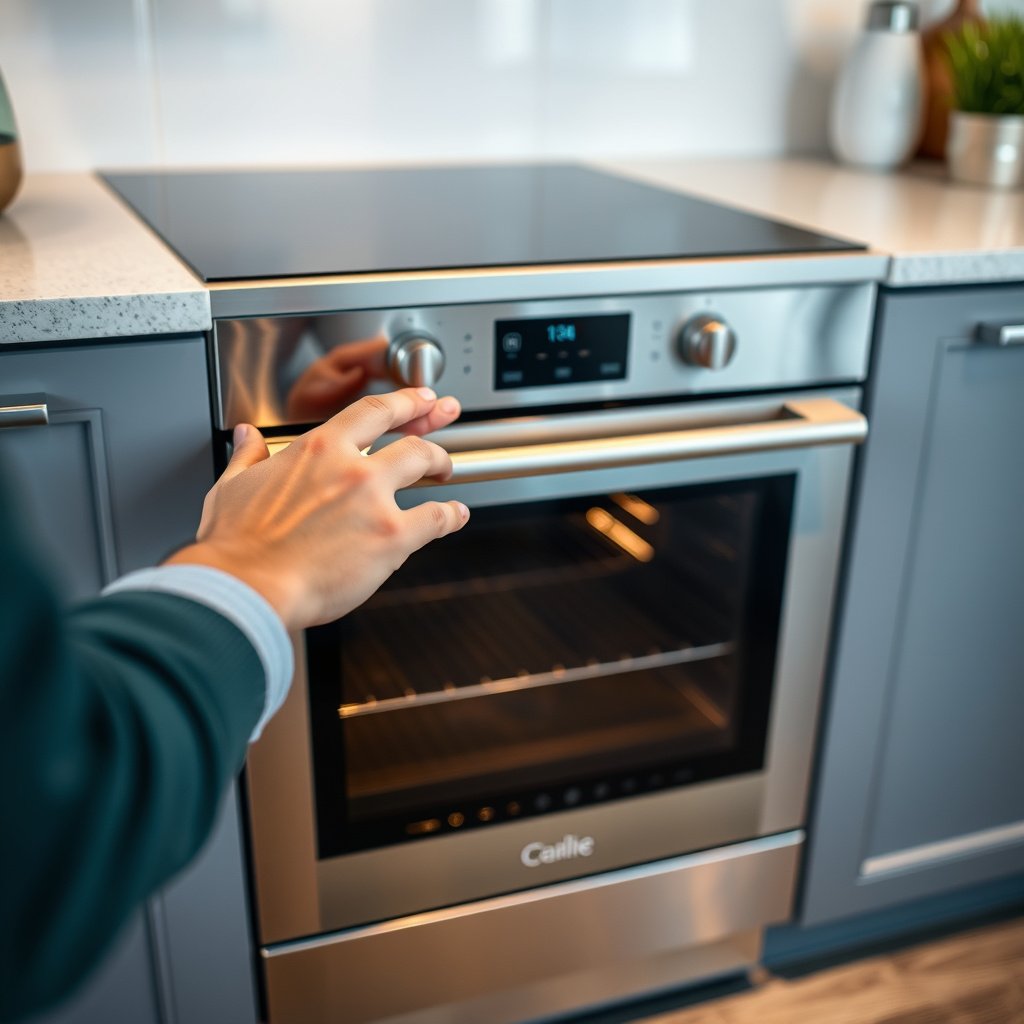
Older models often feature mechanical dials and knobs that provide simple, reliable control with tactile feedback. Digital and touch controls, more common on newer ovens, offer precise temperature settings, timers, and programmable functions.
Digital controls may include LCD screens for menus, temperature probes, and smart features. Some users prefer the ease of mechanical controls for straightforward operation, while others value advanced digital features.
- Mechanical dials for simple use
- Digital touchscreens with presets
- Timer and temperature probe support
- Smartphone app integration in some models
Smart Features and Automation
Many modern under counter ovens without cooktop come with smart features like Wi-Fi connectivity, remote monitoring, recipe automation, and voice control compatibility. These allow precise adjustments and notifications via smartphone.
While smart ovens provide conveniences, they may increase price and complexity. However, they can assist with consistent cooking results and integrate well with smart home systems.
- Wi-Fi and smartphone app control
- Voice assistant compatibility
- Pre-programmed cooking functions
- Automatic temperature adjustments
Energy Efficiency and Maintenance
Energy Ratings and Impact
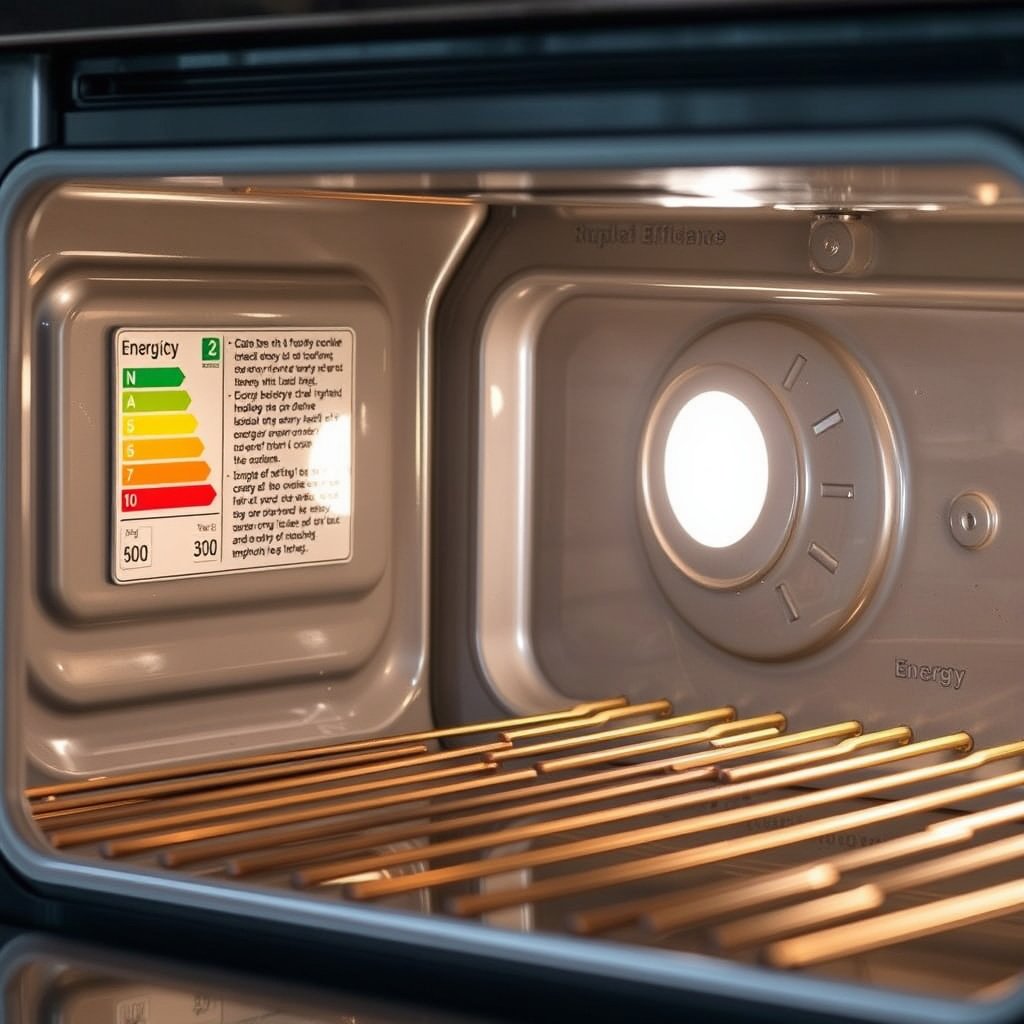
Checking the energy efficiency rating helps choose ovens that consume less electricity while cooking effectively. Models with good insulation and convection features can reach cooking temperatures faster and retain heat better.
Energy-efficient ovens provide long-term savings on utility bills and contribute to reducing environmental impact. Look for ENERGY STAR certification or similar local labels when available.
- ENERGY STAR certified models save electricity
- Good insulation reduces heat loss
- Convection reduces cooking time
- Check estimated annual energy consumption
Cleaning and Maintenance Considerations
Easy maintenance includes self-cleaning programs such as pyrolytic or steam cleaning that help break down grease and food residues. Removable racks and door interiors simplify manual cleaning.
Regular maintenance extends the oven's lifespan and keeps it performing optimally. Choose models with features that fit your cleaning preferences and durability requirements.
- Pyrolytic self-cleaning options
- Steam cleaning cycles
- Removable racks and door panels
- Durable interior finishes
Design and Aesthetic Integration
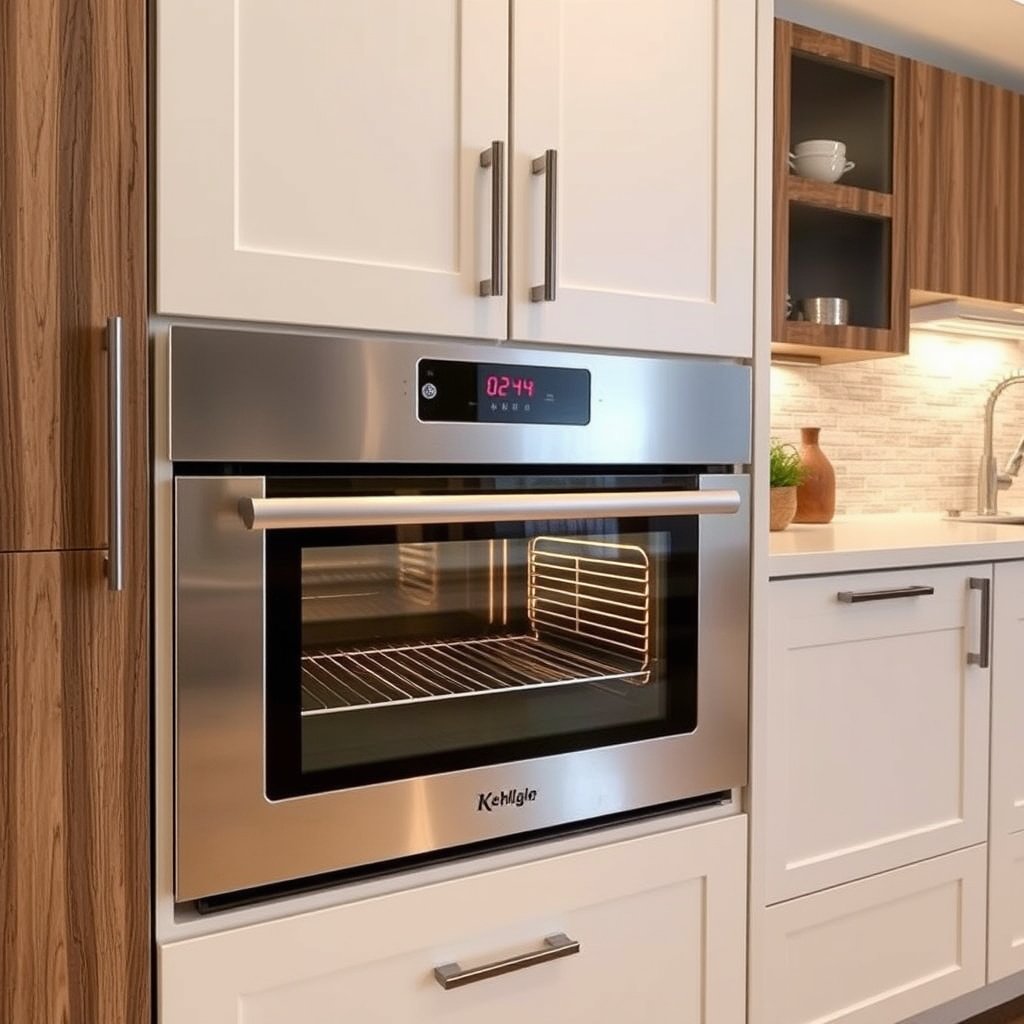
Finish Options and Styles
Under counter ovens come in various finishes like stainless steel, black glass, or white enamel to complement diverse kitchen designs. Choose a style that matches existing appliances and cabinetry to create a cohesive look.
Some ovens feature sleek minimalistic designs with hidden controls, while others offer framed doors or colorful accents. Design choice influences both visual appeal and user experience.
- Common finishes: stainless steel, black glass, white
- Minimalist vs framed door designs
- Integration with cabinetry colors
- Handle style variations
For a detailed overview of oven types including under counter designs, see the under counter oven Wikipedia article. under counter oven Wikipedia article.
Ergonomics and Accessibility
Placing the oven under counter at an ergonomic height can reduce bending and improve ease of use. Look for models with smooth door openings, easy-grip handles, and clear display panels for better accessibility.
Design factors also include oven door insulation to keep outer surfaces cooler and intuitive controls for simple operation, especially in busy kitchens.
- Comfortable handle design and placement
- Easy-to-read display panels
- Safety features on oven doors
- Smooth door hinge mechanisms
Under Counter Oven Without Cooktop Category Comparison
This table compares common categories of under counter ovens without cooktop, showing size, features, and price ranges to help identify the best fit for your needs.
| Category | Typical Width | Capacity (cu ft) | Special Features | Price Range ($) |
|---|---|---|---|---|
| Compact Models | 24 inches | 2.5 | Basic functions, mechanical controls | 400-700 |
| Mid-Size Models | 27 inches | 3.0-4.0 | Convection, self-cleaning, digital controls | 700-1200 |
| Premium Models | 30 inches | 4.5-5.0 | Smart features, steam cleaning, multiple racks | 1200-2500 |
| Professional Style | 27-30 inches | 4.0+ | Heavy-duty build, high temp broil, commercial-grade | 2000-3500 |
Frequently Asked Questions
Can I install an under counter oven without a cooktop in any kitchen?
Most kitchens can accommodate an under counter oven without cooktop if there is adequate cabinet space, proper electrical connections, and ventilation. Always measure carefully and consult manufacturer guidelines before installation.
Are under counter ovens without cooktops energy efficient?
Many under counter ovens without cooktops have energy-saving features like convection and good insulation. Choosing ENERGY STAR certified models can further reduce energy consumption.
Do these ovens work well with separate cooktops?
Yes, these ovens are designed to be used with separate cooktops, allowing you to customize your kitchen setup with preferred stovetop technology and oven placement.
What maintenance is needed for an under counter oven without cooktop?
Regular cleaning of the interior and racks, using self-cleaning functions if available, and checking door seals will keep the oven in good condition and maintain performance.
Can I control under counter ovens with smartphone apps?
Some premium under counter ovens offer smart connectivity that enables control and monitoring via smartphone apps, enhancing convenience and cooking precision.
Key Takeaways
- Under counter ovens without cooktops offer flexible kitchen design by separating baking and cooking surfaces.
- Choosing the right size and capacity ensures the oven fits your space and cooking needs.
- Consider control types and technologies such as convection, self-cleaning, and smart features.
- Installation requires proper measurements and electrical setup for safe, effective operation.
Conclusion
Choosing an under counter oven without cooktop involves balancing your kitchen layout, cooking habits, and desired features. By focusing on the oven alone, you gain flexibility to select any cooktop separately or repurpose existing ones. Key decision points include choosing the appropriate size, ensuring power compatibility, and looking for cooking functions that suit your routine. Making these considerations thoughtfully will result in a functional oven that integrates well into your kitchen.
For casual bakers or small households, compact models with mechanical controls provide simplicity and value. Mid-size ovens deliver convection and self-cleaning features ideal for frequent cooks. Premium models add smart connectivity and advanced functions, suiting tech-savvy users or those with diverse culinary needs. Professional-style ovens cater to serious home chefs seeking high performance and durability. Match your investment to your cooking style and kitchen environment for the best outcome.
To move forward, start by measuring your under counter space and reviewing electrical requirements. Research models that fit your preferred size and feature set, then compare prices and reviews. Consult installers or electricians to confirm compatibility. Selecting an under counter oven without cooktop offers kitchen design freedom and a focused cooking appliance tailored to your needs.