What Are the Best Small Towns in Pennsylvania for Visiting and Living
Mount Gretna, Bradford Woods, Wellsboro, Lititz, and Rutledge rank among the best small towns in Pennsylvania for visiting and living. These towns offer a mix of historic charm, natural beauty, and a strong sense of community. They suit travelers seeking a weekend escape and newcomers wanting a welcoming, livable environment.
Anyone interested in exploring Pennsylvania’s unique small towns will find options with scenic outdoor activities, rich history, cultural attractions, and affordable housing. This overview highlights standout towns based on population, income, housing, and local events to help you find the perfect destination or home.
Key Takeaways
- Mount Gretna is ideal for a quick nature getaway just 40 minutes east of Harrisburg.
- Bradford Woods leads Pennsylvania small towns in safety and community amenities for 2026.
- Wellsboro offers outstanding access to outdoor adventures near Pennsylvania’s Grand Canyon.
- Rutledge has top-tier schools and low crime rates, perfect for families moving near Philadelphia.
- Lititz and Jim Thorpe provide rich historical sites within a two-hour drive of major cities.
- Visit Lake Wallenpaupack for extensive shoreline activities on Pennsylvania’s third-largest lake.
Top Small Towns to Visit in Pennsylvania
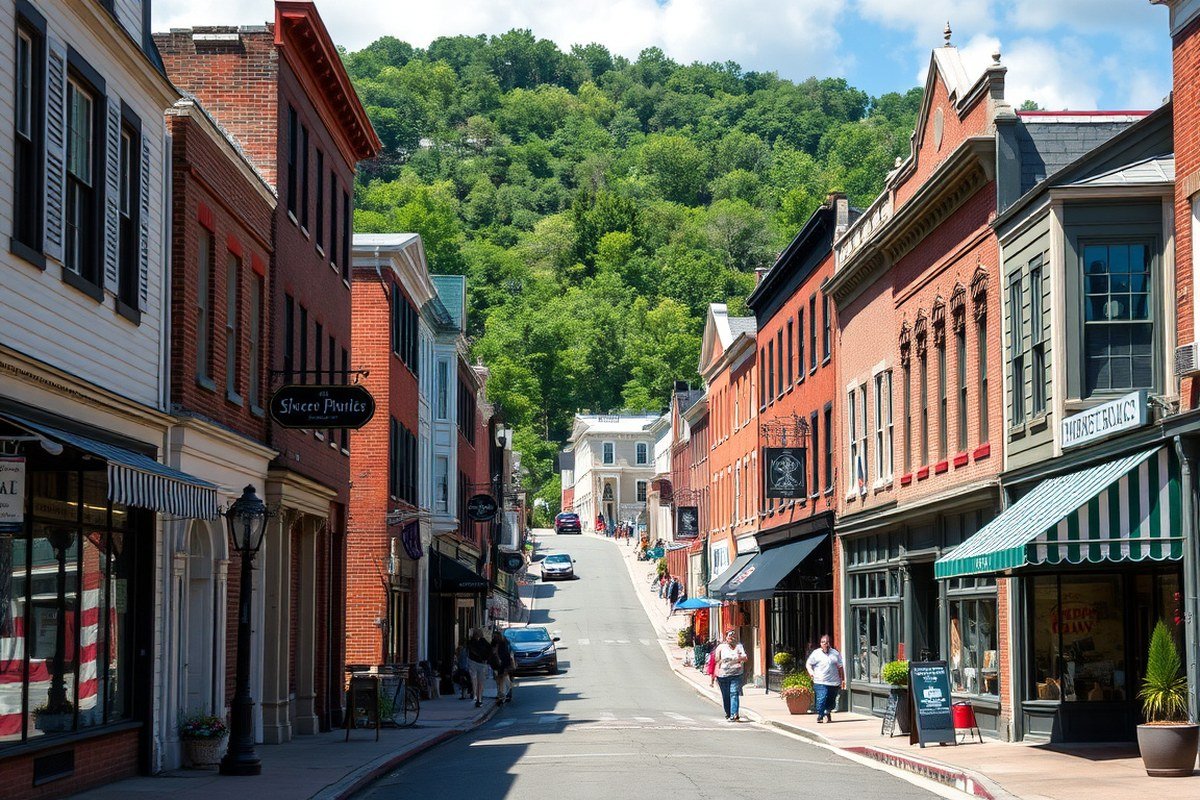
Several small towns in Pennsylvania stand out for their unique charm, history, and attractions that make them perfect for visitors. Mount Gretna, near Harrisburg, offers easy access along I-76 and is known for its arts and cultural events. Lititz in northern Lancaster County is often called the best small town in Pennsylvania, famous for its historic downtown and vibrant community. Jim Thorpe draws visitors with its scenic mountain setting and outdoor activities. Wellsboro provides a quaint main street and is a gateway to the Pine Creek Gorge, known as the “Grand Canyon of Pennsylvania.”
Each town has something special that adds to its draw. New Hope in Bucks County combines artistic flair with riverside beauty, earning national recognition as a top small town to visit. Milford offers antique shops and scenic parks, great for a relaxed weekend getaway. Ligonier’s historic sites and mountain views create an inviting atmosphere. Punxsutawney attracts visitors each year for Groundhog Day festivities, blending fun with local tradition. These towns offer a mix of cultural, outdoor, and historical experiences suited to different tastes.
| Town | Population | Median Income | Median Home Price | Distance/Region |
|---|---|---|---|---|
| Mount Gretna | 197 | $110,625 | $280,700 | Near Harrisburg/I-76 |
| Rutledge | 817 | $85,078 | $283,600 | Greater Philadelphia area |
| Deer Lake | 665 | $71,389 | $174,300 | Hills north of Harrisburg |
| Lititz | Not specified | Not specified | Not specified | Lancaster County |
Choosing which town to visit depends on what you want to experience. For instance, if you want a peaceful arts community, Mount Gretna’s events and galleries may appeal. For outdoor lovers interested in hiking and fall colors, Wellsboro and Jim Thorpe are excellent choices. New Hope offers both shopping and riverside views for a shorter day or weekend trip, especially if you’re near Philadelphia. Keep in mind that some towns like Rutledge are small but close to major cities, making them good options for a quiet visit without a long drive.
Plan your visit around seasonal events or local festivals for the best experience. Many towns have bustling activities in fall or during holiday seasons. Lodging ranges from bed-and-breakfasts to small inns, so booking ahead is wise during peak times. Take advantage of local guides or visitor centers to discover hidden gems within each town, such as boutique shops or lesser-known parks. Parking can be limited in these small communities, so arriving early or using local transit where available can help.
Historic Small Towns That Tell Pennsylvania’s Story
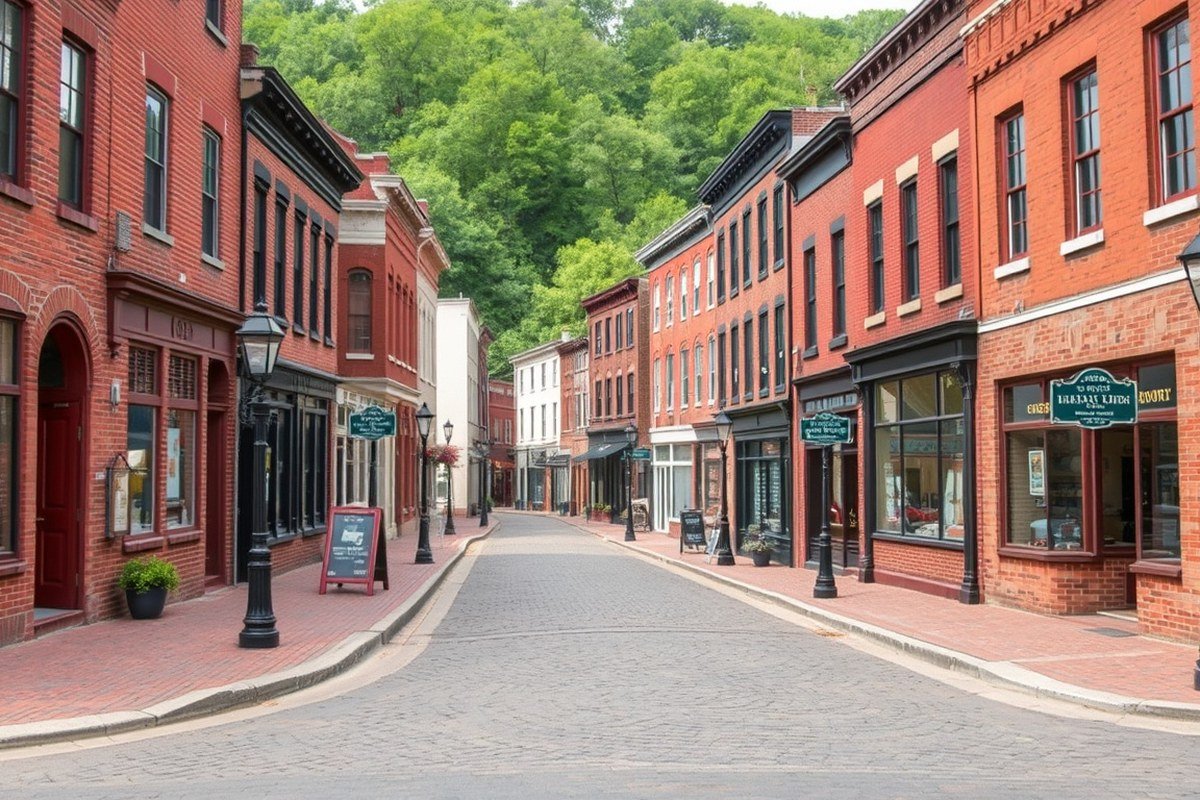
Pennsylvania’s history comes alive in its small towns, where preserved architecture and museums invite you to step back in time. Towns like Gettysburg, Lititz, and Ligonier offer rich stories through battlefields, historic streets, and cultural institutions. Exploring these places reveals how history shapes local identity and community pride.
Gettysburg: A Window to Civil War History
Gettysburg stands out as an essential stop for anyone interested in American history. This small town, with a population just over 7,000, preserves the site of the key Civil War battle in 1863. You can visit the Gettysburg National Military Park, which offers extensive museum exhibits, guided battlefield tours, and preserved monuments.
Admission to the Gettysburg National Military Park Museum and Visitor Center is around $15 for adults, while battlefield auto tours are self-guided and can be done at your own pace. The town’s historic downtown features architectural landmarks, quaint shops, and period-style inns that reflect its 19th-century roots. History here shapes the town’s identity as a place of remembrance and education.
Lititz: Charming Architecture and Cultural Legacy
Lititz charms visitors with its beautifully maintained 18th-century buildings and a strong link to Pennsylvania’s early Dutch and Moravian settlers. This small town is known for its cozy streets lined with colonial and Victorian architecture, alongside quaint boutiques and galleries. A must-see is the Wilbur Chocolate Museum, which highlights both local industry and candy-making history.
Lititz’s claim to fame includes the country’s oldest pretzel bakery, Julius Sturgis, where you can tour the facility, sample fresh pretzels, and learn baking techniques. The museum and factory tours often cost under $10, making an affordable way to connect with small-town heritage. Taking a leisurely walk through downtown Lititz lets you appreciate how its history remains visible and valued in everyday life.
Ligonier: Preserved 18th-Century Town Square
Ligonier’s most distinctive feature is its historic town square, surrounded by buildings dating back to the 1700s and 1800s. This small town combines a nostalgic atmosphere with community events that celebrate its past. The Fort Ligonier Museum focuses on the French and Indian War era, offering artifacts and reenactments that bring frontier history to life.
The museum entrance is typically around $8 to $12, and guided tours provide context on how Ligonier grew as a military and trade hub. The town’s preservation efforts mean many shops and eateries operate in original structures, making your visit feel like a step into colonial and early American history. Exploring Ligonier’s square is especially rewarding during local events that emphasize tradition.
Unique Historic Small Towns Worth Exploring
A few other small towns stand out for their historical contributions and well-preserved charm. Franklin in northwestern Pennsylvania is full of documented 19th-century sites, while Bethlehem, though larger, retains small-town appeal with museums focused on its industrial past. Johnstown’s history is shaped by the great 1889 flood, now reflected in its museums and revitalized arts scene.
- Bryn Athyn, notable for distinctive architecture and cultural landmarks near Philadelphia
- Bradford Woods, ranked best small town in Pennsylvania for 2026 with a welcoming vibe
- Franklin, offers rich history in oil and early settlements
- Johnstown, known for its flood history and arts community
- Bethlehem, celebrates industrial heritage with museums and galleries
Visiting these towns typically involves moderate walking, with some steps required to navigate historic districts. Admission prices to museums and tours usually range between $5 and $20. Combining several stops allows you to see different eras and industries that shaped Pennsylvania’s diverse communities.
Plan ahead for seasonal hours at smaller museums and historic sites since some close or limit visits outside peak tourist times.
How History Shapes Small Town Identity
In Pennsylvania’s historic small towns, history isn’t just in the distant past but part of everyday identity. Buildings, museums, and annual events reinforce community pride and attract visitors who value authentic experiences. Towns often maintain historic districts where construction and design reflect original styles, which contributes to visual charm and educational opportunities.
When you explore such towns, you’ll notice local efforts to preserve landmarks and tell stories through guided tours, plaques, and volunteer interpreters. This approach ensures visitors gain a full understanding of regional significance, from Native American origins to colonial times, industrial growth, and wartime events. The result is a travel experience grounded in real people and moments that shaped Pennsylvania.
Small Towns with Stunning Natural Beauty and Outdoor Activities
Nature lovers will find plenty to admire in Pennsylvania’s small towns that border stunning parks, trails, and waterways. Jim Thorpe stands out with its breathtaking natural scenery and outdoor opportunities. Surrounded by Lehigh Gorge, Beltzville, and Hickory Run state parks, the town offers abundant hiking, biking, and camping options. These parks feature well-marked trails, river access, and picnic areas that can accommodate families and solo adventurers alike.
Pocono Township also serves as a prime base for exploring the Poconos, known for its mountainous terrain and extensive trail systems. This area is ideal for hiking and mountain biking during warmer months, as well as cross-country skiing and snowshoeing in winter. Visitors who want a mix of outdoor action and small-town conveniences will appreciate its compact center where daily errands are easy to handle.
For something more tranquil, the village of Eagles Mere in Sullivan County offers a quieter setting with access to Loyalsock State Forest. The forest features numerous trails for all skill levels, from moderate hikes to more challenging routes, making it perfect for families or seasoned hikers. Water enthusiasts can also enjoy canoeing or kayaking along nearby rivers.
- Hiking and biking on Lehigh Gorge State Park’s 26-mile rail trail
- Camping and fishing at Beltzville State Park
- Exploring Hickory Run State Park’s Boulder Field and waterfalls
- Winter sports like skiing and snowshoeing in the Poconos
- Kayaking in Loyalsock State Forest waterways
- Relaxing by the lake or boating in Eagles Mere
- Picnicking and birdwatching in Oil Creek State Park
Outdoor activities in these towns tend to be affordable; state park entry fees typically range from $4 to $10 per vehicle per day. Many trailheads have free parking, and campsites offer nightly rates between $20 and $40. Planning ahead is advised during peak seasons or holiday weekends to secure desired accommodations. Weather varies, with summer highs around 75°F and winter lows near 20°F, so pack accordingly for seasonal activities.
Choosing a town with easy access to multiple parks allows you to customize your outdoor adventure. Some towns offer rental shops for gear like bikes and kayaks, while others provide guided tours or trail maps. In any case, preparing with proper footwear, water, and navigational tools will help make your outdoor experiences safe and enjoyable.
Best Small Towns for Arts, Culture, and Shopping
New Hope stands out for its vibrant artist community, featuring over 200 arts and crafts galleries. It’s a prime spot to explore local creativity, ranging from fine art to handmade crafts. Walking through New Hope’s downtown, you’ll find unique shops offering one-of-a-kind finds perfect for souvenirs or gifts. To fully experience the town’s culture, plan your visit around one of its many festivals, which showcase local art, music, and crafts throughout the year at no extra cost beyond your travel and accommodation.
Ridgway complements this experience with a strong artistic vibe paired with lively festivals that celebrate community and creativity. Downtown Ridgway offers art galleries and antique shops ideal for browsing or shopping for local handcrafted goods. After exploring, you can relax with a craft beer at The Brew Bank Brewing Company or try Pennsylvania Country Moonshine at Chicken Hill Distillery for a local twist. Festival attendees enjoy events that typically run from spring through fall, making it great to time your trip to catch a local celebration.
York is another excellent option, combining a thriving arts scene with live performances and glassmaking demonstrations. You can visit galleries that highlight the talents of regional artists and find unique items in local shops. Early risers or those looking to dive right into the local marketplace will appreciate Rice’s Market, where you can shop for arts and crafts before brunch. Each town offers diverse options depending on your interests, whether browsing galleries, shopping for handmade goods, or enjoying a festival atmosphere.
- New Hope: Over 200 arts and crafts galleries, year-round festivals
- Ridgway: Art galleries, antique shops, local breweries, and distilleries
- York: Glassmaking demos, live performances, Rice’s Market shopping
- Gettysburg: Rich cultural events and historic art galleries
- Mercer: Mix of shopping, dining, and local art galleries
To get the most from your visit, check each town’s festival calendar online before booking your trip. Many events are free or have a low entrance fee, allowing you to enjoy the arts without a big budget. If you want to purchase art or crafts, budget $20 to $100 for smaller items and more for unique or commissioned pieces. Avoid visiting on major holidays when galleries and shops may close or have limited hours. Planning to stay nearby lets you explore galleries on quieter weekdays, increasing your chances for personalized shopping experiences. This approach helps you engage deeply with each town’s artistic culture and ensures you take home special pieces from your trip.
How to Choose the Right Small Pennsylvania Town for Your Visit or Move
Choosing the right small town in Pennsylvania depends on your lifestyle, how much convenience you want, and what kind of atmosphere feels right to you. By matching your priorities to what the town offers, you can find a place that fits your needs, whether you’re visiting or planning to move. A clear checklist helps narrow down your options and avoid common mistakes.
Assessing Your Lifestyle Preferences
Your preferences shape which towns suit you best. Families might look for towns with good schools, parks, and safe neighborhoods. Retirees often prioritize quiet areas with healthcare access and a slower pace. Solo travelers may prefer towns with vibrant social scenes or easy access to activities. Knowing what you need daily, from grocery stores to community events, makes it easier to pick a town that fits your lifestyle.
Start by listing what matters most to you in these categories. Consider household size, work or school needs, and how active you want to be outdoors or in social settings.
Balancing Amenities and Small Town Charm
Many small towns blend charm with modern conveniences unevenly. You’ll find towns that offer historic downtowns and local shops but limited healthcare or few dining options. Conversely, some might have newer supermarkets and clinics but less character or fewer cultural events. Look for a balance that aligns with how much comfort or authenticity you want. Use this checklist to rate towns on amenities that matter to you:
- Availability of grocery stores and pharmacies
- Access to schools or childcare facilities
- Healthcare services such as clinics and hospitals
- Dining, entertainment, and cultural activities
- Public transportation and walkability
- Local community events and markets
- Cost of housing and daily expenses
Weigh these factors based on your budget and habits. Remember that too few amenities may mean longer trips to nearby cities, while too many might take away from the small town feeling you want.
Using Proximity and Accessibility as a Factor
How close you want to be to bigger cities or highways affects your town choice. Towns near Pittsburgh or Philadelphia offer easier access to airports, jobs, and services but often come with higher housing costs. More remote towns provide quiet and natural beauty yet might require longer drives for essentials or entertainment.
Think about your transportation options. Do you drive, or rely on public transit? What’s an acceptable commute time or travel distance for you and your family?
Visiting a town at different times of day or week can reveal hidden traffic issues or spotty transit schedules you won’t see during a brief stop.
Set your top criteria for accessibility:
- Distance to nearest regional airport (often 1 to 2 hours from towns like State College or Gettysburg)
- Commute times if working remotely or in a nearby city
- Road quality and reliability in winter months
- Availability and convenience of public transportation
These steps help you avoid surprises related to travel, especially during Pennsylvania winters when snow and ice can affect roads and schedules.
Comparing Population, Income, and Housing Prices in Pennsylvania’s Small Towns
Small towns in Pennsylvania typically have populations ranging from a few hundred to just under 5,000 residents. For example, towns like Little Glen Osborne have fewer than 600 people, whereas places such as Narberth host over 4,500 residents. This size keeps the communities tight-knit, often with a slower pace of life that’s attractive to visitors and potential residents.
The median household income varies widely among these towns, reflecting different local economies and amenities. Some towns, like Pine Grove Mills, boast median incomes well over $180,000, while others like Dauphin have median incomes closer to $54,000. Income levels influence the cost of living and local services, which directly affect a resident’s lifestyle and budget.
Housing prices illustrate another key economic factor. Median home values may be under $160,000 in more affordable towns such as Dauphin and Goldsboro but can climb well above $400,000 or even beyond $800,000 in affluent communities like Narberth or Bradford Woods. These differences indicate not only the cost to buy but also the exclusivity and amenities available in each town. Living costs and housing prices should guide your choice depending on your budget and preferences.
| Rank | Town | Population | Median Income | Median Home Value | Unemployment Rate |
|---|---|---|---|---|---|
| 1 | Bradford Woods | 1,194 | $153,125 | $564,694 | 1.4% |
| 2 | Houserville | 2,000 | $119,303 | $420,604 | 0.4% |
| 3 | Aspinwall | 2,843 | $107,000 | $397,840 | 2.7% |
| 4 | Narberth | 4,511 | $123,977 | $847,019 | 3.2% |
| 5 | Pine Grove Mills | 1,502 | $180,173 | $420,493 | 0.0% |
| 6 | Clarks Green | 1,656 | $113,850 | $333,789 | 2.3% |
Use population as a starting point to match your desired community size. Then consider median income to gauge affordability and local economic vitality. Median home prices provide a clear indicator of your potential housing investment or rental costs. Unemployment rates can give a sense of local job security and economic stability, which is important if you plan to work locally.
For those seeking affordability, small towns like Dauphin and Goldsboro offer lower median home prices and reasonable income levels, making them easy entry points into small-town living. By contrast, towns such as Pine Grove Mills and Bradford Woods suit buyers prioritizing high income and premium real estate, expecting well-developed amenities and a strong community feel.
Seasonal Events and Activities to Experience in Pennsylvania’s Small Towns
Pennsylvania’s small towns offer distinct experiences through their seasonal events and activities, each drawing visitors at different times of the year. Spring brings blooming flowers and outdoor markets. Summer is prime for festivals and fairs celebrating local culture. Fall captivates with foliage tours, harvest festivals, and Halloween celebrations. Winter invites visitors to cozy holiday markets and winter sports nearby.
Take Jim Thorpe, known as the “Switzerland of America.” Spring and fall are the best times to visit for hiking and scenic views when temperatures range between the high 50s and low 70s °F. Every fall, the town hosts the Halloween parade and Victorian Christmas festival. These affordable public events, often free or with small admission fees under $10, draw throngs of visitors who enjoy historic decorations and family-friendly activities.
The historic town of Lititz comes alive during its annual Fire and Ice Festival held in late winter. It features ice carving, food stalls, and winter sports gear demos. This event typically runs for a weekend with free admission, making it a perfect cold-weather getaway offering unique local flavors.
- Attend the Ligonier French & Indian War Festival in early October to see reenactments and enjoy food vendors selling period treats.
- Visit New Hope in summer for the Bucks County River Festival, which includes music, food trucks, and riverboat rides.
- Plan a trip to Peddler’s Village in spring to explore its extensive craft fair and seasonal flower displays.
- Experience the Gettysburg National Cemetery Memorial Day ceremonies and the following living history events during early summer.
- Head to Lititz during winter to enjoy the Fire and Ice Festival and its ice sculpting demonstrations.
Seasonal rhythms also influence what is accessible in these towns. Summer months typically offer the longest hours for outdoor activities and special event schedules. In winter, local shops and restaurants may have reduced hours, but holiday decorations and winter-themed activities compensate well. Visiting in spring or fall often means fewer crowds and mild weather, ideal for exploring on foot. Costs for lodging or event entry vary but expect higher prices and booking competition during peak festival weekends, especially in popular towns like Jim Thorpe or New Hope.
Knowing each town’s signature events and timing can help you plan a trip that matches your interests, whether it’s attending a festive parade, hiking with changing leaves, or tasting handcrafted winter treats. Enjoying Pennsylvania’s small towns according to their seasonal highlights offers a chance to connect directly with local culture and community traditions throughout the year.
Travel and Accessibility Guide for Pennsylvania’s Small Towns
Your travel experience depends largely on how you plan to reach and move around Pennsylvania’s small towns. Most of these towns lie within a two- to three-hour drive from major cities like Philadelphia, Pittsburgh, and Harrisburg, making car travel the most flexible and reliable option. Renting a car is generally necessary, as public transport options tend to be limited outside urban areas.
From Philadelphia International Airport, it typically takes about 1.5 to 2.5 hours by car to reach popular towns such as Lititz in Lancaster County. Pittsburgh International Airport serves the western parts of the state, with drives of 1 to 3 hours to small towns in the Laurel Highlands or along the Ohio River. Harrisburg International Airport offers convenient access to central Pennsylvania towns within a 45-minute to 2-hour drive.
Public transportation can be useful within city limits but rarely connects directly to many small towns. You can use regional bus services or Amtrak trains to reach larger hubs. From there, consider booking local shuttle services or taxis. Some towns, like Jim Thorpe and New Hope, have limited rail or bus connections, but these are exceptions rather than the rule.
- Rent a car to reach most towns; expect 1 to 3 hours of driving from major airports.
- Check schedules for regional buses or Amtrak to nearby hubs if avoiding driving.
- Plan weekend trips to towns within two hours of your start location for less travel stress.
- Use local taxis, ride-shares, or small shuttle services for short trips within towns.
- Reserve accommodations in advance during peak seasons to avoid last-minute hassles.
- Download offline maps and GPS apps to stay on track in rural areas with limited cell service.
Weekend trips work best to towns close enough for a day or overnight visit, such as Lititz or New Hope, both less than two hours from Philadelphia. These towns offer charming experiences without requiring long drives or complicated transit. For an affordable and convenient overnight stay, choose lodging near the town center to minimize extra travel.
Car travel is usually essential since public transport to small towns is sparse, so plan your rental or personal vehicle use carefully before arrival.
Driving lets you explore at your own pace, stop at local attractions, and easily transport any gear for outdoor activities. In winter, be prepared for weather-related delays; road conditions can affect travel time, so check forecasts and road reports before heading out. If traveling without a car, focus on towns with train access, but expect to schedule around limited service times.
Hidden Gem Small Towns Worth Exploring in Pennsylvania
Pennsylvania has plenty of smaller towns that don’t get a lot of attention but offer unique experiences you won’t find in more popular spots. These hidden gems often have a relaxed atmosphere, friendly locals, and distinct local traditions or attractions that make your visit special. You’ll find that quiet streets, well-preserved architecture, and niche museums or dining establishments create a memorable escape from the crowds.
These towns matter because they let you connect with authentic local culture and history without the heavy tourist traffic. They often suit travelers looking for peaceful retreats, those interested in specific hobbies, or visitors eager to discover fresh dining or outdoor options off the beaten path. Staying in one gives you a slower pace to explore nearby landscapes or sample regional food directly from the producers. Here’s a quick list of some lesser-known towns worth exploring and what makes each worthwhile:
- Matamoras, Offers easy access to the Delaware Water Gap for hiking with a friendly small-town vibe and surprisingly affordable lodging.
- Tunkhannock, Features a charming downtown, annual street festivals, and proximity to Endless Mountains for scenic drives.
- Berlin, Known for its artist community and quaint shops, ideal for travelers who enjoy craft galleries and quiet cafes.
- Millheim, This town draws craft beer enthusiasts thanks to local breweries and has a welcoming atmosphere year-round.
- New Wilmington, Home to small colleges and peaceful parks; it’s perfect if you want a mix of youthful energy and calm.
- Quakertown, Offers budget-friendly accommodations and quick access to larger cities, making it a good base for day trips with local charm.
Choosing which hidden gem fits your trip depends on your priorities. For outdoor lovers, Matamoras and Tunkhannock provide hiking and scenic settings with modest crowds. If your interest lies in arts or craft beverages, towns like Berlin and Millheim deliver local events and unique shops in intimate settings. Those wanting a quiet stroll through college campus towns will enjoy New Wilmington, where you can also find small museums and cozy dining spots. When budget and convenience matter most, Quakertown’s location near highways makes it a practical choice without losing a sense of community.
Budget your lodging about $90 to $130 per night in these towns, depending on season and availability, which often is less than more popular destinations in the state. Visiting outside of summer holidays can mean easier reservations and quieter streets. Some towns hold special events on weekends or during local celebrations, so checking the town’s official website prior to your visit can help you plan around those experiences.
Trying these lesser-known spots may expand your idea of Pennsylvania’s charm. Their slower pace means you’ll have more time for personal exploration and connecting with locals, turning your trip into a fresh adventure beyond typical tourist routes.
Mixing Nature, History, and Local Life: Towns Near Pennsylvania’s Best Attractions
Several small towns in Pennsylvania combine easy access to natural wonders, historic landmarks, and regional attractions, making them perfect bases for fuller trips. Choosing towns with nearby sights lets you enjoy local life while fitting hiking, sightseeing, or museum visits into the same day. Planning routes and timing drives around these spots helps maximize what you see and do.
Towns Near Pennsylvania’s Natural Wonders
Ridgeway stands out for outdoor lovers. It offers proximity to extensive state parks and forests where you can hike, fish, and watch wildlife. Staying in Ridgeway lets you start your day close to nature without sacrificing the small-town charm of local shops and dining options. Pack hiking boots, a reusable water bottle, and binoculars to take full advantage of the trails and observation points early in the day.
Some towns offer shorter, easy day trips to natural highlights. For example, planning a morning in Ridgeway’s nearby parks followed by a relaxed afternoon exploring the town’s streets gives variety without long drives.
Small Towns Close to Historical Landmarks
Harmony, home to Pennsylvania’s first National Landmark District, offers rich history without overwhelming crowds. Visitors can explore its historic buildings and learn about the town’s origins. Its location near Zelienople, which also boasts a charming historic business district, allows for combined visits. Spend a morning in Harmony’s district, then a midday stroll and lunch in Zelienople.
Titusville blends history with small-town life, ideal if you enjoy historic homes and local culture. It’s a good spot to stay if you want to explore surrounding historic sites and return to a welcoming community atmosphere each evening.
Combining Town Visits with Regional Attractions
Some towns make it easy to combine local exploration with notable regional activities. Ambler, just north of Philadelphia, offers a mix of historic charm, local art, and food scenes. It’s a strategic stop for visitors who want to explore Philly’s major attractions but prefer staying in a quieter place at night.
To plan an ideal full-day trip using these towns, focus on travel time and activity times. For example, leave Ambler early to avoid city traffic, spend the late morning at Philly’s museums or historical sites, then return to Ambler for dinner and a walk through its arts district.
| Town | Nearby Attraction Type | Key Features | Recommended Visit Duration |
|---|---|---|---|
| Ridgeway | State Parks, Trails | Outdoor activities, wildlife viewing | Half-day to full day |
| Harmony | National Landmark District | Historic buildings, heritage tours | 2-3 hours |
| Zelienople | Historic Business District | Local shops, dining | 2-3 hours |
| Titusville | Historic Homes, Small Shops | Walkable town center, cultural sites | Half-day |
| Ambler | Arts, Food, History | Combined food and arts scene near Philly | Full day or evening |
Choose towns based on what type of nearby attraction interests you most. Ridgeway fits well for nature lovers wanting longer outdoor time. Harmony and Zelienople suit history buffs looking for a mix of heritage and shopping. Ambler offers a good base for cultural outings near a big city. Watch for seasonal hours and local events which can improve your visit.
Your Quick-Start Plan for Exploring and Choosing Small Towns in Pennsylvania
Use this simple plan to start exploring and narrowing down the best small towns in Pennsylvania that fit your travel or living goals.
- Day 1: List your priorities such as natural beauty, history, culture, or affordability. This helps focus your search.
- Days 2-3: Research towns matching your criteria using travel guides or local websites. Confirm they have the features you want.
- Week 1: Check seasonal events and accessibility options for each town. Make sure travel plans fit your schedule and needs.
- Week 2: Compare population size, housing costs, and income levels if considering a move. Verify these meet your lifestyle.
- Week 3: Plan a visit to your top small towns. Focus on neighborhoods, local shops, and outdoor spots to get a real feel.
- After Your Visit: Reflect on your experiences and practical factors like commute or amenities. Decide which town feels like home or an ideal getaway.
Frequently Asked Questions
Which Small Town in Pennsylvania Has the Highest Median Income?
Mount Gretna has the highest median income at $110,625, providing a comfortable living standard for residents. This reflects its strong local economy and desirable location near Harrisburg.
What Sets Rutledge Apart from Other Small Towns in Pennsylvania?
Rutledge is unique for its position within the greater Philadelphia area while maintaining a small borough’s charm. Its proximity to a major city offers urban benefits without losing small-town appeal.
What Small Town Is Recommended for Science and Research Enthusiasts?
Bradford Woods and Houserville are top picks for 2026 among science fans, recognized by Saturday Night Science. Their community events and local institutions often focus on science and education.
How Are the Best Small Towns in Pennsylvania Ranked?
Rankings for small towns in Pennsylvania use scores from categories rated 1 to 675, averaging these to find the lowest scores as the best towns. This method balances multiple factors like income, housing, and lifestyle.
What Role Do Seasonal Events Play in Pennsylvania’s Small Towns?
Seasonal events are key to local culture in Pennsylvania’s small towns, offering unique experiences like fall foliage festivals or holiday markets. They draw visitors year-round, fostering strong community ties.
Are Any Pennsylvania Small Towns Especially Good for Nature Lovers?
Towns like Eagles Mere provide stunning natural beauty and outdoor activities, ideal for exploring Pennsylvania’s forests and lakes. They offer trails, fishing, and peaceful retreats for visitors and residents.
Wrapping Up
Choosing the right small town in Pennsylvania depends on what matters most to you, whether it’s scenic hiking trails, rich history, vibrant arts, or affordable living. Start by prioritizing your interests and gathering detailed information. Next, visit the towns that stand out to you and experience their unique character firsthand. This approach helps you find a place that fits your travel or lifestyle goals perfectly.