What Is a Built-In Fridge? Understanding Its Features and Benefits
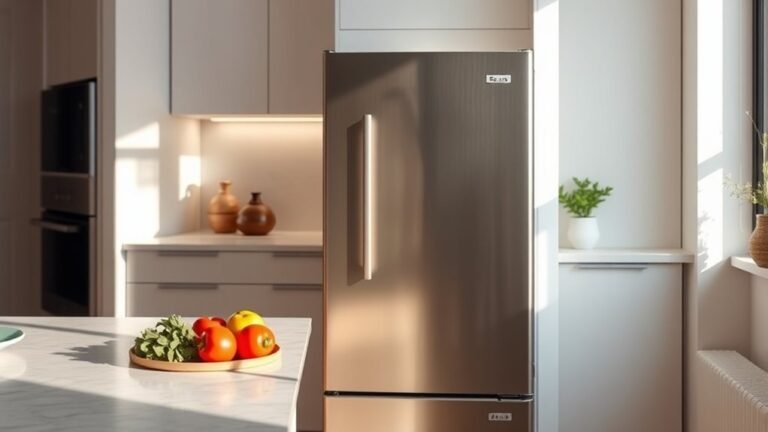
A built-in fridge is a refrigerator designed to be integrated seamlessly into kitchen cabinetry, creating a flush, cohesive look. Unlike freestanding units, built-in fridges are installed within the cabinetry framework, often with custom panels that match the surrounding kitchen decor.
This integration provides a sleek, minimalist aesthetic that many homeowners prefer, as it avoids the appliance standing out. Additionally, built-in fridges usually offer robust construction and higher quality materials compared to standard fridges, making them popular in premium kitchen designs.
This article explores the defining features of built-in fridges, their different styles, the benefits and downsides, and how to decide if one fits your cooking space and lifestyle. We'll also compare built-in fridges to other refrigerator types and answer common questions.
Understanding Built-In Fridge Designs and Configurations
Types of Built-In Refrigerators
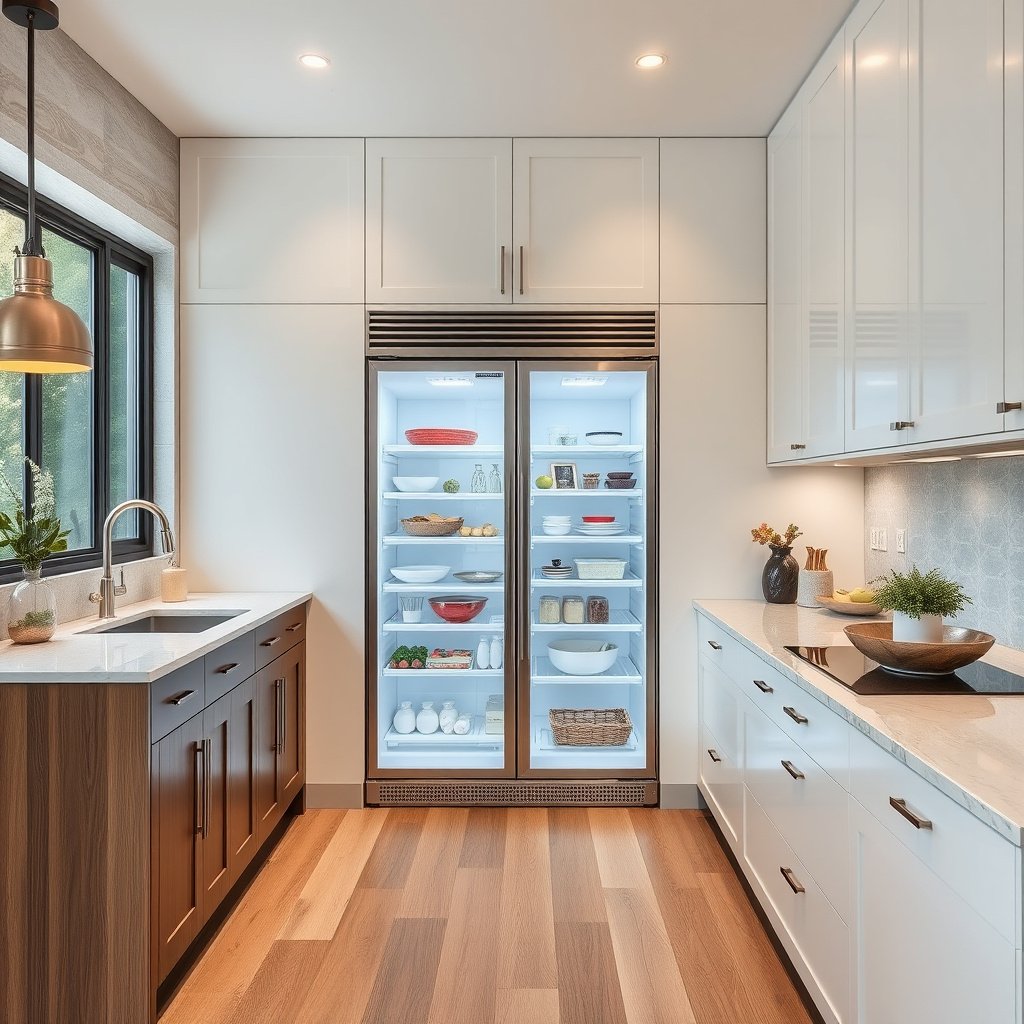
Built-in fridges come in various styles such as side-by-side, French door, and column configurations. Some have integrated freezer drawers, while others separate refrigerator and freezer sections. Most importantly, they are designed to fit precisely within cabinetry spaces with minimal gaps.
Column-style models are especially popular for custom kitchens because they allow separate refrigeration and freezer units, creating flexible layouts. French door built-ins are favored for their wide shelves and convenient drawer space.
- Side-by-side built-in fridge
- French door built-in fridge
- Column refrigerator and freezer units
- Undercounter built-in fridge options
Custom Panel Integration
A defining characteristic of built-in fridges is the option to apply custom door panels that match your kitchen cabinetry perfectly. This allows the refrigerator to blend silently into the kitchen design without visible appliance surfaces.
Many manufacturers provide panel-ready models, but some built-in fridges come with stainless steel or other finishes. The panel installation requires professional fitting to ensure doors align properly and ventilation remains effective.
- Panel-ready door fronts
- Standard stainless steel finishes
- Professional cabinet integration required
- Ventilation considerations with paneling
Benefits of Choosing a Built-In Fridge
Aesthetic Appeal and Space Optimization
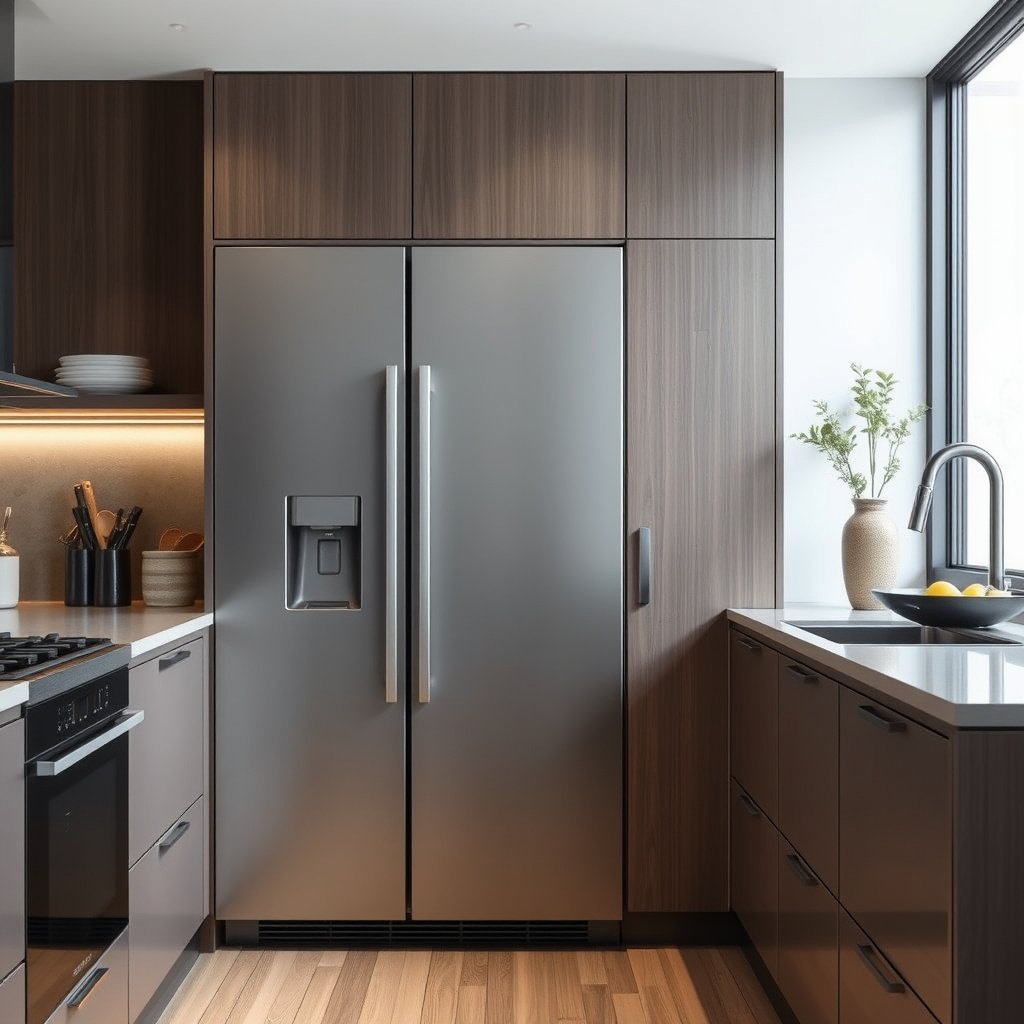
Built-in fridges create a streamlined kitchen look, as they sit flush with cabinets. This eliminates gaps and bulky appliance edges, which can disrupt the flow of the cabinetry and countertops.
This approach maximizes space use and allows kitchens to feel more open and cohesive. Homeowners who prioritize design often choose built-in fridges for their ability to customize finishes and maintain clean lines.
Quality and Performance Advantages
Typically, built-in fridges use heavier-duty materials and better insulation than freestanding refrigerators. This contributes to improved temperature management and energy efficiency.
They are also designed for higher durability and often have advanced features like precise humidity controls, which helps preserve food longer. These benefits can justify the higher cost for many buyers.
Drawbacks and Considerations of Built-In Refrigerators
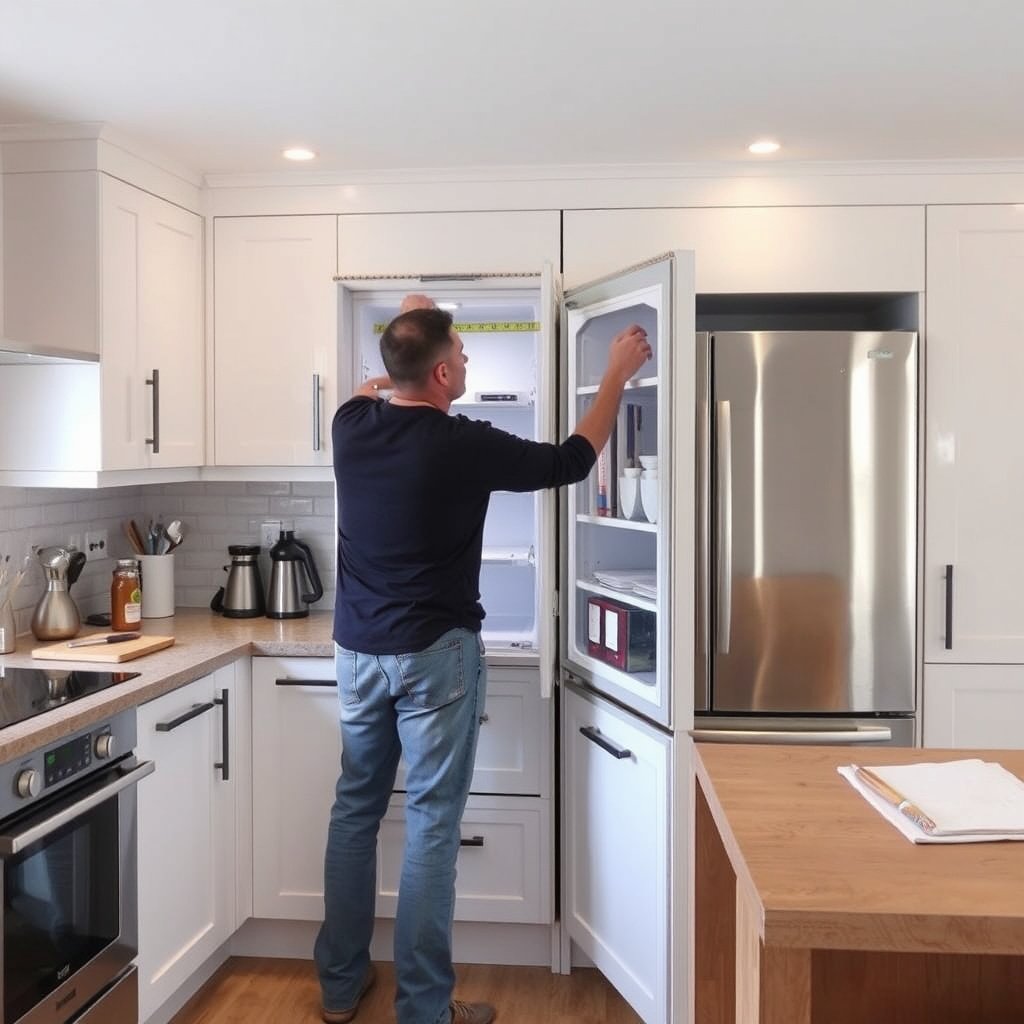
Installation Complexity and Cost
Installing a built-in fridge requires precise measurements and expert cabinetry work, which increases labor costs. Its price is usually substantially higher than comparable freestanding models due to design, materials, and installation complexity.
If your kitchen does not already have cabinetry that fits built-in models, remodeling might be necessary, adding to overall expense and project time.
Ventilation and Maintenance Challenges
Because built-in fridges are enclosed within cabinets, proper ventilation is vital to prevent overheating and maintain efficiency. This means following manufacturer instructions closely during installation.
Maintenance and repair can be trickier since the unit is integrated into cabinetry. Removing the fridge for service may require partial disassembly of surrounding cabinetry.
Comparing Built-In Fridges to Other Refrigerator Types
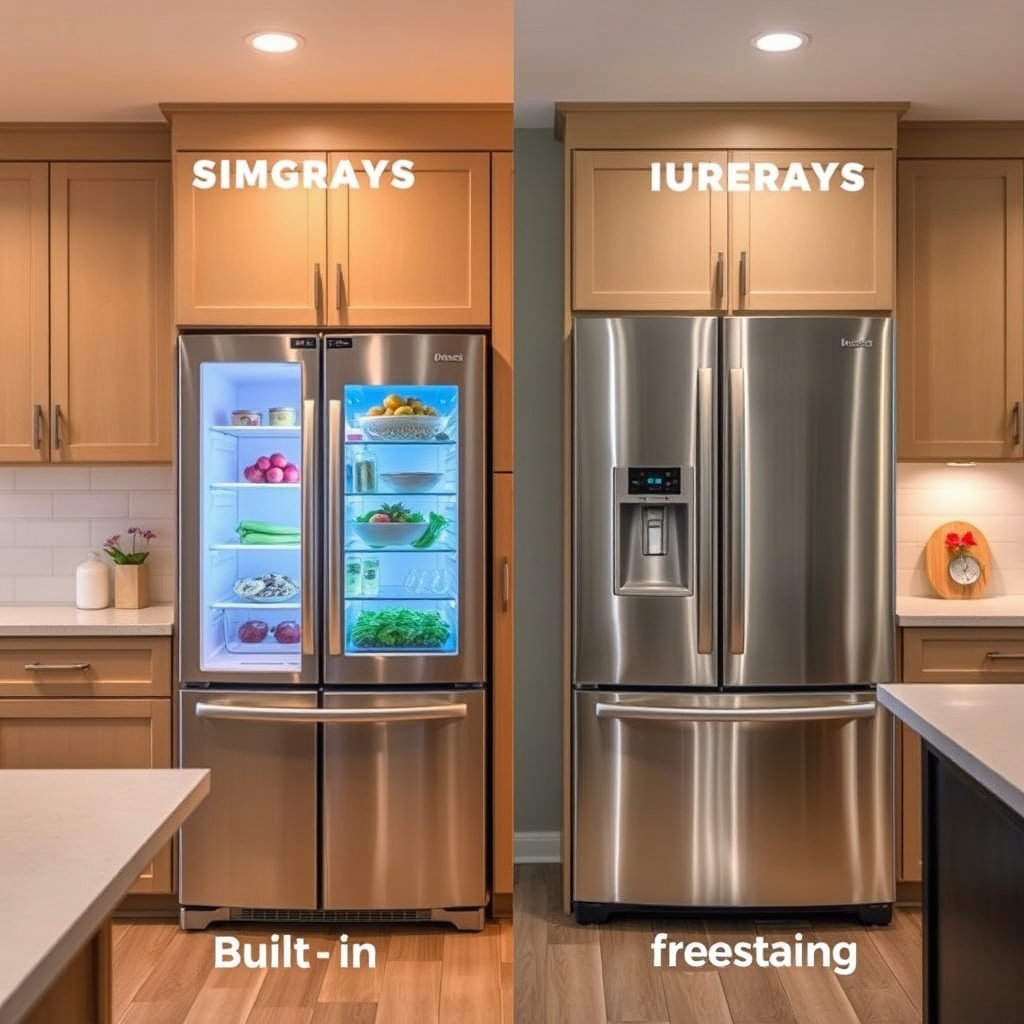
Built-In vs. Freestanding Refrigerators
Freestanding refrigerators are standalone and easier to move or replace. They typically cost less and have a wider range of styles but usually don’t blend into cabinetry as smoothly as built-in fridges.
Built-in fridges, by contrast, are designed to become a cohesive part of your kitchen, offering a premium look and performance but at a higher price and installation effort.
Built-In vs. Counter-Depth Refrigerators
Counter-depth refrigerators are slightly less deep than standard models to sit more flush with countertops but are not fully integrated like built-in fridges. They strike a balance between visibility and space-saving.
While counter-depth models improve kitchen aesthetics somewhat, only built-in fridges offer full panel customization and flush cabinetry alignment.
How to Choose the Right Built-In Fridge for Your Kitchen
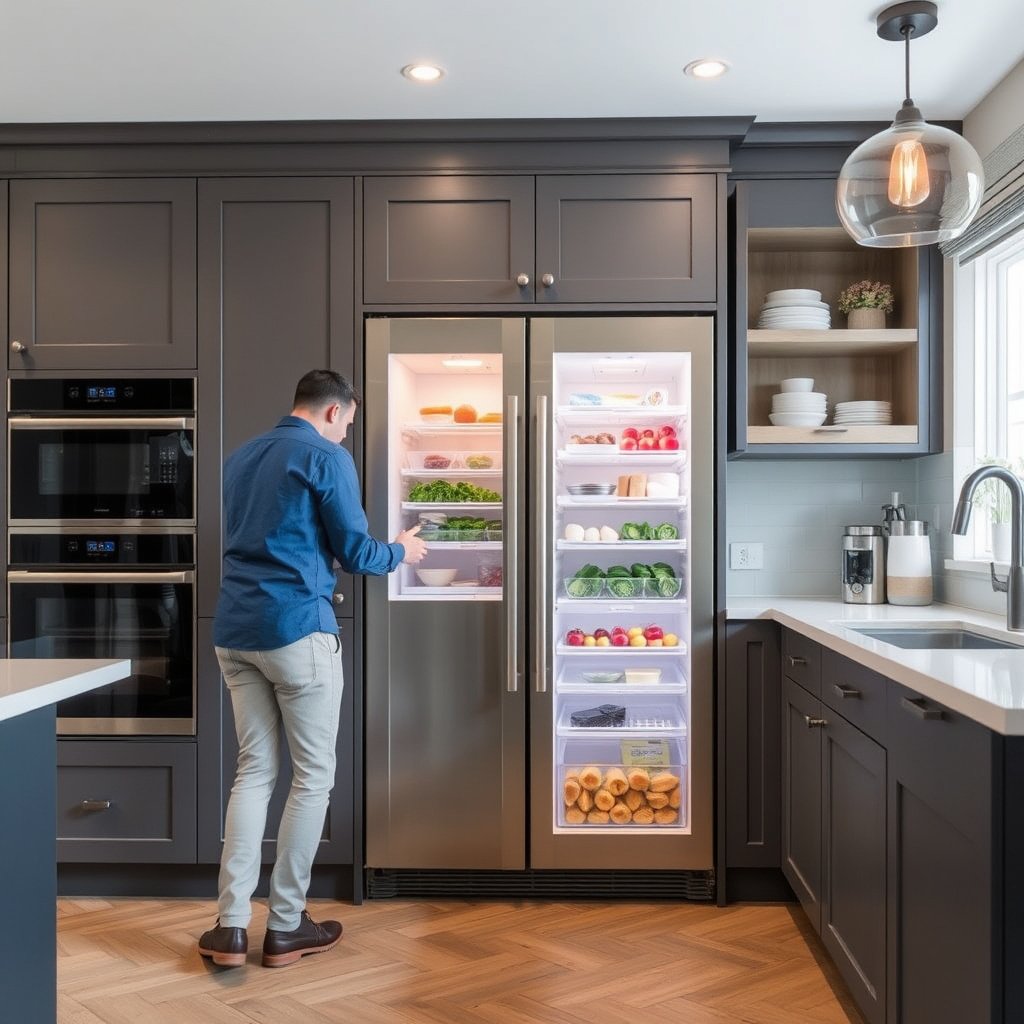
Measuring and Space Planning
Accurate space measurements are essential to select a built-in fridge that fits existing cabinetry or planned builds. Consider door swing clearance, ventilation space, and accessibility.
If remodeling, plan how the refrigerator will integrate with surrounding appliances and cabinetry to maintain balance and functionality.
- Measure width, height, and depth precisely
- Allow ventilation space per manufacturer guidelines
- Consider door opening direction and clearance
Feature Priorities and Budgeting
Determine which features matter most: adjustable shelving, climate control zones, ice and water dispensers, noise level, and energy efficiency ratings. Built-in refrigerators often have premium options to match kitchen demands.
Set a realistic budget that accounts for product cost, cabinetry, and professional installation to avoid surprises.
- Adjustable shelves and compartments
- Humidity and temperature controls
- Integration with smart home systems
- Energy Star certifications
Maintenance and Longevity of Built-In Fridges
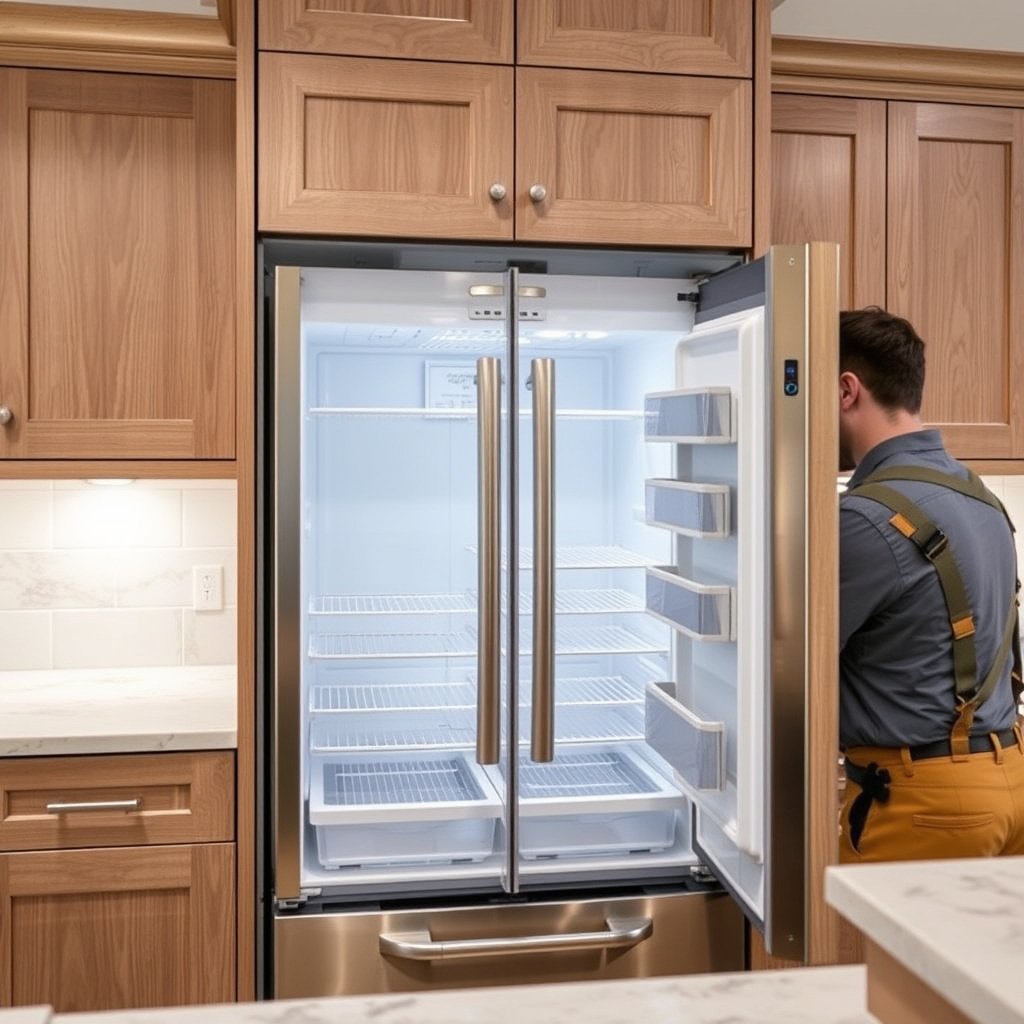
Routine Cleaning and Care
Clean the interior regularly to prevent odors and bacterial growth. Wipe door seals, check drains, and replace filters if present to maintain optimal performance.
Keeping the exterior panels and cabinetry around the fridge clean prevents damage and preserves the kitchen’s aesthetic.
- Use mild cleaners for panels
- Check and clean door seals monthly
- Defrost freezer compartments when necessary
For more background on built-in refrigerators and how they compare within kitchen appliance options, consult the detailed Wikipedia article. Built-in refrigerator details on Wikipedia.
Handling Repairs and Service
Because built-in units are more complex to access, schedule professional service for repairs or replacements. Prompt attention to issues like cooling problems or unusual noises extends the fridge’s lifespan.
Keep manufacturer manuals and warranty documents handy to expedite support.
Built-In Fridge Category Comparison
Here’s a breakdown comparing common built-in fridge categories by design, price range, size, and installation complexity.
| Category | Typical Price Range | Size Options | Installation Complexity | Customization |
|---|---|---|---|---|
| Side-by-Side Built-In | $6,000–$12,000 | 30-36 inches width | Moderate | Panel-ready or stainless steel |
| French Door Built-In | $7,000–$15,000 | 36-48 inches width | High | Highly customizable |
| Column Refrigerators | $5,500–$20,000 | Varied widths | High | Separate fridge/freezer units |
| Undercounter Built-In | $3,000–$7,000 | 24-30 inches width | Low to Moderate | Limited customization |
Frequently Asked Questions
Can I install a built-in fridge myself?
Installing a built-in fridge typically requires professional expertise to ensure proper fit, ventilation, and electrical connections. DIY installation may lead to performance issues and void the warranty.
Do built-in fridges use more energy than freestanding ones?
Built-in fridges often have better insulation and energy-efficient designs, so their energy use can be similar or even lower than freestanding models, depending on the specific unit.
Are built-in fridge panels customizable to any kitchen style?
Many built-in fridges are panel-ready, allowing doors to be fitted with custom cabinetry panels that match your kitchen. However, this requires precise measurements and professional panel fabrication.
What ventilation is required for a built-in refrigerator?
Proper ventilation space behind and above the fridge is essential to allow heat to escape and maintain cooling efficiency. Manufacturers provide guidelines that must be followed during installation.
How long do built-in refrigerators generally last?
With routine maintenance, built-in fridges can last 15 to 20 years, often longer than standard models due to superior build quality and materials.
Key Takeaways
- Built-in fridges integrate into cabinetry for a seamless kitchen appearance.
- They offer premium construction and greater energy efficiency.
- Installation is complex and usually requires professionals.
- Custom panels allow blending with kitchen design but need careful planning.
Conclusion
Choosing a built-in fridge involves weighing the desire for an integrated, stylish kitchen against the higher costs and installation requirements. The decision hinges on balancing aesthetic goals with practical factors like kitchen space and budget. Understanding the distinct types and features of built-in fridges helps narrow down the best fit for your lifestyle and cooking habits.
For those prioritizing a cohesive kitchen look with seamless cabinetry access, options like panel-ready French door and column built-in refrigerators offer expansive customization and flexibility. Meanwhile, undercounter built-ins suit smaller spaces or secondary refrigeration needs without demanding extensive remodeling. Considering installation complexity and ventilation needs upfront ensures you select a model that maintains performance while enhancing your kitchen’s design.
If you lean toward a built-in fridge, start by taking precise kitchen measurements and consulting with cabinetry or appliance professionals to explore compatibility with your existing or planned layout. From there, you can focus on features and finishes that suit your storage preferences and style aspirations, turning your kitchen into a modern, integrated hub tailored to your needs.