
What Is a Flame Grilled Steak: Complete Guide with Expert Tips
A flame grilled steak is a cut of beef cooked directly over an open flame, typically from charcoal or gas, which sears the meat for a smoky, charred flavor. This method uses high heat and flames to quickly caramelize the steak’s surface, locking in juices and creating distinctive grill marks. You will learn how to select the best steak, prepare it for grilling, manage heat and flames, and finish your steak perfectly.
This explanation suits home cooks and grilling enthusiasts aiming to improve their flame grilled steak technique. Practical tips guide you through choosing the right steak, seasoning, temperature control, and handling flare-ups safely to maximize flavor every time you grill.
Key Takeaways
- Bring your steak to room temperature for at least 30 minutes before grilling for even cooking.
- Preheat your grill to a consistent 450°F to 500°F about 10 minutes before placing steaks on the grate.
- Season the steak liberally with salt and pepper at least half an hour before grilling to achieve the best flavor and crust.
- Flip the steak multiple times to cook it up to 30% faster and more evenly.
- Thick-cut steaks over 2 inches should be grilled using indirect heat to prevent burning.
- Rest your grilled steak covered loosely with foil for 5 to 10 minutes before serving to retain juices.
What Exactly Is a Flame Grilled Steak?
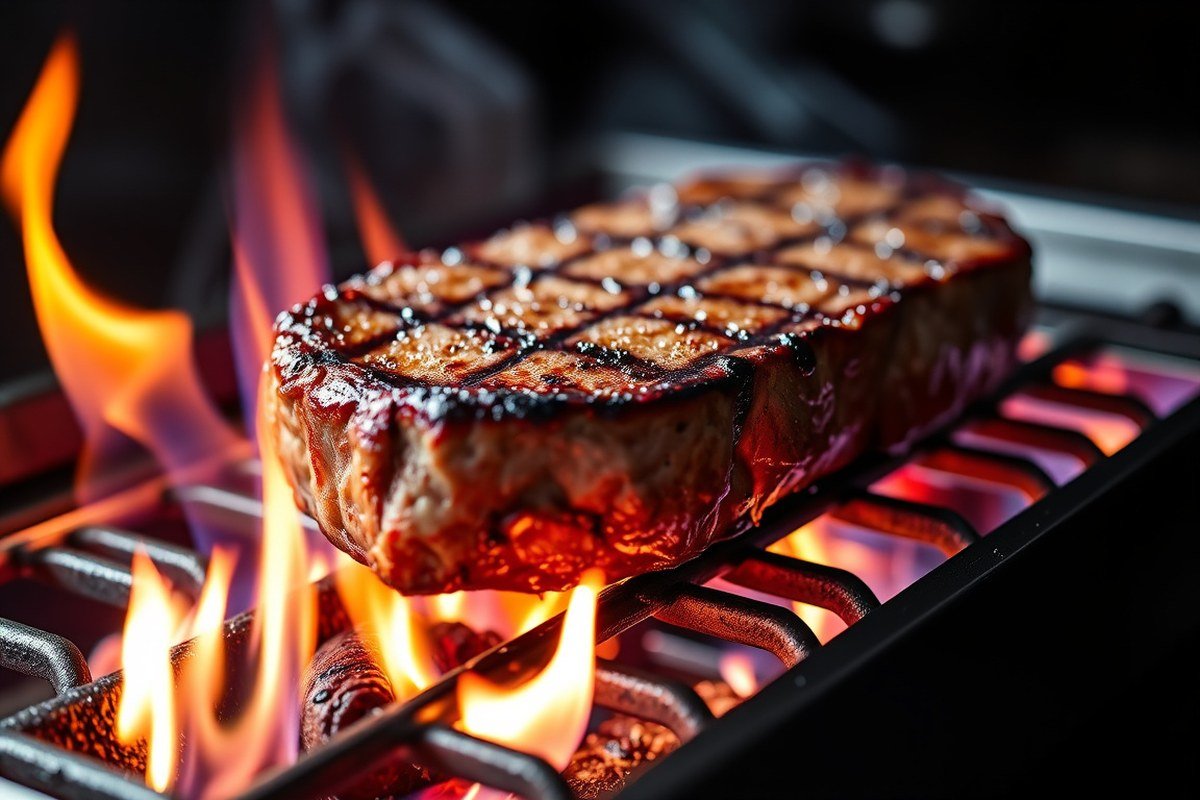
A flame grilled steak is a cut of beef cooked directly over an open flame, usually on a gas or charcoal grill, where the meat is exposed to high heat and real flames. This method sears the steak quickly, creating a distinctive charred crust and smoky flavor. The flames often come from fat drippings igniting, creating brief flare-ups that contribute to the signature taste and appearance of flame grilled steaks.
Unlike indirect grilling or smoking, flame grilling uses direct heat from flames reaching 450°F or higher. Indirect grilling involves placing the steak away from direct heat to cook more slowly and evenly, often using lower temperatures around 225°F to 300°F. Smoking, by contrast, cooks meat at low heat for extended periods relying on smoke from wood chips rather than flame or high temperature to add flavor. Flame grilling’s higher heat and direct flame provide more intense searing and caramelization that you won’t get with these gentler methods.
To achieve a true flame grilled effect, your grill must reach and maintain temperatures roughly between 450°F and 550°F. The flames should be big enough to quickly sear the surface, but not so large they engulf the steak entirely or cause you to step away from grilling. A major flare-up that drowns the meat in flame and excessive heat risks charring your steak too much or even burning it. Ideally, controlled flare-ups that last just seconds help build those blackened grill marks and smoky notes without sacrificing tenderness.
Flame grilling requires steady attention to heat control. On a gas grill, preheat to about 450°F with two burners on to create high direct heat, then reduce one burner to medium to form a cooler zone. Sear your steak on the high flame side for 2 to 3 minutes per side, then move it to the cooler zone to finish cooking evenly. Charcoal grills need a bed of hot coals with flames licking the steak surface during searing. Good airflow and coal arrangement help manage flare-ups and maintain steady flames without overheating.
This method works best with thinner steaks up to 1.5 inches thick, where quick searing and fast cooking prevent overcooking or a burnt exterior. Thick-cut steaks like T-bones or porterhouses generally need to be started away from the flame then finished indirectly to avoid burning. You can expect a flame grilled steak to have a crisp, deeply browned crust coupled with a juicy, tender inside. Too much uncontrolled flame will blacken your steak beyond taste and risk dry or bitter meat, while too low heat won’t create that hallmark sear or flavor.
Choosing and Preparing the Best Steak for Flame Grilling

Choosing the right cut of steak and preparing it properly are essential for successful flame grilling. The best cuts have good marbling and can handle high heat for a flavorful crust without drying out. Seasoning and resting the steak correctly improve taste and texture while marinating can add extra flavor and tenderness if done thoughtfully.
Best Steak Cuts for Flame Grilling
Steaks with good fat content and thickness are ideal for flame grilling because they withstand the intense heat and develop a nice sear. Cuts like ribeye, strip steak (New York strip), and T-bone are popular for flame grilling due to their marbling and tenderness. Filet mignon can also work but is leaner and requires careful timing to avoid overcooking.
Thicker steaks, generally 1 to 1.5 inches or more, give more control over doneness and allow for a seared outside with a juicy inside. Thinner or lean cuts like flank or skirt steak are better suited for lower heat or quick searing to avoid toughness.
Optimal Seasoning Techniques and Timing
Seasoning steak simply with salt and pepper just before grilling improve flavor and crust development. Apply kosher salt or coarse sea salt generously on both sides. Pepper can be added alongside or after, depending on preference. For richer flavor, use a seasoning blend with garlic powder, onion powder, and smoked paprika.
Letting the steak sit for 20 to 30 minutes at room temperature after seasoning helps it cook more evenly by reducing cold spots. Avoid over-salting, which can draw moisture out and dry the steak.
Season steaks right before grilling to prevent moisture loss and ensure better crust formation.
- Use kosher or coarse sea salt for better texture
- Season both sides evenly with salt and pepper
- Apply seasoning 20, 30 minutes before cooking
- Use a simple homemade seasoning blend for extra flavor
- Pat steak dry with paper towels to remove excess moisture
- Avoid pre-salting hours ahead unless dry brining intentionally
Patting the steak dry before seasoning removes surface moisture that can interfere with searing. This step sharpens the crust formation under the flame’s high heat.
Marinating and Resting Before Cooking
Marinating is optional for flame grilling but can tenderize tougher cuts and add flavor depth. Choose a marinade with acid like vinegar or citrus and oil, along with herbs and spices. Marinate thin or tougher cuts for 30 minutes to 2 hours; thicker, tender steaks don’t need more than 30 minutes.
Resting steaks before cooking by letting them come to room temperature for 20 to 30 minutes promotes even cooking. This practice helps reduce the temperature gap between the steak’s exterior and center, speeding up searing and internal temperature rise.
Never leave steak out for more than 2 hours to avoid food safety risks.
- Marinate tougher cuts 30 minutes to 2 hours maximum
- Use acidic marinades for tenderizing, oil for moisture retention
- Bring steak to room temperature 20, 30 minutes before grilling
- Avoid marinating tender cuts too long to prevent mushiness
- Pat meat dry after marinating before grilling
- Rest steak 5 minutes after grilling to redistribute juices
This checklist helps balance flavor, texture, and safety, setting you up for the best flame-grilled steak results.
Grill Types and Fuels Ideal for Flame Grilled Steak
Charcoal, gas, and wood grills each bring different benefits and challenges to flame grilling steak, affecting flavor, heat control, and cooking style. Charcoal grills produce a stronger smoky flavor thanks to the burning coal and the option to add wood chips or chunks. Gas grills provide precise temperature control and quick startup but usually offer milder smoke flavor unless you use a smoker box or add wood chips designed for gas grills. Wood grills or wood pellet grills give a pronounced smoky aroma and taste that can be adjusted by the type of wood you choose.
Using wood chips varies by grill type. Soaking wood chips for about 30 minutes suits charcoal grills because damp chips burn slower and add longer-lasting smoke. Avoid soaking chips for gas grills, as wet wood might not ignite properly and could create unwanted steam instead of smoke. Adding hickory, oak, or similar hardwood is ideal for flavoring steaks during grilling.
| Feature | Charcoal Grills | Gas Grills |
|---|---|---|
| Smoke flavor | Stronger, improve by hardwood chips or chunks | Milder, can be increased with smoker box or dry wood chips |
| Heat control | Adjustable via vents and coal placement for two-zone cooking | Precise with control knobs for temperature and flame size |
| Startup time | Typically 15, 20 minutes to get coals hot and ready | Faster, about 10 minutes to reach grilling temperature |
Charcoal grills call for patience while lighting coals and creating two zones: a very hot area for searing and a medium heat zone to finish cooking. You can add chunks of wood directly to the coals for an extra smoky punch that infuses the steak. This method also lets you control flare-ups caused by melting fat, which impacts the steak’s charred flavor. Too much flare-up can lead to burnt spots rather than a clean sear.
Gas grills offer convenience and control. The steady, gas-powered flame heats quickly and is easy to adjust, giving you consistent surfaces for cooking. You can add wood chips in a stainless steel smoker box placed right over the burners, but these won’t create as intense smoke flavor as charcoal or wood. Avoid soaking wood chips in gas grills, since they can smolder without igniting.
Wood pellet grills combine aspects of charcoal and gas grilling. They use compressed wood pellets that produce smoke and heat simultaneously. These grills are usually digitally controlled for steady temperature but still impart the desirable smoky flavor from specific wood blends. Using oak or hickory pellets is great for steaks, yielding a strong smoke taste without much fuss.
Electric grills, including indoor models like the Elite Gourmet, don’t use charcoal or wood, so they can’t replicate the smoky grilled flavor. They heat through electric elements and provide a convenient, smoke-free alternative with easier cleanup and consistent heat.
Mastering Grill Temperature and Timing for Perfect Doneness
The ideal grill temperature for a flame grilled steak is high heat, typically between 450°F and 500°F, which creates the signature sear while cooking the steak internally to your desired doneness. Grill time depends on steak thickness and doneness level, ranging roughly from 3 to 10 minutes per side. Use internal temperature as a guide, pulling the steak when it’s about 5° below your target to compensate for carryover cooking. Flipping once halfway through generally yields the best results.
Setting and Maintaining Grill Temperature
Reach a grill temperature of 450°F to 500°F before placing your steak on the grill. This high heat is essential to develop the caramelized crust known as the Maillard reaction, which locks in juices and flavor. Use grill thermometers to check the surface heat rather than just relying on burner settings or dial markings.
Keep the grill lid open initially to watch for flare-ups and adjust vents or burners accordingly. Once the steak is on, you can close the lid if your grill allows, which stabilizes heat around the meat and speeds cooking. Avoid lowering the heat too much or the steak will steam rather than grill.
Grilling Time Guidelines by Steak Thickness
Grill times vary significantly by thickness and doneness. For typical 1-inch steaks, cook about 3 to 4 minutes per side for rare, 4 to 5 for medium-rare, and 5 to 6 for medium. Thicker cuts like 1.5-inch rib-eye or porterhouse require longer, usually at least 6 to 8 minutes per side for medium-well.
Thinner steaks such as skirt steak cook quickly and may only require 2 to 3 minutes per side; these benefit from shorter cooking times to avoid toughness. Let the steak rest after grilling to allow juices to redistribute; resting for 5 to 10 minutes also completes internal cooking.
Flipping the steak once halfway through cooking helps achieve even grill marks and temperature. Frequent flipping can disrupt heat transfer and dry out the meat.
Using Thermometers for Accurate Doneness
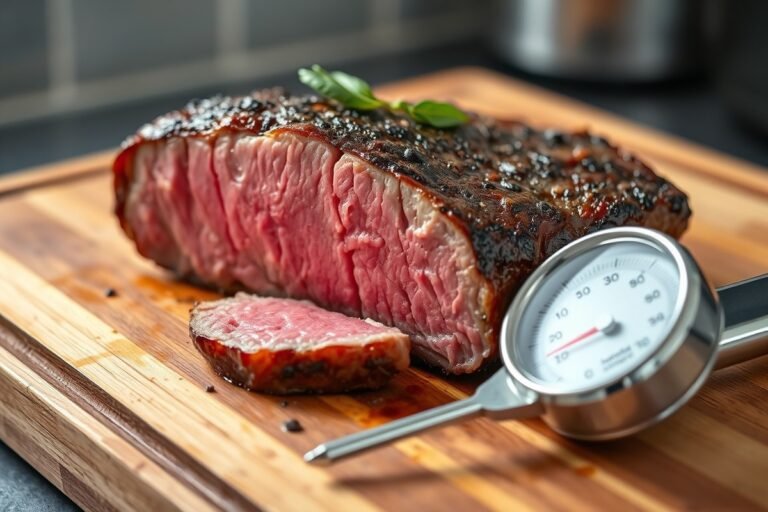
Checking internal temperature is the most reliable way to assess doneness. Insert a probe thermometer horizontally into the thickest part of the steak, avoiding bone or fat. Remove the steak when the temperature is roughly 5° below the target doneness since the meat will continue to cook while resting.
| Doneness | Internal Temperature (°F) | Cook Time (minutes per side) | Description |
|---|---|---|---|
| Rare | 130° | 3-4 | Cool red center |
| Medium-Rare | 135° | 4-5 | Warm red center |
| Medium | 140° | 5-6 | Warm pink center |
| Medium-Well | 145° | 6-8 | Very warm, slightly pink center |
| Well-Done | 150° | 8-10 | Hot, mostly brown center |
Follow these steps for grilling:
- Preheat your grill to 450°F, 500°F, confirming surface temperature with a thermometer.
- Pat steaks dry and season before placing them on the grill grates.
- Place steaks on the hottest part of the grill and cook without moving for the first half of the recommended time.
- Flip the steak once, cooking the second side evenly.
- Check internal temperature using a food thermometer starting at the lower end of the cooking time range.
- Remove steaks from heat when they reach about 5°F below your target doneness.
- Allow the steak to rest for 5 to 10 minutes to let juices redistribute and finish cooking internally.
- Serve promptly after resting for optimal flavor and texture.
Controlling Flare-Ups and Flames During Grilling Safely
Flare-ups happen when dripping fat hits the heat source, causing flames that can quickly char your steak and create an unpleasant burnt flavour. Thick fat left on the steak’s edges adds to this risk, so trim away excess fat before grilling to reduce flare-ups. Marinades can also drip and spark flames, so pat your steaks dry after marinating to limit moisture that fuels sudden flames.
Knowing how much flame is too much comes down to controlling the fire so it licks the steaks lightly without engulfing them in flames. When flames rise higher than 3 to 4 inches, that means you need to take action. Flames this high can burn the outside before the inside cooks properly, making your steak bitter or uneven.
When flare-ups start, the best technique is to move the steak to a cooler zone on the grill, away from direct flames. This lets the fire settle without overcooking the meat. Closing the grill lid also limits oxygen supply, slowly reducing flame intensity. You can compact the coals or dampen charcoal briefly to lower air flow and prevent flare-ups during a charcoal cook.
Tools like a broiler pan or a sheet pan lined with foil can catch dripping fat before it hits the flames. This reduces sudden flare-ups and makes cleanup easier after grilling. Keeping the steak 3 to 6 inches above the heat source helps as well, allowing the steak to brown evenly without burning.
Don’t flip your steak too often, because moving it unnecessarily exposes fresh fat to the fire and can provoke flare-ups. Instead, flip once halfway through grilling. Letting the steak rest on the grill surface also develops better grill marks and flavour without needing constant attention.
When flare-ups become uncontrollable or flames rise beyond your comfort level despite precautions, step away from the grill. When a fire turns dangerous, call your local fire department to avoid injury or damage. For safe cooking, always keep a spray bottle of water nearby to quickly dampen small flames.
Trim thick fat and pat steaks dry before grilling to prevent flare-ups; move steaks away from flames and close the lid to control fire safely.
Resting, Serving, and improving Flame Grilled Steak Flavor
Resting a flame grilled steak allows the juices to redistribute, making it juicier and more tender. Adding finishing seasonings and choosing complementary sides further improve the flavor experience. Proper resting, seasoning, and serving all contribute to bringing out the best qualities of your grilled steak.
How to Properly Rest a Flame Grilled Steak
Resting steak after grilling is important because the heat forces juices toward the center during cooking. Resting lets these juices spread evenly back into the meat, preventing them from spilling out and leaving the steak dry when cut. For a typical 1-inch thick steak, resting for about 5 to 10 minutes works well.
Cover the steak loosely with foil to keep it warm while avoiding steam buildup, which can soften the grill crust. Avoid airtight wrapping, which traps moisture and reduces crust crispness.
- Remove the steak from the grill once it reaches your desired doneness.
- Place the steak on a clean plate or cutting board.
- Loosely tent the steak with aluminum foil to retain heat without causing steam.
- Let the steak rest at room temperature for 5 to 10 minutes. Thicker cuts may need closer to 10 minutes, while thinner cuts can rest around 5.
- Serve immediately after resting to preserve the steak’s optimal juiciness and flavor.
Skipping or shortening the resting period often results in juices pooling on the plate as soon as the steak is cut, leaving the meat less moist and flavorful.
Finishing Touches and Sauces
Simple finishing seasonings like a sprinkle of flaky sea salt or freshly ground black pepper can improve the natural smoky flavor of a flame grilled steak. Adding a small pat of compound butter, such as garlic herb or blue cheese butter, while the steak rests boosts richness and flavor.
Sauces like chimichurri, classic béarnaise, or a red wine reduction complement the charred crust and smoky notes without overpowering the meat. Apply sauces lightly to keep the grill flavor prominent. Avoid heavy sauces that mask the grilled taste.
Suggested Side Dishes and Pairings
Serving a flame grilled steak with simple, easy-to-prepare sides respects the steak’s bold flavor without overwhelming the palate. Classic options include grilled vegetables like asparagus or zucchini, baked potatoes, or a fresh green salad.
For a heartier meal, consider pasta salads or a light coleslaw that balances the smoky meat with freshness and crunch. Preparing sides in advance lets you focus on the steak and resting process.
Flambéing on the Grill: How and When to Use It Safely
You can flambé on a flame grill, but it requires careful technique to avoid dangerous flare-ups. The safest approach is to use a separate pan or flat-top griddle surface on the grill rather than pouring alcohol over the steak directly on the open grates. This controls the flames and allows for a swift, controlled burn of the spirit. Flambéing adds a new layer of flavor by caramelizing sugars and intensifying aromas without overcooking the steak or causing excessive charring.
Choose spirits with a proof between 80 and 120 (40% to 60% alcohol by volume) for safe and effective flambéing. Common choices include brandy, rum, whiskey, or high-quality bourbon. Avoid using lower proof spirits under 80 proof, as they may not ignite well. Always pour the spirit into a small container before adding it to the hot surface, never directly from the bottle, to prevent spills and ignition risks.
Flambéing outdoors on a grill involves a few safety checks: perform the flambé away from windy areas, keep a spray bottle of water or a fire extinguisher close by, and monitor the flame through your grill vents to know when the fire is dying down. Wait at least 10 minutes after flambéing before placing the steak on the grill to avoid flare-ups caused by residual flames or alcohol vapors. Below is a step-by-step guide to flambé safely and improve your flame grilled steak’s flavor:
- Preheat the grill to medium-high heat (about 450°F) and ensure your flat-top griddle or cast iron pan is clean and dry.
- Pour 1 to 2 ounces of a high-proof spirit into a small metal cup or heat-resistant container.
- Place the pan or griddle onto the grill and allow it to become very hot before adding the spirit, this prevents the flame from spreading uncontrollably.
- Carefully pour the spirit from your container onto the hot pan and quickly step back to allow the alcohol to ignite.
- Let the flames burn out naturally, which usually takes 10 to 20 seconds, while monitoring through the grill vents for flare-up completion.
- After the flames subside, remove the pan and wait at least 10 minutes before placing your steak on the main grill area.
- Grill your steak as usual for about 10 minutes for medium-rare, aiming for an internal temperature of 137°F to 140°F.
- Transfer the steak to a clean platter to rest, locking in the complex flavors developed during flambé and grilling.
| Spirit | Proof Range | Flavor Notes Added |
|---|---|---|
| Brandy | 80, 100 | Rich, fruity, slightly sweet |
| Rum | 80, 115 | Sweet, molasses, caramel |
| Whiskey/Bourbon | 90, 120 | Smoky, oaky, spicy |
Flambéing improves flavor by introducing caramelized sugars and a nuanced aroma that complements the smoky char of the flame grilled steak. It does more than improve appearance; the brief exposure to high heat and flame changes the outer surface chemistry, creating depth and complexity without significantly cooking the interior. Taking safety precautions seriously ensures you can enjoy these flavor benefits without risking injury or flare-up damage.
Health and Safety Considerations for Flame Grilled Steak
Flame grilled steak can be part of a healthy diet if you follow safe cooking practices and limit harmful compounds. The main health concern with flame grilling involves carcinogenic substances like heterocyclic amines (HCAs) and polycyclic aromatic hydrocarbons (PAHs) that form when meat is cooked at very high temperatures or exposed directly to flames. To reduce these risks, it helps to cook at moderate heat, flip the steak frequently, about every 30 seconds, and avoid cooking for longer than necessary. For a 1 1/2-inch thick steak, sticking to recommended cook times based on your desired doneness ensures you don’t overcook or char the meat excessively.
Using a meat thermometer to check internal temperature is essential not only to prevent bacteria like Salmonella or E. Coli but also to guide you in stopping cooking once the steak reaches a safe temperature. For example, USDA recommends 145°F for whole cuts of beef, followed by a rest period. Resting lets juices redistribute and completes the safe cooking process, helping prevent dangerous foodborne illness.
Choosing grills with more controlled heat sources, such as gas or electric models, helps reduce flare-ups that cause flames to char meat unevenly and produce more carcinogens. Charcoal grills create more smoke, increasing PAHs, but they also give classic flavours some prefer. Patting steak dry before grilling can speed browning and help reduce the cooking time exposed to flame. Including a bone in the steak slows cooking in parts of the meat, lowering the chance of overcooking and moisture loss.
Limiting flame grilled steak to one or two times per week minimizes potential health risks for most healthy adults, balancing enjoyment with moderation. Even flame grilled vegetables retain antioxidants that benefit cardiovascular health, so pairing steak with grilled veggies can improve the meal’s nutritional profile.
Safety gear like long-handled tools, heat-resistant gloves, and a spray bottle with water to douse flare-ups protect you from burns and accidents. Avoid leaving the grill unattended to prevent sudden flare-ups caused by dripping fat. Make sure your grill sits on a stable, non-flammable surface and remains well-ventilated to reduce the risk of fire hazards.
Turn your steak every 30 seconds and use a thermometer to avoid overcooking while reducing harmful compounds from excessive charring.
Step-by-Step Action Plan for Flame Grilled Steak
Follow these clear steps to get your flame grilled steak just right, from prep to serving.
- Before grilling: Choose a well-marbled cut like ribeye or strip steak. Pat it dry and season simply with salt and pepper for a classic flavor.
- 30 minutes before grilling: Bring the steak to room temperature. This helps cook it evenly and avoids a cold center.
- Preheat your grill: Get your gas or charcoal grill to medium-high heat, around 450°F to 500°F. Use a grill thermometer to confirm temperature.
- Start grilling: Place the steak directly over the flames for 2 to 3 minutes per side to get those signature flames and sear marks.
- Manage flare-ups: Keep a spray bottle of water handy to control flames without dousing the heat. Move the steak to cooler parts of the grill if flames get too high.
- Check doneness: Use a meat thermometer to reach 130°F for medium-rare. Adjust time based on thickness and preferred doneness.
- Rest your steak: Remove from heat and let it rest for 5 to 7 minutes to allow juices to redistribute.
- Improve flavor: Add a pat of butter or a sprinkle of fresh herbs just before serving to boost aroma and taste.
Frequently Asked Questions
What Differentiates Flame Grilled Steak from Other Grilled Steaks?
Flame grilled steak is cooked directly over open flames, which imparts a distinct smoky flavor and charred texture not found in indirect or gas-only grilling methods. This open-flame contact contributes to its unique taste and aroma.
How Can I Prevent Flare-Ups Without Losing the Flame Grilled Effect?
To avoid flare-ups but keep that flame grilled flavor, trim excess fat and keep a spray bottle nearby to control sudden flames. Managing flare-ups preserves flavor while preventing charring.
Is It Better to Use Charcoal or Gas for Flame Grilling Steak?
Charcoal generally provides a more natural flame and smoky flavor compared to gas, improving the flame grilled taste. Gas grills offer consistent heat but less direct flame taste.
What’s the Ideal Thickness for a Steak to Flame Grill?
A 1 to 1.5-inch thick steak works best for flame grilling, allowing for a good sear without burning the outside before the center cooks. Thinner cuts may overcook quickly.
Can Marinade Affect the Flame Grilled Steak’s Taste and Texture?
Yes, marinades add flavor and tenderize but sugary marinades can increase flare-ups and burning, so apply them in moderation or towards the end of grilling.
How Long Should a Flame Grilled Steak Rest Before Serving?
Rest your flame grilled steak for 5 to 10 minutes after cooking to let juices redistribute, ensuring a moist, flavorful result. Cutting too soon causes juices to run out.
Key Points to Remember
Flame grilled steak delivers bold flavor from direct fire cooking and proper control of heat and flames. Mastering the timing, temperature, and flare-up management brings out the best in your meat. Try grilling a steak today using these steps and enjoy the authentic taste of fire-seared beef at home.




One Comment