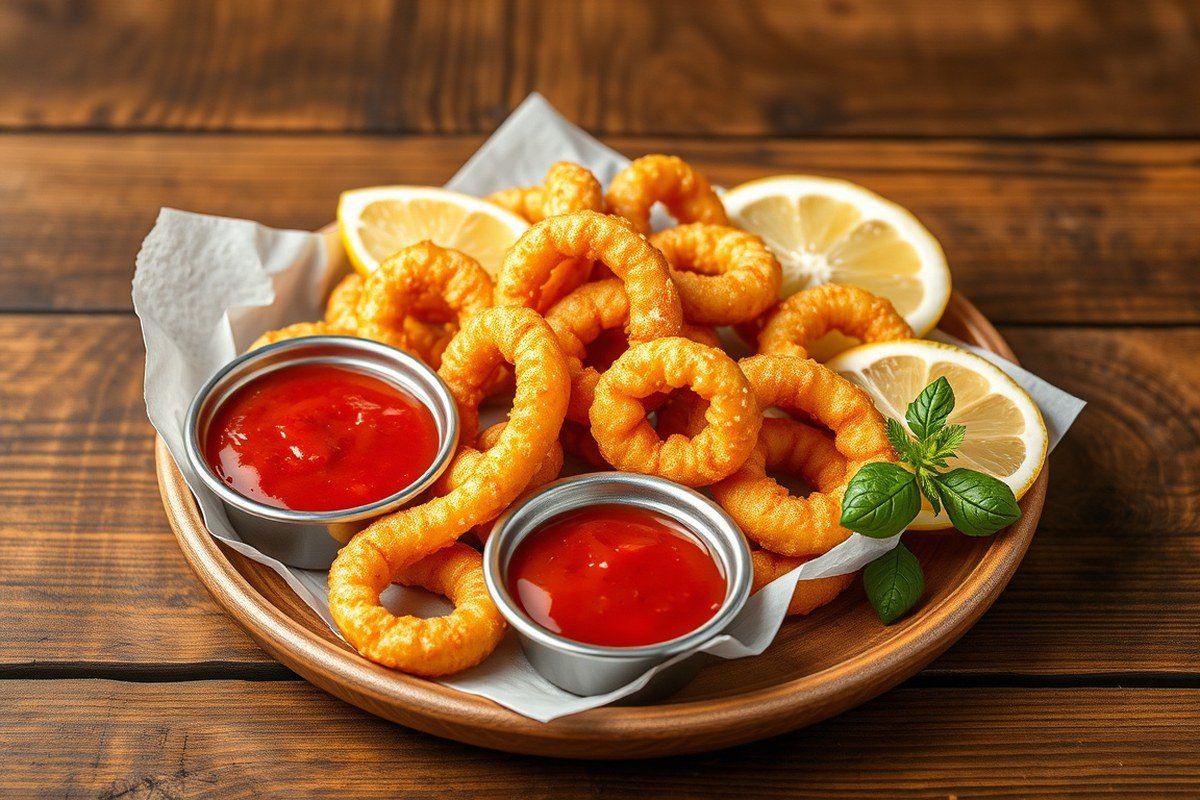
What Is Fried Calamari? A Complete Guide with Cooking Tips & Recipes
Fried calamari is squid that has been coated in a light batter or flour mixture and cooked quickly in hot oil until golden and crispy. This popular appetizer serves tender squid rings with a satisfying crunch, often paired with sauces like marinara or aioli for extra flavor. Understanding what is a fried calamari can help you prepare it right at home, whether for a casual dinner or special occasion.
This guide is perfect for home cooks wanting to learn how to prep squid, choose the right ingredients, and fry calamari perfectly. You’ll also find tips to avoid common mistakes and suggestions to serve your fried calamari deliciously every time.
Key Takeaways
- Soak squid in milk for 15 minutes to tenderize it before coating and frying.
- Heat oil to about 340°F, 350°F for ideal calamari frying temperature.
- Fry calamari quickly for 2 to 3 minutes until golden to prevent toughness.
- Shake off excess flour before frying to ensure a light, crispy coating.
- Use fresh parsley and lemon juice to brighten the flavor when serving.
- Deep-frying cooks calamari faster than pan-frying but requires more oil.
What Exactly Is Fried Calamari?

Fried calamari is a popular dish made by quickly frying cleaned squid pieces that are coated in a light mix of flour and cornstarch. The squid is typically sliced into rings from the tubular main body, known as the mantle, and sometimes includes the tentacles. When fried, these pieces become crispy on the outside while remaining tender inside, creating a satisfying texture that many enjoy as an appetizer or snack.
Calamari is actually a type of squid, not octopus, which is a different sea creature altogether. Although the name “calamari” sometimes refers to squid species used in cooking, it’s often used broadly in restaurants regardless of the specific squid type available. Squid differs biologically from octopus by having a more elongated body and different internal structure, which impacts the taste and texture when cooked.
The parts of the squid used to make fried calamari mainly include the mantle and the legs. After cleaning, the mantle is cut into circular rings, while the legs may be left whole. Proper cleaning takes about five to ten minutes and involves removing the internal cartilage, ink sac, and other inedible parts. Once cleaned and sliced, soaking the squid in salted lemon juice or milk can tenderize the flesh and add flavor before dredging it in the flour and cornstarch mixture.
Frying should be done quickly in hot oil, around 350 to 375 degrees Fahrenheit, for about one to two minutes to avoid toughness and maintain a crisp coating. Serving fried calamari immediately after frying with a fresh squeeze of lemon juice improve its flavor. This dish generally delivers a satisfying balance of protein with a relatively low calorie count compared to other fried foods, about 350 calories per cup when fried, versus roughly 150 calories per cup of raw squid. However, fried calamari loses its crispness quickly after cooking, so timing is key to enjoying it at its best texture and warmth.
How to Prepare Squid for Frying

Preparing squid properly before frying ensures a tender, flavorful dish without any unwanted fishy taste or toughness. The process includes cleaning out the innards, cutting the squid into rings and tentacles, and tenderizing it, often by soaking in milk. Each step affects the final texture and taste of your fried calamari.
Cleaning the Squid Tube and Removing Innards
Cleaning squid starts with removing the internal parts that can carry a strong taste or disrupt the texture. The squid tube, or body, contains a transparent cartilage called the quill, which must be taken out. The head holds the eyes and beak, which should also be removed, along with the ink sac if present.
Cleaning squid properly helps avoid off-putting flavors and ensures an even cook when frying. Fresh squid tubes should be rinsed under cold water to remove any slime or residue after removing the innards.
Cutting Squid into Rings and Tentacles
Cutting squid is important for consistent cooking and the classic fried calamari presentation. The tube is typically sliced into rings about ½ inch thick. Tentacles are kept mostly whole, trimmed to remove any tough parts near the base. These two parts fry differently but complement each other on the plate.
Thicker rings around ½ inch provide a good balance between crunch and tenderness once fried. Avoid slicing rings too thin, such as 1/8 inch, as they cook too fast and become rubbery. The tentacles add texture variety, so don’t discard them.
Trim the squid body carefully to keep the rings uniform in size, which ensures even frying without undercooked or overcooked pieces.
Tenderizing Methods: Soaking in Milk or Other Liquids
Tenderizing squid before frying helps reduce toughness and diminishes fishy odors. A common method is soaking the squid rings and tentacles in a salted milk or buttermilk mixture for 10 to 30 minutes. The dairy proteins gently break down the muscle fibers, making the squid more tender.
Soaking the squid in milk also rinses the surface and prepares it for better adherence of flour or batter. While other methods like marinating in acidic liquids exist, they can change the texture or flavor. Milk soaking is a straightforward, effective choice for frying.
- Remove the head from the body by pulling gently, making sure to keep the tentacles intact.
- Pull out the clear quill from inside the squid tube and discard it.
- Remove the ink sac and any innards carefully to avoid breaking them and staining the flesh.
- Rinse the squid tube and tentacles under cold running water to clean thoroughly.
- Lay the tube flat and slice it crosswise into rings about ½ inch thick.
- Trim the tentacles to remove tough ends and separate any clumps.
- Mix milk with a pinch of salt and soak the squid rings and tentacles for at least 10 minutes, up to 30 minutes for more tenderizing.
- Drain the squid and pat dry before coating with flour or batter for frying.
Key Ingredients and Equipment for Fried Calamari
To make fried calamari with the perfect crunch and flavor, start with the right ingredients and gear. Use a light coating made from ½ cup of all-purpose flour mixed with a small amount of cornstarch or cornmeal for extra crispiness. Season the flour with salt, pepper, and dried oregano for a subtle herbal note. After coating the calamari rings and tentacles evenly, shake off any excess flour to avoid clumps and sogginess during frying.
Choose an oil with a high smoke point like canola or olive oil. You’ll need enough oil to fill your pot or skillet about 2 inches deep. Heating the oil to 340°F ensures the calamari fries quickly without becoming greasy. Fry the pieces in small batches to prevent crowding, which can lower the oil temperature and cause under-browned, soggy results. Each batch cooks in about 2 to 3 minutes until golden brown. Using a deep-fry thermometer helps maintain the correct temperature throughout cooking.
- ½ cup all-purpose flour (add cornstarch or cornmeal for crunch)
- Salt, pepper, and dried oregano for seasoning the dredge
- Fresh parsley for finishing sprinkle
- 1 to 2 inches depth of canola or olive oil, heated to 340°F
- Deep-fry thermometer for accurate oil temperature
- Slotted spoon or wire mesh skimmer for removing calamari
- Paper towels or a wire rack to drain excess oil after frying
For cooking tools, a heavy-bottomed pot or a deep skillet works best to maintain steady heat. A thermometer is key to avoid overheating or underheating the oil, both of which affect texture. Use a slotted spoon or skimmer to gently lift the fried calamari from the oil and transfer it onto paper towels to remove excess oil. Season the calamari lightly again while it’s hot to boost flavor and serve immediately with lemon wedges and marinara on the side. This method yields tender, crunchy calamari without the rubbery texture caused by overcooking or underheating the oil.
Step-by-Step Guide to Frying Calamari Perfectly
Fry calamari quickly at a high temperature of 350°F to 375°F for 2 to 3 minutes per batch. Keep batch sizes small to maintain the oil heat and ensure the calamari stays crispy. Overcrowding the pan results in a temperature drop, making calamari rubbery and greasy instead of golden and crisp.
Heating and Monitoring Oil Temperature
Start by heating neutral oils like vegetable, canola, or peanut oil to 350°F. Use a deep-fry thermometer to monitor the temperature continuously during cooking. Avoid oils with low smoke points such as olive oil, since they do not maintain stable high heat and can impart unwanted flavors.
Maintain the temperature between 350°F and 375°F. If it falls below 340°F while frying, pause and let the oil return to temperature before adding more calamari. This keeps the coating from absorbing excess oil, ensuring a crispy finish rather than greasy pieces.
Frying Calamari in Small Batches
Frying calamari in small batches allows the oil to stay hot and cooks the squid evenly. Each batch should cook for 2 to 3 minutes, just until the coating turns light golden and the calamari becomes crisp without toughness. Follow these steps for best results:
- Preheat oil to 350°F and keep a thermometer in place for accurate readings.
- Shake off excess flour or batter from the calamari to prevent clumping or sogginess.
- Add a small batch of calamari to the hot oil, avoiding overcrowding.
- Fry for 2 to 3 minutes, until pieces are lightly golden and crisp.
- Remove the calamari with a slotted spoon or spider strainer.
- Let the oil heat return to around 340°F before frying the next batch.
- Repeat until all calamari is cooked, skimming out any browned bits between batches.
Overloading the pan lowers the oil temperature and results in pale, greasy calamari instead of crisp, tasty pieces. Stir gently during frying to avoid sticking without breaking the coating.
Draining and Resting Before Serving
After frying each batch, transfer calamari to a paper towel-lined rack or plate. This removes excess oil and prevents sogginess. Do not layer the calamari while draining; spreading pieces out helps maintain their crisp texture.
Let the fried calamari rest briefly for a minute or two. This settles the coating and cools the pieces slightly without losing warmth, making them ready to serve immediately with your preferred sauces or sides.
Differences Between Deep-Frying and Pan-Frying Calamari
Deep-frying and pan-frying are the two main methods used to cook calamari at home, each offering different results in texture, flavour, and ease of preparation. Deep-frying submerges the squid rings fully in hot oil, usually between 350°F and 375°F, resulting in a crispier, evenly golden crust. Pan-frying requires a shallower amount of oil and generally cooks the calamari for 2, 4 minutes over medium-high heat, making it less crispy but more manageable for smaller quantities and less oil use.
Deep-frying produces a distinctive crunch because the squid cooks quickly in hot oil, which crisps the breading before the squid inside overcooks and turns rubbery. The oil is reused or discarded after several uses, as it absorbs moisture and crumbs during frying. Pan-frying uses less oil, usually about a quarter-inch depth, but you must turn the pieces more frequently to avoid uneven cooking and sticking. This method is better suited for small batches or if you want to use a milder oil with a lower smoke point.
| Aspect | Deep-Frying | Pan-Frying |
|---|---|---|
| Oil Volume | 2+ cups, fully submerging calamari | Quarter-inch layer |
| Oil Type | High-smoke-point oils like vegetable, canola, or peanut | Same oils work; less oil needed, so milder oils possible |
| Temperature | 350°F to 375°F | Medium-high heat (approx. 325°F to 350°F) |
| Cooking Time | 2 to 3 minutes until golden brown | 3 to 4 minutes, turning to cook evenly |
| Texture Result | Crispier and more evenly browned crust | Less crispy with possible uneven browning |
| Ease for Home Cooks | Requires thermometer, more oil, safe oil disposal | Less oil, less equipment, easier for small batches |
| Best Use | Large batches and traditional crispy calamari | Small portions or limited oil use |
When deep-frying, keep a kitchen thermometer handy to maintain oil temperature, too hot will burn breading and too cool will cause sogginess. Pan-frying demands constant attention to avoid sticking, so use a nonstick skillet or a well-seasoned cast iron pan for easier flipping and browning.
Do not overcrowd the pan or fryer; overcrowding lowers oil temperature, leading to greasy, soggy calamari instead of crisp and golden pieces.
Common Cooking Mistakes When Frying Calamari and How to Fix Them
Rubbery or chewy calamari usually means it was cooked too long or at the wrong temperature. Calamari cooks quickly and needs just a brief fry, typically 1 to 2 minutes in oil heated around 350°F to 375°F. Overfrying breaks down the texture, making it tough instead of tender. Underheat causes the calamari to absorb too much oil, leading to soggy and greasy results.
Oil temperature plays a big role in the final texture. If the oil is too hot, above 375°F, the calamari can burn on the outside before the inside cooks. This results in a burnt taste and uneven texture. Oil too cold, below 325°F, means the calamari soaks up excess oil rather than frying quickly, making it oily and heavy.
Soggy or oily calamari often comes from overcrowding the pan or not shaking off excess flour before frying. When pieces stick together or sit in the oil too long, moisture builds up, ruining the crispiness. Proper preparation and frying technique help avoid these issues. Follow these tips to prevent common frying mistakes:
- Heat oil to 350°F to 375°F and monitor with a thermometer for accuracy.
- Shake off excess flour from calamari pieces before frying to reduce sogginess.
- Fry in small batches to prevent crowded oil and temperature drops.
- Use a spider strainer to gently lower pieces into the oil and keep them separate.
- Limit frying time to 1-2 minutes until pieces turn golden and crispy.
- Drain cooked calamari on paper towels immediately to remove excess oil.
- Allow oil to return to the correct temperature before adding the next batch.
Addressing these issues costs little beyond a reliable thermometer and attention to timing. Good results look like calamari rings and tentacles with a light, even golden crust and tender interior. Mistakes like long fry times or improper oil temperature lead to rubbery or greasy calamari that stays pale or soggy. Paying attention to these details ensures you get the crisp, delicious fried calamari you want every time.
Health Benefits and Nutritional Information of Fried Calamari
Fried calamari offers a mix of nutrients and calories that you should weigh carefully if you want a healthier meal. For every 4-ounce serving, squid itself provides about 18 grams of protein along with important nutrients like Vitamin B12 and selenium. These micronutrients support energy metabolism and immune function. Squid also contains taurine, an amino acid linked to heart and cardiovascular benefits. This makes the base ingredient quite nutritious.
On the other hand, frying calamari adds considerable calories and fat. A typical serving contains around 704 calories and 43 grams of fat, divided into 25 grams of monounsaturated fat, 12 grams of polyunsaturated fat, and 4 grams of saturated fat. The frying process introduces these fats primarily through the oil used. Also, this serving includes 270 milligrams of cholesterol and about 682 milligrams of sodium due to the batter and seasoning. The batter, usually seasoned flour, creates the crispy crust but also contributes carbohydrates, around 56 grams, and a small amount of fiber and sugar. These numbers indicate that fried calamari is a calorie-dense dish with significant fat and cholesterol content.
To make fried calamari healthier, portion control is key. Serving smaller amounts can help manage calorie and fat intake. Using heart-healthy oils with higher smoke points, like olive or avocado oil, and keeping the frying temperature around 350, 375°F minimizes oil absorption and prevents excess fat buildup. Avoid overcrowding the pan, which lowers the oil temperature and causes the food to soak up more oil. After frying, drain the calamari on paper towels to reduce surface oil. Pairing it with fresh tomato sauce, which adds only about 10 calories per ounce and negligible fat, can add flavor without extra fat and sugar.
Enjoying fried calamari occasionally fits best into a balanced diet. For a lighter option, consider baked or grilled calamari, which retains the nutrients without the added fat from frying. Watching sodium intake by limiting salty seasonings and accompanying dips helps reduce negative effects if you eat fried versions. Understanding these factors lets you appreciate fried calamari’s taste while managing its nutritional impact effectively.
Serving Suggestions and Sauce Pairings for Fried Calamari
Fried calamari tastes best when served immediately, paired with bright garnishes and flavorful sauces that improve its crispy texture and mild seafood flavor. Lemon wedges, parsley, and a dipping sauce are common choices that complement fried calamari perfectly. Adding the right side dishes can transform a simple appetizer into a satisfying meal.
Classic Lemon and Parsley Garnish
Lemon and parsley are the most traditional garnishes for fried calamari. A fresh squeeze of lemon juice adds acidity that cuts through the fried coating and brings out the squid’s natural flavors. Chopped parsley offers a mild herbal note and a pop of green color, making the plate more inviting. For extra flair, sprinkle about one tablespoon of minced parsley on top and serve with a few lemon wedges on the side.
Fried lemon slices or frizzled parsley leaves also make elegant garnishes. The lemon slices add a slight caramelized sweetness and crisp texture, while the frizzled parsley gives a crispy, vibrant finish that contrasts nicely with the tender calamari inside.
Popular Dipping Sauces: Marinara, Aioli, Tartar
Marinara sauce is the go-to dipping sauce for fried calamari, offering a tangy tomato base that pairs well with the seafood taste. Warm the sauce slightly before serving to improve its aroma. A good quality store-bought marina like Rao’s or a homemade version with garlic and herbs will add a comforting richness.
Aioli and tartar sauce provide creamy alternatives. Aioli, often garlic-flavored or mixed with sriracha for a spicy kick, complements the crunchiness of the calamari while delivering a rich mouthfeel. Tartar sauce adds a tangy, mayonnaise-based option with chopped pickles or capers, bringing a bright contrast to the fried squid. Other sauces to consider include:
- Sriracha mayo for a spicy creamy dip
- Garlic butter sauce for a rich, buttery taste
- Lemon mustard sauce for a tangy twist
- Sweet chili sauce for a touch of heat and sweetness
Serve fried calamari immediately with sauces on the side to keep the coating crispy and the dipping options fresh.
Side Dishes and Beverage Pairings
Fried calamari is often served as an appetizer but can also be part of a larger meal. Common side dishes include fresh salads like Caesar or mixed greens, which balance the fried texture with crispness and acidity. Roasted or grilled vegetables such as asparagus or zucchini work well, adding earthy flavors without overpowering the calamari.
For hearty meals, fried calamari can precede classic comfort dishes like homemade lasagna, meatloaf, or Marry Me chicken. If planning a light meal, serve it alongside garlic bread or a simple pasta tossed in olive oil and herbs. Recommended beverage pairings include:
- Crisp white wines like Pinot Grigio or Sauvignon Blanc
- Light beers such as pilsner or lager
- Sparkling water with lemon for a refreshing, non-alcoholic option
- Dry rosé wines for a slightly fruity complement
Step-by-Step Action Plan for Perfect Fried Calamari
Follow this simple plan to cook fried calamari that’s crispy on the outside and tender on the inside.
- Before you start: Gather fresh or well-thawed squid, all-purpose flour, cornstarch, seasonings, and cooking oil. Having all ingredients and equipment ready ensures smooth cooking.
- 10 minutes before frying: Cut the squid into uniform rings and pat them completely dry with paper towels. This helps the coating stick and prevents oil splatters.
- 5 minutes before frying: Prepare your breading mixture and heat oil to 350°F (175°C). Use a thermometer to check the temperature for even frying.
- While frying: Fry squid in small batches for about 1 to 2 minutes until golden brown. Avoid overcrowding the pan to keep oil temperature stable.
- Right after frying: Drain calamari on paper towels and season immediately with salt or preferred spices. This locks in flavor and keeps them crispy.
- Serving time: Serve fried calamari hot with chosen dipping sauces like marinara or aioli to complement the flavors.
- After cooking: Safely dispose of used oil or strain and store it if reusing. Proper oil care ensures safety and better taste in future frying.
Frequently Asked Questions
Is Fried Calamari Good or Bad?
Fried calamari can fit into a healthy diet if eaten in moderation since squid is low in calories and protein-rich; frying adds calories, so balance it with lighter meals.
Is Calamari Just Squid or Octopus?
Calamari is a type of squid, not octopus, and is known for its mild, sweet taste and firm texture, often confused because both have tentacles.
How Are You Supposed to Eat Calamari?
Eat fried calamari hot and fresh, often dipped in sauces like marinara or aioli, with a squeeze of lemon to improve its flavor and tenderness.
What Does Fried Calamari Taste Like?
Fried calamari tastes mildly sweet and tender with a crispy, golden coating that contrasts nicely with the soft squid inside.
Can You Freeze Fried Calamari for Later?
Yes, but freezing may reduce crispiness; reheat using an oven or air fryer to restore texture before serving.
Is Fried Calamari Commonly Served with Sauces?
Yes, it’s typically paired with marinara, garlic aioli, or lemon wedges to complement its crispy texture.
Before You Go
Fried calamari is a simple dish that takes care in preparation and frying to get right. Focus on drying the squid well, controlling oil temperature, and frying in small batches to avoid toughness or sogginess. Try this plan tonight and enjoy crispy, tender calamari that’s perfect for sharing or a quick meal.