What Is a Happy Hour? A Complete Guide to Deals, Timing, and Benefits
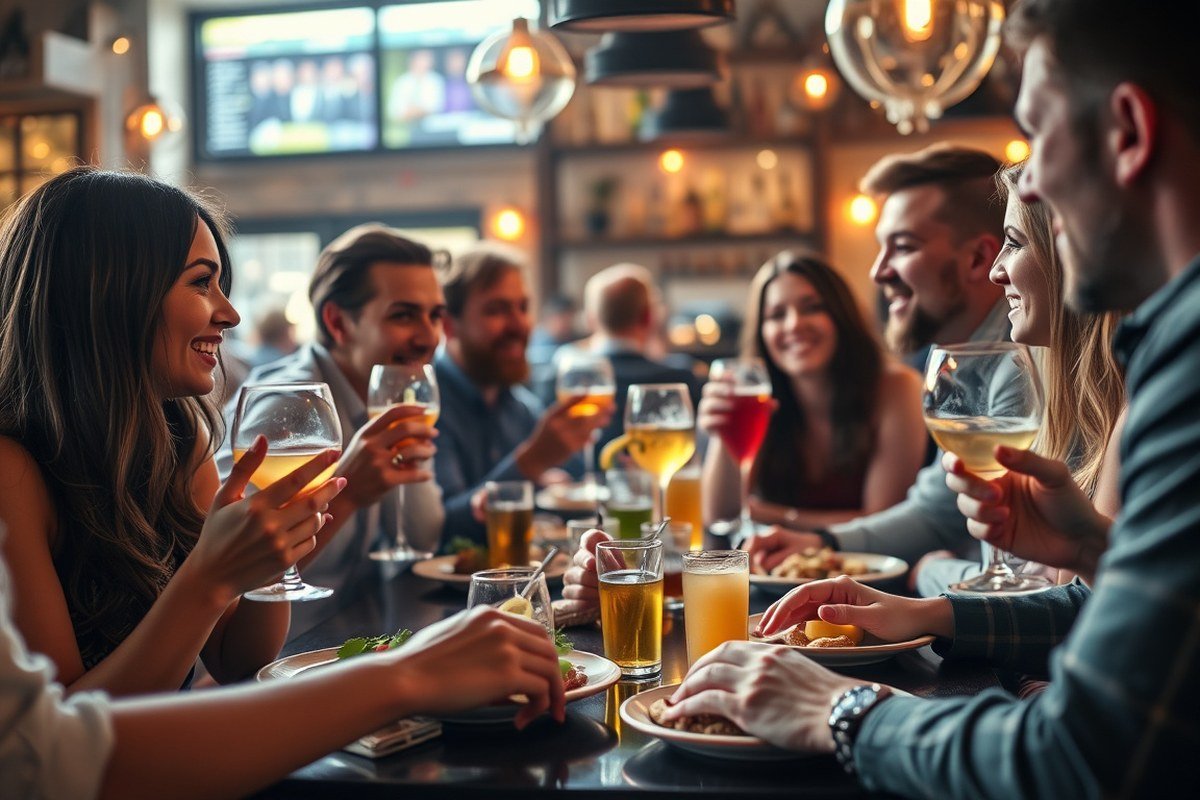
Happy hour is a designated time when bars and restaurants offer discounted prices on drinks and food to attract more customers. It usually takes place during late afternoon to early evening hours. This concept helps venues boost sales during slower periods and gives you access to deals on cocktails, appetizers, and more.
Whether you’re new to happy hour or a regular, understanding its timing, deals, and who attends can improve your experience. This article breaks down what is a happy hour and offers practical insights to make the most of it when you go out.
Key Takeaways
- Happy hour typically runs from 4 p.m. To 7 p.m., targeting slower business hours for bars and restaurants.
- Discounts apply to both drinks and food, with 41% of customers attracted by value-priced food offerings.
- Wednesday is a peak day for happy hour, with almost 24% higher traffic than other weekdays.
- Despite discounts, happy hour makes up over 60% of weekly sales for many U.S. Bars and eateries.
- Most attendees choose happy hour for lower drink prices (46%) and appealing food deals (41%).
- The average bill during happy hour is about $8 higher than during other times, reflecting increased spending.
What Exactly Is a Happy Hour and How Does It Work?

Happy hour is a specific time frame, often in the late afternoon or early evening, during which bars and restaurants lower the prices of drinks and sometimes food to attract more guests. This timeframe commonly features special prices on alcoholic beverages like beer, wine, cocktails, and spirits. Also, deals on appetizers and snacks have become more common as part of the promotion. Reports indicate that 41% of customers attend happy hour primarily for cheaper food choices, while 46% come for discounted drinks.
The discounts work by reducing the regular prices of popular menu items during a specific time window. For example, a bar might offer half-priced cocktails or reduced rates on draft beer and wine from 4 p.m. To 7 p.m. At the same time, the kitchen may serve appetizers or small plates at a lower price, encouraging guests to order food alongside their drinks. This approach benefits bars and restaurants by increasing customer traffic during slower hours and boosting sales overall.
Launching a successful happy hour requires choosing the right mix of discounted drinks and food. You can promote cost-effective cocktails, beer buckets, or wine flights paired with appetizers like sliders, nachos, or flatbreads. Using social media, table signage, and word-of-mouth advertising helps build awareness and foot traffic. When recommending specials, offering complementary pairings between drinks and menu items creates a more satisfying experience for guests.
In some states, laws prohibit happy hour discounts on alcoholic beverages, so establishments focus on food specials and non-alcoholic drink discounts instead. This variation shows that the core goal is to offer affordable, appealing options that encourage patrons to gather during designated times. The exact timing and combination of deals often change based on a venue’s style, location, and customer preferences.
Good happy hour results look like increased patronage during the targeted hours, higher average sales per visit, and positive buzz that brings repeat business. What can go wrong includes setting discounts too deep, which may hurt profits, or failing to promote specials clearly, leading to low participation. Balancing attractive offers while maintaining quality and managing costs takes careful planning but pays off when happy hour becomes a valued social ritual.
Typical Happy Hour Times and Duration Around the World

Happy hour usually takes place in the late afternoon to early evening, commonly between 4 PM and 7 PM. Bars, pubs, and restaurants often use this time frame to attract customers looking to relax after work. The length typically ranges from one to three hours, but in some cases, it can last longer depending on the venue’s strategy or local regulations.
Regional differences influence happy hour timing and duration. For example, in Pennsylvania, a minimum four-hour happy hour was established in 2011, allowing venues to extend their specials over a longer period. Other locations may hold late-night happy hours targeting hospitality workers after regular hours, featuring steeper discounts to reward their staff.
| Region/Setting | Typical Happy Hour Time | Duration | Purpose/Notes |
|---|---|---|---|
| General US Bars & Restaurants | 4 PM to 7 PM | 1 to 3 hours | Boost weekday sales, attract after-work crowd |
| Pennsylvania | Varies | Minimum 4 hours | Legally extended to allow flexible scheduling |
| Late-night venues | After regular business hours | 1 to 2 hours | Offers steep discounts to hospitality workers |
| French-speaking countries (note on language) | E.g., 4 PM to 6 PM | Typically 2 hours | Happy hours pluralized but not common in English |
Scheduling happy hour within these typical periods is important to maximize impact. Most customers expect deals in that late afternoon window, which explains why Wednesday’s happy hour traffic averages 23.9% higher than other weekdays, making it an especially valuable time for bars and restaurants. Keeping happy hour consistent and clearly time-limited also helps manage costs and prevents confusion over pricing.
Make sure happy hour discounts apply only during set times to reduce theft and confusion among staff and customers.
Extending happy hours beyond the typical two to three hours can increase foot traffic but may reduce overall profitability if not managed carefully. Understanding regional laws, customer habits, and your venue’s peak times helps decide the best schedule. Late-night offers can serve niche crowds like hospitality workers, while standard late-afternoon slots cater broadly to those unwinding after work.
History and Origins of Happy Hour
The term “happy hour” originated in the early 20th century within the United States Navy as a designated recreation period. It later adapted during the Prohibition era as a covert social drink time, evolving into a commercial practice offering discounted drinks in bars and restaurants. This evolution took place over several decades, reflecting changes in social habits and legal environments.
Early 20th Century Naval Origins
“Happy hour” first appeared as a phrase used by the U.S. Navy in the early 1900s. Sailors were given a scheduled time for entertainment or relaxation to boost morale and relieve stress. This period often included activities like boxing matches, games, or socializing, serving as a break from the rigors of naval duty.
The phrase “happy hour” gradually became associated specifically with drinking during these recreational times. The Random House Dictionary of American Slang traces the term as related to afternoon drinks in a bar back to a 1959 article on military life, showing that the phrase was well established by mid-century.
Impact of Prohibition Era
The Prohibition era, spanning 1920 to 1933, marked a critical shift in the use and meaning of “happy hour.” With alcohol sales banned, people gathered secretly in private clubs and homes for “happy hours” before dinner. This period became a code for pre-dinner drinks shared discreetly but socially.
During this time, the concept of happy hour took on a covert character, continuing as a social tradition despite legal restrictions. These gatherings helped maintain the spirit of convivial drinking that later informed more public and legal practices after Prohibition ended.
Post-Prohibition Commercial Adoption
After Prohibition was repealed in 1933, bars and restaurants resumed alcohol sales openly, quickly adopting happy hour as a marketing tool. Establishments began offering reduced prices on drinks during specific times of the day, often late afternoon or early evening, to attract customers during slower business hours.
This commercial form of happy hour expanded over time from simple drink discounts to include food specials and entertainment. It evolved into a popular social routine, providing value to patrons and boosting sales for businesses. The practice became widespread enough to inspire various themed events and attract diverse crowds in many cities worldwide.
Common Happy Hour Deals: Drinks, Food, and Specials
Happy hour deals often include discounted drinks, specials on appetizers, and some venues offer a range of non-alcoholic options. Discounts can mean lower prices on popular beverages or buy-one-get-one-free offers. Food items, especially appetizers, may also be available at reduced prices to complement the drink specials.
Drink Discounts and Two-for-One Offers
Drink specials during happy hour usually involve slashing prices on selected beverages such as beer, wine, and mixed cocktails. Commonly, bars may offer half-price drinks or specific dollar amounts off certain cocktails. Two-for-one deals are another popular type, which allow customers to get two drinks for the price of one, encouraging more orders and longer stays.
Special cocktails crafted only for happy hour can also be featured, giving patrons unique options that don’t appear on the regular menu. Some locations adjust their offerings depending on state regulations, with certain states banning typical alcohol promotions, so those venues might limit discounts to compliant options.
Popular Happy Hour Food Options
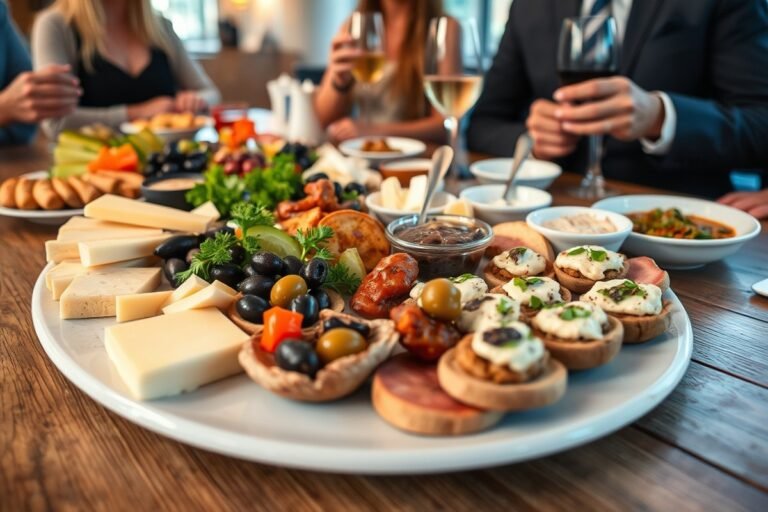
Appetizers are the most frequent type of food included in happy hour specials. These small plates complement the drinks and help extend the time guests stay at the venue. Food specials tend to be priced lower than usual, sometimes 20 to 50 percent off regular menu prices or offered as part of combo deals that pair them with drinks. Typical happy hour appetizers include items such as:
- Buffalo wings or chicken tenders
- Sliders or mini burgers
- Nachos with cheese and toppings
- Fried calamari or onion rings
- Small cheese or charcuterie boards
- Flatbreads or small pizzas
- Stuffed mushrooms or dips with chips
Some locations offer discounted meals, especially during brunch-hour happy hours. This is less common but attracts patrons looking for both food and drinks at a deal.
Non-Alcoholic Specials and Trends
Non-alcoholic drink options are becoming an important part of many happy hour menus. This is particularly true for establishments in states where alcohol discounts are restricted by law, or for venues emphasizing inclusivity and diversity. Zero-proof happy hours feature mocktails, sodas, house-made lemonades, and specialty coffee or tea drinks.
Offering refreshing non-alcoholic drinks at reduced prices broadens the customer base and ensures everyone can participate in happy hour socializing. Some bars even create entire menus of zero-proof selections during these times, turning happy hour into a more community-friendly event.
Who Attends Happy Hour and Why?
Happy hour typically attracts a diverse mix of people, but certain groups are more common. Professionals between the ages of 25 and 45 often make up the largest segment. Many come straight from work to unwind with colleagues or catch up with friends in a relaxed setting. These attendees usually seek a break from the day’s stress and enjoy the opportunity to socialize at reduced drink and food prices.
Young adults in their 20s and early 30s are also frequent happy hour participants. This demographic values affordable options as they often have limited disposable income. They tend to treat happy hour as a social event for meeting new people or enjoying casual gatherings. In some cases, college students join as well, especially if the bar promotes specials that fit their budgets.
Motivations for attending go beyond just saving money on drinks and appetizers. People often mention the chance to relax and socialize in an informal environment, which encourages camaraderie and helps strengthen relationships. For example, coworkers might bond over discounted cocktails, which can improve teamwork back on the job. Others appreciate the lively atmosphere and the variety of themed or creative happy hour options, such as trivia nights or virtual tastings, which add fun and interaction to their experience.
Some patrons look for the convenience factor, the timing of happy hour fits well into their schedule, often in the late afternoon before dinner. This timing makes it easier to stop by without committing to a full evening out. You might also find people who are just beginning to explore different bars and restaurants, seeing happy hour as a low-risk way to try new places without spending too much.
It’s worth noting that the ambiance and quality of offerings can greatly influence who attends. Bars that provide a well-curated happy hour menu with good portion sizes alongside price discounts tend to attract repeat customers. Conversely, places with poor food quality or misleading portion claims might see fewer regulars. Location matters too; urban areas with higher office worker density usually see more after-work visitors, while neighborhood spots might draw local residents looking for a casual early-evening hangout.
Make sure to check a venue’s happy hour details carefully, as advertised discounts don’t always apply to all drinks or food, and portion sizes can differ significantly from regular menus.
Legal and Regional Restrictions on Happy Hour Practices
Happy hour practices must follow specific legal and regional regulations that shape what bars and restaurants can offer. Some states strictly ban the kind of discounts associated with happy hour, while others allow limited promotions under certain conditions. For example, Alaska, Massachusetts, and Vermont prohibit traditional happy hour drink specials, which restricts establishments from offering discounted alcoholic beverages during set times.
In regions where happy hour is allowed, laws typically regulate the timing, scope, and nature of alcohol discounts. These restrictions often serve to curb excessive drinking and promote public safety. For instance, some locations may ban reduced-price alcoholic drinks after a certain hour or restrict the percentage by which prices can be lowered. Understanding these rules helps businesses avoid violations and customers anticipate what deals are available.
| Region/State | Happy Hour Restrictions | Purpose |
|---|---|---|
| Alaska | Ban on alcohol specials normally associated with happy hour | Reduce binge drinking and promote safety |
| Massachusetts | No traditional happy hour discounts allowed on alcohol | Prevent alcohol-related issues |
| Vermont | Bans on discounting alcoholic beverages during happy hour | Encourage responsible drinking |
| Alberta, Canada | Restricted happy hours and minimum drink prices | Improve bar safety and limit binge drinking |
| North Carolina | Efforts underway to loosen happy hour alcohol laws | Increase business flexibility and consumer options |
Internationally, happy hour rules vary widely. Canadian provinces like Alberta enforce minimum drink prices and restrict happy hour timing to reduce overconsumption. In some U.S. States, legislation is evolving, with movements aiming to relax restrictions to benefit businesses that rely on these offers. Whether legal or not, these regulations influence when and how you can find discounted drinks, making it necessary to check local laws before planning or attending a happy hour.
Operators who want to run happy hours legally must know the local requirements in detail. This includes understanding what discounts are allowed, during which hours specials may be offered, and how to advertise promotions without breaking advertising or licensing laws. Failing to comply can result in fines or license suspensions. Customers should also be aware that happy hour deals might differ widely from one place to the next due to these legal factors, affecting the quality and quantity of discounted items offered.
Creative Variations and Themes of Happy Hour
Happy hours go beyond simple drink discounts. Creative variations such as themed nights, virtual gatherings, and contests boost engagement and attract diverse crowds. These innovative formats add excitement and value, encouraging repeat visits and participation.
Themed Costume and Cocktail Nights
Themed happy hours combine dress-up fun with special drink menus to create unique experiences. Bars often pick weekly or monthly themes like “Taco Tuesdays” with Mexican food and tequila specials or a “Prohibition Era” night featuring classic cocktails and 1920s attire. Themes encourage patrons to dress up and interact more, improving the social atmosphere.
To run a successful themed happy hour, select a theme that fits your brand and target audience. Promote the event through social media and in-house signage at least one week in advance to build anticipation. Prepare themed cocktails or limited-edition drinks that complement the concept. Consider offering small prizes for best costumes or cocktails to boost excitement.
Virtual Happy Hour Experiences
Virtual happy hours have grown in popularity, especially with more remote work and social distancing. They let friends or coworkers connect from different locations using video calls. Adding themes helps these online events feel special and interactive. Common virtual themes include “BYOB (Bring Your Own Beverage)” where everyone shares their favorite drinks, or “Mixology Classes” where a bartender teaches attendees how to make a cocktail together.
Key to virtual events is promoting interaction through polls, quizzes, or live contests. Platforms like Zoom or Google Meet work well and can support breakout rooms or screen sharing. Organizers should set clear start and end times, provide ingredient lists ahead of time for mixology classes, and keep sessions under 60 minutes to maintain engagement.
Interactive Contests and Games
Adding contests or games turns a standard happy hour into an active, memorable event. Trivia nights and drinking games encourage conversation and friendly competition. These events can be themed to match the drinks or food on offer, such as craft beer trivia during a brew-themed night. Contest formats range from live quizzes with buzzer apps to blind tastings where participants guess ingredients.
To implement games, prepare clear rules and instructions beforehand. Use simple tools like online quiz platforms or printed answer sheets. Promote team play or one-on-one matchups depending on your space and crowd size. Offering small prizes like free drinks or gift cards rewards participation and draws more guests.
- Costume contests fitting the theme
- Mixology or cocktail creation competitions
- Trivia related to drinks, pop culture, or local history
- Blind tastings of craft spirits or wines
- Drinking games with safe and responsible rules
- Virtual polls and interactive quizzes
- Photo-sharing contests with relevant hashtags
Themes and games not only increase foot traffic but also create buzz on social media. They turn a simple happy hour into an event customers mark on their calendars and talk about with friends.
Tips to Maximize Your Happy Hour Experience
Finding the best happy hour deals often means doing a little research ahead of time. Checking social media pages or apps dedicated to local deals can save you money and help you discover new spots. Look for bars or restaurants that rotate their offers or highlight drinks and dishes you enjoy. This keeps the experience fresh and gives you a chance to try something new without extra cost.
To get the most out of happy hour, balance indulgence with moderation. Stick to your budget and drink enough water if you consume alcohol. Happy hour specials are designed to attract customers during slower periods, so the crowds might be bigger than usual. Arriving a bit early can give you a better chance at seating and service. Also, some venues set limits on how many discounted drinks you can order, so pay attention to those rules to avoid surprises.
- Check online for happy hour times and featured deals before going out.
- Arrive early to beat the rush and grab a good spot.
- Plan your spending and set a comfortable limit for drinks and food.
- Drink water between alcoholic beverages to stay hydrated.
- Be polite and patient; busy hours can mean slower service.
- Don’t hesitate to try new menu items offered at special prices.
- Keep track of rules about maximum orders or combo restrictions.
Many happy hour patrons find that sharing positive experiences with friends and family encourages repeat visits. Choosing a place that offers your favorite drinks means you’re more likely to enjoy your time. Introducing yourself to bartenders can sometimes lead to insider tips on upcoming deals. Establishments also appreciate polite behavior, which can contribute to a more relaxed and enjoyable atmosphere for everyone.
Alcohol can affect your judgment and coordination faster during happy hour; pace your drinks and use a trusted ride service if you plan to drink.
Step-by-Step Action Plan to Enjoy Happy Hour
Use this plan to make the most of your next happy hour, whether you want to save money, socialize, or try new drinks and food.
- Before Happy Hour: Check the happy hour schedule of your favorite bars or restaurants, including start and end times, so you arrive during the best deals.
- First 10 Minutes: Order the featured drinks or appetizers early to take advantage of specials that often have limited quantities.
- Within 30 Minutes: Engage with the bartender or staff to ask about any secret or rotating deals that might not be on the menu yet.
- Mid-Hour: Try a recommended or themed drink to experience creative variations, comparing it to your usual choice.
- Before Happy Hour Ends: Consider ordering a discounted small plate or snack to complement your drinks and stretch your budget.
- Right After Happy Hour: Decide if you want to stay for regular-priced items or move on, based on your budget and mood.
- Next Day: Review your experience and note which deals and venues you want to return to or avoid at future happy hours.
Frequently Asked Questions
How Do Happy Hour Prices Compare to Regular Menu Prices?
Happy hour prices are usually discounted, but the average bill is about $8 higher than at other times, since customers often order more food and drinks. This means you get savings per item, but your total spend might increase.
Do All Bars Offer Food During Happy Hour Specials?
Not all bars include food, but 41% of guests choose happy hour venues specifically for discounted food options. Checking the menu ahead can help you find places with appealing food deals.
Why Is Wednesday Considered a Peak Day for Happy Hour?
Wednesday sees 23.9% more happy hour traffic than other weekdays, making it a top day for bars and restaurants to attract customers midweek. Planning happy hour outings on Wednesdays can mean busier spots and possibly better deals.
Are Happy Hour Deals More Beneficial to Customers or Bars?
Happy hour generates over 60% of weekly sales for many bars despite discounts, indicating it’s a win-win: customers get deals, and bars boost traffic and revenue. This balance explains why happy hours remain popular.
Does the Term “Happy Hour” Have Origins in Alcohol Consumption?
Yes, originally “happy hour” related to drinks and leisure, dating back to the early 20th century with naval connections, later popularized in bars. This history influenced the focus on drink specials still seen today.
Can You Find Happy Hour Deals Outside the Typical 4 P.m. To 7 P.m. Window?
Some venues offer happy hour specials at unusual times like late nights or weekends, catering to different crowds and extending business hours. Checking local offerings helps you find non-standard happy hours.
Wrapping Up
Happy hour offers a chance to enjoy discounted drinks and food while socializing in a relaxed setting. Knowing when, where, and what to expect helps you save money and discover new favourites. Your next step is to pick a local spot with a well-reviewed happy hour and try it this week to see how it fits your style and schedule.