
What Is a New York Strip Steak? A Complete Guide with Tips & Comparisons
A New York strip steak is a boneless cut of beef from the short loin, known for its balance of tenderness and beefy flavor. It generally measures between 1 and 1.5 inches thick, making it ideal for grilling, pan-searing, or broiling. This steak is a favorite among home cooks and steak enthusiasts seeking a satisfying, moderately tender cut without the higher fat content of some other steaks.
This guide offers clear explanations about the origins of the New York strip, its texture and taste compared to other cuts, and practical tips on how to select, store, and cook it perfectly. You’ll also learn common naming variations and how to avoid typical cooking mistakes to get the most flavor and tenderness from your steak.
Key Takeaways
- Choose a New York strip steak between 1 and 1.5 inches thick for the best cooking results.
- Remove the steak from the refrigerator 30 minutes before cooking to bring it to room temperature.
- Sear the steak for 2-3 minutes on each side in a hot skillet or grill for even doneness.
- Rest the cooked steak for 5 to 10 minutes before slicing to retain juices and flavor.
- Store raw New York strip steak in the refrigerator below 40°F (4°C) until ready to cook.
- Also known as strip steak or shell steak (bone-in, no tenderloin), the New York strip is popular in the U.S.
What Exactly Is a New York Strip Steak?
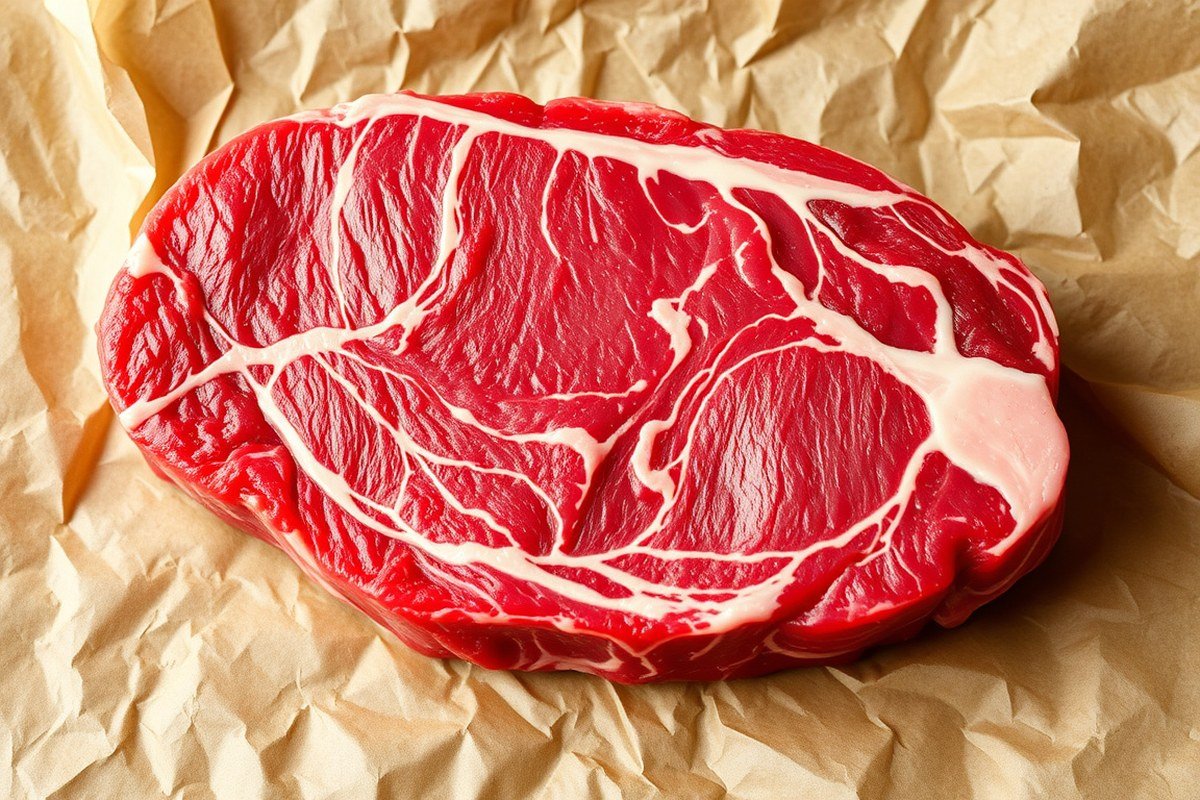
The New York strip steak is a premium cut of beef taken from the short loin section of the cow, located along the back just behind the ribs. This area experiences very little muscle activity during the animal’s life, which results in a tender texture. The steak is prized for its fine grain and even shape, making it easy to cook evenly. Typically, a New York strip steak is cut between 1 and 1.5 inches thick, offering an ideal balance between cooking control and juice retention.
What you see on your plate with a New York strip is primarily the longissimus dorsi muscle, sometimes called the strip loin. This muscle runs along the spine, and because it isn’t heavily used, it produces tender meat with modest marbling, the small flecks of intramuscular fat you want for flavor. Good marbling improve juiciness and taste without adding excessive fat, which is why New York strips are often noted as a relatively lean but flavorful steak.
In shape, the steak is generally rectangular with a consistent thickness throughout, making it easy to cook evenly on grills or pans. Its texture is firm but not tough, allowing it to hold up well under high-heat cooking methods like searing. The New York strip comes with a thin layer of fat along one edge, known as the fat cap, which can be trimmed according to preference or left on to add flavour during cooking.
Because this steak comes from a less active muscle group, it does not develop the strong, connective tissue found in parts like the flank or shank. This absence means it doesn’t require long, slow cooking to break down tough fibers. Instead, it’s ideally cooked quickly at high temperatures. The fat content and muscle make-up give it a good balance of flavor and tenderness without the need for aging or heavy seasoning to mask any gaminess.
Understanding the cut’s origin helps with selection as well. When you buy a New York strip steak, look for consistent thickness and moderate marbling with bright, fresh color. Store the steak under 40°F (4°C) before cooking to maintain freshness, and consider cuts with a noticeable fat cap for better flavor during cooking. The steak may be labeled simply as a strip steak or top loin steak in some stores, so knowing its origin from the short loin can guide your purchase.
Where Does the New York Strip Come from on the Cow?
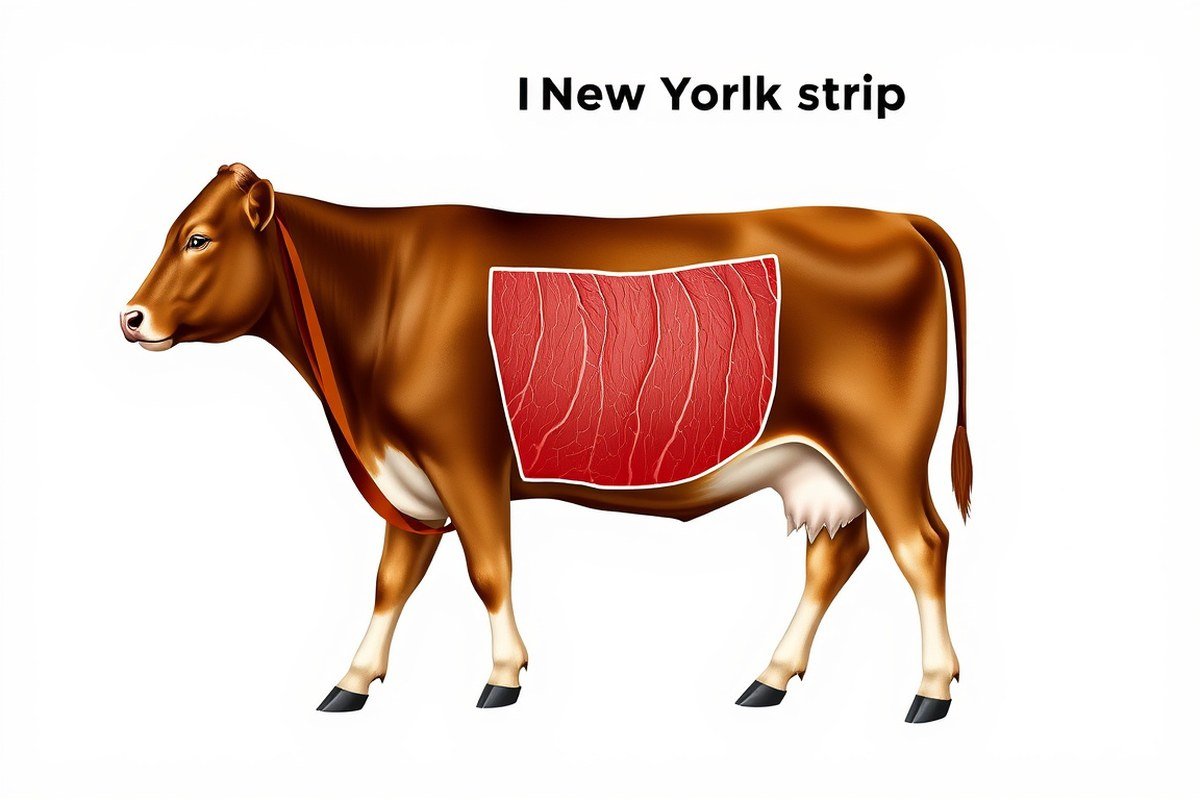
The New York strip steak is cut from the short loin section of the cow, located along the back just behind the ribs and before the sirloin. This area contains the longissimus dorsi muscle, which doesn’t get much exercise, making the meat tender yet firm with a moderate amount of chew. This part of the cow sits in a middle ground between the heavily marbled ribeye, which comes from the rib section, and leaner cuts like the sirloin behind it. Because this muscle is used less frequently for movement, the New York strip maintains a balance of tenderness and texture that appeals to many steak lovers.
The short loin is a primary primal cut from which several well-known steaks come, including the New York strip and the T-bone. On a T-bone steak, the New York strip makes up the larger portion on one side of the bone, while the smaller, more tender filet mignon sits on the other side. The short loin’s limited muscle activity results in a cut that is firmer than a filet but more tender than cuts from more exercised muscles like the round or chuck. This balance is why New York strips are often recommended for broiling or searing in a cast iron skillet, cooking methods that suit its texture and moderate fat content.
Muscle usage directly affects the tenderness of a steak. In parts of the cow where muscles move frequently, such as the shoulder or round, connective tissue develops, which makes the meat tougher. The longissimus dorsi in the short loin, where the New York strip comes from, sees much less movement. This results in meat that maintains good chew without being tough, with enough marbling to offer flavor but not so much fat that the texture becomes soft or greasy. Choosing a beef type and grade with suitable marbling improves this texture further. For home cooks, selecting a USDA Choice or Prime New York strip ensures a balance of flavor and tenderness without the extreme leanness or excessive fat that can interfere with straightforward cooking methods.
Always trim excess silver skin and fat from your New York strip before cooking to avoid chewy bites, but leave some marbling intact to improve flavor and juiciness.
How Does a New York Strip Taste and Feel Compared to Other Steaks?
The New York strip strikes a balance between tenderness and chew, with a more refined, slightly smoky flavor. Compared to ribeye and sirloin, it offers moderate marbling and a firm yet tender bite, making it a preferred cut for those who want both flavor and texture without excessive fat.
Texture and Tenderness Differences
The New York strip feels tender but with a mild chew, sitting between the buttery softness of a ribeye and the firmer texture of sirloin. It’s not as soft as ribeye because it has less fat infiltrating the muscle, but it’s less chewy than sirloin, which can be leaner and tougher. This characteristic makes the strip steak appealing to those who enjoy a satisfying bite without sacrificing tenderness.
Porterhouse steaks combine strip and tenderloin, resulting in a mix of textures. The strip section of a porterhouse shares the New York strip’s firm tenderness, while the tenderloin half is the most tender cut of beef. As a stand-alone steak, the New York strip delivers a consistent, moderately tender experience that holds up well to grilling and pan-searing.
Flavor Profiles Explained
The flavor of the New York strip is strong and beefy but less rich than ribeye, which is known for its heavy fat content that carries a buttery, juicy taste. Its taste is more refined and often has a slight smoky note, especially when cooked over high heat.
Sirloin, on the other hand, is lighter in fat and has a balanced, hearty flavor but lacks the same intensity found in strip or ribeye steaks. The porterhouse includes flavors from both the strip and tenderloin, giving you a combination of beefy and mild taste profiles on one plate.
Marbling and Fat Content Comparison
Marbling refers to the thin streaks of fat within the muscle, which improve flavor and tenderness. The New York strip features moderate marbling, more than sirloin but less than ribeye. This moderate fat provides good juiciness without overwhelming the beefy taste.
Ribeye has heavy marbling, which explains its softness and rich flavor, while sirloin is lean with little marbling. In grain-finished cattle, the New York strip can sometimes achieve richer marbling, improving both flavor and texture.
| Feature | Ribeye | Sirloin | New York Strip |
|---|---|---|---|
| Texture | Juicy, buttery-soft | Firm, lean, slightly chewy | Tender with mild chew |
| Flavor | Rich and beefy | Balanced and hearty | Refined, slightly smoky |
| Marbling | Heavy | Light | Moderate |
| Best Cooking Methods | Grilling, cast iron sear | Broiling, roasting | Pan-sear, grill |
| Cost | Premium | Moderate | Premium |
Using this comparison, you can choose a steak based on your preference for fat, tenderness, and flavor. The New York strip offers a middle ground that works well for those who want a tender steak with enough chew and rich flavor but without the high fat content of ribeye.
What Are the Best Ways and Times to Cook New York Strip Steak?
New York strip steak cooks best when prepared with methods that balance searing and even heat. Aim for steaks between 1 and 1.5 inches thick to get a proper crust without overcooking the inside. Cooking times vary by doneness, typically 3, 4 minutes per side for rare and up to 5, 6 minutes for well done.
Ideal Thickness and Preparation
A thickness of 1 to 1.5 inches suits grilling and pan-searing well, allowing the steak to develop a crisp exterior while keeping the interior juicy. Thicker cuts up to 2 inches work for oven roasting. Proper preparation includes bringing the steak to room temperature for about 30 minutes before cooking and seasoning lightly to highlight the beef’s flavor.
Use coarse salt and freshly ground pepper right before cooking to avoid drawing moisture out prematurely. Pat the steak dry to ensure good searing.
Grilling and Pan-Searing Techniques
For grilling, preheat your grill to high heat, roughly 450° to 500°F. Place the steak on the grates and cook for 3, 4 minutes per side for rare, 4, 5 for medium, and 5, 6 for well done. Using tongs, flip the steak only once during cooking to maintain grill marks and to avoid drying out the meat.
Pan-searing with a cast iron skillet requires heating the pan over medium-high heat until very hot. Add a small amount of oil with a high smoke point, such as canola or avocado oil. Sear the steak 3, 4 minutes per side for rare, 5 minutes for medium, and 6 minutes for well done. This method creates a caramelized crust. Steps for pan-searing your New York strip steak:
- Take the steak out of the fridge and let it sit at room temperature for 30 minutes.
- Preheat the cast iron skillet on medium-high until it’s very hot.
- Pat the steak dry and season both sides with salt and pepper.
- Add a tablespoon of high smoke point oil to the skillet.
- Place the steak in the skillet and sear without moving it for 3, 4 minutes.
- Flip and sear the other side, adjusting time for your preferred doneness.
- Optionally, add butter, garlic, and herbs during the last minute and spoon over the steak.
- Remove the steak for resting before slicing.
Oven Finishing and Resting Times
If you want an even cook throughout, sear the steak first on the stovetop and then finish in the oven preheated to 400°F. Use a meat thermometer to check internal temperatures: 125°F for rare, 135°F for medium rare, and 145°F for medium. Avoid cooking beyond medium to keep the steak tender and juicy.
Rest your steak for 5 to 10 minutes after cooking. This lets the juices redistribute, preventing dryness when you cut into it. Tent the steak loosely with foil during resting to keep it warm without sweating.
How Should I Select and Store New York Strip Steak?
Choosing a top-quality New York strip steak starts with paying attention to a few key factors. Look for steaks cut from the rib end or center of the strip loin, as these sections deliver the best texture and flavor. Opt for steaks that have a bright red color and a fine marbling pattern, which indicates tenderness and juiciness. Serving sizes typically range from 10 to 16 ounces, so select a portion size that fits your meal plans. Buying steak from a butcher or picking a pre-packaged one at the grocery store requires you to look over the meat carefully. Make sure the steak shows no brown or gray patches, and check the packaging edges are clean without discoloration.
Storing your steak properly will help keep it fresh and tasty before cooking. Store it in the fridge at 34 to 38 degrees Fahrenheit if you’re cooking it within two days, keeping it in original packaging or wrapped tightly with plastic wrap or butcher paper to avoid air. Freezing preserves it longer safely.
- Refrigerate fresh steak at 34 to 38 degrees Fahrenheit and use within 3 to 5 days
- Wrap steak tightly in plastic wrap and then foil or a freezer bag before freezing
- Freeze steak at 0 degrees Fahrenheit or below for up to 6 to 12 months
- Label packages with date of freezing to track storage time
- Thaw frozen steak in the refrigerator for 12 to 24 hours before cooking
- Avoid refreezing thawed steak to maintain quality and safety
Always use a refrigerator thermometer to ensure safe storage temperatures when keeping steaks cold before cooking.
Freezing does not affect the safety of the steak but may alter texture slightly after long storage. Vacuum-sealing steaks before freezing can maintain freshness and reduce freezer burn even better than plastic wrap. When thawing, allow the steak to defrost fully in the refrigerator rather than at room temperature to prevent bacterial growth. Planning your cooking schedule with these storage timelines in mind helps avoid spoilage and guarantees a flavorful, tender New York strip steak every time.
Why Is It Called a New York Strip Steak and What Are Its Other Names?
The New York strip steak earned its name due to its popularity in New York City, where it became a signature dish in many restaurants as early as the 1800s. This association cemented the cut’s identity not just as a specific part of the cow but as a hallmark of the city’s steakhouse culture. The name highlights both the geographical connection and the steak’s reputation for a rich, beefy flavor that satisfied the palates of urban diners seeking quality cuts.
This steak goes by several other names, especially depending on the region or if the bone is still attached. The boneless version is widely known as a strip steak or simply a strip loin. When left bone-in, it’s sometimes called a shell steak or club steak. These terms help clarify the cut’s form and cooking style but refer to the same section of beef, taken from the short loin of the cow.
Internationally, the naming can differ notably. In the United Kingdom, this cut is often called a sirloin steak. This difference can cause confusion for cooks looking to buy or cook the cut outside the US, so checking with your butcher or meat supplier is important. In Australia and New Zealand, it’s frequently labeled as a porterhouse or striploin, though porterhouse in the US refers to a steak containing both the strip and tenderloin sections. This variation means that paying attention to both the description and visual cues can help you get the exact cut you want.
Understanding these variations matters when shopping or ordering steak, as the name might change but the prime qualities remain consistent: tender, flavorful meat with a fine texture. Asking for a “New York strip” in the US is straightforward, but abroad, you should specify if you want the boneless strip loin without the tenderloin portion. Always check if the steak is sold bone-in or boneless, as cooking times and methods might adjust depending on this fact. For example, bone-in usually requires a slightly longer cooking time to reach the same internal temperature well-suited for medium-rare or medium doneness, commonly targeted between 130°F and 140°F internal temperature.
What Are Common Cooking Mistakes with New York Strip and How to Fix Them?
New York strip steak often suffers from common cooking errors like overcooking, under-resting, and choosing the wrong thickness. These mistakes can toughen the meat or lead to uneven doneness, ruining its signature texture and flavor.
Overcooking happens when the steak exceeds an internal temperature of about 135°F for medium-rare. Since strip steaks are leaner than ribeyes, cooking beyond medium risk drying them out. Use a meat thermometer to check doneness early and remove the steak from heat at 130-135°F to rest. Resting lets juices redistribute, so skipping or shortening this step often results in a dry, tough steak. Aim for 5 to 10 minutes of resting loosely tented with foil.
Thickness also plays a important role. Steaks thinner than 1 inch cook unevenly and tend to dry out quickly, while steaks thicker than 1.5 inches cook more slowly but provide better control over the interior temperature. For home cooks, 1 to 1.25 inches thick is ideal for even cooking without overdoing the exterior. Avoid flipping the steak multiple times during cooking; instead, flip once midway to promote an even sear and cook-through.
- Use a digital meat thermometer to monitor doneness precisely.
- Rest the steak 5 to 10 minutes off heat before slicing.
- Choose New York strips about 1 to 1.25 inches thick for balanced cooking.
- Season just before cooking to avoid drawing out moisture prematurely.
- Preheat your pan or grill to high heat for a good sear.
- Flip the steak only once, halfway through cooking time.
- Slice against the grain to reduce chewiness if the steak turns out tough.
If your New York strip ends up tough, it could be that it was overcooked or not rested properly. You can tenderize slightly by slicing thinly against the grain and serving with a sauce or a pat of butter to add moisture. Avoid pounding or using harsh tenderizers, which can ruin the steak’s texture.
The key to a juicy, flavorful New York strip lies in controlling heat, maintaining thickness, and resting time. Investing in a meat thermometer can cost $10 to $30 and saves more expensive steak from being ruined. A well-cooked strip should have a browned crust outside with a uniformly pink center, tender to bite but not mushy or dry. Mastering these small steps transforms a simple steak dinner into a satisfying experience every time.
How to Prepare and Season New York Strip Steak for Best Flavor
Preparing and seasoning your New York strip steak properly can make a significant difference in its flavor and texture. Salting at the right time, using the right seasoning, and allowing the steak to rest before cooking are essential steps to maximize the natural taste of this cut.
Salting and Seasoning Timing
Salting your New York strip steak at the right time improve its flavor and tenderness. For best results, apply kosher salt evenly on both sides at least 40 minutes before cooking or right before cooking.
Salting 40 minutes ahead allows the salt to draw moisture out, which then reabsorbs into the meat, seasoning it deeply and helping the surface to form a crisp crust. If short on time, salt immediately before cooking to avoid drawing out moisture.
Recommended Seasonings for New York Strip
Keep seasoning simple to let the natural beef flavor shine. Kosher salt and freshly ground black pepper are the classic choice. This combination improve the beef’s strong taste without overpowering it.
For a slight variation, add garlic powder, onion powder, or smoked paprika sparingly to complement the steak. Avoid heavy marinades or complex spice blends that can mask the meat’s characteristic flavor.
Resting Before Cooking
Allow the steak to rest at room temperature for about 20 to 30 minutes before cooking. This helps the meat cook more evenly by reducing the temperature difference between the surface and the center.
Resting prevents the steak from being cold in the middle and helps achieve a consistent doneness throughout. It also minimizes shrinkage and ensures a juicier result. Follow these steps for the best preparation:
- Remove the steak from the refrigerator and place it on a plate.
- Pat the steak dry with paper towels to remove any surface moisture.
- Generously season both sides with kosher salt, either 40 minutes before cooking or immediately before cooking.
- Optionally, sprinkle freshly ground black pepper and any additional light seasonings like garlic powder.
- Let the steak rest at room temperature for 20 to 30 minutes before cooking.
- Cook the steak using your preferred method.
- After cooking, rest the steak on a warm plate for 5-10 minutes to allow juices to redistribute before slicing.
Do not salt the steak too far in advance without resting it uncovered, or it can dry out and lose moisture.
Step-by-Step Action Plan for Cooking the Perfect New York Strip Steak
Follow these steps to select, prepare, and cook a New York strip steak that suits your taste and ensures the best texture and flavor.
- Before cooking: Choose a New York strip steak with marbling visible and a bright red color. This indicates good quality and flavor.
- Day of cooking: Remove the steak from the refrigerator 30 to 60 minutes before cooking to reach room temperature. The steak will cook more evenly this way.
- Prep time: Pat the steak dry with a paper towel to remove excess moisture. Season generously with salt and pepper or your preferred dry rub for better crust formation.
- Start cooking: Heat a heavy skillet or grill to high heat until very hot. Use medium-high heat for thicker cuts to avoid burning the exterior.
- Cooking duration: Sear the steak for 3 to 4 minutes per side for medium-rare doneness (internal temperature 130°F to 135°F). Adjust time based on thickness and preferred doneness.
- Resting: Let the steak rest for 5 to 10 minutes after cooking. This allows juices to redistribute, keeping the steak moist and tender.
- Serving: Slice against the grain to maximize tenderness and serve immediately for the best texture.
Frequently Asked Questions
What Thickness Should a New York Strip Steak Be for Best Cooking Results?
A New York strip steak cooks best when sliced between 1 and 1.5 inches thick. This size allows the steak to cook evenly and stay juicy inside. Thicker slices hold in their flavor and moisture better as they reach your desired doneness.
How Long Can You Safely Store Raw New York Strip Steak in the Refrigerator?
Raw New York strip steak can be safely stored refrigerated for 3 to 5 days at below 40°F (4°C). Proper sealing helps prevent contamination and moisture loss during this time.
Is New York Strip Steak Considered a Healthy Choice Compared to Other Cuts?
Yes, New York strip steak is relatively healthy, offering about 250 calories per 8-ounce serving with a good protein balance. It also has moderate fat, supporting a nutrient-rich meal when cooked without excessive added fats.
How Is Marbling Important for New York Strip Steak Flavor and Texture?
Marbling, or the fat within the muscle, directly impacts the steak’s flavor and tenderness. More marbling means a richer taste and juicier texture, which improve your eating experience with a New York strip.
Can You Grill a New York Strip Steak, and What Is a Key Tip?
Grilling is great for New York strip steak; use high heat and avoid flipping often. This method sears the outside while keeping the inside tender and flavorful.
What Is the Difference Between a New York Strip and a Kansas City Strip?
New York strip and Kansas City strip refer to the same cut from the short loin; names vary regionally. Both offer the same balanced flavor and texture, making them interchangeable terms.
Final Thoughts
A New York strip steak offers a balance of tenderness and beefy flavor that stands out among popular cuts. Selecting well-marbled meat and cooking it with attention to temperature and timing will pay off in every bite. Try a simple salt and pepper seasoning with a hot sear to experience its true taste.






One Comment