
What Is a Ribeye Steak? A Complete Guide to Cuts, Taste, and Cooking
A ribeye steak is a tender, flavorful cut of beef taken from the rib section. Known for its marbling and rich taste, it offers a premium steak experience. Bone-in or boneless, this steak is known for its juicy texture and cooks quickly at home with excellent results. This guide is designed for home cooks, steak enthusiasts, and foodies who want to understand what is a ribeye steak, how to choose high-quality cuts, and the best cooking methods to maximize flavor and tenderness.
Key Takeaways
- Ribeye steaks generally measure 6 to 7 inches in length and come from the rib area of the cow.
- Choose a ribeye that is at least 1.25 inches thick for better searing and juicy interior.
- Bone-in versions include tomahawk ribs with bones 5 inches or longer and cowboy ribs with bones up to 5 inches.
- Season ribeye with salt at least 45 minutes before cooking to improve flavor and tenderness.
- A 1.5-inch ribeye usually needs about 3 to 5 minutes per side to reach medium-rare, with close attention to the internal temperature.
- Allow for 5°F carryover cooking after removing the steak from heat to hit the perfect doneness.
What Is a Ribeye Steak and Where Is It From

A ribeye steak is a cut of beef taken from the rib primal section of a cow, specifically from ribs six through twelve. This cut is prized for its tenderness and rich, juicy flavor, originating from the muscle that does less work, which allows the meat to be more tender than many other steak cuts. The ribeye is essentially the meat around the rib bone, although it is often sold boneless by trimming off the bone. When the bone is left intact, the steak is referred to as a rib steak.
This steak comes exclusively from beef, not pork, which is an important distinction for those considering the type of meat. Pork has its own rib cuts, but the ribeye specifically refers to the beef cut from the cow’s rib primal. The rib section runs along the upper middle portion of the cow’s body and supplies some of the most flavorful and well-marbled cuts available. Marbling refers to the fat interspersed within the muscle, which melts during cooking and keeps the steak tender and flavorful.
The rib primal is a larger section of beef that contains several prized cuts, including the prime rib roast and ribeye steaks. Butchers slice the rib primal into smaller portions called sub-primal cuts, such as the ribeye roll, which is then cut into individual ribeye steaks. These steaks tend to measure between 6 and 7 inches in length, offering a thick and satisfying portion. Ribeye steak is often one of the more expensive cuts of beef due to its tenderness and flavor.
When buying ribeye steak, look for the presence of marbling and a bright, red color, which indicate freshness and quality. Since it is cut before the roast is cooked, you can usually find ribeye steaks ready for grilling or pan-searing in markets and butcher shops. The ribeye’s location on the cow and its unique muscle and fat composition explain why it remains a standout favorite among steak lovers, especially for grilling enthusiasts who appreciate a well-marbled cut that stays juicy and tender.
Anatomy of Ribeye: Understanding Its Muscles and Marbling
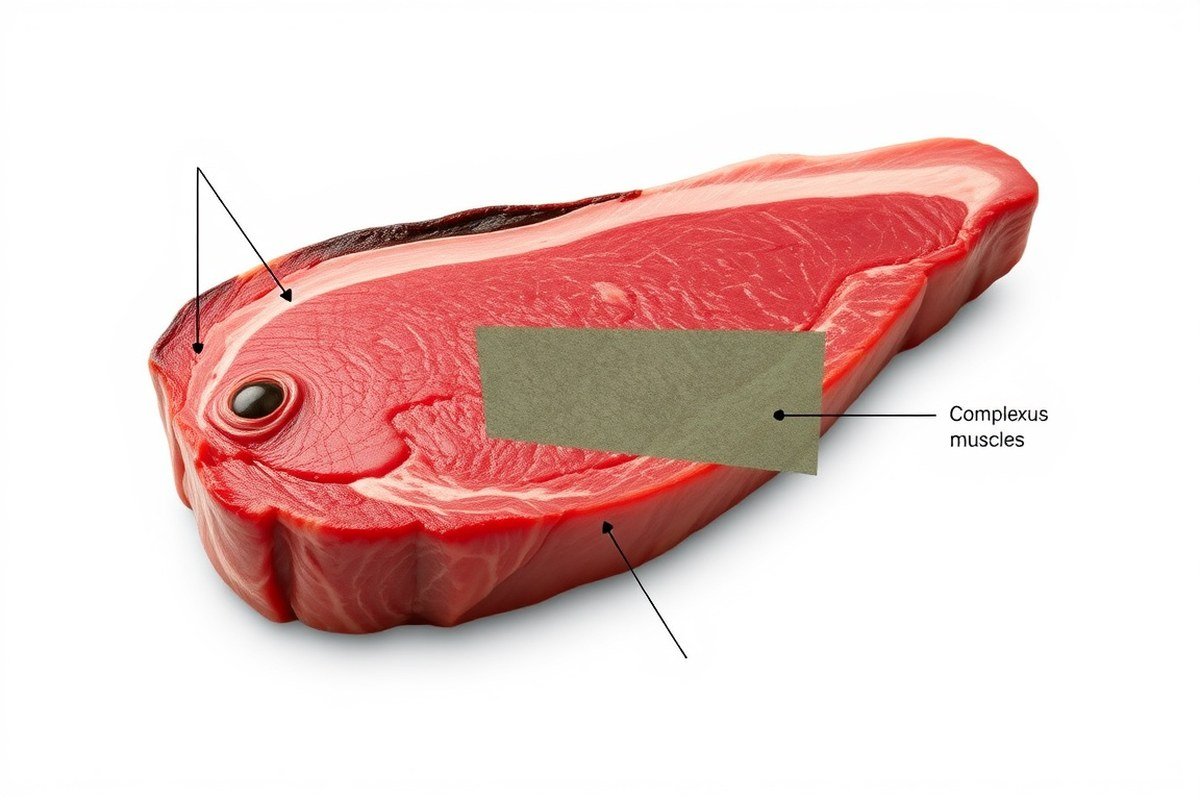
A ribeye steak is composed mainly of multiple muscles, with the Longissimus Dorsi as the largest, surrounded by others like the Spinalis Dorsi and occasionally the Complexus. Marbling, the intramuscular fat woven through these muscles, directly affects the steak’s tenderness, juiciness, and flavor, making it a defining feature of the ribeye’s character.
Longissimus Dorsi: The Eye of the Ribeye
The Longissimus Dorsi muscle forms the central part of the ribeye steak, often called the “eye” because of its shape. This muscle runs along the cow’s ribcage, extending from the hip toward the shoulder blade. Its fibers are relatively long and tender because this muscle experiences less movement compared to others, making it ideal for a juicy and tender steak. Most ribeyes consist largely of this muscle, as it provides a steady texture and mild beefy flavor that balances well with marbling.
The Longissimus Dorsi’s marbling varies depending on the cut’s proximity to certain ribs. Cuts from near the 12th rib tend to have a larger portion of the Longissimus muscle and less ribeye cap, offering a slightly firmer bite while still maintaining tenderness. This central mass of meat is often the focus of butchers since it gives the ribeye its name and expected consistency.
Spinalis Dorsi: The Flavorful Ribeye Cap
The Spinalis Dorsi, commonly called the ribeye cap, forms a curved section wrapping around one side of the Longissimus Dorsi. This muscle is distinguished by its generous marbling and softer texture, contributing significantly to the ribeye’s rich, buttery taste. Because it contains higher fat content dispersed evenly within the muscle fibers, it delivers a melt-in-your-mouth experience that many steak lovers consider the best part of the cut.
Cuts closer to the 6th rib typically showcase a larger Spinalis muscle, offering more of the ribeye cap’s distinctive flavor. This portion is prized for its tenderness and intense beefiness. The texture differs from the Longissimus because the fat melts more readily during cooking, adding moisture and depth of flavor not matched by the eye alone.
Complexus Muscle and Its Role
The Complexus is a smaller muscle found near the front edge of the ribeye steak and sometimes removed by butchers depending on the cut. Although less known, its presence adds subtle complexity to the steak’s overall flavor profile. Its texture is similar to the Longissimus but often slightly leaner, giving a bit more contrast within the bite.
Because the Complexus can be trimmed off or included, its contribution varies by butcher and steak dimension. In steaks where it remains, it improve the layering of flavors and textures that make the ribeye appealing. This muscle doesn’t carry as much marbling as the Spinalis or Longissimus but helps balance the steak’s taste and appearance.
Look for ribeye steaks with even marbling throughout the longissimus and spinalis muscles for the best balance of tenderness and flavor, uneven fat distribution can result in dry or unevenly cooked meat.
Differences Between Bone-In, Boneless, Tomahawk, and Cowboy Ribeyes
Ribeye steaks come in various styles, primarily differing by the presence or length of the bone. Boneless ribeyes offer easier cooking and slicing, while bone-in cuts, including tomahawk and cowboy steaks, provide extra flavor and a dramatic presentation. The bone’s size and exposure influence taste, cooking time, and the dining experience.
Boneless Ribeye Steak Characteristics
Boneless ribeye steaks are cut entirely from the rib section without the rib bone. They tend to be pricier per pound since butchers spend extra time removing the bone carefully. Without the bone, these steaks cook more evenly and quickly, making them a popular choice for precise cooking methods like pan-searing or grilling.
Boneless ribeyes typically range from 8 to 16 ounces but can vary based on the thickness you select. Their uniform shape allows for consistent heat distribution, reducing the risk of uneven doneness. They also offer easier portion control and cleaner slicing for serving.
Bone-In Ribeye and Flavor Benefits
Bone-in ribeye steaks include a section of rib bone, most often from the primal rib cut. Cooking meat attached to bone infuses extra flavor through marrow and connective tissues during heat exposure. The bone also helps retain moisture, which can make the steak juicier. Many chefs agree that bone-in ribeyes have a slightly richer, beefier flavor compared to their boneless counterparts.
These steaks tend to be less expensive per pound than boneless cuts since less trimming is involved. However, they often require a longer cooking time because the bone acts as an insulator, slowing the heat transfer. The result is an even sear outside with a tender interior, ideal for medium-rare to medium preparations.
Unique Features of Tomahawk and Cowboy Steaks
Tomahawk and cowboy steaks are larger bone-in ribeye variations distinguished mainly by the length of the rib bone left intact. A tomahawk steak includes a long, frenched rib bone typically around 5 inches (13 cm) or more, creating a striking presentation that resembles a tomahawk axe. This cut usually weighs between 30 to 45 ounces, making it a showpiece for special occasions.
In contrast, cowboy steaks have shorter rib bones up to 5 inches long and generally weigh 18 to 32 ounces. The cowboy steak’s name is thought to come from cowboys using the bone as a handle for easier eating outdoors. Both cuts provide the flavor benefits of a bone-in ribeye, but the tomahawk’s long bone can require slightly more attentive cooking to ensure even doneness, especially toward the tip of the bone. Below is a comparison table summarizing key features of these ribeye variations:
| Ribeye Type | Bone Length | Typical Weight | Flavor Impact | Cooking Considerations |
|---|---|---|---|---|
| Boneless Ribeye | None | 8, 16 ounces | Neutral, even flavor | Even cooking, quicker results |
| Bone-In Ribeye | Short bone attached | 16, 32 ounces | Improve beefy flavor | Longer cooking time due to bone |
| Tomahawk Steak | 5 inches or more | 30, 45 ounces | Strong bone-improve flavor | Requires attention to cook evenly |
| Cowboy Steak | Up to 5 inches | 18, 32 ounces | Rich, strong flavor | Bone can be used as a handle, moderate cook time |
The choice between these steaks depends on your cooking preferences and occasion. Boneless ribeyes cook faster and offer versatility, while bone-in cuts provide extra flavor at a lower cost per pound. Tomahawk and cowboy steaks serve as dramatic centerpieces but need careful heat control to ensure the thickest parts cook properly without overcooking edges near the bone.
How to Choose a High-Quality Ribeye Steak
To select a high-quality ribeye steak at the store or online, focus on a few key factors that signal premium quality and great eating experience. Marbling is the amount of intramuscular fat visible throughout the meat. Look for steaks with abundant, evenly distributed white streaks of fat. This fat melts when cooked, making the steak juicy and flavorful. Avoid ribeyes with little marbling as they tend to be tougher and less rich.
The color indicates freshness and quality. Choose a deep, vibrant red color without any brown or gray spots, which suggest age or poor handling. Fresh ribeyes should look moist but not wet or slimy to the touch. Thickness matters too: steaks about 1.5 inches thick usually cook evenly and allow for a nicely seared crust and a juicy interior. Thinner steaks can dry out quickly during cooking.
Certifications like USDA Prime or Angus labels help guarantee quality based on grading standards. USDA Prime ribs, for example, have higher marbling than the average prime grade steak and are generally more tender and flavorful. Certified Angus Beef also highlights quality standards. Buying steaks with these labels increases your chances of a premium ribeye.
- Choose ribeye steaks with abundant, fine marbling evenly spread throughout
- Look for a fresh, rich red color free of discoloration or dryness
- Pick steaks about 1.5 inches thick for optimal cooking results
- Check for USDA Prime or Certified Angus Beef labels when possible
- Buy from reputable butcher shops, specialty online retailers, or trusted grocery stores
- Consider ordering a pack of 5 or more ribeyes online for consistent quality and better deals
Shopping at specialty butcher shops or trusted online meat suppliers often offers better high-grade ribeye selections compared to generic grocery stores. Online vendors typically provide detailed descriptions of each cut’s grade and thickness, helping you make an informed choice. Prices for premium ribeye steaks vary but expect to pay more for USDA Prime or Wagyu varieties, reflecting their superior marbling and tenderness.
Prioritizing marbling and thickness when choosing ribeyes helps ensure you get a juicy, tender steak with rich beef flavor. Avoid steaks with pale color or minimal fat, which can yield a less satisfying result. Using this checklist at the store or while browsing online simplifies selecting ribeyes that impress at home with every cook.
Best Methods to Cook Ribeye Steak Perfectly
Cooking ribeye steak perfectly involves high-heat methods like grilling or pan-searing to create a seared crust while maintaining a juicy interior. Ideal cooking times depend on thickness and desired doneness, with medium-rare typically reached at an internal temperature of about 130°F. Oven roasting can finish thicker cuts or control doneness more precisely after searing.
Preparing and Seasoning Before Cooking
Start by bringing the ribeye to room temperature, which usually takes about 30 to 45 minutes after removing it from the fridge. This helps the steak cook evenly. Season the steak generously with salt at least 45 minutes before cooking; consider adding freshly ground black pepper right before cooking to protect the seasoning from burning.
Pat the steak dry with paper towels to promote browning and prevent steaming. Avoid heavy marinades since ribeye’s marbling provides ample flavor on its own.
Grilling and Pan-Searing Techniques
Use preheated high heat for grilling or pan-searing to achieve a caramelized crust. For grilling, preheat the grill to medium-high heat, around 450°F to 500°F. Cook the ribeye for approximately 4 to 5 minutes per side for a 1-inch thick steak to reach medium-rare. Thicker steaks require slightly longer cooking or finishing in the oven.
In pan-searing, heat a cast-iron skillet over medium-high heat until very hot. Add a small amount of oil with a high smoke point, such as canola or avocado oil. Sear the steak for about 4 minutes on one side until browned, then flip and cook another 4 to 5 minutes for medium-rare. For thickness of 1.5 inches or more, sear both sides and finish in a 400°F oven for 3 to 5 minutes. Here’s a step-by-step process for grilling or pan-searing ribeye to medium-rare:
- Remove the ribeye from the fridge and let it reach room temperature for about 45 minutes.
- Season the steak generously with salt (and pepper just before cooking).
- Preheat your grill to medium-high (450°F to 500°F) or heat your skillet until smoking hot.
- Place the steak on the grill or skillet and cook for 4 to 5 minutes per side (adjust time for thicker cuts).
- Check internal temperature with a reliable meat thermometer aiming for 130°F for medium-rare.
- For thicker cuts, move the steak to indirect heat or a preheated 400°F oven for 3 to 5 minutes to finish cooking.
- Remove steak from heat and allow it to rest before slicing.
Use a meat thermometer to avoid overcooking, steak thickness and grill temperature impact cooking times significantly.
Resting and Serving for Best Juiciness
After cooking, rest ribeye steak for 5 to 10 minutes to allow juices to redistribute, which prevents drying out when sliced. Cover loosely with foil during this time.
Serving immediately after resting retains maximum juiciness and tenderness. Slice against the grain for easier chewing and better texture. Resting also raises the internal temperature by a few degrees, completing the cooking process without additional heat.
How Thickness and Carryover Cooking Affect Ribeye Results
Ribeye steaks usually range from 1.25 to 2 inches thick, with some thick-cut variants like the cowboy steak reaching up to 3 inches. The thickness directly affects cooking time and the method you choose to avoid overcooking the interior while getting a good crust outside. For example, a 1.5-inch steak typically takes about 3 to 5 minutes per side to reach medium-rare, but thicker cuts require more time and care to reach the right temperature without burning.
Carryover cooking also plays a key role. This happens when the steak continues to cook after you remove it from the heat source, usually causing the internal temperature to rise by about 5°F. Because of this, you want to pull the steak off the heat a few degrees below your final target to avoid overcooking. Using an instant-read thermometer is important here. For medium-rare, remove your ribeye once it hits around 130 to 135°F since it will rise to the ideal 135 to 140°F while resting.
Cooking time changes significantly with thickness. Thinner steaks cook quicker but offer less margin for error, while thicker ones benefit from longer cooking that builds a crust without drying the center. This is why broiling is ideal for thick steaks; it allows heat to brown the outside while slowly raising the internal temperature. Here’s a temperature and timing guide for ribeye steaks by thickness, assuming grilling or pan-searing at medium-high heat:
| Steak Thickness | Cooking Time (per side) | Internal Temp to Remove from Heat (°F) | Final Internal Temp After Carryover (°F) |
|---|---|---|---|
| 1 inch | 2-3 minutes | 125-130 | 130-135 (Medium-rare) |
| 1.5 inches | 3-5 minutes | 130-135 | 135-140 (Medium-rare) |
| 2 inches | 5-7 minutes | 130-135 | 135-140 (Medium-rare) |
| 2-3 inches (Thick Cut) | 7-10 minutes | 125-130 | 130-135 (Medium-rare) |
For thick ribeyes, check the steak’s temperature early and often because the outer crust may form well before the inside is cooked. Remove it from heat at the lower end of the temperature range to allow carryover cooking to complete the process. Rest the steak for about 5 to 10 minutes under loose foil to let the juices redistribute and the temperature even out.
Ignoring carryover cooking risks overdone steak, which leads to a tougher texture and less juicy bite. Thinner ribeyes don’t benefit as much from carryover because they cool faster and need more precise attention to avoid drying out, requiring shorter cooking time and quick removal once the target temperature is nearly reached.
Seasoning and Serving Tips to Maximize Ribeye Flavor
Season ribeye steaks generously with kosher salt and coarsely ground black pepper to bring out their rich flavor. For the best results, salt the meat at least 40 minutes before cooking or even up to 24 hours in advance, uncovered in the fridge. This dry brining tenderizes the steak and improve its natural taste. If you’re short on time, sprinkle salt and pepper just before searing to retain surface moisture and get a crisp crust. Cover both sides evenly with about 1 tablespoon of seasoning per steak, adjusting to your taste and steak size.
For added complexity, create a simple rub combining fresh or dried herbs like rosemary, thyme, and garlic powder. These herbs complement ribeye’s juicy, buttery texture without overpowering the beef’s natural sweetness. Apply the rub at the same time as salt when you have enough lead time, or right before cooking if pressed for time. Finishing the steak with a small pat of butter during the last minute of cooking adds a silky richness and helps meld the flavors.
The best sides for ribeye often balance its richness. Classic options include roasted or mashed potatoes, grilled asparagus, and a crisp green salad dressed lightly with lemon or vinegar to cut through the fattiness. Sautéed mushrooms or caramelized onions pair well too, improving the beef flavor through their umami depth. Serving approximately 3 ounces of ribeye per person alongside these sides balances richness with freshness and texture.
Wine pairings should complement the strong, juicy profile of ribeye. Full-bodied red wines like Cabernet Sauvignon, Malbec, or Syrah match the steak’s richness and marbling. These wines bring tannins and dark fruit notes that stand up to the savory, slightly sweet beef flavor. For lighter or herb-seasoned preparations, consider Pinot Noir or Zinfandel, which offer bright acidity and fruitiness to balance the meal.
Adjust your seasoning timing based on your schedule. Salt early to allow the steak to rest and absorb flavor fully, which takes more effort but dramatically improves texture. Salt right before cooking when you’re in a hurry, which still gives good seasoning but a less tender result. Use fresh herbs and spices sparingly to complement, not mask, ribeye’s natural taste. Combining these approaches ensures you maximize flavor whether cooking on a weekday or for a special occasion.
Common Ribeye Cooking Mistakes and How to Fix Them
Overcooking is a common issue that turns a ribeye steak from juicy and tender to dry and tough. Cooking your ribeye past medium rare, which means an internal temperature above 140°F, causes the fat to render out excessively and the muscle fibers to tighten. Using a reliable meat thermometer is the best way to avoid this. Check the steak’s temperature early so you can remove it from heat at 130°F to 135°F for medium rare. The steak will continue to cook as it rests, reaching the perfect doneness.
Under-seasoning is another frequent mistake. Ribeye’s rich marbling offers a strong, beefy flavor that benefits from proper seasoning. Using just kosher salt and freshly ground black pepper lets the natural taste shine. Applying the salt at least 40 minutes before cooking or right before searing helps form a good crust and improves flavor absorption. Avoid overcomplicating seasoning to not mask the ribeye’s natural taste.
Many home cooks skip resting the steak after cooking, which leads to juices spilling out when slicing. Rest the ribeye for at least 5 to 10 minutes on a warm plate or cutting board covered loosely with foil. This allows juices to redistribute evenly, ensuring a moist, tender bite instead of a dry one. Resting also helps the temperature even out inside the steak.
- Avoid cooking ribeye on too high heat that char the outside before the inside cooks through.
- Don’t flip the steak multiple times; once or twice is enough to develop a good crust.
- Allow the steak to come to room temperature for 20 to 30 minutes before cooking for even heat penetration.
- Use a cast iron skillet or grill with consistent heat for better control.
- Trim only excess fat if necessary, as ribeye’s marbling provides flavor and moisture.
For overcooked steak, slice thinly against the grain to make it easier to chew, or repurpose it into dishes like steak salad or fajitas where it can be combined with sauces and other ingredients for added moisture. If undercooked, especially near the center, finish cooking in a 250°F oven until the target temperature is reached. This low, slow method prevents burning the crust while bringing the interior up to temperature safely.
Use a thermometer and rest your steak; those two simple steps matter most for a perfectly cooked ribeye.
Step-by-Step Action Plan for Enjoying the Perfect Ribeye Steak
Follow these clear steps to select, prepare, and cook a ribeye steak that delivers excellent flavor and texture every time.
- Before you start: Choose a ribeye steak with good marbling and a bright red color, around 1 to 1.5 inches thick for even cooking.
- 1 hour before cooking: Let the steak reach room temperature to ensure it cooks evenly.
- Just before cooking: Season generously with salt and pepper to improve the natural flavor and create a tasty crust.
- Cooking phase: Use a hot cast iron skillet or grill, sear each side 2 to 3 minutes for a medium-rare finish, adjusting time based on thickness.
- After cooking: Rest the steak 5 to 10 minutes to allow juices to redistribute. The steak should feel slightly firm but still springy.
- Serving: Slice against the grain to maximize tenderness and serve immediately for the best texture and flavor.
Frequently Asked Questions
What Cut of Beef Does Ribeye Steak Come From?
A ribeye steak comes from the rib primal section of beef, specifically from the rib area that includes the longissimus dorsi muscle. This cut is known for its combination of meat and marbling, which makes it tender and flavorful.
Is a Tomahawk Steak the Same as a Ribeye?
A tomahawk steak is a type of ribeye with a long rib bone left intact, creating a handle-like appearance. It is essentially a bone-in ribeye but trimmed to showcase the bone, adding visual appeal without changing the flavor.
How Long Does It Take to Cook a 1-inch Ribeye Steak?
A 1-inch thick boneless ribeye steak generally cooks in about 4 to 6 minutes per side for medium rare. Cooking times vary with thickness, so monitoring internal temperature is key.
What Makes Ribeye Steak Pricier Than Other Cuts?
Ribeye steak is more expensive due to its tenderness, marbling, and rich flavor profile, making it a premium cut. Its high-fat content also adds juiciness, preferred by steak enthusiasts.
Why Does Marbling Matter in a Ribeye Steak?
Marbling refers to intramuscular fat that melts during cooking, giving ribeye a buttery texture and strong flavor. The fat content makes it juicier compared to leaner cuts like sirloin.
Can Ribeye Steak Be Healthy to Eat?
Ribeye steak contains protein and essential nutrients but has higher fat content, so moderation is important. Grass-fed ribeye offers more Omega-3 fatty acids than grain-fed varieties.
Wrapping Up
A ribeye steak stands out for its rich marbling, tenderness, and bold beefy flavor that sets it apart from other cuts. By selecting a quality piece and using straightforward cooking steps, you can enjoy a juicy, flavorful steak at home. Try cooking your ribeye following these guidelines for your next meal to experience why it’s a favorite among steak lovers.





One Comment