What Is the Best Bar Food: Complete Guide to Top Picks, Pairings & Profits
The best bar food combines ease of preparation, strong flavor, and shareability to complement drinks and boost profits. Items like sliders, chicken wings, and oysters meet these criteria by improving the drinking experience and encouraging socializing. This explanation is for bar owners, bartenders, and food enthusiasts looking to optimize their menus and customer satisfaction.
You’ll learn about popular classic bar foods and their variations, quick options for fast service, smart drink pairings, and how to create profitable food menus. The information helps you choose foods that fit your setting, attract diverse customers, and improve revenue without complicating your kitchen operations.
Key Takeaways
- Choose bar foods that are easy to prepare and serve within 10 to 30 minutes to keep service fast and efficient.
- Offer shareable items like sliders or wings that encourage group orders and increase per-table spending.
- Pair bar foods thoughtfully with beers, cocktails, and wines to improve both food and drink experiences.
- Incorporate popular classics such as pulled pork sliders or smoked salmon plates with creative variations to satisfy diverse tastes.
- Set menu prices strategically, offering combo deals like a draft beer with a food item for about $14 to drive sales.
- Include healthier and vegetarian-friendly options to attract customers with different dietary preferences.
What Is the Best Bar Food and Why It Works
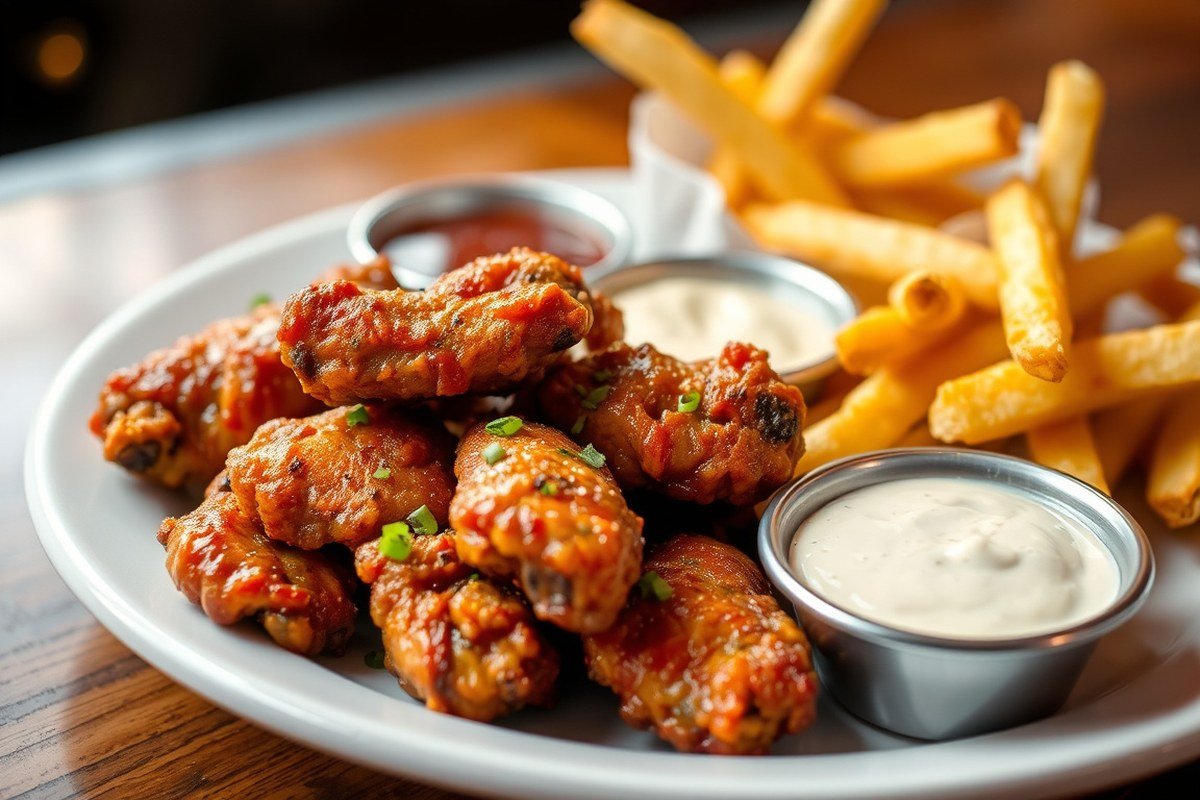
The best bar food combines popularity, flavor, ease of sharing, and a natural ability to complement drinks. Foods like buffalo chicken wings with signature hot sauces, gourmet pub burgers with unique toppings, and spiced lamb meatballs with creamy tzatziki dip top many customers’ lists. These options are not only flavorful and satisfying but also offer an experience that improve the time guests spend at your bar. Serving items that are easy to eat without utensils, like finger foods or small plates, encourages socializing and keeps people engaged.
Popularity matters since the foods most customers order create a reliable base for your menu. According to a Ranker survey, staples such as chicken wings, sliders, fries, and nachos remain favorites. These foods provide a salty or spicy punch that naturally stimulates thirst, making them perfect for pairing with beer, cocktails, and wines. Salt and fat in bar snacks increase drink consumption, helping you boost sales. At the same time, offering meaty alternatives like lamb meatballs or specialty hot dogs meets demand for more substantial snacks, appealing to diverse tastes.
Bar food should be shareable to foster a communal atmosphere. Small portions meant for sharing invite groups to order multiple plates, encouraging longer visits and increased drink orders. For example, a platter of assorted wings or a sampler board of mini burgers offers variety without overwhelming any one guest. Keeping preparation straightforward ensures that kitchen staff can produce dishes quickly, reducing wait times and improving the overall customer experience.
Pairing is another reason why the best bar foods succeed. Foods with strong flavors can stand up to the bitterness of IPAs or the sweetness of fruity cocktails. The carbonation and acidity in many drinks cut through the richness of fried or spicy foods, balancing the palate. Offering combinations that highlight this contrast, for instance, smoked wings with a citrus-based beer, creates a memorable pairing that encourages repeat visits.
Cost-effectiveness also plays a role in why certain bar foods fare best. Finger foods and small plates typically cost less to produce while allowing you to price them attractively. Keeping menu items affordable brings in more customers and increases spontaneous food orders. This upselling potential directly impacts your bar’s revenue by increasing both food and drink sales.
For bars with limited kitchen space or staff, selecting simple, quick-to-prepare items is important. Items that require minimal cooking time and use versatile ingredients reduce labor costs and operational complexity. On the other hand, bars wanting to stand out might introduce gourmet or unique twists on classic dishes to attract a clientele looking for more than standard fare.
In short, the best bar food delivers popular, shareable, and flavorful choices that make guests want to linger. Matching the food to your drink lineup ensures it complements and improve the overall drinking experience. Balancing cost, preparation demands, and customer preferences will help you choose dishes that not only satisfy your patrons but also maximize your bar’s profitability.
How Bar Food improve the Drinking Experience
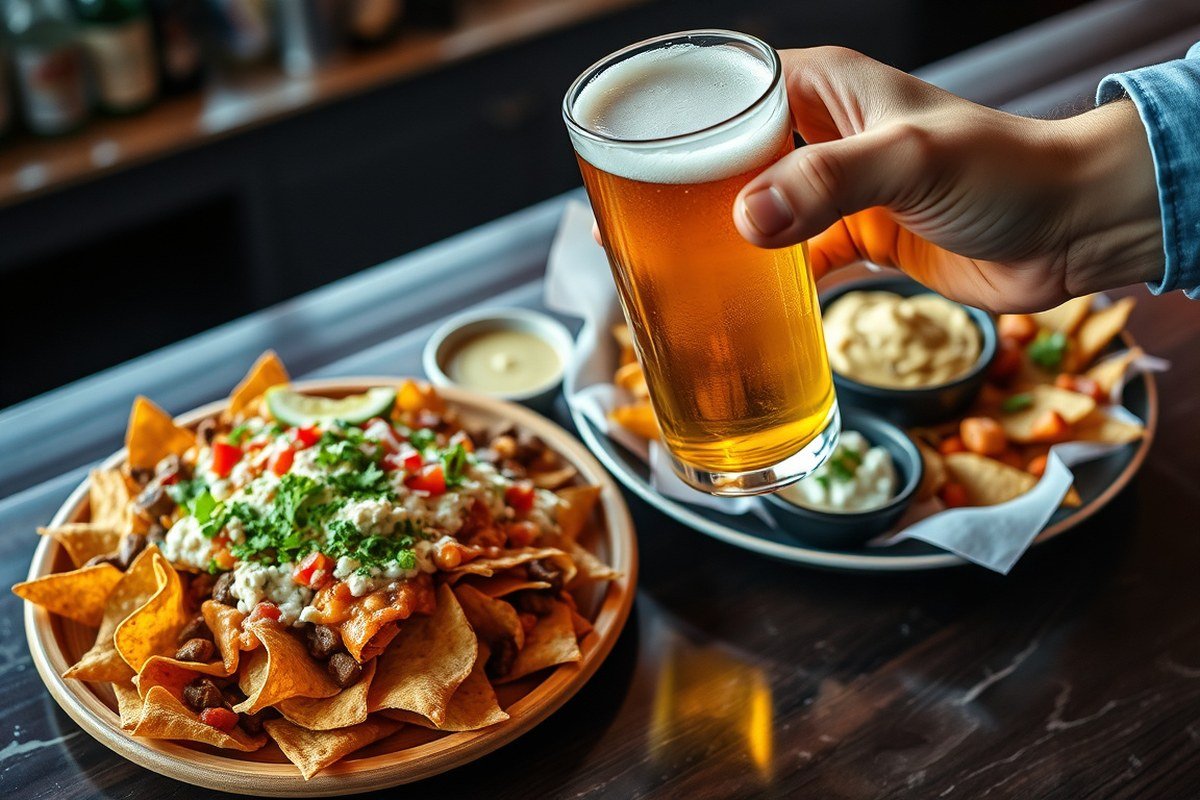
Serving bar food encourages customers to stay longer and order more drinks by creating a more satisfying and social atmosphere. Hot, salty foods stimulate the palate and increase thirst, naturally leading to higher drink consumption. For example, offering a large plate of pretzels or spicy chicken wings invites guests to snack slowly and linger, turning a short visit into an extended experience. Bars that focus on portion sizes that require more time to eat, such as sharing platters or sliders, also keep customers seated longer, which can boost overall sales.
The texture and flavors of bar foods play a big role in complementing alcoholic beverages. Crunchy and crispy items, like fried pickles or nachos, contrast well with smooth or bitter drinks, making each sip feel fresher. Salty and savory flavors intensify the taste of beer and cocktails, helping those drinks stand out. For instance, tangy barbecue sauce on ribs can balance out the sweetness of a craft IPA, producing a more dynamic flavor experience that encourages customers to order a second round.
Hot and salty foods work well in bars because they trigger natural thirst cues in the body. Salt raises sodium levels, prompting drinkers to reach for beverages to balance out the intake. Warm foods, such as spicy sliders or melted cheese dips, add comfort and satisfy hunger in a way that feels indulgent without being too heavy. This combination keeps people coming back to the bar rather than leaving early or switching to only drinks. It also makes it easier to pair drinks with food, as temperature and saltiness help flavors meld, creating an enjoyable taste journey throughout the visit.
Designing bar menus with a focus on foods that support drink sales involves strategic portion sizes and thoughtful ingredient choices. You can price smaller shareable items affordably, encouraging groups to order multiple plates while they enjoy conversation and cocktails. Offering a variety of salt levels and spice intensities can cater to different preferences and improve the drinking experience for a broader audience. Investing in quality ingredients and timely preparation pays off by increasing customer satisfaction and return visits.
Avoid overloading the menu with greasy, heavy foods that can make guests feel sluggish or discourage them from ordering drinks.
Most Popular Classic Bar Foods and Their Variations
Classic bar foods are staples for a reason, they’re simple, tasty, and easy to share. These dishes often involve fried items, bold flavors, and comforting ingredients that pair well with drinks. Variations let you tailor to your crowd, from spicy wings to loaded fries, offering something for every taste.
Buffalo Wings and Flavor Twists
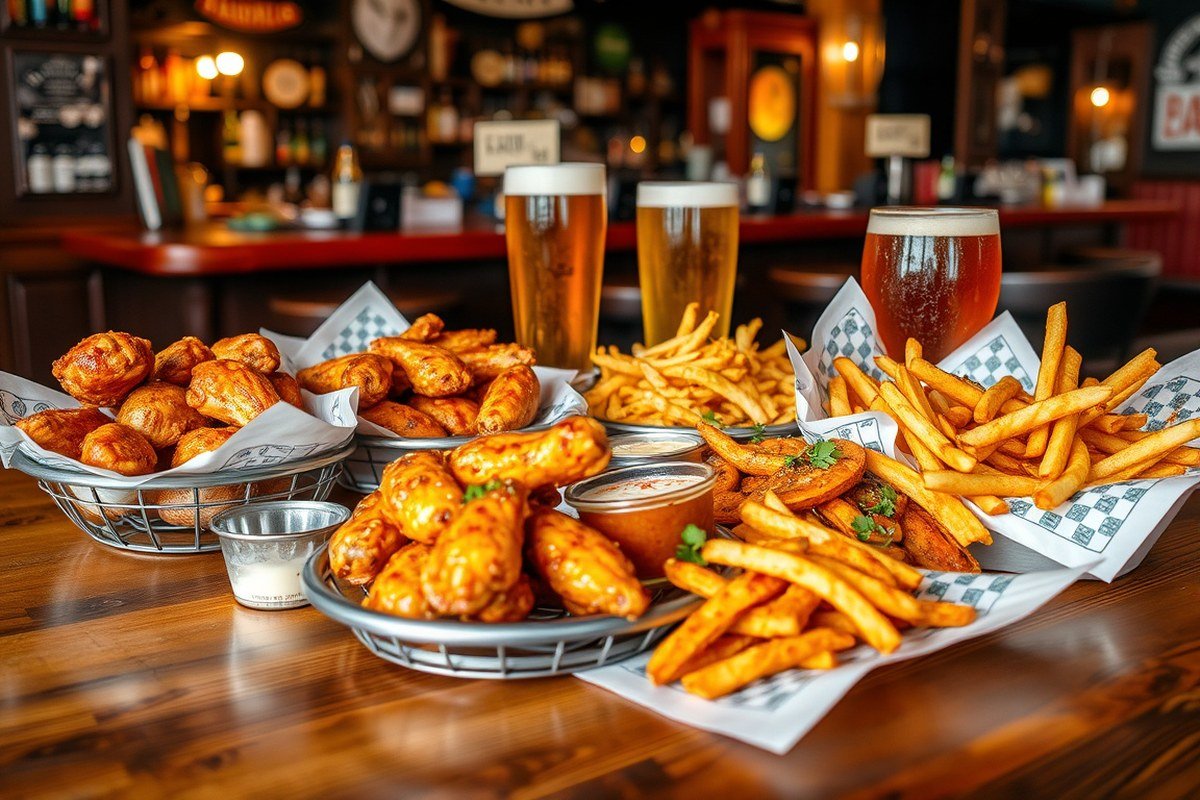
Buffalo wings remain the gold standard of bar foods. They combine crispy fried chicken wings with a tangy, spicy sauce that excites the palate. Their appeal lies in finger-friendly portions and a flavor profile that balances heat and vinegar bite. You can keep them classic with a traditional hot sauce or put your own spin on them.
For example, glazing wings with honey and balsamic vinegar or pomegranate molasses provides a sweet and tangy variant that still delivers a punch but adds complexity. These variations may take about 10 to 15 minutes longer to prepare since the glaze requires simmering. Wings usually cost around $1.50 to $2.50 per piece in ingredients, with good margins for bars.
Loaded Fries and Potato Skins
Fries and potato skins are easy to prepare and satisfy cravings for salty crunch. Loaded versions featuring melted cheeses like cheddar or Gouda, plus toppings like bacon, chives, and sour cream, turn them from a simple side into a hearty appetizer that encourages sharing.
Offering a variety of loaded fries can cater to different tastes and dietary needs. For example, classic cheese fries are always popular, while vegetarian options with cheese and chives appeal to those avoiding meat. Preparation mainly involves frying potatoes to 350, 375°F for about 4 to 6 minutes, then adding toppings right before serving.
- Cheddar and bacon cheese fries with green onions
- Gouda cheese fries topped with fresh chives
- Spicy jalapeño and pepper jack cheese fries
- Sour cream and chive loaded potato skins
- Vegetarian cheese fries with melted Gouda and chives
Loaded fries cost roughly $1.00, $1.50 per serving in ingredients and offer strong profit margins due to their popularity and low prep time.
Dips and Shareable Appetizers
Shareable dips like hummus, spinach artichoke dip, and salsa trios complement many bar menus by offering a lighter, healthier option. They encourage socializing by making it easy for groups to snack together. Pairing them with tortilla chips or veggie sticks expands appeal and adds texture contrast.
Offering a unique salsa trio, such as pineapple salsa, chipotle salsa, and cucumber salsa, provides variety and keeps the familiar tortilla chip fresh and interesting. These dips generally take 10 to 15 minutes to prepare and cost about $0.75 to $1.25 per serving, depending on ingredients.
Cheese-Filled Favorites Like Mozzarella Sticks
Mozzarella sticks are another classic fried option that never goes out of style. The promise of hot, gooey cheese inside a crispy breaded shell makes them a crowd-pleaser. Preparing them requires frying at 350, 375°F for 3 to 4 minutes until golden brown, followed by serving with marinara or ranch dips.
Variations on mozzarella sticks can include using different cheeses like provolone or adding herbs and spices to the breading for extra flavor. These cost around $0.50 to $0.75 per piece in ingredients, with quick cooking times making them ideal for fast service bars.
Quick and Easy Bar Foods for Fast Service
Fast-paced bars need food that can be prepared and served quickly without sacrificing quality. Foods like fries, sliders, and nachos are staples because they require minimal prep and cook time, often under 10 minutes from order to plate. These dishes use bulk ingredients, which reduces labor costs and makes it easier to serve many customers during busy hours.
Choosing bar foods with simple cooking methods such as baking, grilling, or frying helps maintain speed and consistency. For example, oven-baked fries only need to be tossed with oil and seasoning, then cooked around 425°F for 15 to 20 minutes, producing a crispy, satisfying snack with little hands-on time. Sliders can be prepared in batches, kept warm, and assembled quickly with pre-sliced toppings.
- Prep bulk ingredients in advance, like seasoned fries or pre-portioned slider patties.
- Use equipment that speeds up cooking, such as convection ovens or grills with multiple zones.
- Keep sauces and toppings ready to go in squeeze bottles or small containers for fast assembly.
- Train staff to multitask, for example, cooking fries while prepping sliders to optimize kitchen flow.
- Incorporate simple skewers grilled to order, offering a fast, flavorful, and relatively healthy option.
- Focus on foods that hold well for short periods, like nachos topped at service time to prevent sogginess.
Maintaining quality with fast prep foods involves monitoring temperature and timing closely. Overcooked fries or dry sliders can turn customers away quickly, so use timers and check food visually before serving. Adjust pricing based on complexity: cheaper ingredients and simple dishes should be affordable, while slightly more complex items justify a higher price to maintain margins.
Offering a few comfort classics like grilled cheese sandwiches paired with a warm tomato soup can add a cozy choice that still meets fast prep demands. Desserts that require minimal preparation, like fried dough with optional ice cream, also fit well into a quick-service bar setting. Bars that efficiently manage quick and simple food options often see increased customer satisfaction and sales during peak times.
Pairing Bar Foods with Beers, Cocktails, and Wines
Pairing bar foods with drinks improves customers’ enjoyment and can boost sales. Matching flavors that complement or balance each other makes the taste experience more satisfying and can highlight qualities in both the food and the drink. Knowing how to pair foods with popular beer styles, cocktails, and wines lets you craft menus that keep guests ordering and happy.
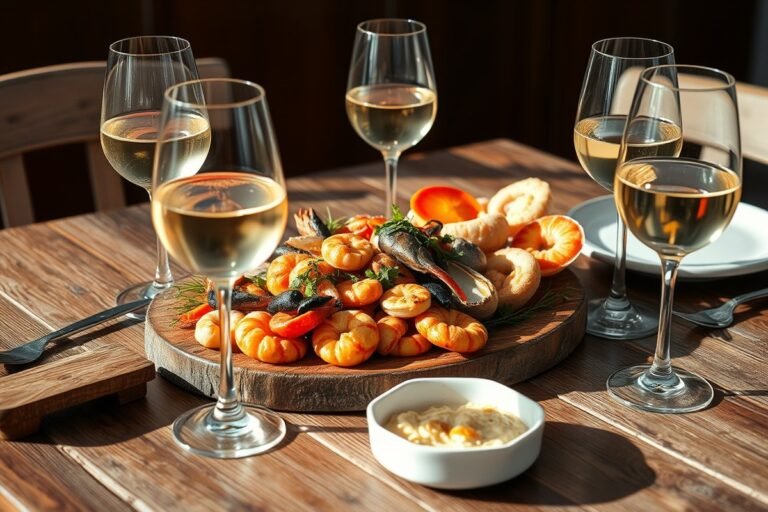
When pairing bar food with beers, consider the beer’s body, bitterness, and flavor profile. Light beers like pilsners and wheat beers work best with lighter foods such as salads or simple sliders, which won’t overpower the beer’s delicate taste. Darker, more strong beers like stouts and IPAs match richer or spicier foods, such as chicken wings or nachos, because their bold flavors stand up to strong seasonings or fats. For cocktails, foods with bold or salty flavors like gourmet tacos or charcuterie boards pair well because they balance the cocktail’s sweetness or acidity. With wines, stick to well-known pairings and menus that feature your best-selling bottles. Cheese platters and charcuterie are classic wine partners that improve the wine’s nuanced flavors while offering a shareable option.
| Drink Type | Recommended Bar Food | Flavor Profile Match |
|---|---|---|
| Light Beers (Pilsner, Wheat) | Salads, Sliders | Delicate, refreshing pairings avoid overpowering beer |
| Dark Beers (Stout, IPA) | Chicken Wings, Nachos | Strong, spicy or fatty foods stand up to bold flavors |
| Cocktails | Charcuterie Boards, Gourmet Tacos | Bold, salty foods balance sweetness and acidity |
| Wine | Cheese Platters, Charcuterie | Classic pairings highlight wine’s nuanced flavors |
Use this quick decision rule for pairing: match drink intensity and flavor strength with the bar food’s richness and seasoning. Light drinks call for simple or fresh dishes; heavier drinks pair with hearty, spicy, or savory foods. This approach keeps flavors balanced and prevents one element from overshadowing the other. Crafting your menu in this way takes time upfront but saves frustration from poor pairings and improves customer ratings.
Experimentation in your setting matters. Rotating tap beers or seasonal cocktails invite seasonal bar food specials that highlight the fresh ingredients and play with contrasts or complements. Quality ingredients and consistent preparation ensure the food does not detract from the drink experience. Adding shareable items like sliders or cheese boards encourages social dining and increases average ticket size.
Be careful when pairing dark beers with rich foods, they can quickly overwhelm lighter palates and lead to clashing flavors if not balanced properly.
Creating Profitable Bar Food Menus: Pricing and Planning
To price bar foods competitively and profitably, start by calculating your food cost percentage. Aim for food costs around 25% to 30% of the menu price to maintain healthy margins. For example, if a dish costs you $2 to prepare, pricing it between $6 and $8 creates a 3:1 markup ratio. This balance covers overhead and labor while keeping prices attractive to customers.
Menu design plays a key role in boosting food sales. Organize items to highlight best-sellers or high-margin dishes by placing them in prominent positions such as the top right or center of your menu. Use simple descriptions that emphasize flavor or unique qualities, and consider grouping items by taste profiles or pairing recommendations to encourage upselling.
Controlling food costs involves consistent inventory monitoring and portion control. Train staff to measure servings precisely and track ingredient usage daily to reduce waste. Adjust ordering based on seasonal availability and supplier pricing to keep costs low. High-demand items can bear higher prices, but avoid overpricing less popular options to prevent turning away customers.
- Set menu prices by applying a 3 to 4 times markup on direct food costs
- Highlight profitable dishes using visual cues or placement on the menu
- Include a balanced mix of high-margin snacks and satisfying meals
- Train staff on exact portion sizes and standardized recipes
- Review food cost percentage monthly and adjust prices or ingredients as needed
- Experiment with dynamic pricing during peak hours or special events
- Offer combo deals to increase average check size without hurting margins
Pricing decisions should reflect both cost and customer expectations. Bars in different markets can charge varying amounts for similar dishes; downtown urban locations may support higher prices than suburban areas. Constantly gather sales data and customer feedback to identify which items perform well and which need tweaking. Profitable menus often combine familiar favorites with a few innovative options that justify a premium.
Raising prices on deeply discounted yet popular snacks while lowering prices on less in-demand food can mimic successful supply-and-demand models. This approach encourages patrons to order higher-margin items, boosting overall revenues. Pairing menu layout with pricing strategy lets you maximize sales volume and profitability simultaneously, helping your bar stand out in a competitive scene.
Serving Bar Foods to Promote Sharing and Socializing
Serving bar food in portions and styles that encourage sharing and social interaction creates a lively atmosphere that keeps customers engaged longer. Offering small plates or finger foods arranged for easy reach invites guests to pass dishes around, fostering conversation. Choosing between individual servings and shared platters depends on the dish and the vibe you want to create.
Ideal Portions for Sharing
Portions should be manageable enough so guests can try multiple items without filling up quickly. For sharing, small plates or bite-sized finger foods work best, typically around 3 to 6 pieces per order. For example, a serving of bacon-wrapped jalapeño poppers usually includes 4 to 6 pieces, allowing a group to split them easily. Pizza slices cut into thin, smaller wedges also encourage passing and sampling. Portion sizes that are too large may discourage sharing and lead to individual consumption instead.
When designing your menu, aim for plates that cost between $5 and $12 with portions suited for 2 to 4 people. This pricing and sizing encourage guests to order several dishes, promoting a communal dining experience and increasing overall sales per table.
Plating and Presentation Tips
Presentation should make it easy to grab and pass around food. Use wooden boards, slate platters, or divided trays with separate compartments for olives, cheeses, and cured meats. Keeping items neat but accessible makes sharing more inviting and reduces mess. Including small tongs, toothpicks, or individually wrapped napkins helps maintain hygiene and encourages guests to try everything.
Improve simple finger foods like olives or cheese cubes by grouping them attractively alongside artisan breadsticks or crostini. Clear labeling of items and mild sauces or dips served separately keeps flavors distinct and reduces confusion about what guests are tasting or sharing. Bright garnishes such as fresh herbs or sliced peppers add visual appeal and hint at flavor profiles, promoting conversation about the offerings.
- Use segmented platters for varietal appetizers
- Serve dipping sauces in small ramekins rather than poured on the plate
- Provide disposable toothpicks or cocktail forks for hygiene
- Place dishes within easy reach on the table
- Use sturdy but lightweight serving boards or trays
- Label items clearly on menus or beside platters
These presentation tips help food circulate easily and encourage customers to interact through sharing and tasting.
Serving Options: Individual vs. Platters
Foods best served individually include messy items like loaded nachos or wings tossed in sticky sauces since these are easier to manage on personal plates. Individual servings cut down on cross-contamination and are often preferred during busy hours or for health-conscious patrons. Items such as mini sliders or small tacos also work well individually, so guests can pick their preferred fillings without confusion.
Platters work best for snacks designed for sharing, like cheese and meat assortments or several pizza slices. They promote group interaction as guests pick different pieces and chat about the tastes. A platter with assorted cured meats, cheeses, olives, and crusty bread encourages continuous sampling and socializing, helping keep customers longer and boosting bar revenue.
Choose serving style based on your bar’s traffic and atmosphere. Offer platters during relaxed evenings when groups linger, and individual portions during peak times for quicker turnover. Balancing both options lets you meet different customer needs while sustaining a social environment.
Healthier and Vegetarian-Friendly Bar Food Alternatives
Offering healthier and vegetarian-friendly bar food options is a smart way to serve diverse customers without sacrificing flavor. Health-conscious patrons often look for lighter dishes with fresh ingredients, while vegetarians and vegans want satisfying choices free from meat and animal products. Including these items not only attracts a wider crowd but also encourages repeat visits by adding variety to your menu.
Popular healthy bar foods tend to be easy to prepare, using simple ingredients that cook quickly and keep costs low. Dishes made with vegetables, legumes, and whole grains fit well here. For example, roasted vegetable platters, hummus with whole-grain pita, and salads with tangy vinaigrettes provide balanced flavors and textures. These options typically require less prep time than heavy fried foods, helping your kitchen stay efficient during busy hours.
- Grilled or roasted vegetable skewers served with dipping sauces
- Falafel balls or black bean sliders with fresh lettuce and tomato
- Baked sweet potato fries with a chipotle aioli
- Seasoned nuts or spiced chickpeas for quick snacking
- Vegetarian flatbreads topped with seasonal vegetables and cheese or vegan cheese
- Salads featuring quinoa, chickpeas, or lentils with citrus dressings
- Avocado toast on toasted whole grain bread with chili flakes
Keeping these alternative options flavorful means focusing on seasoning, texture, and presentation. Use herbs, spices, and acid like lemon juice or vinegar to brighten dishes. Layers of crunch from nuts or seeds add appeal and satisfy cravings for hearty bar food. When serving vegetarian or vegan dishes, offer complementary sauces or dips to boost taste and make the plate feel complete.
Label vegetarian and vegan options clearly on menus to guide customers and avoid confusion.
Costs vary depending on ingredient choices, but many healthy and plant-based bar foods rely on pantry staples such as beans, grains, and seasonal produce, making them affordable. Investing in quality fresh vegetables and spices makes a noticeable difference in flavor without breaking the budget. Good results come from menus that balance these dishes alongside classics, ensuring everyone finds something enjoyable.
For bars that want truly fast service, pre-prepping ingredients like chopped veggies or cooked beans shortens assembly time. In venues with more kitchen resources, dishes can be improve with creative plating or unique ingredient combinations. Avoid overcomplicating recipes, as this can slow down service and reduce kitchen efficiency, which patrons do not appreciate during peak hours.
Regional and Cultural Influences on Bar Food Choices
Regional tastes and cultural backgrounds heavily shape the bar food scene, creating distinct flavors and menu items that reflect local heritage. For example, in the Midwest, soft pretzels supplied by a local bakery are a popular choice due to their easy sharing and satisfying texture. Bars in the South often serve fried chicken or chicken fingers, which have a broad appeal and highlight comfort food traditions. Using local ingredients not only supports nearby producers but also lends authenticity to the menu, such as incorporating regional cheeses, cured meats, or farm-fresh vegetables into appetizers. This approach can also make bar offerings more sustainable and fresh.
Cultures from around the world contribute flavors that gain traction as bar food, expanding options beyond classic American staples. Dishes like Spanish patatas bravas, German sausages, or Italian arancini introduce customers to diverse tastes in manageable portions. In areas with a strong farm-to-table movement, bars blend traditional European dishes with local produce, offering an eclectic mix that pairs well with craft beers. Serving such culturally influenced items encourages patrons to try something new while fostering conversation and repeat visits.
Menus reflecting local culture and ingredients often achieve stronger customer loyalty. Crafting an ideal bar food menu means balancing universally loved items like chicken fingers or gluten-free options with regional specialties to suit the community’s palate. For example, a seafood shack bar near the coast might highlight fried calamari or crab cakes using catch-of-the-day seafood, which typically costs more but justifies higher menu prices due to freshness and local appeal. Bars that ignore their regional identity risk a bland, generic menu that doesn’t stand out among competitors.
Adapting cultural dishes to fit bar settings requires attention to practicality. Avoid dishes that are messy or difficult to eat while standing or mingling, such as overly saucy soups. Instead, serve finger foods or items designed for sharing, which matches the social atmosphere of bars. Offering bite-sized or hand-held versions of cultural dishes helps integrate them smooth into the menu. For example, turning a classic shepherd’s pie into mini casserole portions or skewering Greek souvlaki simplifies service and improves the guest experience.
Understanding regional and cultural influences also means being mindful of dietary trends and restrictions common in the area. Incorporating naturally gluten-free dishes or clearly marking gluten-free options allows bars to cater to a wider audience without alienating health-conscious customers. This strategy broadens appeal while maintaining the cultural authenticity of the menu.
Common Pitfalls in Bar Food Menus and How to Avoid Them
Many bars lose money by overlooking food quality and menu practicality. Serving items that are difficult or slow to prepare can lower profit margins and frustrate customers who expect quick turnaround during busy hours. Offering too many choices often causes waste and slows kitchen operations. Menus that don’t consider bar-style serving, like requiring extensive plating or utensils, add complexity and reduce efficiency.
Maintaining consistent food quality during peak times is difficult without standardized recipes and clear kitchen workflows. Improper storage or poorly trained staff often cause inconsistent flavors and unsafe food handling, driving down customer satisfaction. Customers commonly complain about greasy, cold, or bland dishes, which can hurt repeat business and overall perception of your bar’s food offerings. Use a checklist to address these frequent pitfalls and keep both efficiency and quality in balance:
- Simplify menu items to those that cook quickly (ideally under 10 minutes) and require minimal plating
- Standardize recipes with exact ingredient amounts and preparation steps to promote consistency
- Train kitchen staff in food safety, portion control, and plating techniques
- Use high-quality ingredients that hold up well when prepared in bulk or under heat lamps
- Set up food prep stations organized by task to speed production and reduce errors
- Maintain proper storage temperatures (cold below 41°F, hot above 135°F) to preserve freshness and safety
- Monitor waste closely and adjust portions or ingredients based on sales patterns to improve profitability
For bars with limited kitchen space, consider batch-cooking components during off-peak hours for fast assembly later. Bars with slower times can afford a more diverse menu but still benefit from easy-to-execute dishes. Using automated kitchen timers and communication systems can keep orders on track and maintain food quality. These steps require some investment in staff training and kitchen layout upgrades, but the payoff is higher customer satisfaction, reduced waste, and better profit margins.
Innovative Bar Food Ideas to Stand Out from Competitors
Creating signature bar food that stands out means blending familiar favorites with original twists that surprise and satisfy. Unique flavors, clever presentations, and inventive recipes help keep your menu fresh and draw in crowds looking for a new experience alongside their drinks.
Elevating Classic Favorites with Unique Toppings
Traditional bar dishes like wings, fries, and pizzas gain new appeal when topped with unexpected ingredients. For example, instead of standard buffalo sauce, develop a signature wing sauce by mixing sweet and spicy elements or adding smoky chipotle. Offering different spice levels can attract both mild and adventurous eaters. Similarly, fries topped with gourmet additions such as truffle oil, parmesan, or exotic spices create a premium feel without drastically changing kitchen processes.
In Miami, a popular snack that stands out is roasted portobello mushrooms served with artichoke-truffle mousse and parmesan. This combination embraces common bar food frameworks but adds richness and depth through complementary flavors and textures, making it a fulfilling option. Crafting these unique toppings often involves experimenting with quality ingredients that blend well and maintain quick prep times.
Keep portion sizes manageable to maintain profitability while offering bold flavors that encourage repeat orders.
- Offer multiple sauce options with precise spice levels for wings or sliders.
- Add premium cheeses like parmesan or blue cheese crumbles to fries and nachos.
- Use fresh herbs and finishing oils to brighten the look and taste.
- Incorporate unexpected proteins like roasted mushrooms or artisanal sausages.
- Customize pizzas with unique toppings such as figs, prosciutto, or smoked gouda.
The cost increase from specialty toppings usually ranges between $0.50 to $1.50 per portion, which can be justified by premium pricing and increased customer interest.
Incorporating Ethnic Flavors and Ingredients
Adding global flavors offers distinctiveness and can attract new customers eager for different culinary experiences. Ingredients like harissa, kimchi, or chimichurri add boldness to classic dishes while respecting their bar-friendly style. For example, replacing traditional ketchup with a spicy Mexican chipotle mayo or serving sliders with an Asian-inspired slaw creates intrigue without complicating the workflow.
Ethnic influences should balance with familiar tastes to avoid alienating patrons. Introduce one or two items that complement your existing menu rather than an entire ethnic overhaul. Training kitchen staff on preparation and presentation is essential, especially for ingredients that might require special handling.
- Add a Middle Eastern twist: use za’atar spices on fries or provide hummus dips.
- Offer Asian-inspired bites like bao buns or dumplings alongside classic bar snacks.
- Incorporate Latin American flavors with pulled pork sliders or street taco variations.
- Experiment with Mediterranean tapas styles featuring olives, feta, and grilled veggies.
Seasonal and Event-Themed Bar Foods
Changing your menu to reflect seasons or special occasions creates urgency and encourages visits. Incorporate local seasonal produce such as pumpkin or squash into dishes during fall, or add fresh herbs and light citrus in summer recipes. Limited-time offers showing creativity boost customer excitement and social media sharing.
Event-themed foods tied to sports games, holidays, or local festivals can increase sales and brand loyalty. For example, serve mini sliders with team colors or create a spicy chili menu during football season. Ensure these items are scalable and easy to prepare during busy events, with clear recipes to avoid inconsistency.
- Rotate toppings based on seasonal availability to keep costs low.
- Create combo deals that fit event themes, pairing drinks with featured foods.
- Use decorative plating or packaging linked to events to improve the experience.
- Communicate upcoming seasonal specials to build anticipation.
Your First 30 Days: A Quick-Start Plan to Improve Your Bar Food Game
Follow these steps to update your bar food offerings and boost customer satisfaction and profits.
- Day 1: Review your current menu and identify which bar foods sell best. Track sales and customer feedback to see what works and what doesn’t.
- Week 1: Introduce one or two healthier or vegetarian-friendly options. Monitor orders to gauge customer interest and satisfaction.
- Week 2: Test pairing popular drinks with your best bar foods. Suggest specific pairings on your menu and watch for increased sales in those combos.
- Week 3: Add a shareable appetizer or platter designed to encourage group ordering. Track if table sizes or average order amounts increase.
- Week 4: Price your new items to balance cost and profit, considering ingredients and prep time. Use sales data to adjust prices if needed.
- After 30 Days: Collect customer feedback on new items and review sales trends. Decide which items to keep, tweak, or replace based on performance.
Frequently Asked Questions
What Makes a Bar Food Item the Best Choice for Customers?
The best bar food balances taste, ease of eating, and pairs well with drinks, encouraging longer stays and higher spending. It should also be cost-effective and quick to prepare for efficient service.
How Does Offering Bar Food Impact Customer Retention?
Bar food encourages customers to stay longer and order more drinks, increasing revenue. Sharing plates and snacks create a social atmosphere that keeps groups engaged.
What Are Some Effective Ways to Price Bar Food Menu Items?
Pricing should consider food cost, labor, and demand. Track popular items and adjust prices to maximize profit without deterring customers.
How Can Bar Food Promote Socializing Among Patrons?
Items designed for sharing, like sliders or wings, foster interaction. This encourages groups to linger and enjoy communal dining experiences at the bar.
What Role Do Regional Tastes Play in Bar Food Menus?
Local preferences influence ingredient choices and dish styles, making menus more appealing by reflecting cultural food habits. Tailoring to these tastes can draw regular customers.
Why Should Bars Consider Healthier or Vegetarian Bar Food Options?
Offering healthier and vegetarian choices attracts a wider audience and meets dietary needs, helping bars stand out and increase overall sales.
Wrapping Up
Choosing the best bar food means focusing on options that pair well with drinks, satisfy cravings, and encourage sharing. Start by experimenting with menu changes and monitoring what your customers enjoy most. Taking this approach will help your bar stand out and increase sales while keeping guests happy.