What Is the Best Restaurant for a Rehearsal Dinner? A Complete Guide with Tips
The best restaurant for a rehearsal dinner balances location, menu options, atmosphere, and budget to suit your wedding style and guest needs. Choose a venue within 20 miles of where guests stay or the wedding to minimize travel and keep everyone comfortable. Prioritizing privacy, accommodating dietary preferences, and booking well in advance also ensure a smooth experience.
This advice is for engaged couples, wedding planners, and hosts aiming to find a restaurant that offers both convenience and a memorable dining experience. You’ll learn how to select the right spot, manage costs, customize menus, and avoid common pitfalls to make your rehearsal dinner enjoyable and stress-free.
Key Takeaways
- Pick a restaurant near the wedding venue or guest hotel, ideally within 20 miles, to ease transportation concerns.
- Set a rehearsal dinner budget between $40 and $150 per person based on the dining style and desired formality.
- Book your restaurant 4 to 6 months in advance, or 6 to 9 months for weddings from May to October.
- Choose venues offering private rooms to improve guest comfort and privacy during the dinner.
- Work with the restaurant to create a menu that accommodates common dietary restrictions and preferences.
- Consider casual family-style or brewery settings for more relaxed events, or upscale restaurants for formal dinners.
How to Choose the Best Restaurant for Your Rehearsal Dinner
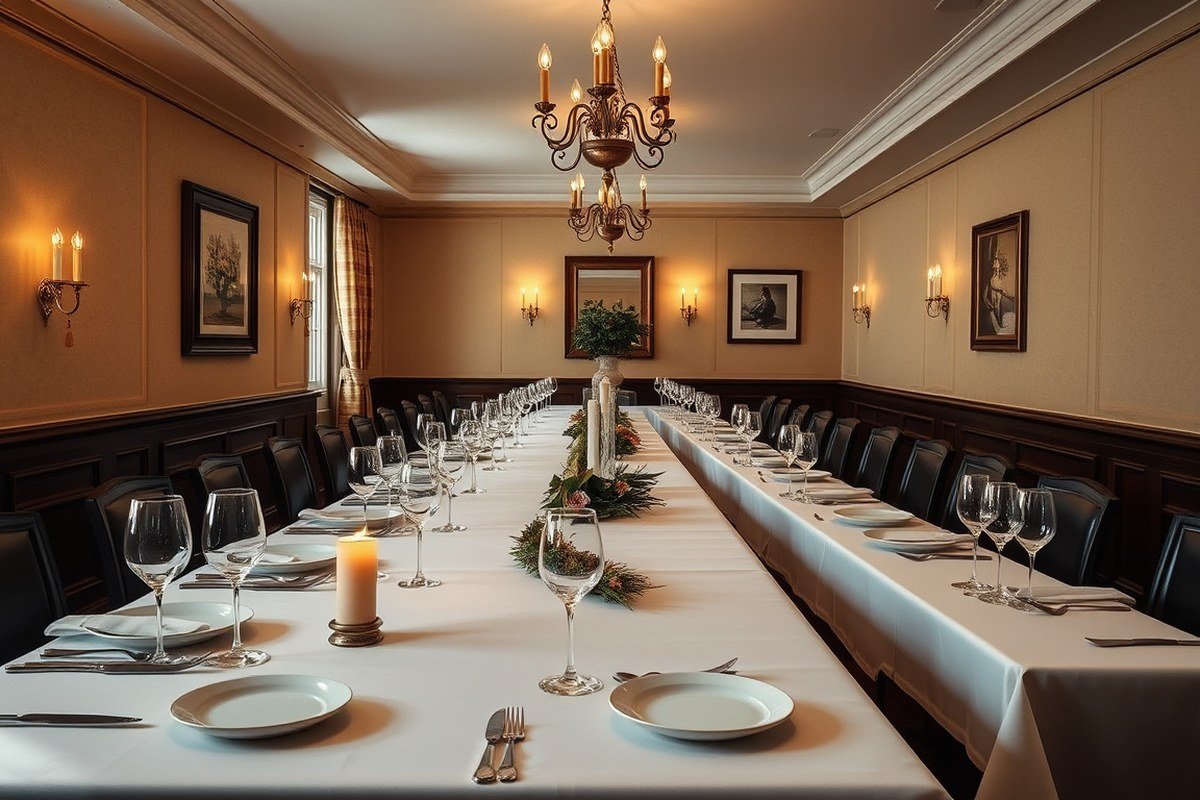
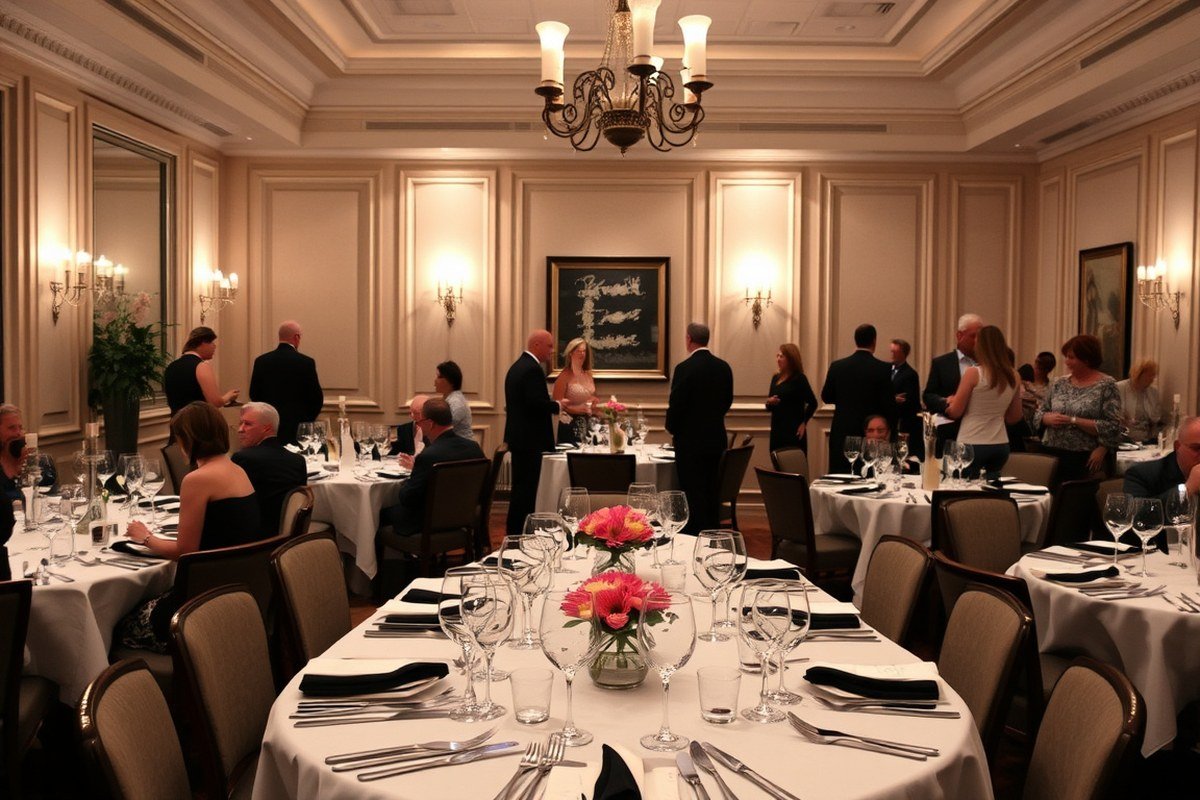
Choosing the best restaurant for your rehearsal dinner depends on aligning the venue’s atmosphere with the couple’s personalities, accommodating all guests comfortably, and securing the right level of privacy. Consider the type of restaurant and ambiance, the privacy options available, and how the space fits your guest count. These factors shape how relaxed and connected your group will feel during the celebration.
Restaurant Types by Ambiance and Meal Style
Popular restaurant styles for rehearsal dinners range from casual to upscale. A rustic or family-style restaurant offers a relaxed atmosphere, ideal for couples who want a warm, informal gathering with comfort food. On the other hand, a modern or fine dining establishment creates a more elegant setting for couples aiming for a sophisticated, black-tie welcome. Casual restaurants with diverse menus suit laid-back groups or mixed-age guests. Matching the vibe to the couple’s style and the wedding theme ensures that guests feel comfortable and the dinner flows naturally.
Meal style also influences choice. Buffet or family-style meals encourage interaction but require more space and longer service times. Plated dinners often fit better in fine dining or smaller, private rooms where service can be attentive and smoother. You can decide based on how formal or informal you want the experience and whether guests prefer variety or a set menu.
Privacy Options: Private Room, Reserved Section, Full Buyout
Restaurants typically offer three privacy formats for rehearsal dinners: a private dining room, a reserved section, or a full restaurant buyout. Private rooms provide a dedicated space shielded from other customers, offering intimacy and noise control ideal for heartfelt toasts and speechmaking. The size of these rooms varies, so verify they fit your guest list comfortably. Expect to pay a food and beverage minimum, which might be higher than ordering à la carte.
A reserved section within the main dining area works best for smaller groups under 20 guests who don’t require full seclusion. This option tends to cost less because you share the space with other diners, but noise and interruptions from outside the group can be higher. Restaurant staff may not provide dedicated service, depending on the arrangement.
A full buyout grants complete use of the restaurant for your party, ensuring total privacy and customized service. This option suits larger groups (usually 40 or more) and those wanting exclusive access to the entire venue. It’s often the most expensive option but guarantees the most control over timing, menu, space use, and décor. Compare costs carefully since some restaurants charge premium rates for buyouts.
Matching Guest Count and Space Requirements
Knowing your guest count is essential to finding a restaurant that can accommodate everyone comfortably. Small parties of under 20 often fit well at a large table or in a private room without crowding. Medium-sized groups (20-40 guests) usually require reserving a private dining room or buyout to avoid splitting the group across multiple tables or sections. Large groups over 40 typically need a full buyout or a banquet-style venue with flexible seating arrangements.
Check the restaurant’s floor plan early in the decision process to confirm seating layouts suit your needs. Consider guests’ mobility and comfort, allowing some extra space per person instead of fitting everyone tightly. Confirm that the restaurant staff can provide dedicated servers for your group, especially with larger parties, to maintain smooth coordination and service quality.
Choosing a location near your ceremony or hotel can reduce transportation hassles for guests, adding to their comfort and keeping everyone on time for the next celebration events. Keep travel within 20 miles of the main wedding venue for best results, especially for evening rehearsal dinners when guests may be tired.
Setting a Practical Budget for Your Rehearsal Dinner Restaurant
Setting a practical budget for your rehearsal dinner starts with understanding the average cost per person and then adding the extra fees that come with food, drinks, taxes, and tips. A typical rehearsal dinner in the U.S. Costs about $1,330 total, though this varies greatly depending on the restaurant and your guest list size. To set a realistic cost per person, consider the restaurant tier you’re aiming for and multiply by the number of attendees. Higher-end restaurants and private buyouts will push your budget higher. Below is a table showing typical per-person costs for rehearsal dinners across different types of restaurant settings, including potential added costs for private spaces:
| Restaurant Tier | Cost per Person | Additional Fees | Notes |
|---|---|---|---|
| Casual Private Room (Italian, BBQ, Brewery) | $40, $60 | Reservation fees may apply | Family-style, less formal |
| Mid-range Restaurant | $60, $90 | Tax & gratuity 25, 35% extra | Often no private room fee |
| High-end Restaurant or Buyout | $90, $120+ | Private room or full buyout fees add $500, $2000+ | Includes private service and high privacy |
To find your total budget, start with your chosen cost per person and add 25, 35% on top to cover drinks, taxes, and tips. For example, if you estimate $50 per person for food, adding 30% brings the total to $65 per person for all-inclusive dining. Multiply that by your guest count to get the food and beverage subtotal.
Next, check if the restaurant charges for private dining spaces or requires a minimum spend. Private room rental fees can range from a few hundred dollars to thousands depending on the size and exclusivity you want. Entire restaurant buyouts often come with a minimum spend requirement instead of a flat fee. Knowing these details upfront avoids surprises.
Always ask the restaurant to break down all fees, including tax, tip, and any space rental costs, before committing to a booking.
Use the following checklist to finalize your budget:
- Decide on the restaurant tier based on your desired style and budget.
- Estimate cost per person for food and drinks.
- Add 25, 35% for taxes and gratuities.
- Inquire about any private room rental fees or buyout minimums.
- Multiply total per-person costs by your guest count.
- Plan for a small buffer (5-10%) for unexpected extras.
When and How to Book Your Rehearsal Dinner Restaurant
Booking your rehearsal dinner restaurant at least six months before your wedding date gives you the best chance to secure your preferred venue and menu options. Signing a detailed contract early ensures both parties understand expectations, including payment, guest count deadlines, and cancellation policies. You should confirm final details and guest RSVPs about one to two weeks before the dinner, usually 72 hours prior to the event, to avoid last-minute surprises and additional charges.
Ideal Booking Timeline and Deadlines
Starting your search for a rehearsal dinner restaurant six months in advance allows you to explore venues that fit your wedding’s location, guest list size, and style. Locking in your rehearsal dinner venue soon after booking the wedding venue helps coordinate logistics smoothly. Key deadlines include submitting your final headcount typically 72 hours before the dinner and following up with any last adjustments.
Begin by identifying venues near your wedding site to reduce travel time for guests and ease the flow of events. Reserve your date as soon as you choose a restaurant, especially if your wedding falls on a popular weekend or in a busy season. Confirm your menu, décor, and service hours well ahead of time to avoid rushed decisions close to the event.
- Start researching local rehearsal dinner restaurants six months before the wedding day.
- Choose a preferred venue and contact them immediately to check availability.
- Secure the booking with a contract and deposit as soon as you decide.
- Confirm event details including time, menu, and guest capacity three months before the date.
- Share the venue information with your wedding party and key family members.
- Collect and update your guest list monthly as invitations go out and RSVPs come in.
- Give the venue your final headcount 72 hours before the rehearsal dinner.
- Confirm transportation, parking, or any other logistical details a week prior.
Key Contract Terms to Confirm in Writing
A clear, written contract is essential when booking a rehearsal dinner restaurant. The contract should outline the minimum spend or food and beverage requirements, any room rental fees, cancellation and refund policies, and deadlines for providing the final guest count. Confirm these details in writing to avoid misunderstandings and unexpected fees.
Review the cancellation policy closely. Some venues charge a percentage of your deposit if you cancel within a certain timeframe, commonly 30 to 60 days before the event. Verify whether the minimum spend includes tax and tip or if those are charged separately. Ask about the timeline for providing your final headcount, which usually must be submitted three days before the event.
Make sure any agreed-upon specials like menu customizations, private dining rooms, or special beverage requests are also included in the contract. Request a copy of the signed contract for your records immediately after signing.
Managing Guest RSVPs and Menu Finalization
Handling guest RSVPs promptly helps ensure your rehearsal dinner runs smoothly and fits your budget. Start by sending invites or notifications early enough to gather responses well before the final headcount deadline. Digital RSVP tools or wedding websites can make this easier and reduce the chance of missed replies.
Update your guest list regularly, tracking acceptances, declines, and dietary restrictions. Share this information with your restaurant or caterer at least one week before the rehearsal dinner to finalize meal counts and accommodate special requests. Clear communication helps prevent food waste and surprises on the day of the event. A simple RSVP update script to communicate with your restaurant might be:
“Hello [Manager’s Name], We are confirming the final guest count for our rehearsal dinner on [date]. We have [number] attending, including [vegetarian/gluten-free/allergy] guests. Please let us know if you need any additional information. Thank you.”
Location Considerations for Your Rehearsal Dinner Venue
Choosing a rehearsal dinner location close to either the ceremony site or the main guest accommodations simplifies logistics for everyone invited. Since the rehearsal usually happens the night before the wedding and follows the ceremony rehearsal, selecting a venue within a short drive, ideally under 15 minutes, reduces stress and travel time. For example, hosting the dinner at the same location as the ceremony allows the wedding party to familiarize themselves with the venue and practice walking routes. This convenience can smooth the flow on wedding day and ensures the rehearsal dinner doesn’t feel rushed or disconnected from the larger celebration.
When most guests are traveling from out of town, prioritize a restaurant near their hotel blocks or near the ceremony venue, especially if those hotels are clustered. This approach respects guests’ time and comfort by minimizing shuttle or taxi costs and the hassle of figuring out unfamiliar directions. A convenient location encourages early attendance and relaxed pacing, important factors when many people will have already spent part of the day traveling. Providing clear directions and estimated travel times can help guests plan accordingly.
Transportation options are key when the rehearsal dinner location is not within easy walking distance. Offering a coordinated shuttle or rideshare credits can make the difference between a smooth evening and guests arriving late or stressed. Consider your budget and the size of your guest list; professional shuttle services can cost between $400 and $800 for a few hours but cover multiple guests efficiently. For smaller groups, arranging carpools or partnering with a local taxi service might suffice. Ensure all transportation details are communicated well in advance to avoid confusion.
Planning the timing to ease travel on rehearsal day involves coordinating the dinner shortly after the rehearsal itself, usually beginning within 30 to 60 minutes after completion. This timing gives guests and the wedding party a break to refresh without rushing. When your rehearsal and dinner venues are nearby, you can keep this interval brief. When the venues are farther apart, allow extra travel time and consider starting the rehearsal earlier to avoid a late evening. This balance helps guests maintain energy without feeling overwhelmed.
Decision-making about location depends heavily on your specific wedding context. When your ceremony site also serves as a welcome spot for guests, hosting the rehearsal dinner there saves time and adds familiarity. In cases where families and friends are spread across multiple hotels or neighborhoods, select a central restaurant near the majority’s accommodations. For weddings in urban areas, using local restaurant guides can help find suitable options near the venue that serve your group size and style. For smaller, intimate groups, convenience still matters but may allow more flexibility in location choice.
In some scenarios, weather can affect travel plans, particularly if the event is outdoors or involves walking between venues. Having a backup indoors or covered dining area ensures travel delays don’t spoil the evening. Communicating these contingencies to guests reassures them and prevents stress at the last minute. Careful choice of location, planning transportation, and managing the schedule combine to make the rehearsal dinner smooth and enjoyable.
Customizing the Menu and Accommodating Guests’ Needs
Choosing the right menu format for a rehearsal dinner depends on the atmosphere you want to create and the size of your guest list. Family-style menus work well for casual celebrations and relaxed-elegant dinners, allowing guests to share dishes like flatiron steak au poivre or Southern Kugel. Plated or tasting menus suit formal dinners at steakhouses or fine dining venues, giving a more sophisticated, structured experience with multiple courses. Buffets are a classic, but they may slow down the flow if you want a more intimate setting. Consider a flexible menu style that matches your restaurant’s vibe while encouraging interaction and comfort among your guests.
Accommodating dietary restrictions is essential to ensure everyone enjoys the meal without worry. Start by collecting guest information about allergies, gluten intolerance, vegetarian or vegan diets, and any religious dietary laws well ahead of time. Confirm with the restaurant that they can handle these needs, including kosher and gluten-free options, which many fine dining and upscale venues offer. It helps to provide a varied menu with at least one vegetarian, one gluten-free, and one allergy-friendly dish to cover most bases. Communicate these requirements directly to the chef or event coordinator to avoid mishaps.
When it comes to drinks, coordinating beverage options that suit your rehearsal dinner style and budget is key. An open bar is popular, especially for formal or relaxed-elegant dinners, but it can significantly increase your costs, typically adding $20 to $40 per person depending on the drink selection and duration. Limited bar packages with beer, wine, and one or two signature cocktails help control expenses. For casual dinners, a beer and wine-only selection or a themed cocktail can complement the food and keep the event laidback. Discuss with your venue their drink offerings, corkage fees if bringing your own, and any minimum spend requirements for beverage service.
Get dietary details from your guests at least a month before the dinner and confirm the restaurant’s accommodation policies in writing to prevent last-minute issues.
Here’s a quick checklist to help: start with your guest count and dinner style, choose a menu format that fits the restaurant’s environment and your theme, gather dietary restrictions early, verify menu flexibility and allergy accommodations with the restaurant, and finalize drink options balancing guest preferences and budget. These steps help you create a thoughtful menu and beverage plan that respects your guests’ needs and improve the overall rehearsal dinner experience.
Maximizing Privacy and Service Quality at Restaurants
Ensuring exclusivity and excellent service during your rehearsal dinner hinges on choosing the right space and staffing at the restaurant. Private dining rooms offer the most privacy, letting your guests enjoy a quiet, intimate atmosphere without the distractions of a bustling restaurant. These rooms come with dedicated servers, improving the timing of food service and avoiding competition with busy bars or other tables.
| Feature | Private Dining | Shared Space |
|---|---|---|
| Privacy Level | Complete (separate room, no outsiders) | Partial or none (mixed with other guests) |
| Service Staff | Dedicated servers focused on your group | Shared staff serving multiple tables |
| Noise Level | Low, controlled environment | High, ambient restaurant noise |
| Customization Options | Menu and decor tailored; special touches like toasts undisturbed | Limited; must work around restaurant’s standard setup |
| Cost Range (per person) | $60, $90, mid-tier to upscale options including private dining fees | Often less, but sacrifices privacy and focused attention |
| Booking Flexibility | Requires advance reservation, often with a deposit | Easier to book short notice; less control |
Dedicated staff in private dining rooms boost the experience by being exclusively attentive to your rehearsal dinner guests. This means timely dish delivery, accommodating last-minute requests, and facilitating smooth transitions between courses and speeches. You can ask the restaurant to provide a service plan tailored to your event, such as discreet wine refills, coordinating with you for toasts, or arranging a special dessert presentation. These touches improve the evening beyond a typical dinner.
Customization matters because the rehearsal dinner is often where close friends and family connect closely. Restaurants with private dining allow you to personalize ambience, whether adding floral arrangements, themed table settings, or audio equipment for music and speeches. If privacy isn’t a priority or budget is tight, a shared space might work, but expect the atmosphere to be livelier and less controlled. Advance discussions with restaurant staff about your priorities, guest count, and special needs ensure the service matches your vision with minimal surprises.
Creative Restaurant Rehearsal Dinner Ideas to Impress Guests
Choosing a creative theme for your restaurant rehearsal dinner makes the event memorable and enjoyable for everyone. Beyond just eating, think about how the setting, food, and entertainment can reflect your style together with the atmosphere you want to create. This encourages interaction, adds personal touches, and gives guests a unique experience before the wedding day.
Seasonal and Regional Cuisine Themes
Picking a menu centered around seasonal ingredients or regional favorites adds freshness and variety to your rehearsal dinner. Seasonal menus typically showcase produce at its peak, offering the best flavors and quality at a reasonable cost. For example, a spring menu might include asparagus and peas, while fall menus highlight root vegetables and squash.
Regional cuisine can emphasize your heritage or the wedding location’s local culture, creating a meaningful connection for guests. Southern barbecue, New England seafood, or Southwest-inspired dishes bring authenticity and a sense of place to the table. Work with the restaurant chef to select dishes that suit the season and cater to your guests’ tastes and dietary needs.
Decor and Ambiance Enhancements
Improving the restaurant’s existing décor can transform the space and tie it into your rehearsal dinner theme. Simple touches like candles, floral arrangements, or string lights add warmth without requiring major alterations or high costs. Choose colours and styles that match the wedding palette for a consistent flow from rehearsal to ceremony.
Consider arranging tables for easy conversation, round tables promote interaction, while long banquet tables create a communal feel. If the restaurant allows, small décor details such as custom napkins, menu cards, or table runners personalize the setting while reinforcing the theme. Talk to the restaurant about what’s possible in terms of hanging decorations or music volume to avoid surprises on the day.
Engaging Activities and Entertainment Options
Adding entertainment improve the rehearsal dinner from a simple meal to an event. Live music like a jazz trio or acoustic guitarist creates a relaxing atmosphere and encourages mingling. For a casual vibe, consider interactive elements such as a wine tasting or a build-your-own taco bar that involve guests in the dining experience.
Games or toasts provide another way to engage guests, especially in a smaller group setting. Coordinate with the restaurant to ensure a microphone or speaker system is available if needed and keep timing in mind to avoid interrupting dinner service.
- Hire a local musician or small band suited to your theme
- Schedule short speeches or toasts after dinner
- Set up a photo booth with props matching the theme
- Include a tasting flight sampler menu element
- Organize light games like wedding trivia or “guess the couple’s story”
The right mix of food, décor, and interactive entertainment creates a rehearsal dinner that stands out and feels truly personal. Creativity often means adapting to the restaurant’s features and working closely with staff to bring your vision to life smoothly and within budget.
Avoiding Common Mistakes When Selecting a Rehearsal Dinner Restaurant
Booking a rehearsal dinner restaurant too late is a common mistake that often leads to limited options and higher prices. To prevent this, start researching and contacting venues at least three to six months before your wedding date. Early inquiries give you ample time to compare availability, menus, and pricing without pressure, especially during popular wedding seasons.
Not clarifying costs upfront frequently causes surprises. Ask the restaurant for a detailed quote including taxes, service charges, and any minimum spend requirements. Confirm whether prices include extras like appetizers, drinks, or gratuity. This avoids unexpected bills that can throw off your budget and create tension with guests or hosts.
Always request a written contract outlining all agreed details to protect against last-minute changes or misunderstandings.
Communication issues can arise if you don’t keep both the restaurant and guests informed. Share the final guest list, menu choices, and dietary restrictions with the venue well in advance, ideally two to three weeks before the event. Confirm how the restaurant handles food allergies and special dietary needs. Meanwhile, update your guests promptly with time, location, dress code, and parking info.
- Start venue research 3, 6 months early.
- Request an itemized cost breakdown with all fees.
- Confirm guest count and special requirements 2, 3 weeks before the event.
- Ask for a written contract signed by both parties.
- Communicate menu and scheduling info clearly with guests.
- Verify restaurant policies on cancellations and refunds.
- Plan for transportation or parking details to share with attendees.
Common fixes include choosing a flexible venue with clear cancellation policies, which can save money if plans change. For group accommodations, verify that the restaurant can comfortably seat your party without crowding. Check that the space offers privacy if you want a quieter atmosphere. Discuss timing carefully to avoid overlaps with other bookings or kitchen constraints, aiming to finalize the schedule at least one month ahead. Creating a simple communication script for the restaurant can help. For example:
“Hello, this is [Your Name], the contact for the rehearsal dinner on [Date]. We expect approximately [Number] guests. Please confirm the menu options include vegetarian and gluten-free choices. Can you provide a detailed invoice including taxes and gratuity? Also, confirm your cancellation policy and arrival time restrictions. Thank you.” This direct approach reduces errors and ensures everyone understands expectations well before the event, making the evening more enjoyable and stress-free for everyone involved.
Quick-Start Action Plan for Choosing Your Rehearsal Dinner Restaurant
Follow these steps to find a restaurant that fits your rehearsal dinner style, budget, and guests’ needs.
- Month 3 Before: Set a realistic budget for the rehearsal dinner to narrow the restaurant options. Confirm your budget is feasible by comparing average prices in your area.
- Month 2 Before: List preferred restaurant types and locations based on guest convenience. Check travel times to ensure most guests can arrive easily.
- 6 Weeks Before: Contact restaurants to inquire about private dining options and menu customization. Confirm availability matches your guest count and preferred date.
- 1 Month Before: Schedule tasting or menu review appointments to tailor dishes and accommodate dietary restrictions. Confirm the restaurant can meet all dietary needs.
- 3 Weeks Before: Book the restaurant and secure your reservation with a deposit or contract. Verify your booking confirmation to avoid last-minute issues.
- 2 Weeks Before: Finalize guest list and communicate any last-minute tips or details to the restaurant. Ensure the restaurant has an accurate headcount and seating plan.
- 1 Week Before: Confirm arrangements including menu, seating, and any decor or special service requests. Call the restaurant to double-check key details.
- Day Before: Remind guests of the rehearsal dinner time and location to ensure smooth attendance. Confirm transportation plans with key attendees if needed.
Frequently Asked Questions
What Is the Best Type of Cuisine for a Rehearsal Dinner Restaurant?
The best cuisine depends on your and your guests’ tastes. Choose something broadly appealing or meaningful to you as a couple to create a memorable dining experience that feels personal and enjoyable for everyone.
Can You Negotiate Group Discounts for Rehearsal Dinners at Restaurants?
Yes, many restaurants offer group discounts or set menus for large parties. Contact the manager early to discuss your headcount and budget for potential savings and customized options.
Is It Better to Have a Rehearsal Dinner at the Wedding Venue or a Separate Restaurant?
Either can work well; a restaurant offers less setup stress and variety in food, while a venue can be convenient for keeping everyone in one location. Consider what fits your schedule and guest comfort best.
How Far in Advance Should I Finalize My Rehearsal Dinner Menu with the Restaurant?
Finalize your menu at least two to three weeks before the event. This allows time for adjustments, special dietary needs, and ensures the kitchen can prepare for your expected guest count properly.
Can We Bring Decorations to Personalize Our Rehearsal Dinner Space at a Restaurant?
Many restaurants allow some decorations if they’re easy to set up and remove without damage. Confirm with the manager what’s permitted to personalize your space tastefully.
What Are Common Hidden Costs to Watch for When Booking a Rehearsal Dinner Restaurant?
Service charges, taxes, corkage fees for outside alcohol, and gratuities can add up. Ask for a detailed estimate upfront to budget accurately and avoid surprises.
Wrapping Up
Choosing the best restaurant for your rehearsal dinner means balancing style, budget, and guest needs with clear communication and timely planning. Starting with a solid budget and location shortlist can quickly focus your search. The next step is to reach out to your top restaurant picks early to check availability and menu options so you can lock in the perfect spot without stress.