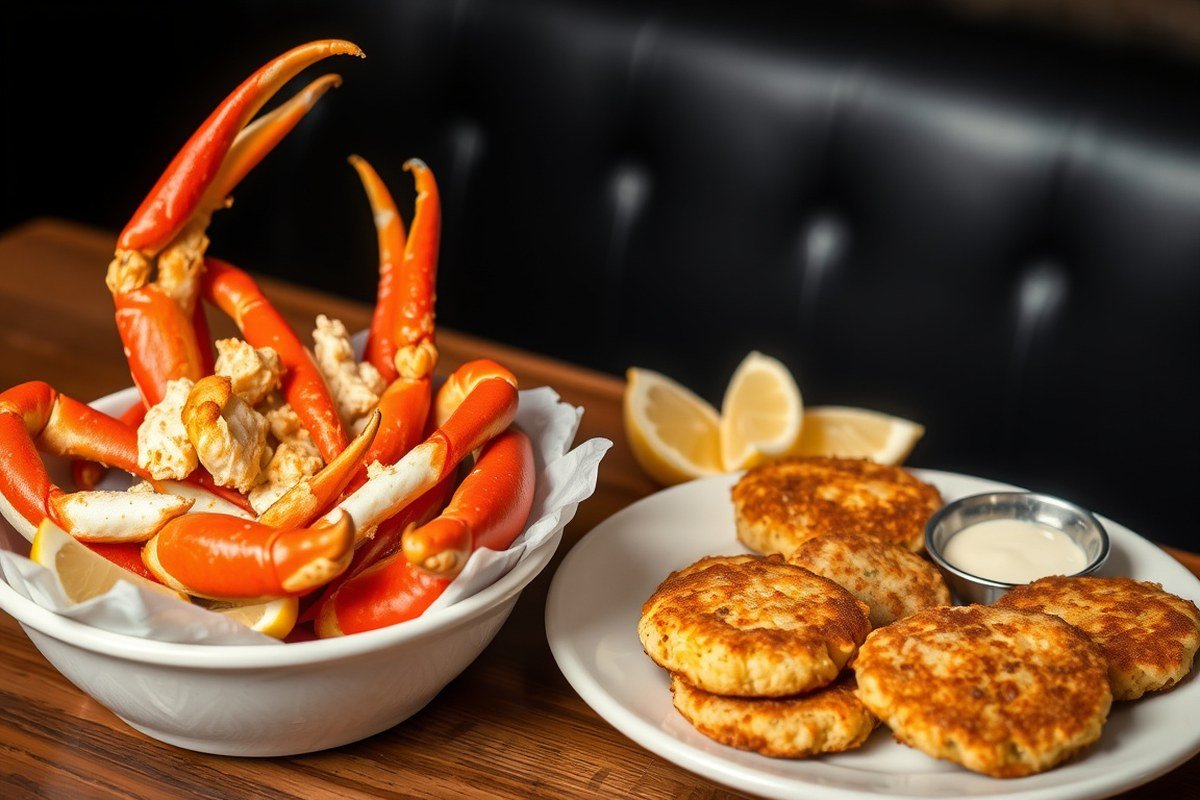
What Is the Difference Between Crab Legs and Crab Cakes? A Complete Guide
Crab legs are whole leg segments of crab, known for their sweet, tender meat, while crab cakes are patties made from flaked crab meat mixed with seasonings and binders, often pan-fried or baked. The main difference lies in form and preparation: crab legs serve as a straightforward seafood option, whereas crab cakes transform crab meat into a seasoned dish with added ingredients. You’ll find this useful if you want to know how these two popular crab dishes differ in taste, texture, and cooking methods.
This information helps seafood enthusiasts and home cooks choose the right crab dish for their taste and occasion. Understanding the distinctions between crab legs and crab cakes will improve your cooking decisions, from selecting crab types to knowing how to prepare and store each one.
Key Takeaways
- Crab legs come as intact segments with natural sweet flavors, while crab cakes combine crab meat with seasonings and binders for a more complex taste.
- King crab legs are large and meaty, ideal for serving as-is, whereas snow crab legs are smaller and better suited for lighter dishes.
- Crab cakes typically use lump crab meat from species like blue crab or Dungeness, offering subtle flavor variations.
- Cooking crab legs requires boiling or steaming to 145°F for optimal texture, while crab cakes need pan-frying or baking to achieve a crispy crust.
- Crab legs offer higher meat-to-shell ratios, especially king crab legs, which can range from 60% to 75% meat content.
- Costs vary significantly; king crab legs might reach $50-$100 per pound, whereas crab cakes depend on the price of fresh crab meat and added ingredients.
Key Differences Between Crab Legs and Crab Cakes
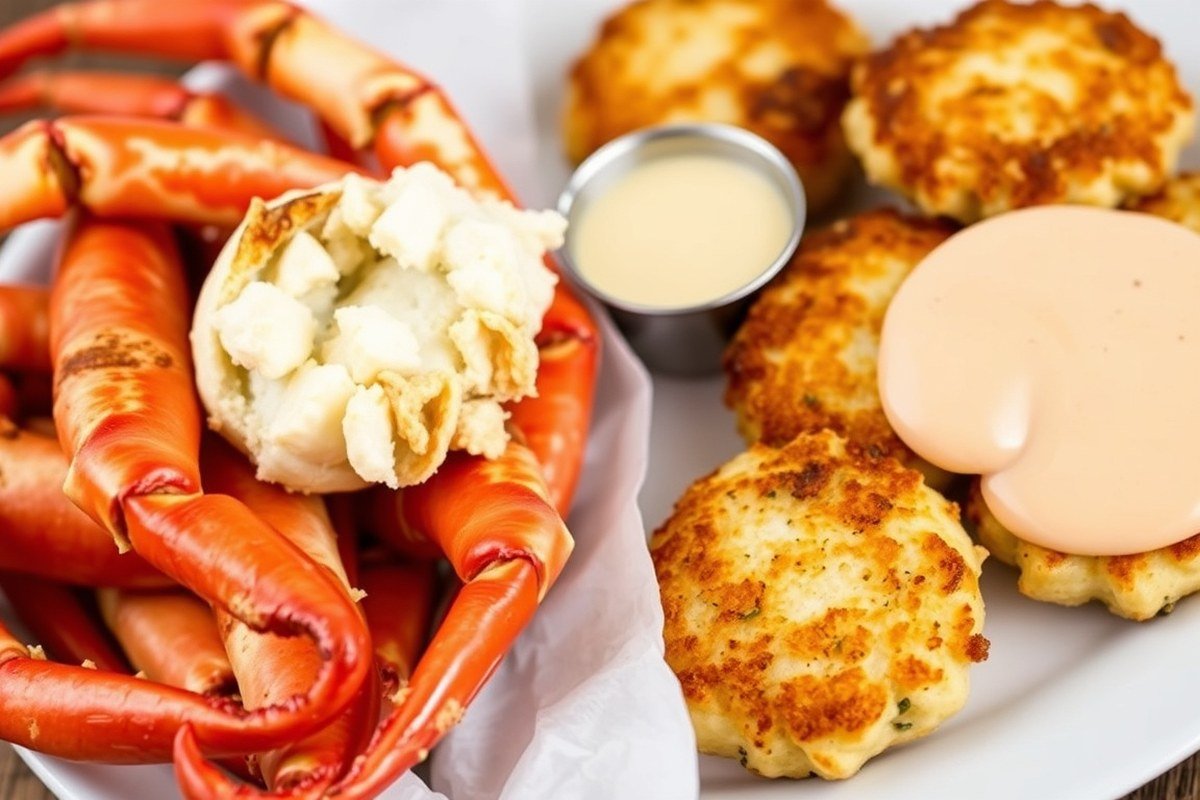
Crab legs and crab cakes differ mainly in form and composition. Crab legs are large sections of crab limbs, often from king or snow crabs, served mostly as whole segments of shell and meat. Crab cakes are patties made by combining lump or claw crab meat with other ingredients like eggs, breadcrumbs, and seasonings. The legs offer pure crab meat in its natural shape, while cakes transform the crab meat into a mixed, shaped dish.
The ingredients mark a clear distinction. Crab legs consist almost entirely of crab meat, typically steamed or boiled and served with butter or dipping sauces. The eating experience involves cracking open the shell to extract the meat, which is sweet and tender in chunks. On the other hand, crab cakes include additional binders and flavorings such as eggs to hold the patty together, breadcrumbs for texture, and herbs and spices like Old Bay seasoning, especially in Maryland-style recipes. This transforms the crab meat into a cohesive, fried or baked dish with a crusty exterior and a softer interior.
Eating crab legs is straightforward but hands-on; you break the shells using tools or your hands to get to the large, firm pieces of meat inside. This makes for a more interactive and leisurely meal focused on the pure taste and texture of the crab meat itself. Crab cakes offer a more convenient and unified eating experience, usually served as finger food or with a knife and fork. Their flavor combines the crab’s sweetness with the seasoning and the crispy outer layer, making them a rich, flavorful bite without needing shell-cracking.
The physical experience of eating crab legs often involves a bit more effort and time since extracting the meat requires skill and patience. The larger meat chunks, especially from king crab legs, create a luxurious feel and taste. Crab cakes simplify this process by delivering crab meat ready to eat within a cooked patty, perfect as an appetizer or main course without the mess of shells.
These differences matter when deciding what type of crab dish to enjoy. Crab legs highlight the pure seafood flavor and texture and are worth the extra effort at the table, especially for crab enthusiasts seeking a fresh seafood experience. Crab cakes cater to those who want crab’s flavor blended with additional ingredients and prefer a dish that is easier to eat in a social or casual dining setting.
Types of Crab Used for Legs and Cakes
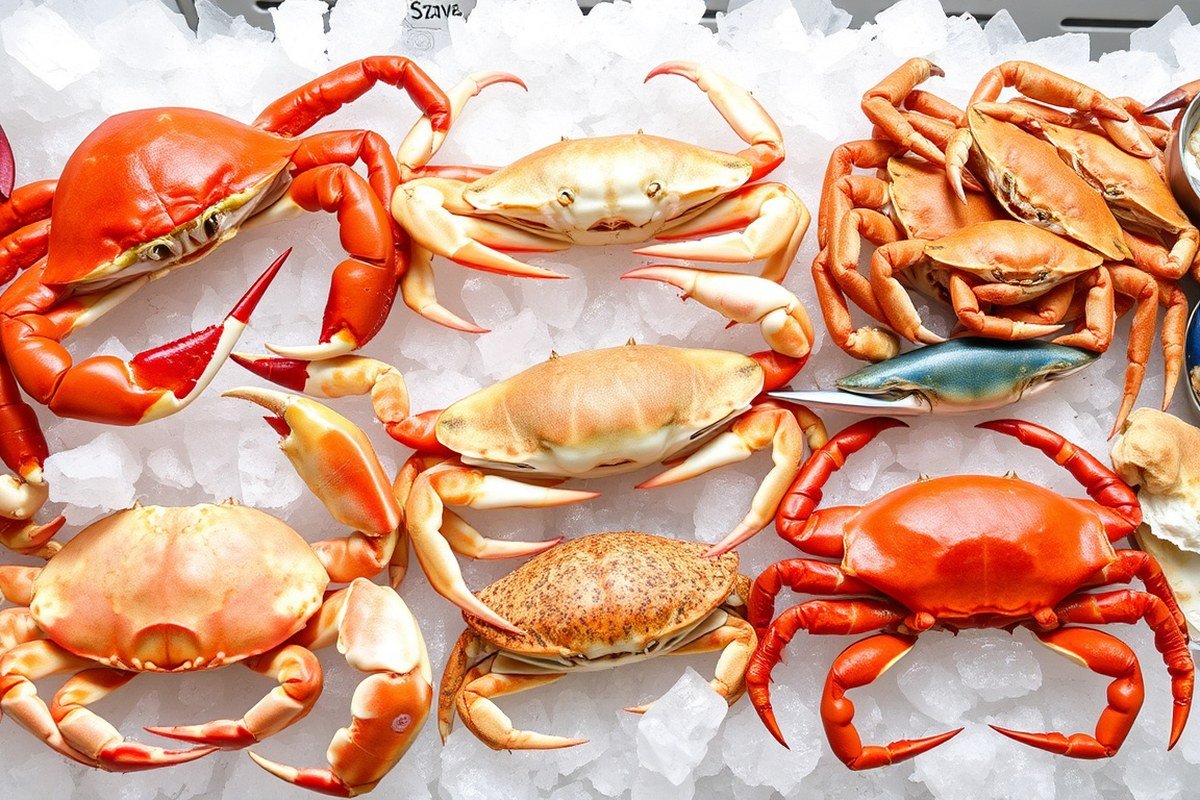
Crab legs commonly come from larger crab species like king crab and snow crab, prized for their sizable, flavorful leg meat. Crab cakes, on the other hand, typically feature meat from smaller species such as blue crab or Dungeness crab, which have sweet, delicate meat better suited for this preparation style. The choice of crab depends on the texture and ease of meat extraction desired.
King Crab and Snow Crab Legs
King crab and snow crab are the top species used for crab legs due to their large, meaty claws and legs. King crab legs are especially sought after because of their impressive size and high meat-to-shell ratio, sometimes reaching 75%, which means you get more edible meat per pound. Snow crab legs are smaller with thinner shells, making them easier to crack and extract meat from but slightly less meaty compared to king crab. Both types are typically sold pre-cooked and frozen, ready to be heated to about 145°F, which is ideal to preserve flavor and tenderness. These crabs’ legs offer a hands-on eating experience with notable texture differences, king crab legs have firmer, denser meat, while snow crab legs offer a slightly sweeter and more delicate bite.
Blue Crab and Dungeness in Cakes
Blue crab is most popular for crab cakes, especially along the Eastern seaboard. Its smaller size and sweet, tender meat make it ideal for extracting large chunks required for the signature flaky texture of Maryland-style crab cakes. Gulf Coast crab cakes might include blue crab mixed with other species like stone crab or even king crab meat to vary the flavor and texture.
On the West Coast, Dungeness crab is a preferred choice for crab cakes due to its sweet flavor and ample meat suitable for forming into cakes. This species is generally smaller than king and snow crab but provides enough firm yet delicate meat pieces that hold together well during cooking.
Regional Species and Usage
Regional preferences strongly influence which crab species are used in legs or cakes. Eastern states favor blue crab for cakes and enjoy leg offerings mostly from snow crab or imported king crab. Along the Pacific Northwest and Northern California, Dungeness crabs dominate local crab cake recipes, favored for their sweet, rich meat and availability.
Choosing the crab species depends on the desired end product: large, showy legs for a celebratory meal or versatile meat for creating flavorful, textured crab cakes. Species size, meat yield, and ease of extraction all play roles in these regional culinary choices.
| Crab Species | Common Use | Meat Characteristics | Size | Price Range (per pound) | Shell Thickness |
|---|---|---|---|---|---|
| King Crab | Legs | Firm, dense, high meat-to-shell ratio (60-75%) | Very large | $50-100 | Thick |
| Snow Crab | Legs | Delicate, sweet, easier to crack than king crab | Medium | Moderate | Thin |
| Blue Crab | Crab cakes | Sweet, tender, flaky | Small | Lower | Thin |
| Dungeness Crab | Crab cakes | Sweet, firm, ample meat | Medium | Moderate | Medium |
| Stone Crab | Crab cakes (Gulf Coast) | Sweet but tougher meat | Medium | Moderate to high | Medium |
Knowing which crab species works best for your dish helps ensure the right texture and flavor. King and snow crab excel for legs due to their larger size and firm meat, offering a different eating experience compared to smaller species prized in cakes. Matching your crab choice to your recipe goals improve your seafood enjoyment.
Tip: Avoid undercooking crab legs by heating them to an internal temperature of at least 145°F to keep the meat tender and safe to eat.
Preparation and Cooking Differences
Crab legs and crab cakes require distinct preparation and cooking methods that highlight their textures and flavors differently. Crab legs are usually pre-cooked and only need reheating, while crab cakes involve mixing fresh crab meat with ingredients and cooking the formed patties. The choice of tools, timing, and technique depend on these differences and impact the final taste and texture.
Steaming or Boiling Crab Legs
Crab legs come pre-cooked, so the main goal is to heat them through without drying out the meat. Steaming or boiling preserves moisture and improve the natural sweetness. Steaming is generally preferred because it prevents the crab legs from becoming waterlogged, which can happen slightly with boiling if they aren’t drained properly.
When steaming, a pot with a fitted lid and a steaming basket or rack is necessary. Boiling requires a large pot filled with salted water. Both methods are quick, usually taking 5 to 7 minutes since the legs are already cooked. Overcooking makes the meat tough and rubbery, so timing is important.
Mixing and Forming Crab Cakes
Crab cakes begin with fresh or thawed crab meat, combined with binders and seasonings to hold the patties together and add flavor. Common ingredients include mayonnaise, eggs, breadcrumbs or cracker crumbs, mustard, and spices like Old Bay seasoning. The goal is a mixture moist enough to hold together but not so wet that it falls apart during cooking.
Proper mixing and gentle handling maintain the lumpiness of the crab meat, which keeps the texture delicate. Forming patties light and evenly sized affects cooking consistency, too large may cook unevenly, too small may fall apart.
- Pick through crab meat to remove shells and cartilage.
- Combine crab meat with binders (e.g., egg, mayonnaise) and seasoning in a bowl.
- Gently fold in breadcrumbs to achieve a slightly sticky texture.
- Divide mixture evenly, shaping into 3 to 4-ounce patties about 1 inch thick.
- Place formed patties on a plate or tray, chill for at least 30 minutes to firm up.
Cooking Techniques for Crab Cakes
Cooking crab cakes typically involves pan-frying, baking, or broiling. Pan-frying in a lightly oiled pan yields a crisp, golden crust with a tender interior. Baking is a healthier option but may not produce as crisp a crust unless finished with broiling. Broiling gives extra color and crunch but needs close attention to avoid burning.
Cooking time ranges from 4 to 6 minutes per side or about 15 to 20 minutes total if baking at 375°F. A golden-brown crust signals doneness. Avoid overcooking, which leads to dryness and tough texture. Use a nonstick pan or moderate heat to control browning without burning.
- Heat a skillet over medium heat with 1 to 2 tablespoons of oil or clarified butter.
- Place chilled crab cakes gently in the pan, leaving space between them.
- Cook for 4 to 6 minutes without moving until the bottom is golden brown.
- Carefully flip and cook the other side for another 4 to 6 minutes.
- Check for firm texture and internal temperature of at least 145°F to ensure safety.
- Remove crab cakes and drain on paper towels before serving.
Flavor and Texture Profiles Compared
Crab legs offer a clean, subtly sweet seafood flavor and a firm, fibrous texture that is distinct from the softer, seasoned profile of crab cakes. The taste and mouthfeel differences come down to the type of meat used, the crab species, and the added ingredients and cooking methods involved in crab cakes, which transform the pure crab taste into a more complex dish.
Natural Flavor Differences by Crab Species and Meat Type
Crab leg meat tends to showcase the pure oceanic taste of the crab, which varies by species. For example, snow crab legs have sweet, delicate flesh with a tender texture, making them easy to pull apart for eating straight from the shell. Dungeness crab legs offer a richer, buttery flavor with firmer meat, while king crab legs present large, substantial chunks of sweet crab that can be enjoyed with minimal seasoning.
In contrast, crab cakes mostly use lump meat, large, white muscle chunks from the crab’s body or claws, which has a cleaner and less fibrous texture than leg meat. Jumbo lump crab meat is favored for premium crab cakes because it holds together well and provides large bites of crab flavor without excessive stringiness. The choice of meat greatly affects how the texture feels in your mouth, as leg meat fibers run longer and create a more fibrous bite, while lump meat melts softly in crab cakes.
Texture Contrasts Between Pure Leg Meat and Mixed Crab Cakes
The texture of crab legs stands out because it is firm and stringy, with long meat segments that give a satisfying chew. This is due to the muscle fiber alignment in the crab’s legs, which creates a natural “pull-apart” feel. Eating crab legs is an experience focused entirely on the fresh meat without additional fillers, so the texture remains uncluttered and focused.
Crab cakes, however, combine crab meat with binders like breadcrumbs, mayonnaise, and eggs, which create a creamy, soft interior distinct from the chewiness of legs. The addition of these ingredients and cooking methods such as pan-searing or broiling develops a crisp crust that contrasts with the moist cake inside. A good crab cake balances the flaky texture of the crab meat with the tender cake mixture, avoiding toughness or sogginess.
Impact of Added Ingredients on Crab Cake Flavor
Ingredients mixed into crab cakes influence both flavor and mouthfeel significantly. Mayo and egg add creaminess that softens the raw crab taste while helping bind the cake. Including mustard or Worcestershire sauce introduces tang or umami, which can improve but sometimes overpower natural crab flavor. Spices and fillers such as onions, bell peppers, and herbs add layers of flavor and texture, but they dilute the pure crab taste compared to eating legs.
The key to making crab cakes that highlight the crab meat is careful seasoning and quality crab. Using high-grade lump crab with just enough binders preserves the shellfish’s flavor while creating a pleasing texture. Over-mixing or using too many strong ingredients masks the delicate sweetness that crab legs naturally showcase. Cooking method also plays a role; pan-searing at medium heat preserves moisture and creates a golden, flavorful crust without drying the interior.
Preparation Effects on Final Taste and Texture
The handling of crab meat before cooking influences both flavor and texture. Frozen crab meat, commonly used for cakes, needs thorough thawing and draining to remove excess moisture, preventing sogginess. Handling the meat gently maintains lump integrity, which preserves the appealing texture and bite in crab cakes. Overworking the mixture breaks down crab lumps, resulting in a pasty texture and less distinct crab flavor.
Cooking crab legs usually involves steaming or boiling, techniques that preserve the natural sweetness and firm texture of the meat. Crab cakes are best cooked by pan-searing or broiling, which develops a crispy crust that contrasts with the tender cake inside. Avoid overcooking either form or the meat can become rubbery or dry, detracting from the eating experience.
Cost and Nutritional Considerations
Crab legs tend to be more expensive than crab cakes, mainly due to the cost of raw crab meat and the type of crab. King crab legs are the priciest, sometimes costing double the price of snow crab legs, which offer a more budget-friendly alternative with similar taste qualities. Crab cakes, in contrast, often use lump crab meat that is mixed with binding agents and fillers, which can lower the overall price per serving compared to pure crab leg meat.
Nutrition-wise, crab legs provide a high-protein, low-fat option rich in vitamins and minerals because they consist mostly of pure shellfish meat. Crab cakes contain bonding ingredients like mayonnaise, eggs, and breadcrumbs, which add calories, fat, and carbohydrates. These added ingredients typically increase the calorie count compared to crab legs alone. Using minimal filler and binding agents results in crab cakes that approach the nutrient profile of crab legs, but heavier filler use changes this balance noticeably.
| Type | Price Range (approx. Per pound) | Calories (per 4 oz serving) | Key Nutritional Notes |
|---|---|---|---|
| King Crab Legs | $25 – $35 | 120 | High protein, low fat; premium seafood |
| Snow Crab Legs | $15 – $20 | 100 | Good protein source; more affordable |
| Maryland-Style Crab Cakes (with minimal filler) | $12 – $18 | 200 – 250 | Includes binder (mayonnaise, eggs), higher fat and calories |
| Filler-Heavy Crab Cakes | $8 – $12 | 250+ | Higher carbs and calories due to breadcrumbs; less crab meat |
The price difference reflects more than just the crab meat itself; the convenience and preparation elements in crab cakes contribute to their cost efficiency. Choosing crab legs offers the purest form of crab nutrition and flavor but usually at a higher cost. If trying to control calories or fat intake, consider crab legs or crab cakes with a low filler ratio. Binding agents in crab cakes can influence moisture retention and texture, but too much filler shifts the dish away from the nutritional profile of pure crab.
Practical Tip: Use a gentle folding motion when combining crab cake ingredients to maintain the delicate texture and avoid overworking the binding agents, which helps prevent tough cakes and controls moisture retention.
Regional and Cultural Variations in Crab Cakes
Traditional Maryland crab cakes stand out for their emphasis on high-quality crab meat with minimal fillers. The piecing together relies mostly on large chunks of delicate blue crab meat, lightly bound by a mixture of mayonnaise, mustard, and a small amount of breadcrumbs or cracker crumbs. Seasonings are subtle, often limited to Old Bay seasoning, salt, and pepper, to showcase the crab’s natural sweetness without overpowering it. You’ll find these crab cakes pan-fried to a golden brown, usually measuring about 3 to 4 inches in diameter and served simply with tartar sauce or a squeeze of lemon. The simplicity of this style matters because it highlights the freshness and quality of local Chesapeake Bay crabs, making it a standard by which many other crab cakes are judged.
On the West Coast, crab cakes tend to reflect the availability of Dungeness crab, known for its sweet, slightly firmer meat. These cakes often incorporate more fillers and binders than the Maryland versions, such as celery, bell pepper, green onion, and a more generous use of mayonnaise or eggs. The seasoning can be bolder and may include garlic, fresh herbs like parsley or cilantro, and even a bit of chili for heat. West Coast crab cakes also sometimes feature panko breadcrumbs, which create a lighter, crunchier crust when baked or fried. These regional differences result from both the texture of Dungeness meat, which needs a bit more support to hold together, and the diverse culinary influences of the area, encouraging more experimental flavors.
Beyond the United States, crab cakes take on a wide range of globally inspired variations that borrow ingredients and techniques from other cuisines. Caribbean versions might incorporate jerk spices, fresh lime juice, and scotch bonnet peppers, creating a vibrant, spicy profile that contrasts with the sweetness of the crab. In Southeast Asia, crab cakes may be flavored with lemongrass, ginger, fish sauce, and fresh herbs like cilantro and mint, often paired with dipping sauces made from soy or chili. These adaptations show how crab cakes can carry the essence of their local seafood while embracing the spices and condiments that define other culinary traditions. Experimenting with these styles involves adjusting the binding agents and letting those bold spices shine without overwhelming the crab’s delicate taste. For home cooks, this means using smaller crab cakes, about two to three inches wide, to maintain a crisp exterior and tender interior in smaller, more intensely flavored bites.
Choosing Between Crab Legs and Crab Cakes
Choosing between crab legs and crab cakes depends mainly on your occasion, budget, skill level, and taste preferences. Crab legs often suit occasions where you want a straightforward, impressive seafood experience. They require less preparation, usually just boiling or steaming for 5 to 7 minutes, and highlight the pure flavor of crab meat, especially with varieties like king crab or Dungeness. Crab legs are naturally rich in protein, vitamins, and minerals, making them a healthy option. On the downside, eating crab legs can be a bit messy and requires tools to extract the meat, which might not suit every dining style.
Crab cakes, on the other hand, are ideal when you want a versatile dish that can be customized with different fillings and seasonings. Preparing crab cakes involves mixing fresh crab meat with binders like mayonnaise or egg plus seasonings and minimal fillers, especially in Maryland-style cakes that focus on pure crab flavor. You’ll spend extra time shaping and pan-frying or baking them for about 4 to 6 minutes per side, so consider your cooking skill and available time. Crab cakes typically fit more casual or family-style meals and are easier to eat with a fork, making them a less messy offering than crab legs.
Budget plays a key role in deciding between the two. Crab clusters, which include legs, body, and claws, can sometimes offer better value per pound compared to legs alone, making them a smart choice for cost-conscious seafood lovers. If cost is a bigger concern, Jonah crab legs can offer good quality at a lower price than king crab. Crab cakes often require pure crab meat, which can be pricier, especially when using fresh, high-quality crab instead of imitation or frozen meat. Making crab cakes at home can be more economical if you buy crab meat in bulk, but eating them at restaurants may cost more per serving due to accompanying ingredients and preparation.
Your dining style influences this choice too. Crab legs shine at formal dinners, where the experience revolves around savoring crab’s natural briny taste with minimal distractions. Crab cakes lend themselves well to parties and buffets where guests prefer finger foods or you want to offer sauces that complement but don’t overpower the crab’s flavor. For casual dining or if you want to feed a crowd quickly, crab cakes are easier to portion and serve. For an authentic regional experience, select Maryland crab cakes known for their clean crab taste or try Pacific Northwest Dungeness crab legs for a pure seafood treat.
Use this simple decision rule to decide: Pick crab legs if you want a classic, less processed crab experience that highlights the meat’s natural flavor and fits a more formal or simple meal. Opt for crab cakes when you prefer a prepared dish that’s easy to share, allows flavor variation, and fits casual or social settings. Weigh your budget and skill level too, crab legs demand minimal cooking but some effort with shells, while crab cakes need time and practice but are less messy. Balancing these factors will help you select the right crab dish for your occasion and preferences.
Tips for Storage, Safety, and Serving
Store crab legs in the coldest section of your fridge, around 32°F to 38°F, to maintain freshness. Use fresh crab legs within 1 to 2 days after buying. For frozen crab legs, ensure they are fully frozen and free from freezer burn, like ice crystals or tough spots on the shell. Refrigerate crab cakes right away, whether raw or cooked, and eat them within 2 days. You may freeze raw crab cakes for extended storage, but freezing cooked ones again can reduce their texture and taste.
Spotting spoilage in crab legs includes dull, discolored shells or black spots, and in crab cakes, a sour smell or a slimy texture signals they should be discarded. These signs matter because seafood can harbor bacteria that cause foodborne illness if not handled properly. Always thaw frozen crab legs by moving them to the refrigerator overnight rather than leaving them at room temperature. For crab cakes, keep them well chilled until cooking.
- Store crab legs in a sealed plastic bag in the fridge or freezer to maintain moisture
- Use within 1, 2 days refrigerated; freeze for up to 6 months
- Keep crab cakes refrigerated and consume within 2 days; freeze raw crab cakes if needed
- Thaw crab legs overnight in the fridge, not on the counter
- Check crab meat for fresh, mild seafood smell before cooking or serving
- Cook crab cakes thoroughly until internal temperature reaches 165°F
- Let crab cakes rest a few minutes after cooking for best texture
Serve crab legs hot with clarified butter and fresh lemon wedges to complement the natural sweetness of the meat. Pairing them with crusty bread lets you soak up all the flavorful drippings. For crab cakes, a traditional presentation includes a lemon wedge, saltine crackers, and condiments like tartar sauce or remoulade. Offering a variety of sauces lets guests customize their taste. Resting cooked crab cakes for a couple of minutes improves the texture by allowing juices to settle inside. Avoid overmixing crab cake ingredients beforehand to keep the meat tender and distinct.
Always cook crab cakes until they reach an internal temperature of 165°F to ensure they are safe to eat.
Your Quick-Start Plan for Choosing and Enjoying Crab Legs or Crab Cakes
Use this simple plan to pick the best crab dish for your meal and prepare it with confidence, whether you want crab legs or crab cakes.
- Today, Identify Your Preference: Decide if you want the pure, sweet flavor and tender texture of crab legs or the savory, seasoned mix of crab cakes. Choose crab legs for simplicity, crab cakes for variety.
- Within 24 Hours, Source Quality Crab: Buy fresh or properly frozen crab legs or lump crab meat for cakes from a trusted seafood market. Confirm freshness by smell and appearance, no fishy odors or discoloration.
- Before Cooking, Prepare Correctly: For crab legs, plan to steam or boil gently to keep meat moist; for crab cakes, mix with minimal filler and season well, then pan-fry or bake until golden. Cook times will vary by size, so watch carefully.
- At Serving, Pair Thoughtfully: Serve crab legs with drawn butter and lemon wedges for dipping; complement crab cakes with tartar sauce or remoulade. Presentation heightens enjoyment and flavor balance.
- After Eating, Store Leftovers Safely: Refrigerate any cooked crab within two hours in a sealed container, and consume within 2, 3 days to ensure safety and quality.
Frequently Asked Questions
What Makes Crab Legs Easier to Eat Than Crab Cakes?
Crab legs come in natural segments you crack open, while crab cakes are cooked patties requiring utensils, making legs simpler to enjoy by hand. Legs also let you savor pure crab meat without added ingredients.
How Does the Freshness of Crab Legs Compare to That of Crab Cakes?
Fresh crab legs are often sold cooked and frozen, preserving their natural flavor, while crab cakes are typically made fresh or frozen and reheated, which can affect texture and taste quality.
Are Crab Legs or Crab Cakes Better for Meal Prep?
Crab cakes store and reheat better for meal prep, offering a ready-to-eat option, while crab legs require immediate serving to keep meat tender and moist.
Can Crab Legs and Crab Cakes Be Substituted for Each Other in Recipes?
They aren’t directly interchangeable due to texture differences; crab legs suit dipping and shell-eating, while crab cakes work as handheld entrees or sandwiches.
Why Do Regional Crab Cake Recipes Vary so Much More Than Crab Leg Preparations?
Crab cakes reflect local culinary traditions, spice blends, and crab varieties, while crab legs typically retain their natural flavor with minimal seasoning.
Does the Size Difference Between King Crab Legs and Snow Crab Legs Affect Cooking Time?
Yes, larger king crab legs usually need longer cooking or reheating than smaller snow crab legs to reach 145 degrees safely for eating.
Wrapping Up
Knowing the difference between crab legs and crab cakes helps you pick the best option for your taste and cooking style. Start with buying good-quality crab, then choose the cooking method that suits your time and skills. Your next step is to try cooking each one once to discover which you prefer firsthand.





One Comment