What Is the Difference Between Ribeye and Sirloin: A Complete Guide
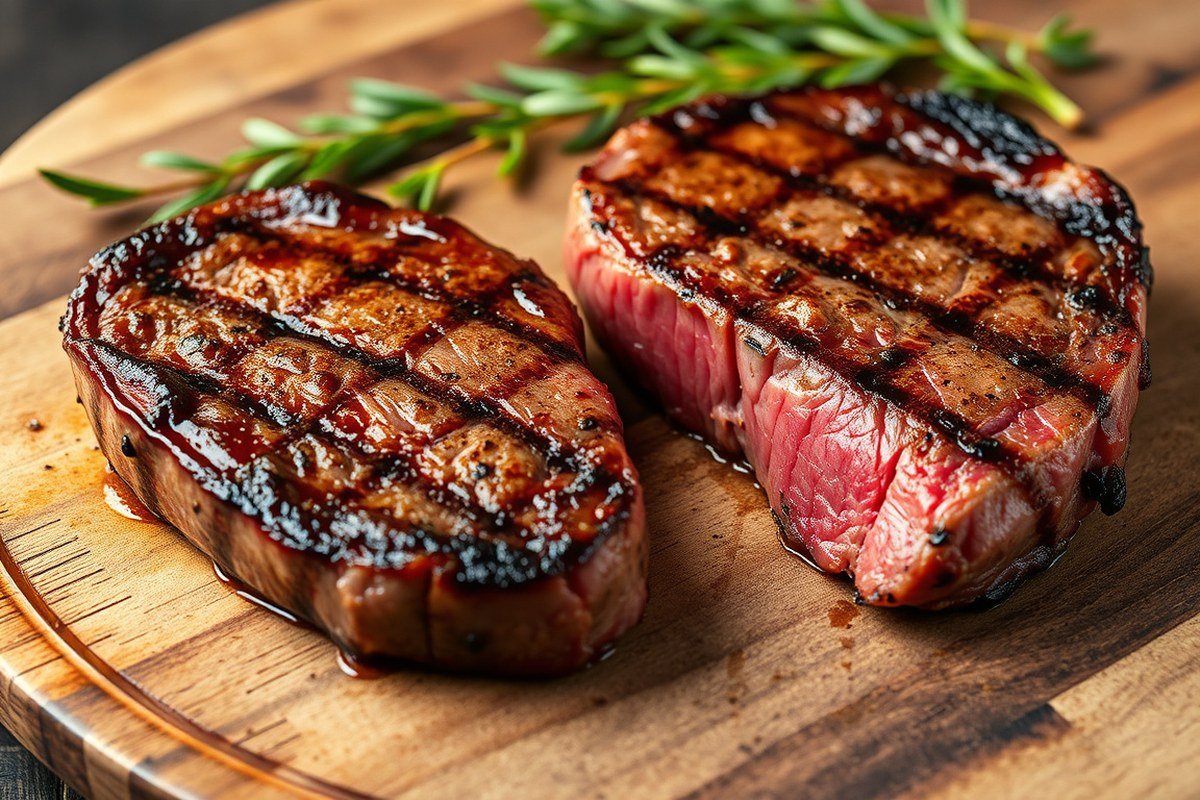
The difference between ribeye and sirloin steak mainly lies in their fat content, tenderness, and flavor. Ribeye has more marbling, making it juicier and richer, while sirloin is leaner with a firmer texture. These contrasts affect cooking methods, taste, nutrition, and price, important for choosing the right steak for your meal.
This overview helps home cooks and steak lovers who want to understand these steaks better. You’ll learn how ribeye and sirloin differ in tenderness, flavor, cooking times, nutritional value, storage tips, and when to pick one over the other.
Key Takeaways
- Ribeye’s heavy marbling gives it a buttery, rich flavor perfect for grilling or pan-searing.
- Sirloin’s leaner profile results in a firmer texture suited for roasting or slicing.
- Grill ribeye steaks over high heat for about 4 to 5 minutes on each side to achieve a medium-rare finish.
- Sirloin requires slightly less cooking time, about 3 to 4 minutes per side for medium-rare.
- Let steaks rest for 5 to 10 minutes after cooking so the juices stay inside the meat.
- Ribeye contains about 291 calories per 100 grams; sirloin has around 207 calories.
What Are the Key Differences Between Ribeye and Sirloin Steak?
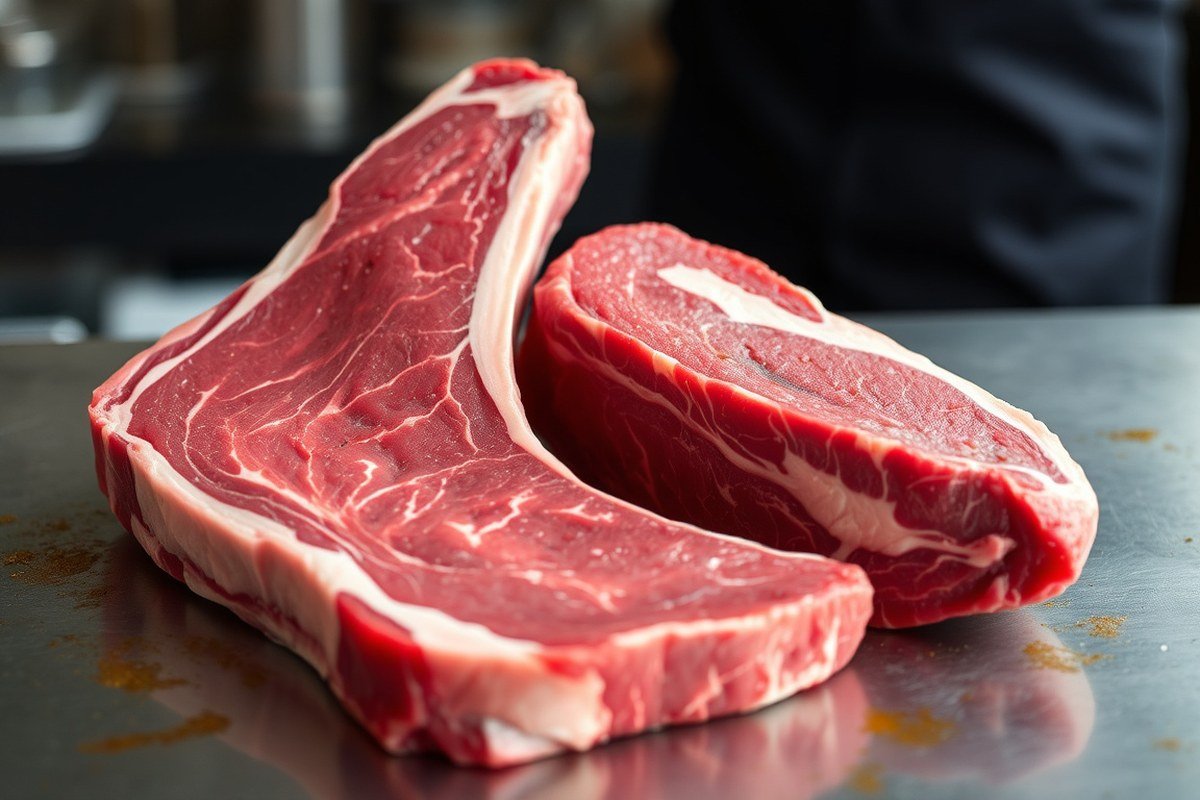
Ribeye and sirloin steaks come from different parts of the cow, which affects their texture, fat content, and flavor. Ribeye is cut from the rib section, known for its heavy marbling, thin streaks of fat running throughout the meat. This marbling gives ribeye its rich, buttery flavor and makes the steak tender and juicy. Sirloin comes from just behind the short loin, offering a leaner option with a firmer, hearty texture and a more classic beef flavor that’s less intense than ribeye.
Choosing between ribeye and sirloin depends largely on your preference for fat and texture. Ribeye contains more fat, which means it delivers a melt-in-your-mouth experience but also comes with higher calories. Sirloin offers a firmer bite and fewer calories, making it ideal if you want a satisfying steak without the richness of a ribeye. Below is a direct comparison to help you understand their main traits at a glance.
| Feature | Ribeye | Sirloin |
|---|---|---|
| Location on Cow | Rib section | Behind short loin |
| Fat & Marbling | High, deep marbling | Moderate, leaner |
| Texture | Tender, juicy, buttery-soft | Firm, hearty, slight chew |
| Flavor | Rich, buttery, indulgent | Beefy, classic, balanced |
| Calories (per 100g) | ~291 kcal | ~214 kcal |
| Protein (per 100g) | 23 g | 26 g |
| Best For | Treat meals, indulgence | Everyday steak, lean option |
Knowing these differences can guide your choice based on how much fat you prefer and how you like your steak to feel. Ribeye offers a richer, more indulgent bite best suited for special occasions or when you want a juicy, tender steak. Sirloin is a solid choice for leaner grilling or slicing recipes where texture and a straightforward beef flavor are welcome without extra fat.
How Do Ribeye and Sirloin Differ in Tenderness and Texture?
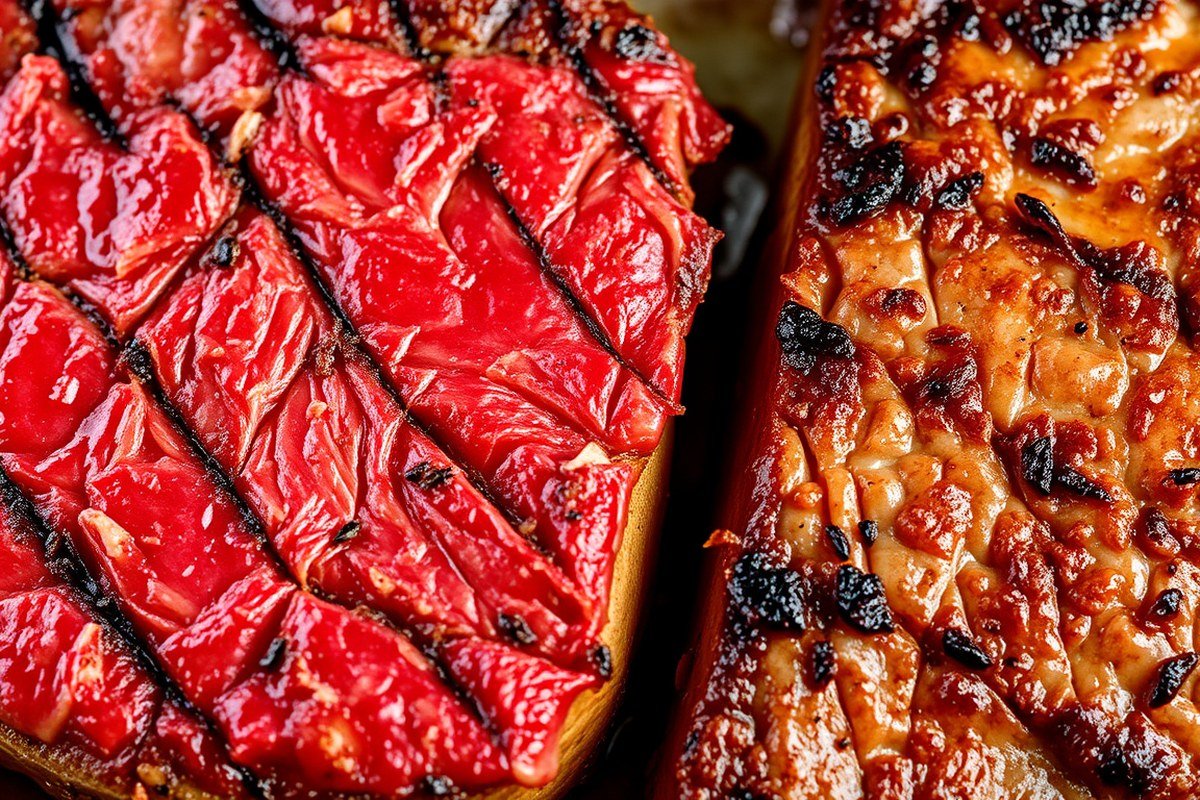
Ribeye is more tender than sirloin because it contains higher marbling, fat interwoven within the muscle fibers. This marbling softens the meat’s texture and adds juiciness, delivering a melt-in-your-mouth experience. In contrast, sirloin has less marbling, making it leaner and firmer, so it requires different cooking approaches to improve tenderness and juiciness.
Marbling’s Role in Tenderness and Texture
Marbling refers to the thin veins of fat running through the meat. Ribeye typically has abundant marbling, which melts during cooking and lubricates muscle fibers, softening the steak’s bite. This fat also improve mouthfeel by coating the palate and delivering a juicy sensation. Sirloin is much leaner, with less intramuscular fat, which means its texture is denser and firmer with a more noticeable chew.
The fat content directly influences tenderness ranking among popular steaks. Ribeye rates just below filet mignon in tenderness, while sirloin scores lower because of its reduced fat. The difference in fat distribution changes how the meat feels when you bite, chew, and swallow.
Why Sirloin Feels Firmer and Less Juicy
The sirloin cut comes from muscles used more actively by the cow, resulting in tighter muscle fibers and tougher tissue. The lean composition means there is less fat to soften those fibers during cooking. This firmer texture offers a bold, beefy bite but does not have ribeye’s softness.
For you as a cook or eater, that means sirloin can require more careful preparation to avoid toughness. Overcooking sirloin can make it dry and overly chewy. Serving sirloin medium-rare or medium helps preserve tenderness and juiciness. Moist cooking or marinating techniques can further break down muscle fibers and compensate for the lack of fat.
How to Make Sirloin Juicier and More Tender
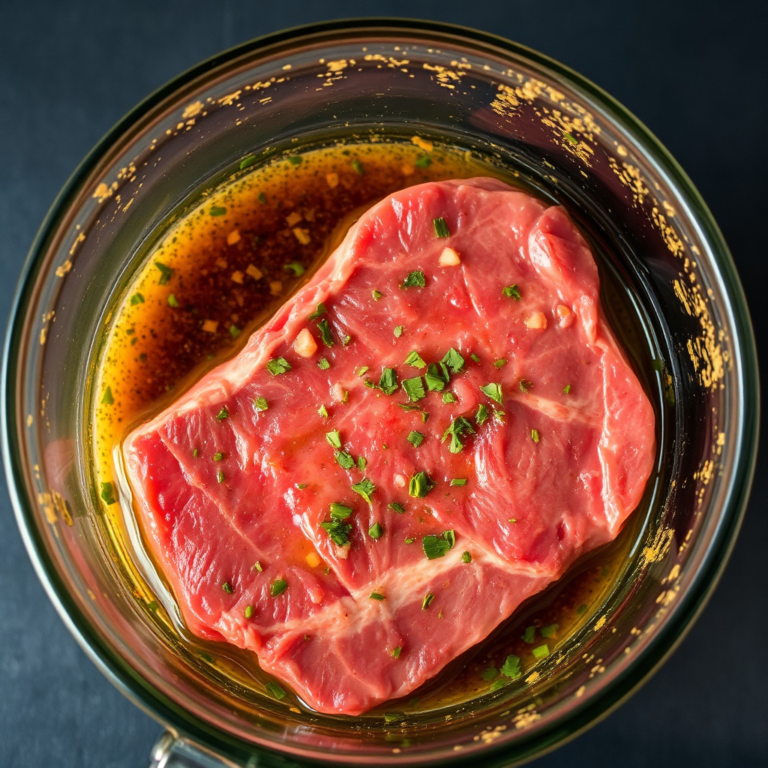
To improve sirloin’s juiciness, start by marinating it for at least 30 minutes using acidic ingredients like lemon juice, vinegar, or wine. This helps break down proteins and tenderize the meat. Avoid extended marination beyond a few hours to prevent mushiness.
Another effective method is applying a dry brine: salt the steak about an hour before cooking and let it rest uncovered in the refrigerator. Salt draws out moisture, which reabsorbs and keeps the meat juicy during cooking.
Cook sirloin over medium heat and aim for an internal temperature of 130°F to 135°F for medium-rare doneness. Rest the steak for 5 to 10 minutes after cooking to redistribute juices evenly.
Proper Cooking Improve Texture Differences
Because ribeye has high marbling, it tolerates higher cooking temperatures and longer times without drying out. Pan-searing or grilling ribeye to medium or medium-well still yields a tender and juicy steak thanks to the fat melting throughout.
Sirloin benefits from hitting the right internal temperature to avoid toughness. Overcooking strips natural juices and makes the firmer muscle fibers more noticeable. Using a meat thermometer helps ensure you don’t go past medium doneness.
Use a reliable meat thermometer and rest your steak after cooking to lock in juices and maximize tenderness.
What Are the Flavor Differences Between Ribeye and Sirloin Steaks?
You can expect ribeye steak to deliver a rich, buttery flavor that stands out from other cuts. This indulgent taste comes primarily from the high marbling, the streaks of fat running through the meat. As that fat melts during cooking, it adds moisture and a creamy texture that improve the beefy notes. This makes ribeye a great choice for people who love a juicy, tender steak with a smooth mouthfeel and a deep, savory profile.
Sirloin, by comparison, offers a leaner and cleaner flavor that leans more toward a straightforward beefiness. It has less fat marbling, which means it won’t have the same richness as ribeye. Instead, sirloin’s taste is more strong and firmer, with a slightly chewier texture that comes from its lean muscle fibers. This cut is often preferred by those who want a classic steak experience without the extra fat or calories. People who enjoy the pure, natural flavor of beef and want a lighter option tend to choose sirloin for everyday meals.
The difference in flavor can influence your meal choices depending on what you’re after. For example, if you’re hosting a special dinner and want to impress with a decadent, melt-in-your-mouth steak, ribeye is your best bet. Its fat content makes it ideal for high-heat cooking methods like pan-searing or grilling, which bring out its buttery qualities. Ribeye’s richness means you can season it simply with salt and pepper and get maximum flavor, costing a bit more but delivering that luxurious taste.
On the other hand, sirloin works well if you’re meal prepping or looking for a leaner steak to fit a healthier diet. It has fewer calories and less saturated fat but still offers substantial protein and essential nutrients. Sirloin is often more budget-friendly, especially when sourced from quality producers like grass-fed or Wyoming pure beef, known for a clean, slightly sweet flavor. You can cook sirloin with quick grilling or broiling to retain its firmness while bringing out its beefy character.
Choosing between ribeye and sirloin comes down to your flavor preference and dietary needs. Those craving a rich, fatty steak with a buttery finish should pick ribeye. If you want a leaner, more muscle-forward bite with a beefy punch, sirloin fits that role. Both deliver good protein and iron, but ribeye satisfies those who see steak as an indulgence, while sirloin suits those who want a healthier, everyday cut without sacrificing taste.
Which Cooking Methods and Times Suit Ribeye and Sirloin Steaks Best?
Ribeye steaks perform best with high-heat methods like grilling or searing that quickly brown the fat without drying the meat. Sirloin steaks suit moderate heat techniques such as pan-searing or broiling to avoid toughness. Ribeye aims for medium-rare doneness (about 130-135°F internal temperature), while sirloin is better cooked medium (135-145°F). Resting steaks for 5 to 10 minutes after cooking lets juices redistribute, improving tenderness and flavor.
Best Cooking Methods for Ribeye
Grilling and pan-searing are top choices for ribeye because they deliver intense heat that caramelizes the fat marbling. This process creates a flavorful crust while keeping the interior juicy, since ribeye is rich in fat. Use direct heat on a preheated grill or a hot cast-iron skillet. Avoid longer, lower heat cooking, which can break down the texture and cause excessive fat loss.
For medium-rare ribeye, cook for about 4 to 5 minutes per side on a grill or skillet at roughly 450°F. Thicker cuts (1½ inches or more) may require short time in the oven at 375°F after searing. Aim for an internal temperature between 130 and 135°F, then remove the steak before it carries over cooking during resting.
Best Cooking Methods for Sirloin
Sirloin steaks benefit from moderate heat and careful timing because this leaner cut can dry out or toughen quickly. Pan-searing followed by finishing in the oven or broiling works well. Use medium-high heat to form a sear, then reduce heat or move the steak to indirect heat to finish cooking gently.
Cook sirloin to medium doneness, about 135 to 145°F internal temperature, which balances tenderness and flavor. For a 1-inch sirloin steak, pan-sear 3 to 4 minutes per side at medium-high heat, then finish in a 350°F oven for 4 to 6 minutes if needed. This method prevents overcooking the lean muscle fibers.
Resting and Checking Doneness Tips
Resting steaks is important to achieving juicy results. After cooking, place the ribeye or sirloin on a warm plate or cutting board and cover loosely with foil. Rest for 5 to 10 minutes to allow internal juices to redistribute instead of running out when cut. Use a meat thermometer to check doneness precisely. Here is a simple temperature guide:
| Doneness | Internal Temp (°F) |
|---|---|
| Rare | 120-125 |
| Medium-rare | 130-135 |
| Medium | 135-145 |
| Medium-well | 145-155 |
| Well done | 155+ |
Follow these steps for best cooking results:
- Pat the steak dry with paper towels to help achieve a good sear.
- Season the steak with salt and pepper or your preferred seasoning.
- Preheat your grill, skillet, or oven to the correct temperature.
- Place the steak on the hot surface and cook according to thickness and desired doneness.
- Flip the steak once halfway through the cook time for even browning.
- Use an instant-read thermometer to measure internal temperature before removing.
- Transfer the steak to a plate and cover loosely with foil.
- Let rest for 5 to 10 minutes before slicing and serving.
How Do Ribeye and Sirloin Compare Nutritionally?
Sirloin steak is generally the healthier choice compared to ribeye if you are focused on lowering calorie intake and fat consumption. Sirloin offers a leaner profile and a superior protein-to-fat ratio, making it more suitable for weight loss or a balanced diet. Ribeye, on the other hand, contains significantly more fat and calories, contributing to a richer taste but a heavier nutritional load.
Here’s a clear breakdown to compare calories, protein, fat, and saturated fat between ribeye and sirloin steaks. This table highlights the key nutritional differences per typical serving size, which can help you decide which steak fits your dietary goals better.
| Nutrient | Ribeye | Sirloin |
|---|---|---|
| Calories (kcal) | 291 | 214 |
| Protein (grams) | 23 | 26 |
| Total Fat (grams) | 22 | 11 |
| Saturated Fat (grams) | 9 | 4 |
The lower fat content in sirloin means it delivers fewer calories while still providing more protein, useful for muscle maintenance and satiety. That makes sirloin better for people aiming for a leaner, calorie-conscious meal. Ribeye often suits occasions where rich flavor and tenderness matter more than cutting calories due to its higher fat content.
Tip: Trim visible fat from ribeye to reduce calories and saturated fat if choosing ribeye but watching nutrition limits.
Choosing sirloin can help support weight management, as it typically has about a quarter fewer calories and less than half the fat of ribeye. This difference lets you enjoy a substantial steak meal without consuming excessive calories or fat. However, ribeye adds flavor intensity and moisture from its higher fat content, which some cooks and eaters prefer despite the added nutrition load.
How Does Price Vary Between Ribeye and Sirloin Steaks?
Ribeye steaks tend to be more expensive than sirloin steaks, often costing 20% to 40% more per pound. This price difference comes from ribeye’s higher fat content and marbling, which contribute to its richer flavor and tenderness. The ribeye comes from the rib section where the meat is naturally more tender and flavorful, so suppliers and restaurants charge a premium for this cut.
Sirloin steaks are generally more budget-friendly without sacrificing steak quality. They typically cost less because they contain less marbling and come from a larger, leaner muscle group near the rear of the cow. This makes sirloin a popular choice for cooks who want a good steak at a lower price. You can usually find sirloin priced anywhere from $6 to $12 per pound, whereas ribeye prices often range from $10 to $18 or more per pound, depending on the grade and source.
The cost of either steak can also vary based on factors like grade, organic or grass-fed labels, and local market differences. For example, USDA Prime ribeye will be pricier than Choice or Select grades. In places like Singapore, steaks tend to be more expensive overall due to import costs and supply chain factors, pushing ribeye prices even higher relative to sirloin.
Choosing ribeye over sirloin means paying extra for the juiciness and texture improve by fat marbling. If you want a tender steak with a buttery mouthfeel and stronger beef taste, the higher price can be worth it, especially for special occasions or grilling enthusiasts. However, if you plan to enjoy steak more frequently or want a leaner option that still cooks well on a home grill or pan, sirloin gives you better value without a huge quality tradeoff.
To get the best deal, compare prices at local butcher shops, grocery stores, and online meat suppliers. Buying thicker sirloin cuts can sometimes make the price difference minimal compared to thinner ribeyes. Also, look for sales or choose larger cuts you can slice yourself to save money. When cooking, sirloin benefits from a little marinating or seasoning to make up for the lower fat content, helping you enjoy tasty results on a budget.
How to Store and Plan Meals with Ribeye and Sirloin Steaks?
Raw ribeye and sirloin steaks can stay fresh in the refrigerator for up to three days. This short window is due to their high protein and moisture content, which makes them prone to bacterial growth. For longer storage, freezing is recommended. You can freeze either cut for as long as six months without significant loss of quality if wrapped properly.
Freezing steaks requires airtight packaging to prevent freezer burn and preserve flavour. Vacuum-sealed packages are ideal because they remove air and lock in freshness. If you don’t have a vacuum sealer, tightly wrap the steaks in plastic wrap, followed by a layer of aluminum foil, or place them in heavy-duty freezer bags with excess air squeezed out.
- Refrigerate raw steaks in their original packaging or transfer to a plate covered with plastic wrap.
- Freeze steaks if you won’t cook them within 3 days; label with the freezing date.
- Thaw frozen steaks slowly in the refrigerator for 24 hours before cooking to maintain tenderness.
- Store cooked ribeye or sirloin leftovers in airtight containers to keep moisture and prevent odors.
- Consume cooked leftovers within 48 hours for best safety and taste.
- Reheat leftovers gently, ideally to an internal temperature of 165°F, to avoid drying out the meat.
Planning your meals with these steaks means factoring in their storage limits and cooking styles. Ribeye’s fat content helps it resist drying when reheated, so cooked ribeye leftovers maintain juiciness better than sirloin. Sirloin benefits from quick cooking over high heat but becomes tougher if overcooked or reheated aggressively.
For the most convenient meal prep, consider buying ribeye if you want indulgent, ready-to-reheat meals over several days or sirloin if you prefer leaner cuts that you plan to cook fresh within a day or two. Using vacuum-sealed steaks can be a cost-effective way to stock up, allowing you to freeze and plan several meals in advance without sacrificing quality.
When Should You Choose Ribeye Versus Sirloin Steak?
Choosing between ribeye and sirloin depends on your occasion, budget, and taste preferences. Ribeye suits special events with its rich flavor and marbling, while sirloin works well for regular meals and those watching fat intake. You can pick the best cut by considering how you value flavor, health, and cooking effort.
Ribeye for Indulgence and Special Events
Ribeye stands out for celebrations or dinner parties because of its high fat content and juicy, tender texture. This cut brings a buttery mouthfeel thanks to marbling, which melts during cooking and improve flavor. Ribeyes typically cost more due to this quality, often ranging from $15 to $25 per pound at grocery stores, which fits well with special occasion budgets.
When preparing ribeye, aim for medium-rare to medium doneness (130°F to 140°F) to preserve tenderness and juiciness. This cut suits grilling or pan-searing, giving you a steakhouse-like result without professional kitchen skills. You can also use an oven after searing to finish evenly.
- Saves well for roasting or grilling
- Marbling makes it forgiving to slight overcooking
- Best enjoyed with simple seasonings to highlight flavor
- Ideal for guests who prefer indulgent, flavorful beef
- Costs $15, $25 per pound, varies by store and grade
Cook ribeye steak to medium-rare for optimal taste; high heat searing locks in juices effectively.
Sirloin for Everyday Meals and Lean Eating
Sirloin offers a leaner, more budget-friendly option, priced closer to $8 to $14 per pound. It’s a solid choice for daily cooking due to versatility and lower fat, supporting leaner diets or health-conscious eaters. Sirloin slices are also popular for stir-fries or slicing thin for sandwiches, expanding meal possibilities.
This cut requires careful cooking to avoid toughness, best done at medium doneness (140°F to 145°F) and using a quick, high-heat method like grilling, broiling, or pan-frying. Rest the steak after cooking five to ten minutes to keep juices locked in. Its firmer texture suits meals where you want a satisfying chew without extra fat.
- Great for weeknight dinners
- Leaner profile supports heart health goals
- Adaptable for various recipes beyond just steaks
- Requires precise cooking to avoid dryness
Trim any visible fat before cooking sirloin to reduce greasiness, especially if watching fat intake.
Matching Steak Choice to Flavor and Health Goals
Think about what you want from your steak in every meal. For rich, buttery taste and soft texture, ribeye excels. If you prefer something leaner with a meatier chew and less fat, sirloin works better. Budget is also a factor, as ribeye costs noticeably more and might be reserved for guests or special occasions.
Nutrition-wise, sirloin usually has less fat and fewer calories per serving, supporting daily health needs more effectively. Ribeye’s fat content boosts flavor but can add 50 to 100 more calories per 4-ounce serving than sirloin. Balancing these points helps you pick based on your goals.
- Choose ribeye for maximum flavor and tenderness
- Pick sirloin to reduce fat and calorie intake
- Consider your cooking skills; ribeye is more forgiving
- Align with your meal occasion and guest preferences
- Factor in how much you want to spend per meal
Use a meat thermometer to hit exact doneness, avoiding overcooked sirloin or underdone ribeye.
Step-by-Step Action Plan for Choosing and Cooking Ribeye and Sirloin Steaks
Follow these steps to pick the right cut, cook it properly, and enjoy the full flavor and texture of ribeye or sirloin steak.
- Before you shop: Decide how rich and tender you want your steak. Choose ribeye for more marbling and juicy tenderness; pick sirloin for a leaner, firmer bite.
- At the store: Check steak thickness and marbling. Aim for 1 to 1.5 inches thick ribeye with visible fat or sirloin with a uniform lean look.
- Day of cooking: Let steaks come to room temperature for 30 minutes before cooking to ensure even heat and better texture.
- Cooking time: Use high heat for ribeye (grill or pan-sear 4-5 minutes per side for medium-rare). For sirloin, add a minute or two per side due to lower fat.
- Test doneness: Use a meat thermometer; 130°F is medium-rare. Ribeye cooks fast because of fat. Sirloin may need a bit longer.
- After cooking: Rest steak for 5-10 minutes to redistribute juices for tenderness and flavor.
- Meal planning: Use ribeye for special occasions or when you want a rich steak experience. Use sirloin for everyday meals and lean protein needs.
Frequently Asked Questions
What Is the Poor Man’s Ribeye Cut?
The poor man’s ribeye usually refers to the top sirloin steak because it offers good flavor and tenderness at a lower price than ribeye. It’s a practical choice for everyday meals without sacrificing too much on taste or texture.
What Are the Top 3 Best Cuts of Steak?
The top three cuts often cited are ribeye, sirloin, and T-bone, each providing unique flavors and textures. Ribeye stands out for marbling, sirloin for leanness, and T-bone combines tenderness and flavor from two different muscles.
What Is Gordon Ramsay’s Favorite Cut of Steak?
Gordon Ramsay often prefers ribeye for its rich marbling and tender texture, which makes it ideal for high-heat cooking methods like grilling or pan-searing. This cut delivers a juicy, flavorful steak experience.
Which Is More Expensive, Ribeye or Sirloin?
Ribeye is generally more expensive than sirloin because of its higher fat content and tenderness. Its marbling adds flavor and juiciness that command a premium price compared to leaner sirloin.
Sirloin vs Ribeye Steak: Which Is Better?
Neither cut is universally better; ribeye suits those wanting rich flavor and tenderness, while sirloin fits leaner, everyday meals. Your choice depends on taste preference, dietary goals, and occasion.
Ribeye vs Sirloin Steak! Who Will Win???
Ribeye wins in tenderness and flavor due to its fat marbling, but sirloin wins for price and leanness. The “winner” depends on what you value more: richness or health-conscious eating.
Wrapping Up
Your choice between ribeye and sirloin depends mainly on how you value tenderness, flavor, and lean protein. Knowing the differences helps you pick the right steak for the occasion and your taste preferences. Try cooking each cut as recommended to find your favorite, then plan your meals accordingly for the best results.