What Is the History of Market Square Millersburg: A Detailed 8-Part Guide
Market Square in Millersburg has a rich history as a central gathering place and commercial hub shaped by its early New England-style town planning. Its origins date back to the town’s founding, and over time it has hosted important public events and witnessed the architectural growth that defines much of Millersburg’s character today. This detailed overview answers what is the history of Market Square Millersburg with a focus on its historical significance and evolution.
This article suits history enthusiasts, local residents, and heritage visitors seeking to understand Market Square’s development, key moments, and continuing role within the community. You will gain insight into its buildings, economic impact, preservation efforts, and cultural meaning from archival and local sources.
Key Takeaways
- Market Square’s New England-style layout influenced the town’s street widths, originally planned at about 52 to 80 feet.
- The square has been Millersburg’s civic heart, hosting notable public speeches like Abraham Lincoln’s in 1861.
- Historic buildings around Market Square mostly date from the early 20th century, contributing to its defining architectural style.
- Real estate on Market Street averages over $700,000, reflecting its continued economic importance to Millersburg.
- Preservation efforts maintain the historic district’s character while allowing for modern use of its spaces.
- Market Square continues as a social hub with longstanding businesses dating back more than a century.
Origins and Founding of Market Square in Millersburg
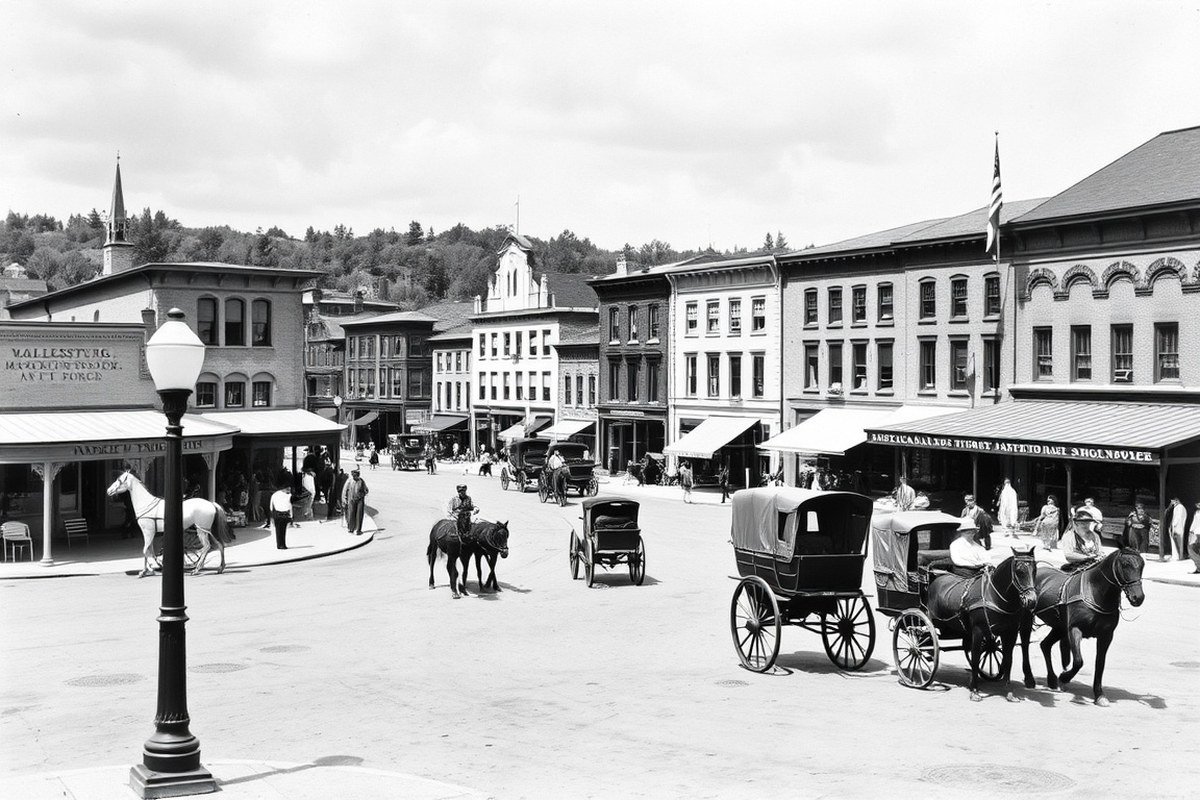
Market Square in Millersburg was established in November 1815 as part of the original town layout. The town itself was founded by Adam Johnson and Charles Miller from Coshocton County, who designed the Old Town plan that included Market Square as a central feature. This open space was intentionally placed at the heart of the town to serve as a communal gathering place and commercial hub, following the New England style of town planning that emphasized a central square for markets and public interaction.
The layout of Market Square was structured to accommodate both pedestrian activity and market commerce. The square was bisected by Market Street, now known as US Route 147, effectively dividing the space while maintaining accessibility. Early maps show the presence of two market sheds located within the square, providing sheltered areas where local farmers and merchants could sell their goods. This original design reflected the founders’ intention to create a vibrant economic and social center for Millersburg’s residents, surrounded by storefronts and other key buildings.
Adam Johnson and Charles Miller played important roles beyond just founding the town. Their expertise in surveying and town planning ensured that Millersburg’s Market Square would be both functional and inviting. Using historical map comparisons, you can trace how the square’s boundaries and surrounding streets have evolved but retained the original core layout. These early design choices were fundamental in shaping Millersburg’s identity as a small but thriving commercial town throughout the 19th century.
Maintaining the original purpose, Market Square quickly became the gathering point for weekly markets, community celebrations, and public announcements. The founders recognized the need for a designated market area to support local agriculture and trade, boosting the town’s economy from its inception. The square’s central position and open design made it ideal for this role, which continues to be important in Millersburg’s town life today.
Key Historical Events and Public Gatherings at Market Square
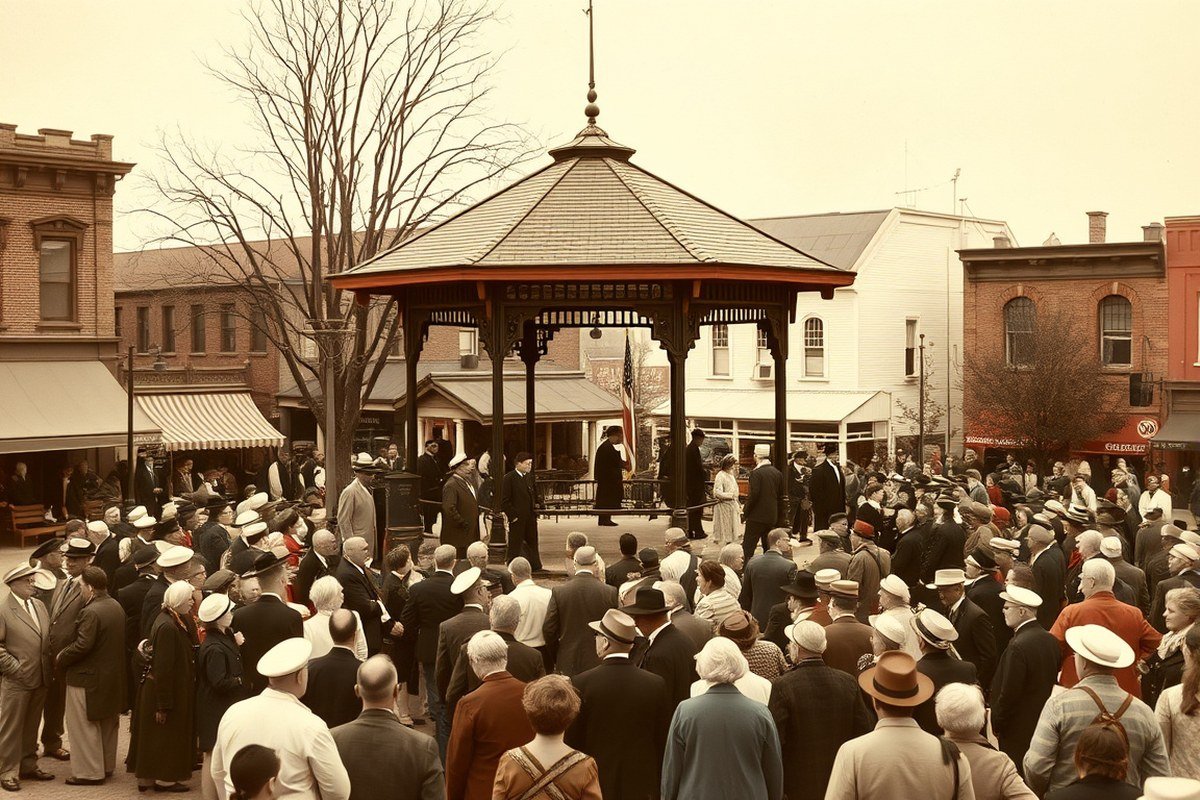
Market Square in Millersburg has been the backdrop for many significant community events and public gatherings throughout its history. Its role as the town’s central meeting place made it the natural location for celebrations, speeches, and fairs. One major period of public activity occurred from 1909 to 1912, when the Millersburg Carnival and Crystal Glass exhibits took place. These events showcased over 200 pieces of the famous Millersburg glass, drawing visitors and residents alike to admire the craftsmanship under new LED lighting displays, which highlighted the artistry and helped preserve the local heritage.
The square frequently hosted celebrations tied to local and national holidays, where the community gathered for parades, outdoor concerts, and festivals. These gatherings strengthened social bonds and offered a way for residents to share traditions and honor Millersburg’s cultural identity. During these events, speeches by notable local leaders often took place, addressing issues important to the town’s growth and future. This tradition of public discourse helped residents stay informed and engaged with civic matters.
Market Square also welcomed notable visitors from political and cultural circles, though exact names are harder to pin down because smaller towns like Millersburg often recorded such visits in local newspapers rather than statewide archives. Visitors typically included state officials and traveling performers who used Market Square for public addresses or performances. These occasions added to the square’s reputation as a community hub.
Throughout the 20th century, Market Square adapted to changing social needs. Seasonal markets and fairs became annual traditions, featuring local artisans and food vendors. The public library branch nearby supported educational events and reading programs, contributing to the intellectual life of the community centered around the square.
Keeping track of Market Square’s event history benefits from consulting old maps and archival records, which show how the space was used during different periods. For example, 1884 Sanborn Fire Insurance Maps reveal building uses and public areas that hosted gatherings. These documents help heritage researchers visualize the evolution of public life in Millersburg.
Visit local historical societies or libraries to access old newspapers and maps that can give you firsthand accounts of past Market Square events, making your exploration of Millersburg’s history more detailed and accurate.
Events in Market Square often required minimal setup costs but depended on community participation and volunteer support. Positive results included improve town spirit and preservation of traditions, while challenges occasionally arose from weather or logistical issues. Planning celebrations during warmer months usually provided better attendance and comfort, while cold spells, like the record low of −35 °F in 1994, discouraged outdoor gatherings.
Historic Buildings and Architectural Development Around Market Square
Market Square in Millersburg is surrounded by historic buildings that showcase a range of architectural styles from the Victorian era and beyond. These structures originally served as homes, businesses, and public venues that supported the town’s development. Their preservation gives insight into Millersburg’s economic and cultural history through well-maintained facades and interior details.
Victorian Era Influences
The core of Market Square’s historic district reflects Victorian architectural styles prevalent in the late 19th century. These buildings often feature ornate woodwork, decorative trim, and steep gabled roofs. The Victorian influence is evident in both residential structures, like the Brightman Museum, and commercial buildings that housed shops and offices.
Brightman, now a museum dedicated to Holmes County’s Victorian era, offers a detailed example of the intricate designs typical of the period. Its preservation allows you to connect with the cultural and architectural tastes that shaped Millersburg during its peak growth years.
Queen Anne and Later Styles
Near Market Square, you’ll find a 28-room mansion constructed in 1901 by industrialist L.H., showcasing the Queen Anne style. This building features an irregular design, mixed textures, and noticeable towers or turrets. Its grandeur highlights the growing prosperity and refinement in Millersburg during the industrial boom.
The Queen Anne style represents a shift from the simpler Victorian designs, incorporating more decorative elements and complex rooflines. Later architectural trends introduced more restrained and functional designs, yet many buildings around Market Square maintained their historic charm, contributing to the district’s listing on the National Register of Historic Places.
Notable Commercial and Public Buildings
Market Square’s surrounding buildings were originally multifunctional, combining commercial, residential, and civic uses. Early storefronts housed milliners, grocers, and banks, while upper floors often included apartments or offices. Public buildings like theaters and meeting halls supported cultural activities and community gatherings.
- Brightman Museum, former Victorian home turned cultural institution
- Queen Anne-style mansion built by L.H. In 1901, private residence with elaborate detailing
- 19th-century brick commercial buildings, shops and banks with large display windows
- Mixed-use structures, ground-floor stores with upper-level apartments or offices
- Public halls, venues for meetings, performances, and town events
- Preserved architectural elements, decorative cornices, brickwork, and iron balconies
Before and after photos of these buildings show careful restoration work to maintain original features while adapting interiors for modern use. Achieving good preservation requires skilled craftsmanship and sometimes significant investment, but it yields a unique environment that honors Millersburg’s heritage and attracts tourists and locals alike.
Market Square’s Role in Millersburg’s Economic Growth
Market Square was the economic heart of Millersburg, serving as the main center for commerce and trade since the town was officially laid out in 1824 by Andrew Johnston and Charles Miller. It quickly became the focal point where merchants, craftsmen, and farmers converged to sell goods and services. This concentration of commercial activity shaped Millersburg’s growth by attracting settlers and encouraging both local and regional trade. Market Square’s position at the crossroads of important streets made it a natural gathering place for business transactions and community exchange.
Within Market Square, diverse businesses thrived, reflecting the town’s varied ethnic makeup. Irish, German, Italian, and African-American immigrants operated shops, eateries, and services that met the needs of a growing population. Local enterprises included grocery stores, blacksmiths, tailors, and trading posts. The Millersburg Coffee Company, known for connecting local commerce with international networks such as Colombian farmers, illustrates how businesses in the area expanded their reach beyond Millersburg while supporting small-scale producers. These varied commercial activities contributed to a resilient local economy that could adapt to changing demands.
The development of transportation infrastructure played a key role in boosting Market Square’s economic influence. Situating the main road, Market Street, through the square ensured the steady flow of goods and customers. Proximity to railroad lines expanded access to wider markets, allowing goods to be imported or exported more efficiently. This connectivity helped local businesses grow by lowering transportation costs and increasing the variety of available products. Reliable transportation also attracted travelers and merchants, which brought additional revenue and opportunities to the square’s enterprises.
To maximize the square’s economic potential, town planners and business owners focused on maintaining easy access for wagons and later vehicles, preserving the space as a market hub while accommodating growth. Successful Merchant districts often required ongoing investment in infrastructure, from road maintenance to public market facilities, ultimately encouraging more trade and attracting new businesses. If transportation routes shifted away or roads fell into disrepair, economic activity could decline rapidly as customers and traders sought more convenient locations.
Market Square’s role in Millersburg’s economy was not only about the volume of commerce but also about the creation of a diverse and interconnected marketplace. By integrating various immigrant communities and using transportation advancements, Market Square sustained the town’s prosperity. For visitors interested in heritage tourism, understanding this economic dynamic reveals how historic commerce contributed to Millersburg’s development and the character of its downtown area today.
Preservation Efforts and Historic District Designation
The Market Square area in Millersburg was designated a historic district in 1972 to protect its unique 19th-century architecture and maintain the character that defines this central part of the town. Since then, the community and local authorities have taken numerous steps to preserve the buildings and the square’s appearance, ensuring its historic charm endures for residents and visitors alike.
Historic District Designation In 1972
In 1972, the Millersburg Market Square was officially recognized as a historic district. This designation was motivated by the growing awareness of the need to safeguard the area’s original structures and to prevent inappropriate changes that could diminish its historical value. The historic district status provides regulatory oversight, requiring any major changes or developments to comply with guidelines that reflect the square’s nineteenth-century style.
The designation plays a key role in controlling building alterations and preserving streetscapes, which include facades, windows, and architectural details typical of the period. This ensures that any restoration or construction complements the existing historic character rather than replacing it with modern designs that might clash with the surroundings.
Major Restoration Projects
Since the designation, several major restoration projects have taken place to maintain and restore Market Square’s buildings and public spaces. These projects often involve structural repairs, facade restorations, and the use of period-appropriate materials to match original conditions as closely as possible. Examples of such efforts include:
- Repointing brickwork with mortar matching original composition
- Restoring wooden window frames and replacing glass with traditional styles
- Repairing historic street lamps and installing period-accurate lighting fixtures
- Renovating signage to reflect historical fonts and layouts
- Maintaining cobblestone or brick walkways in the public square
- Stabilizing structural foundations without altering external appearances
These projects often require coordination with preservation specialists and can cost tens of thousands of dollars depending on the scope. Funding frequently comes from local grants, state historic preservation offices, and private donations dedicated to heritage conservation.
Community Involvement in Preservation
The role of the Millersburg community has been critical in the ongoing preservation of Market Square. Local groups, including historical societies and business owners, actively support preservation policies agreed upon by the city council. Public education initiatives encourage property owners to maintain their buildings according to historic guidelines.
Regular events and heritage tourism programs also promote awareness and appreciation for the square’s historic value, which helps generate funds and volunteer support. The community fosters a shared responsibility to uphold the district’s appearance, balancing historic preservation with the needs of a lively commercial area.
Consult with your local historic review board before starting any exterior work to avoid costly mistakes or delays in approval.
Market Square’s Social and Cultural Impact on the Community
Market Square, located at the intersection of 2nd and Market Streets, serves as a important center for Millersburg’s social life and culture. It hosts several annual events that bring together diverse groups from the community, including the Millersburg Heritage Festival every September, the Summer Concert Series from June through August, and the Holiday Market in December featuring local artisans and seasonal performances. These gatherings support a strong sense of tradition while offering an open space for residents and visitors to connect.
Community organizations such as the Millersburg Historical Society and the Market Square Business Association actively coordinate events and outreach programs here. Their efforts ensure the square remains a dynamic venue for cultural expression and social interaction. For example, monthly art walks and weekend farmers markets regularly take place on the square, showcasing local crafts and produce. These events not only stimulate local pride but also encourage sustainable small businesses.
The square’s role extends beyond scheduled events. It acts as a daily meeting point where neighbors greet each other, children play, and informal conversations spark. Its design incorporates seating areas, shade trees, and open paved spaces, creating an inviting atmosphere year-round for casual socializing. Accessibility improvements over the past decade, such as added ramps and wider sidewalks, have enabled broader community participation across age and mobility levels.
Coordinating an event at Market Square typically involves securing permits from the Borough Office, which also manages electrical hookups and street closures if needed. Fees vary depending on event size and duration; small gatherings incur a modest $50 fee, while larger festivals may cost several hundred dollars. Organizers often collaborate with local vendors and performers to share costs and resources. Successful events typically draw a few hundred participants, strengthen community bonds, and increase patronage of nearby businesses. Challenges sometimes arise from weather, parking constraints, and noise regulations, requiring early planning and contingency measures.
Market Square’s continuous function as a communal space has sustained Millersburg’s cultural traditions while adapting to modern needs. It offers a model for balancing historic preservation with active community use. Visitors and residents alike benefit from its role as a welcoming hub for social life, cultural events, and the shared experience of heritage.
Modern Changes and Current Use of Market Square
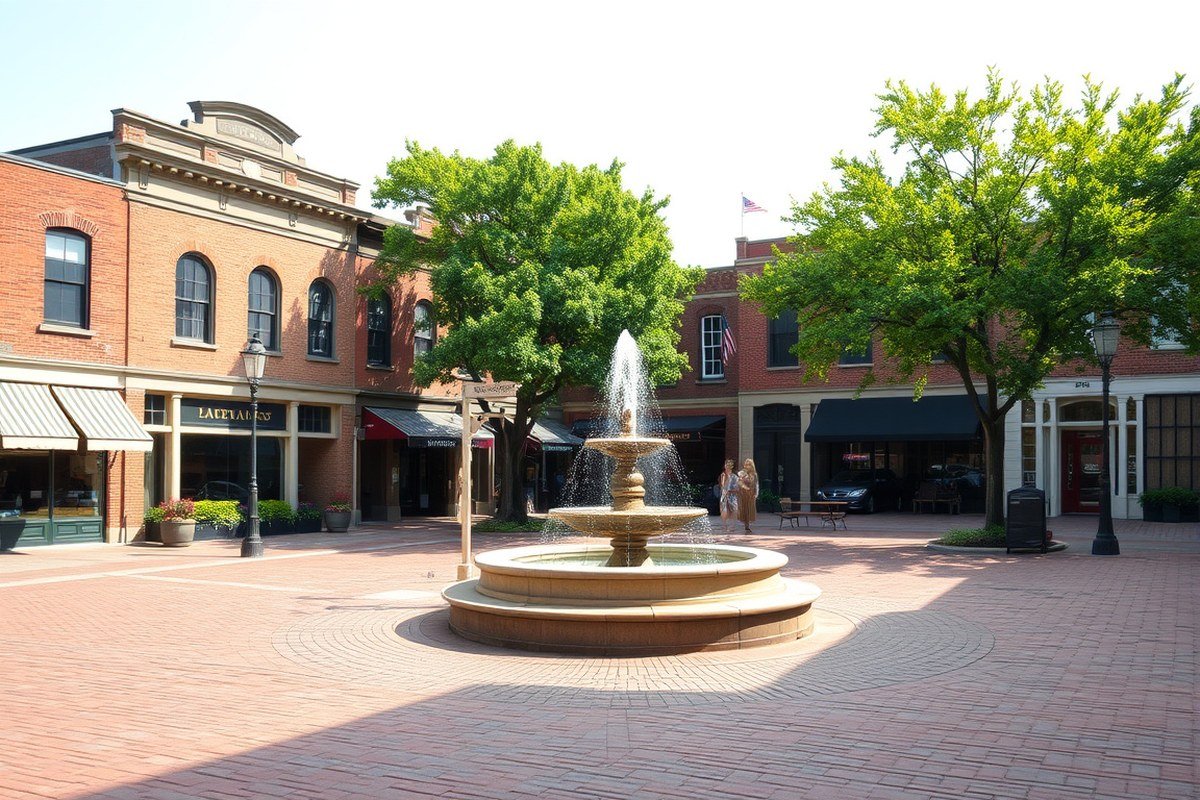
Market Square in Millersburg is now a vibrant hub combining historical charm with modern community use. Recent redevelopment efforts focused on pedestrianization and public space enhancements have significantly improved access and usability. The project, completed within the last decade, introduced widened sidewalks, new benches, decorative lighting, and improved landscaping, all aimed at making the square more inviting for residents and visitors.
These improvements cost several hundred thousand dollars and were funded through a combination of local government grants and private partnerships. Upgrading the square from automobile-dominated traffic to a pedestrian-friendly zone required careful planning to maintain accessibility for nearby businesses while reducing congestion. The pedestrianization facilitates safer, more comfortable foot traffic, allowing local shops and restaurants to benefit from increased footfall directly in front of their doors.
Millersburg residents actively engage with Market Square in various ways. The space regularly hosts farmers markets, craft fairs, and seasonal festivals that draw families and tourists alike. Community groups often use the square for outdoor concerts and public art displays, reflecting the town’s rural character and multigenerational population, which includes about 20.5% under 18 and nearly 15.1% over 65, according to recent demographic data. These events support local artisans and provide social opportunities that strengthen community ties.
Businesses surrounding the square participate by extending their hours during events, offering outdoor seating and displays, and collaborating on joint promotions tied to the activities. The improved public space has helped create a more cohesive downtown where commerce and community life intersect. Maintaining this balance requires ongoing communication between city planners, business owners, and residents to address seasonal needs, parking logistics, and event scheduling.
The modern features like new street furniture and lighting not only improve comfort and safety but also preserve the character of the historic district. Keeping these changes in tune with Millersburg’s architectural heritage helps attract heritage tourism while supporting everyday local use. Potential downsides include costs of maintenance and occasional disruptions during large events, but these are managed through planned upkeep and community feedback.
In summary, Market Square today serves as a dynamic public gathering place that blends historic significance with contemporary functionality. Its successful redevelopment shows how small rural communities can refresh their historic centers to meet current social and economic needs, all while preserving their unique identity.
Historic Maps and Visual Records of Market Square
Historic maps and images provide detailed insights into Market Square’s evolving layout and surroundings in Millersburg. These visual records reveal how the square expanded and adapted through time, showing changes in streets, buildings, and public spaces. You can access these materials through local archives and online collections.
Sanborn Fire Insurance Maps Overview
Sanborn Fire Insurance Maps are among the most detailed historic maps available for Millersburg’s Market Square. Created originally for assessing fire insurance risks, these maps depict building shapes, materials, and uses in fine detail. Comparing editions from different years highlights structural changes, new constructions, and street modifications.
For example, a comparison between maps from the early 1900s and mid-20th century shows Market Square’s architectural growth and the gradual infill of vacant lots. The maps use color codes and symbols to indicate building materials like brick or wood, helping you understand historical construction methods.
| Feature | Description |
|---|---|
| Location | Downtown Millersburg, Holmes County, Ohio |
| Coordinates | 40°33′18″N 81°55′5″W |
| Map Type | Sanborn Fire Insurance Maps |
| Detail Level | Building footprints, materials, street layout |
| Time Frame | Early 1900s to mid-1900s |
These maps help track development patterns and provide context for Market Square’s commercial and social role over decades.
Historic Photograph Collections
Historic photographs complement maps by showing Market Square from eye level, capturing events, architectural details, and daily life. Local historical societies and libraries often maintain collections of photos taken at significant moments or during public gatherings. These images allow you to compare the visual evolution alongside the technical mapping data.
Photos can reveal signage, street furniture, and clothing styles that maps cannot, offering a fuller picture of the square’s historic atmosphere. Many collections include captioned images with dates and descriptions to aid understanding.
Accessing Maps and Archives
You can access historic maps and photographic records of Market Square through several sources. The Holmes County Historical Society and local public libraries hold physical copies and digital scans. Online repositories, including university libraries and state archives, provide searchable databases with downloadable images.
Many of these resources are free to use, though some may require a small fee for high-resolution downloads or print requests. When using Sanborn maps, look for searchable editions by year to compare periods easily. Consider the maps’ scale and legend to interpret symbols correctly, especially regarding building materials and road types.
Always check the date and scale of historic maps before comparing to avoid misinterpreting layout changes caused by differences in map detail rather than real developments.
Explore Market Square Today: A Quick-Start Plan
Visiting Market Square in Millersburg lets you experience its rich history and vibrant community life firsthand. Follow these steps to make the most of your visit and deepen your understanding of the square’s significance.
- Before You Arrive: Research key historic buildings and events at Market Square online or at the local library to know what to look for during your visit.
- Day 1: Take a guided walking tour of Market Square, focusing on architectural styles and historical landmarks to recognize the square’s development over time.
- Day 2: Visit the Millersburg Historic Society or local museum to see historic maps and visual records related to Market Square for added context.
- Day 3: Attend a public event or gathering at the square, such as a market or festival, to experience its current cultural role and community impact.
- After Your Visit: Connect with local preservation groups or follow Market Square’s news to stay updated on ongoing preservation efforts and future events.
Frequently Asked Questions
What Is the History of Market Square Millersburg?
Market Square in Millersburg is a New England style town square that has served as a community focal point since the town’s founding in 1815. It developed around Market Street, hosting public events and evolving with the town’s growth and preservation efforts over time.
When Was Millersburg, PA Founded?
Millersburg, Pennsylvania originated in November 1815 when Adam Johnson and Charles Miller from Coshocton County designed the Old Town layout. This initial plan set the stage for the town’s future growth.
What County Is Millersburg, Pennsylvania Located In?
Millersburg is located in Holmes County, Pennsylvania. It became the county seat of Holmes County, which supported its early growth and prosperity.
Where Is Millersburg, PA Located?
Millersburg is situated in Holmes County in northeastern Ohio, near Holmes County Airport, about two miles southwest of the town center. It is not to be confused with Market Square in Harrisburg, Pennsylvania.
What Historic Event Took Place at Market Square in Millersburg?
On February 22, 1861, Abraham Lincoln spoke from his hotel in Market Square, marking a key moment in the town’s history. This occasion underscores the square’s significance as a center for politics and community events.
Are There Any Notable Historic Buildings on Market Square in Millersburg?
Market Square features several historic buildings including long-standing businesses and restaurants, such as the Original Oyster House, one of the oldest bars founded 144 years ago. This adds to its architectural and cultural significance.
Key Points to Remember
Market Square stands as a landmark where Millersburg’s history, economy, and community life have intersected for generations. Exploring its buildings, events, and preserved records reveals a story of continuous growth and social significance. Plan a visit now to see how history still shapes this central gathering place today.