What Is the Slowest Time at a Restaurant? The Complete Guide with Tips
The slowest time at a restaurant usually falls in the mid-afternoon, between 2 PM and 5 PM, after lunch but before dinner. This quiet period offers less crowded dining and often more attentive service. Whether you’re a diner trying to avoid wait times or a restaurant manager aiming to optimize operations, knowing when these slow hours occur can help you plan better visits or shifts.
Customers curious about less busy dining moments and restaurant owners seeking to improve business during lull times will find practical insights here. You’ll learn why these slow periods happen, how they vary by day and season, and strategies restaurants use to handle them efficiently.
Key Takeaways
- The slowest restaurant time is typically mid-afternoon, from 2 PM to 5 PM, between major meal rushes.
- Arriving 30 minutes to an hour after opening ensures smooth service without early-day hiccups.
- End-of-night visits often face poor service as kitchens prepare to close and staff wind down.
- Slow periods let restaurants adjust staffing and prep to reduce costs and improve service quality.
- Avoid dining too close to closing, since kitchens must finish quickly without keeping staff late.
- Fast food restaurants face differing slow times, with drive-thru speed and order accuracy affecting wait.
When Is the Slowest Time at a Restaurant?

The slowest time of day at a restaurant is typically the mid-afternoon period, running from about 2 PM to 5 PM. This interval falls after the busy lunch rush and before dinner service begins. During these hours, customer volume drops significantly, making it the least profitable stretch of the day for most dining establishments.
On average, this slow period lasts around three hours, though the exact duration can vary slightly by location and restaurant type. Sit-down restaurants that follow traditional mealtime patterns usually see a sharper decline. Fast-food or quick-service restaurants may experience a less pronounced lull due to their extended hours and different customer flow. For example, locations near office parks might maintain steadier traffic throughout the afternoon as workers grab snacks or quick meals.
Understanding when this slow period happens matters greatly because it affects staffing, inventory management, and overall efficiency. You can expect fewer guests, which reduces immediate revenue but also opens opportunities for behind-the-scenes tasks such as staff training, deep cleaning, or organizing supplies. Managing this time well helps keep labor costs in check without compromising readiness for the upcoming dinner rush.
Not every restaurant experiences a slow time to the same degree. Factors like concept, target audience, and location impact how long and intense the lull is. For instance, a café catering mainly to morning brunch customers may see an earlier slowdown, while a family-friendly restaurant might maintain traffic later into the afternoon. Urban eateries near commuter hubs often see fluctuations driven by local work schedules.
During this slowest period, the restaurant’s focus usually shifts from active service to preparation and planning. Staff may switch to cleaning tasks or training exercises to improve skills for peak hours. To use this time productively, some restaurants implement special promotions or discounts aimed at driving mid-afternoon visits. This tactic can partially offset the natural dip in business and keep the dining room more active.
Remaining vigilant about this part of the day helps balance operational costs with customer service goals. For example, adjusting schedules so fewer employees are working during the lull can lower payroll without harming guest experience. However, cutting too deeply might leave the team unprepared for an unexpected early rush or large party. Conversely, ignoring the slowest time and failing to plan can lead to wasted labor hours and lost revenue opportunities.
Why Does the Mid-Afternoon Lull Occur?
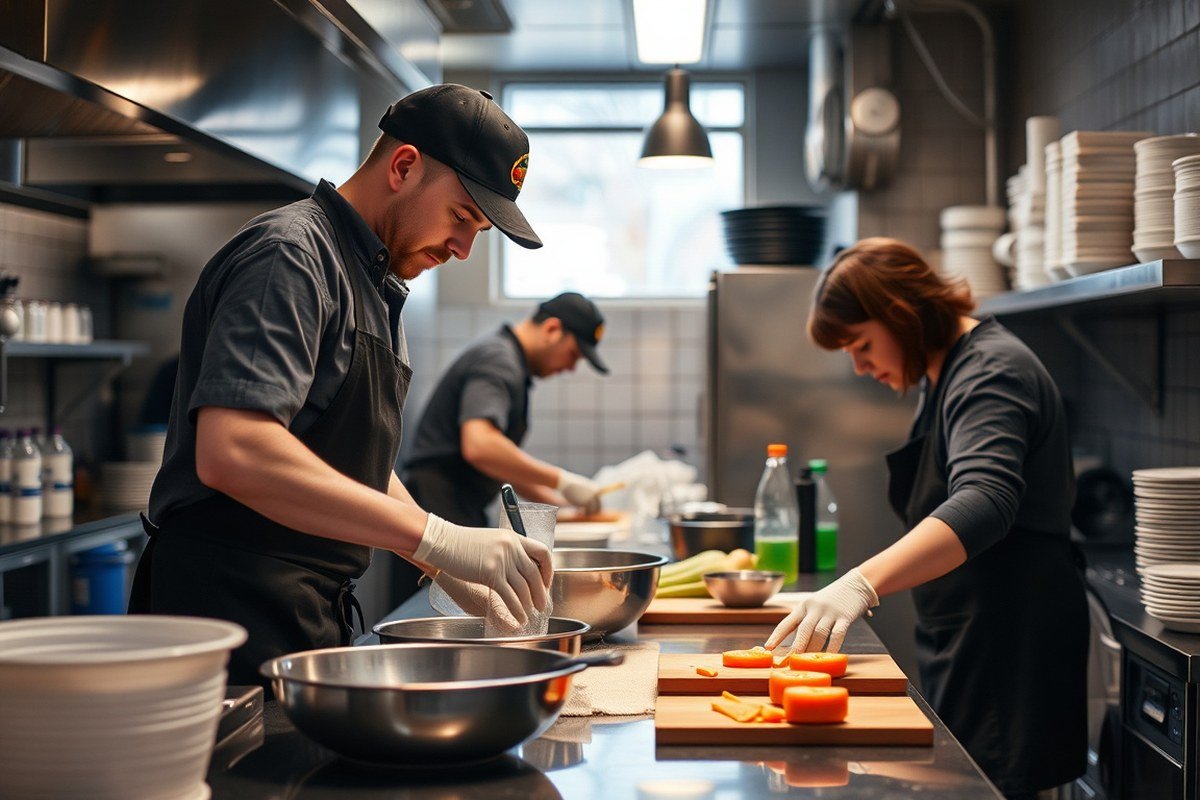
The mid-afternoon lull in restaurants happens mainly because most customers have already had lunch and won’t eat again until dinner. This period, often between 2 p.m. And 4 p.m., sees fewer patrons coming in, leading to lighter foot traffic and slower service flow. Customer habits around meal timing strongly influence this slowdown.
Customer Meal Patterns and Habits
Most restaurant visitors finish lunch by 2 p.m., after which very few choose to eat until the evening. People typically schedule their meals around standard work or school hours, making late afternoon an off-peak time for dining out. In some cases, customers grab snacks or skip formal dining during this period. This behavior naturally leaves restaurants with emptier dining rooms, directly causing the slower pace.
Also, in business districts, the lunch rush peaks around noon to 1:30 p.m. After that, office workers usually return to their desks, reducing the number of customers for the remainder of the afternoon. The drop in demand slows down kitchen and waitstaff activity significantly during these hours.
Impact on Staff Workload and Service
With fewer guests to serve, staff often experience a lighter workload during the mid-afternoon lull. However, this slower pace can paradoxically lead to more mistakes or a decrease in attentiveness. Employees might lose the rhythm and sense of urgency that come with a busier dining room, which can affect the overall customer experience negatively. Maintaining focus during quiet times requires management to engage staff actively.
Restaurants commonly use this period to reduce the number of working staff on the floor or rotate shifts to align labor costs with demand. Servers and kitchen staff may have more downtime, which can be productive when used for cleaning or restocking, but without clear direction, productivity can drop.
Operational Uses of the Slow Period
Restaurants often turn the mid-afternoon lull into a strategic advantage. This time is ideal for training sessions, menu tastings, and staff meetings since the pressure of serving many customers is low. By scheduling skill-building activities like role-playing customer service scenarios, employees stay sharp and prepared for peak hours.
Managers might implement programs such as “skill-share Tuesdays” during this time to cross-train employees on different roles and improve team skills. This proactive use of slow periods improves operational efficiency in the long term and helps maintain staff engagement when customer traffic is low.
Variations by Restaurant Type and Location
While many restaurants see a slow down in the mid-afternoon, the timing and intensity of this lull can vary. Fine-dining establishments may experience it earlier in the afternoon as they prepare for dinner reservations. Fast food or casual restaurants might have a more prolonged lull, especially if they rely heavily on lunch and dinner peaks.
Geographical factors also play a role. Locations in busy city centers might have shorter or less severe lulls due to constant foot traffic, whereas suburban restaurants commonly have pronounced mid-afternoon slow periods. Seasonal shifts, like summer vacations, can further influence how long and slow this period lasts.
Use the afternoon lull intentionally for staff training or kitchen prep to keep your team productive and ready for peak hours ahead.
How Slow Periods Differ by Day, Week, and Season
Slow periods at restaurants vary based on the day of the week, month, and season, influencing customer flow and sales significantly. Most restaurants see the slowest business on Mondays and Tuesdays. These days typically fall right after the weekend rush when customers are less likely to dine out. During these days, foot traffic drops enough to affect staffing needs and inventory planning.
On a monthly scale, January and February are commonly the slowest months. After the holiday season, many people cut back on dining out, partly because of budget constraints and partly due to colder weather. This drop often continues into August, when summer vacations and outdoor activities reduce visits to restaurants. Despite these slow months, the holiday season from November through early January tends to be busy, with specials and group dining boosting sales.
Holidays and local events can either increase or decrease restaurant traffic. For example, surrounding major holidays like Thanksgiving and Christmas, business typically spikes, while the periods immediately after, like early January, see a downturn. Local events influence slow times differently depending on their nature and timing; if an event competes with dining hours, it may reduce traffic, but events that end earlier in the day can lead to busy evenings.
| Time Period | Typical Slow Times | Reason |
|---|---|---|
| Days of the Week | Monday, Tuesday | Post-weekend drop in dining out |
| Months | January, February, August | Post-holiday spending cuts, cold weather, summer vacations |
| Holiday Season | November through early January | Increased spending on celebrations, group meals |
| Local Events | Varies | Can either increase or decrease traffic depending on timing |
Recognizing these slow times allows restaurants to manage costs and focus on strategies to attract customers. For example, during January’s slow period, updating the menu with healthier options may appeal to health-conscious diners cutting back after holiday indulgence. Partnering with nearby businesses for local promotions during slow weekdays or slow months can also bring in extra traffic without significant marketing costs.
Restaurants that prepare for these predictable slow periods by optimizing staffing, adjusting inventory, and boosting local marketing can reduce losses and improve service quality when business picks back up. Using slow times for deep cleaning and staff training helps maintain high standards for busy periods, ensuring customers have a good experience regardless of seasonal fluctuations.
How Slow Times Impact Restaurant Operations and Service
Slow times in restaurants significantly affect profitability, customer satisfaction, staff workload, and service speed. During these periods, fewer customers result in lower revenue, but operational tasks still need to be completed. Staff efficiency and morale also shift as the restaurant transitions from busy service to cleaning and prep activities.
Impact on Profitability and Labor Costs
Slow periods cause a drop in sales, but fixed costs like rent and utilities remain constant. Scheduling too many staff during these hours raises labor expenses without a matching increase in revenue, hurting profitability. To manage this, many restaurants reduce staff levels or assign fewer servers. This cut can lower costs but risks understaffing and poor service if customer traffic suddenly spikes.
Profit margins during slow times tighten as fewer orders cover the same overhead. Balancing labor hours with expected guest volume requires careful forecasting and flexible scheduling. Restaurants that fail to adjust staffing levels accurately may face significant losses or damage their customer experience by being understaffed or overstaffed.
Effect on Customer Experience and Service Speed
Slow periods often lead to quicker service, as staff can focus more attention on each table. However, some customers find slow moments uncomfortable if servers appear idle or inattentive. An added risk is that guests during very late hours may experience slower service because kitchens are winding down and workers are multitasking cleaning tasks.
The end of the night is often the worst time to visit because kitchen staff focus on breaking down the station, washing dishes, and prepping for the next day instead of solely on cooking. This shift in priorities can slow meal preparation and reduce menu options, lowering satisfaction for diners expecting full service.
Changes in Staff Workload and Efficiency
During slow times, the staff workload shifts from serving customers to essential non-customer-facing tasks like cleaning, restocking, and equipment maintenance. These tasks keep the restaurant running smoothly but require at least partial staff presence, which can be less engaging than busy service.
If management uses slow hours productively by scheduling tasks that can’t be done during peak times, staff efficiency improves overall. However, scheduling too many employees during these quiet times leads to idle time and higher costs. Efficiently using this time requires coordination among front-of-house and kitchen teams to balance task completion with readiness for the next rush.
Why Late-Night Slow Periods Are Challenging
The time near closing is frequently the slowest but also the most challenging for service quality. Staff may be fatigued after handling earlier busy periods, impacting speed and accuracy. Kitchens begin shutting down equipment and performing cleaning routines, reducing capacity to prepare fresh dishes quickly.
Guests dining close to closing often find limited menu choices and longer waits. The restaurant is focused on closing tasks rather than customer service. This period can reduce customer satisfaction unless staff manage expectations clearly and maintain high service standards despite the constraints.
Customer Mistakes to Avoid During Slow Restaurant Hours
One common mistake customers make during slow restaurant hours is arriving too early before the staff and kitchen are fully ready. Many restaurants open with a prep period that can last 30 to 60 minutes, where everything is staged and tested to make sure service runs smoothly. Arriving before this window means you might experience delays, incomplete menus, or rushed service. It’s smarter to arrive at least half an hour after the restaurant opens to avoid this issue and get the full dining experience.
Too late can also be a problem. If you come right before closing, the kitchen may be winding down, limiting menu options or speed of service. Meals might be rushed or dishes less fresh as staff prepare to close. To prevent this, check the restaurant’s posted last order or kitchen closing time and plan to arrive at least an hour before closing, so the kitchen has time to deliver quality food without rushing.
Many diners treat slow times as a free-for-all and fail to plan. This passive attitude often leads to underutilizing the restaurant’s resources. Slow hours should be seen as a strategic window to enjoy attentive service and quieter surroundings, but only if you time your visit right and communicate any preferences clearly.
- Reserve ahead, especially during slow hours, to ensure the kitchen and staff prepare properly for your arrival.
- Avoid arrival within 15 minutes of opening and the last 30 minutes before closing for better food quality and smoother service.
- Ask servers about off-menu specials or menu limits during slower times to avoid disappointment.
- Be patient if the staff is fewer or if the kitchen is working with a reduced team; they often have fewer hands during slow hours.
- Don’t expect peak times’ briskness; use slow hours to enjoy a relaxed pace but adjust expectations accordingly.
- Consider dining about 30 to 60 minutes after opening for quick service, breakfast waits average about 4 minutes, making early mid-morning visits a smart choice.
- Avoid casual late-night drop-ins at sit-down restaurants; those times often have limited menu and slower service as the day ends.
Plan your dining time around the restaurant’s schedule, arrive too early or too late, and you risk slow or subpar service, even during slow periods.
Following these tips helps you use slow restaurant times for a better experience without falling victim to common mistakes. Adjust your arrival according to the restaurant’s specific hours and confirm reservation details. Showing proactive planning and awareness of service rhythms lets you enjoy quieter moments with attentive service rather than frustration caused by poorly timed visits.
Strategies Restaurants Use to Maximize Slow Times
Restaurants face slow times that can reduce revenue and impact staff productivity. To counter that, many establishments implement strategies that draw customers in and keep operations efficient during these hours. Promotions tailored to slower periods entice more diners, while using the time for prep and staff development helps maintain service quality when business picks up again.
Successful promotion includes strategies like happy hour discounts, early dining specials, and afternoon tea menus. Adding takeout and delivery expands your customer base beyond those seated inside, increasing sales without raising fixed costs. Slow periods also offer time for completing prep tasks, deep cleaning, and staff training to improve performance and cooperation. To apply these strategies, restaurants typically follow a series of practical steps aimed at maximizing slow periods:
- Analyze sales data to identify specific slow hours and days. Use this information to tailor promotions and staffing.
- Design targeted promotions such as discounts or special menu items available only during slow times. Communicate these offers clearly via social media, the restaurant’s website, or in-store signage.
- Expand service options by offering takeout and delivery during slow periods to attract customers who prefer dining at home.
- Schedule kitchen prep tasks during slow times, including chopping, marinating, and stock preparation, to ensure smooth service during peak hours.
- Implement staff training and cross-training carefully, balancing the need to keep employees engaged without overwhelming them or leaving them idle. Focus on skill development relevant to different roles.
- Conduct preventive maintenance and deep cleaning during these hours to keep the restaurant clean and equipment in top condition without disrupting service.
- Collect customer feedback and monitor results to assess which promotions or strategies drive the most traffic and adjust accordingly.
Properly managing slow times requires time and effort but can yield significant benefits. Promotions that clearly communicate value attract more customers, increasing sales and reducing idle staff time. Prep and cleaning ensure faster turnaround during busier hours. Training boosts employee confidence and flexibility. Slow periods can lead to lost revenue due to underutilized employees and missed chances to boost business. With the right approach, these quieter moments can become productive revenue enhancers.
Comparing Slow Times Across Restaurant Types and Service Styles
Restaurant type has a clear impact on slow periods and wait times. Fast food outlets typically have shorter waits during peak hours but may experience noticeable slow times in the mid-afternoon. Sit-down casual dining usually has more pronounced slow times between lunch and dinner, with wait times varying based on table turnover and staffing. Fine dining tends to have the longest waits overall, especially during peak dinner times, despite slower guest arrival rates.
Fast food restaurants focus on speed and volume, often using drive-thrus to maintain continuous service. For example, Chick-Fil-A’s drive-thru averages about 479 seconds (roughly 8 minutes) wait time. Although this is fast compared to sit-down meals, it might feel longer during busy lines. Complexity in menu items can increase wait times even at fast food places, as seen at Taco Bell, where some locations have optimized to maintain drive-thru quickness while others face delays.
Casual dining restaurants operate on a table-service model. This setup means wait times can fluctuate more dramatically with meal courses and guest pacing. Slow mid-afternoon hours are common, as these establishments rely on steady seating turnover that isn’t as rapid as fast food. Fine dining restaurants handle fewer guests with more extensive service, so waits can extend to 45 minutes or more for a table during busy evenings, reflecting the focus on dining experience over speed.
| Restaurant Type | Typical Slow Period | Average Wait Time | Service Model |
|---|---|---|---|
| Fast Food (Drive-Thru) | Mid-afternoon (2-4 PM) | ~479 seconds (8 minutes) | Continuous, quick service |
| Casual Dining | Mid-afternoon to early evening | Varies; typically 10-20 minutes for a table | Table service, batch orders |
| Fine Dining | Mid-afternoon and late evening | Up to 45 minutes or more for table | Reserved seating, multi-course meals |
Slow periods matter differently depending on the restaurant style. Fast food locations must keep lines moving even during less busy times to maintain profit margins. Casual and fine dining can use slower times to refresh staff or train, but extended wait times during peak hours risk frustrating customers. The longest waits appear in fine dining due to elaborate meal courses and lower table turnover rates. Fast food waits mostly happen in drive-thru lines, influenced by order complexity and volume rather than seating availability. Adjusting staffing and menu options can help manage these slow and peak times effectively.
How to Predict and Prepare for Slow Seasons in Restaurants
Slow seasons in restaurants typically occur during predictable annual periods. Accurately forecasting these months helps owners prepare marketing strategies, adjust staffing, and maintain customer satisfaction to minimize revenue dips. Taking a structured approach enables you to manage slow times proactively instead of reacting under pressure.
Identifying Key Seasonal Patterns
Examining your sales data over multiple years is the best way to identify slow months for your restaurant. Track monthly revenue, guest counts, and reservation trends so you can spot recurring patterns. National trends show many restaurants experience declines during late winter (January and February) and mid-summer, but local factors such as tourism and climate also influence slow seasons.
Pay attention to external events like school calendars, holidays, and large local gatherings that affect foot traffic. The slow season often coincides with periods when customers cut back on dining out due to weather, budgets, or competing social activities. Mark these months clearly on your annual calendar. Use a checklist to record seasonal insights:
- Review at least two years of monthly revenue and guest data
- Correlate slow periods with external factors (weather, holidays)
- Identify if slow times differ by day of the week or meal period
- Consult with nearby businesses and local chamber of commerce
- Monitor social media mentions and customer inquiries
- Note any changes when new competitors open or close
Planning Marketing and Staffing Adjustments
Once you establish which months are slow, design targeted marketing campaigns to attract repeat and new customers. Slow months offer an opportunity to reconnect with regulars through loyalty programs, email newsletters, and social media contests. Offering limited-time discounts or themed events can also bring more diners without eroding your brand value.
Adjust staffing levels to match expected traffic without sacrificing service quality. Overstaffing during slow times inflates labor costs, but understaffing risks poor customer experiences. Consider cross-training employees to fill multiple roles, providing more flexibility while maintaining morale and satisfaction.
Be cautious about deep discounts or excessive promotions; they should be limited in scope and duration to avoid training customers to wait for sales. Instead, focus on improving the dining experience and maintaining a positive reputation that keeps guests coming back throughout the year.
Using Technology and Customer Feedback
Data tools and customer feedback systems play a critical role in predicting and managing slow periods. Point-of-sale (POS) systems often include analytics features that help forecast future trends based on past data, allowing you to plan inventory and staffing efficiently. Online reservation platforms can show booking patterns, indicating when slow times are approaching.
Encourage customers to leave feedback during slow periods to spot any service or menu issues early. Satisfied customers are more likely to return during slow months and recommend your restaurant to others. Use surveys and social media interactions to test new menu items or promotions before the busy season starts.
Ignoring customer feedback during slow months can lead to unresolved issues that drive guests away permanently.
Incorporating these approaches into your management routine requires discipline but can lead to smoother operations and more stable revenue year-round.
Quick-Start Action Plan for Navigating Restaurant Slow Times
Managing or visiting a restaurant during its slowest hours can be more productive and enjoyable with the right approach. Use this plan to handle slow periods effectively.
- Before your visit: Check the restaurant’s typical slow hours online or by calling. You’ll know this worked if you avoid peak times and experience quicker service.
- Day 1 (restaurant owner or manager): Track customer traffic hourly over several days to identify precise slow periods. Accurate data will guide staffing and promotions adjustments.
- Week 1 (restaurant owner or manager): Introduce targeted promotions or specials during slow hours. Measure success by an increase in guests or sales during those times.
- Week 2 (restaurant owner or manager): Adjust staffing levels based on observed slow periods to reduce labor costs without harming service quality. Monitor staff feedback and customer reviews for balance.
- Week 3 (restaurant owner or manager): Experiment with limited menu options or off-peak dining events to attract more customers during slow times. Evaluate by tracking participation and revenue impact.
- Ongoing for customers: Arrive during mid-afternoon or late evening to enjoy less crowded dining and more attentive service. Your experience should feel relaxed and timely.
- Monthly for restaurant businesses: Review slow season trends and adjust marketing or menu offerings seasonally. Success shows in steadier revenue streams despite predictable slowdowns.
Frequently Asked Questions
What Is the Slowest Time of Day in a Restaurant?
The slowest time in a restaurant is generally mid-afternoon, between 2 PM and 5 PM. This period comes after lunch rush and before the dinner service when fewer customers dine.
Can the Slowest Time in a Restaurant Be Used Productively?
Yes, restaurants often use slow times for staff training and deep cleaning. This helps improve efficiency and prepare for busier periods.
How Does the Slowest Time Affect Restaurant Profits?
The slowest time is the least profitable period as customer flow drops. Managing costs carefully during this time is important for overall financial health.
Do Slow Times Vary by Restaurant Type?
Slow times differ by the restaurant’s concept and location. For example, fast-food outlets might see different lulls than fine dining establishments.
Why Is the Period Between 2 PM and 5 PM Usually Slow?
This window is slow because it falls after lunch and before dinner, a natural gap in meal times when fewer people eat out.
How Do Restaurants Plan for Slow Seasons?
Restaurants anticipate slow seasons through sales tracking and adjust staffing and promotions to maintain steady business.
Key Points to Remember
Slow times at a restaurant happen mostly mid-afternoon and vary by day, type, and season because of customer habits and operational rhythms. Recognizing these moments lets you plan visits for better service or helps restaurant operators optimize staff and sales. Start by pinpointing your local spot’s slow periods today to make smarter dining or business decisions that save time and money.