What Is a Good Freezer Temp for Optimal Food Storage?
The good freezer temp for most household freezers is 0°F (-18°C). This temperature effectively stops bacterial growth, preserving food quality and safety for extended periods without causing freezer burn if maintained consistently.
Maintaining this recommended freezer temperature matters because it balances optimal food preservation with energy efficiency. Setting your freezer too warm risks spoilage, while much colder temperatures can waste electricity and may not improve food quality noticeably.
This article explains why 0°F is considered the best freezer temp, how to check and adjust your freezer’s temperature, and explores different freezer types and settings. We'll also cover practical tips to keep your freezer running efficiently for long-lasting food storage.
Understanding Freezer Temperature and Food Safety

How Temperature Affects Food Preservation
Freezing food at the right temperature halts bacterial growth and slows enzymatic changes that cause spoilage. At around 0°F (-18°C), most microbes become inactive, allowing food to be stored safely for months or even years.
Temperatures above 32°F (0°C) allow thawing or partial thawing, which leads to increased bacterial activity and reduced shelf life. Maintaining consistent freezer temperature is key to preserving texture, taste, and nutritional content.
Recommended Freezer Temperature by Food Safety Experts
Leading food safety organizations like the FDA and USDA recommend setting freezers at 0°F (-18°C). This temperature balances food safety, cost-effectiveness, and energy use.
Regularly monitoring and adjusting the temperature can prevent accidental temperature rises that risk food safety. Many modern freezers include digital thermostats for precise control.
How to Check and Adjust Your Freezer Temperature

Using Thermometers to Measure Freezer Temp
Not all freezer temperature displays are accurate. Using a standalone freezer thermometer gives a precise reading. Place it in the middle of the freezer, away from vents or door areas, for an accurate measure.
Check the temperature regularly, especially after adjusting settings or adding large quantities of unfrozen items, which can temporarily raise temperature.
- Calibrate thermometer before use
- Check temperature twice daily after changes
- Avoid placing thermometer near door or vents
Adjusting Temperature Settings
Most freezers have adjustable dials, digital controls, or smartphone apps to change the temperature. The setting to reach about 0°F (-18°C) may be labeled numerically or in increments like "colder" or "warmer."
Avoid setting the freezer colder than needed, which wastes energy and can cause food quality problems, such as freezer burn. Small incremental adjustments followed by monitoring help maintain the right temperature.
- Adjust in small steps
- Wait 24 hours after adjustment to stabilize
- Use digital controls for accuracy when available
Types of Freezers and Their Temperature Ranges
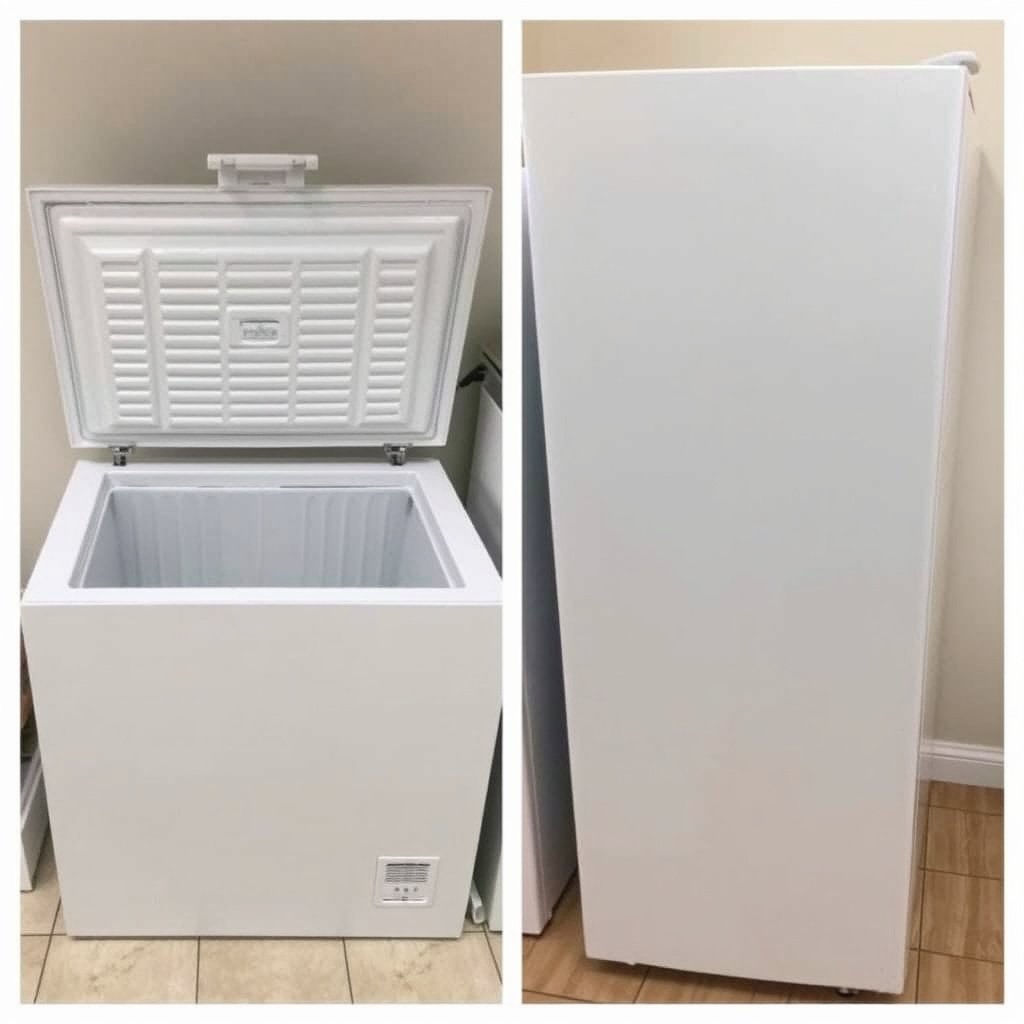
Chest Freezers
Chest freezers typically hold temperature well because of their insulated top-opening design, making them energy efficient and reliable at maintaining 0°F (-18°C).
They tend to have simple mechanical dials for adjusting temperature. Their deep storage space can cause uneven temperature zones if overfilled or blocked, so circulation is important.
- Energy efficient
- Stable temperature
- Simple controls
Upright Freezers
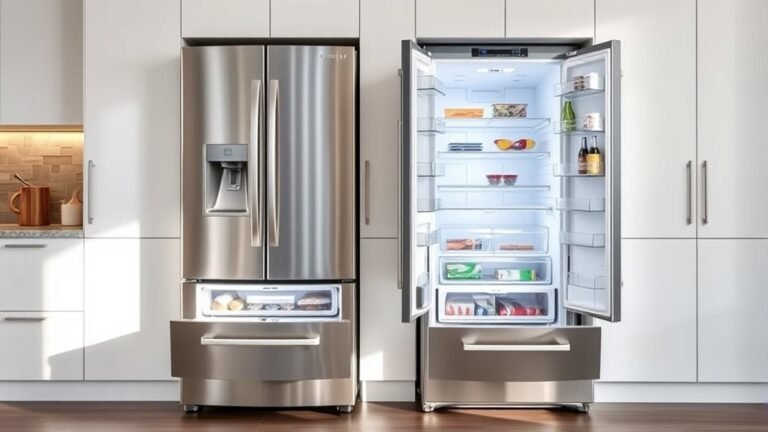
Upright freezers offer convenient access and organization but may have more temperature fluctuation due to frequent door opening, increasing risk of temperature spikes.
Digital temperature settings are more common in upright freezers, allowing precise control. Keeping the door closed quickly and minimizing opening helps maintain the good freezer temp.
- Easy access
- More temperature variance
- Digital controls common
Maximizing Energy Efficiency while Maintaining Optimal Temperature

Energy-Efficient Freezing Practices
Keeping your freezer filled but not overloaded improves efficiency by reducing air volume to cool. Filling empty spaces with containers of water or frozen items helps maintain consistent cold temperatures.
Avoid frequent door opening and ensure seals are tight to prevent cold air loss. Defrost manual defrost freezers regularly to prevent ice buildup that impairs cooling efficiency.
- Keep freezer 70-80% full
- Minimize door open time
- Check door seals regularly
- Defrost regularly if manual
Choosing Energy Star Rated Freezers
Energy Star certified freezers use advanced insulation and compressors designed to keep the freezer temp at 0°F (-18°C) efficiently. They consume less power without compromising food safety.
Upgrading old models to Energy Star freezers can reduce electricity bills and provide better temperature consistency, enhancing long-term food storage quality.
- Reduced power consumption
- Better insulation
- More reliable temperature control
Common Mistakes Affecting Freezer Temperature

Improper Loading and Organization
Overcrowding or poor arrangement can block air vents and reduce airflow, causing uneven temperatures and warm spots that compromise food safety.
Stacking food carefully and rotating older items to the front maintains airflow and ensures the freezer temp remains consistent throughout storage space.
- Avoid blocking vents
- Leave space between items
- Regularly rotate stocks
Ignoring Temperature Fluctuations
Temperature fluctuations from frequent door openings, power outages, or poor seals can reduce freezer effectiveness. Not monitoring temp risks unnoticed thawing and spoilage.
Using alarm systems or smart monitors can alert to temperature changes quickly so corrective actions can be taken to protect stored food.
- Limit door openings
- Use temperature alarms
- Check seals periodically
Good Freezer Temp and Food Longevity

Impact of Correct Freezer Temperature on Storage Times
Keeping freezers consistently at 0°F (-18°C) maintains food quality, flavor, and texture for the longest recommended storage periods. This slows spoilage and freezer burn that degrade food.
Foods stored above recommended temps can lose safety faster, leading to waste. Proper temperature control helps avoid costly spoilage.
For detailed guidelines on freezer temperature recommendations from the USDA, consult this authoritative resource. Freezer temperature recommendations.
Effects of Freezer Burn and Temperature Variation
Freezer burn occurs when cold, dry air dehydrates food surfaces due to improper sealing or fluctuating temperatures, particularly if freezer temp rises occasionally above 0°F.
While freezer burn doesn’t make food unsafe, it affects taste and texture, which can be minimized by maintaining a stable good freezer temp and proper packaging.
Freezer Temperature Settings Category Comparison
This table compares different freezer types and how their temperature settings impact efficiency, convenience, and food preservation.
| Freezer Type | Typical Temperature Range | Energy Efficiency | Ease of Temperature Control | Suitability for Long-Term Storage |
|---|---|---|---|---|
| Chest Freezer | 0°F to -10°F | High | Basic dial controls | Excellent for long-term |
| Upright Freezer | 0°F to 5°F | Moderate | Digital and manual controls | Good for medium to long-term |
| Refrigerator Freezer Combo | 0°F to 10°F | Lower | Integrated digital controls | Better for short to medium-term |
| Portable Freezer | -4°F to 32°F | Varies widely | Simple mechanical or digital | Limited long-term efficacy |
| Deep Freezer (Commercial) | -10°F to -20°F | Variable, often high | Advanced digital systems | Best for very long-term storage |
Frequently Asked Questions
Why is 0°F considered the optimal freezer temperature?
At 0°F (-18°C), bacterial growth is effectively stopped, keeping food safe for long periods without significant quality loss or freezer burn.
Can freezer temperatures below 0°F improve food quality?
Temperatures much below 0°F do not significantly improve food quality but increase energy use and might cause freezer burn more easily.
How often should I check my freezer's temperature?
It's best to check the freezer temperature weekly or after adjusting settings to ensure it stays at the recommended 0°F.
Does a freezer's size affect how well it maintains temperature?
Yes, larger freezers may have slight temperature variations; maintaining good airflow and avoiding overcrowding helps keep consistent temps.
What should I do if my freezer temperature fluctuates frequently?
Minimize door openings, check seals, avoid overloading, and consider installing a temperature alarm to stay notified of changes.
Key Takeaways
- A freezer temp of 0°F (-18°C) is ideal for safe, long-term food storage.
- Regular temperature monitoring and adjustments keep food fresh and safe.
- Proper loading and good seals prevent temperature fluctuations.
- Energy Star freezers combine efficiency with consistent temperature control.
Conclusion
Choosing and maintaining the right freezer temperature is fundamental to preserving food safety, nutrition, and quality. Setting your freezer to 0°F (-18°C) offers the balance between stopping bacterial activity and efficient energy use. Consistent temperature helps prevent spoilage and freezer burn, keeping your food fresh longer. By regularly monitoring and managing door openings, food placement, and seals, you can maintain this temperature effectively throughout the freezer's storage compartments.
In practice, the choice of freezer type influences temperature stability. Chest freezers generally maintain this good freezer temp more reliably, making them ideal for long-term storage, while upright freezers offer convenient access with slightly more temperature variability. For those prioritizing energy efficiency, Energy Star rated models provide precise freezer temperature settings with less power consumption. Portable and refrigerator combo freezers are better suited for short or medium-term storage where exact 0°F consistency is harder to maintain.
If you want to safeguard your frozen food, start by verifying your freezer's actual temperature using an accurate thermometer. Adjust your settings gradually until you achieve and sustain the recommended freezer temperature. Consider upgrading to models with digital controls and alerts if temperature stability is a frequent concern. Taking these steps will ensure you get the best performance from your freezer, preserving your food safely over time.