Where Are KitchenAid Refrigerators Manufactured? A Detailed Manufacturing Location Guide
KitchenAid refrigerators are primarily manufactured in the United States, with major production facilities located in Greenville, Ohio. This plant handles a significant portion of KitchenAid’s refrigeration products, emphasizing quality craftsmanship that meets the brand's high standards. Additionally, some components or sub-assemblies might be sourced or partially produced internationally but are assembled domestically.
Knowing where KitchenAid refrigerators are made matters because it influences product quality, warranty service, and consumer perceptions of reliability. Being largely U.S.-based, KitchenAid benefits from strict manufacturing standards and closer oversight, helping maintain its reputation for durable, well-designed kitchen appliances. This manufacturing location also affects logistics and availability across North America.
This article will explore KitchenAid refrigerator manufacturing locations, discuss the brand’s production processes, detail key factories involved, compare these with competitors, and provide insights into what these manufacturing bases mean for customers considering a KitchenAid refrigerator.
KitchenAid Refrigerator Manufacturing Locations

Primary Factory in Greenville, Ohio
The Greenville, Ohio plant is the flagship KitchenAid refrigerator manufacturing facility. Here, final assembly of refrigerators occurs, including integrating compressors, shelving, and refrigeration systems. The factory features advanced robotics alongside skilled labor to ensure consistent build quality.
This plant focuses on high-end and professional-grade refrigerators, supporting KitchenAid’s positioning as a premium brand. With proximity to key suppliers and efficient distribution channels, Greenville works as a central hub for the U.S. market.
- Final assembly and quality control
- Integration of compressors and refrigeration components
- Focus on professional-grade models
- Advanced automation combined with skilled employees
Additional Component Sourcing and Sub-Assembly
While the main assembly takes place in Ohio, some refrigerator parts such as electronic controls, glass shelves, or insulation materials can be sourced from international suppliers or other domestic facilities. This approach balances cost with quality without compromising the final product's integrity.
Sub-assemblies may be partially manufactured in Mexico or other global KitchenAid facilities to streamline operations. Nonetheless, these parts undergo strict quality checks before reaching the Ohio plant for final assembly.
- Electronic components from international suppliers
- Glass and plastic parts from U.S. and Mexico
- Sub-assemblies prepared offsite
- Stringent quality controls on all incoming parts
Impact of Manufacturing Location on Product Quality

Quality Control in U.S. Facilities
Producing refrigerators primarily in U.S. plants allows KitchenAid to implement rigorous quality control standards adhering to domestic manufacturing regulations. This leads to fewer defects and higher reliability compared to manufacturers relying entirely on offshore production.
The Ohio plant employs experienced inspectors who monitor every stage of assembly, from door alignment to refrigeration efficiency and electrical safety, ensuring every refrigerator meets KitchenAid’s brand standards.
- Strict adherence to manufacturing protocols
- Dedicated quality inspection teams
- Real-time testing during assembly
- Improved product reliability
Consumer Perception and Warranty
U.S.-based manufacturing positively influences customer trust, often associated with superior build quality and better post-sale support. KitchenAid’s domestic production contributes to its extended warranties and responsive customer service network across North America.
This manufacturing setup helps assure customers that replacement parts and repairs are more accessible, potentially lowering long-term ownership costs.
- Enhanced brand trust
- Extended and reliable warranties
- Access to U.S.-based customer service
- Greater availability of replacement parts
Comparison of KitchenAid with Other Refrigerator Brands

Manufacturing Locations of Major Competitors
Brands like Whirlpool, LG, and Samsung have diverse manufacturing footprints involving plants in the U.S., Mexico, South Korea, and China. Their mixed production strategies aim to balance costs with market demands.
Compared to these, KitchenAid’s focus on U.S. assembly for refrigerators shifts its market position to emphasize quality and domestic jobs, which appeals to a segment willing to invest more for perceived durability.
- Whirlpool: U.S. and Mexico plants
- LG and Samsung: primarily Asia-based manufacturing
- KitchenAid: predominantly U.S.-based assembly
- Varied supply chain strategies
Effect of Manufacturing Strategy on Price and Design
The heavier use of U.S. manufacturing contributes to KitchenAid refrigerators tending to be priced above mass-market brands. This investment in quality also supports unique design features and premium materials used in their models.
Global manufacturing brands may offer lower price points but sometimes compromise on customization or premium finish options found in KitchenAid’s line.
- Higher production costs for domestic assembly
- Premium materials and design features
- Broader customization options
- Tradeoff between cost and quality
Environmental Considerations in KitchenAid Manufacturing
Energy Efficiency Initiatives
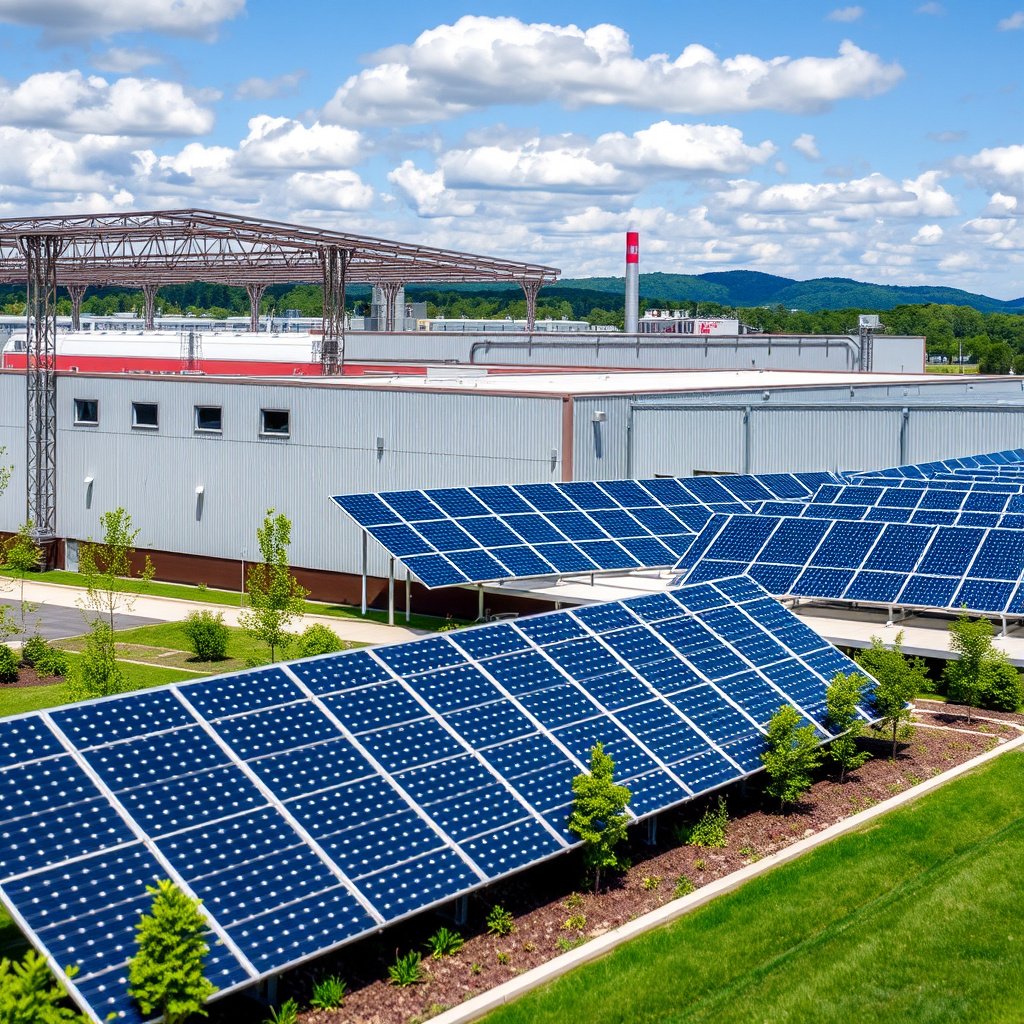
KitchenAid’s Ohio manufacturing plant implements energy-saving practices including LED lighting, water conservation, and waste reduction programs. These efforts align with Whirlpool Corporation’s broader sustainability goals.
Energy-efficient production processes help reduce environmental impact and align with many consumers’ preference for brands with green credentials.
- Use of renewable energy sources
- Recycling and waste management
- Water usage reduction
- Sustainable materials sourcing
Recycling and End-of-Life Programs
KitchenAid also participates in appliance recycling programs, allowing consumers to return old refrigerators for responsible disposal. Manufacturing incorporates recycled materials where feasible, enhancing overall sustainability.
These initiatives reduce landfill waste and support circular economy principles within KitchenAid’s business model.
- Consumer appliance take-back programs
- Incorporation of recycled plastics and metals
- Minimizing hazardous material use
- Supporting circular economy
Key Features of KitchenAid Refrigerators Linked to Their Manufacturing

Innovative Storage and Cooling Technologies
KitchenAid refrigerators often feature produce preserver compartments, adapted humidity controls, and advanced airflow systems developed and fine-tuned at their U.S. facilities. Such innovations arise from tight integration between design and manufacturing.
This close relationship between factory and R&D teams ensures that features perform as intended and can be reliably produced at scale.
- Produce Preserver humidity system
- Multi-flow air distribution
- Temperature management zones
- Precision cooling technology
Customizable and Professional-Grade Designs
Manufacturing expertise in Ohio allows KitchenAid to offer features like configurable shelving, professional-style handles, and integrated water filtration, catering to premium customers.
This setting supports modular parts and premium materials, enabling tailored designs for kitchens with specific aesthetic or functional desires.
- Adjustable and durable shelving
- Professional-style hardware and finishes
- Built-in water filtration systems
- Modular internal configurations
Future Outlook for KitchenAid Refrigerator Manufacturing

Advancements in Smart Appliance Production
KitchenAid is investing in integrating IoT and smart features into refrigerators manufactured at its Ohio plant, including Wi-Fi controls, inventory management, and adaptive temperature predictions.
Their manufacturing line is adapting to include more electronics assembly and software integration, preparing for a smarter kitchen future.
- Wi-Fi-enabled control panels
- Smart food inventory tracking
- Remote diagnostics
- Energy monitoring features
For detailed background and history on KitchenAid’s manufacturing and product lines, the KitchenAid Wikipedia page offers comprehensive information. KitchenAid Wikipedia page.
Maintaining U.S.-Based Manufacturing Amid Global Trends
KitchenAid’s commitment to domestic production faces challenges from global supply chain pressures but continues due to consumer demand for American-made appliances. Investment in automation and employee training aims to keep U.S. plants competitive.
This strategy also aligns with Whirlpool Corporation’s focus on local manufacturing jobs and responsiveness to quality assurance challenges posed by offshore assembly.
- Increased automation to improve efficiency
- Continuous employee skill development
- Supply chain resilience efforts
- Focus on domestic market needs
KitchenAid Refrigerator Manufacturing vs Competitors: Facility and Quality Comparison
This comparison outlines key differences in manufacturing locations and quality factors among KitchenAid and other major refrigerator brands.
| Brand | Primary Manufacturing Location | Quality Focus | Price Range |
|---|---|---|---|
| KitchenAid | Greenville, Ohio, USA | High – U.S. assembly with strict quality controls | Premium ($1,200 – $4,000) |
| Whirlpool | U.S. and Mexico | Moderate to High – Mixed facilities, strong QC in U.S. | Mid to Premium ($900 – $3,700) |
| LG | South Korea and China | Moderate – Large volume international production | Mid ($800 – $3,000) |
| Samsung | South Korea and China | Moderate – High volume global manufacturing | Mid ($800 – $3,200) |
| GE Appliances | U.S. and Mexico | Moderate – U.S. focus on major lines | Mid ($900 – $3,500) |
Frequently Asked Questions
Are all KitchenAid refrigerators made in the USA?
Most KitchenAid refrigerators are assembled in the USA, primarily at the Greenville, Ohio plant, though some parts come from international suppliers to balance quality and cost.
How does KitchenAid's U.S. manufacturing affect product warranty?
U.S. manufacturing supports KitchenAid's robust warranty and customer service, offering easier access to repairs and replacement parts within the country.
Does KitchenAid source any refrigeration parts outside the U.S.?
Yes, some components like electronic controls or specialty materials may be sourced internationally but are carefully inspected before assembly in the U.S.
How do KitchenAid refrigerators compare in price due to their manufacturing location?
Because of U.S. assembly costs and premium materials, KitchenAid refrigerators generally have higher prices compared to brands using more offshore manufacturing.
Is KitchenAid investing in sustainable manufacturing practices?
Yes, KitchenAid's manufacturing facilities employ energy-saving technologies, waste reduction initiatives, and recycling programs aligned with Whirlpool Corporation sustainability goals.
Key Takeaways
- KitchenAid refrigerators are mainly assembled in Greenville, Ohio.
- Some components are sourced globally but assembled domestically.
- U.S. manufacturing supports higher quality and extended warranties.
- KitchenAid’s production focuses on premium designs and durability.
Conclusion
Determining where KitchenAid refrigerators are manufactured reveals a mostly U.S.-based production model centered in Greenville, Ohio, complemented by international sourcing for some components. This approach balances quality control with efficiency, letting the brand maintain a reputation for premium, reliable products with strong domestic assembly oversight. Understanding these manufacturing locations is key when evaluating KitchenAid's value and durability in comparison to other brands that rely more heavily on overseas production.
KitchenAid's focus on U.S. manufacturing contributes to premium pricing but also supports advanced features, professional-grade designs, and easier access to customer service and repairs. Brands like Whirlpool share some U.S. production elements, while competitors such as LG and Samsung emphasize overseas plants for cost savings. For consumers prioritizing build quality and American-made appliances, KitchenAid's Greenville plant represents an important assurance of craftsmanship and consistency.
For those interested in KitchenAid refrigerators, visiting the official website or a showroom can confirm specific model details and confirm manufacturing origins if this is a deciding factor. In addition, considering energy efficiency, warranty plans, and local service options alongside manufacturing location helps form the best purchasing decision. Learning where these refrigerators come from guides buyers toward products that align with their quality expectations and values.