What Is a Ventless Dryer? The Complete Answer
Many people struggle with finding space for a traditional dryer, especially in apartments or small homes. If you’re tired of dealing with bulky appliances and venting issues, you’re not alone.
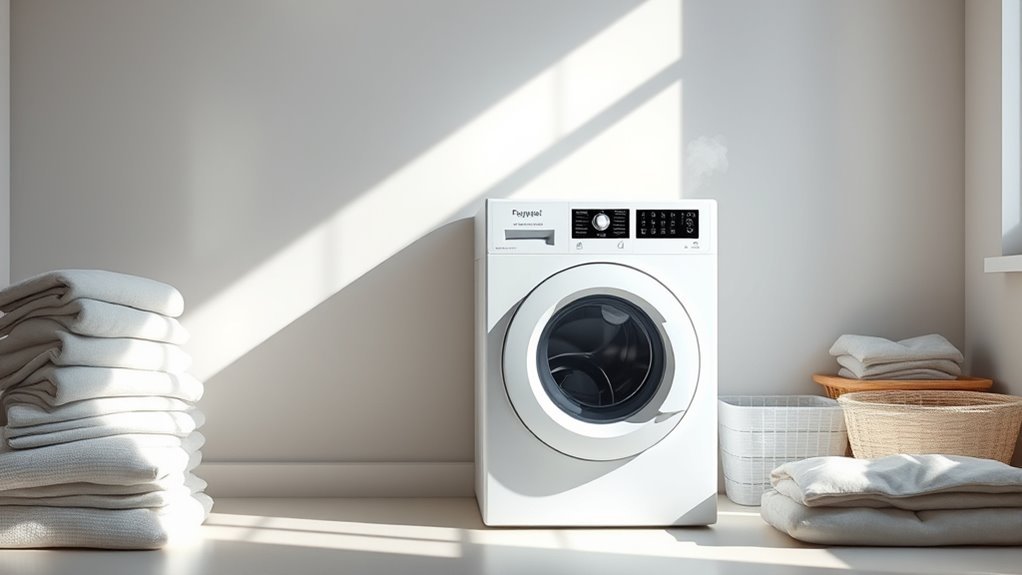
Ventless dryers are becoming a popular solution for those seeking convenience without the hassle. A ventless dryer dries your clothes without needing an external vent, making it ideal for spaces like apartments or closets where venting isn’t possible.
It uses advanced tech like heat pumps or condensers to remove moisture efficiently while saving energy. These dryers are compact, flexible in placement, and often quieter, though they may take longer to dry clothes.
If you want to know how to choose, install, and maintain one, you’ll find plenty of helpful details ahead.
Key Takeaways
- A ventless dryer dries clothes without needing external venting by condensing or evaporating moisture inside the unit.
- It includes heat pump and condenser types, which offer energy-efficient and flexible drying options.
- Ventless dryers save space and can easily be installed in small areas like apartments or closets.
- They use smart sensors to optimize drying time and prevent over-drying.
- Some drawbacks are higher upfront costs, longer drying times, and potential indoor moisture buildup.
What Is a Ventless Dryer and How Does It Work
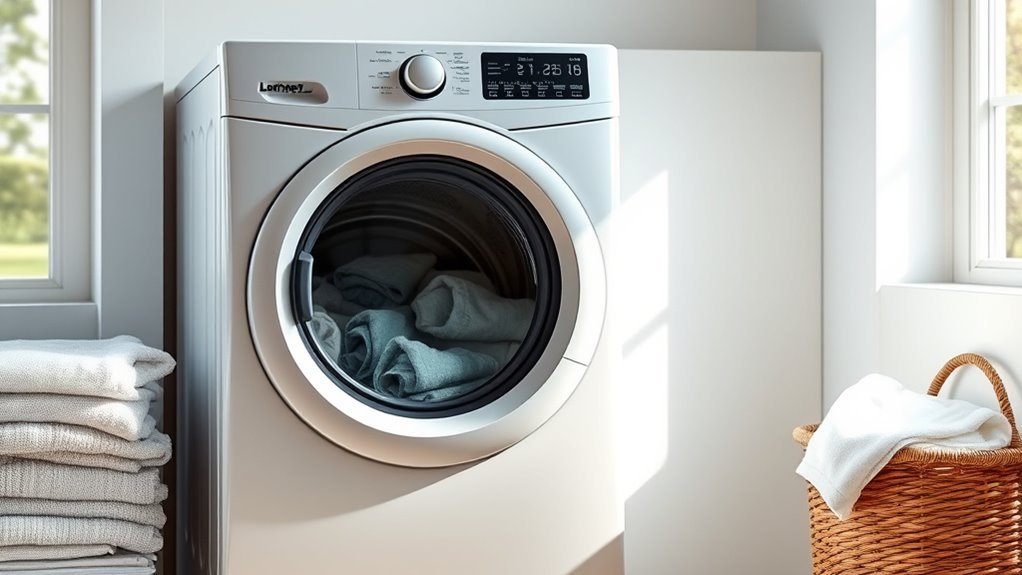
A ventless dryer is a small appliance that dries your clothes without needing an external vent. Instead of pushing moist air outside, it uses advanced drying technology to condense or evaporate the moisture inside the machine.
This means you can install it almost anywhere, even if you don’t have a traditional vent setup. It’s especially handy in apartments or small homes where space and ventilation options might be limited.
Different Types of Ventless Dryers
Ventless dryers come in three main types, each with unique features that suit different needs and spaces. First, heat pump dryers are energy-efficient, using a closed-loop system to recycle heat. They offer multiple drying cycles and have lower noise levels, but their initial cost tends to be higher.
Condenser dryers collect moisture in a reservoir, making installation easier since you don’t need external venting. They usually have a compact design, which is perfect for smaller areas, but expect slightly higher maintenance due to water disposal.
Condenser dryers simplify installation with no venting needed and fit well in compact spaces, though require water disposal.
Finally, there are ventless dryers powered by various energy sources, including electric and gas. User reviews highlight differences in drying times and noise levels. When choosing, consider installation tips like space availability and ventilation options.
Balancing energy use, cost, and your laundry habits will help you pick the best ventless dryer for your home.
How Ventless Dryers Differ From Traditional Models
You’ll see that ventless dryers don’t need an external vent like traditional models do. This really changes how they deal with moisture—since they don’t have to vent it outside, they handle it differently inside the machine.
They also tend to use less energy, which makes them more efficient overall. And because they don’t require a vent, you can pretty much put them anywhere you want without stressing over venting options. It’s a pretty flexible choice for different spaces in your home.
Venting Mechanism Differences
Although traditional dryers rely on external vents to get rid of hot, moist air, ventless dryers don’t need that. Instead, they use a different system to remove moisture from the air.
They focus on advanced airflow management and internal moisture extraction. Instead of venting outside, they cool and condense the moisture using a heat exchanger or condenser.
This means they recycle the heated air inside the drum, so there’s less need for outside airflow. The collected water is stored in an internal reservoir or drained away automatically.
Because they don’t require duct installation, ventless dryers are perfect for tight spaces without vent access. This approach changes how airflow is managed, eliminating traditional vents but still drying clothes effectively.
Energy Efficiency Comparison
When comparing energy use, you’ll find that ventless dryers often consume less power than traditional models because they recycle heat instead of constantly expelling warm air. This process reduces overall energy consumption and can lower your operational costs over time. Traditional dryers lose heat via vents, making them less efficient.
| Feature | Ventless Dryer | Traditional Dryer |
|---|---|---|
| Energy Consumption | Lower (heat recycling) | Higher (vented heat loss) |
| Operational Costs | Reduced | Higher |
| Drying Time | Slightly longer | Usually shorter |
While ventless dryers may take a bit longer, the savings in energy and operational costs make them a smart choice if you want efficiency without sacrificing performance.
Installation Flexibility Benefits
Besides saving energy, ventless dryers offer big advantages in where and how you can install them. Unlike traditional models that need a vent to the outside, ventless dryers give you more options and better space flexibility.
You can put them in places without external walls or duct access, giving you more freedom with your home layout.
Think about these benefits:
- Install in closets, bathrooms, or basements without worrying about venting.
- Use stackable units to make the most of tight laundry spaces.
- Set up in apartments or condos where venting isn’t possible.
- Easily move or reposition them since no ductwork is needed.
With these options, ventless dryers make laundry more convenient, especially in spaces where traditional dryers just wouldn’t fit.
Benefits of Ventless Dryers
You’ll really notice how ventless dryers help save energy because they recycle heat instead of letting it go to waste. It’s pretty great because you don’t have to worry about losing that heat, which means they’re more efficient overall. Plus, since they’re designed to fit into smaller spaces, they’re a perfect choice if you’re living in a cozy apartment or a compact home.
Let’s take a closer look at these benefits and see how they can make your laundry routine a bit easier and more efficient.
Energy Efficiency Advantages
Although ventless dryers might seem unfamiliar at first, they offer impressive energy efficiency compared to traditional vented models. You’ll notice reduced energy consumption, which directly leads to savings on your utility bills. Here are four key energy efficiency advantages you’ll appreciate:
- Heat Recycling: Ventless dryers reuse heat, which helps cut down on wasted energy.
- Lower Power Usage: They use less electricity by running optimized drying cycles.
- No Heat Loss Through Vents: Since they don’t vent air outside, heat stays inside, making them more efficient.
- Smart Sensors: Many models detect moisture levels, preventing over-drying and unnecessary energy use.
Space-Saving Design
Ventless dryers offer several space-saving benefits that make them perfect for small living areas. Thanks to their compact design, they fit easily into apartments and urban spaces where every inch matters.
They provide efficient laundry solutions without bulky venting systems, freeing up room for other essentials. Their design not only saves space but also keeps your laundry area looking neat and modern.
Many models even serve multiple purposes, combining drying with extra features that make laundry easier. If space is tight but you still want great performance, a ventless dryer is a smart choice. It helps you make the most of your space while keeping your laundry routine simple and efficient.
Drawbacks to Know Before You Buy a Ventless Dryer
Before deciding on a ventless dryer, it’s important to think about some drawbacks that could impact your laundry routine. While they’re convenient, there are costs and performance issues to keep in mind.
Higher upfront cost Ventless dryers are usually more expensive than traditional models, which could affect your budget.
Longer drying times These dryers often take more time to dry clothes, so your laundry sessions might be longer.
Limited load capacity You might need to do smaller loads more often because ventless dryers typically handle less laundry at once.
Moisture buildup Since they don’t vent outside, excess moisture can stay in your laundry area, possibly causing humidity problems.
Knowing these drawbacks can help you decide if a ventless dryer is the right fit for your lifestyle and laundry needs before you buy.
Energy Efficiency and Savings With Ventless Dryers
When you choose a ventless dryer, you can often save energy compared to traditional dryers because these models recycle heat instead of releasing it outside. This design reduces overall energy use by efficiently reusing warm air during each drying cycle. Since ventless dryers don’t expel hot air, they maintain a more consistent drying temperature, which helps cut down on electricity.
You’ll notice cost savings over time as your energy bills drop thanks to this improved efficiency. Though ventless dryers might have a higher upfront price, the reduced energy consumption often balances that out, making them economical in the long run. Plus, their compact design and lack of venting requirements can lower installation costs.
When Is a Ventless Dryer the Best Choice for You?
Thinking about a dryer but worried about space or venting? A ventless dryer might just be the perfect fit. These units are great if you’re tight on room or can’t go through the hassle of installing a traditional vent. They tend to be more energy-efficient too, which is a nice bonus.
Plus, they’re super flexible when it comes to where you can put them. No need for a venting route means you can place them almost anywhere — in a closet, bathroom, or even a small laundry nook. So, if that sounds like what you need, a ventless dryer could be the smart choice for you.
Space Constraints Consideration
Because ventless dryers don’t need an external vent, you can install them in tight spaces where traditional dryers just won’t fit. They’re perfect for small laundry areas or apartments with limited room.
If space is a concern, ventless dryers offer smart solutions that save you room. Here’s when choosing one makes sense:
- You live in an apartment or condo without external vent access.
- Your laundry spot is inside a closet or small bathroom.
- You want a stackable unit to save vertical space.
- You prefer flexible placement without worrying about vent installation.
Energy Efficiency Benefits
Although ventless dryers may take a bit longer to dry clothes, they use way less energy than traditional vented models, making them a great choice for anyone looking to cut utility bills and help the environment.
When you choose a ventless dryer, you benefit from big energy savings because these units recycle heat during drying instead of constantly venting warm air outside.
This efficiency lowers your electricity use and helps reduce your carbon footprint. If you’re focused on minimizing environmental impact without sacrificing drying power, a ventless dryer is a perfect fit.
Plus, the energy savings add up over time, making it a smart investment for your home and the planet.
Installation Flexibility Options
When you need a dryer that fits into tight spaces or places without external venting options, a ventless dryer offers unmatched installation flexibility. Its compact design and lack of a venting system let you choose from a variety of installation locations, regardless of traditional space requirements.
Here’s when a ventless dryer is your best choice:
- Apartments or condos without external walls for venting
- Closets or small laundry rooms with limited space
- Renovated homes where adding vents is impractical
- Mobile homes or RVs with strict space and installation limits
Choosing the Right Ventless Dryer: Size, Features, and Price
Choosing the right ventless dryer involves balancing size, features, and price to fit your specific needs. Start by evaluating capacity considerations; pick a dryer that matches your typical laundry load to avoid multiple cycles or wasted energy. If you have a large family, a bigger drum size will save time, while smaller models suit singles or couples better.
Next, explore feature comparisons. Look for moisture sensors, multiple drying programs, and easy-to-clean filters. These features improve efficiency and protect your clothes. Some models offer smart connectivity, letting you control your dryer via an app. Think about which features truly add value for you.
Finally, weigh the price against your budget. Ventless dryers come in various price ranges, so find one that offers the best balance of capacity and features without overspending. Prioritize what matters most to your lifestyle, and you’ll find a ventless dryer that fits perfectly.
Installation Tips for Small Spaces
Installing a ventless dryer in a small space requires careful planning to make the most of the area without feeling cramped. Thanks to its compact design, a ventless dryer fits well in tight spots, but you still need to find the right placement to ensure proper airflow and easy access.
Here are four tips to help you install your ventless dryer in a small space:
- Measure your space carefully and choose a ventless dryer with a compact design that fits comfortably.
- Position the dryer near a power outlet and water source if it has a condenser system to make installation easier.
- Leave enough clearance around the dryer for ventilation and to access controls easily.
- Consider stacking the dryer on top of a compatible washer to save floor space.
Following these tips will help you enjoy your ventless dryer’s benefits without crowding your small laundry area.
Maintaining Your Ventless Dryer and Troubleshooting Common Issues
Maximizing space with a ventless dryer means keeping it running smoothly so you don’t get interrupted. Regular maintenance is key—start by cleaning the lint filter after every load to keep airflow and efficiency high.
Check the condenser unit or water reservoir often and empty or clean them as needed to prevent blockages. Wiping down the drum and seals helps avoid buildup that can cause odors or wear.
If your dryer isn’t drying clothes well or takes too long, try troubleshooting. Make sure the load isn’t too big and that clothes are evenly spread out. Listen for strange noises, which could mean mechanical issues.
If water isn’t draining properly, inspect the drainage system for clogs. Also, check that the machine is level to prevent vibrations.
Sticking to these maintenance routines and troubleshooting tips will keep your ventless dryer working efficiently. It saves time and energy while helping extend its lifespan.
Frequently Asked Questions
Can I Use a Ventless Dryer With Any Type of Laundry Detergent?
Yes, you can use most types of laundry detergent with a ventless dryer, but detergent compatibility is important for laundry efficiency.
Using high-efficiency (HE) detergents is best because they produce fewer suds, which helps your ventless dryer work properly.
Avoid heavy, non-HE detergents that create excess foam, as they can reduce drying performance and even cause issues.
Sticking to HE detergents guarantees your laundry dries efficiently and keeps your dryer running smoothly.
Are Ventless Dryers Safe to Use in Homes With Pets?
You might be surprised, but ventless dryers are generally safe to use in homes with pets. They’re designed to maintain dryer efficiency without releasing hot air or lint outside, which reduces risks for your four-legged friends.
Just make sure to keep pets away during operation to avoid accidents. Plus, their sealed system helps contain allergens, supporting both pet safety and a cleaner home environment.
Do Ventless Dryers Produce Noise Compared to Traditional Dryers?
You’ll notice ventless dryers generally produce lower noise levels compared to traditional dryers because they use condensation instead of venting hot air. This means you won’t hear loud exhaust sounds, making them quieter overall.
However, their drying efficiency can be a bit less, so they might run longer. Despite that, you’ll appreciate the reduced noise, especially if your laundry space is near living areas or bedrooms.
How Long Do Ventless Dryers Typically Last Before Needing Replacement?
You can expect a ventless dryer to last around 10 to 15 years before needing replacement. Because they have fewer installation requirements, you can set them up almost anywhere.
Their energy efficiency helps keep running costs low over time. To get the most life out of your dryer, make sure you clean the lint filter regularly and avoid overloading it, which can wear out the components faster.
Can Ventless Dryers Be Used in Commercial Laundry Settings?
You can use ventless dryers in commercial laundry settings, but they tend to be slower than traditional machines.
While they offer energy savings and flexible placement, their drying capacity is usually smaller.
If your business handles heavy loads regularly, ventless dryers might have trouble keeping up.
However, for smaller or specialty operations, they can be a smart, space-saving choice that cuts utility costs without sacrificing convenience.
Conclusion
You might think ventless dryers can’t match traditional models, but they surprise you with space-saving convenience and energy efficiency.
While they lack external vents, they make up for it with easy installation and flexibility in small spaces.
Sure, drying times may be longer, but the freedom you gain is worth it.
When you choose a ventless dryer, you’re balancing the old with the new—embracing innovation without losing practicality.