How to Snake a Kitchen Drain: A Step-by-Step Guide
Dealing with a clogged kitchen drain is a common headache many of us face. If you’ve ever been stuck waiting for water to drain or dealing with unpleasant odors, you’re not alone.
Luckily, snake your kitchen drain with ease using a simple drain snake and these straightforward steps.
To snake your kitchen drain, first clear the area under your sink and gather your drain snake, gloves, bucket, and flashlight.
Feed the snake into the drain, turning the handle clockwise to navigate bends and break through clogs. When you feel resistance, keep turning until the blockage clears, then carefully pull the debris out.
Flush the drain with hot water afterward. Taking these simple steps can quickly restore your drain’s flow, and you can find helpful tips for tougher blockages and maintenance ahead.
Key Takeaways
- Look out for signs like slow draining or gurgling sounds before you start snaking your kitchen drain. These are good clues that there’s a clog.
- Grab your tools: a drain snake, gloves, a bucket, a flashlight, and some plumber’s tape. Having everything ready makes the job smoother.
- Slowly feed the drain snake into the pipe, turning it clockwise. This helps break up or hook onto the clog. Pull out any debris carefully.
- Once you’re done, run hot water down the drain. It helps flush out leftover gunk and gets everything flowing smoothly again.
- To keep your drains clear, avoid dumping grease down the sink, use strainers to catch debris, and snake the drain periodically to prevent future clogs.
How to Identify a Clogged Kitchen Drain
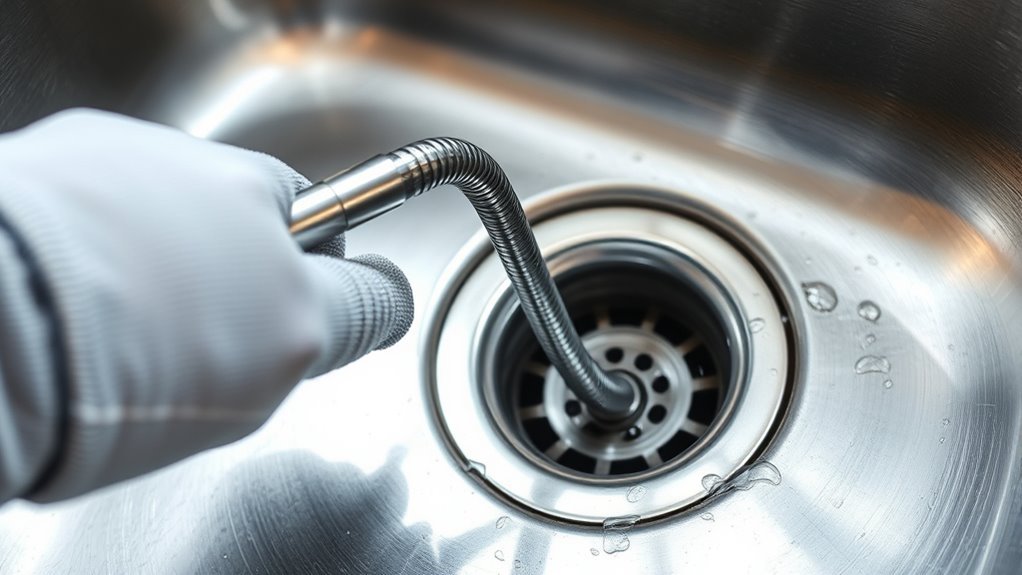
How do you know if your kitchen drain is clogged? You’ll notice common clog symptoms like slow draining water, gurgling noises, or unpleasant odors coming from the sink. Sometimes, water might even back up into the basin, signaling a blockage.
To verify, start with a thorough drain inspection. Check under the sink for leaks or pooling water, and run water while watching for slow drainage. If you see water struggling to flow or hear unusual sounds, these are clear signs of a clog.
Begin with a thorough inspection, checking for leaks, pooling water, and slow drainage signs.
You can also remove the drain stopper to look inside for visible debris. Identifying these early clog symptoms helps you act before the problem worsens. Catching the issue during a drain inspection guarantees you can proceed with snaking your kitchen drain effectively, preventing a full blockage or potential damage.
Knowing these signs saves you time and frustration later on.
Manual Snake vs. Power Auger for Kitchen Drains
When you’re trying to decide between a manual snake and a power auger for your kitchen drain, think about how easy they are to use, how much they cost, and how good they are at handling tough clogs. Manual snakes are pretty budget-friendly and simple to take care of, which is great if you’re looking for something easy. But, they might not do the best job when the clog is really stubborn.
On the other hand, power augers cost more upfront and need a bit more maintenance, but they’re much more powerful. If you’re dealing with tough blockages often, a power auger can make the job much easier and more effective. So, it really comes down to how serious the clog is and what you’re comfortable handling.
Ease Of Use
You’ll find that a manual snake feels straightforward and gives you direct control, making it easier to maneuver in tight kitchen drain spaces. User feedback often highlights its simplicity and hands-on experience, especially for minor clogs. You can easily feel when the obstruction loosens, allowing precise adjustments without overexertion.
On the other hand, a power auger offers speed and power but can feel bulkier and less intuitive if you’re not familiar with its operation. Many users note that the learning curve is steeper and that it requires careful handling to avoid damage.
Cost And Maintenance
While manual snakes are simple to operate, their cost and upkeep are quite different from power augers.
When doing a cost analysis, you’ll see that manual snakes are cheaper upfront and need less complicated maintenance.
Power augers cost more but can clear tough clogs faster. They often require professional servicing, which adds to the expense.
To keep either tool working well, follow maintenance tips like cleaning the cable after use and lubricating moving parts regularly.
| Tool Type | Initial Cost | Maintenance Tips |
|---|---|---|
| Manual Snake | $20 – $50 | Clean cable, store dry |
| Power Auger | $150 – $500+ | Lubricate motor, inspect cable |
| Both | Varies by model | Regular upkeep extends lifespan |
Choosing the right tool saves you money and effort over time.
Effectiveness On Clogs
Although both manual snakes and power augers can clear kitchen drain clogs, their effectiveness depends on how bad the clog is and where it’s located. Choose the right tool based on your specific needs and the clog removal technique.
Manual snakes work well for minor clogs near the drain opening. Power augers are better at handling tough blockages deep inside the pipes.
Manual snakes give you better control, which helps reduce the risk of damaging your pipes. Power augers save time on stubborn clogs but require more skill and caution to use safely.
To keep your drains clear, use manual snakes regularly to prevent buildup. Save the power auger for the tough clogs to keep your kitchen drains running smoothly.
Tools Needed to Snake a Kitchen Drain
Before starting to snake a kitchen drain, gather the essential tools to make the job easier and more efficient. You’ll need a drain snake, which comes in various types like hand-crank, electric, or drum snakes. Pick the right one based on your comfort level and how severe the clog is.
Think about the drain materials too—PVC pipes need a gentler approach than metal ones. Using a flexible snake is key to avoiding damage and getting the job done right.
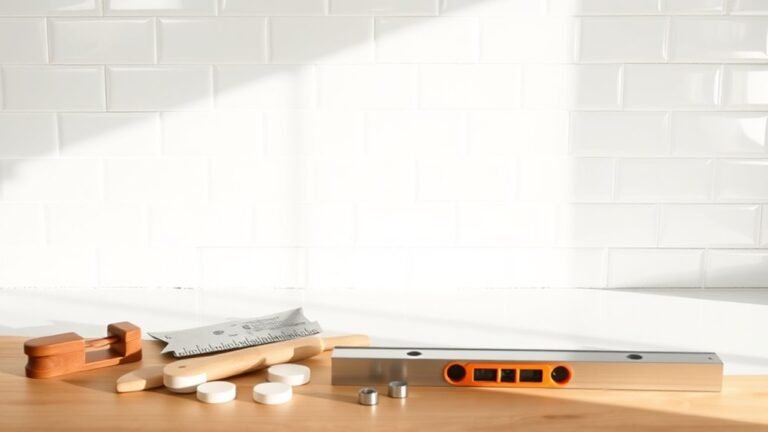
Along with the snake, have gloves to protect your hands, a bucket to catch water or debris, and a flashlight for better visibility inside the pipes. Some setups might also benefit from plumber’s tape to seal connections after clearing the clog.
Having these tools ready means you can work quickly and avoid unnecessary trips or damage. It streamlines the snaking process and improves your chances of clearing the blockage effectively.
Preparing Your Sink for Snaking
Before you dive into snaking your kitchen drain, take a moment to clear out the space around your sink. This way, you’ll have plenty of room to work without any hassle. It’s also a good idea to gather all the tools you’ll need beforehand, so you don’t have to stop halfway through to find something. And don’t forget to protect your countertops and floor — a little prep now will save you from messes and potential damage later on.
Clear Area Around Sink
Start by removing everything under and around your sink to give yourself plenty of room to work. This step is essential to avoid knocking over cleaning supplies or disrupting your sink organization during the snaking process.
Next, follow these steps:
- Clear out all items from under the sink cabinet.
- Wipe down the area to remove dust and spills.
- Organize your cleaning supplies in a temporary container nearby.
- Remove any rugs or mats that might obstruct your movement.
Gather Necessary Tools
Gathering the right tools guarantees you’ll tackle your clogged kitchen drain efficiently and safely. Start with a manual drain snake or an electric auger, depending on how severe the clog is. You’ll also need gloves to protect your hands and a bucket to catch any water or debris.
A flashlight helps you see inside tight spaces, and adjustable pliers will assist if you need to loosen the drain trap. Keep a rag or old towel handy for spills. Having everything ready before you begin saves you time searching mid-job.
Don’t forget plumbing safety precautions: wear gloves, keep tools dry, and use the snake carefully to avoid damaging pipes. Preparing well sets you up for a smooth unclogging process.
Protect Surrounding Surfaces
Three simple steps can shield your kitchen surfaces from water damage and debris while you snake the drain. To ensure proper surface protection, start by removing any items around the sink to create a clear workspace.
Next, place drain covers over the sink drain openings to catch any debris that might escape during snaking. Finally, lay down waterproof mats or old towels around the sink area to protect countertops and cabinetry from water splashes.
Here’s a quick checklist for surface protection:
- Clear the sink area of all items.
- Fit drain covers securely over drain openings.
- Spread waterproof mats or towels around the sink.
- Keep a bucket nearby to catch excess water.
Following these steps helps you work efficiently without worrying about water damage or mess.
Step-by-Step Guide to Using a Drain Snake
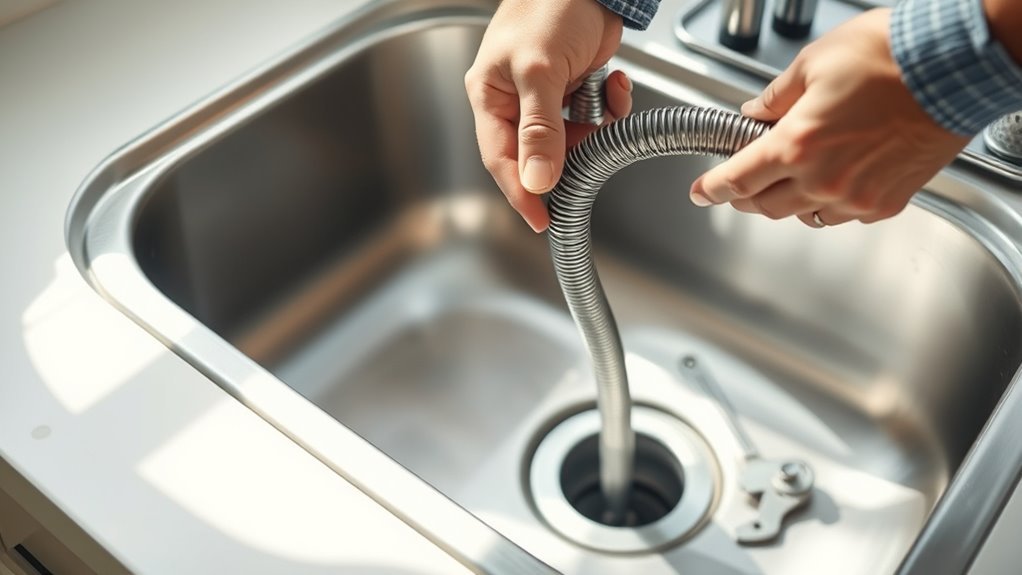
Grasp the drain snake firmly and carefully feed the coil into the drain opening, turning the handle clockwise to help it navigate bends and reach the clog. As you push, you’ll feel resistance when the snake hits the blockage. Keep turning the handle to break through or hook the debris causing the clog.
Once you’ve reached the obstruction, gently pull the snake back, bringing out the debris caught on the coil. One of the benefits of a drain snake is that it clears clogs without harsh chemicals, protecting your pipes and the environment.
If the snake gets stuck or won’t advance, try reversing the handle slightly and then pushing forward again. These troubleshooting tips often help free the coil. After removing the snake, run hot water to flush any remaining debris.
With practice, you’ll quickly master this effective, hands-on method to keep your kitchen drain flowing smoothly.
Common Kitchen Drain Blockages and How to Clear Them
Clogs often form from common kitchen debris like grease, food particles, and soap scum. Each one needs a specific approach to clear effectively. Knowing the source helps you fix the problem quickly and avoid damage.
Grease buildup happens when grease cools and solidifies inside pipes. Pouring hot water and a degreasing agent can help dissolve it before it hardens.
Grease clogs form as grease cools and solidifies; hot water and degreasers help dissolve them early.
Food particles, like leftover scraps and starches, can build up and cause blockages. Using a drain strainer and flushing with hot water regularly can prevent this.
Soap residue and mineral deposits from hard water stick to pipe walls, restricting flow. Vinegar and baking soda treatments work well to break these down.
Foreign objects and hair can cause stubborn clogs. Removing these manually or with a drain snake is usually the best solution.
Avoid improper disposal to keep your drain flowing smoothly.
Techniques for Clearing Tough Kitchen Drain Clogs
When your kitchen drain is really stubborn and won’t clear up easily, you might need to try some more advanced methods. One option is to use a manual snake, which is basically a long, flexible tool that can help you physically break through those tough blockages. It’s pretty effective at reaching deep into the drain and loosening whatever’s causing the clog.
If that doesn’t do the trick, then you might consider using chemical drain solutions. Just be sure to follow the instructions carefully, because these chemicals can be powerful. They can often dissolve the clog and get your drain flowing smoothly again.
Manual Snaking Techniques
To clear tough kitchen drain clogs manually, you’ll need to use a plumbing snake effectively. Mastering proper snaking techniques not only solves clogs but also supports your overall drain maintenance tips. Follow these steps:
- Insert the snake’s end into the drain slowly until you feel resistance.
- Rotate the handle clockwise to break through or hook the clog.
- Push and pull gently to dislodge debris without damaging pipes.
- Withdraw the snake carefully, removing any trapped material.
Remember to clean the snake after use to prevent rust and keep it effective. Using these manual snaking techniques regularly can help keep your kitchen drain clear and avoid costly plumbing calls.
Stick to these drain maintenance tips for a smooth-running sink.
Chemical Drain Solutions
While manual snaking can handle many blockages, some stubborn clogs need a different approach. Chemical drain solutions are great for dissolving tough buildup, especially grease and food particles that snaking might miss.
When picking a chemical cleaner, go for eco-friendly options to protect your pipes and the environment. Look for products with biodegradable ingredients and steer clear of harsh chemicals that could damage your plumbing.
Always follow the instructions carefully to stay safe and get the best results. Use these solutions sparingly and combine them with regular maintenance like hot water flushes and gentle snaking.
This balanced approach keeps your kitchen drain clear without causing harm, making chemical solutions a smart choice for tough clogs.
Cleaning and Maintaining Your Drain Snake
Although it’s tempting to stash your drain snake away after use, you’ll want to clean it thoroughly to keep it working smoothly. Proper maintenance prevents rust and buildup, ensuring your snake stays effective for future jobs.
Follow these essential tips:
- Rinse the snake with warm water to wash away any debris or gunk.
- Wipe it down with a cloth soaked in mild detergent to eliminate grease and grime.
- Dry the snake completely to prevent rusting, especially if it’s made of metal.
- Coil it neatly and store it in a dry place, avoiding moisture for proper storage.
How to Prevent Future Kitchen Drain Clogs
Even if you’ve just cleared a stubborn clog, taking steps to prevent future blockages can save you time and hassle. Start by avoiding pouring grease, coffee grounds, or large food scraps down the drain. These substances build up over time and can cause clogs.
Prevent future clogs by avoiding grease, coffee grounds, and large food scraps down your drain.
Use a drain strainer to catch debris before it enters your pipes. This simple step can significantly reduce the chances of blockages forming. Regular maintenance is also important.
Run hot water down the drain after each use to help dissolve minor grease and soap residues. Schedule a monthly rinse with a mixture of baking soda and vinegar to naturally break down buildup.
Additionally, periodically snaking your drain, even when it’s not clogged, can keep it clear and functioning well. These small habits can make a big difference in keeping your kitchen drain flowing smoothly.
When to Call a Professional Plumber
How do you know when a kitchen drain clog is too tough to handle on your own? Sometimes, snaking won’t cut it, and calling a professional plumber is the best move. Here’s when you should reach out:
- Persistent Clogs: If your drain keeps clogging despite multiple tries, it’s time to get expert help.
- Slow Draining or Backups: Water that drains slowly or backs up often points to a deeper issue.
- Emergency Situations: Sudden leaks, foul smells, or water pooling around the sink need immediate professional attention.
- Warranty Concerns: If your plumbing is under warranty, calling a plumber helps ensure you don’t void coverage by trying to fix it yourself.
Don’t risk causing more damage or losing your warranty. Professionals have the right tools and know-how to resolve tough blockages safely and efficiently, saving you time and hassle.
Frequently Asked Questions
Can Chemical Drain Cleaners Damage My Kitchen Pipes?
Yes, chemical drain cleaners can damage your kitchen pipes, especially if you’re not mindful of the pipe material. Harsh chemicals might corrode metal pipes or weaken older plumbing, which can make the drain cleaner less effective over time.
If you have PVC or other plastic pipes, some chemicals could cause melting or warping. It’s best to use these cleaners sparingly and pick products designed for your specific pipes to avoid costly damage.
Taking care of your pipes with the right products can help keep your drains healthy and prevent expensive repairs down the line.
How Often Should I Snake My Kitchen Drain?
If you cook often and notice slow draining, snake your kitchen drain every 3 to 6 months for proper drain maintenance.
For example, a homeowner who baked frequently found snaking quarterly prevented clogs and costly repairs.
Following plumbing tips like this keeps your pipes clear and your sink flowing smoothly.
If you rarely use your kitchen, once a year might be enough, but stay alert for any drainage issues to adjust timing.
Are There Eco-Friendly Alternatives to Snaking a Drain?
Yes, you can use eco-friendly alternatives like biodegradable enzymes to break down organic buildup in your drain safely. These enzymes work naturally without harsh chemicals, making them a great option.
You can also try natural remedies like baking soda and vinegar, which create a fizzing reaction that helps clear minor clogs. Both methods are gentle on your plumbing and better for the environment, so you don’t have to rely solely on snaking.
Can Snaking a Drain Cause Leaks or Damage?
Yes, snaking a drain can cause leaks or damage if you’re not careful. Using plumbing tools improperly or forcing the snake too hard can harm pipes or loosen joints.
To avoid this, practice proper drain maintenance by using the right tools and techniques, and proceed gently. If you’re unsure, it’s best to call a professional.
This way, you can prevent costly repairs and keep your plumbing system in good shape.
What Safety Precautions Are Needed When Snaking a Drain?
You should always wear gloves and safety goggles when snaking a drain to protect yourself from debris and chemicals.
Make sure you use the right plumbing tools to avoid damaging pipes during drain maintenance.
Avoid forcing the snake too hard, as this can cause leaks or breaks.
Also, unplug electrical appliances nearby and keep the area dry to prevent accidents.
Taking these precautions keeps you safe and your plumbing in good shape.
Conclusion
So, snaking your kitchen drain isn’t exactly a walk in the park, but who doesn’t want to be a plumber for a day?
With the right tools and a little patience, you can handle those stubborn clogs yourself. Just keep in mind that if your snake gets tangled or the clog fights back, calling a professional might save you time and frustration.
After all, even DIY heroes sometimes need a sidekick—especially when it comes to snaking a kitchen drain.