How Much Does a New Kitchen Cost? The Complete Answer
Thinking about giving your kitchen a fresh new look but feeling overwhelmed by the costs? You’re not alone. Many people struggle with figuring out how much a kitchen remodel will actually set them back.
A new kitchen typically costs between $10,000 and $50,000, depending on your layout, materials, and upgrades. Keeping your existing layout saves money, while changing it, adding luxury cabinets, or high-end appliances increases costs.
Labor and unexpected fees like plumbing or electrical work can also impact your budget. You can cut costs by refinishing cabinets or buying clearance items.
Investigate how kitchen size, material choices, and hidden expenses shape your renovation to make smarter decisions.
Key Takeaways
- Kitchen renovation costs typically range from $10,000 for simple updates to over $50,000 for full luxury remodels, depending on the scope and materials you choose.
- Sticking to the existing layout helps keep costs down, but changing the size or layout usually increases plumbing, electrical, and labor expenses.
- Your choice of cabinets and countertops makes a big difference in the overall cost, from budget-friendly laminates to high-end custom finishes.
- Labor costs depend on how complex the project is, where you live, and the timeline. Additional fees may come from plumbing, electrical work, or structural changes.
- To save money, consider refinishing cabinets, shopping off-season, focusing on quality materials for high-use areas, and avoiding unnecessary structural modifications.
How Much Does a Kitchen Renovation Cost?
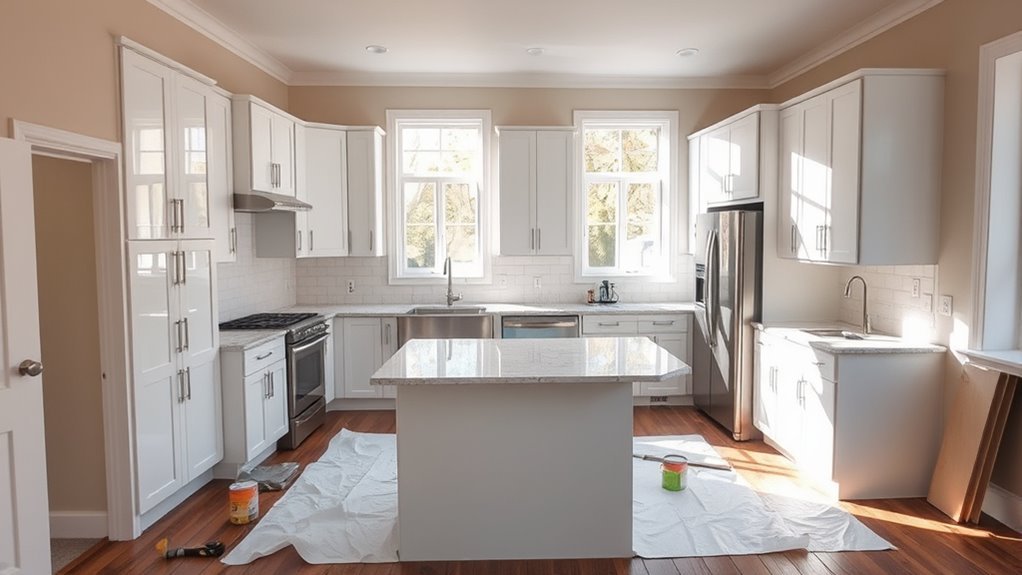
How much does a kitchen renovation cost? The price depends on several factors, but one of the biggest influences is your kitchen layout. If you’re sticking to the existing layout, you’ll save money since plumbing and electrical work won’t need major changes.
Changing the layout, like moving appliances or adding an island, will increase costs because of extra labor and materials. Your renovation timeline also impacts your budget. A shorter timeline might mean paying for expedited services or more workers, which can raise expenses.
Spreading the work out can lower immediate costs but might extend the disruption in your home. On average, you can expect to spend anywhere from $10,000 for a basic refresh to over $50,000 for a full overhaul.
Planning carefully around your kitchen layout and a realistic timeline helps you control costs while creating your dream space.
Basic vs. Luxury Kitchen Remodel: What’s Included?
When you’re thinking about a kitchen remodel, it’s good to get a sense of what you can expect at different price points. Basic remodels usually cover the essentials—things like new cabinets, fresh paint, and new countertops—without going overboard. It’s a great way to update your space without breaking the bank.
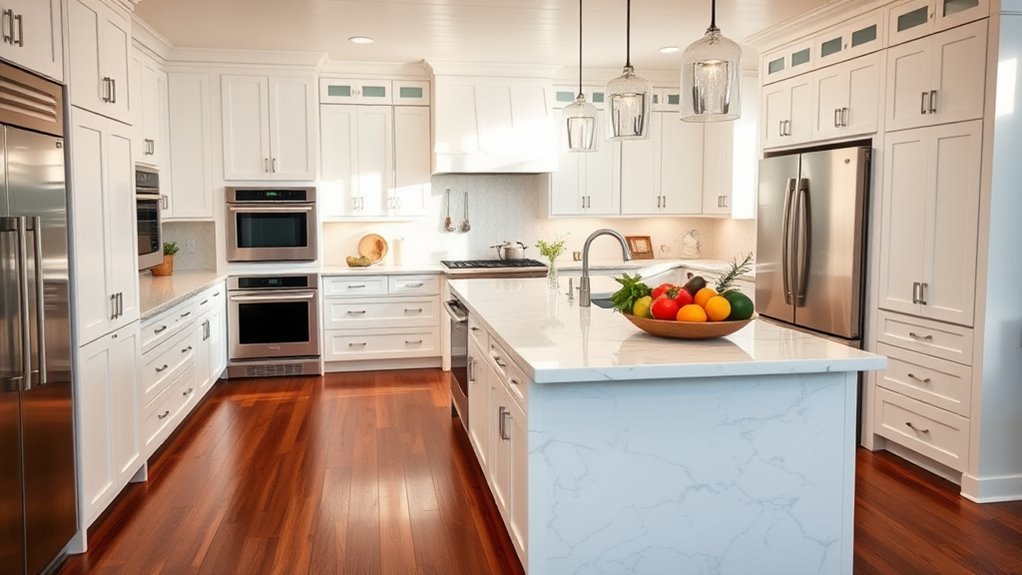
On the other hand, luxury upgrades take things up a notch. Think high-end materials, custom cabinetry, top-of-the-line appliances, and even smart technology. These options add a touch of elegance and convenience that really make your kitchen stand out. Knowing the difference can help you decide what’s most important for your style and budget.
Budget-Friendly Features
Although you might be tempted to splurge on high-end materials and appliances, a budget-friendly kitchen remodel can still deliver great style and functionality without breaking the bank. You can choose affordable materials like laminate countertops and engineered wood cabinets that look great and withstand daily use.
Opt for stylish fixtures such as modern faucets, simple yet elegant lighting, and hardware that add personality without high costs. These choices help you create a fresh, appealing kitchen without overspending.
High-End Upgrades
If you want to improve your kitchen beyond the basics, high-end upgrades offer a blend of luxury and lasting value. These choices transform your space with superior quality and style. When you opt for a luxury kitchen remodel, you’ll notice the difference in every detail.
Here are three key high-end upgrades to think about:
- Luxury finishes: Think natural stone countertops, custom cabinetry with soft-close drawers, and designer backsplashes. These raise aesthetics and durability.
- High-end fixtures: Choose professional-grade appliances, touchless faucets, and statement lighting to boost functionality and elegance.
- Smart technology: Integrate smart ovens, refrigerators, and lighting controls for convenience and energy efficiency.
Investing in these upgrades not only beautifies your kitchen but also increases your home’s value.
How Kitchen Size Impacts Renovation Costs
Because larger kitchens require more materials and labor, their renovation costs tend to be higher than smaller spaces. When you have a bigger kitchen, you’ll need more flooring, paint, wiring, and plumbing work, all of which add up quickly.
Larger kitchens need more materials and labor, making their renovation costs higher than smaller spaces.
Your kitchen layout also plays a big role in the overall cost. If your renovation involves changing the layout significantly—like moving appliances or walls—expect higher expenses due to increased labor and permits.
On the other hand, smaller kitchens often allow for better space optimization. This lets you make smart design choices without overspending. You can focus on maximizing storage and functionality within a compact area, which usually keeps costs down.
Regardless of size, planning your kitchen layout carefully helps you avoid costly mistakes. So, when budgeting, think about how your kitchen size and layout impact both materials and labor. This way, you can achieve a more efficient and cost-effective renovation.
Cost Differences for Cabinets and Countertops
When choosing cabinets and countertops, you’ll notice that the materials and finishes you pick heavily influence your overall kitchen renovation cost. Cabinet materials vary widely, from budget-friendly laminates to high-end solid wood. Likewise, countertop styles range from affordable laminate to luxury options like granite or quartz, each affecting your budget differently.
Here are three key factors to evaluate:
- Cabinet Materials: MDF and particleboard cost less but don’t last as long as hardwood or plywood, which add durability and value.
- Countertop Styles: Laminate is economical, while granite and quartz offer a sleek look and durability but come at a premium price.
- Finish and Customization: Custom cabinets and unique countertop edges or backsplashes increase costs but enhance your kitchen’s style and functionality.
Kitchen Appliance Costs and Their Impact
Several key appliances can greatly impact your kitchen renovation budget. When choosing appliances, you’ll want to balance cost with long-term savings. Energy-efficient appliances might cost more upfront, but they help cut utility bills and could qualify for rebates.
Investing in these can save you money over time while being environmentally friendly. You’ll also want to consider smart kitchen technology, which adds convenience and modern features. Wi-Fi-enabled ovens or refrigerators with touchscreens can make cooking and food management easier, but they often come with a higher price tag.
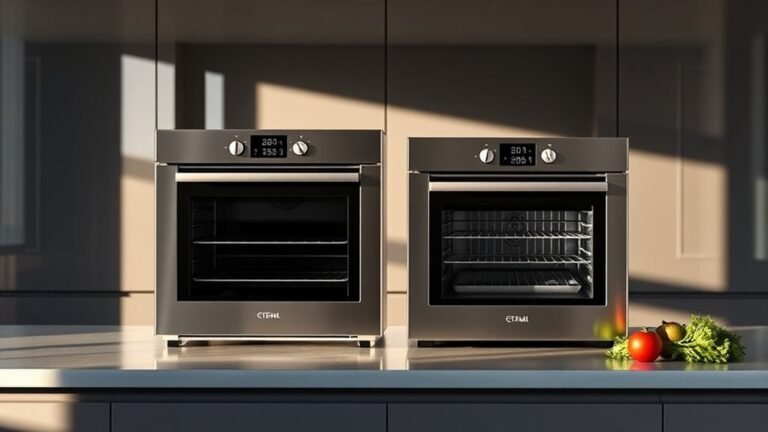
Keep in mind, the brand and finish of your appliances will influence the overall cost. Stainless steel models usually cost more than basic white or black ones. By prioritizing energy-efficient appliances and smart technology based on your needs, you can stay within your budget without sacrificing quality or innovation in your new kitchen.
Kitchen Renovation Labor Costs
Labor costs usually make up a big part of your kitchen renovation budget. Knowing about labor rates and how long the work takes can help you plan better. Rates depend on where you’re located, the experience of the contractor, and how complicated the job is. Budget accordingly, because skilled labor often means better quality and fewer delays.
Here are three main factors that affect your labor costs:
- Scope of Work: More detailed designs or custom features need special skills, which can increase labor rates.
- Project Timelines: If you’re on a tight schedule, overtime might be needed, raising your total costs.
- Contractor Selection: Experienced contractors might charge more, but they often work faster and produce higher quality results.
Estimating Plumbing, Electrical & Structural Costs
When you’re planning your project, don’t forget to consider plumbing costs. This includes everything from installing new pipes to putting in fixtures. It can add up pretty fast if you’re making a lot of changes.
Electrical work is another big piece of the puzzle. Upgrading wiring or adding outlets can really bump up your expenses, so it’s good to keep that in mind.
And of course, don’t overlook structural changes. These can sometimes surprise you with how much they can impact your overall budget, so it’s best to plan for them early on.
Plumbing Cost Breakdown
Understanding the plumbing cost breakdown is key when estimating your kitchen renovation budget because plumbing work can really impact the overall expenses. When planning, focus on three main factors:
- Plumbing Fixtures: The cost varies depending on the quality and style of sinks, faucets, and dishwashers you pick. Higher-end fixtures will raise your budget.
- Pipe Materials: Different materials like copper, PEX, or PVC come with their own price points and durability. Choosing the right one affects both upfront and long-term costs.
- Labor Costs: Skilled plumbers charge based on the complexity of rerouting or installing new lines. More extensive work means higher labor fees.
Electrical And Structural Expenses
Although plumbing often takes center stage in kitchen renovations, electrical and structural expenses can also impact your budget. You’ll likely need electrical upgrades to support new appliances, lighting, or outlets. These upgrades ensure safety and functionality but can add several hundred to a few thousand dollars, depending on how complex they are.
Structural modifications might be necessary if you’re removing walls or expanding your kitchen’s layout. These changes often require permits and professional assessments, which can increase costs significantly. Remember, electrical upgrades and structural changes aren’t just about looks—they’re important for your kitchen’s safety and durability. Planning for these costs early helps you avoid surprises and keeps your renovation on track financially.
How to Save Money Without Sacrificing Quality
Many homeowners find that cutting costs in a kitchen remodel doesn’t mean settling for less. You can save money without sacrificing quality by choosing smart budget options and focusing on quality materials where it matters most.
Here’s how you can do it:
- Prioritize Key Areas: Invest in good-quality materials for high-use items like countertops and cabinets. For less visible spots, like backsplashes or flooring, go for more affordable alternatives.
- Refinish Instead of Replace: Instead of tearing out cabinets or appliances, consider refinishing or upgrading them. It saves money and keeps the quality you want.
- Shop Smart: Look for sales, clearance items, or discontinued materials that still meet your standards. Buying off-season or from trusted budget-friendly brands also makes a difference.
Surprising Renovation Costs You Might Miss
You might not realize that hidden material costs can sneak up on you pretty quickly during your kitchen remodel. It’s one of those things that can catch you off guard if you’re not paying close attention. And then there are those unexpected labor fees—especially if something complicated pops up along the way.
Plus, upgrading appliances might seem straightforward at first, but those costs can surprise you and end up stretching your budget more than you expected. It’s always good to be prepared for those extra expenses before you get too far into the project.
Hidden Material Expenses
When planning your kitchen renovation, be aware that some material costs can sneak past your notice. Hidden expenses often come from subtle markups that can impact your budget more than expected. To stay on top of things, watch out for these common issues:
- Custom finishes and specialty materials – These tend to have higher markups than standard options, which can add unexpected costs.
- Waste and overage – Suppliers usually charge for extra material needed for mistakes or cuts, and this isn’t always included in your initial estimate.
- Delivery and handling fees – Sometimes these are bundled into the material price, but they can increase your total without clear notice.
Unexpected Labor Fees
Material costs aren’t the only surprise that can inflate your kitchen renovation budget. Unexpected costs often come from labor fees you didn’t see coming. Sometimes, tasks take longer or need specialists, which can push your expenses higher.
To avoid sticker shock, start with clear labor negotiations. Ask for detailed estimates and make sure you understand what’s included. This helps you stay in control of costs from the beginning.
| Common Unexpected Labor Fees | Typical Cost Range |
|---|---|
| Electrical upgrades | $500 – $1,500 |
| Plumbing adjustments | $300 – $1,200 |
| Demolition & debris removal | $400 – $1,000 |
These fees can sneak up if you overlook them. Negotiating labor terms early is key. It helps you prevent surprises and keeps your project on track.
Always leave a buffer for unexpected labor expenses. That way, you can handle surprises without throwing off your budget.
Appliance Upgrade Surprises
How much do upgraded appliances really add to your kitchen renovation budget? When you decide to swap out old appliances, costs can quickly catch you off guard. Choosing premium brands or models with top-tier energy efficiency ratings usually means spending more upfront.
Here are three common upgrade surprises to watch for:
- Higher purchase prices: Luxury brands and smart features can double your initial appliance budget.
- Installation challenges: Larger or built-in appliances might need electrical or plumbing upgrades.
- Energy efficiency incentives: While eco-friendly models cost more, rebates or utility savings can make up for it over time.
Should You Hire a Contractor or DIY Your Kitchen Remodel?
Why should you consider hiring a contractor instead of tackling your kitchen remodel yourself? Contractors bring professional expertise, helping you navigate the latest kitchen design trends and avoid costly mistakes. They manage timelines, coordinate subcontractors, and secure permits, which can save you stress and time.
However, contractor pros and cons include higher upfront costs and less direct control over every detail. On the flip side, DIY remodeling can save money and let you personalize your space fully. But it demands significant time, skill, and patience.
Mistakes in DIY projects can lead to expensive fixes and delays. If you’re confident in your abilities and have experience, DIY might be a good fit. Otherwise, hiring a contractor usually guarantees a smoother process and a polished result.
Think about your budget, timeline, and skill level carefully before deciding whether to go contractor or DIY for your kitchen remodel.
Frequently Asked Questions
What Are the Latest Kitchen Design Trends in 2024?
In 2024, you’ll love how modern color palettes bring calm and sophistication to your kitchen, with muted earth tones and soft pastels leading the way.
You’ll also want to focus on multifunctional spaces that blend cooking, dining, and working areas seamlessly.
These trends make your kitchen more versatile and stylish, perfect for both everyday life and entertaining.
Don’t hesitate to mix textures and finishes to add depth and personality.
How Do I Choose the Right Kitchen Lighting?
You need ambient lighting to set the mood and create a warm, inviting space. Task lighting is essential for boosting functionality, especially over work areas like counters and sinks to help you see clearly while cooking.
Finally, consider accent lighting to highlight design features and add visual interest. Balancing these layers makes your kitchen both practical and welcoming.
What Eco-Friendly Materials Are Best for Kitchens?
You should go for sustainable cabinetry made from bamboo or reclaimed wood, as it’s durable and eco-friendly.
Pair that with recycled countertops crafted from glass or composite materials to reduce waste.
These options not only minimize your kitchen’s environmental impact but also offer stylish, unique designs.
Choosing these materials helps you create a greener space without sacrificing quality or aesthetics, making your kitchen both functional and kind to the planet.
How Long Does a Typical Kitchen Renovation Take?
Think of your kitchen renovation like tending a garden. It takes patience and careful steps.
Typically, the timeline is about 6 to 12 weeks, going through phases like demolition, plumbing and electrical work, cabinetry installation, and finishing touches.
Be prepared for unexpected delays. If you stay organized and communicate well, your new kitchen will come together beautifully within this timeframe.
What Permits Are Needed for a Kitchen Remodel?
You’ll need permits for plumbing, electrical work, and structural changes when remodeling your kitchen layout.
Always check local building codes because requirements vary by location. Budget considerations should include permit fees and possible inspection costs.
Securing the right permits guarantees your remodel meets safety standards and helps you avoid fines.
Before starting, contact your city’s building department to understand which permits apply to your specific kitchen updates. Keep your project on track by making sure you have everything in order.
Conclusion
Renovating your kitchen requires careful consideration of costs, choices, and craftsmanship. By balancing basic and luxury options, sizing smartly, and selecting savvy materials, you can save without skimping on style.
Remember, plumbing, appliances, and unexpected expenses add up quickly. Whether you tackle the task yourself or hire a handy contractor, planning pays off.
Stay sharp, spend sensibly, and enjoy a stunning space that suits your style and budget perfectly. When thinking about how much a new kitchen costs, these tips help you get the most value for your money.