What Is the History of the Millersburg Ferry? A Complete Guide to Its Unique Legacy
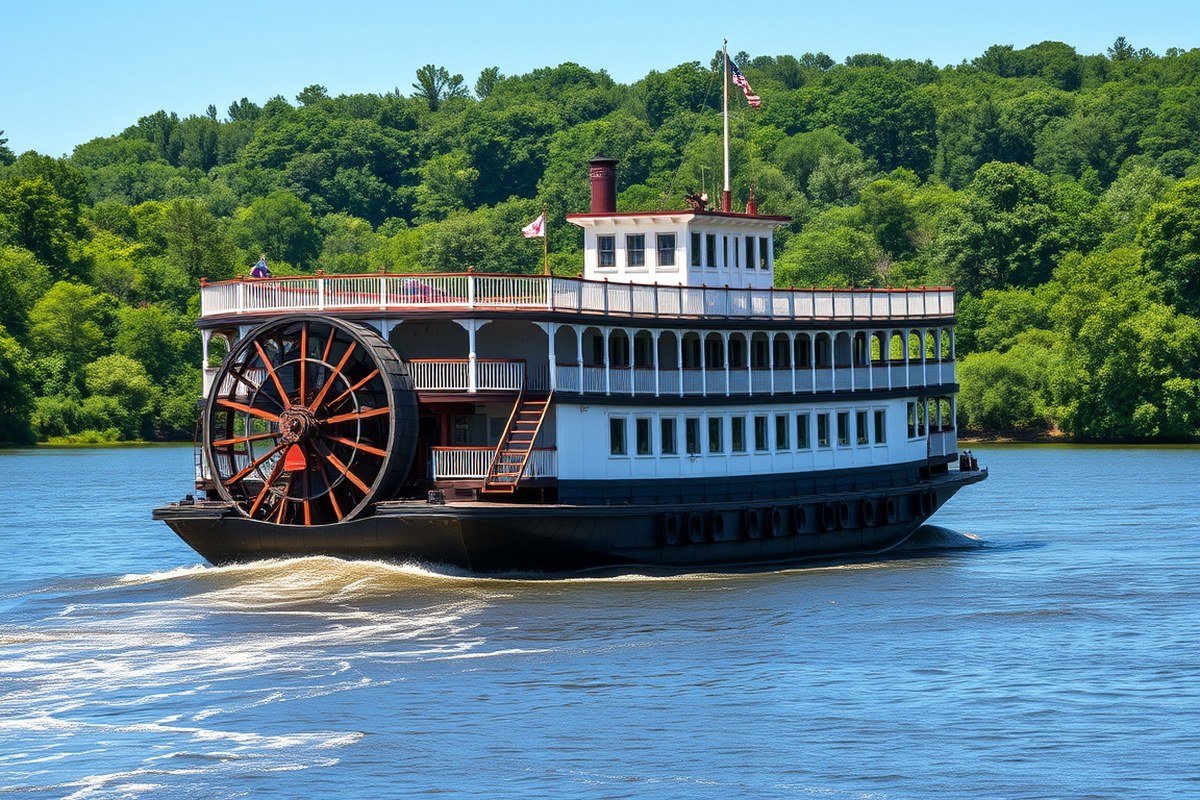
The history of the Millersburg Ferry dates back to 1817, making it Pennsylvania’s oldest continuously operating transportation company. This ferry crosses the Susquehanna River using large wooden paddlewheels, preserving a method of travel that has changed little in more than 200 years. It remains one of the few ferries still in use along the Susquehanna’s entire 464-mile length and offers a unique glimpse into early American river transport.
This information is ideal for history enthusiasts, local tourists, and residents interested in the ferry’s legacy and operational details. You’ll learn about the ferry’s origins, its significance in local commerce, the key figures and events behind its ongoing operation, and how to experience this historic crossing today.
Key Takeaways
- The Millersburg Ferry began operation in 1817 and remains Pennsylvania’s oldest transportation company.
- The ferry’s main deck, or “flat,” measures 83 feet long, with the power unit spanning 50 feet.
- The ferry uses two giant wooden paddlewheels to cross the Susquehanna River, continuing a two-century-old tradition.
- Millersburg Ferry is the only ferry active along the entire 464-mile Susquehanna River.
- The closest bridges are at least 15 miles away, making the ferry a important local transport route.
- Travel time ranges from 15 to 25 minutes depending on river conditions and water levels.
Origins and Evolution of the Millersburg Ferry Since 1817
The Millersburg Ferry began operating in 1817, making it the oldest transportation company in Pennsylvania. Early ferry crossings started with simple hand-poled flatboats propelled by operators pushing off the river bottom. These boats were small and relied heavily on physical effort, making each crossing a slow process subject to the river’s currents and seasonal water levels.
Over the decades, ferry technology at Millersburg evolved to meet growing transport demands. By the mid-19th century, steam-powered paddlewheel boats replaced hand-poled craft. These paddlewheel steamers used large wooden wheels mounted at the stern to push the ferry across the Susquehanna River. They offered greater speed and could carry heavier loads such as wagons, livestock, and later motor vehicles. The Roaring Bull V, one of the ferry boats in use today, descends from these steam-powered vessels and still has wooden double stern-wheels.
The 20th century brought a shift from steam to gasoline-powered ferry boats. This transition reduced operational complexity, fuel needs, and maintenance costs while preserving much of the traditional paddlewheel design. Though modern engines replaced steam, the ferry maintained its iconic wooden construction and paddlewheel propulsion. Today, the Millersburg Ferry operates two vessels, the Roaring Bull V and the Falcon III, which reflect this evolution.
Ownership of the ferry passed through several hands, including the Kramer family and later to Community Banks, N.A. In 1990. That same year, the bank donated the ferry to the Millersburg Chamber of Commerce, which now operates it as a historic attraction and transportation link. Technological and operational changes can be seen broadly across these key periods:
| Period | Type of Ferry | Propulsion Method | Transport Capacity |
|---|---|---|---|
| 1817 to ~1850 | Hand-poled flatboats | Human-powered pole | Small loads; primarily people and light goods |
| Mid-1800s to early 1900s | Wooden paddlewheel steamboats | Steam engines driving stern-wheels | Heavier loads; wagons, livestock, growing vehicles |
| 20th century to present | Wooden double stern-wheel paddle boats | Gasoline engines powering paddlewheels | Cars, trucks, passengers; historic and tourism use |
This timeline shows how the ferry adapted without losing its traditional design, important because the Millersburg Ferry remains the only ferry still operating on the entire 464-mile Susquehanna River. The preservation of wooden paddlewheel boats into the modern era highlights a rare continuity in historic transportation technology. Each shift improved safety, efficiency, and capacity, allowing the ferry to survive floods, wars, and the rise of bridges. You can appreciate these changes firsthand by visiting the ferry’s museum in Millersburg, where historic artifacts and detailed records showcase this long history.
Key People and Historical Events Shaping the Ferry

Several key individuals and events shaped the history of the Millersburg Ferry, especially its operations and survival through challenging times like the Civil War. Early boatmen, many of whom were Civil War veterans, managed the ferries and maintained this important transportation link. Local communities played a major role in preserving the ferry, recognizing its historical and practical importance well into the 20th and 21st centuries.
Notable Ferry Operators and Boatmen
The men who operated the Millersburg Ferry frequently appear in 19th-century census records for Millersburg and Upper Paxton Township listed as “Boatmen.” Many were respected members of their community and had served in the Civil War, bringing discipline and resilience to their ferry duties. An example includes Robert Wallis, who became the sole owner of the ferry in 1972, ensuring its continued operation during a period when many ferry services were disappearing.
These boatmen handled the ferry crossing on the Susquehanna River, carrying passengers and goods from as early as 1825 when the first ferry was poled across. They adapted to advances as the ferry transitioned from manual poling to steam-powered vessels, such as the “Pointy Boat,” which can be seen in photographs dating to 1905. This transition helped the ferry service stay relevant as transportation technology evolved around it.
Civil War and Regional Impact on Ferry Service
The Civil War introduced notable challenges but also opportunities for ferry operators along the Susquehanna. Many operators were veterans, which suggests a strong community connection between military service and local transportation roles. This connection may have helped sustain ferry operations during and after the conflict. Licensing disputes over ferry rights were not fully resolved until 1866 when the Pennsylvania State Legislature granted official ferry licensing, solidifying legal operations in a postwar era.
During the war years, ferry crossings were critical for moving troops and supplies in Pennsylvania’s central Susquehanna River Valley. The ferry’s location on a major transportation corridor made it strategic, but also vulnerable to disruption. Despite these pressures, the Millersburg Ferry maintained service, reinforcing its importance to regional commerce and communication.
Community Involvement and Preservation Efforts
Communities on both sides of the Susquehanna River recognized the Millersburg Ferry as a historically significant and practical transportation method. The ferry is believed to have started before Millersburg’s incorporation in 1807, with borough founder Daniel Miller reserving ferry and fishery rights to support local economic interests. This demonstrates early community engagement with the ferry’s function and legacy.
The Millersburg Ferry Boat Association plays a important role in ongoing preservation efforts, operating the ferry and hosting events like a Christmas boat parade and fall festival to maintain public interest. These activities, alongside the ferry’s listing on the National Register of Historic Places since 2006, highlight the community’s dedication to preserving this last remaining ferry across the Susquehanna River.
Plan to check the ferry’s seasonal schedule in advance, as operations can be limited during colder months or inclement weather to ensure safety and maintain historical equipment.
How the Millersburg Ferry Works and Its Unique Features Today
The Millersburg Ferry currently operates two historic boats, Roaring Bull V and Falcon III, offering a charming and functional crossing of the Susquehanna River. Each ferry can carry both passengers and vehicles, preserving the traditional paddlewheel design that defines the service. This ferry stands out as the only all-wooden, hand-operated, and maintained ferry operating on the Susquehanna River today.
Current Ferry Boats and Capacities
The two boats that serve the Millersburg Ferry are the Roaring Bull V and Falcon III. Roaring Bull V is the larger vessel, built with a wooden hull and superstructure, maintaining the ferry’s traditional aesthetic. It can carry up to seven vehicles with a combined passenger capacity of around 49 people. Falcon III is somewhat smaller but built with similar materials and craftsmanship, able to transport up to five vehicles and roughly 35 passengers.
Both boats operate seasonally from spring through fall, carefully maintained by the Millersburg Ferry Boat Association. Their all-wooden construction demands ongoing attention to prevent water damage and ensure passenger safety. The operation typically involves pilot-controlled steering and a paddlewheel propulsion system, powered by a diesel engine but with the original design intact.
Unique Design Features and Paddlewheel Operations
The Millersburg Ferry boats are unique for using side-mounted paddlewheels rather than modern screw propellers. These wooden paddlewheels are an integral part of the river crossing’s character and contribute to its designation as historically significant. Powered by diesel but hand-steered, the paddlewheels push the ferry steadily across the river at roughly 5 miles per hour, creating a smooth and scenic ride.
The ferries’ wooden frames and superstructures are painstakingly preserved to keep the historic integrity of the boats. This contrasts with many other ferries along the Susquehanna and elsewhere, which are often steel or aluminum and more heavily mechanized. The Millersburg Ferry’s combination of hand steering, paddlewheel propulsion, and wooden construction offers a rare glimpse into 19th-century ferry technology, maintained in full working order for visitors and locals alike.
Comparison with Other Susquehanna Ferries
Compared to other ferries on the Susquehanna River, Millersburg’s are the only surviving vessels that preserve the traditional all-wood construction and paddlewheel propulsion. Most other ferries rely on modern steel hulls, propeller-driven engines, and fully automated controls. This difference makes Millersburg’s ferry a unique cultural and historical asset.
For example, while many ferries in the region carry larger vehicle loads or operate year-round, Millersburg’s focus is on maintaining a historic experience rather than maximizing capacity or speed. Its smaller capacity reflects the balance between historic preservation and functional operation. The ferry’s combination of wooden craftsmanship, small vehicle load, and paddlewheel power remains unmatched locally and nationally among river ferry services.
The Role of the Millersburg Ferry in Local Commerce and Transport
The Millersburg Ferry played a important role in supporting local agriculture and commerce by connecting farmers, merchants, and travelers across the Susquehanna River. In the 19th century, it served as a key link for transporting agricultural goods such as grains, livestock, and dairy products from farms around Millersburg to broader markets on the river’s opposite shore. This access helped local producers reach buyers more efficiently than relying on longer overland routes. Also, the ferry carried essential supplies back to the farming communities, including tools, salt, and household goods, boosting regional trade.
Passenger traffic included local residents, merchants, and laborers who used the ferry daily to reach markets, stores, or work sites in adjacent towns. Horse-drawn wagons, Amish buggies, and later bicycles were common on the ferry, reflecting the community’s rural character and dependence on animal-powered transport. Since the ferry’s capacity accommodated both foot traffic and livestock transport, it became a multi-purpose conveyance that eased daily economic activity across the river.
The Millersburg Ferry’s role in transportation extended beyond the river crossing itself. It functioned as a important link in the broader regional transport network by connecting with the Pennsylvania Canal system established in the early 19th century. Farmers and merchants would transfer goods from wagons onto canal boats, or vice versa, enabling bulk shipments to reach distant markets like Harrisburg or Philadelphia. This integration facilitated more efficient trade since goods could move across land, river, and canal without excessive delays or high fees. The ferry thus acted as a logistical hub that strengthened commerce in the Susquehanna Valley.
Later, as railroads entered the region in the mid-1800s, the ferry’s transport function adapted to serve the needs of passengers and freight moving between the riverbanks and nearby rail depots. Although the railroad provided faster long-distance travel, the ferry often remained necessary because rail lines did not span every community. The ferry’s persistence ensured smooth continuity in the transport chain, connecting road traffic to railheads and canal terminals.
Across decades, the Millersburg Ferry’s operation reflected the evolving transportation landscape while maintaining its importance for local farmers and traders. Its capacity to carry diverse cargo and passengers shaped how goods moved through Pennsylvania’s backcountry, making the ferry a cornerstone of the region’s commercial and social life.
Surviving Challenges: Why the Millersburg Ferry Still Operates
The Millersburg Ferry has withstood natural disasters, economic shifts, and social changes that caused other Susquehanna River ferries to disappear. One key natural challenge has been flooding. Periodic spring floods and heavy rains raise water levels and create strong currents, which can halt operations temporarily or damage ferry infrastructure. Unlike other ferries that closed after such events, Millersburg’s ferry benefited from prompt repairs and local investment, maintaining safe dock access and ensuring the ferry could resume service quickly.
Economic pressures have forced many river crossings to shut down, especially as bridges and highways developed. The decline of river commerce and the rise of automobiles made ferry operation less profitable and less critical. However, Millersburg’s ferry has adapted by shifting its role from purely commercial transport to a combination of local commuting, tourism, and recreational use. This flexibility helped justify maintaining the ferry even as demand declined, supported by community advocacy and limited public funding.
Social factors also shaped the ferry’s survival. With shifts in population and transportation patterns, many rural ferry services lost their customers. Millersburg capitalized on its historical significance and scenic location to attract tourists and history enthusiasts, creating a niche that other ferries lacked. The ferry’s continued operation also depends on volunteers and local organizations promoting awareness and appreciation for this unique piece of transportation history.
Modern transportation needs required the ferry to update safety standards and operational procedures. The operators implemented updated motor maintenance, adhere to state regulations, and schedule seasonal operating hours to match demand and weather conditions. This balancing act keeps costs manageable; a trip costs a small fare that covers fuel and upkeep but benefits from subsidies. Maintaining the ferry’s cable system and ensuring it works efficiently despite ice or debris in colder months are critical technical tasks regularly performed by the ferry staff.
Survival of the Millersburg Ferry hinges on clear priorities. First, maintaining continuous infrastructure upkeep is essential, especially docks and cable mechanisms. Second, regular communication with local authorities and river management agencies to anticipate floods or hazards can prevent long shutdowns. Third, adapting services to meet both practical transportation needs and tourism keeps revenue streams diversified. Fourth, community involvement through volunteer programs and historic preservation groups sustains public interest and funding. Failure to maintain any of these can quickly lead to service interruptions or closure.
Check the ferry schedule and weather conditions before your trip, especially in spring and winter, as high water or ice can temporarily suspend service.
Planning Your Visit: Access, Schedule, and Costs for the Millersburg Ferry
The Millersburg Ferry runs between the borough of Millersburg on the west bank and a rural landing on the east bank of the Susquehanna River in Pennsylvania. To plan your visit, you’ll need to know exactly where to find the ferry stops, how to confirm its running schedule, and what the current fare and payment options are. Checking river conditions before you go is essential since they directly affect ferry operations.
Ferry Access Points and Directions
The Millersburg Ferry docks on the west side in Millersburg, a small community with parking available near the ferry landing. This landing includes a boat launch and is marked as the Historic Millersburg Ferry site. The east bank access point lies in a more rural setting with limited facilities. To reach the ferry on the west bank, drive to Millersburg following local signs directing you to the ferry landing near Fishing Creek. For the east bank, use local rural roads leading to the landing area; the approach is less developed and may require attention to GPS directions or local maps.
Because parking is only available on the Millersburg side, plan to park your vehicle there, especially if you intend to cross over. The ferry length is 83 feet and the power unit 50 feet, so it accommodates vehicles and pedestrians alike, ensuring you can bring a car across the river.
Scheduling and Contact Methods
The ferry does not operate year-round and is subject to delays or closures depending on weather and river conditions. It generally runs from spring through fall, but exact dates and hours vary each year. Since river flow and weather patterns change daily, checking the ferry’s operating status right before your trip is important.
To confirm the ferry’s schedule and current status, contact the Millersburg Ferry Boat Association. Phone calls and text messages both work well for updates. A recommended text to send for daily status is:
“Hello, can you please provide today’s Millersburg Ferry operating status and hours? Thank you.”
Following this, expect a quick reply with running times or any alerts such as closure due to high water or maintenance. Visiting the association’s official website before heading out also provides announcements and seasonal schedule updates. Here’s a step-by-step checklist to help you plan your ferry visit:
- Locate the Millersburg Ferry landing on your GPS or map software using the address or coordinates provided by the ferry association.
- Check the current ferry operating status by calling or texting the Millersburg Ferry Boat Association with the sample message above.
- Plan your trip for a day when the ferry is confirmed in operation, considering that weekends may be busier.
- Prepare your payment in cash or verify if credit cards are accepted (see payment section below).
- Arrive early to find parking on the Millersburg side and to allow time for boarding before the next scheduled crossing.
- Follow ferry staff instructions when boarding with your vehicle or as a passenger.
- Enjoy your crossing safely and plan to call or text again if you need the return ferry schedule.
Current Rates and Payment Policies
The Millersburg Ferry charges a fare to cover operational costs, which varies depending on vehicle size and passenger count. Standard rates include a fee for cars and a separate lower fare for passengers walking or biking onboard. Carry cash in small bills to make payment straightforward, as the ferry does not always offer electronic payment options.
Typical fares might be around $5 for a one-way car crossing and approximately $1 to $2 per pedestrian, prices that can fluctuate based on the ferry season or special events. Drivers making round trips on the same day often ask if discounts or passes are available; check with the ferry association beforehand to see if any such options exist.
Following the posted fare guide and having the correct change ready saves time during loading and unloading. If you have questions about accepting credit cards or group rates, call the ferry office ahead to avoid surprises at the landing.
Visitor Experience: What to Expect Crossing the Millersburg Ferry
The Millersburg Ferry crossing lasts about 15 minutes, covering roughly one mile (1.6 km) across the Susquehanna River. This short journey offers an up-close view of the river’s natural beauty and wildlife. You can expect to see various birds like herons or eagles, depending on the season. The calm waters also provide occasional glimpses of fish and turtles near the ferry’s path, making the ride scenic and tranquil.
While onboard, you’ll feel the gentle motion of the ferry as it moves without engines, relying on cables to guide it across. The ferry maintains the historical experience of river crossings before bridges were common here, preserving the unique sensation of traveling by water. Seating is available on deck, allowing you to enjoy unobstructed views during the entire ride.
Once you arrive at either the Millersburg or Dauphin side, several attractions are within easy reach. On the Millersburg side, you can explore the charming downtown area, where historic buildings, local shops, and diners offer a welcoming atmosphere. Dauphin County’s parklands near the dock provide walking trails and picnic spots with river views. Many visitors plan their trip to include lunch at Millersburg’s restaurants or visits to nearby historical sites like the surrounding canal museum, which provides context for the ferry’s importance to local commerce.
- Arrive early to avoid peak times and secure a spot on the ferry.
- Bring binoculars or a camera to capture wildlife and river scenery.
- Dress in layers; temperatures can be cooler on the river, especially in spring or fall.
- Check the ferry schedule in advance, as weather or river conditions may affect operation.
- Combine the ferry crossing with a visit to Millersburg’s historic district for lunch or shopping.
- Explore walking trails and picnic areas near the Dauphin dock for a relaxing outdoor experience.
- Plan for about 1 to 2 hours on each riverbank side to fully enjoy attractions along with the ferry ride.
For visitors interested in history, the ferry crossing itself offers a rare chance to experience an authentic water route that has operated continuously since 1817. Bringing a guidebook or downloading a local app can enrich your visit with stories about the ferry’s past and the region’s development. The ferry’s operation without a bridge nearby adds to the uniqueness of this travel method, maintaining a living connection to Pennsylvania’s transportation heritage.
Historical Records and Preservation of the Millersburg Ferry
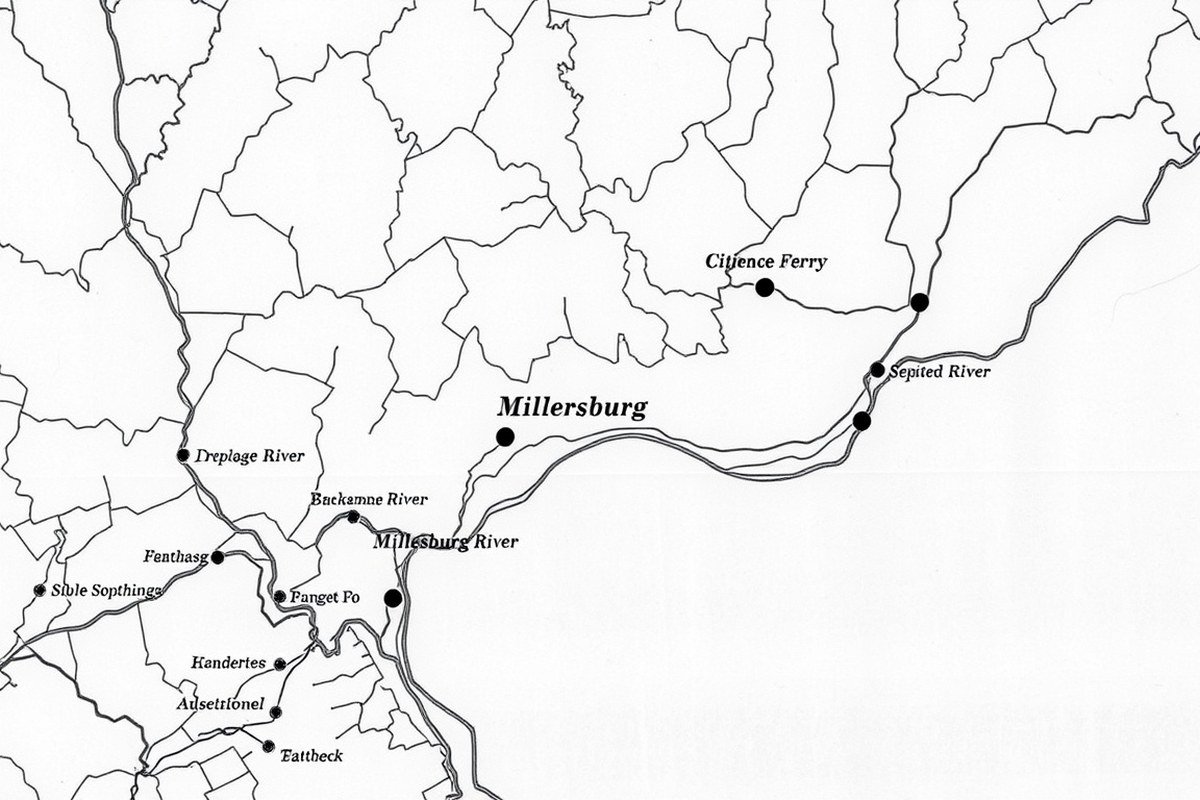
Archives and various historical documents provide solid evidence of the Millersburg Ferry’s long-standing operation. Key records from 1817 and 1820 confirm that George Carson and Michael Crow were early operators. The 1817 negotiation between Carson of Upper Paxton Township and Crow of what is now Perry County specifically granted the use of Crow’s land as the ferry landing. Maps from the 19th century further illustrate the ferry route across the Susquehanna River, often marking it as a critical crossing point connecting communities and commerce on both riverbanks.
The Millersburg Ferry gained official recognition for its historical significance when it was listed on the National Register of Historic Places in 1975. This status acknowledges not only the ferry’s early 19th-century origins but also its continuous operation over two centuries, making it one of Pennsylvania’s oldest surviving transportation methods. The National Register listing helps protect the ferry site, ensuring any alterations meet preservation standards and maintaining eligibility for grants and funding dedicated to historical conservation.
Preservation efforts extend beyond federal recognition. The town of Millersburg itself plays an active role in promoting and preserving its ferry heritage. Local nonprofits and community groups organize events, fundraise for maintenance, and install historical markers throughout the area to educate visitors about the ferry’s past and its impact on local development. These markers provide concise, accessible information that connects visitors with the ferry’s story while fostering local pride.
Maintaining the ferry’s operational status requires regular upkeep overseen by a dedicated team familiar with historical preservation standards. Funding partially comes from local government budgets, supplemented by donations and grants awarded through preservation programs that support infrastructure repairs and interpretive signage. The community’s ongoing involvement is key to sustaining the ferry as both a functional crossing and a living historic site.
Check the ferry’s official website or local visitor center before going, as preservation-related maintenance can sometimes temporarily affect the schedule.
Planning Your Visit: Step-by-Step Action Plan
Use this plan to make the most of your trip to the Millersburg Ferry. Follow each step to ensure you enjoy a smooth and informative crossing.
- Before You Go: Check the latest ferry schedule and weather conditions on the official Millersburg Ferry website to avoid cancellations. Confirming these means you won’t encounter unexpected delays.
- Day of Your Visit: Arrive at the ferry landing at least 30 minutes prior to the scheduled departure time to allow for ticket purchase and boarding. Being early ensures you have a spot on the ferry, especially on busy weekends.
- Upon Arrival: Purchase your tickets at the landing; adult fares currently cost $5 each way. Having your tickets in hand confirms your legal passage across the river.
- During the Ride: Observe the ferry’s cable system and ask the operator about its unique features if time allows. Engaging with the crew enriches your understanding of the ferry’s operation.
- After the Crossing: Explore the opposite riverbank’s historic sites or parks before returning, if your schedule permits. This lets you experience the broader local history linked to the ferry.
- Planning Your Return: Check the return ferry times ahead of arrival to avoid long waits, especially in off-peak seasons. Being informed about timing prevents getting stranded on either side.
- Post-Visit: Share your experience with local historical societies or online groups to support ferry preservation efforts. Your feedback helps keep the ferry’s history alive for others.
Frequently Asked Questions
What Is the Significance of the Millersburg Ferry’s National Historic Register Status?
The Millersburg Ferry achieved National Historic Register status in 2006, recognizing its importance as Pennsylvania’s oldest transportation company operating since 1817. This status highlights its long-standing role in local history and its preservation as a historic transportation method.
How Did the Millersburg Ferry Get the Nickname “Crow’s Ferry”?
The Millersburg Ferry is also known as the Crow’s Ferry, a historic name that ties back to early local use and family ownership. This nickname connects visitors with the ferry’s deep-rooted community heritage.
What Can Visitors Learn at the Millersburg Ferry Association’s Museum?
The museum on the Millersburg side showcases the ferry’s history and the surrounding area’s development. It offers insight into the ferry’s role in local commerce and daily life through artifacts and displays.
How Have the Millersburg Ferry’s Wooden Paddlewheels Remained Functional for over 200 Years?
The ferry still uses giant wooden paddlewheels, maintained regularly to retain authenticity and operation. This historic design sets it apart as the only ferry of its kind on the Susquehanna River.
What Is Unique About the Millersburg Ferry Compared to Other Ferries in Pennsylvania?
It is the last operating ferry on the 464-mile Susquehanna River and the oldest transportation company in the state, continuously operating since 1817. This makes it a rare and valuable historic transport service.
Who Were the Key Figures Involved in Sustaining the Millersburg Ferry Through History?
Local families and the Millersburg Ferry Boat Association have preserved and operated the ferry for decades. Their efforts ensured its survival and helped achieve historic recognition in 2006.
Final Thoughts
The Millersburg Ferry remains a living piece of Pennsylvania’s history because of its continuous service, unique cable system, and community support. Crossing it offers a rare chance to connect with early 19th-century transportation methods while enjoying the Susquehanna River’s scenic views. Scheduling your visit soon will let you experience this historic ferry firsthand and deepen your appreciation of local heritage.






3 Comments