How to Cook Pork Chops on the Grill: A Complete Guide for Juicy Results
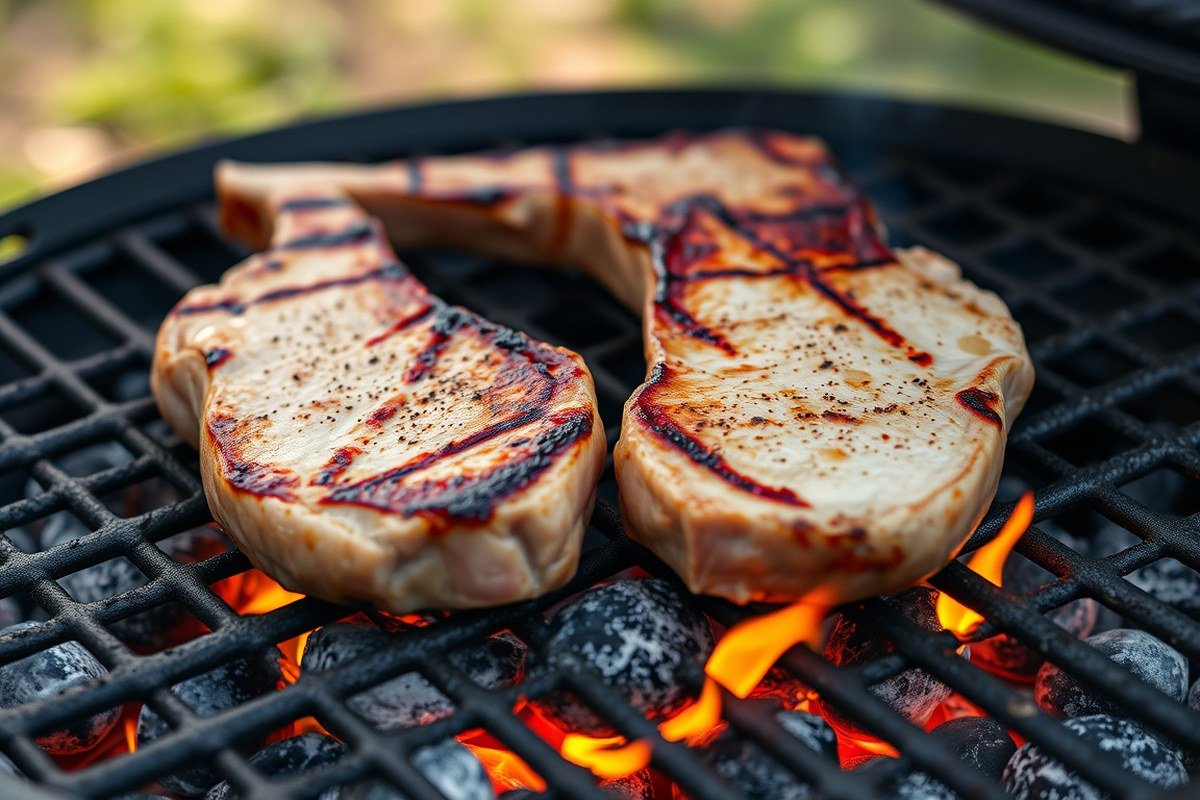
Grilling pork chops to juicy perfection means balancing high heat with careful timing. Cook each side over direct heat for 2 to 3 minutes to sear, then finish over indirect heat for 5 to 7 minutes per side until the internal temperature reaches 145°F. Let them rest before serving so the juices redistribute for maximum flavor.
This advice is for home cooks who want reliable, flavorful results on their grill. You’ll learn how to prepare, season, set up your grill, and use the best cooking methods to make pork chops that stay tender and juicy every time.
Key Takeaways
- Preheat your grill to medium-high heat, around 350°F to 400°F, for optimal cooking.
- Choose bone-in chops for more flavor; boneless ones cook faster and are easier to handle.
- Trim any excess fat, season well, and consider brining to improve moisture and taste.
- Use direct heat to sear chops for 2-3 minutes per side to get a good crust.
- Move chops to indirect heat to finish cooking for 5-7 minutes per side without burning.
- Check doneness with a meat thermometer; target 145°F in the thickest part for safety and juiciness.
How to Grill Pork Chops Perfectly Every Time
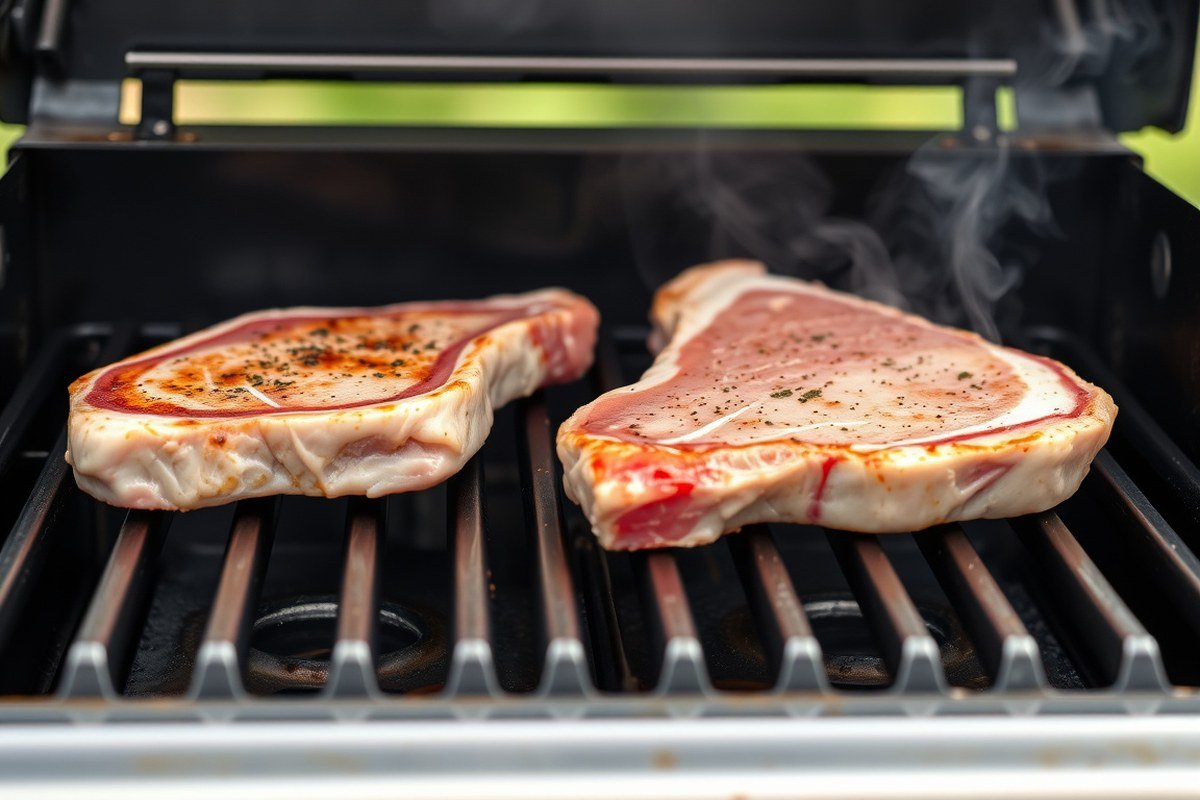
Achieving juicy, flavorful pork chops on the grill requires managing heat, timing, and checking for doneness carefully. Setting the grill between 350°F and 400°F (175°C to 205°C) allows the surface of the pork to brown nicely without causing it to dry out. Cooking duration depends on how thick the chops are: around 5 to 6 minutes on each side works well for pork chops up to 1 inch thick. For thicker chops near 2 inches, plan on about 8 to 10 minutes per side, finishing with indirect heat to ensure they cook through evenly without charring.
Flipping only once helps develop a good crust and grill marks, so plan to flip your pork chops halfway through the cooking time. To confirm the pork chops are done, use an instant-read thermometer inserted into the thickest part. The USDA recommends cooking pork to an internal temperature of 145°F, followed by a 3-minute rest time to lock in juices and achieve the ideal tenderness and flavor.
- Preheat your grill to a medium-high setting, around 350°F to 400°F (175°C to 205°C). This temperature range helps create a nice browned crust on the pork chops without causing too many flare-ups or burning.
- Place the pork chops directly over the heat source. For 1-inch chops, grill each side for about 5 to 6 minutes. For thicker chops up to 2 inches, sear for 3 to 5 minutes per side over direct heat, then move them to indirect heat for 5 to 7 more minutes per side to finish cooking.
- Flip the pork chops once, halfway through the searing time. This single flip keeps the juices locked in and produces distinct grill marks. Avoid flipping repeatedly, which can dry out the meat.
- Monitor the temperature using an instant-read thermometer inserted into the thickest part of the chop. When it reads 145°F, the pork chops are safe to eat and optimally juicy.
- Remove the chops from the grill and rest them for 3 to 5 minutes before serving. Resting allows juices to redistribute throughout the meat, making every bite tender and flavorful.
Pay attention to thickness, grill temperature, and doneness temperature for perfect results. Overcooking will dry out pork chops, while undercooking poses a safety risk. When using thicker chops or bone-in cuts, extending cooking time and combining direct and indirect heat methods deliver the best texture without charring.
Choosing Between Bone-In and Boneless Pork Chops
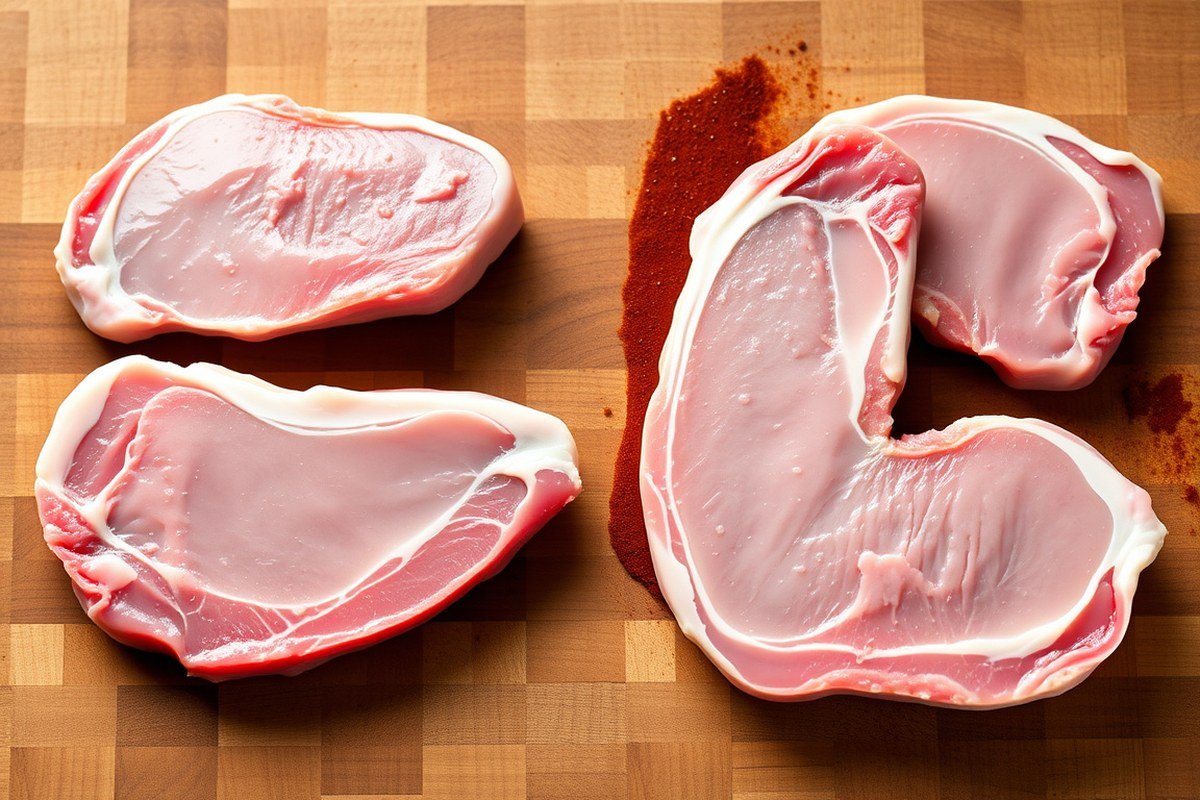
Choosing between bone-in and boneless pork chops makes a difference in flavor, cooking time, and juiciness. Bone-in chops usually stay juicier and offer more flavor because the bone helps conduct heat evenly and slows the cooking process slightly. Boneless chops cook faster and more evenly because they lack the bone’s insulating effect, which can be good for a quicker meal but might sacrifice some moisture and taste.
Bone-in pork chops are generally preferred for grilling, ideally thick-cut and at least 1 inch thick. They take a bit longer on the grill than boneless chops, especially when using direct heat at around 375°F to 400°F. Boneless chops will cook quicker and may need less attention to avoid drying out. Both should be removed from the grill when the internal temperature reaches about 145°F (63°C), then rested for a few minutes to let the juices redistribute.
| Feature | Bone-In Pork Chops | Boneless Pork Chops |
|---|---|---|
| Juiciness | Higher, bone retains moisture | Lower, cooks faster and can dry out |
| Flavor | More flavorful, bone adds richness | Milder flavor, more uniform |
| Cooking Time | 6, 7 minutes per side at 375°F to 400°F, slightly longer | Less than bone-in, cooks faster and more evenly |
| Thickness | Recommended at least 1 inch thick | Recommended at least 1 inch thick |
| Ease of Grilling | Needs closer attention due to thickness and bone | Easier to handle and cook evenly on the grill |
When grilling, monitor your chops closely; bone-in ones might need a little more time on indirect heat to prevent flare-ups or burning near the bone. Boneless chops require less grilling time and can be turned more frequently for even charring. Both varieties benefit from thick cuts and seasoning or brining to help maintain moisture and flavor.
Take pork chops off the grill just before they hit 145°F, allowing carryover heat to finish cooking them while they rest to keep them juicy.
Preparing Your Pork Chops: Trimming, Seasoning, and Brining
Trimming excess fat, brining for about 30 minutes, and seasoning with simple blends or marinades all help you get juicy, flavorful pork chops. Trimming prevents flare-ups and overcooked edges, while brining locks in moisture. Seasoning adds taste without overwhelming the natural pork flavor. Marinating is a good alternative when you want additional flavor beyond brining.
Trimming and Prepping Chops
Start by trimming any large, visible thick edges of fat from your pork chops. This step isn’t required if you’re using bone-in chops, as their fat renders nicely during grilling, providing flavor and protecting the meat. For boneless chops, removing excess fat helps prevent flare-ups on the grill and keeps the chops from tasting greasy.
After trimming, pat the chops dry with paper towels. This helps the seasoning stick better and encourages a good crust on the grill. Let the chops come to room temperature for about 10 minutes before cooking. This promotes even cooking and prevents the inside from drying out while the outside reaches temperature.
Brining Times and Recipe
Brining keeps pork chops juicy by allowing them to absorb extra moisture and salt before cooking. Unlike large cuts like turkey, pork chops only need a short brine. About 30 minutes in a simple saltwater brine yields noticeable improvement without overpowering the pork’s flavor. This also fits well into your grill prep since it takes roughly the same time to preheat your grill.
Use about 4 cups of water mixed with 1/4 cup salt to make your brine. Submerge your chops completely and refrigerate during the brining period. After 30 minutes, remove the chops, drain off the brine, and pat dry before seasoning. Don’t exceed 2 hours, as the meat can become too salty and mushy.
Seasoning Blends and Marinating Tips
A simple seasoning blend works best for pork chops to complement, not overpower, the meat’s flavor. A classic mix includes:
- 1 teaspoon kosher salt
- 1/2 teaspoon coarse ground black pepper
- 1/2 teaspoon garlic powder
- Optional: 1/4 teaspoon smoked paprika for a subtle smoky flavor
- Optional: 1/4 teaspoon dried thyme or rosemary
Apply the seasoning evenly on both sides right after brining and drying. Let the chops rest a few minutes for the salt to penetrate.
Marinating can replace brining if you want extra flavor layers from herbs, spices, or acids like vinegar or citrus juices. Marinate at least 30 minutes but no longer than 2 hours to avoid affecting texture. Popular marinade ingredients include olive oil, soy sauce, mustard, lemon juice, and crushed garlic. Patt the pork dry after marinating before placing on the grill to prevent flare-ups.
Setting Up Your Grill: Heat Zones and Temperature Control
Creating two-zone cooking on your grill makes it easier to sear pork chops and then finish cooking them evenly without burning. For a gas grill, turn one side to medium-high heat, about 400 to 450°F, to create direct heat for searing. Leave the other side on medium to low heat or off for indirect cooking. This setup works for thicker chops that need both a sear and slower cooking inside. On a charcoal grill, push hot coals to one side for direct heat and leave the other side clear for indirect heat. This lets you move chops from the hot searing zone to the cooler area to prevent burning.
Preheating is important. Heat your grill for at least 10 to 15 minutes before adding pork chops to reach the correct temperature throughout the cooking surface. Preheating a gas grill means turning it on to medium-high and closing the lid until temperatures stabilize around 400 to 450°F. For charcoal, light the coals and wait until they’re covered in white ash before arranging them into zones. This ensures the grill is hot enough to create that nice crust without drying out the meat.
Cleaning and maintenance of grill grates matter for even cooking and food safety. Before preheating, scrape the grill grates with a stiff wire brush to remove leftover debris and grease. Once preheated, oil the grates with a paper towel dipped in cooking oil held by tongs. This prevents sticking and helps get clean grill marks. After cooking, scrape the grates again while they’re still warm and wipe down to remove residue. Proper cleaning keeps heat distribution consistent and reduces flare-ups.
The ideal grill temperature depends on pork chop thickness. For chops around ¾ inch thick, direct heat at about 350°F works well, cooking for 8 to 10 minutes total. Thicker chops, 1 to 1.5 inches, benefit from searing on direct heat first, then moving to indirect heat to finish. That usually means a two-zone setup with 400 to 450°F direct heat and medium heat indirect for a total time of 12 to 20 minutes depending on thickness. For very thick chops, indirect heat alone around 350°F can be used to cook thoroughly without burning the outside.
Using a two-zone setup on your grill provides control over the cooking process. Start pork chops on the hot side to develop those grill marks and a flavorful crust, then shift them to the cooler zone to cook evenly to the proper internal temperature. This method avoids overcooking or drying out the meat. It also works if grilling frozen chops since indirect heat helps thaw and cook them safely without burning. Keeping the grill at the right temperature for both zones requires adjusting vents on a charcoal grill or burner settings on a gas grill after preheating.
Grilling Techniques: Direct vs. Indirect Heat for Pork Chops
Use direct heat to sear pork chops quickly and create grill marks, then switch to indirect heat to cook them through without burning. Direct heat works best at the start for about 3 minutes per side, while indirect heat finishes cooking gently for 4 to 7 minutes depending on thickness. Combining these methods avoids flare-ups and uneven cooking, especially with a two-zone grill setup.
Advantages of Direct Heat Grilling
Direct heat grilling means placing pork chops directly over hot flames or coals. This method is ideal for searing because the high temperature quickly browns the meat’s surface, forming flavorful caramelization and those appealing grill marks. For pork chops about 1½ inches thick, sear for roughly 3 minutes per side over high heat (450°F to 500°F).
This quick sear locks in juices, making the pork chops juicy and tender. It also reduces sticking and helps build a crust that adds texture. Direct heat is perfect for thinner chops or when you want to finish cooking quickly, but it requires close attention to avoid burning or flare-ups.
Benefits of Indirect Heat Cooking
Indirect heat means placing the pork chops away from the direct flame on a cooler part of the grill set to medium heat (around 300°F to 350°F). This gentler heat cooks the chops evenly without charring the exterior, reducing the risk of burning and flare-ups caused by dripping fat. It’s essential for finishing thicker chops or frozen pork chops.
Cooking indirectly takes longer, usually 4 to 7 minutes after the initial sear, allowing the internal temperature to rise gradually to 145°F, the USDA’s recommended safe temperature. This results in tender, fully cooked pork without dry edges or bitter burnt spots. Indirect cooking also frees you from constant flipping and close monitoring, making it easier to maintain consistent doneness throughout the meat.
Combining Both with a Two-Zone Setup
Two-zone grilling uses distinct areas of the grill: one side on high heat for searing, the other on low or medium heat for finishing. Start pork chops on the hot zone for about 3 minutes per side to develop grill marks, then transfer them to the cooler area to cook through. This method balances speed with control, reducing the chance of burning or flare-ups. Here is a practical checklist to follow:
- Preheat the grill with two zones: one side at 450°F, 500°F, the other at 300°F, 350°F
- Sear pork chops on the hot side for 3 minutes per side
- Move chops to the cooler zone to finish cooking for 4 to 7 minutes
- Use tongs to flip only once during searing to get perfect grill marks
- Monitor fat drippings to avoid flare-ups, moving chops if flames flare
- Check internal temperature aiming for 145°F with a meat thermometer
- Allow chops to rest off grill before serving
Careful timing during flipping preserves grill marks and prevents tearing the meat’s surface.
Adjust timing based on chop thickness and grill temperature. Thick chops may need longer indirect cooking, while thinner ones might finish quicker. Using a two-zone setup gives you flexibility to control cooking speed and quality, ensuring juicy pork chops without burning.
Checking Doneness: Using Thermometers and Visual Signs
To make sure your pork chops are both safe and delicious, use a meat thermometer to check internal temperature. Insert the probe into the thickest section of the chop, steering clear of bone or fat, and aim for 145°F (63°C). This temperature meets USDA guidelines and gives you medium-rare pork that stays moist and tender. After removing the chops from the grill, let them rest for 3 to 5 minutes to let the juices redistribute, which improve flavor and makes slicing easier without drying out the meat.
Without a thermometer, checking doneness depends on visual and tactile clues, though these are less precise. Cooked pork chops will have clear or slightly pink juices rather than cloudy or red ones leaking when pressed or cut. Also, the meat changes from translucent to a more opaque white or pale pink. Press the chop gently with a finger or tongs; a done chop feels firm but still springy, not mushy or overly soft. A chop that feels very soft and has juices with a strong pink or red color likely needs more time cooking. These methods demand practice because thick chops can look done on the outside but still be undercooked inside.
Grilling times can vary based on chop thickness and grill temperature. For a pork chop about 1 inch thick, cook it for about 8 to 10 minutes per side over medium-high heat (350°F to 450°F). Use indirect heat to avoid burning the exterior before the inside cooks through. Check temperatures toward the end of grilling to prevent overcooking, which dries out the meat.
Visual signs like the color of juices and the firmness of the chop help guide you if you don’t have a thermometer handy, but always aim to verify with a thermometer for safety. After removing chops from the grill, rest them for three to five minutes. This resting period significantly improves juiciness by allowing muscle fibers to relax and reabsorb some of the expelled liquids. Cutting into chops too soon causes juice loss, leaving the meat drier.
Take the pork chops off the grill once they hit 145°F and allow them to rest before eating to keep them both safe and juicy. For more well-done meat, aim for 160°F for medium or 165°F for well-done, but note this may dry the chops. Don’t judge doneness by color alone, as smoke and seasonings can darken the surface. Using a digital instant-read thermometer, which generally costs $10 to $20, ensures you cook pork chops safely and evenly.
Resting, Serving, and Pairing Pork Chops with Side Dishes
Rest pork chops for at least 5 to 10 minutes after grilling to allow the juices to redistribute, making them tender and juicy. Serve them on a warm platter, optionally topped with grilled fruits or fresh herbs. Pair your chops with colorful, well-balanced side dishes like grilled vegetables, salads, or your choice of sauces to complete the meal.
Resting Techniques for Juiciness
Once you take pork chops off the grill, cover them loosely with aluminum foil and let them rest for 5 to 10 minutes at room temperature. This resting period prevents the juices from running out when you cut into the meat, which keeps the chops moist and flavorful. Avoid covering tightly with foil, as this will trap steam and could soften the crispy exterior.
Resting also allows the internal temperature to rise slightly, which means removing the chops from the grill a few degrees below your target temperature (about 140°F for medium) is smart. This way, they’ll finish cooking gently while resting. If you skip resting, you’ll likely lose moisture and have drier meat when you serve.
Popular Vegetable Side Dishes
Grilled pork chops work well with a variety of vegetable sides that complement their smoky flavor. Grilled vegetables add texture and color while keeping the cookout theme going. Fresh salads provide a crisp, refreshing contrast to the rich pork, balancing the plate.
- Grilled asparagus or zucchini brushed with olive oil and sprinkled with salt
- Charred bell peppers and onions for a sweet, smoky flavor
- Grilled peaches or pineapple slices as a fruity, slightly caramelized topping
- A simple mixed greens salad with a light vinaigrette
- Roasted sweet potatoes or corn on the cob for hearty, sweet notes
- Steamed green beans tossed with garlic and lemon zest
- Coleslaw with a tangy dressing to add crunch and acidity
These sides not only complement pork chops but also offer color and balance, making the dish well-rounded. Choose sides that suit your flavor preferences and the season.
Flavorful Sauces and Garnishes
Serving sauces on the side allows every eater to customize their pork chop experience. Popular options include a sweet and tangy barbecue sauce or a fresh chimichurri sauce made with parsley, garlic, and vinegar. These sauces improve flavor without overpowering the grilled meat.
Fresh herbs such as rosemary, thyme, or parsley add a pop of color and a fresh aroma when sprinkled on top just before serving. You can also arrange grilled peach slices on the pork chops for an appealing presentation and a touch of sweetness that highlights the savory notes.
To serve sauces, portion them in small bowls alongside the pork chops so guests can dip or drizzle as they like. This keeps the meat’s texture intact and prevents sogginess.
Storing, Reheating, and Troubleshooting Grilled Pork Chops
Grilled pork chops can be refrigerated safely for up to three days when stored in an airtight container. Make sure to cool them to room temperature before sealing and placing in the fridge. This prevents condensation, which can make the meat soggy and accelerate spoilage. If you want to keep them longer, freezing is an option, but expect some loss of moisture and texture quality.
Reheating pork chops without drying them out requires gentle heat and patience. The oven or air fryer set to 350°F works well. Place the pork chops on a baking sheet, cover loosely with foil, and heat for about 10 to 15 minutes depending on thickness. Using the microwave is faster but riskier; cover the chops with a damp paper towel to help retain moisture, then reheat in 30-second bursts until warm. Reheating in a skillet over low heat with a splash of broth or water can also keep the pork juicy. Avoid high heat or quick reheats, which cause toughness.
Dry or unevenly cooked pork chops often result from grilling too long or uneven heat. To fix dryness, slice the pork chops thinly and serve with a sauce or moist side dish. Next time, pull the chops from the grill once they hit an internal temperature of 140°F to 145°F, then rest for five minutes to allow juices to redistribute. For flare-ups, quickly move chops to a cooler part of the grill to prevent burnt spots and use a spray bottle of water to control flames. To avoid uneven cooking, let the chops sit at room temperature for 20 minutes before grilling so they cook evenly throughout.
Reusing marinade that has been in contact with raw pork is unsafe due to potential bacteria. Always reserve some marinade separately if you plan to use it as a sauce or baste after cooking. Alternatively, boil leftover marinade for at least five minutes if you want to use it as a glaze on grilled pork chops.
Always let your pork chops rest after grilling; this simple step locks in moisture and prevents dryness during reheating.
Step-by-Step Action Plan for Grilling Pork Chops
Follow these key steps to grill juicy, flavorful pork chops safely and confidently every time.
- Before grilling: Choose bone-in pork chops about 1 inch thick for more flavor and moisture. Ensure they are trimmed and optionally brined for 30 minutes to an hour.
- 30 minutes prior: Season your chops with your preferred rub or simple salt and pepper, checking that the surface is evenly coated.
- Preheat grill: Set up two heat zones, one high-heat direct zone around 450°F and one indirect zone around 300°F. Use a grill thermometer to confirm temperatures.
- Grilling phase 1: Place chops on the direct heat for 3-4 minutes per side to develop a sear, watching for grill marks and caramelization.
- Grilling phase 2: Move chops to the indirect heat and cook until internal temperature reaches 140°F, measured with an instant-read thermometer.
- Resting: Remove chops and let rest for 5 minutes, allowing juices to redistribute and temperature to rise to the safe recommended 145°F.
- Serving: Serve with complementary sides like grilled vegetables or a fresh salad to balance the rich pork flavors.
- Leftovers: Store promptly in an airtight container in the refrigerator and reheat gently to avoid drying out.
Frequently Asked Questions
Can I Grill Frozen Pork Chops Without Thawing?
It’s best to thaw pork chops fully before grilling for even cooking and food safety. Grilling frozen chops can cause uneven cooking and a dry outside before the inside is done.
How Do I Avoid Flare-Ups When Grilling Pork Chops?
Avoid flare-ups by trimming excess fat and keeping a spray bottle of water nearby to control sudden flames. Cooking over indirect heat also helps prevent flare-ups.
What Marinades Work Best for Pork Chops on the Grill?
Marinades with acid, like vinegar or citrus juice, tenderize pork chops well. Adding oil and spices improve flavor and helps keep the meat moist during grilling.
Can I Grill Stuffed Pork Chops?
Yes, grilling stuffed pork chops is possible but requires careful cooking over indirect heat to ensure the stuffing heats through without burning the exterior.
Is It Safe to Use Wooden Skewers with Pork Chops?
Wooden skewers are safe if soaked in water for 30 minutes before grilling to prevent burning. They work best for smaller pork pieces rather than whole chops.
How Long Can Cooked Pork Chops Sit Out Before Refrigeration?
Cooked pork chops should not sit out more than 2 hours at room temperature to prevent bacterial growth and foodborne illness risks.
The Bottom Line
Grilling pork chops well takes attention to temperature, timing, and resting to keep them juicy and flavorful. Start with good quality chops and control your grill zones for consistent results. Next time you fire up the grill, use an instant-read thermometer to keep the chops perfectly cooked inside. This one tool will boost your confidence and make every chop taste better.


One Comment