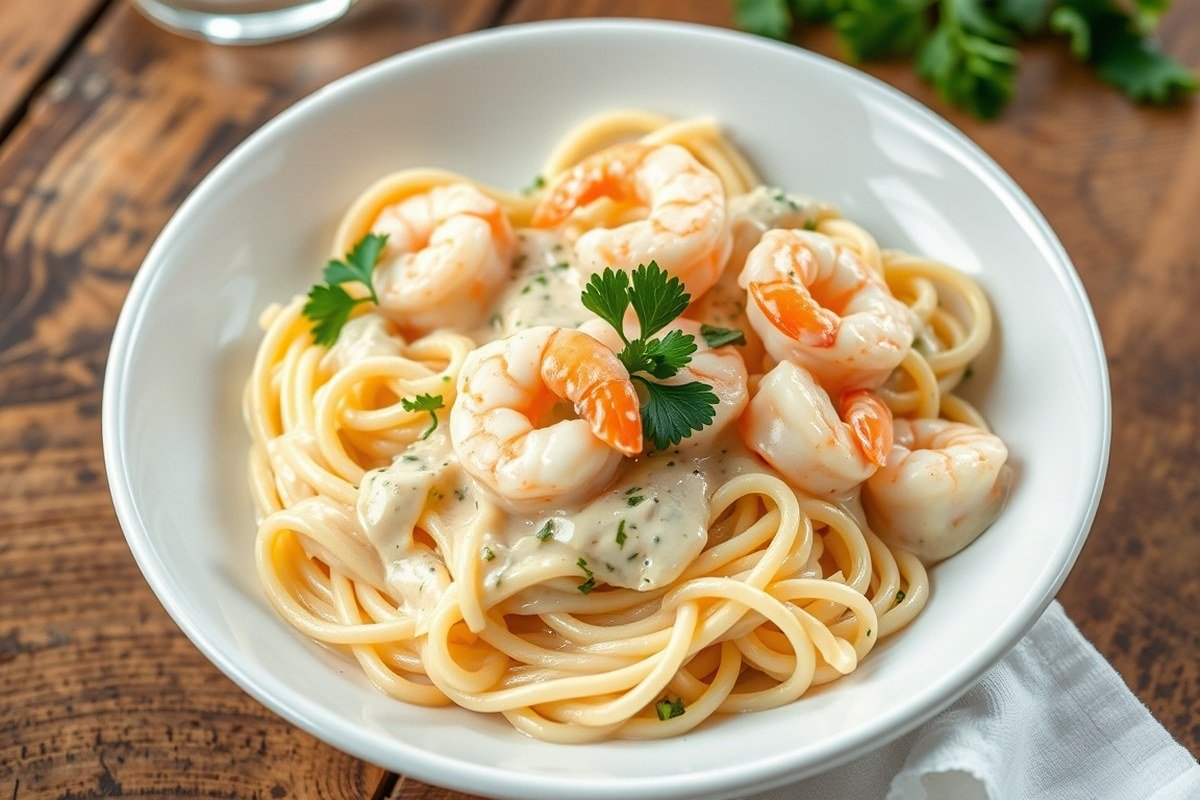
How to Make Shrimp Alfredo: Complete Steps and Tips for Perfect Creamy Pasta
Shrimp Alfredo is a creamy, garlicky pasta dish made by cooking shrimp until pink and combining them with a rich Alfredo sauce and perfectly cooked pasta. To make shrimp Alfredo, sauté thawed shrimp for 3 to 4 minutes per side until opaque, whip up classic Alfredo sauce using heavy cream and Parmesan cheese, and toss with al dente fettuccine or your pasta of choice. This straightforward recipe works for home cooks of all skill levels aiming for a restaurant-quality dinner at home.
This guide covers everything from selecting the right shrimp, fresh, frozen, or precooked, to preparing a smooth, velvety Alfredo sauce and cooking pasta just right. You’ll also get tips on flavor variations, avoiding common mistakes, and proper storage to keep your dish fresh for later. Cooking shrimp Alfredo at home is fast, customizable, and delicious.
Key Takeaways
- Use raw large shrimp and cook 3-4 minutes per side until pink and opaque for best texture.
- Heavy whipping cream with about 35% fat makes Alfredo sauce creamy and velvety.
- For a quicker meal, precooked shrimp only need 1-2 minutes per side to heat through.
- Cook pasta until just al dente so it finishes perfectly when tossed with sauce.
- Remove shrimp promptly from heat to avoid overcooking and rubbery texture.
- Store leftover Alfredo sauce refrigerated in a sealed glass jar for 3-5 days.
Step-By-Step Guide to Making Shrimp Alfredo at Home
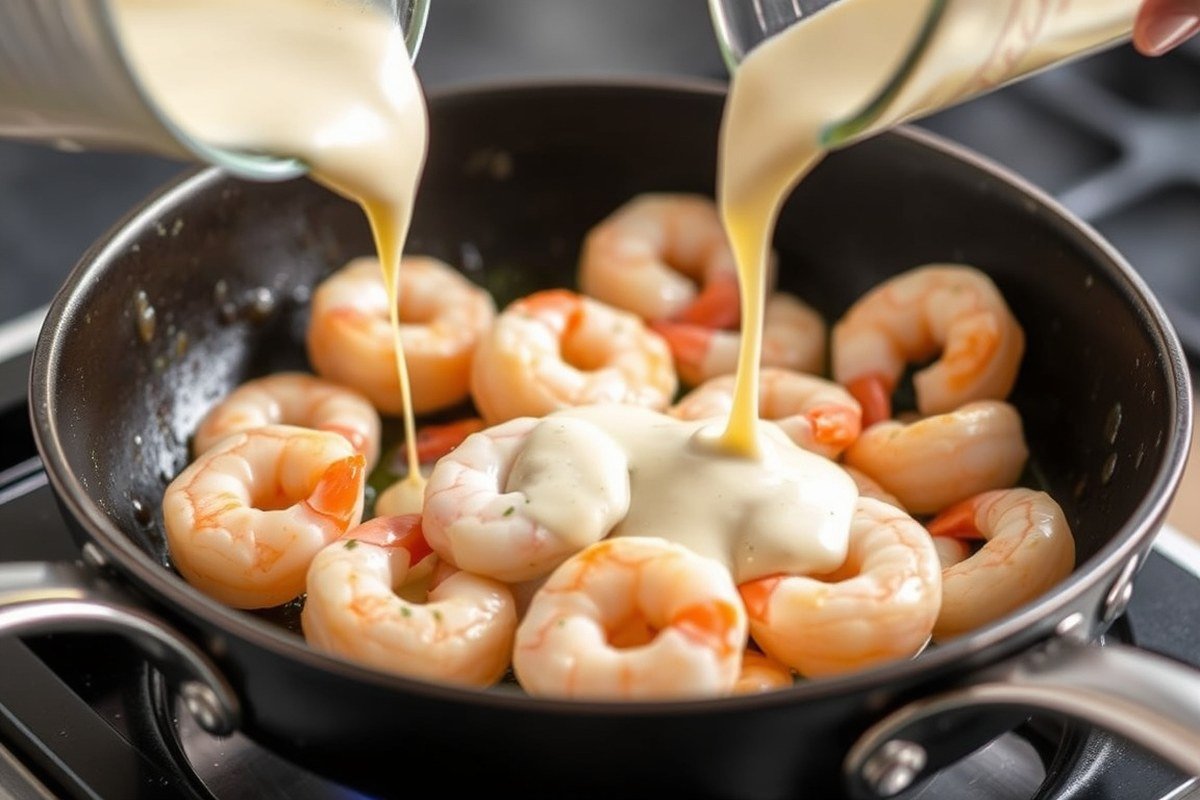
Making shrimp alfredo from scratch involves cooking shrimp, preparing an authentic creamy Alfredo sauce, boiling pasta properly, and then combining everything in a way that highlights each component. Cook raw shrimp just before adding the sauce to keep them tender and juicy. The sauce should be smooth and thick enough to coat the fettuccine without being too heavy. Cooking pasta to al dente texture ensures it holds up well when tossed with the rich sauce and shrimp. Follow these precise steps to achieve a balanced, flavorful shrimp alfredo dish every time.
- Cook the pasta: Bring a large pot of salted water to a boil. Add 12 ounces of fettuccine and cook according to package directions, usually about 10-12 minutes, until al dente. Drain and reserve about ½ cup of pasta water for later use. This starchy water can adjust sauce consistency if needed.
- Dry and prepare the shrimp: While pasta boils, pat 1 pound of raw shrimp dry with paper towels to remove excess moisture. This helps them sear properly without steaming. Removing moisture also improves sauce texture and overall flavor.
- Cook the shrimp: Warm 1-2 tablespoons of olive oil or butter in a large skillet on medium-high heat. Place shrimp in a single layer and cook about 3-4 minutes on each side until they become pink and opaque. Cook just enough to avoid a rubbery texture. Take the shrimp out of the skillet and set them aside.
- Prepare the Alfredo sauce: In the same skillet, lower heat to medium and add 2 tablespoons of butter. Once melted, stir in 2 cloves of minced garlic and sauté for about 30 seconds until fragrant. Whisk in 1 cup of heavy cream and simmer gently for 3-4 minutes. Gradually add 1 cup of freshly grated Parmesan cheese, stirring until melted and sauce thickens slightly. Avoid boiling the sauce after cheese is added to prevent separation.
- Combine shrimp and sauce: Return cooked shrimp to the skillet with Alfredo sauce. Stir to coat and heat through for 1-2 minutes. The shrimp will absorb some sauce but stay tender and flavorful.
- Toss pasta with sauce and shrimp: Add the drained fettuccine to the skillet. Toss gently to fully coat pasta in the creamy sauce and distribute shrimp evenly. Use reserved pasta water in small amounts if sauce feels too thick or heavy. Tossing at this stage helps sauce cling to every strand and balances textures.
- Serve immediately: Plate the shrimp alfredo hot for best taste and texture. The pasta will keep absorbing sauce if left to sit, causing dryness. Garnish with freshly cracked black pepper or chopped parsley if desired.
These steps ensure shrimp alfredo has tender shrimp, richly flavored sauce, and perfectly cooked pasta. Preparing pasta and sauce ahead by a day or two can save time on busy nights but combine and reheat carefully to avoid overcooking shrimp or curdling sauce. Avoid precooked shrimp for best texture and cook raw shrimp just until opaque for optimal juiciness.
Choosing and Prepping Shrimp: Fresh, Frozen, or Precooked?
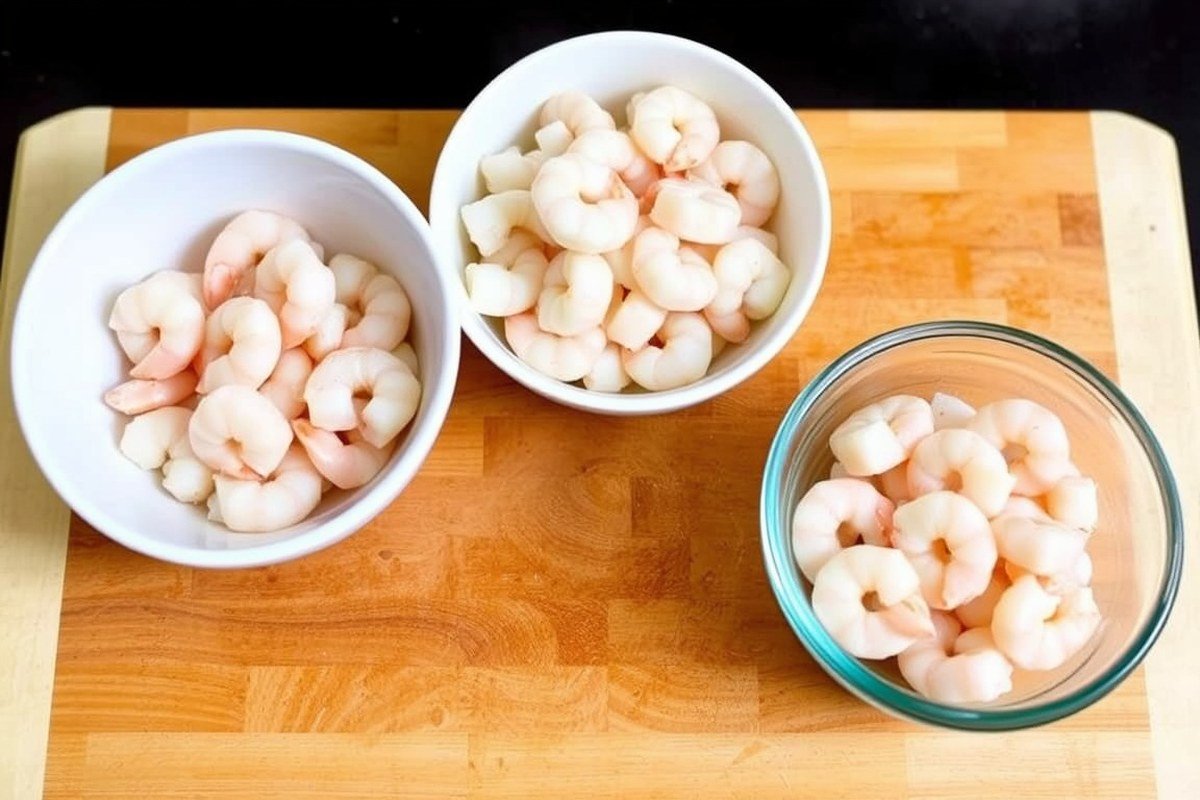
Choosing the right shrimp type and preparing it properly are key to a great shrimp alfredo. You can use fresh, frozen raw, or frozen precooked shrimp. Fresh shrimp typically offer the best flavor but can be more expensive and have a shorter shelf life. Frozen raw shrimp are convenient, often less costly per pound, and retain quality well when thawed correctly. Frozen precooked shrimp save time by cutting cooking down to just reheating, but they require more careful handling to avoid overcooking. Peeling and deveining shrimp before cooking ensures a tender texture and neat presentation. The shrimp size affects cooking time, larger shrimp (26-30 per pound) take 2-3 minutes to cook, while smaller ones cook faster. Precooked shrimp only need 1-2 minutes per side to be heated through because they are already cooked.
Thawing frozen shrimp properly is important for texture and safety. The fastest safe method is to place shrimp in a colander under cool running water until thawed. This generally takes a few minutes depending on the amount. Avoid using warm water or leaving shrimp out at room temperature as this can encourage bacterial growth. After thawing, pat shrimp dry with paper towels to prevent sauce dilution and improve browning when cooking.
| Type of Shrimp | Preparation Needed | Approximate Cooking Time | Typical Cost | Notes |
|---|---|---|---|---|
| Fresh shrimp (26-30 count/lb) | Peel, devein | 2-3 minutes per side | Variable, usually higher | Best flavor and texture |
| Frozen raw shrimp (31-40 count/lb) | Thaw under cool water, peel and devein | 2-3 minutes per side | About $6.71 per ½ lb | Convenient, retains quality well |
| Frozen precooked shrimp | Thaw under cool water | 1-2 minutes per side (just heating) | Varies, quick meal option | Shortcut for fast dinners, avoid overcooking |
When using precooked shrimp, cook them just long enough to warm through and get a light golden color. Overcooking makes shrimp rubbery. Raw shrimp require cooking until they turn pink and opaque, which happens quickly given their size. Always remove shrimp from heat immediately after cooking to stop residual heat from making them tough. The shrimp size range of 26-30 or 31-35 per pound is ideal for shrimp alfredo, providing a balance of bite and tender texture without extending cooking time unnecessarily.
Thaw frozen shrimp in a colander under cool running water, this method is faster and safer than thawing on the counter or in warm water.
Classic Alfredo Sauce Explained and Perfected
Alfredo sauce is a creamy, rich mixture primarily of butter, heavy cream, and Parmesan cheese traditionally used to coat pasta. Its smooth, velvety texture complements shrimp by balancing seafood’s natural sweetness with a buttery, cheesy backdrop. Getting the sauce just right means controlling thickness and avoiding separation, which ensures a restaurant-quality shrimp Alfredo experience at home. Adjustments like adding cream cheese can help thicken thin sauce, while gentle heating prevents breaking.
Ingredients That Make Up Classic Alfredo Sauce
Classic Alfredo sauce consists mostly of butter, heavy whipping cream, and freshly grated Parmesan cheese. Butter adds richness and helps emulsify the sauce, while heavy cream, typically with about 35% fat, gives the sauce its silky texture. Parmesan cheese melts into the sauce, providing its signature sharp, nutty flavour and thickening through its protein and fat content. Seasonings like salt, black pepper, and a pinch of nutmeg improve depth without overpowering the shrimp’s delicate taste. Cream cheese, though not traditional, can be added in small amounts to make the sauce thicker and silkier when necessary.
The quality of Parmesan matters: fresh-grated Parm dissolves more smoothly than pre-shredded types, which often contain anti-caking agents that can affect the sauce’s consistency. Using real butter and fresh cream instead of substitutes also improves the flavor and mouthfeel dramatically.
Techniques to Achieve Perfect Creaminess and Thickness
Start by melting butter over medium-low heat to prevent browning. Next, add heavy cream and gently warm it, stirring frequently to combine without boiling. Boiling can cause the sauce to separate. Once hot, slowly stir in freshly grated Parmesan off the heat or with very low heat to avoid clumping. Stir continuously until the cheese melts completely and the sauce thickens slightly, which usually takes about 2 to 3 minutes.
When the sauce is too thin, add a few tablespoons of cream cheese little by little, stirring after each addition until the Parmesan melts. This adds body and helps maintain creaminess. To thin out sauce that’s too thick, add small amounts of milk or reserved pasta water one tablespoon at a time, stirring to reach the desired consistency. Adjust seasoning with salt, pepper, and a dash of nutmeg last, since these flavors meld better in a finished sauce.
Troubleshooting Common Sauce Mistakes
One of the most frequent issues is sauce breaking or separating, often caused by overheating or adding cheese directly to boiling cream. Keep the heat low and add Parmesan slowly off or below direct heat to prevent this. Avoid boiling the sauce after the cheese is incorporated and always stir constantly. When the sauce separates, slowly whisk in a tablespoon of warm water or cream; gently reheating while whisking may also re-emulsify it.
Alfredo sauce thickens significantly as it cools. Serve it immediately with the shrimp and pasta for the best texture. Reheating requires care: warm it gently on the stovetop or microwave, adding a splash of cream or milk to restore creaminess. Freezing Alfredo sauce is not recommended since thawing often causes separation and ruins texture, and shrimp can become rubbery after freezing and reheating.
Cooking Pasta Perfectly for Shrimp Alfredo Dishes
Thicker, long pasta types like fettuccine, linguine, tagliatelle, and spaghetti work best with shrimp Alfredo. Their flat and wide shape holds the creamy sauce well, allowing each bite to deliver balanced flavors. Although traditional recipes use flat noodles, you can use any shape you prefer, but keep in mind that thinner or small pasta shapes may not carry the sauce as effectively.
Cooking pasta to an al dente texture means it should be tender but still firm to the bite. Typically, this involves boiling the pasta for 1 to 2 minutes less than the package’s recommended time. For example, if the package says 10 minutes, start checking for doneness around 8 minutes. Be sure to stir occasionally to prevent sticking. The perfect al dente pasta acts as a sturdy base for the shrimp and Alfredo sauce without becoming mushy. Overcooked pasta will absorb too much sauce and lose its texture, while undercooked pasta can feel too stiff.
Coordinating the pasta cooking with sautéing shrimp and preparing the Alfredo sauce is key to serving the dish hot and fresh. Shrimp cook very quickly, usually in about 2 to 2½ minutes once heated, until they turn pink and opaque. Meanwhile, you can start the sauce and the pasta at almost the same time. This way, by the time the sauce is ready, your pasta will be perfectly al dente. Once both are done, combine the pasta and shrimp with the sauce immediately to prevent them from cooling or drying out.
- Fill a large pot with water, add salt generously (about 1 tablespoon per 4 quarts) and bring to a rolling boil.
- Add your chosen pasta and stir occasionally to prevent sticking.
- Start cooking your Alfredo sauce and shrimp shortly after pasta begins boiling.
- Check pasta doneness 1-2 minutes before the package’s recommended time.
- Drain pasta, reserving ½ cup of pasta water to adjust sauce if needed.
- Sauté shrimp in a hot skillet for 2 to 2½ minutes until pink.
- Combine pasta, shrimp, and sauce promptly, adding reserved pasta water if the sauce feels too thick.
Keeping reserved pasta water helps adjust the sauce’s consistency to a glossy finish for better coating. The natural starch in the pasta water also improves sauce texture and helps it cling to pasta and shrimp evenly. Avoid overcooking shrimp since they can become rubbery. Start the pasta and sauce simultaneously to minimize idle time and ensure all components come together flawlessly on the plate. This timing strategy makes shrimp Alfredo quick and satisfying to prepare at home.
Flavor Variations and Ingredient Substitutions for Shrimp Alfredo
Customizing shrimp alfredo lets you tailor it to your taste and dietary needs without losing its comforting appeal. Using different spices, herbs, dairy alternatives, and extra ingredients can create unique flavors or fit special diets like lactose intolerance or vegan preferences. These adjustments change the dish’s profile but maintaining balance is key for a satisfying meal.
Spices and Herbs to Improve Shrimp Alfredo
Adding spices like a pinch of cayenne or Cajun seasoning introduces a spicy kick to cut through the richness of the alfredo sauce. Cracked black pepper adds heat, while fresh parsley or basil injects a bright, herbal freshness that complements the sweet, juicy shrimp. Garlic and Parmigiano-Reggiano build the deeper savory base, so improving these with fresh or dried rosemary and thyme can layer additional earthy notes. Use about half a teaspoon of your chosen herbs or spices per serving to avoid overpowering the delicate shrimp flavor. Stir them into the sauce during the final minutes of cooking to release their aroma without turning bitter.
Experimenting with seafood varieties like scallops or lobster instead of shrimp modifies the texture and depth. Adding lemon zest or a splash of lemon juice brightens the sauce and pairs well with these proteins. Avoid over-seasoning if you switch proteins, as flavors vary in strength and sweetness.
Dairy Substitutions and Alternative Sauces
Traditional Alfredo relies on heavy cream and Parmesan, but you can substitute these to suit lactose intolerance or lighter preferences. Use lactose-free cream or half-and-half to reduce fat while keeping creaminess. For dairy-free versions, coconut cream or cashew cream works well and adds a subtle nutty flavor. Nutritional yeast can replace the Parmesan for cheesiness without dairy. These swaps slightly alter the taste and texture, so start with ¾ cup of the alternative cream and adjust thickness with simmering time.
Alternative sauces like a tomato-based sauce or a pesto cream can change the dish’s character and lower calories. To keep the creamy feel without dairy, blend silken tofu with garlic and lemon juice as a base. Note that these alternatives often require extra seasoning since they lack the strong umami of Parmesan.
Adding Complementary Vegetables and Extras
Incorporating vegetables balances the richness of shrimp alfredo and adds texture. Good options include sautéed spinach, roasted cherry tomatoes, or lightly steamed broccoli tossed in at the end. These vegetables introduce freshness, color, and nutrients without overpowering the dish’s flavor. Adding a small amount, such as a cup of greens per serving, complements shrimp’s light nature and the sauce’s creaminess.
For an extra protein boost or flavor twist, add cooked bacon, pancetta, or substitute chicken. These increase richness and create a heartier plate but change the dish’s traditional profile. Use about 2 ounces of additional protein per serving and adjust seasoning accordingly to maintain balance.
Avoid overpowering shrimp alfredo with too many strong herbs or spices; subtle additions highlight flavors better than heavy-handed ones.
Avoiding Common Mistakes When Cooking Shrimp Alfredo
Overcooking shrimp is a common mistake that leads to a rubbery texture. Shrimp cook very quickly, typically requiring only 3 to 4 minutes per side until they turn pink and opaque. Cooking beyond this timeframe toughens the shrimp, making them less enjoyable. Remove them from heat immediately once they reach this stage to keep them tender.
Alfredo sauce can also present challenges if not handled properly. One frequent problem is the sauce breaking or separating, which happens when the cream curdles or the fat separates from the liquid. To avoid this, melt butter gently and stir garlic for just about one minute to prevent burning. When adding cream, maintain a simmer rather than a full boil, stirring often for 3 to 4 minutes. High heat can cause separation, so controlling the temperature is key.
Combining the shrimp and pasta with the sauce requires attention too. Adding hot pasta directly to a very hot sauce can shock the sauce, causing it to separate. Temper the sauce off-heat or add pasta gradually while stirring. This balances temperatures and helps the sauce cling evenly.
- Cook shrimp 3, 4 minutes per side; remove at pink and opaque stage
- Melt butter gently; sauté garlic only 1 minute to avoid bitterness
- Add cream slowly; maintain a low simmer while stirring regularly
- Avoid boiling the sauce to prevent curdling or fat separation
- Add hot pasta gradually to sauce off heat to avoid breaking it
- Use fresh or fully thawed shrimp for even cooking
- Whisk or stir sauce consistently to maintain smooth texture
If the Alfredo sauce starts to break, a small splash of warm cream or milk whisked in off the heat can help bring it back. For rubbery shrimp, reheating gently with a bit of sauce rather than direct high heat can soften them slightly without overcooking further. These fixes can save your dish but rely on careful temperature control and timing from the start to produce the best shrimp Alfredo with smooth sauce and tender shrimp every time.
Proper Storage, Reheating, and Freezing of Shrimp Alfredo
Keep leftover shrimp alfredo in a sealed container inside the fridge and consume it within 3 to 4 days. Adding a bit of cream or milk before reheating helps thin the sauce, and using the stovetop or oven instead of a microwave prevents it from drying out. You can freeze shrimp alfredo, but thaw it in the refrigerator overnight first for better texture.
Storing Shrimp Alfredo in the Refrigerator
After cooking, let shrimp alfredo cool slightly before transferring it to an airtight container. This prevents condensation from making the leftovers soggy. Store the container in the refrigerator where it will keep safely for up to 3 to 4 days. Keeping the container sealed helps maintain moisture and prevents the shrimp from absorbing other food odors. Avoid leaving shrimp alfredo out at room temperature for more than two hours to reduce the risk of bacterial growth.
The sauce thickens when chilled because of its cream base. This is normal and doesn’t mean the dish has spoiled. Use the timeline of 3 to 4 days as a guide for freshness and quality, as eating it past this point can risk foodborne illness or a decline in flavour and texture.
Best Methods to Reheat Without Drying Out Shrimp or Sauce
Reheating shrimp alfredo requires gentle heat to keep the shrimp tender and the sauce creamy. Avoid using the microwave because it heats unevenly and tends to dry out cream sauces. Instead, warm the shrimp alfredo on the stove over low to medium-low heat. Add a splash of cream, milk, or even broth to the pan before heating to loosen the thickened sauce and prevent it from clumping.
Stir frequently while reheating to ensure even heat distribution and prevent the sauce from sticking or burning. Heat for about 5 to 7 minutes or until hot throughout. You can also use a double boiler to warm the dish gently without overheating. Reheating shrimp alfredo slowly keeps the shrimp from becoming rubbery and preserves the sauce’s smooth texture.
Freezing Shrimp Alfredo and Thawing Tips
Freezing shrimp alfredo is possible but less ideal because cream sauces can separate when thawed and reheated. To freeze, place cooled shrimp alfredo in a freezer-safe airtight container or heavy-duty freezer bag. Label it with the date and freeze for up to 2 months to maintain best quality.
Plan to thaw frozen shrimp alfredo in the refrigerator overnight before reheating. Thawing slowly helps the sauce reincorporate moisture and prevents the shrimp from getting tough. Avoid thawing at room temperature or using the microwave as they can promote uneven thawing and bacterial growth.
After thawing, heat gently on the stove with additional cream or milk as needed. Expect some textural changes in the sauce, but careful reheating can keep the dish enjoyable. Freezing the shrimp alfredo sauce and pasta separately can lead to better quality after thawing, though it takes more time and requires extra storage containers.
Finishing Touches and Serving Suggestions for Shrimp Alfredo
To plate shrimp alfredo professionally, start with warm plates to keep the dish hot longer. Twirl a nest of fettuccine in the center using tongs or a carving fork, creating a neat mound. Arrange the cooked shrimp evenly on top or slightly around the pasta for visual appeal. Spoon extra sauce over the pasta and shrimp to make it glossy but not swimming in sauce. Finish by sprinkling freshly grated Parmesan and chopped fresh parsley or basil for a pop of color and freshness.
Choose garnishes that do not overwhelm the dish’s rich creaminess. A light sprinkle of cracked black pepper adds mild sharpness, while a few lemon wedges on the side can brighten each bite if squeezed just before eating. Crispy breadcrumbs or a small amount of toasted pine nuts add texture contrast without competing with the sauce’s silkiness. Avoid heavy or strongly flavored garnishes like bacon or sun-dried tomatoes, which clash with the delicate Alfredo sauce.
Simple sides work best alongside shrimp alfredo because the main dish is rich and creamy. A crisp green salad with a light vinaigrette dressing helps cut through the sauce’s heaviness, refreshing your palate between bites. Steamed or roasted vegetables like asparagus, broccoli, or green beans add color and nutrition without overpowering flavors. Garlic bread or a crusty baguette lets you savor any leftover sauce, but keep portions moderate to avoid filling up before the pasta.
To maintain a rich, creamy sauce every time, keep the heat low when finishing. Alfredo sauce can separate or become grainy if boiled or overheated. Stir gently and let the sauce thicken gradually. Use heavy whipping cream over lighter creams for the best texture and flavor stability. If the sauce thickens too much before serving, stir in a splash of reserved pasta water or additional cream until smooth.
A checklist for plating and finishing shrimp alfredo professionally includes the following steps: warm the plates; arrange pasta in a neat mound; layer shrimp evenly on top; drizzle extra sauce carefully; garnish with Parmesan, parsley, and freshly cracked pepper; add lemon wedges on the side; serve alongside a light green salad and steamed vegetables; provide crusty bread if desired. Following these steps will present a restaurant-quality dish that balances richness and freshness.
Avoid reheating shrimp alfredo on high heat; instead, gently warm it over low heat or in a double boiler to prevent the sauce from breaking and the shrimp from becoming rubbery.
Step-by-Step Action Plan for Shrimp Alfredo
Follow these clear steps to successfully prepare shrimp alfredo at home. Each phase helps you check your progress and ensures delicious results.
- Before you start: Choose your shrimp (fresh, frozen, or precooked) and defrost if needed. You’ll know it’s ready when the shrimp is fully thawed and patted dry.
- Cooking prep: Boil salted water for your pasta and prep your ingredients for the sauce. The water should be at a rolling boil before adding pasta.
- Pasta cooking: Cook pasta until al dente, usually 8-10 minutes depending on the type. Taste to confirm it’s firm yet tender.
- Sauté shrimp: Heat a pan with oil or butter and cook shrimp about 2 minutes per side until pink and opaque. Avoid overcooking; the shrimp should be firm but not rubbery.
- Make Alfredo sauce: In the same pan, melt butter, add cream, garlic, and cheese while stirring until smooth. The sauce thickens slightly and coats the back of a spoon when done.
- Combine: Toss the cooked pasta and shrimp with the Alfredo sauce over low heat, stirring gently. The pasta and shrimp should be evenly coated and heated through.
- Final touches: Season with salt, pepper, and fresh parsley or parmesan as desired. Taste to confirm balanced seasoning.
- Serve immediately: Plate your shrimp alfredo while hot to enjoy the fresh flavors and creamy texture.
Frequently Asked Questions
How Long Should You Cook Shrimp to Add to Alfredo Sauce?
Cook shrimp for 3-4 minutes, stirring occasionally, until pink and opaque before adding Alfredo sauce to ensure they are tender and juicy. Proper cooking prevents rubbery texture in your shrimp Alfredo.
Can I Use Precooked Shrimp for Quicker Shrimp Alfredo?
Yes, precooked shrimp can speed up dinner prep, cutting cooking time to about 20 minutes. Add them at the end just to warm through, so they don’t overcook and become rubbery.
What Is the Best Pasta Shape for Shrimp Alfredo?
Fettuccine is traditional and holds the creamy Alfredo sauce well, but wide noodles like pappardelle also work beautifully. Choose pasta that complements the sauce thickness and shrimp size.
How Should I Reheat Leftover Shrimp Alfredo Without Ruining It?
Reheat gently in a skillet over low heat, stirring often to prevent sauce separation and shrimp from becoming rubbery. Avoid microwave reheating if possible to preserve texture.
Can I Prepare Shrimp Alfredo in Advance and Freeze It?
Shrimp Alfredo can be frozen, but sauce may thicken and separate when thawed. Freeze pasta and sauce separately for better texture after reheating.
What Is a Simple Way to Add Garlic Flavor Without Overpowering the Shrimp Alfredo?
Use fresh garlic minced finely and sauté lightly in butter before adding cream to the sauce. This balance improve the dish without overpowering shrimp’s delicate flavor.
Key Points to Remember
Shrimp Alfredo is a simple meal that you can master by following straightforward steps and paying attention to cooking times. Start by preparing your shrimp carefully and building the sauce slowly for the best texture and flavor. Once you get comfortable, experiment with the flavor variations to create your perfect dish. Try cooking it this week and enjoy a rich, satisfying dinner at home.



3 Comments