How to Identify and Choose Old GE Dryer Models for Replacement or Repair
Old GE dryer models can still provide reliable drying performance, but knowing how to identify them and understand their features is essential when considering repair or replacement options. Many of these older models were built with durable components, but aging parts or outdated technology might prompt an upgrade or part replacement.
Understanding the specifications, serial numbers, and design elements of old GE dryers helps owners evaluate whether repairing or replacing the appliance makes the most sense. It also aids in sourcing compatible GE dryer repair parts, which can vary significantly across model years.
This article covers how to recognize old GE dryer models, explores their typical features and common issues, outlines options for repair parts and replacements, and compares various GE dryer categories to guide your decision.
Identifying Old GE Dryer Models

Serial Number and Model Tags
Old GE dryer models display serial number tags typically located inside the door frame or on the back panel. These labels provide critical information including manufacturing date, model number, and production code.
By decoding the serial number, you can pinpoint the exact model year and generation, which helps when sourcing compatible parts or service manuals.
- Look inside the door frame for model tags
- Check the back exterior panel if not found inside
- Note the model and serial number formats for lookup
Design and Control Panel Features
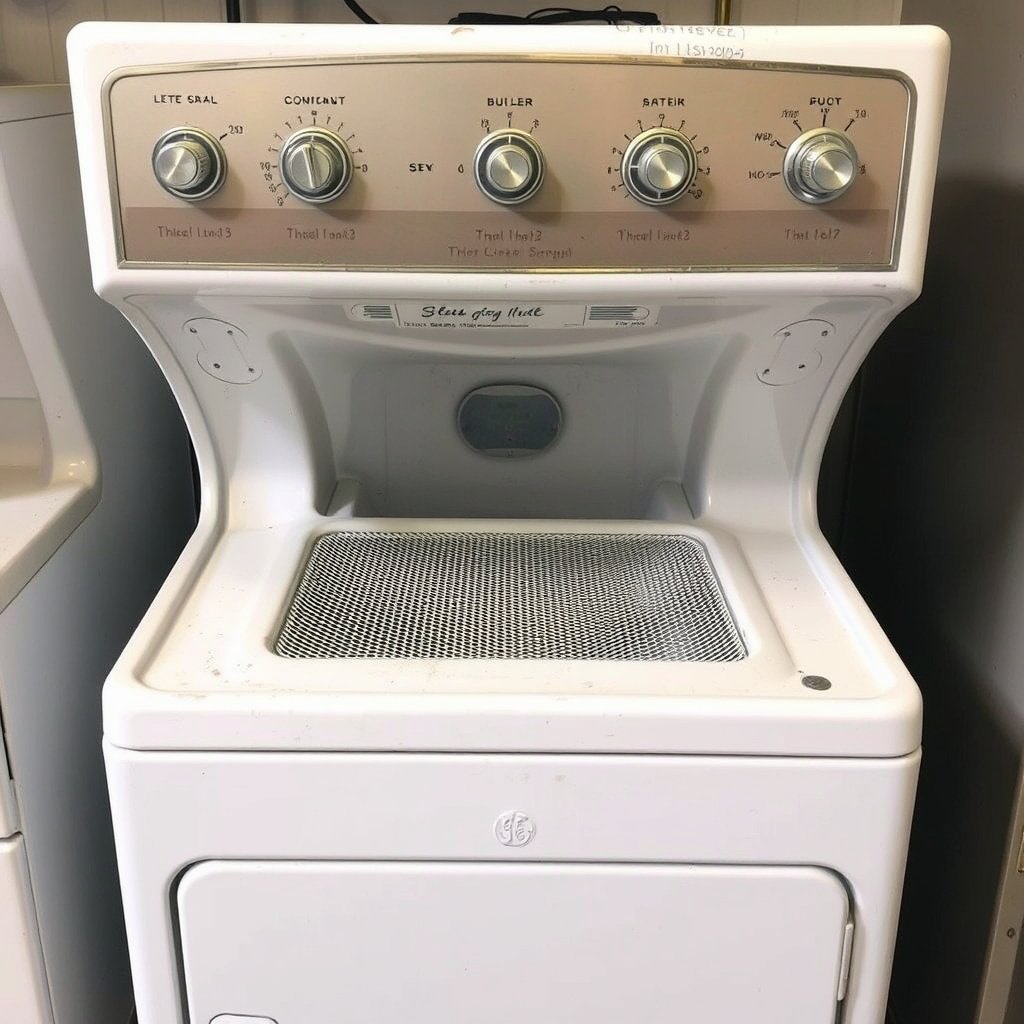
Older GE dryers often have mechanical dials and fewer digital displays compared to contemporary models. Common design markers include large rotary knobs, basic cycle settings, and analog temperature controls.
Visual inspection of the control panel style can help differentiate manufacturing eras, aiding in identifying the specific old GE dryer model you own.
Common Features of Old GE Dryer Models
Typical Cycle Settings and Options
Most older GE dryers feature basic cycle selections like regular, delicate, and timed dry, often controlled via mechanical timers. Some models include air fluff settings but rarely have moisture sensors found in modern units.
Understanding these cycle options clarifies the capabilities of your old GE dryer and signals when an upgrade might add convenience or efficiency.
Construction and Materials
Old GE dryer models were usually constructed with heavy-gauge steel and metal drum interiors, emphasizing durability. The lint screen placement was often inside the door or on the top panel.
This robust build contributes to longevity but can make repairs more labor-intensive compared to lightweight plastic modern designs.
Common Issues in Old GE Dryer Models
Mechanical Wear and Tear
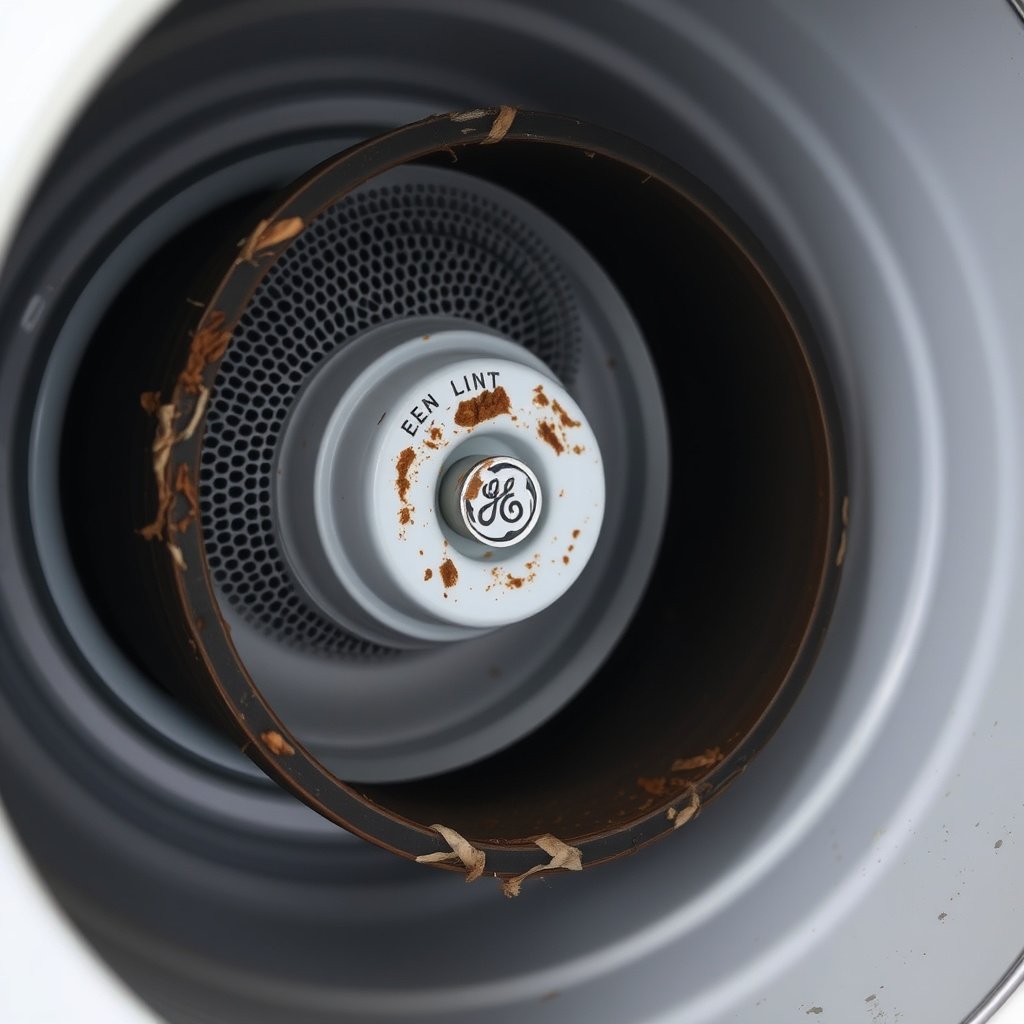
Frequent problems in old GE dryers include drum belt wear, heating element failure, and thermostat malfunctions. These mechanical parts degrade after years of use, causing drying inefficiency or failure.
Regular maintenance and proper diagnosis can extend the life of an older GE dryer before considering replacement.
Electrical and Control Failures
Older control panels with mechanical timers are prone to worn contacts or faulty switches, which can disrupt cycle selection or drying times.
Identifying these faults early allows for cost-effective fixes using GE dryer repair parts specially made for these vintage models.
- Test mechanical timer for continuity
- Inspect switches for mechanical wear
- Replace damaged wiring harnesses
Sourcing GE Dryer Repair Parts for Old Models
Where to Find Compatible Parts
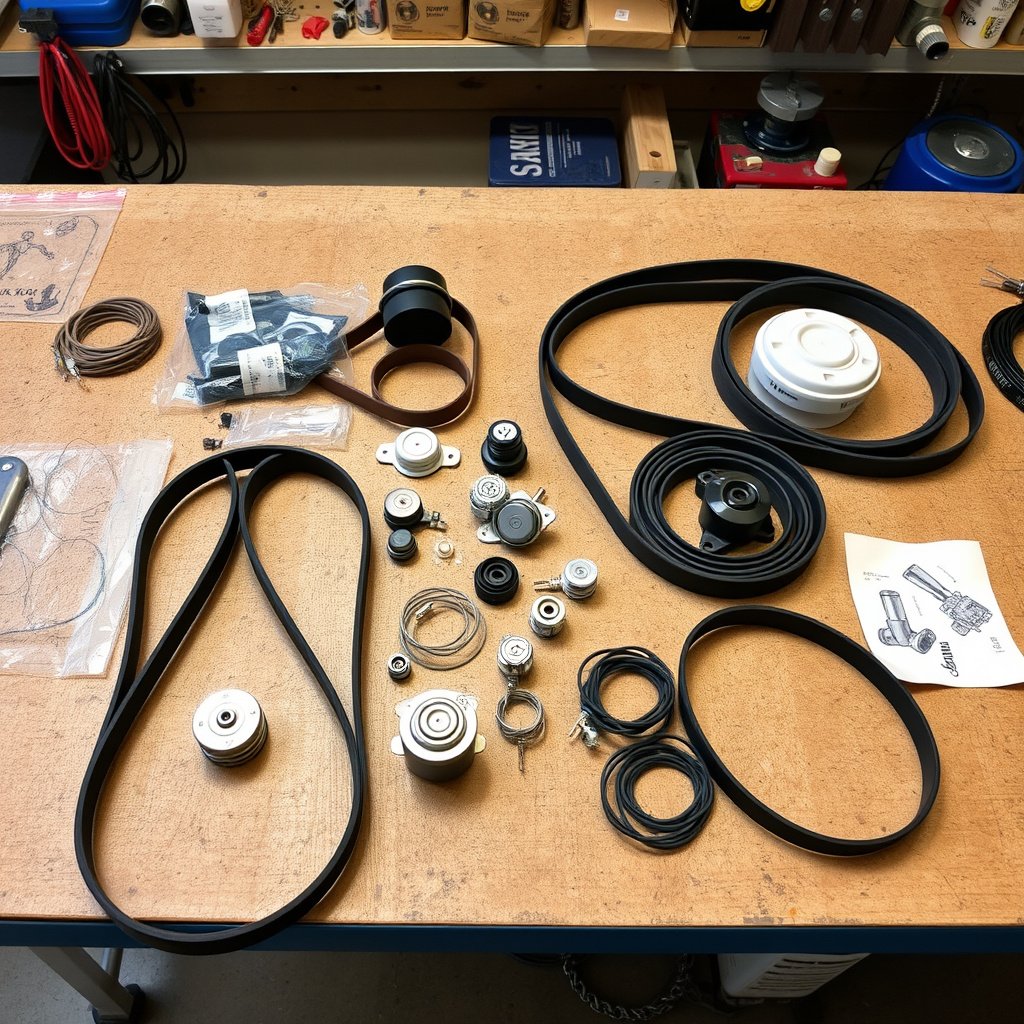
Obtaining genuine or compatible GE dryer repair parts for older models requires reference to the exact model number. Online vendors and specialty appliance parts stores often stock replacement belts, thermostats, and timer assemblies designed for these units.
Some aftermarket parts fit multiple models, but confirming compatibility via part numbers or consulting technical support is crucial to avoid mismatches.
- GE official parts website
- Authorized appliance parts distributors
- Reputable online marketplaces with return policies
Choosing Between OEM and Aftermarket
OEM (original equipment manufacturer) parts guarantee exact fit and performance but usually come at a premium price. Aftermarket parts can offer cost savings but vary in quality and durability.
For critical components like heating elements or drum motors, OEM parts are recommended, while simpler items like lint screens may be replaced with aftermarket versions.
Replacing or Upgrading Old GE Dryer Models

When to Replace Instead of Repairing
Replacing an old GE dryer model is advisable when repair costs exceed 50% of a new unit's price, or if multiple components are failing frequently.
Energy efficiency improvements in new dryers also make replacement attractive for reducing operating costs and upgrading features.
Selecting a New GE Dryer That Meets Your Needs
New GE dryers come with moisture sensors, multiple drying cycles, steam options, and smart connectivity, improving convenience and fabric care.
Choosing a model depends on household size, typical laundry loads, and energy preferences, making it worth comparing features side by side.
- Consider ENERGY STAR certified models for efficiency
- Look for sensor drying over timed drying
- Evaluate capacity against your laundry volume
Maintenance Tips to Extend Dryer Life

Routine Cleaning and Inspection
Regularly removing lint from the screen and vent ducts prevents fire hazards and helps maintain drying efficiency. Inspect belts and drum rollers for wear annually in old dryers.
Patience and consistency in these tasks keep old GE dryer models running well for longer periods.
- Clean lint filter after each load
- Vacuum vent ducts semi-annually
- Check drum belt condition yearly
For further details on the background and development of General Electric appliances, including dryers, you can check the General Electric dryer history. General Electric dryer history.
Professional Servicing Advice
Scheduling professional service every few years can detect hidden issues such as motor wear or electrical faults. Skilled technicians have the experience to handle vintage GE dryer components properly.
Professional inspection reduces the chance of sudden breakdowns and improves safety.
Comparison of Old GE Dryer Models by Decade
Here’s a table summarizing key features and typical lifespan across old GE dryer models from different decades.
| Decade | Typical Model Features | Average Lifespan (Years) | Common Repair Issues |
|---|---|---|---|
| 1970s | Mechanical timers, metal drum, simple cycles | 20-25 | Drum belt, heating element failure |
| 1980s | Basic electronic controls, improved thermostats | 18-22 | Control board faults, drum rollers |
| 1990s | Digital timers, occasional moisture sensors | 15-20 | Timer malfunctions, belt wear |
| 2000s | Advanced digital controls, better energy efficiency | 12-18 | Sensor failures, electrical components |
Frequently Asked Questions
How can I find the model number on an old GE dryer?
The model number is usually on a metal or paper tag inside the dryer's door frame or on the back panel. Look carefully for a series of letters and numbers to identify your model.
Are replacement parts still available for old GE dryer models?
Yes, many parts like belts, thermostats, and motors are still manufactured or available as compatible aftermarket options if you have your model number.
Is it better to repair or replace an old GE dryer?
If repair costs exceed half the price of a new unit or the dryer has multiple failing parts, replacement is usually more cost-effective and offers better energy efficiency.
Do all GE dryers use the same type of belt?
No, dryer belts vary by model and year. Using the correct belt specified for your dryer's model number is important for proper function.
Will cleaning the lint screen help my old GE dryer’s performance?
Absolutely. Regularly cleaning the lint screen improves airflow and drying efficiency, reducing wear on the dryer over time.
Key Takeaways
- Identify old GE dryer models via serial tags and design features
- Old models have durable build but may lack modern convenience
- Use correct GE dryer repair parts for mechanical and electrical fixes
- Replacement is recommended when repair costs are high or frequent
Conclusion
Deciding between repairing or replacing old GE dryer models depends largely on understanding the specific machine’s age, condition, and available repair parts. These dryers often have a robust metal construction and simple mechanical controls, but wear on components like belts, heating elements, and controls eventually affect performance. Recognizing model details through serial numbers and control designs is the first step to informed decisions, enabling you to evaluate whether needed repairs make financial sense or if upgrading will be more practical long term.
For owners of GE dryers from the 1970s through the 1990s, focused repairs addressing mechanical belt replacements, thermostat checks, and timer fixes can extend life, particularly when sourcing authentic GE dryer repair parts. However, if you find yourself battling recurring issues or expenses near half the cost of a new appliance, considering a modern GE dryer with enhanced drying cycles, moisture sensors, and energy-efficient operation could offer a better laundry experience and lower utility bills. Models from the 2000s onward benefit from such features and might be ideal replacement choices.
To proceed, first inspect your dryer’s model number and assess the condition of key parts. Then research part availability and pricing or seek professional assessment to guide your repair or replace decision. Maintaining good practices such as lint screen cleaning can prolong any dryer’s life, but when the time comes, upgrading to a newer, more efficient GE dryer is a sensible step to meet current laundry needs reliably and economically.